Featured

Joseph the Just Man

4th Sunday of Advent [C]

December 21, 2025

Matthew 1:18-24

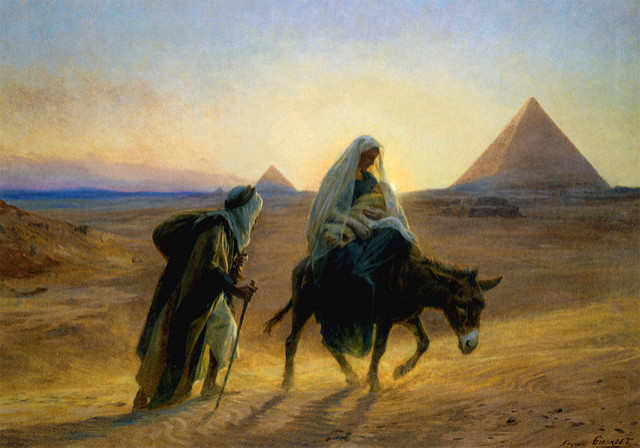
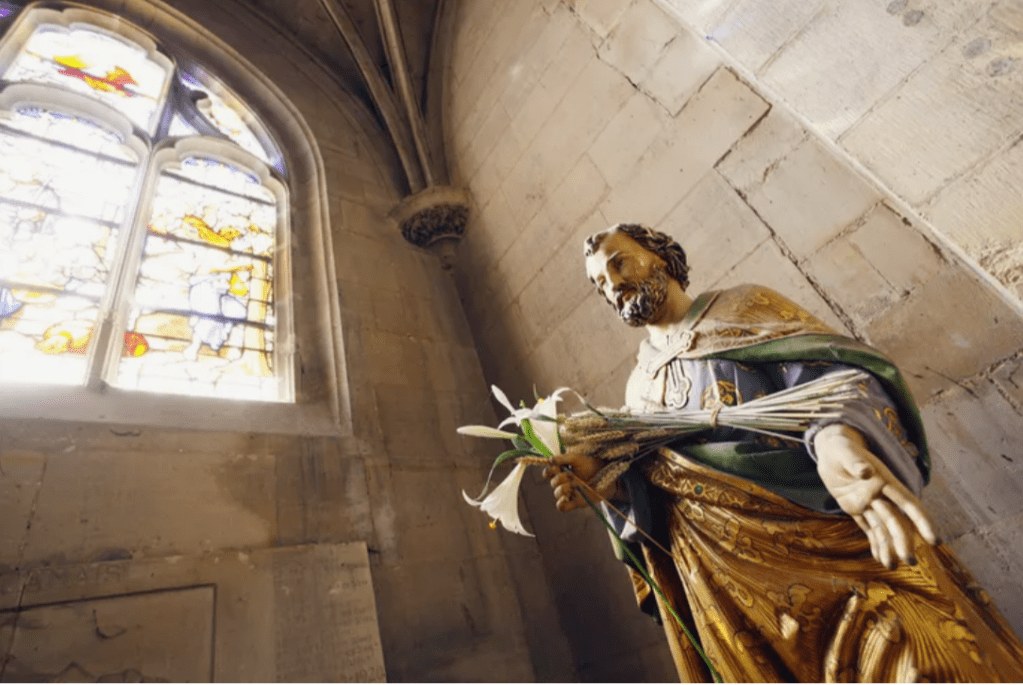
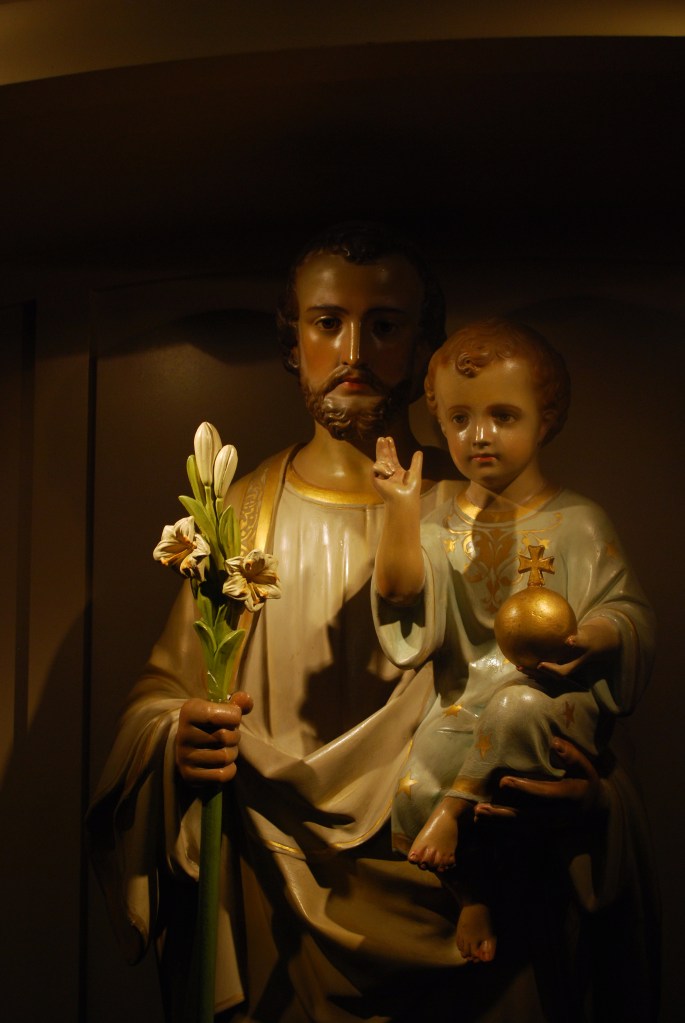
As we approach Christmas, the Gospel introduces us to the key figures surrounding the Messiah’s birth. Among them is Joseph, the foster father of Jesus. Matthew the Evangelist gives him a profound title: a “just man.” What does it mean to be like Joseph? What does it mean to be just?

Matthew uses the Greek word “δίκαιος” (dikaios), typically translated as “just” or “righteous.” In the Biblical context, being just means living in faithful obedience to God’s Law, particularly the Torah given through Moses at Sinai. This adjective is highly significant for an Israelite. Scripture consistently links the “just” person—one who lives by God’s Law—with true happiness and blessing. Psalm 1 declares, “Happy are those who… delight in the law of the Lord, and meditate on his law day and night.” Proverbs similarly praise, “The memory of the just is blessed” (10:7). Why is this life of justice so praiseworthy and fulfilling?

The answer lies in how the Israelites understood God’s Law. They did not view it primarily as a restriction on freedom, but as a gift of love and identity. God gave the Law at Sinai after choosing Israel as His holy nation. Therefore, living the Law was not merely an obligation; it was a sign of their covenant fidelity and their very identity as God’s people. Fundamentally, they saw the Law as God’s gracious guidance—the pathway to avoid the pitfalls of misery and to draw closer to Him, the source of all blessing.

Consequently, Joseph is called “just” because he is the true Israelite who meditates on, loves, and lives by God’s Law. During His formative years, Jesus would have received from Joseph not only a knowledge of the Law’s letters but also Joseph’s own love for God and His commandments. In Joseph, Jesus and Mary saw a happy and righteous man.

From St. Joseph, we learn to love God through faithful obedience. However, we must also avoid the trap of rigidity and legalism, which absolutizes the letter of the law over its spirit. Had Joseph chosen a rigid legalism, he might have applied the strictest penalty to Mary upon discovering her pregnancy, that is stoning. Yet, his justice was perfected by mercy. He recognized that the Law’s ultimate purpose is to love God and neighbor, leading him to protect Mary’s life. Joseph was a happy man because, through the Law, he loved God profoundly.

Finally, Jesus Himself holds the “just” in high esteem. He teaches, “Blessed are those who hunger and thirst for righteousness” (Matthew 5:6), and promises, “Then the just will shine like the sun in the kingdom of their Father” (13:43). While Joseph is not named explicitly in these verses, it is fitting to see in these verses a reflection of his own virtue—virtue that shaped the Holy Family.

Rome

Valentinus Bayuhadi Ruseno, OP

Questions for Meditation:

Do I strive to know God’s Law as revealed in Scripture and taught by the Church?

Do I meditate on God’s commandments, seeking the wisest way to live them out in love for God and my neighbor?

Do I follow rules blindly, or do I seek to understand the spirit and purpose behind them? How do I treat those who struggle to live by them?

Featured

Yusuf, Orang yang Benar

Minggu Keempat Advent [C]

21 Desember 2025

Matius 1:18-24

Seiring mendekati Natal, Injil memperkenalkan kita pada tokoh-tokoh kunci yang mengelilingi kelahiran Sang Mesias. Di antara mereka adalah Yusuf, ayah angkat Yesus. Matius, sang Injil, memberinya gelar yang mendalam: seorang “yang benar” (kata “tulus hati” sebenarnya kurang tepat). Apa artinya menjadi seperti Yusuf? Apa artinya menjadi benar?

Matius menggunakan kata Yunani “δίκαιος” (dikaios), yang biasanya diterjemahkan sebagai “adil” atau “benar.” Dalam Alkitab, menjadi benar berarti hidup dalam ketaatan yang setia terhadap Hukum Allah, khususnya Taurat yang diberikan melalui Musa di Sinai. Kata sifat ini sangat penting bagi seorang Israel. Kitab Suci secara konsisten mengaitkan orang yang “benar”—yang hidup menurut Hukum Allah—dengan kebahagiaan dan berkat yang sejati. Mazmur 1 menyatakan, “Berbahagialah orang yang… bersukacita dalam hukum Tuhan, dan merenungkan hukum-Nya siang dan malam.” Amsal juga memuji, “Ingatan akan orang yang benar diberkati” (10:7). Mengapa hidup yang benar begitu layak dipuji dan memberikan berkat?

Jawaban terletak pada cara orang Israel memahami Hukum Allah. Mereka tidak memandangnya sebagai pembatasan kebebasan, tetapi sebagai anugerah kasih dan identitas. Allah memberikan Hukum di Sinai setelah memilih Israel sebagai bangsa-Nya yang kudus. Oleh karena itu, hidup menurut Hukum bukanlah sekadar kewajiban; itu adalah tanda kesetiaan perjanjian mereka dan identitas mereka sebagai umat Allah. Pada dasarnya, mereka melihat Hukum sebagai bimbingan kasih Allah—jalan untuk menghindari jurang kesengsaraan dan rambu untuk mendekati-Nya, Sang Sumber segala berkat.

Oleh karena itu, Yusuf disebut “benar” karena ia adalah orang Israel sejati yang merenungkan, mencintai, dan hidup menurut Hukum Allah. Selama masa pembentukannya, Yesus pasti menerima dari Yusuf tidak hanya pengetahuan tentang huruf-huruf Hukum, tetapi juga cinta Yusuf terhadap Allah dan perintah-perintah-Nya. Dalam Yusuf, Yesus dan Maria melihat seorang pria yang bahagia dan benar.

Dari Santo Yusuf, kita belajar mencintai Allah melalui ketaatan yang setia. Namun, kita juga harus menghindari jebakan kekakuan dan legalisme, yang mengabsolutkan huruf-huruf hukum. Jika Yusuf memilih legalisme yang kaku, ia mungkin akan menerapkan hukuman terberat pada Maria saat mengetahui kehamilannya, yaitu rajam. Namun, keadilannya disempurnakan oleh kerahiman. Ia menyadari bahwa tujuan akhir Hukum adalah mengasihi Allah dan sesama, dan ini mendorongnya untuk melindungi hidup Maria. Yusuf adalah pria yang bahagia karena, melalui Hukum, ia mengasihi Allah dengan mendalam.

Akhirnya, Yesus sendiri menghargai orang-orang yang “benar” dengan tinggi. Ia mengajarkan, “Berbahagialah orang yang lapar dan haus akan kebenaran” (Mat 5:6), dan berjanji, “Maka orang-orang yang benar akan bersinar seperti matahari di kerajaan Bapa mereka” (13:43). Meskipun Yusuf tidak disebutkan secara eksplisit dalam ayat-ayat ini, pantaslah kita melihat dalam ayat-ayat ini cerminan kebajikan-Nya—kebajikan yang membentuk Keluarga Kudus Nazaret.

Roma

Valentinus Bayuhadi Ruseno, OP

Pertanyaan untuk Renungan:

Apakah saya berusaha mengenal Hukum Allah yang diwahyukan dalam Kitab Suci dan diajarkan oleh Gereja?

Apakah saya merenungkan perintah-perintah Allah, mencari cara terbaik untuk hidup sesuai dengan cinta kepada Allah dan sesama?

Apakah saya mengikuti aturan secara buta, atau apakah saya berusaha memahami roh dan tujuan di baliknya? Bagaimana saya memperlakukan mereka yang kesulitan hidup sesuai dengan aturan tersebut?

Featured

Jesus, Our Peace

16th Sunday in Ordinary Time [B]

July 21, 2024

Eph 2:13-18

In his letter to the Ephesians, St. Paul called Jesus ‘He is our peace.’ Yet, why did St. Paul apply this strange title to Jesus? What does it really mean? And, how does this title affect our faith?

To understand Paul, we have to understand also the Old Testament. Afterall, Paul was a member of Pharisees, and thus, not only a zelous but also learned Jew. When St. Paul called Jesus as ‘peace’, he referred to the peace offering of the Jerusalem Temple. The peace offering (in Hebrew, Shalom) is one of sacrifices instructed by the Lord to the Israelites through Moses (see Lev 3). The peace offerings together with other with other sacrifices continued being offered in the time of Jesus and Paul. The ritual sacrifices ceased when the Romans burned down the Temple of Jerusalem in 70 AD, around two decades after Paul’s martyrdom.

As its name suggests, the purpose of this sacrifice is the reconciliation between the Lord, the God of Israel, and the Israelites who have offended the Lord. However, unlike other sacrifices that emphasize on satisfactions of sins and transgressions, like sin offering (chatat) and guilt offering (asham), the peace offering focuses on the result of God’s forgiveness, that is peace. When man offends God because of his sins, man becomes far from God, like an stranger and even enemy. There is enmity between God and man because of sin. There is no peace. However, when the man is forgiven, and his sins are removed, his friendship with God is restored, and there is peace between God and men. This peace causes joy and thanksgiving. The peace offering symbolizes the joy of forgiveness, the thanksgiving of peace achieved.

When St. Paul called Jesus as ‘our peace,’ St. Paul recognized Jesus offered Himself as the peace offering in the cross. Jesus did not only remove our sins, but also reconciled us to the Father. Jesus is the peace because He broke our enmity with God, and brought us back to God in friendship. Only in Jesus, we are at peace with God.

However, peace offering is also a special kind of sacrifice because it is not burnt totally (unlike holocaust sacrifice) but rather being shared also with the priest and the offerers. The fatty parts is burnt because it is for the Lord, some other parts of the animal are for the priests to consume and other parts are for those who offer the sacrifice. Thus, the peace sacrifice is like a meal shared by everyone. The sacrifice becomes the symbol of peace because only people who are at peace with each other can share the same table and food.

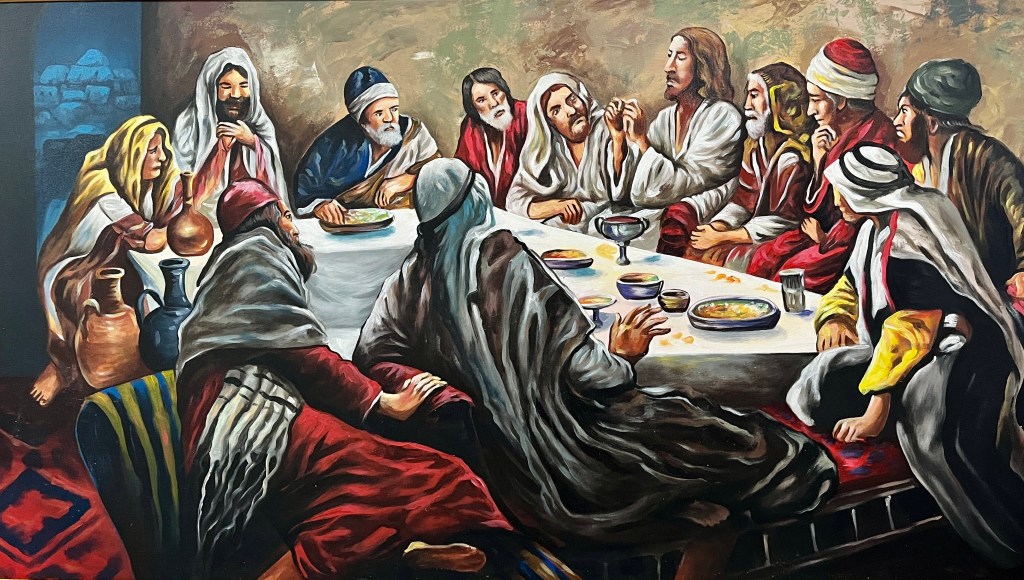
However, what is even more remarkable is the Catholic Church has this peace offering. Indeed, our peace offering is the Eucharist. In the Eucharist, Jesus is offered to the God the Father, and then, consumed not only by the priest, but also the faithful who participate in the celebration. Jesus Christ is truly our peace because in the Eucharist, we share the same meal with God.

Valentinus  Bayuhadi Ruseno, OP

Harapan Kita

Minggu Ketiga Advent [A]

14 Desember 2025

Matius 11:2-11

Yohanes Pembaptis mengutus murid-muridnya untuk menanyakan kepada Yesus, “Apakah Engkau yang akan datang, atau haruskah kami mencari yang lain?” Momen ini mengungkapkan ketidakpastian yang mendalam dalam diri Yohanes—seorang pria yang telah mengabdikan hidupnya untuk mempersiapkan jalan bagi Mesias. Lalu, mengapa ia ragu?

Bagi kita umat Kristiani, identitas Yesus jelas. Namun, apa yang jelas bagi kita tidak selalu jelas bagi orang lain, bahkan bagi seseorang yang besar seperti Yohanes. Alasan mendasar mengapa banyak orang kesulitan mengenali Yesus sebagai Yang Dijanjikan adalah karena Ia seringkali tidak memenuhi ekspektasi manusia kita.

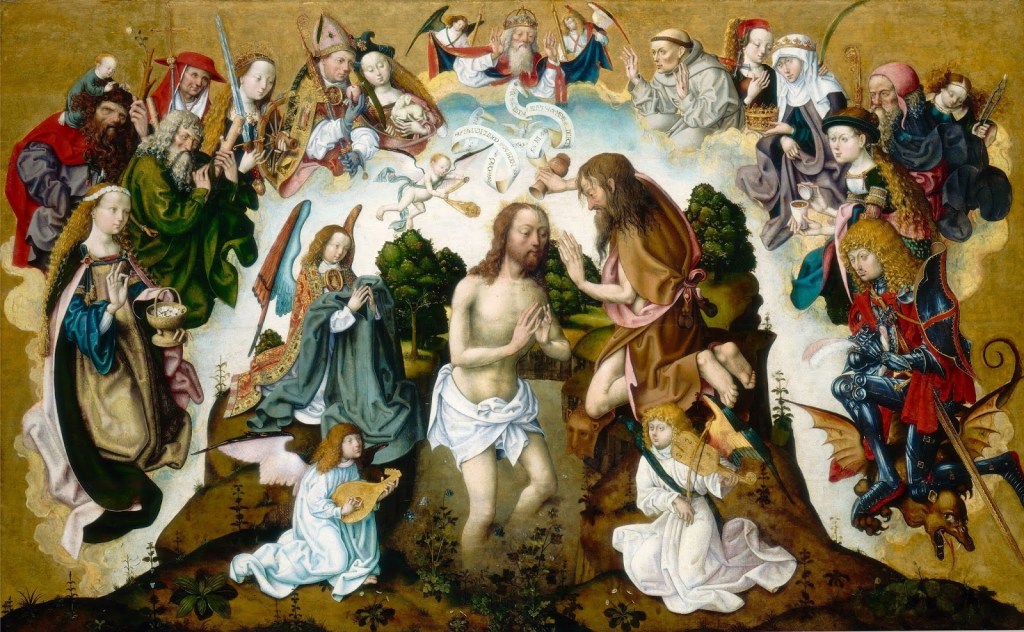
Situasi Yohanes menggambarkan hal ini. Ia telah mendedikasikan dirinya sepenuhnya pada misi Allah—untuk mempersiapkan kedatangan Mesias. Namun, setelah menantang Herodes untuk bertobat, ia malah dipenjara dan menghadapi bahaya maut. Di saat gelap itu, ia bertanya-tanya: Apakah ia telah memenuhi kehendak Allah, ataukah ia telah bekerja sia-sia? Sejatinya, Allah telah mengungkapkan identitas Yesus kepada Yohanes di Sungai Yordan (Mrk 1:9; Mat 3:13-17; Luk 3:21-22; Yoh 1:29-34), namun keraguan tetap ada. Yesus tidak sepenuhnya sesuai dengan ekspektasi Yohanes.

Apa ekspektasi- ekspektasi itu? Seperti banyak orang Israel, Yohanes mungkin menantikan seorang Mesias seperti Daud—seorang pembebas politik yang akan mempersatukan Israel, menggulingkan kekuasaan Romawi, dan memulihkan kemuliaan nasional. Atau mungkin Yohanes mengharapkan seseorang yang mencerminkan gaya hidup asketisnya sendiri: seorang yang hidup dengan kesederhanaan yang ketat, puasa, dan mati raga. Namun, Yesus tidak datang sebagai pahlawan nasionalis, dan Ia juga tidak hidup seperti Yohanes. Sebaliknya, Ia menunjuk pada mukjizat-mukjizat yang Ia lakukan: “Orang buta melihat, orang lumpuh berjalan, orang kusta disembuhkan, orang tuli mendengar, orang mati dibangkitkan…” (Luk 7:22). Ini adalah karya-karya ilahi, tanda-tanda yang mengesahkan identitas dan misi-Nya, meskipun Ia tidak sesuai dengan ekspektasi manusia.

Dari kisah Yohanes, kita belajar pelajaran yang sangat penting: Allah tetap Allah, entah Dia memenuhi ekspektasi kita atau tidak. Memang, Allah seringkali tidak sesuai dengan gambaran terbatas kita tentang-Nya. Hal ini mendorong kita untuk terus-menerus memeriksa ekspektasi kita sendiri dan menyesuaikannya sesuai dengan wahyu-Nya. Menyadari ekspektasi kita dan merubahnya tidaklah mudah, bahkan Yohanes Pembaptis—nabi terbesar—mengalami ketidakpastian dan memiliki ekspektasi yang perlu disempurnakan.

Seiring pertumbuhan rohani kita, kita dipanggil untuk mencari Allah lebih dari mencari keinginan kita sendiri. Hal ini membutuhkan refleksi jujur: Apa harapan kita terhadap Allah? Apakah harapan-harapan itu mendekatkan kita kepada-Nya atau justru menjauhkan kita? Kita percaya Allah adalah baik, tetapi bagaimana kita mengharapkan kebaikan-Nya itu terwujud? Apakah itu berarti kita selalu mendapatkan apa yang kita inginkan? Apakah doa-doa kita dijawab persis seperti yang kita harapkan? Apakah kita akan terhindar dari penderitaan? Dan ketika Allah tidak memenuhi ekspektasi kita, bagaimana kita merespons? Jika kita menjadi sedih, frustrasi, marah, atau bahkan dipenuhi kepahitan, masalahnya mungkin tidak terletak pada Allah, tetapi pada ekspektasi kita. Masa Advent ini sekali lagi mengajak kita untuk membersihkan ekspektasi kita dan mengizinkan Allah sungguh menjadi Allah kita.

Roma

Valentinus Bayuhadi Ruseno, OP

Pertanyaan untuk refleksi:

Apa ekspektasi- ekspektasi yang saya miliki tentang Allah? Bagaimana saya membayangkan Allah bekerja dalam hidup saya? Bagaimana saya merespons ketika Allah tidak memenuhi ekspektasi saya? Apakah ekspektasi saya mendekatkan saya kepada Allah, atau justru menciptakan jarak?

Our Expectations

Third Sunday of Advent [A]

December 14, 2025

Matthew 11:2-11

John the Baptist sends his disciples to ask Jesus a pivotal question: “Are you the one who is to come, or should we look for another?” This moment reveals a profound uncertainty in John—a man who had dedicated his life to preparing the way for the Messiah. Why, then, does he doubt?

For Christians today, Jesus’ identity is clear. Yet what is evident to us was not always obvious to others, even to someone as faithful as John. A fundamental reason many struggles to recognize Jesus as the One is that He often does not meet human expectations.

John’s situation illustrates this. He had devoted himself entirely to God’s mission—to herald the coming of the Messiah. But after challenging Herod to repent, he finds himself imprisoned and in mortal danger. In that dark hour, he wonders: Had he fulfilled God’s will, or had he labored in vain? God had already revealed Jesus’ identity to John at the Jordan (Mk 1:9; Mt 3:13–17; Lk 3:21–22; Jn 1:29–34) yet doubt lingered. Jesus did not fully align with John’s expectations.

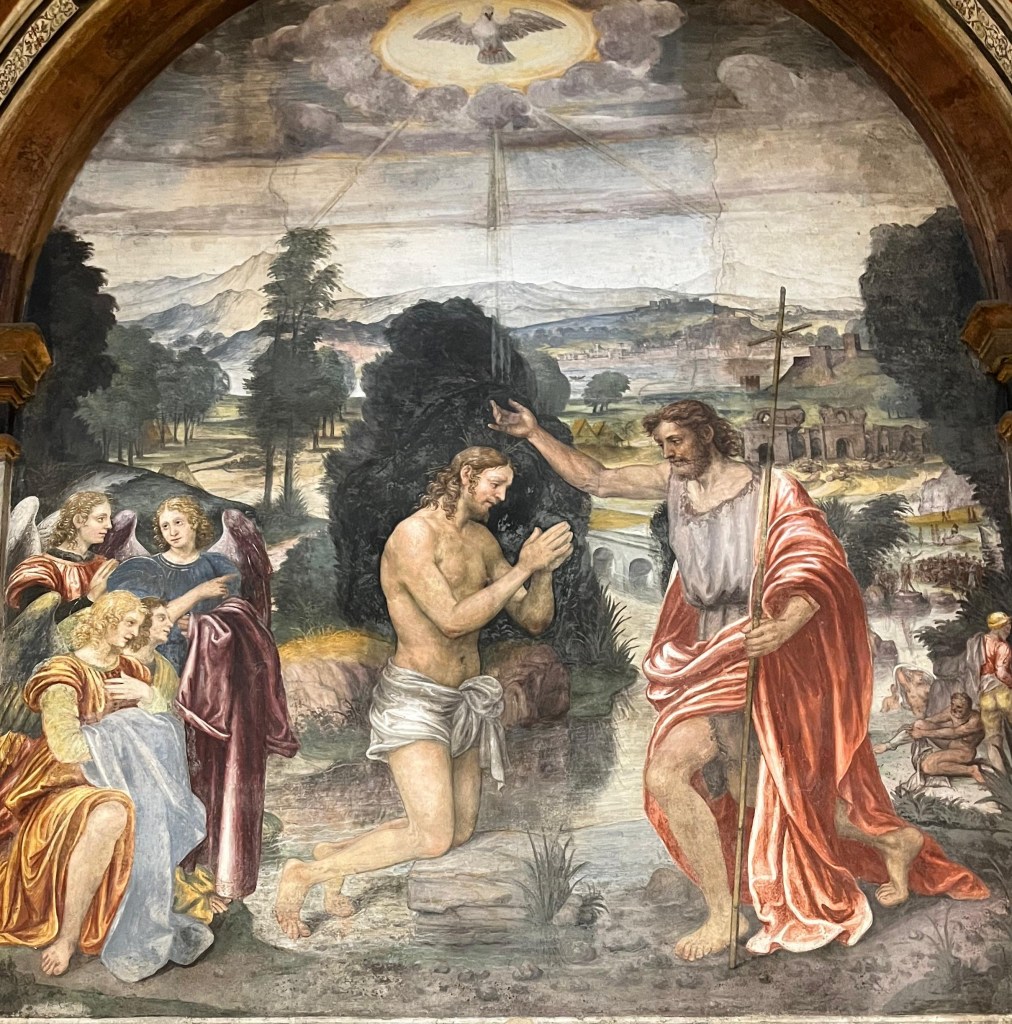
What were those expectations? Like many Israelites, John may have awaited a Davidic Messiah—a political liberator who would unite Israel, overthrow Roman rule, and restore national glory. Or perhaps John expected someone who mirrored his own ascetic lifestyle: a figure of severe simplicity, fasting, and prophetic austerity. Yet Jesus did not come as a nationalist rebel, nor did He live like John. Instead, He pointed to the works He performed: “The blind regain their sight, the lame walk, lepers are cleansed, the deaf hear, the dead are raised…” (Lk 7:22). These were divine acts, signs that authenticated His mission, even if He did not fit human preconceptions.

From John’s story, we learn a powerful lesson: God remains God, whether He meets our expectations or not. Indeed, God often does not conform to our limited images of Him. This invites us to continually examine our own expectations and adjust them in light of His revelation. It is humbling to realize that even John the Baptist—the greatest of prophets—experienced uncertainty and held expectations that needed refining.

As we grow spiritually, we are called to seek God more than we seek our own desires. This requires honest reflection: What are our expectations of God? Are they drawing us closer to Him or pushing us away? We believe God is good, but how do we expect that goodness to manifest? Does it mean we always get what we want? That our prayers are answered exactly as we wish? That we will be spared from suffering? And when God does not meet our expectations, how do we respond? If we become unhappy, frustrated, angry, or even embittered, the problem may lie not with God, but with our expectations. This season of Advent invites us once again to purify our expectations and allow God to be our God.

Rome

Valentinus Bayuhadi Ruseno, OP

Questions for reflection:

What expectations do I hold about God? How do I envision God working in my life? How do I respond when God does not meet my expectations? Are my expectations drawing me nearer to God, or are they creating distance?

Yohanes Pembaptis dan Integritas

Minggu Kedua Advent [A]

7 Desember 2025

Matius 3:1-12

Teguran Yohanes Pembaptis terhadap orang-orang Farisi dan Saduki sebagai “keturunan ular beludak” merupakan salah satu momen paling mengejutkan dalam Injil. Bagi telinga kita, hal itu terdengar seperti hinaan yang sangat keras. Mengapa Yohanes menggunakan bahasa yang begitu keras?

Untuk memahami kata-katanya, kita harus terlebih dahulu melihat siapa Yohanes itu. Dia diakui secara luas sebagai nabi Allah, seorang pria dengan integritas yang tak tergoyahkan, hidupnya mencerminkan pesan yang dia sampaikan. Memanggil orang untuk bertobat dan kembali kepada Allah, dia sendiri hidup dalam kesederhanaan yang ekstrem—berpakaian bulu unta, makan belalang dan madu liar—mencerminkan penyesalan yang dia ajarkan. Konsistensi antara kata dan perbuatan ini membangun kredibilitasnya, menarik banyak orang ke Sungai Yordan untuk dibaptis sebagai tanda pertobatan mereka.

Di antara mereka yang datang ada orang-orang Farisi dan Saduki. Meskipun kedua kelompok ini memiliki perbedaan teologis yang signifikan—seperti keyakinan orang Farisi tentang kebangkitan badan dan kanon Kitab Suci yang lebih luas, berbeda dengan orang Saduki—mereka memiliki sikap yang sama: keduanya mengklaim kesalehan yang superior dari orang-orang Israel yang lain berdasarkan pengetahuan mereka tentang Hukum Musa. Pengetahuan ini menjadi landasan untuk mendapatkan keistimewaan, menempatkan mereka dalam posisi kehormatan dan otoritas (lihat Lukas 14:7-11).

Namun, permasalahan mendasar dari orang-orang Farisi dan Saduki adalah kemunafikan. Banyak di antara mereka mencari kehormatan tanpa mempraktikkan integritas yang menghasilkan penghormatan sejati. Mereka berdoa, berpuasa, dan memberi sedekah secara mencolok, melakukan tindakan-tindakan keagamaan sebagai pertunjukan publik dan bukan sebagai transformasi batin. Iman tanpa integritas, pada dasarnya, adalah kemunafikan.

Yohanes menyebut mereka sebagai “keturunan ular beludak” karena, seperti ular di Kitab Kejadian yang menipu Hawa, tipu daya mereka juga menjauhkan orang dari Allah. Mereka datang ke Sungai Yordan bukan dengan penyesalan yang tulus, melainkan untuk memanfaatkan popularitas Yohanes dan mempertahankan citra kesalehan mereka. Bukan pertobatan tetapi pencitraan. Melihat niat mereka, Yohanes menegur mereka dengan tajam: “Berilah buah yang sesuai dengan penyesalan” (Matius 3:8).

Bahaya kemunafikan tidak berakhir dengan para pemimpin agama pada abad pertama. Hal ini tetap menjadi godaan bagi siapa pun yang secara mendalam terlibat dalam kehidupan agama—termasuk kita semua. Menghadiri Misa, berpartisipasi dalam pelayanan, dan melakukan tindakan devosi, tanpa integritas dan pertobatan, dapat menjadi rutinitas yang menipu dan merusak. Kemunafikan tidak hanya merugikan si munafik, tetapi juga komunitasnya. Hal ini dapat melemahkan orang-orang yang beriman, melukai mereka yang tulus, dan memberikan amunisi bagi mereka membenci iman untuk mengejek kita. Tidak jarang karena sudah muak dengan kemunafikan, beberapa orang meninggalkan Gereja sama sekali.

Advent berfungsi sebagai panggilan bangun yang profetik, menggema seruan Yohanes Pembaptis melintasi abad-abad. Praktik-praktik keagamaan kita—baik Ekaristi, pengakuan dosa, devosi, atau pelayanan—harus erat terhubung dengan tobat yang autentik dan pertumbuhan kekudusan yang tulus.

Roma

Valentinus Bayuhadi Ruseno, OP

Pertanyaan untuk Refleksi:

• Apa yang memotivasi aktivitas keagamaan saya—keinginan untuk dilihat dan dipuji, atau cinta sejati kepada Allah?

• Apakah pilihan harian saya mencerminkan iman yang saya nyatakan? Apakah saya tetap dalam kebiasaan yang bertentangan dengan Injil sambil mempertahankan pengamalan eksternal?

• Apakah saya menghakimi orang lain sementara gagal memenuhi standar yang saya tuntut dari diri sendiri?

Integrity

Second Sunday of Advent [A]

December 7, 2025

Matthew 3:1-12

John the Baptist’s denunciation of the Pharisees and Sadducees as a “brood of vipers” stands as one of the most startling and confrontational moments in the Gospels. To modern ears, it sounds like a severe insult. Why would John use such harsh language?

To understand his words, we must first look at John himself. He was widely recognized as a prophet of God, a man of unwavering integrity whose life embodied his message. Calling for repentance and a return to God, he himself lived in radical austerity—clothed in camel’s hair, sustained by locusts and wild honey—embodying the penitence he preached. This consistency between word and deed established his credibility, drawing multitudes to the Jordan to be baptized as a sign of their repentance.

Among those who came were Pharisees and Sadducees. While these two groups held significant theological differences—such as the Pharisees’ belief in resurrection and a broader canon of Scripture, unlike the Sadducees—they shared a common belief: both claimed a superior piety based on their expert knowledge of the Law. This knowledge became a platform for privilege, placing them in positions of honor and authority (see Luke 14:7-11).

The core issue, however, was hypocrisy. Many among them sought honor without practicing the integrity that earns true respect. They prayed, fasted, and gave alms conspicuously, performing religiosity as a public spectacle rather than an inward transformation. A faith devoid of integrity is, in essence, hypocrisy.

John identified them as a “brood of vipers” because, like the ancient serpent that deceived Eve, their deception led people away from God. They came to the Jordan not in genuine repentance, but to co-opt John’s popularity and perpetuate a façade of piety. Seeing through their intentions, John rebuked them sharply: “Bear fruit worthy of repentance” (Mat 3:8).

The danger of hypocrisy did not end with the religious leaders of the first century. It remains a temptation for anyone deeply invested in religious life—ourselves included. Attending church, participating in ministries, and performing devotional acts can, without integrity and repentance, become a deceptive routine. Hypocrisy harms not only the hypocrite but also the community. It can disillusion the faithful, wound the sincere, and provide those hostiles to faith with ammunition to ridicule believers. It is not rare that because of them, some people leave the Church all together.

Advent serves as a prophetic wake-up call, echoing John the Baptist’s cry across the centuries. Our religious practices—whether the Eucharist, confession, devotions, or service—must be intimately linked to authentic repentance and a sincere pursuit of holiness.

Rome

Valentinus Bayuhadi Ruseno, OP

Questions for Reflection:

  • What motivates my religious activities—a desire to be seen and praised, or a genuine love for God?
  • Do my daily choices reflect the faith I proclaim? Do I persist in habits contrary to the Gospel while maintaining external observance?
  • Do I judge others while failing to live up to the standards I demand of myself?

Dua Adven

Minggu Pertama Adven [A]

30 November 2025

Matius 24:37-44

Kita memulai tahun liturgi dengan merayakan Minggu Pertama Adven. Kata “Adven” berasal dari bahasa Latin “Adventus,” yang berarti “kedatangan.” Dalam konteks Katolik, Adven menandakan kedatangan Yesus Kristus. Iman kita mengajarkan bahwa Yesus datang ke dunia dua kali. Kedatangan-Nya yang pertama adalah ketika Pribadi Kedua Tritunggal Mahakudus, Sang Putra, Logos yang ilahi dan tak diciptakan, menjadi manusia dan hidup di Israel pada abad pertama. Kedatangan-Nya yang kedua akan terjadi pada akhir zaman, ketika Ia akan kembali sebagai Hakim bagi yang hidup dan yang mati.

Dualitas kedatangan Kristus ini tercermin dalam bacaan-bacaan hari Minggu sepanjang masa Adven. Minggu pertama dan kedua berfokus terutama pada kedatangan kedua Yesus, sementara minggu ketiga dan keempat lebih banyak berbicara tentang kedatangan pertama-Nya. Pola ini sangat penting karena mengajarkan kepada kita bahwa Adven—dan juga Natal—bukan hanya tentang kelahiran bayi Yesus di Bethlehem, tetapi juga tentang kembalinya Kristus  sang Raja. Kedatangan pertama menonjolkan kelembutan dan belas kasih Yesus, sementara kedatangan kedua mengungkapkan keadilan ilahi-Nya.

Oleh karena itu, Adven mengajak kita untuk memasuki dua bentuk penantian yang berbeda: penantian yang penuh sukacita akan bayi Yesus yang penuh kasih, dan kesadaran yang serius akan penghakiman ilahi Kristus Raja pada akhir zaman. Menjaga keseimbangan antara dua bentuk penantian ini tidaklah mudah, karena kita sering kali lebih fokus pada satu aspek daripada yang lain. Beberapa orang hanya fokus pada sukacita kelahiran Yesus, melupakan kebutuhan untuk mempersiapkan diri menghadapi penghakiman Allah. Yang lain hidup dalam ketakutan yang konstan akan murka ilahi pada hari Penghakiman dan mengabaikan kasih dan belas kasih Allah yang mendalam.

Meskipun sulit, menjaga keseimbangan antara kedua kebenaran ini esensial bagi keselamatan kita. Yesus sendiri memperingatkan murid-murid-Nya bahwa pada zaman Nuh, orang-orang terlarut dalam kehidupan sehari-hari mereka ketika banjir tiba-tiba datang. Sebaliknya, jika kita terjebak dalam ketakutan dan kecemasan tentang surga dan neraka, kita tidak dapat hidup di dunia ini dengan sukacita, sesuai dengan kehendak Allah. Jadi, bagaimana kita menjaga keseimbangan yang sehat antara dua jenis penantian ini?

Jawaban terletak pada apa yang dapat kita sebut sebagai “kedatangan ketiga” Kristus. Jika kedatangan pertama adalah inkarnasi-Nya dan kedatangan kedua adalah perannya sebagai Hakim, kedatangan ketiga ini terjadi di antara keduanya. Ini adalah kedatangan Kristus dalam hidup kita setiap hari melalui berbagai cara. Yesus berjanji akan menyertai kita hingga akhir zaman (Mat 28:20). Pertama, Dia datang kepada kita dalam Sakramen, terutama Ekaristi, di mana Dia hadir sepenuhnya dalam rupa roti dan anggur. Ketika kita menyembah-Nya dalam Ekaristi dengan selayaknya, kita membentuk jiwa kita untuk menyambut-Nya dengan layak sebagai Raja Semesta Alam.

Kedua, ketika kita secara teratur membaca Kitab Suci dan hidup sesuai dengan firman Allah, kita dibentuk menjadi serupa dengan Kristus. Maka, ketika Ia datang sebagai Hakim, Ia akan mengenali kita sebagai milik-Nya. Ketiga, ketika kita meluangkan waktu untuk doa, devosi, dan adorasi, kita menjadi familiar dengan suara Gembala kita. Oleh karena itu, pada kedatangan-Nya yang kedua, kita akan tahu persis suara mana yang harus diikuti ketika Sang Raja memanggil nama kita.

Surabaya

Valentinus Bayuhadi Ruseno, OP

Pertanyaan untuk Refleksi:

  • Bagaimana kita mempersiapkan diri untuk Natal? Apakah persiapan kita berfokus pada hal-hal eksternal seperti dekorasi, liburan, dan pakaian baru? Atau apakah kita memprioritaskan persiapan rohani dengan berusaha hidup lebih penuh sesuai dengan kehendak Allah?
  • Bagaimana kita mempersiapkan diri untuk kedatangan Yesus yang kedua? Apakah dengan sukacita atau ketakutan? Apakah kita menghadiri Misa karena kewajiban, kebiasaan, atau keinginan yang tulus untuk menyembah Allah?

First and Second Advent

First Sunday of Advent [A]
November 30, 2025
Matthew 24:37-44

We begin the liturgical year by celebrating the First Sunday of Advent. The word “Advent” comes from the Latin “Adventus,” meaning “arrival.” In the Catholic context, Advent signifies the arrival of Jesus Christ. Our faith teaches that Jesus comes to the world in two ways. His first coming was in the flesh, when the Second Person of the Holy Trinity, the divine and uncreated Logos, became man and lived in first-century Palestine. His second coming will be at the end of time, when He will return as the Judge of the living and the dead.

This duality of Christ’s coming is reflected in the Sunday readings throughout Advent. The first and second Sundays focus primarily on the second coming of Jesus, while the third and fourth Sundays speak more of His first coming. This pattern is crucial because it teaches us that Advent—and, by extension, Christmas—is not only about the birth of a baby in Bethlehem but also about the return of Christ the King. The first arrival highlights Jesus’ tenderness and mercy, while the second reveals His divine justice.

Therefore, Advent invites us into two distinct modes of waiting: a joyful anticipation of the loving infant Jesus, and a sober awareness of the divine judgment of Christ the King. Maintaining this tension is challenging, as we often favor one aspect over the other. Some focus exclusively on the joy of the Nativity, forgetting the need to prepare for God’s judgment. Others live in constant fear of divine wrath, overlooking God’s profound love and mercy.

Though difficult, holding both truths in balance is essential for our salvation. Jesus Himself warns His disciples that in the days of Noah, people were absorbed in their daily lives when the flood suddenly came. Conversely, if we are trapped in fear and anxiety about hell, we cannot live the joyful life God intends. So, how do we maintain a healthy balance between these two kinds of waiting?

The answer lies in what we can call the “third” coming of Christ. If the first Advent is His incarnation and the second is His role as Judge, this third coming occurs between these two. It is Christ’s daily arrival in our lives through various means. Jesus promised to be with us until the end of time (Matthew 28:20). He comes to us in the Sacraments, especially the Eucharist, where He is fully present under the appearances of bread and wine. When we worship Him at Mass with reverence, we form our souls to properly welcome Him as the King of the Universe.

When we regularly read Scripture and live according to God’s word, we are conformed to the likeness of Christ. Then, when He comes as Judge, He will recognize us as His own. When we dedicate time to prayer, devotion, and adoration, we familiarize ourselves with the voice of our Shepherd. Thus, at His second coming, we will know exactly which voice to follow when the King calls our name.

Surabaya

Valentinus Bayuhadi Ruseno, OP

Questions for Reflection:

  • How do we prepare for Christmas? Is our preparation focused on external things like decorations, travel, and new clothes? Or do we prioritize spiritual preparation by striving to live more fully according to God’s will?
  • How do we prepare for Jesus’ second coming with joy rather than fear? Do we attend Mass out of obligation, habit, or a genuine desire to worship God?

Raja di Salib

Hari Raya Tuhan Yesus Kristus, Raja Semesta Alam

23 November 2025

Lukas 23:35-43

Seiring dengan berakhirnya tahun liturgi, Gereja mengajarkan sebuah kebenaran yang mendalam: Yesus Kristus adalah Raja. Namun, apa arti hal ini?

Hidup Yesus sepertinya bertolak belakang dengan setiap konsep duniawi tentang seorang raja. Dia bukanlah raja yang memimpin pasukan yang kuat atau mengendalikan sumber daya yang luas. Sungguh, Dia tidak memiliki tentara maupun emas. Bahkan, Dia wafat dengan cara yang paling memalukan, dipaku di salib, dan diolok-olok sebagai raja palsu, mesias tak berguna! Sebagian besar murid-Nya telah melarikan diri, meninggalkan hanya beberapa wanita setia yang menyaksikan akhir tragis-Nya. Jadi, kita harus bertanya: raja seperti apakah Yesus ini?

Jawaban itu terungkap tepat di salib. Di sini, di tengah ketidakadilan dan ejekan, Yesus mendefinisikan ulang arti menjadi seorang raja. Bahkan dua penjahat yang disalibkan di samping-Nya awalnya ikut mengejek (Mrk 15:32). Namun, sesuatu yang luar biasa terjadi. Salah satunya mengalami perubahan hati dan berpaling kepada Yesus, berkata, “Yesus, ingatlah aku ketika Engkau datang ke dalam Kerajaan-Mu (Luk 23:42).” Di saat keputusasaan yang mendalam ini, “penjahat yang baik” mengakui Yesus sebagai raja sejati di takhta-Nya.

Apa yang menyebabkan perubahan dramatis ini? Kunci jawabannya terdapat dalam kata-kata pencuri itu kepada penjahat yang lain: “Tidakkah kamu takut kepada Allah, padahal kamu berada di bawah hukuman yang sama? Kami dihukum dengan adil, karena kami menerima apa yang pantas kami dapatkan atas perbuatan kami, tetapi orang ini tidak bersalah (23:40-41).” Dia tahu Yesus tidak bersalah.

Namun, lebih dari sekadar ketidakbersalahan Yesus, pencuri yang baik melihat sesuatu yang lebih dalam. Ia menyaksikan kasih yang mendalam dan bahkan tak terselami. Di tengah ketidakadilan, ia tidak mendengar kutukan atau kata-kata pahit dari Yesus. Sebaliknya, ia mendengar, “Bapa, ampunilah mereka; sebab mereka tidak tahu apa yang mereka lakukan (23:34).” Sementara dunia melemparkan amarah, kebencian, dan kekerasan kepada-Nya, Yesus tidak memperbesar hal itu dengan balas dendam. Ia menerimanya, membiarkannya berhenti pada-Nya, dan menjawab dengan kata-kata pengampunan.

Pencuri yang baik menyadari bahwa kekuatan sejati bukanlah kemampuan untuk menimbulkan penderitaan, untuk memperkaya diri sendiri, atau untuk memperoleh lebih banyak kekuasaan, melainkan kekuatan untuk menanggung penderitaan dan mengubahnya menjadi kesempatan untuk mengasihi. Yesus, yang telah dilucuti dari segala kekuatan duniawi, menggunakan senjata terbesar: kasih dalam pengorbanan diri. Dia menunjukkan bahwa bahkan salib pun tidak dapat menghentikan-Nya untuk mengasihi—bahkan mengasihi mereka yang ingin menghancurkan-Nya.

Dan dalam momen pengakuan dan permohonan yang rendah hati—“ingatlah aku”—Sang Raja menunjukkan kuasa-Nya yang sejati. Yesus tidak hanya menjanjikan imbalan di masa depan; Dia menyatakan kenyataan saat ini: “Hari ini engkau akan bersama-Ku di Firdaus.” Yesus, sang Raja, mengubah momen tergelap seorang penjahat yang dihukum mati menjadi sebuah Firdaus.

Inilah kuasa Kristus, Raja kita. Ia mengundang kita, seperti pencuri yang baik, untuk menerima kuasa-Nya dan menghidupi hukum kasih. Ketika kita melakukannya, Dia mulai melakukan transformasi dalam diri kita, mengubah momen-momen penderitaan, kebingungan, dan dosa kita menjadi awal dari Firdaus, yang adalah Kerajaan-Nya.

Surabaya

Valentinus Bayuhadi Ruseno, OP

Pertanyaan untuk Refleksi:

•    Warga Kerajaan Allah adalah pembawa damai yang mencari keadilan tanpa kekerasan. Ketika orang lain menyakiti kita, apa respons kita? Apakah kita menghindar dari mereka, menginginkan mereka menderita, atau berusaha menyakiti mereka dengan cara yang sama? Atau apakah kita, seperti Raja kita, berdoa untuk pertobatan mereka?

•    Warga Kerajaan Allah adalah orang-orang yang murni hatinya. Apa yang memenuhi hati kita? Apakah kebencian, kepahitan, dan amarah? Atau apakah pengampunan, belas kasih, dan hal-hal ilahi?

The King on the Cross

The Solemnity of Our Lord Jesus Christ, King of the Universe
November 23, 2025
Luke 23:35-43

As the liturgical year draws to a close, the Church proclaims a startling truth: Jesus Christ is King of the Universe. But what can this mean?

Jesus’ life defies every worldly notion of kingship. He is not a king who commands powerful armies or controls vast resources. He possesses neither soldiers nor gold. In fact, He died the most humiliating death, nailed to a cross under the mocking accusation, “This is the King of the Jews.” Most of His disciples had fled, leaving only a few faithful women to witness His tragic end. So, we must ask: what kind of king is this?

The answer is revealed precisely at the cross. Here, in the midst of injustice and mockery, Jesus redefines kingship. Even the two criminals crucified beside Him initially joined in the taunts (Mk 15:32). But then, something extraordinary happens. One of them has a change of heart and turns to Jesus, saying, “Jesus, remember me when you come into your kingdom (Luk 23:42).” In this moment of utter despair, the “good thief” recognizes Jesus as a real king at His throne.

What caused this dramatic shift? The key lies in the thief’s own words to his companion: “Do you not fear God, since you are under the same sentence of condemnation? We have been condemned justly, for we are getting what we deserve for our deeds, but this man has done nothing wrong (23:40-41).” He knew Jesus was innocent.

Yet, more than just His innocence, the good thief saw something more. He witnessed a profound and unsettling grace. Amid the injustice, he heard no curse or bitter word from Jesus. Instead, he heard, “Father, forgive them; for they do not know what they are doing (23:34).” While the world hurled its anger, hatred, and violence at Him, Jesus did not amplify it with revenge. He embraced it, allowing it to stop with Him, and answered with a word of forgiveness.

The good thief realized that true power is not the ability to inflict suffering, to enrich oneself, to gain more power over oneself, but rather the strength to bear suffering and transform it into occasion of love. Jesus, stripped of all earthly power, wielded the greatest weapon of all: self-sacrificing love. He demonstrated that not even the cross could stop Him from loving—even loving those who sought His destruction.

And in that moment of recognition and humble request—“remember me”—the King exercises His true authority. Jesus doesn’t only promise a future reward; He proclaims a present reality: “Today you will be with me in Paradise.” Jesus, the King, transforms the darkest moment of a condemned criminal into the paradise.

This is the power of Christ our King. He invites us, like the good thief, to recognize His authority and embrace the law of love. When we do, He begins the same work of transformation in us, turning our own moments of pain, confusion, and sin into foretastes of His Kingdom.

Surabaya

Valentinus Bayuhadi Ruseno, OP

Questions for Reflection:

  • The citizens of God’s Kingdom are peacemakers who seek justice without vengeance. When others hurt us, what is our response? Do we avoid them, wish them harm, or seek to inflict the same pain? Or do we, like our King, pray for their conversion?
  • The citizens of the Kingdom are the pure in heart. What fills our inner world? Is it hatred, bitterness, and anger? Or is it forgiveness, compassion, and the things of God?