


Third Sunday of Lent. Luke 13:1-9 [February 28, 2016]
“It may bear fruit in the future (Luk 13:9)”
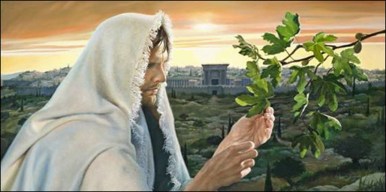 The heart of the parable of the Good Gardener is God’s Mercy. Not only He is merciful, but He is the Mercy itself. Pope Francis fittingly wrote that the name of God is Mercy. God cannot but be merciful. We are like the tree that was fruitless and useless, but God gave us a second chance. Jesus, our Holy Gardener, even exerts His utmost effort to take care of us, making sure that grace of God in constantly pour upon us.
In my readings on Mercy, I stumbled upon this little story of a young French soldier who deserted the armies of Napoleon but was soon caught. He was court-martialed and condemned to death. His mother pleaded with Napoleon to spare her son’s life. Napoleon said that the crime was dreadful; justice demanded his life. The mother sobbed and begged for mercy. Napoleon replied that the young man did not deserve mercy. And the mother said, “I know that he does not deserve mercy. It would not be mercy if he deserved it.”
God’s mercy flows from His overflowing love. However, because God so loves us, He also allows us grow in freedom. God gave us a second chance, but it is up us to grab it or blow it up. Just like St. Augustine once said, “God created us without us, but He did not save us without us.” Thus, the greatest enemy of mercy is hopelessness. We assume that we no longer are no longer able to change. We refuse God’s second change because we see it as completely useless. Indeed, to cash despair is the chief work of the devil. Author, lawyer, economist, and actor Ben Stein says, “The human spirit is never finished when it is defeated. It is finished when it surrenders.” Our failures, weaknesses condition us to believe that we are worthless, and the moment we doubt the mercy of God, the devil is victorious.
England could have been lost to Germany in World War II, had not been for Winston Churchill. He was the prime minister of England during some of the darkest hours of World War II. He was once asked by a reporter what his country’s greatest weapon had been against Hitler’s Nazi regime that bombarded England day and night. Without pausing for a moment he said, “It was what England’s greatest weapon has always been hope.”
Pope Francis, through his own initiative declared this year as the Jubilee Year of Mercy, and He opens up the gates of mercy all over the world so that everyone may feel God’s love and compassion. Yet again, we never receive that grace, unless we pass through the threshold of that gates. We need to believe that His Mercy conquers all our limitations, and His Love covers multitude of sins. When Pope Francis visited the US in September 2015, he made a point to meet the prisoners and he said to them, “Let us look to Jesus, who washes our feet. He is ‘the way, and the truth, and the life’. He comes to save us from the lie that says no one can change. He helps us to journey along the paths of life and fulfillment. May the power of his love and his resurrection always be a path leading you to new life.”
Br. Valentinus Bayuhadi Ruseno, OP

 Inti dari perumpamaan tentang Pengurus kebun yang baik adalah kerahiman Allah. Tidak hanya Allah penuh dengan belas kasih, tetapi Dia adalah belas kasih itu sendiri. Paus Fransiskus dengan tepat menulis bahwa Nama Allah adalah Belas Kasih. Karena Ia adalah Sang Belas Kasih, tindakan pertama-Nya terhadap kita manusia adalah berbelas kasih. Walaupun kita seperti pohon ara yang tak membuahkan hasil dan tidak berguna, tetapi Allah memberi kita kesempatan kedua. Dan tidak hanya kesempatan baru, Yesus, sang pengurus kebun kita yang suci, bahkan memberikan upaya maksimal-Nya untuk merawat kita, memastikan bahwa anugerah Allah terus-menerus tercurahkan kepada kita.
 For St. Luke, Jesus is a man of prayer. Luke fondly wrote in his Gospel that Jesus would pray before the decisive events in His life and mission. Jesus prayed the whole night before he chose His disciples (Luk 6:12). One of the reasons why Jesus cleansed the Temple of Jerusalem was that He was well aware of the main function of the holy Temple: House of Prayer (Luk 19:46). He reminded his disciples to pray especially in facing trials and tribulations (Luk 21:36). Before He was embracing His passion and death, He prayed at the garden (Luk 22:44). Finally, enduring a brutal torture, He saved His last breath even to pray for those who have crucified Him (Luk 23:34).
 Bagi St. Lukas, Yesus adalah seorang doa. Lukas menulis dalam Injilnya bahwa Yesus berdoa sebelum menghadapi peristiwa-peristiwa penting di dalam hidup dan misi-Nya. Yesus berdoa sepanjang malam sebelum ia memilih murid-murid-Nya (Luk 6:12). Salah satu alasan mengapa Yesus membersihkan Bait Allah Yerusalem dari berbagai malapraktik adalah bahwa Dia sangat menyadari fungsi utama dari Bait Allah ini: Rumah Doa (Luk 19:46). Dia mengingatkan para murid-Nya untuk berdoa terutama saat menghadapi cobaan dan penderitaan (Luk 21:36). Sebelum Ia menghadapi sengsara dan wafat-Nya, Dia berdoa di taman (Luk 22:44). Akhirnya, saat Ia berada di kayu salib, Dia menyimpan nafas terakhirnya bahkan untuk berdoa bagi mereka yang telah menyalibkan-Nya (Luk 23:34).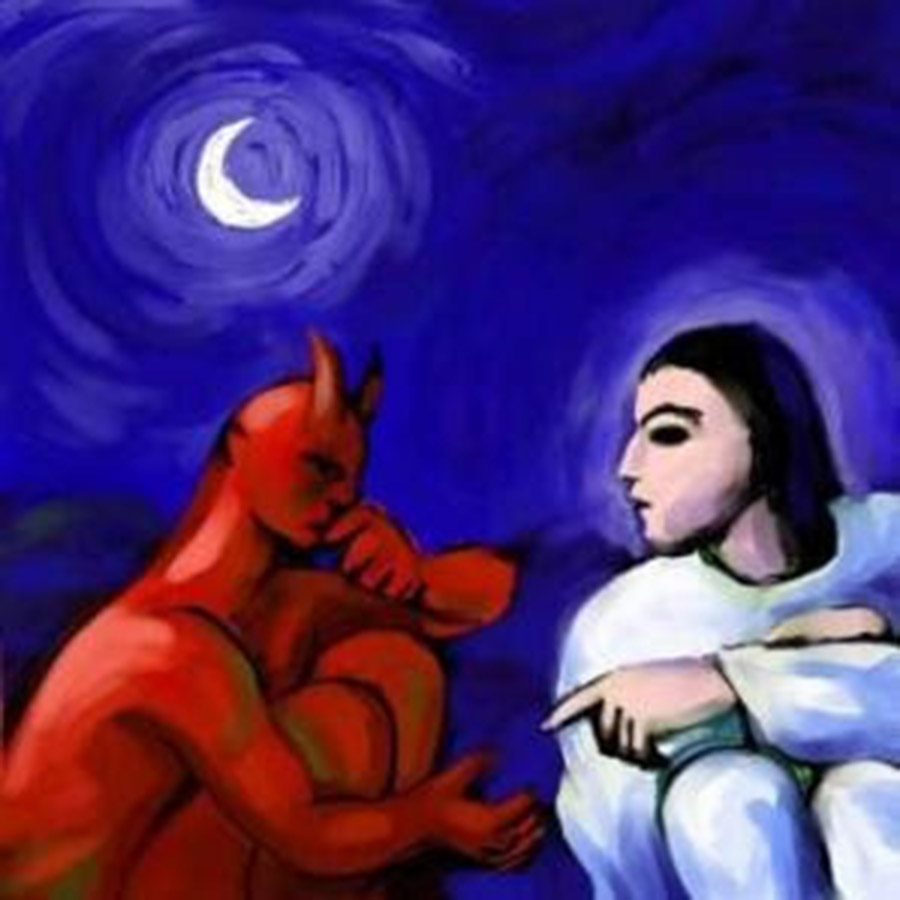
 Today’s Gospel shows us that the Holy Spirit led Jesus to the desert. Yes, the Holy Spirit will not spare us from the desert! The desert experience can be anything that spells dryness and emptiness in our lives and souls. Out of nowhere, a seminarian enters into a desert as he is feeling unexplainable meaninglessness in his chosen vocation. A mother begins to experience exhaustion in fulfilling her difficult mission to rear her children. Through her journals, it was revealed that even holy person like Mother Teresa of Calcutta went through ’the eclipse of God’ when she did not sense the presence of God for almost 10 years in her life.
 Injil hari ini menulis tentang Roh Kudus yang membawa Yesus ke padang gurun. Ya, Roh Kudus akan membawa kita ke padang gurun juga! Gurun bisa diartikan sebagai kekeringan dan kekosongan dalam hidup dan jiwa kita. Seorang frater tiba-tiba masuk ke pengalaman gurun dan ia merasa kehilangan makna dan semangat di dalam panggilannya. Seorang ibu mulai mengalami kelelahan dalam mengemban misi yang sulit untuk membesarkan anak-anak nya. Melalui tulisan-tulisannya, terungkap bahwa bahkan orang kudus seperti Bunda Teresa dari Kalkuta pun harus melalui ‘Allah yang diam’ ketika dia tidak merasakan kehadiran Allah selama hampir 10 tahun dalam hidupnya.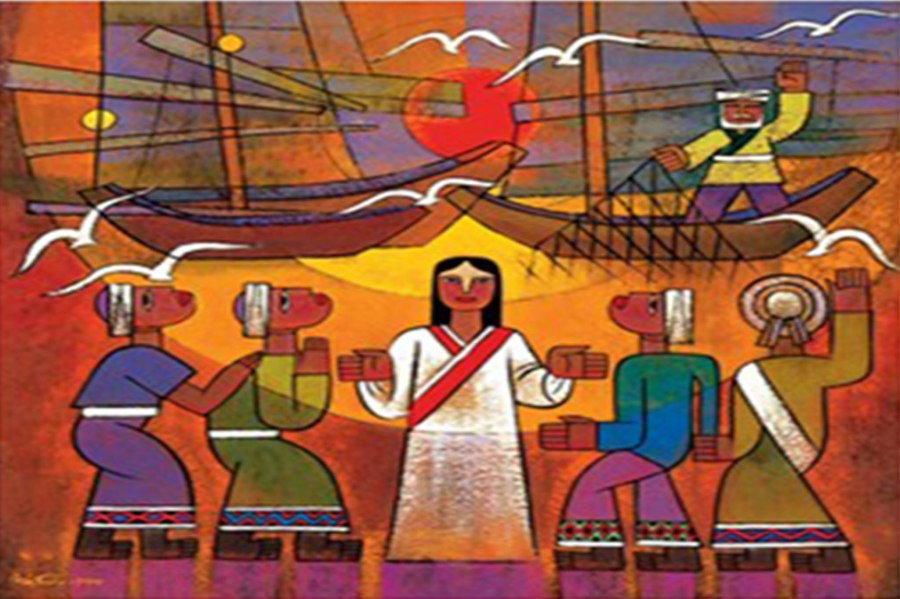
 nd taught the crowds from the boat of Simon (Luk 5:3).”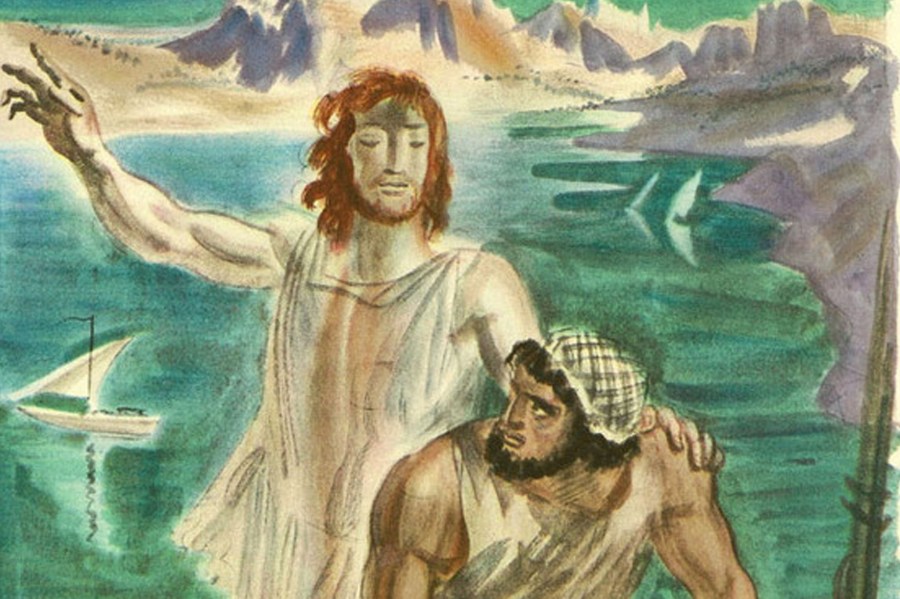
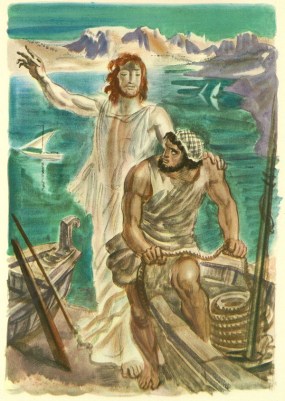 “Lalu Ia duduk dan mengajar orang banyak dari atas perahunya Simon (Luk 5:3).”
 In Medio Ecclesiae