


Solemnity of the Body and Blood of Christ. May 29, 2016. [Luke 9:11-17]
“His cup is the new covenant in my blood. Do this, as often as you drink it, in remembrance of me (1 Cor 11:25).”
 One of my personal ministries is to be a blood donor. If ever someone needs a blood transfusion, I do my best to donate my blood and if possible, visit the ailing person. In biology, we learn that blood is a crucial element of our body that transports nutrition and oxygen to various body parts and also fight the harmful elements inside our body. Thus, losing too much blood will bring us to critical condition even death. No wonder that blood is closely associated with life and I hope that a little blood I share, may save lives.
In time of Jesus, the understanding on blood is not actually far different from our contemporary time. The ancient Jews considered blood as the source of life, if not life itself. Perhaps, they were able to observe that many living things have blood running in their veins and if they were losing so much blood, it means a certain death. Since every living being comes from God, then blood, as the source of life, must be sacred and belong to God (cf. Deu 12:23). Therefore, shading a person’s blood is forbidden (Gen 9:6). Drinking blood of animal is also not allowed (Lev 7:27). But, the sacredness of blood is profoundly manifested at the Jewish rituals.
Blood of an animal is important element of the sacrificial rituals in the Temple of Jerusalem. After the blood is separated from the body, it is poured out around the altar and being burned together with the flesh (cf. Lev 1). The burn sacrifice mainly serves two purposes: as thanksgiving and atonement for sin. Since blood and body are symbols of life and totality of a living creature, the best way to give thanks and atone for one’s mistake is to offer this life totally to God. The Israelites offered their best to God through the mediation of a sacrificial animal.
Unfortunately, blood of animal and even our blood is far from perfect. Thus, perfect thanksgiving and forgiveness is not possible. Yet, we are not hopeless since God provides an answer. He sent His only Son, Jesus Christ, and Jesus offered Himself as the sacrifice of the cross. He is the most pleasing thanksgiving and the perfect atonement for our sins. In his treatise of Corpus Christi, St. Thomas Aquinas wrote, “He offered His body to God the Father on the altar of the cross, as a sacrifice for our reconciliation. He shed His blood for our ransom and purification…” My blood may help saving a person who needs a transfusion, but Jesus’ blood saves the entire creations.
As we drink His blood and eat His body in the Eucharist, our lives are caught in this beautiful offering and sacrifice of Christ. Now, in Christ, our lives are also offerings to God. Every sacrifice we make for God and for the good of others, however small it may be, will be pleasing to God and contribute in the salvation of the world. Our simple prayer may have a great impact for souls in purgatory. Our little contribution in Church may help greatly the parish priest and the poor. Even our daily waking up and works at the office may seem to be monotonous and fruitless, but they may help in building a just society. Our blood, our life is not perfect, but in Christ, it becomes precious. As a psalmist once sang, “From extortion and violence he frees them, for precious is their blood in his sight (Ps 72:14).
Br. Valentinus Bayuhadi Ruseno, OP

 Salah satu pelayanan pribadi saya adalah menjadi donor darah. Jika ada seseorang yang membutuhkan transfusi darah, saya berusaha untuk donorkan darah saya dan jika mungkin, mengunjungi orang sakit tersebut. Dalam biologi, kita belajar bahwa darah merupakan elemen penting dari tubuh kita yang membawa nutrisi dan oksigen ke berbagai bagian tubuh dan juga melawan elemen-elemen berbahaya di dalam tubuh kita. Dengan demikian, kehilangan terlalu banyak darah akan membawa kita ke kondisi kritis bahkan kematian. Tidak heran jika darah berterkaitan erat dengan kehidupan, dan saya berharap bahwa sedikit darah yang saya donorkan, bisa menyelamatkan orang lain.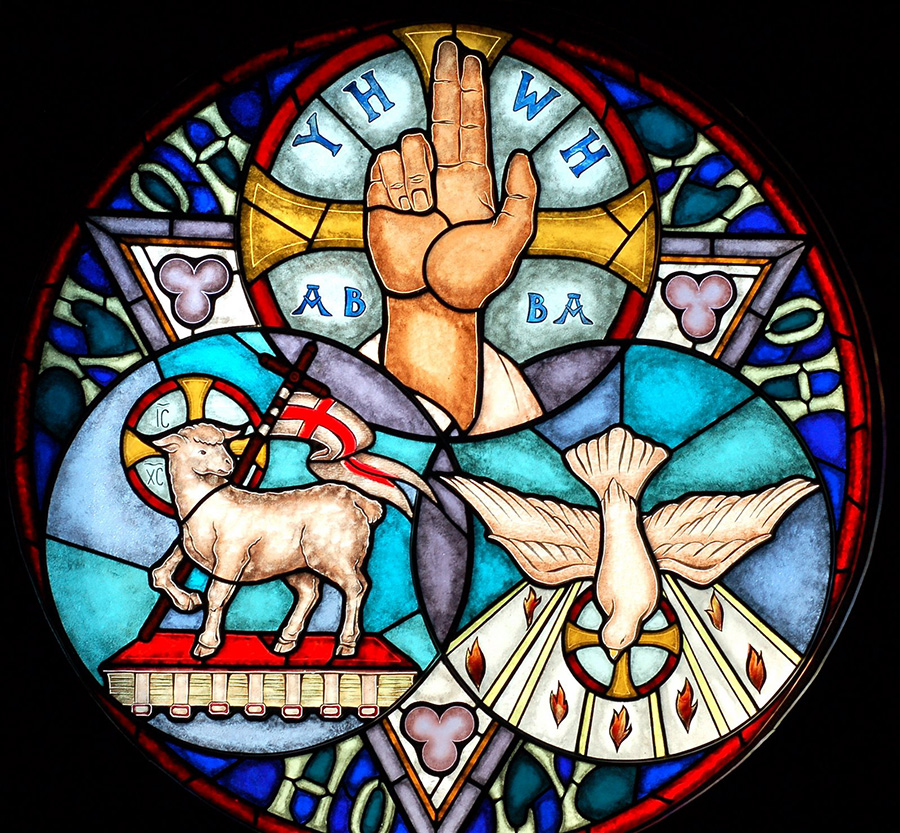
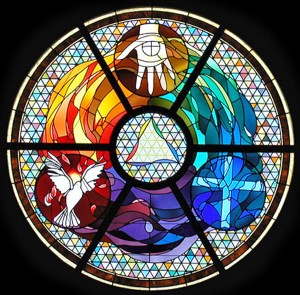 The mystery of the Holy Trinity is the most foundational yet the most difficult teaching of the Catholic Church. The greatest minds in the Church, like St. Augustine of Hippo, St. Thomas Aquinas and Karl Rahner have attempted to fathom the mystery, but their explanations hit a giant wall. One day, when St. Augustine was strolling along the beach, meditating the mystery of the Holy Trinity, the holy bishop saw a young boy digging a hole on the sand. He came close and noticed that the boy was trying to move the sea water inside that small hole. St. Augustine then told the lad that what he did was futile. Then, suddenly the little boy replied, ‘It is the same thing, when you try to put the Trinity inside your small head.’
 Misteri Tritunggal Mahakudus adalah ajaran yang paling mendasar tetapi juga yang paling sulit untuk dimengerti. Pemikir-pemikir besar Gereja, seperti Santo Agustinus dari Hippo, St. Thomas Aquinas dan Karl Rahner telah berusaha untuk memahami misteri ini, tetapi penjelasan mereka menabrak dinding raksasa. Suatu hari, ketika St. Agustinus sedang berjalan di sepanjang pantai, bermeditasi tentang misteri Tritunggal Mahakudus, uskup yang kudus ini melihat seorang anak kecil menggali lubang di pasir. Dia datang mendekat dan melihat bahwa anak itu mencoba untuk memindahkan air laut ke dalam lubang kecil. St Agustinus kemudian mengatakan kepada anak itu bahwa apa yang ia lakukan adalah sia-sia. Tiba-tiba anak kecil itu menjawab, ‘Sama halnya dengan apa yang kamu lakukan, ketika kamu mencoba mengerti Tritunggal di dalam kepalamu yang kecil.’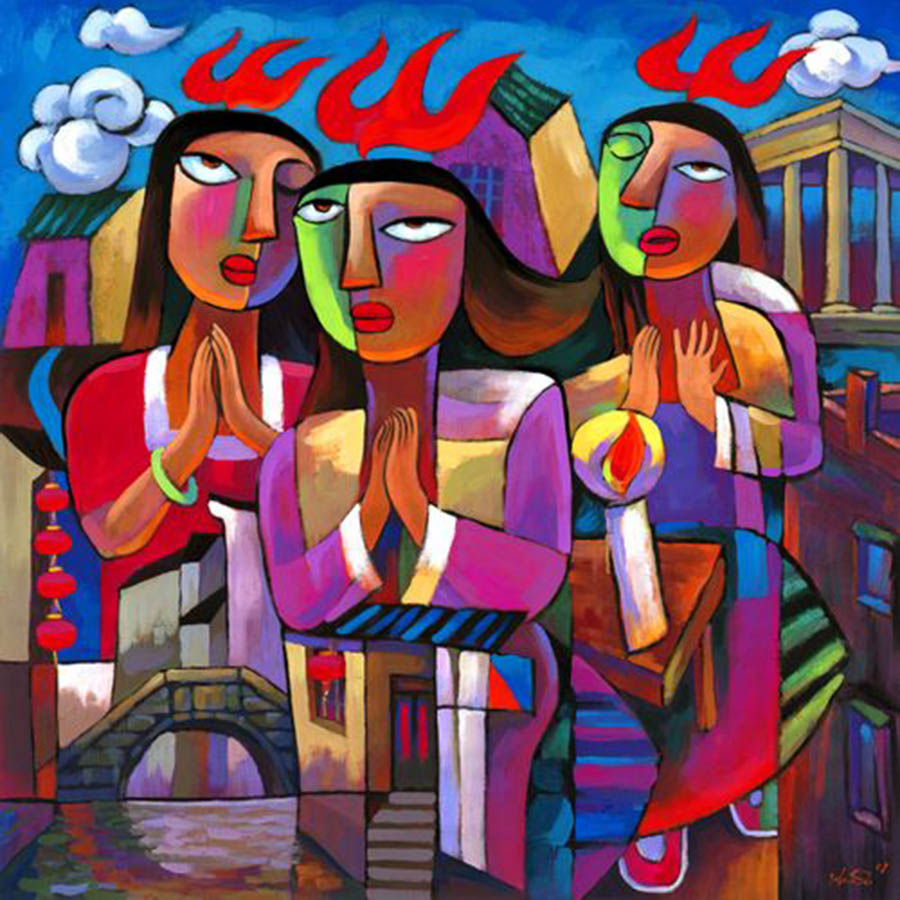
 My first time to attend a Catholic Charismatic prayer meeting was around 10 years ago in Singapore. It was a gathering characterized by upbeat music and intensified prayers. As the prayer was getting intense, suddenly I witnessed some of participants began to experience kind of trance and utter unintelligible words. For a while I was dumbfounded, but soon realized that they may actually speak in tongue. This may refer to the one of the Holy Spirit’s charismatic gifts, described no less than St. Paul himself. “For one who speaks in a tongue does not speak to human beings but to God, for no one listens; he utters mysteries in spirit (1 Cor 14:2)”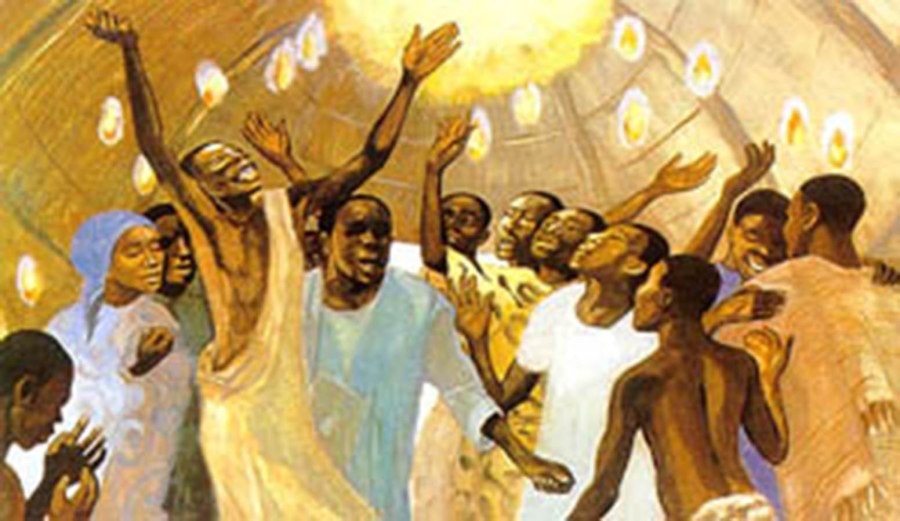
 Pertama kalinya saya menghadiri pertemuan doa Karismatik Katolik adalah sekitar 10 tahun yang lalu di Singapura. Pertemuan ini ditandai dengan musik yang upbeat dan doa yang intensif. Di tengah ibadat dan disaat doa-doa semakin intens, tiba-tiba saya menyaksikan beberapa peserta mulai mengalami sesuatu yang tidak biasa dan mengucapkan kata-kata tidak jelas. Awalnya, saya tercengang, tapi saya segera menyadari bahwa mereka sedang berbicara dalam bahasa roh. Phenomena ini merujuk pada seseorang yang dipenuhi dengan kuasa Roh Kudus dan mulai bernubuat sesuai kehendak Roh. Fenomena ini sudah ada sejak Gereja berdiri. St. Paulus sendiri menulis “Siapa yang berkata-kata dengan bahasa roh, tidak berkata-kata kepada manusia, tetapi kepada Allah. (1 Kor 14: 2)”


 In Medio Ecclesiae