

13th Sunday in Ordinary Time. June 26, 2016 [Luke 9:51-62]
“Let the dead bury their dead (Luk 9:60).”
 Following Jesus is difficult. In today’s Gospel, He demands that we let go three things. The first is our concern for our enemies. It seems easy to ignore those people whom we don’t like, but in reality, they consume our attention and energy. My friend shared to me how he was bullied at his officemates, and this drained so much of his productivity and focus in work. Often, like James and John, our anger moves to seek revenge and even violence. “Lord, do you want us to call down fire from heaven to consume them (the Samaritans who rejected them)?” Yet, Jesus reminds us to leave these behind.
The second thing is our pursuit for life security and comfort. Jesus put simply, “the Son of Man has nowhere to rest his head.” It is part of our nature to look for comfort and enjoyable life, often through seeking material possession. Our modern mentality also trains us to love work and compete for highest position and biggest success. When we work hard and achieve in various fields of our live, like in our career, even our service in the Church, this gives us immeasurable sense of fulfillment. Yet, Jesus also wants us to put this aside.
Thirdly, and I believe most difficult for many of us, it is the family. When a follower wanted to bury his father, Jesus made a strong yet symbolic statement, “Let the dead bury the dead.” Being an Asian, particularly Indonesian, I have strong sense of family-orientation. In almost all major events of my life like graduation and solemn religious profession, my parents were proudly present. Though, it means they needed to fly to Manila and spent a lot of money. For my Filipino brothers in the community, it is unthinkable to totally detach from their families. Yet, even this most precious possession we have, Jesus wants us to set it aside.
It looks like that Jesus’ demand is not only difficult but also impossible. Why does it have to be like this? We read today’s Gospel closely, we realize that by this time, Jesus has fixed His course to Jerusalem. He knew well that nothing but failure, frustration and death awaited Him there. Yet, He still did this because He obeyed His Father’s radical demand. What is this demand of the Father? It is no other than the demand of love: “You shall love the Lord, your God, with all your heart, with all your soul, and with all your mind.” Jesus invites us to this radical reorientation of our love. When we love God, then the rest will fall into its proper place.
When we see God first, we will try our best to love those who hate us because people unworthy of our love bear God’s image as well. When we seek God first, the material possession, successful career and life security are seen as blessing from God. Then, they are also blessing to share with others. When we love God first, our love for our family will be purified, as we will bring them to closer to God.
A friend told me how his family is so dear to him. But, thing began to fall apart, as his younger brother was trapped into drug addiction. Initially, he did not like his brother to undergo rehabilitation and be separated from the family for indefinite time. But, after long prayer and discernment, he decided to bring his brother into a center of recovery. It was a painful decision, but his love for God has brought him into a bigger love for his brother. Now, he becomes even more pious as he attends mass every day for the recovery of his brother.
To follow Jesus is difficult and demanding, but it is necessary as we expand our love for God and others.
Br. Valentinus Bayuhadi Ruseno, OP

 Mengikuti Yesus itu sulit. Dalam Injil hari ini, Dia menuntut ada tiga hal penting yang harus kita berani lepaskan. Hal pertama adalah fokus kita pada musuh atau orang tidak kita sukai. Sepertinya mudah untuk mengabaikan orang-orang yang tidak kita sukai, tetapi dalam kenyataannya, mereka mengambil banyak perhatian dan energi kita. Seringkali, seperti Yakobus dan Yohanes, kemarahan kita mendorong kita untuk membalas dendam, bahkan dengan cara kekerasan. Pikiran dan emosi kita terkuras oleh kebencian dan menunggu saat pembalasan. “Tuhan, apakah Engkau mau, supaya kami menyuruh api turun dari langit untuk membinasakan mereka (orang Samaria yang menolak Yesus)?” Namun, Yesus mengingatkan kita bahwa hal ini harus kita lepas.
 What will be your answer to Jesus’ question “Who do you say that I am?” We may come up with multiple answers. He is my God, my savior, my friend or my brother. But, we seldom ask, “Do we really understand Jesus’ question? Do we get the right answer? Why is it that Peter would confess that Jesus is Christ of God in the first place?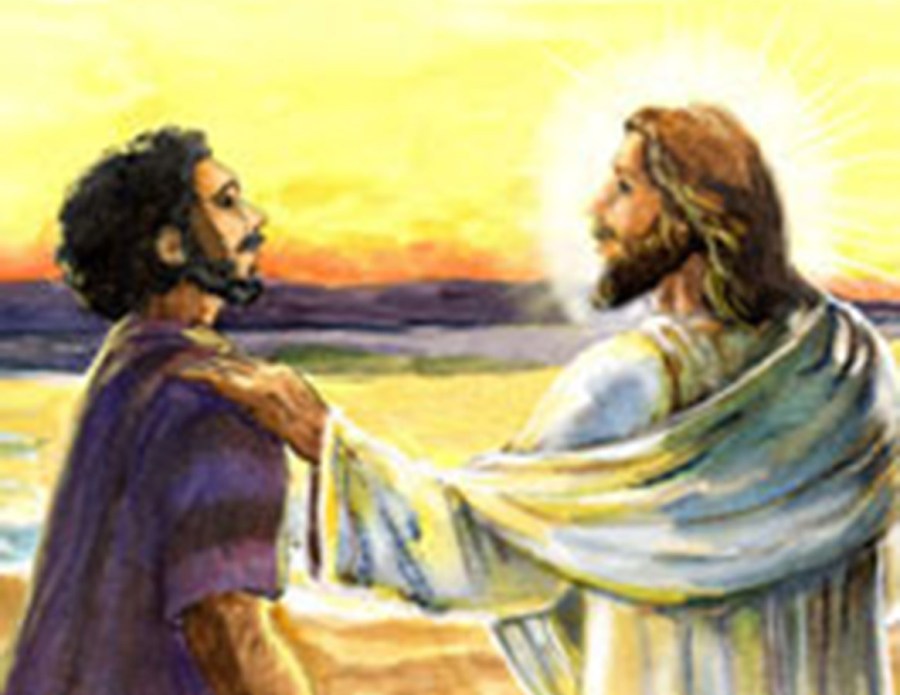
 Apa yang akan menjadi jawaban kita saat Yesus bertanya “Menurut kamu, siapakah Aku ini?” Kita mungkin menjawab: Dia adalah Tuhan, Juruselamat, sahabat atau saudara. Tapi, apakah kita sudah mengerti dengan baik pertanyaan Yesus? Apakah jawaban kita inilah yang Yesus harapkan? Mengapa jawaban Petrus adalah Kristus dan bukan jawaban lainnya?
 Luke has a keen eye for the roles of woman in the life of Jesus and the Church. From the beginning of his Gospel to the end, he made sure that women have important role to play. Among the four Gospels, only Matthew and Luke wrote the infancy narrative. While Matthew had Joseph as the main character, Luke chose Mary as his protagonist. Thanks to Luke, we are able to mediate on the great stories of the Annunciation, the Visitation, and the Presentation. Due to Luke also, we may sing Mary’s Magnificat.
 n khusus bagi peran perempuan dalam kehidupan Yesus dan Gereja. Di Injilnya, ia memastikan bahwa perempuan memiliki peran penting. Di antara keempat Injil, hanya Matius dan Lukas menulis kisah kelahiran Yesus. Sementara Matius memiliki Joseph sebagai karakter utama, Lukas memilih Maria sebagai protagonisnya. Karena Lukas, kita bisa merenungkan kisah-kisah besar seperti Maria menerima Kabar Gembira, Maria mengunjungi Elizabet. Karena Lukas juga, kita bisa ikut bernyanyi Kidung Maria atau Magnificat.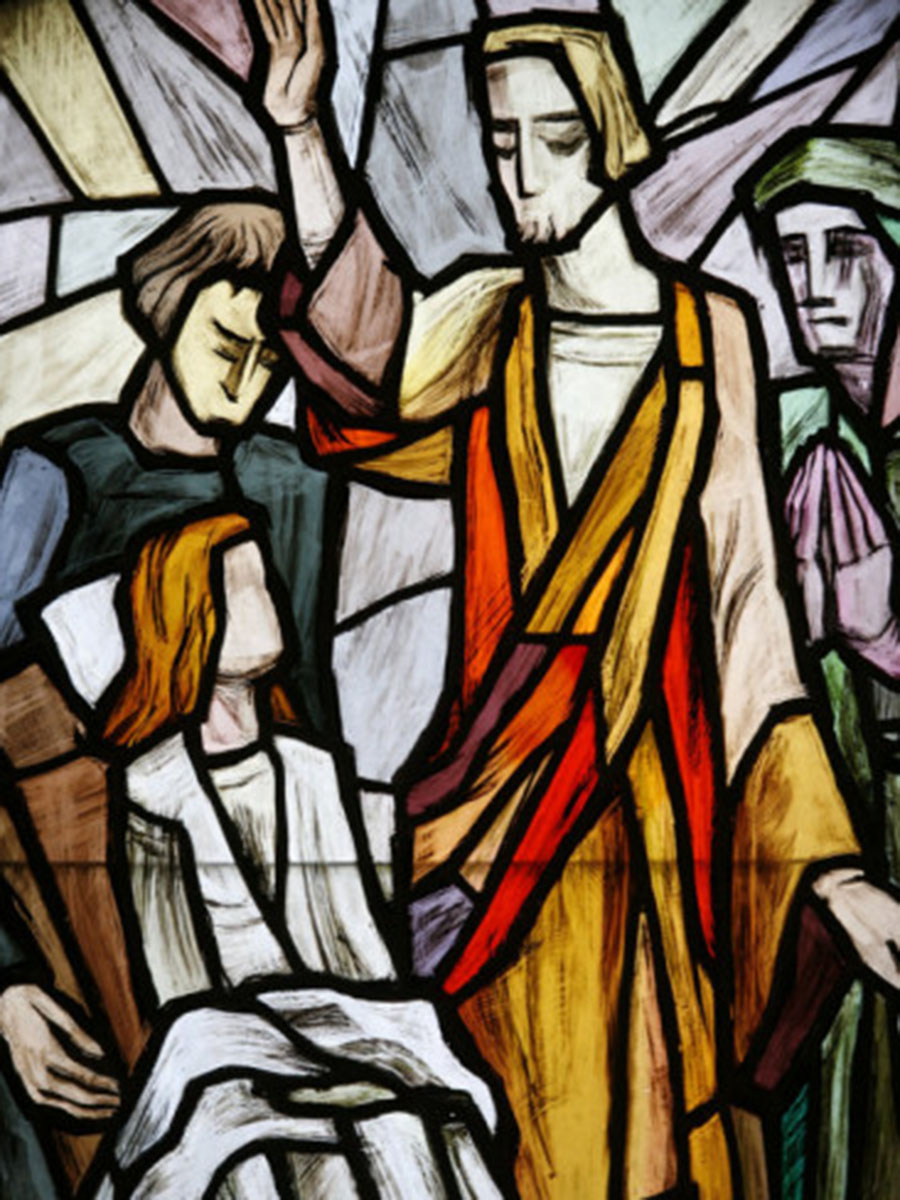
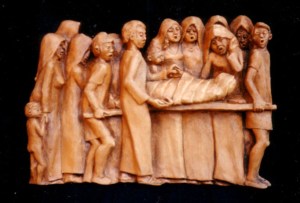 The bible seems to contain a lot of death. Almost all the characters in the Bible tasted death. Some were lucky and enjoyed peaceful end, like Abraham, David and Joshua. Yet, a lot more endured tragic one. Abel was murdered by his own brother. Moses passed away just at the doorstep of the Promised Land. James the son of Zebedee was beheaded, and countless unnamed individuals who were victims of wars, diseases and calamities. In today’s Gospel, a young man died presumably due to illness and left his widowed mother alone. The Bible time was bad period to live.
 Tampaknya Alkitab mengandung banyak kematian. Hampir semua tokoh di dalam Alkitab meninggal dunia. Beberapa dari mereka beruntung karena meninggal dalam damai, seperti Abraham, Daud dan Yosua. Namun, kebanyakan mengalami kematian tragis. Abel dibunuh oleh saudaranya sendiri. Musa meninggal sebelum ia bisa masuk Tanah Perjanjian. Yakobus, rasul pertama yang menjadi martir setelah dipenggal. Dan kita tidak lupa sangat banyak individu yang tak bernama menjadi korban perang, penyakit dan bencana alam di Alkitab. Dalam Injil hari ini, seseorang meninggal dalam usia muda dan meninggalkan ibunya yang janda sendirian. Masa ini adalah masa buruk untuk tinggal dan hidup.
 In Medio Ecclesiae