


31st Sunday in the Ordinary Time. October 30, 2016 [Luke 19:1-10]
“Zacchaeus, come down quickly, for today I must stay at your house.” (Luk 19:5)

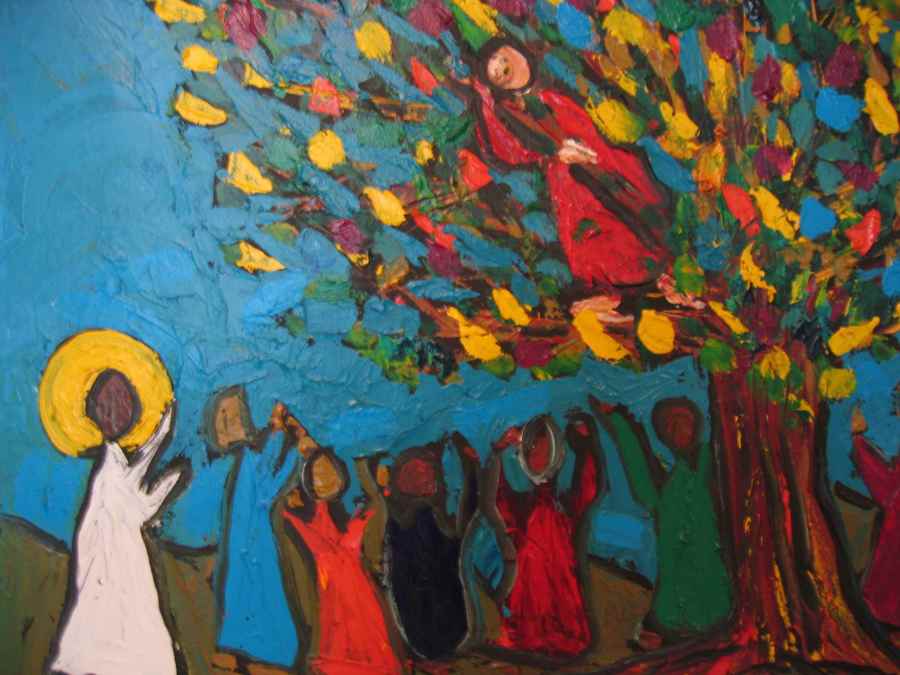
A true encounter with Jesus brings real and joyful transformation in Zacchaeus. In our Gospel today, we read that Zacchaeus had no intention to invite Jesus to stay at his house, let alone to reform his life. After performing a lot of miracles and down-to-earth preaching, Jesus was like a rock-star, and everyone, including Zacchaeus, was excited to see Jesus. Yet, he was rather short in stature and the taller guys prevented him to get a glimpse of Jesus. Zaccheus was persistent and he decided to climb the sycamore tree.
Yet, when Jesus saw him, He called his name and wanted to stay at his house. Zacchaeus was overwhelmed. He was deeply touched by that unexpected yet meaningful gesture and this brought transformation in Zacchaeus. One of the splendid signs of his conversion was that his generosity took the better side of him. From taking advantage of the poor, he returned back to them abundantly what he has taken. More importantly, he generously gave himself to Jesus as he welcomed Him at his house and life.
However, the transformation did not only take place in Zacchaeus. It also happened in Jesus. He was in his journey to Jerusalem, to face His final hours on earth. Jericho was a major town that was not far from Jerusalem, and thus, travelers and pilgrims to Jerusalem would make a short stop in Jericho. Looking closely at the text, we discover that the original intention of Jesus was to pass through Jericho. He did not plan to stay in Jericho, but when He saw Zacchaeus, He changed His itinerary. What made Jesus change his plan?
Being a tax collector, Zacchaeus was a public sinner. Being tax collector, he was exposed to malpractices and corruptions, and he was also considered a collaborator of the Roman Empire, the enemy of Jews. Not only an ordinary tax collector, he was the chief, and certainly all eyes in Jericho gazed upon him with disdain. His short stature might not only mean a biological limitation, but also symbolized his status in society. But, Jesus was able to see into the depth of Zacchaeus’ soul and find his true identity, the son of Abraham. Despite sins and weaknesses, Jesus was able to see that beautiful image of God in Zacchaeus.
Jesus’ transformation even went beyond any expectation. He also wanted to dwell in Zaccheus’ place. In Jewish society and even in many other, a righteous Jew would avoid contact with sinners, fearing that he would become impure. But, Jesus defied the practice, and wanted to share the same meal from the same table under the same roof with Zacchaeus. By entering his house and eating together with him, Jesus showed everyone that He had mercy, and wanted to be part of the life of Zacchaeus. Only when Jesus expressed His mercy and care to him, did Zacchaeus begun his own transformation.
Encounter with Jesus changes us, but this encounter with us changes Jesus first. Our God is not a passive God who sits at his throne waiting for people to come and worship Him. He takes the initiative and embraces us first in a way that we never expected. When He sees us, He discovers His image, that image that was in us ever since the creation of the world. Despite we being buried in sins and weaknesses, Jesus never loses sight of this beauty. And just like Bruno Mars, Jesus simply says, “You are so amazing, just the way you are.” Now, it is up to us to either shun His invitation or welcome Him in our home and let His presence transform us.
Br. Valentinus Bayuhadi Ruseno, OP

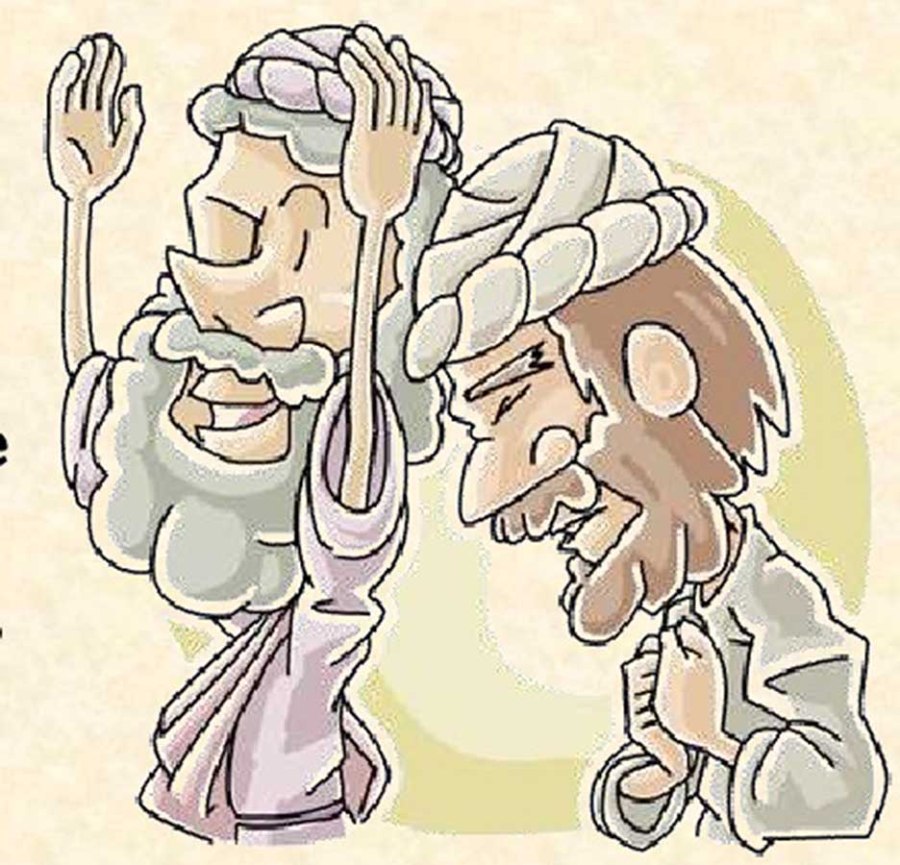
 Last Sunday, Jesus reminded us to pray without getting weary. But, in today’s Gospel, Jesus tells us that there is something more than perseverance in prayer. It has something to do with the way we pray. Not only quantity of prayer, but also the quality of prayer. Yet, how do we know that we have a quality prayer?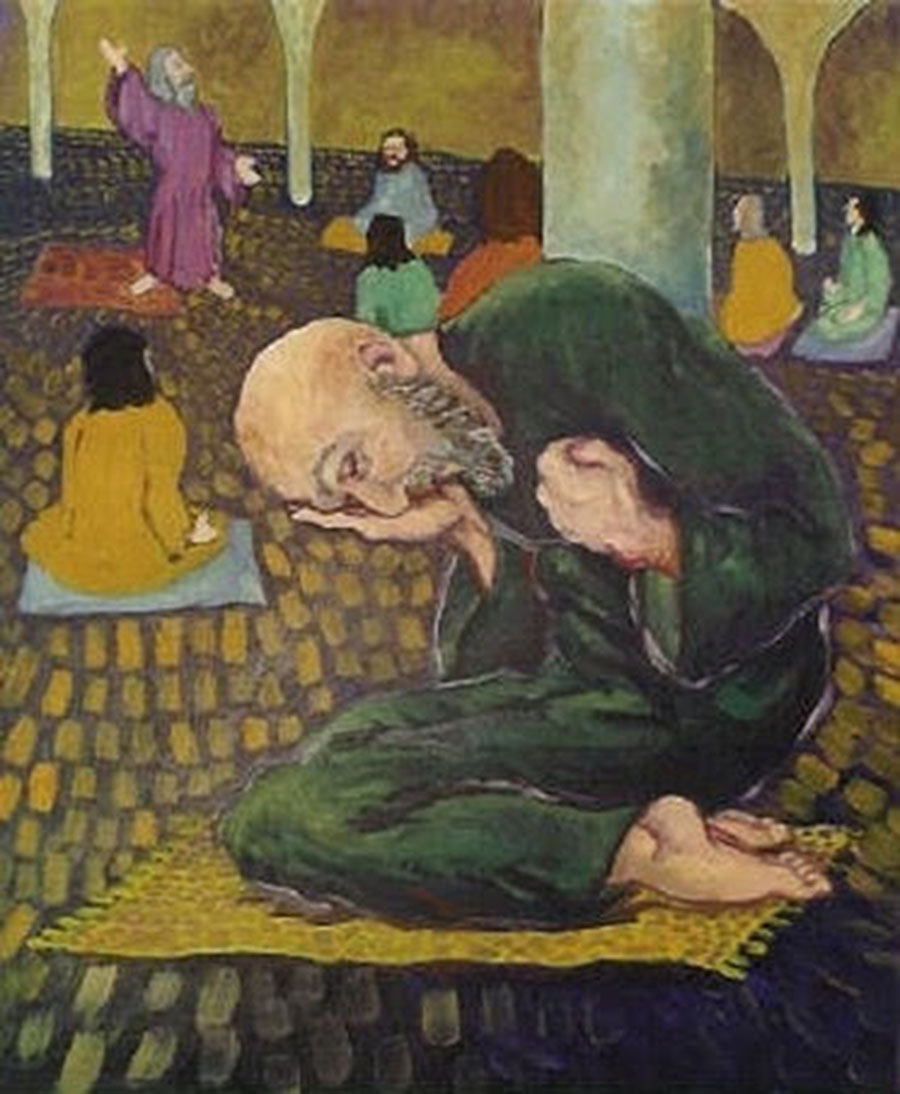

 Getting tired and bored is unwanted yet unavoidable part of our lives. After doing things for a certain period of time, we get exhausted. Even if we are doing something we love, we are also bound to feel weary. Indeed, a man marries the woman he loves, but after sometime, encountering disappointments and problems, he begins to think whether he made the right decision. A woman loves dearly her teenage girl, but after sometime, her girl gets involved in substance abuse and runs away with his friends. She spends all her money and energy to win her daughter back yet to no avail, and she simply gets tired. As a religious brother, I love my vocation, but after years of waking up early, attending Mass and prayers, and plunging myself in rigorous study, I get bored.
 Merasa lelah dan bosan adalah bagian dari kehidupan kita yang tak terhindarkan. Setelah melakukan hal-hal dalam jangka waktu lama, kita bisa kehabisan tenaga. Bahkan saat kita melakukan sesuatu yang kita cintai, kepenatan juga kadang melanda. Seorang pria yang menikahi wanita yang ia kasihi, tapi setelah menghadapi kekecewaan dan permasalahan rumah tangga, dia mulai berpikir apakah dia membuat keputusan yang tepat saat menikah dulu. Seorang ibu mencintai anak gadisnya yang beranjak dewasa, tapi ternyata sang gadis terlibat dalam penyalahgunaan narkoba dan melarikan diri dengan teman-temannya. Sang ibu menghabiskan semua uangnya dan tenaga untuk membawa putrinya kembali, namu semua usaha gagal, dan diapun lelah. Sebagai seorang biarawan, saya mencintai panggilan saya, tapi setelah bertahun-tahun bangun dini hari untuk mengikuti Misa harian dan doa brevir, dan juga setiap hari belajar filsafat dan theologi yang sulit, sayapun merasa bosan.
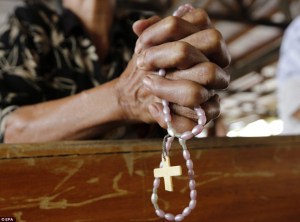 October is the month of the rosary. Allow me to reflect on this ancient yet ever new form of prayer. Why October? It all started when Pope Pius V, a Dominican, dedicated October 7 as the feast of Mary Our Lady of the Rosary after the battle of Lepanto. In this naval battle of October 7, 1571, the smaller Christian army fought the much larger and powerful Ottoman Turks’ forces that planned to invade Europe at the Gulf of Lepanto in Greece. While the battle was being waged, the Holy Pontiff and all Christians prayed the rosary asking the intercession of Our Lady. After hours of confrontation, the enemy’s fleet was roundly defeated.
 Oktober adalah bulan rosario. Izinkan saya untuk menulis tentang doa yang sebenarnya kuno tetapi selalu baru. Mengapa Oktober adalah bulan rosario? Semuanya berawal ketika Paus Pius V, seorang Dominikan, mendedikasikan 7 Oktober sebagai pesta Maria Ratu Rosario setelah pertempuran Lepanto. Pada 7 Oktober, 1571, di Teluk Lepanto di Yunani, tentara Eropa berjuang melawan armada laut Ottoman Turki yang jauh lebih besar dan kuat, yang merencanakan untuk menyerang Eropa. Sementara pertempuran sedang berlangsung, sang Paus dan semua umat berdoa rosario meminta perantaraan Bunda Maria. Setelah berjam-jam konfrontasi, armada musuh pun dikalahkan.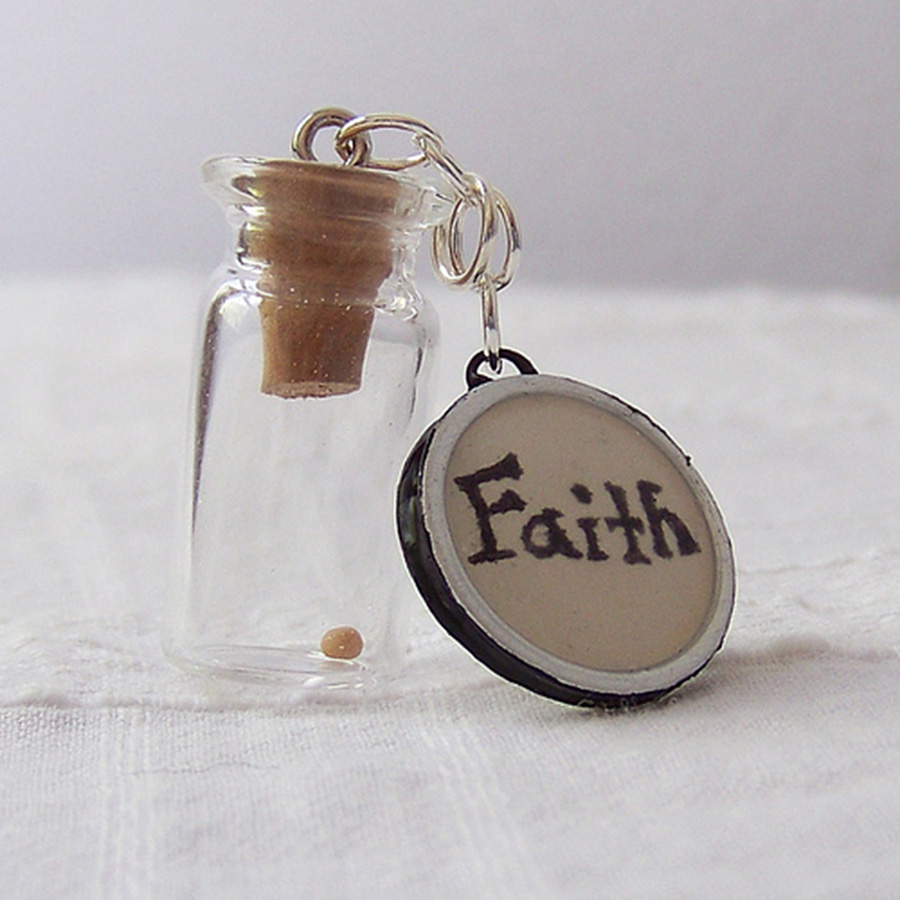
 Reading through today’s Gospel, it seems to have faith is to perform some sort of magical power. If I have faith, I can create rice field on the seabed. If I have faith, I can made a Lamborghini car out of pile of garbage. If I have faith, I can transform my voice like Ed Sheeran. But, faith is not like that. It is not a magical show to entertain us. It is neither an instant answer to our wishes. Yet, it remains true that even the smallest of faith can make the difference.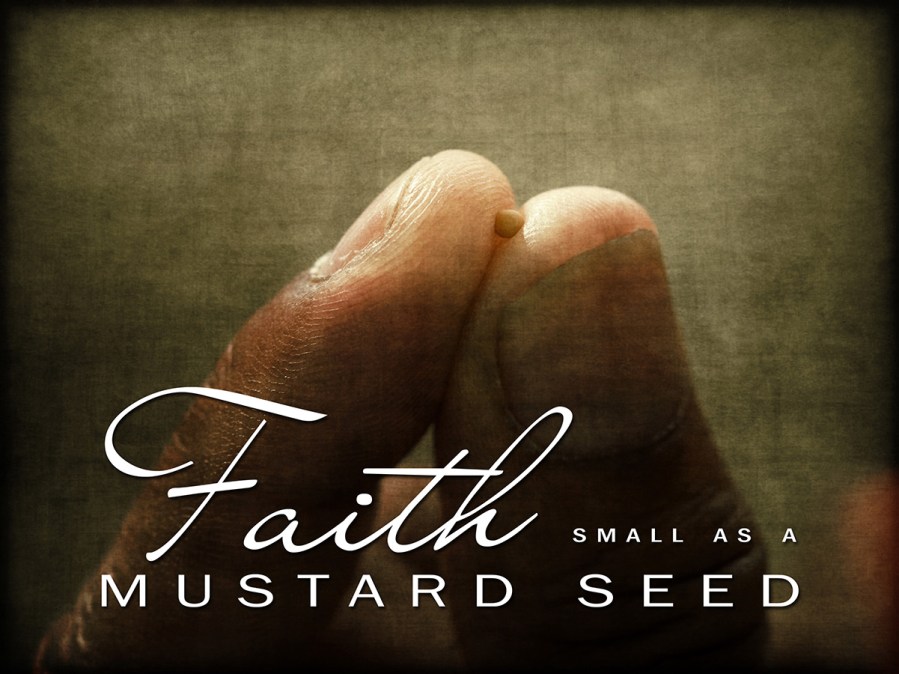
 Membaca Injil hari ini, tampaknya memiliki iman itu membuat kita memiliki kekuatan super. Jika saya memiliki iman, saya dapat menanam padi di dasar laut. Jika saya memiliki iman, saya bisa membuat mobil Lamborghini dari tumpukan sampah. Jika saya memiliki iman, saya bisa mengubah suara saya seindah Ed Sheeran. Tapi, iman tidak seperti itu. Iman bukanlah pertunjukan sulap untuk menghibur kita. Iman bukanlah jawaban instan bagi keinginan-keinginan kita. Namun, benar adanya bahwa bahkan iman terkecil pun dapat membuat berbedaan yang berarti dalam hidup kita.
 In Medio Ecclesiae