

Real New Year

Solemnity of Mary Mother of God. January 1, 2017 [Luke 2:16-21]

“And Mary kept all these things, reflecting on them in her heart (Luk 2:19).”
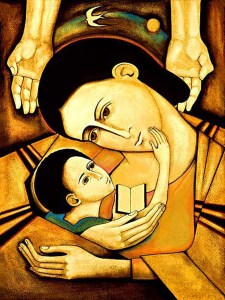
mary-mother-of-godToday, the world is celebrating its new beginning. Many of us are going to the parties, watching fireworks, and dancing and singing. Surely, nothing is wrong with those. Yet, today, the Church decides to go against the tide and celebrates something else, or someone else: Mary the Mother of God. To make it worse, today is a holiday of obligation, meaning we need to go to the mass whether we like or not.  I remember attending the Eucharistic mass on January 1 in my own parish, and the priest never dropped a single greetings of a Happy New Year to the congregation. What a kill-joy!

We may ask, “Why do we still need to celebrate this solemnity at the beginning of the year?”  Firstly, it is just fitting to remember Mary as the mother of Jesus within the context of Christmas. Thus, exactly a week after the birth of Christ, we honor the woman who has offered her womb, her body and her whole life to God. Secondly, we are reminded that the true beginning is not only something marked in our calendar, or with outward celebrations. The real beginning takes place inside minds and hearts. Like in the process of pregnancy and birthing, initially, the change is not obvious. It happens inside the silent womb, and it takes some time before the embryo grows bigger and makes its presence felt. The process is difficult, hard to understand, and oftentimes painful. Yet, within that womb is a life that carries with it a future, unpredicted, yet exciting and hopeful.

When the Angel Gabriel announced the News to Mary, she was troubled and confused. But, she was certain that her life was in great danger. Unlike some modern societies wherein unmarried women who get pregnant are just normal, the ancient Jewish community was ready to punish such women. Mary was with a child practically outside of marriage, and she had to bear with all the consequences, There could be a great shame to her family, her future husband, Joseph, and herself. The baby might be called a bastard son for his entire life. And finally, she with her baby could be stoned to death. Yet, her faith in God was greater than her fear. She courageously carried in her womb, the little baby that would be the future of the world.

Ten years ago, in 2006, the Dominican mission in Indonesia began in utter simplicity. We were only two Indonesian priests, Frs. Adrian and Robini, and a Filipino counterpart, Fr. Terry and a lay missionary, Ms. Jemely. We had practically nothing. No institution, no house, no money. We even stayed at a little and simple quarter inside a Diocesan seminary in Borneo. We had to work hard just to support our daily lives and we relied on the generosity of many people. Nobody among us was sure what future will bring, but we had faith in God. Now, after 10 years, we have grown significantly. We have two stable houses in Pontianak and Surabaya. Now we are ministering to the multitude of people through various apostolates. Of course, young and talented people come and join our way of life.

Mary teaches us to have faith in God because for Him, nothing is impossible. The future may be uncertain, frightening and dark, but ‘… the One who began a good work in you will continue to complete it until the day of Christ Jesus (Phil 1:6).’ This is the spirit of the true New Year, the soul of real change, the faith that animates us to move forward.

Bro. Valentinus Bayuhadi Ruseno, OP
Tahun Baru yang Sesungguhnya

Hari Raya Maria Bunda Allah. 1 Januari 2017. Lukas 2: 16-21

Tetapi Maria menyimpan segala perkara itu di dalam hatinya dan merenungkanny (Luk 2:19).”

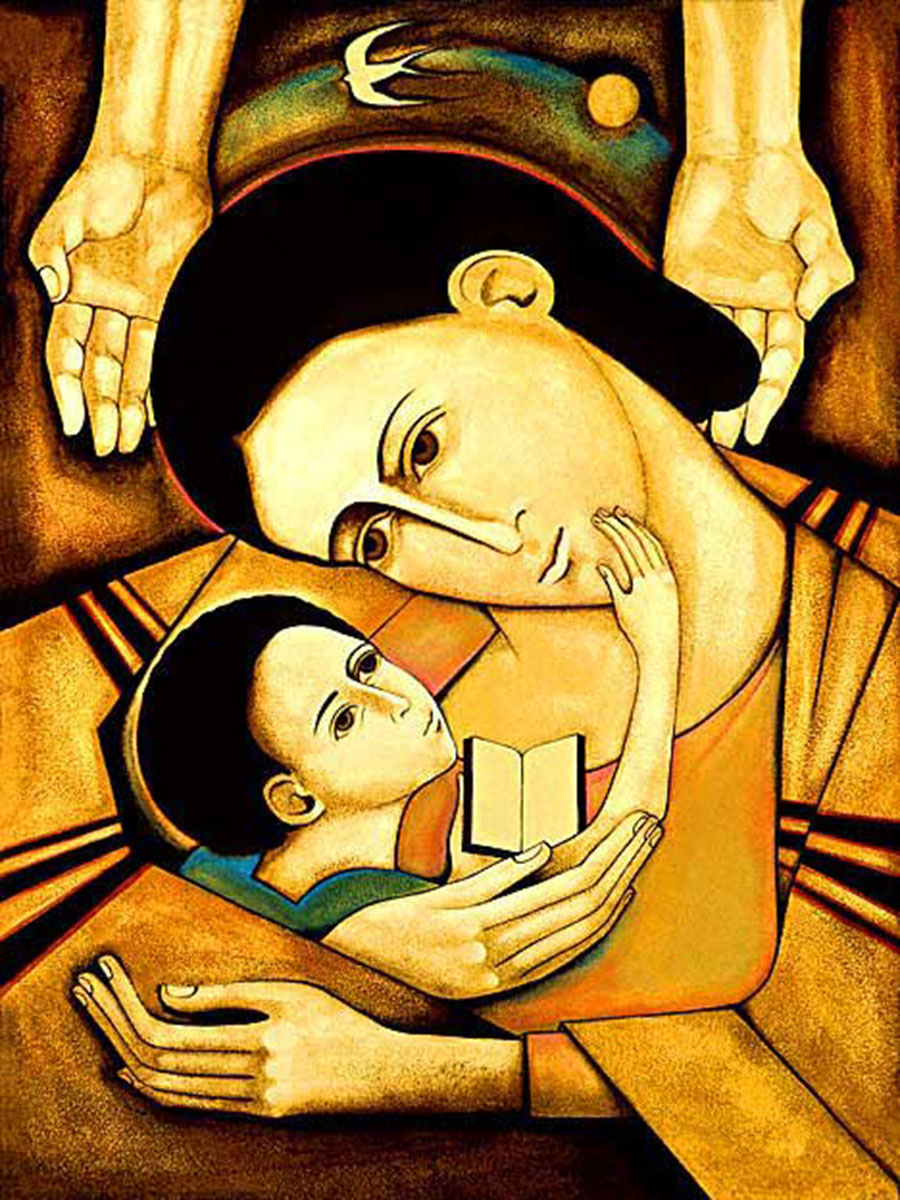
happy-new-year-2017Hari ini, dunia merayakan tahun baru. Dan, banyak dari kita merayakannya dengan berpesta, menonton kembang api, menari dan menyanyi. Namun, hari ini, Gereja memutuskan untuk melawan arus dan merayakan sesuatu yang berbeda, Maria Bunda Allah. Apalagi, hari ini telah ditetapkan sebagai hari raya kewajiban yang berarti kita harus pergi ke gereja suka atau tidak. Saya ingat menghadiri Ekaristi pada 1 Januari di paroki saya di Bandung, dan sang imam tidak pernah sekalipun memberi ucapan Selamat Tahun Baru kepada jemaat sampai misa selesai!

Kita mungkin bertanya, “Mengapa kita harus masih merayakan Bunda Allah pada awal tahun?” Pertama, mengingat Maria sebagai ibu Yesus dalam konteks Natal adalah sesuatu yang tepat secara theologis dan liturgis. Jadi, tepat seminggu setelah kelahiran Kristus, kita menghormati wanita yang telah mempersembahkan rahimnya, tubuhnya dan seluruh hidupnya kepada Tuhan. Kedua, kita diingatkan bahwa awal yang benar tidak hanya sesuatu yang ditandai di dalam kalender kita, atau dengan perayaan-perayaan besar penuh kesenangan. Awal yang sejati terjadi di dalam diri kita. Seperti dalam proses kehamilan dan melahirkan, pada mulanya, perubahan ini tidak begitu jelas. Hal ini terjadi di dalam rahim, dan dibutuhkan beberapa waktu sebelum embrio tumbuh lebih besar dan membuat kehadirannya terasa. Proses ini sulit, tidak mudah untuk dipahami, dan kadang-kadang menyakitkan. Namun, di dalam rahim ini ada hidup yang membawa masa depan, yang belum begitu jelas, namun menarik dan penuh harapan.

Ketika Malaikat Gabriel memberitakan kepada Maria, dia menjadi bingung dan takut.  Maria tahu jika ia berkata ya, hidupnya aka ada dalam bahaya besar. Tidak seperti beberapa masyarakat modern dimana perempuan yang belum menikah dan hamil adalah sesuatu yang lumrah, komunitas Yahudi kuno siap untuk menghukum pelanggaran ini. Maria mengandung praktis di luar nikah, dan dia harus menanggung semua konsekuensinya. Ia akan membawa aib untuk keluarganya, tunangannya, Joseph, dan dirinya sendiri. Bayinya mungkin akan disebut anak haram. Dan akhirnya, dia dan bayinya bisa dirajam sampai mati. Namun, imannya kepada Allah lebih besar dari ketakutannya. Diapun berani menerima dalam rahimnya, bayi kecil yang akan menjadi masa depan dunia.

Pada tahun 2006, misi Dominikan di Indonesia dimulai dalam kesederhanaan. Kami hanya terdiri dari dua imam, Pastor Adrian dan Robini, dan rekan Filipina, Rm. Terry dan seorang misionaris awam, Ms. Jemely. Praktis kami tidak memiliki apa-apa. Tidak ada institusi, tidak ada rumah, tidak ada uang. Kami bahkan tinggal di rumah kecil dan sederhana di dalam seminari keuskupan di Kalimantan. Kami harus bekerja keras hanya untuk mendukung kehidupan kami sehari-hari dan kami bergantung pada kemurahan hati banyak orang. Tak seorang pun di antara kami yakin apa yang masa depan akan bawa kepada kami. Tetapi, kami terus beriman kepada Allah. Sekarang, setelah 10 tahun, kami telah tumbuh secara signifikan. Kami memiliki dua rumah yang stabil di Pontianak dan Surabaya. Sekarang kita melayani banyak orang melalui berbagai karya kerasulan. Tentu saja, orang-orang muda dan berbakat datang dan bergabung dengan kami.

Maria mengajarkan kita untuk memiliki iman kepada Allah karena bagi-Nya, tidak ada yang mustahil. Masa depan mungkin tidak pasti, menakutkan dan gelap, tetapi “bahwa Dia yang memulai pekerjaan yang baik di antara kamu akan terus melengkapinya sampai hari Kristus Yesus (Fil 1:6). Ini adalah semangat Tahun Baru yang benar, sebuah jiwa dari perubahan nyata, sebuah iman yang menjiwai kita untuk bergerak maju.

Frater Valentinus Bayuhadi Ruseno, OP

Christmas: Not Caesar, but Jesus

Christmas Eve. December 24, 2016. Luke 2:1-14

“She gave birth to her firstborn son. She wrapped him in swaddling clothes and laid him in a manger, because there was no room for them in the inn. (Luk 2:7)”

christmas-1The story of Nativity of Jesus Christ began with a great person in ancient time. He was Caesar Augustus. He was considered to be one of the greatest Roman Emperors because during his reign, he was able to establish peace and prosperity within his territory. The people adored him and worshiped him as the Savior and the Son of God. He was the hero of the ancient world, but fortunately, he was not the hero of Christmas.
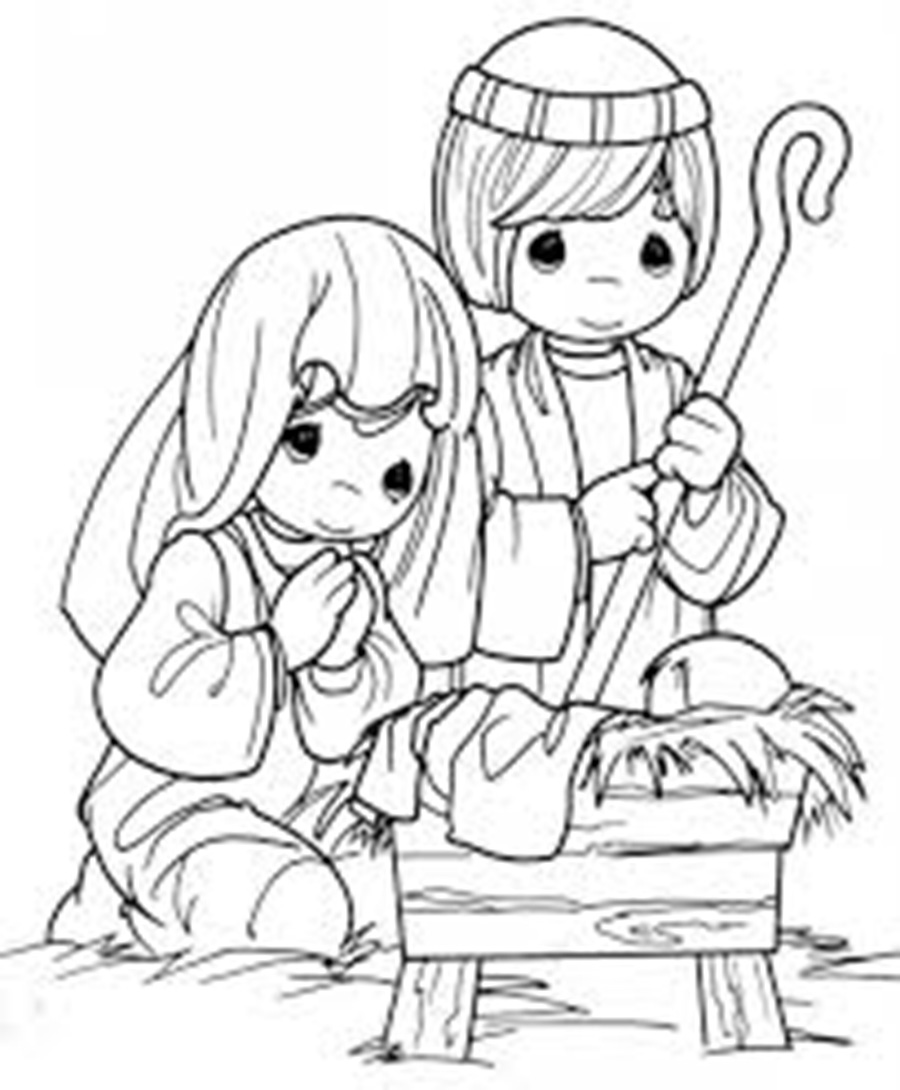
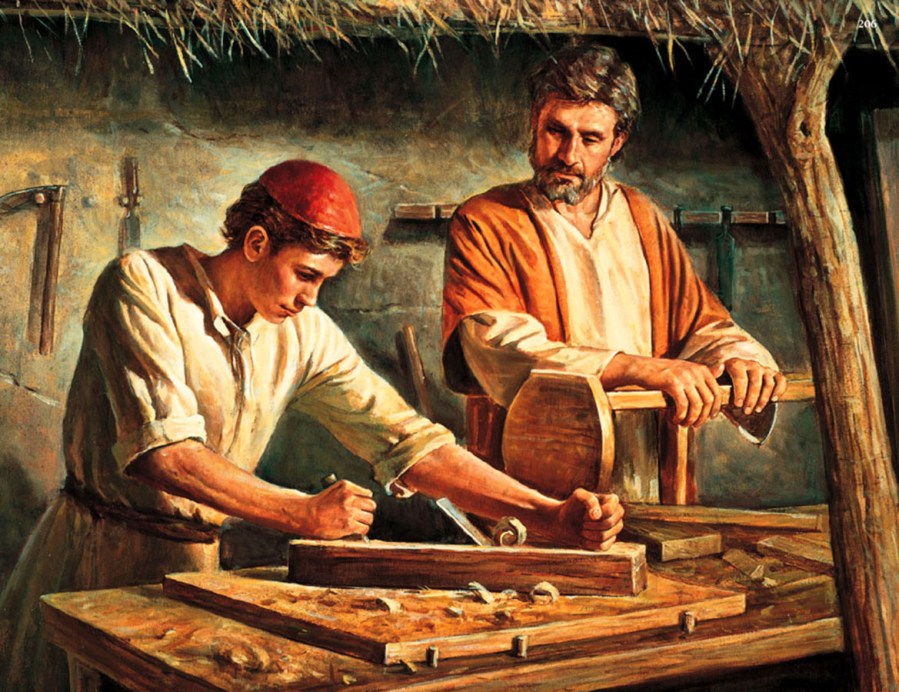
From the great Roman world, we are brought to the small village Bethlehem. Here in this almost insignificant place, we meet the simple and poor couple from another small town, Nazareth in Galilee. They are Joseph, the righteous carpenter, and his expecting young wife, Mary. But, there is no room in the inn, perhaps because the inn is full of people, or because people do not want to receive the poor couple who might not be able to pay the rent. Consequently, Mary has to give birth at the place of animals and simply places her firstborn baby on the manger. This is the story of a lowly couple at the most wretched place on earth. Yet, this is actually our story of real Christmas.

Our salvation is not found in the strongest fortified palace, neither on riches nor prosperity. Our happiness lies in the most unlikely place: at the poor manger in the smallest town of Bethlehem. Our salvation comes not from the greatest emperor with his achievements and honor, but from a meek and defenseless baby. And this is the Good News of the first Christmas.

It is a good news for us because we can be truly happy even without all the new clothes, new gadgets, and all gifts coming from the Malls or shopping centers. It is a good news for us because we can be hopeful even if we are still struggling with so many problems in life, financial difficulties, health issues, relationship meltdowns, and more. God chooses to be born into the families torn by separations. Jesus is born inside war-torn places like in Aleppo in Syria and Mosul in Iraq. Christ is born in poor shanties, amidst the people who never taste an even decent Christmas Eve’s meal.

When Fr. Timothy Radcliffe, OP, former Master of the Order of Preachers, once visited the Dominican sisters in northern Rwanda. It was just after the civil war, generally between the Hutus and Tutsis. The place was frightening and anytime armed groups might ambush them. The sisters’ convent was also marked with bullets holes, sign of battle and skirmish. Inside the convent were the sisters, both the Hutus and Tutsis, and many have lost their family members during the war. Fr. Timothy was there on Christmas Eve, and despite the pain and fear, the entire community decided to celebrate the Eucharist and the birth of Christ together.  In tears yet in joy, the baby was born among them and baby Jesus becomes the sign of hope for a better future.

Christmas shakes our belief in many Caesar we hold dearly, Caesar of wealth, Caesar of power, Caesar of fame. In Christmas, we are reminded that God became man and embraced all our limitations, our sorrow, and pains, and points to a future hope for all of us.

Br. Valentinus Bayuhadi Ruseno, OP

What Jesus Learned from Joseph?

4th Sunday of Advent. December 18, 2016. Matthew 1:18-24

“Joseph her husband, since he was a righteous man, yet unwilling to expose her to shame, decided to divorce her quietly. (Mat 1:19)”

 jesus-n-joseph-2If there is one important person in the life of Jesus, but gets very little attention, this person is no other than Joseph, Jesus’ foster father. He was absent in the Gospel of Mark. In John, he was mentioned only by name. In Luke, his presence was felt, but he was overshadowed by Mary and her unique mission. Only in Matthew, Joseph had a more active role in the beginning of Jesus’ life. Yet, again, he remained a voiceless character, and simply disappeared as Jesus began his mission. Still, Joseph had significantly influenced the life of Jesus.
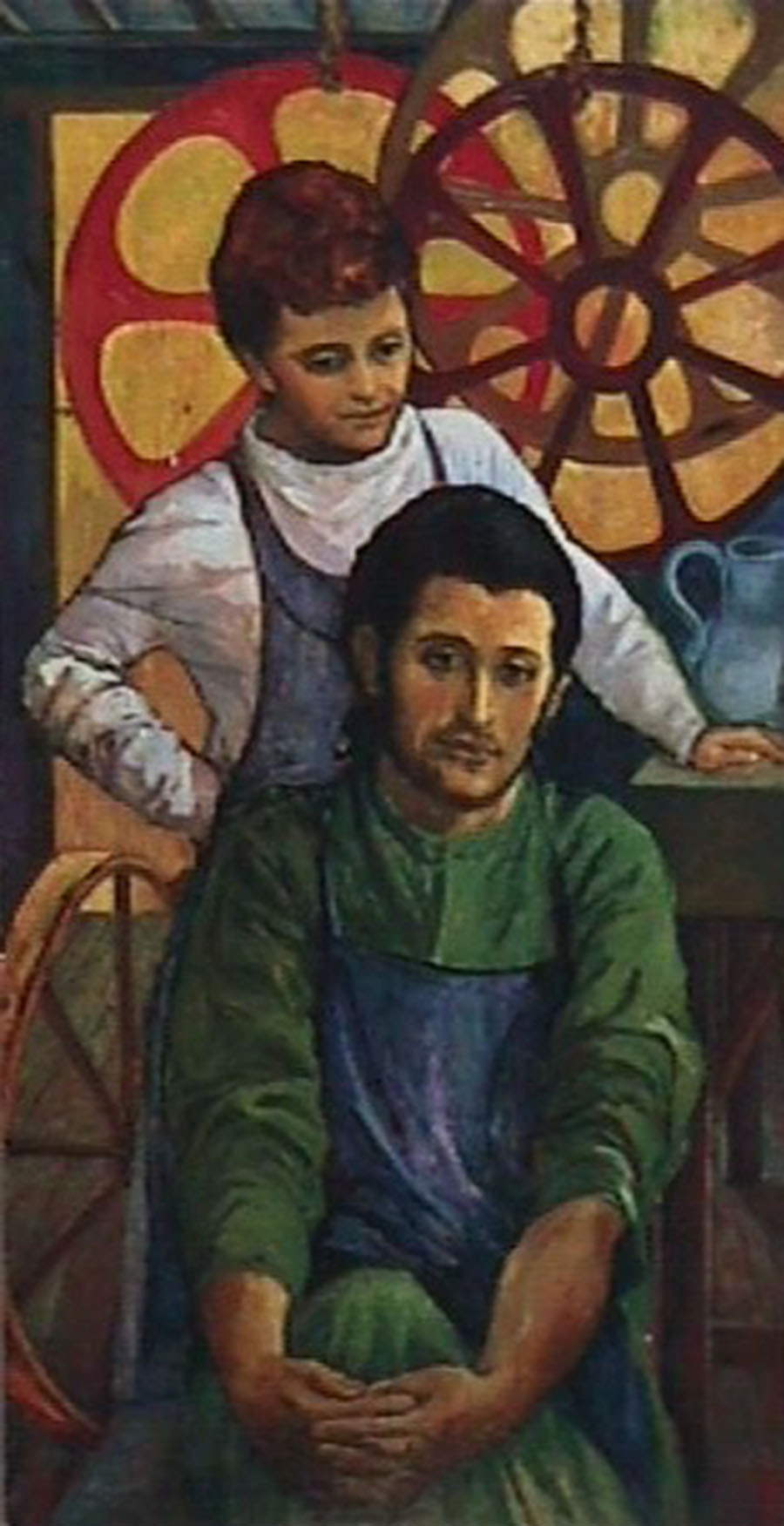
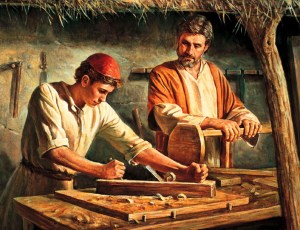
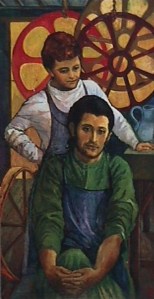
One of the recognizable influences was that Jesus inherited the profession of Joseph. His father was a carpenter, then Jesus was also called as the carpenter (see Mark 6:3). However, the influence of Joseph is not limited in terms of profession. There was something more. In today’s Gospel, Joseph was called as the ‘righteous man’. In Jewish society, the title ‘righteous man’ means a respectable man who faithfully follows the Law of God or Torah. He was not only well educated in the Law, but Joseph also cherished the Law dearly. Now, if we put ourselves in the shoes of Joseph when he received the news of Mary’s pregnancy, what was probably Joseph’s feeling? As an ordinary man, he must be deeply hurt, felt betrayed, by his soon-to-be wife. As a respectable person in town, he had to endure shame.

As a person who was well versed in the Law, he knew Mary had committed adultery and this sin deserved death (see Lev 20:10). Consumed by his pain and anger, Joseph could have made a public accusation and thrown the first stone on Mary. He had all the right to stone Mary and satisfy his vengeance. But, Joseph chose a different path. Instead using the Law for retaliation, Joseph decided to use the Law to save the life of Mary, and consequently, the life of Jesus. His decision is even more significant because he opted to save Mary even before the Angel Gabriel appeared to him and explained the cause of pregnancy. Despite pain of betrayal and shame, he chose to apply the Law in merciful and loving manner. And this was what Joseph taught Jesus to do.

Jesus argued a lot with the Pharisees and the Scribes on the interpretation of the Law, and for Jesus, mercy and love need to take primacy over vengeance and hatred. Thus, Jesus healed people on Sabbath (see Mat 12:10), allowed His hungry disciples to pick the grain during Sabbath (see Mat 12:1) and spared the life of woman caught in adultery (see John 8:1-11). Finally, Jesus declared that the most important Law of all is the Law of love. Now, we can trace the hands of Joseph and his merciful way in dealing with the Law.

As we prepare ourselves for Christmas, it is good to reflect on Joseph and learn from him. Do we use and create laws and regulations in our society to simply to punish and even kill people, or to heal them? When we are wronged, what is our first reaction? Seeking vengeance or working for reconciliation? What is our understanding of justice? Retaliation or restoration of goodness? We pray that St. Joseph will lead us into just society based on mercy and love.

Br. Valentinus Bayuhadi Ruseno, OP

Apa yang Yesus Dapatkan dari Yusuf?

Minggu Advent ke-4. [18 Desember 2016] Matius 1: 18-24.

Karena Yusuf suaminya, seorang yang tulus hati dan tidak mau mencemarkan nama isterinya di muka umum, ia bermaksud menceraikannya dengan diam-diam (Mat 1:19).”

jm_200_NT1.pd-P7.tiffJika ada satu orang penting dalam hidup Yesus, tetapi hanya mendapat sedikit perhatian, orang ini tidak lain adalah Yusuf, ayah angkat Yesus. Ia tidak disebut dalam Injil Markus. Dalam Injil Yohanes, hanya namanya yang muncul. Dalam Injil Lukas, kehadirannya mulai terasa, tapi Maria lebih mendapat perhatian. Hanya dalam Injil Matius, Yusuf memiliki peran yang lebih aktif pada awal hidup Yesus. Sayangnya, ia tetap karakter tak bersuara, dan akhirnya menghilang saat Yesus memulai karya-Nya. Namun, bukan berarti Yusuf tidak penting dalam membentuk karakter Yesus.

Sebagai contoh, Yesus mewarisi profesi Yusuf. Ayah-Nya adalah seorang tukang kayu, maka Yesus juga disebut sebagai tukang kayu (lih. Mar 6:3). Namun, pengaruh Yusuf tidak terbatas dalam hal profesi. Ada sesuatu yang jauh lebih penting. Dalam Injil hari ini, Yusuf disebut sebagai ‘orang tulus’. Dalam masyarakat Yahudi, ‘orang yang tulus’ adalah gelar bagi seorang terhormat karena ia setia mengikuti Hukum Allah atau Hukum Taurat. Dia tidak hanya paham Hukum Taurat, namun Yusuf juga mengamalkannya. Sekarang, jika kita menempatkan diri pada posisi Yusuf ketika ia menerima kabar kehamilan Maria, apa perasaan Yusuf? Sebagai manusia biasa, ia tentunya sangat terluka, merasa dikhianati oleh tunangannya sendiri. Sebagai orang baik Nazareth, iapun harus menanggung malu.

Sebagai orang paham hukum, dia tahu Maria yang hamil diluar pernikahan, telah melakukan perzinahan, dan dosa ini patut dihukum mati (lih. Im 20:10). Penuh denga rasa sakit hati dan amarahnya, Yusuf bisa saja membuat tuduhan secara publik dan melempar batu pertama pada Maria. Dia memiliki semua hak untuk marajam Maria dan memuaskan dendam. Tapi, Yusuf memilih jalan yang berbeda. Alih-alih menggunakan Hukum untuk pembalasan, Yusuf memutuskan untuk menggunakan Hukum yang sama untuk menyelamatkan hidup Maria, dan juga hidup Yesus dikandungan. Keputusannya bahkan menjadi lebih berarti karena ia memilih untuk menyelamatkan Maria sebelum Malaikat Gabriel menampakkan diri kepadanya dan menjelaskan penyebab kehamilan Maria. Meskipun sakit hati, Yusuf memilih untuk menerapkan Hukum secara penuh belas kasihan. Dan ini adalah apa yang Yusuf ajarkan kepada Yesus.

Yesus sering berargumentasi dengan orang-orang Farisi dan ahli-ahli Taurat tentang interpretasi Hukum Allah, dan bagi Yesus, belaskasih dan kerahiman perlu menjadi keutamaan daripada dendam dan kebencian. Tidak heran jika Yesus berani menyembuhkan orang pada hari Sabat (lih. Mat 12:10), mengizinkan murid-murid yang lapar untuk memetik gandum juga pada hari Sabat (lih. Mat 12: ) dan menolak untuk merajam wanita yang tertangkap dalam perzinahan (lih. Yoh 8:1-11). Akhirnya, Yesus menyatakan bahwa hukum yang paling penting dari semua hukum adalah Hukum cinta kasih. Ini semua Yesus pelajari dari Yusuf, bapak angkat-Nya.

Saat kita mempersiapkan diri untuk Natal, baik jika merenungkan Yusuf dan belajar dari dia. Apakah kita menggunakan dan membuat hukum-hukum dan peraturan dalam keluarga, kelompok dan masyarakat kita hanya untuk menghukum dan bahkan menghabisi sesama, atau untuk menyembuhkan mereka? Ketika kita disakiti, apa reaksi pertama kita? Membalas dendam atau bekerja untuk rekonsiliasi? Apa pemahaman kita tentang keadilan? Sebuah pembalasan atau restorasi kebaikan? Kita berdoa St. Yusuf akan membawa kita ke dalam masyarakat adil dan damai yang didasarkan pada rahmat dan kasih.

Frater Valentinus Bayuhadi Ruseno, OP

Dialogue of Truth

Sunday of Advent. December 11, 2016 [Matthew 11:2-11]

 “Are you the one who is to come, or should we look for another? (Mat 11:3)”

dialogue The truth is born out of a conversation. Genuine conversation is coming from our ability to listen. And listening to one another is not easy because it presupposes great humility. The turning point of St. Dominic de Guzman, the founder of the Order of Preachers, was inside the pub. He had an overnight conversation with the innkeeper, an Albigensian whose religion denied the goodness of creation. This long yet open dialogue did not only bring the innkeeper back to the Catholic faith, but also led Dominic to discover his mission in life. This encounter revealed the truth both for the innkeeper and Dominic.

Unfortunately, not everyone is trained to listen. Not everybody is humble enough to open their minds and heart to vast possibilities the truth offers. Not many have the endurance and perseverance to involve in long and tedious dialogue. We rather shut out ears and minds. We prefer to stay in our comfortable yet small world. Then, we are suspicious of those who are different from us. We even become violent towards those who initiate the conversation of truth with us.

Last week, we listened to John who preached the truth and invited people to conversion. Today, we discover that John was already in jail. He was imprisoned apparently because some people did not like to listen to what John said. These people did not want to be disturbed by the truth, and thus, they decided to silence John. I guess that situation is just not much different nowadays. Those who are able to listen and converse, simply come up with instant yet deadly solutions. Those who try to begin a dialogue of truth in social media immediately fall victims into online buzzing and bullying. In more serious situations, people involved in crimes and corruptions try to bribe, threaten or even kill those who begin to speak the truth. Pierre Claverie, OP, bishop of Oran in Algeria, dedicated his life in dialogue with his Muslim brothers and sisters, yet eventually he was murdered by the terrorists who hated his effort in building peace and harmony in Algeria.

In a dialogue of truth, we need to learn from John. In the prison, he was in doubt because Jesus was not behaving like the expected Messiah. Perhaps like other Jews, John also expected a Messiah who was a military and political leader, or perhaps he wanted a Messiah that dealt severely with sinners and outlaws. Jesus simply did not meet his standards. Yet, instead shutting down the possibilities and dealing with his own problems, he opened the conversation with Jesus through his disciples. Jesus graciously answered him by giving some concrete evident of His identity as the Messiah. Jesus also unlocked the new paradigm that helped John unearthed a more profound truth. The truth that set John free from his self-imprisonment.

The season of Advent invites us to this dialogue of truth. We are invited to be more listening to our family members even to the youngest member. We are challenged not to immediately condemn those people who have a different opinion with us but to find the truth in them. St. Thomas Aquinas always included the arguments of those who had opposing views because he believed that there were grains of truth in them as well as they sharpened his own position. It is time for us go out from our small and solitary world and to seek the vast and spacious truth. The Truth that liberates us.

Br. Valentinus Bayuhadi Ruseno, OP

Dialog Kebenaran

Minggu Advent ketiga. 11 Desember 2016 [Matius 11: 2-11]

 “Engkaukah yang akan datang itu atau haruskah kami menantikan orang lain? (Mat 11:3)

dialogue

Kebenaran terlahir dari sebuah percakapan, dan percakapan sejati berasal dari kemampuan kita untuk mendengarkan. Dan mendengarkan satu sama lain bukanlah hal mudah karena membutuhkan kerendahan hati. Titik balik dari St. Dominikus de Guzman, pendiri Ordo Pengkhotbah, adalah ketika ia berada di dalam penginapan dan kedai. Dia berdialog semalam suntuk dengan pemilik penginapan, yang adalah seorang Albigensian, sebuah agama yang menolak kebaikan ciptaan. Dialog panjang, melelahkan namun terbuka ini tidak hanya membawa pemilik penginapan itu kembali ke iman Katolik, tetapi juga membawa Dominikus untuk menemukan misi hidupnya. Pertemuan ini mengungkapkan kebenaran baik bagi pemilik penginapan maupun Dominikus.

Sayangnya, tidak semua orang dididik untuk mendengarkan. Tidak semua orang cukup rendah hati untuk membuka pikiran dan hati mereka untuk sebuah kemungkinan baru yang kebenaran tawarkan. Tidak banyak yang memiliki daya tahan dan ketekunan untuk terlibat dalam dialog panjang dan membosankan. Kita terkadang menutup telinga dan pikiran. Kita lebih memilih untuk tinggal di dunia kita yang nyaman tetapi kecil. Kemudian, kita menaruh curiga kepada orang-orang yang berbeda dari kita, yang mencoba membawa kita ke dunia yang lebih besar. Kita bahkan menggunakan kekerasan terhadap mereka yang memulai dialog kebenaran dengan kita.

Minggu lalu, kita mendengarkan Yohanes yang memberitakan kebenaran dan mengajak orang-orang untuk bertobat. Hari ini, kita mendengar bahwa Yohanes sudah berada di penjara. Ia dipenjarakan mungkin karena beberapa orang tidak suka mendengarkan apa yang ia katakan. Orang-orang ini tidak ingin diganggu oleh kebenaran, dan dengan demikian, mereka memutuskan untuk membungkam Yohanes. Saya kira situasi yang tidak jauh berbeda terjadi juga saat ini. Mereka yang mencoba untuk memulai dialog kebenaran di media sosial langsung menjadi korban intimidasi dan ‘bullying’ secara online. Dalam situasi yang lebih serius, orang yang terlibat dalam kejahatan dan korupsi mencoba untuk menyuap, mengancam atau bahkan membunuh mereka yang mulai berbicara kebenaran. Pierre Claverie, OP, uskup Oran di Algeria, mendedikasikan dirinya dalam dialog persahabatan dengan kaum Muslim, namun akhirnya ia dibunuh oleh para teroris yang membenci usaha-usahanya dalam membangun perdamaian dan harmoni.

Dalam dialog kebenaran, kita perlu belajar dari Yohanes. Di dalam penjara, dia ragu-ragu karena Yesus tidak berperilaku seperti Mesias yang diharapkan. Mungkin seperti orang Yahudi lainnya, Yohanes juga berharap Mesias yang adalah seorang jendral militer dan pemimpin politik, atau mungkin ia ingin Mesias dapat menghadapi orang-orang berdosa dengan tegas seperti dirinya. Yesus tidak memenuhi standar Yohanes. Namun, bukannya menutup kemungkinan dan terus berpegang teguh pada pendiriannya, Yohanes membuka percakapan dengan Yesus melalui murid-muridnya. Yesus menyambut dialog ini dengan baik dan Yesus pun menjawab dia dengan memberikan beberapa bukti konkret identitas-Nya sebagai Mesias. Yesus juga membuka paradigma baru yang membantu Yohanes menggali kebenaran lebih mendalam. Kebenaran yang membebaskan Yohanes dari penjara yang sempitnya.

Masa Adven membawa kita pada dialog kebenaran ini. Kita diajak untuk lebih mendengarkan anggota-anggota keluarga kita bahkan terhadap anggota keluarga yang termuda. Kita ditantang untuk tidak segera mengadili orang-orang yang memiliki pendapat yang berbeda dengan kita, tetapi untuk menemukan kebenaran di dalamnya. St. Thomas Aquinas selalu memasukan argumen dari mereka yang memiliki pandangan yang berlawanan dengannya karena ia percaya bahwa ada benih-benih kebenaran di dalamnya dan juga mereka memperdalam pandangan St. Thomas sendiri. Sudah saatnya bagi kita keluar dari dunia kecil dan soliter dan untuk mencari kebenaran yang lebih luas dan membebaskan.

 Frater Valentinus Bayuhadi Ruseno, OP

John and Our Longing for Truth

 Second Sunday of Advent. December 4, 2016. Matthew 3:1-12

In those days John the Baptist appeared, preaching in the desert of Judea and saying, ‘Repent, for the kingdom of heaven is at hand!”

john-the-baptist-2Why did many people come to John the Baptist and listen to him? I believe that the Jewish people hungered for the truth. It might be an inconvenient and hurtful truth, but they longed to hear it.   They were tired of listening to their leaders, like the Pharisees and the Sadducees, who were not honest but were living in hypocrisy. They were exhausted by numerous religious obligations but did not find any inspiration and a good example from their leaders. John came and preached to them the truth with simplicity and integrity, and the Israelites knew that they had to hear him.

Despite the various advancements in our lives, our society is experiencing also the same hunger for truth. We spend years in schools and we learn a different kind of knowledge and various skills needed to survive the demands of our society, but we fail to discover the truth in our midst. After the presidential election in the US, many experts lamented how social media, especially the internet, has opened the floodgate of lies, hoaxes, and fake, perverted news. In Indonesia, especially Jakarta, the situation is not much different. The election of Jakarta’s governor as well as the case of a Basuki Tjahaja Purnama, an out-going governor involved in blasphemy row, have thrown the nation into deeper fragmentations. In the Philippines, various issues from the war on drug that kills thousands, to former president Ferdinand Marcos’ burial, have divided the nation. Various groups have disseminated myriads of news and reports to support their cause and destroy other opposing groups. People have become more and more confused and distracted, not knowing what the truth is.

In this chaos of overloaded information, Hossein Derakhshan, a researcher from MIT, has predicted that our society will become deeply fragmented, driven by emotions, and radicalized by a lack of contact and challenge from the outside. In short, we will make our decisions based on feelings instead of truth. This will create even more confusion despite instant pleasures here and there. All these will lead eventually to despair and profound unhappiness. Yet, deep inside we long for the truth because we are created for truth and have an innate capacity to seek for the truth.

In the midst of this deluge of information, we are called to be John the Baptist, the preacher of truth. Yet, before we proclaim the truth and go against the tide of news, we have to be rooted in prayer and study. John was spending his time in the desert, and in this deserted place, he could train his mind and heart to discern the truth. Some days ago, I delivered a talk on the death penalty in the Bible. Some fundamentalist Bible interpreters can easily lift some verses and justify the capital punishment. This is an easy and instant answer, but it is simplistic. I need to spend hours in research and study just to understand the truth that in the Scriptures, God does not wish the death of sinners in the first place.

Advent becomes a proper time for us to follow the footsteps of St. John the Baptist. We are called to train ourselves to listen to the truth, and preach it with confidence.

Br. Valentinus Bayuhadi Ruseno, OP

Yohanes dan Kerinduan Kita akan Kebenaran

Minggu kedua Adven. 4 Desember 2016. Matius 3: 1-12

 Pada waktu itu tampillah Yohanes Pembaptis di padang gurun Yudea dan memberitakan: Bertobatlah, sebab Kerajaan Sorga sudah dekat!”

john-the-baptistMengapa banyak orang datang menemui Yohanes Pembaptis dan mendengarkan dia? Saya percaya bahwa orang-orang Yahudi ini lapar akan kebenaran. Mungkin kebenaran ini tidak nyaman dan menyakitkan untuk didengar, tetapi mereka ingin dan perlu mendengarkannya. Mereka bosan mendengarkan pemimpin mereka, seperti orang-orang Farisi dan Saduki, yang tidak jujur dan hidup dalam kemunafikan. Mereka kelelahan oleh banyak kewajiban agama, namun tidak menemukan inspirasi dan contoh yang baik dari pemimpin mereka. Yohanes datang dan mewartakan kebenaran dengan kesederhanaan dan integritas, dan orang Israel tahu bahwa mereka harus mendengarnya.

Dengan segala kemajuan dalam hidup kita, masyarakat kita hampir sama dengan Israel di jaman Yohanes. Kita sedang mengalami rasa lapar untuk kebenaran. Kita menghabiskan bertahun-tahun di sekolah dan kita belajar berbagai jenis pengetahuan dan keterampilan yang diperlukan untuk bertahan hidup dan memenuhi tuntutan masyarakat, tetapi kita gagal untuk menemukan kebenaran yang sejati. Setelah pemilihan presiden di AS, banyak ahli menyesalkan bagaimana media sosial, khususnya internet, telah membuka gerbang besar kebohongan, hoax, dan berita palsu menyesatkan. Di Indonesia, terutama Jakarta, situasinya tidak jauh berbeda. Pemilihan Gubernur Jakarta serta kasus Basuki Tjahaja Purnama, gubernur pentahana yang terlibat dalam penistaan agama, telah melemparkan bangsa ini ke dalam fragmentasi lebih mendalam. Di Filipina, berbagai isu dari perang terhadap narkoba yang telah merenggut ribuan jiwa, sampai isu pemakaman mantan presiden Ferdinand Marcos di taman makam pahlawan, telah membelah bangsa Filipina. Berbagai kelompok telah menyebarluaskan segudang berita dan laporan, dan entah berita itu benar atau tidak, mereka tidak peduli asalkan agenda mereka tercapai. Kita menjadi lebih bingung dan tidak tahu apa yang sebenarnya.

Dalam kekacauan informasi ini, Hossein Derakhshan, seorang peneliti dari MIT, telah meramalkan bahwa masyarakat kita akan menjadi sangat terfragmentasi, didorong oleh emosi, dan terkurung dalam dunia kita yang sempit. Singkatnya, karena kita tidak tahu kebenaran, kita membuat keputusan besar dengan menggunakan perasaan bukan lagi kebenaran. Hal ini mudah dilakukan namun sejatinya menciptakan lebih banyak kebingungan. Namun, jauh di dalam diri kita, kita merindukan kebenaran karena kita diciptakan untuk kebenaran dan memiliki kapasitas untuk mencari kebenaran. Akhirnya, semua ini akan menyebabkan frustasi dan ketidakbahagiaan yang mendalam.

Di tengah ini banjir informasi ini, kita dipanggil untuk menjadi Yohanes Pembaptis, pewarta kebenaran. Namun, sebelum kita memberitakan kebenaran dan melawan gelombang kebohongan, kita harus berakar dalam doa dan pembelajaran. Yohanes menghabiskan waktunya di padang gurun, dan di tempat yang sunyi ini, ia bisa melatih pikiran dan hatinya untuk menemukan kebenaran. Beberapa hari yang lalu, saya menyampaikan ceramah tentang hukuman mati di dalam Alkitab. Beberapa penafsir Alkitab fundamentalis dapat dengan mudah mengangkat beberapa ayat dan membenarkan hukuman mati. Ini adalah jawaban instan, tetapi bukanlah kebenaran. Saya sendiri perlu menghabiskan berjam-jam dalam penelitian dan studi hanya untuk memahami kebenaran bahwa di dalam Kitab Suci, Allah tidak ingin kematian orang-orang berdosa, namun pertobatan mereka.

Adven menjadi waktu yang tepat bagi kita untuk mengikuti jejak St. Yohanes Pembaptis. Kita dipanggil untuk melatih diri kita untuk mendengarkan kebenaran, dan memberitakan hal itu dengan keyakinan karena kita berakar pada doa dan pembelajaran.

Frater Valentinus Bayuhadi Ruseno, OP