

First Sunday Advent [A] – December 1, 2019 – Matthew 24:37-44
 We are entering the season of Advent. This time marks the beginning of the new liturgical year of the Church. The season itself is a preparation for us to welcome the Christmas, the coming of Jesus Christ. The word Advent is coming from the Latin word “Adventus” that simply means “arrival.” The dominant liturgical color will be purple that signifies hope and joyful expectation of the coming of our Savior.
The Church has always taught that there are two comings of Jesus. The first coming was two thousand years ago in Bethlehem, when Jesus was born into the simple family of Joseph and Mary. The second coming will be at the end of time, and nobody knows when it will be. It is the secret of God, and anybody who attempts to predict it is bound to fail.
Particularly, the first Sunday of Advent focuses on the second coming of Jesus. From the reading, we can extract at least two characteristics of this coming. Firstly, there will be judgment and the segregation between the good and the evil. Secondly, the coming will be utterly unexpected like the day of Great Flood in the time of Noah and his family or like a thief at the night. Since there will be a judgment based on our life as well as the unpredictable timing, we are expected to be always ready by persevering doing good.
The purpose of Advent is truly to remind us that God will definitely come, and we are prepared for that coming. How are we going to prepare for Jesus’ coming then?
The answer is unbelievably simple: be holy and keep holy. Surely, it is easier said than done, yet we can learn from the saints (they are called “saints” precisely because they have lived a holy life). Yet, again some of us may say that is just tough to be a saint, and it is almost impossible to be like John Paul II who was the holy Pope, or to be like Mother Teresa of Calcutta who spent her life in slump of India and tirelessly the poor, or like St. Stephen who was stoned to death for preaching Jesus. Indeed, it seems to be unsurmountable if we focus on the greatness of these saints, but truthfully, there are a lot of saints who are living simple lives.
St. Therese of the Child Jesus who spent her quiet and simple life inside a convent once wrote, “Miss no single opportunity of making some small sacrifice, here by a smiling look, thereby a kindly word; always doing the smallest right and doing it all for love.” They are many things we can offer sacrifice in our daily life, like our addiction to cellphone, our obsession to be workaholic, our time for our hobbies, and our tendency to complain. While St. Martin de Porres, a Dominican brother, who spent his life cleaning the convent and serving the poor, shows us that the path of holiness is not always grand, “Everything, even sweeping, scraping vegetables, weeding a garden and waiting on the sick could be a prayer, if it was offered to God.”
The way to prepare Jesus’ second coming is by being holy, and living a holy life can be done in doing ordinary things in love and for God.
Valentinus Bayuhadi Ruseno, OP
 Kita memasuki masa Adven. Waktu ini menandai awal tahun liturgi Gereja yang baru. Masa itu sendiri adalah persiapan bagi kita untuk menyambut Natal, kedatangan Yesus Kristus. Kata Adven berasal dari kata Latin “Adventus” yang berarti “kedatangan.” Warna liturgi yang dominan adalah ungu yang menandakan harapan penuh sukacita akan kedatangan Juruselamat kita.
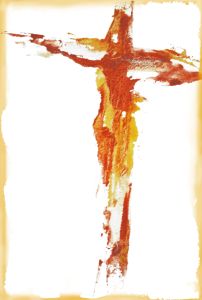 Often we take for granted the name Jesus Christ, without realizing the meaning behind it. The word “Christ” is neither part of the personal name of Jesus nor the family name of Jesus. Jesus earns the name Christ not because of His foster father, Joseph, otherwise, we also call him Joseph Christ and his wife, Mary Christ.
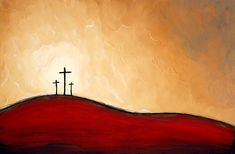 Seringkali kita menerima begitu saja nama Yesus Kristus, tanpa menyadari makna mendalam di baliknya. Kata “Kristus” bukan bagian dari nama pribadi Yesus atau nama keluarga Yesus. Yesus mendapat nama Kristus bukan karena ayah angkatnya, Yusuf, tetapi senyatanya “Kristus” adalah sebuah gelar yang sangat penting bagi umat Yahudi dan Kristiani pada abad pertama masehi.
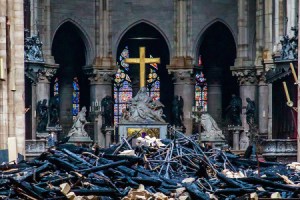 During the reign of Herod the Great, the Temple of Jerusalem was refurbished, adorned by gold and other precious metals, and expanded, and thus making it the crown jewel of the Jewish nation. However, the Temple was not merely a magnificent building, but primarily the center of Jewish religious worship and religion. Every morning and evening, sacrifices were offered, and every year, Jewish men from all over the world made their pilgrimage, and paid their homage the Lord God. It was the place where God chose to stay, the place where the Israelites meet their God, and the house of God.
 Dalam Injil hari ini, orang-orang Saduki berusaha untuk menguji Yesus. Saduki adalah faksi religius dalam agama Yahudi pada zaman Yesus, tetapi tidak seperti orang-orang Farisi yang populer, kaum Saduki hanya memegang Taurat sebagai satu-satunya sumber yang sah dari ajaran dan praktik keagamaan Yahudi, dan menolak tulisan para nabi, dan tradisi selanjutnya. Salah satu doktrin utama mereka adalah bahwa mereka tidak percaya pada kebangkitan badan. Meskipun, Yesus dan orang-orang Farisi selalu berdebat, Yesus dan orang Farisi berbagi kepercayaan dasar yang sama tentang kebangkitan tubuh. Dengan demikian, untuk menyangkal kepercayaan ini, orang Saduki menggunakan Hukum Taurat untuk membuat malu Yesus. Dalam Hukum Taurat, ada praktik untuk mengamankan garis keturunan dan warisan seorang pria yang tidak memiliki keturunan. Sebagai solusi, saudara-saudara lelaki yang meninggal akan menikahi jandanya dan diharapkan memperoleh keturunan bagi sang saudara yang telah meninggal. Kemudian, para Saduki mengajukan kesimpulan seolah-olah kebangkitan badan tidak masuk akal. “Dalam hari kebangkitan, siapakah yang menjadi suami istri ini?”
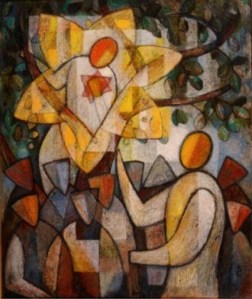 In the time of Jesus, there are at least two kinds of taxes. The first tax goes to the Temple of Jerusalem. This is a “sacred tax”. Those who collect them are performing a sacred duty, and those who pay are fulfilling their due to God. Yet, the second tax is exacted by the Roman government. In order to effectively get the taxes, the Romans employs the local collaborators. The Jews are heavily burdened by this tax because they are unjustly hefty, and often collected by coercion. The Jews understandably loathe those Jewish tax collectors who willingly betray their own people and are involved in greedy malpractices. These are the worst sinners, unclean, corrupt and traitors.
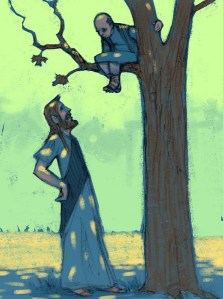 Pada zaman Yesus, setidaknya ada dua jenis pajak atau cukai. Pajak pertama adalah untuk Bait Allah di Yerusalem. Ini adalah “pajak suci”. Mereka yang memungutnya melakukan tugas mulia, dan mereka yang membayar memenuhi kewajibannya kepada Allah. Namun, pajak kedua dibebankan oleh pemerintah Romawi. Untuk mendapatkan pajak secara efektif, orang-orang Romawi mempekerjakan kolaborator lokal. Orang-orang Yahudi sangat terbebani oleh pajak ini karena sangat berat, tidak adil, dan dengan paksaan. Orang-orang Yahudi pada umumnya tentu saja membenci para pemungut pajak Yahudi yang dengan sukarela mengkhianati rakyatnya sendiri dan terlibat dalam praktik korupsi yang tamak. Ini adalah pendosa terburuk, karena najis, korup dan pengkhianat.
 In Medio Ecclesiae