

Third Sunday of Lent [A]
March 8, 2026
Exodus 17:3–7
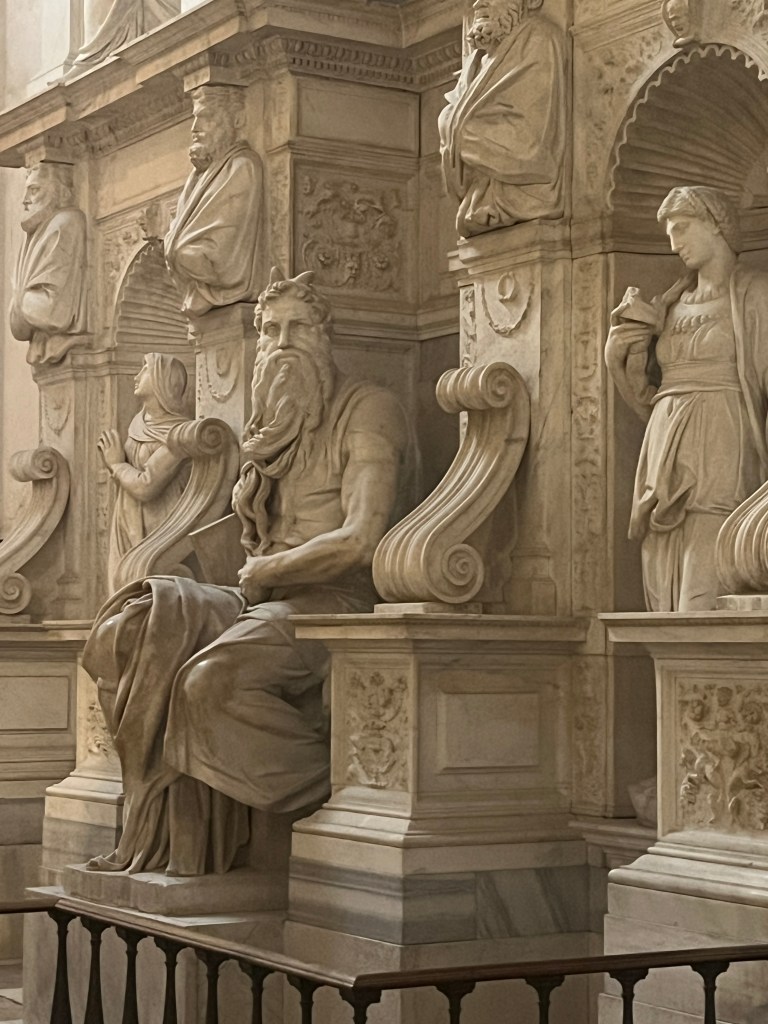
In previous Sundays, we encountered Adam and Eve, our first parents, and Abraham, our father in faith. This Sunday, we turn our attention to the story of Moses and the people of Israel. Rather than looking at a full biography of Moses, we will focus on the single element that ties his life, and death, together within God’s plan: water.
Drawn from the River
The theme begins at Moses’ birth. To save his life from death, his mother was forced to set him adrift on the Nile. When Pharaoh’s daughter found him and took pity on him, she adopted him and gave him the Egyptian name “Moses.” However, the Book of Exodus gives the name a deeper Hebrew significance: “I drew him out of the water.”
The Well in the Desert
After Moses killed an Egyptian and fled to Midian, water again marked a turning point in his life. At a well, he defended the daughters of Reuel from harassing shepherds and helped them draw water. This encounter led to his marriage to one of those daughters, Zipporah (Exo 2:16–25).
The Nile and the Red Sea
Years later, the Lord called Moses back to Egypt to liberate His people. When Pharaoh stubbornly refused to free the Israelites, the Lord sent ten plagues. Notably, the first plague turned the waters of the Nile into blood (Exo 7:14–25). The most magnificent miracle, however, occurred at the Red Sea. The Lord parted the waters, allowing the Israelites to pass through on dry land and escape Pharaoh’s army forever (Exo 14). Water once again becomes a defining element of this stage.
Water from the Rock
The miracles involving water continued in the desert. At Marah, the water was so bitter that the people grumbled against Moses. The Lord instructed Moses to throw a piece of wood into the water, which miraculously made it drinkable (Exo 15:22–27). Later, at Rephidim, the people again found themselves without water. In thirst and anger, they quarreled with Moses. The Lord commanded Moses to strike the rock at Mount Horeb with his staff, and water gushed forth to sustain the people (Exo 17:1–7).
Disobedience and the Promised Land
Years later, a similar incident occurred in the Desert of Zin. When the people cried out for water, the Lord ordered Moses to “speak” to the rock. However, overwhelmed by anger, Moses struck the rock twice. While water still gushed out to help the people, Moses’ disobedience displeased the Lord. As a result, he was not permitted to enter the Promised Land (Num 20:1–13). Finally, as Moses neared death on Mount Nebo, the Lord showed him a glimpse of the Promised Land, bordered by the Jordan River (Deut 34).
Typology: The Water of Baptism
The story of Moses reminds us that God uses common elements of creation, like water, as instruments of His grace. Through Christ, we receive a miracle even greater than the parting of the Red Sea: the water of Baptism. Just as Moses was drawn from the water and saved from danger, we are drawn from the waters of Baptism to become a new creation, freed from sin.
However, Moses’ story also serves as a warning. Just as he failed to enter the earthly Promised Land due to a lapse in obedience, we must remain vigilant. We are called to repent, live out our baptismal promises, and perform deeds pleasing to the Lord so that we may one day enter our true, eternal Promised Land.
Guide questions:
When we face “dry” or difficult seasons in our life, do we tend to complain, or do we look for God and His grace? Is there a specific area in our life where we find it difficult to fully obey God’s instructions? Looking back at our own life, can we identify a time when God rescued us from a difficult situation or pulled us out of a crisis?
 In Medio Ecclesiae