Our Mother in Heaven

The Solemnity of the Assumption [B]

August 15, 2021

Luke 1:39-56

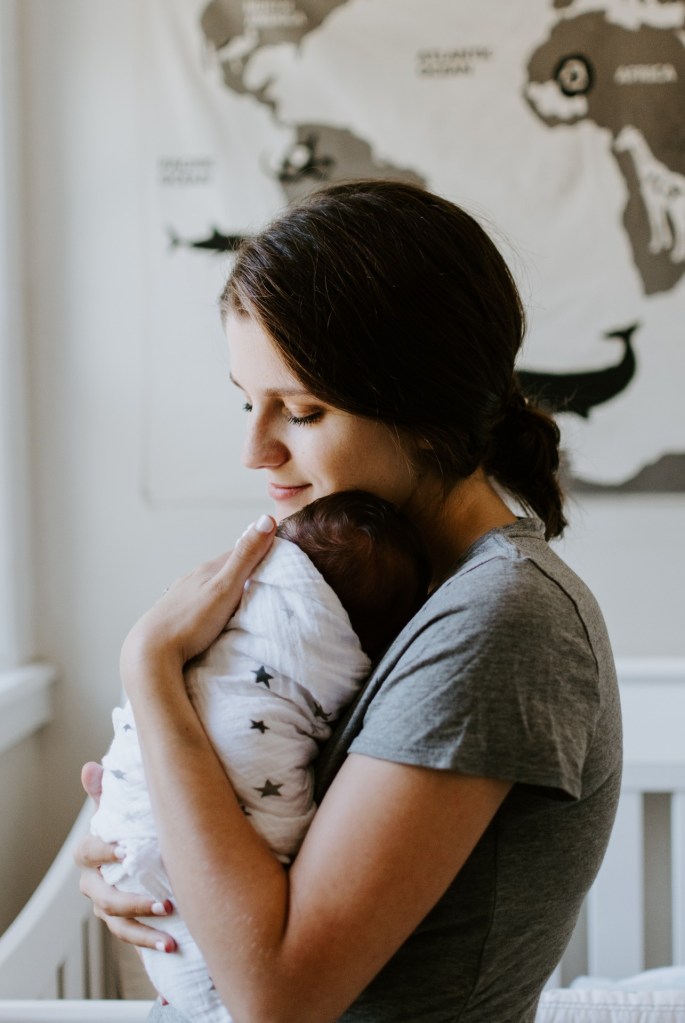
Together with my mother, Blessed Virgin Mary are the women in my life. I knew her very early in my life, and my devotion has continued to grow since then. When I moved to the Philippines for my Dominican formation, I witnessed the lively and vibrant devotion of the Filipinos toward our Lady. Yet, at the same time, I experienced the ferocious assault against her. How come people who call themselves followers of Jesus dare to attack His mother? For me, it was unthinkable! Usually, the usual accusations are, “Why pray to Mary? Why honor her so much as if she is a god?” It is clear for us Catholics that Mary deserves incredible honor because of her role in the mystery of salvation, but it is also clear that she is a human.
photocredit: Kelly Sikkema

In the beginning, I was more than eager to defend her, yet as I brought this in prayer, I ask our Lady, what would she do to those who attack and mock her? She answered, “I continue to pray and love them. They are also my children.” Her answer was an eye-opener, and I began to enter their shoes to seek the reason behind their hatred toward Mary. One of the reasons I discovered is that for them, faith is basically “about Jesus and I.” Jesus is my personal savior and Lord, and He alone is enough. Mary and other saints are obstacles, the Church and the sacraments are not needed, and the traditions are unnecessary burdens. It is faith alone at its purest.

I do agree that faith needs to be pure but not simplistic and individualistic. I believe in Jesus as my personal savior, but He also calls us into a communion of saints. If we survey the Bible, God calls people in the context of a family: Adam and Eve, Noah and his family, Abraham and Sarah, Israel and his children, Moses together with Aaron and Mariam, and David with his family. The keyword ‘testament’ or ‘covenant’ that unites the entire Bible means a solemn oath to build a family. Jesus Himself called the twelve disciples to be the father figures in His kingdom, His family of God.

If God calls us into a family, we are not alone in this journey toward Jesus. We have our brothers and sisters in heaven who are cheering for us and helping us in ways we could never imagine. We also have brothers and sisters here on earth, and it is our responsibility to support and guide them in this journey. The dogma of the Assumption tells us that we are not just earthly realities but belong to a heavenly family, and what is more edifying is that we have a good mother in heaven.

As Mary anticipated the couple’s needs in Cana before they even noticed, Mary intercedes for us even before we realize. As Mary faithfully followed her Son on earth, Mary loyally accompanies us in our earthly journey. As Mary firmly stood before the cross of her Son, Mary also stands beside us in these trials of life.

Our Blessed Mother, pray for us!

Valentinus Bayuhadi Ruseno, OP

St. Dominic’s Prayer

The Solemnity of St. Dominic de Guzman

August 8, 2021

Mat 28:16-20

Today, the Dominican family is celebrating the solemnity of St. Dominic de Guzman, the founder and father of the Order of Preachers. This year’s celebration is extraordinary because we also commemorate the 800th anniversary of Dominic’s death. We call it dies Natalis, the day of birth. It is the birthday of the saint in heaven. Indeed, it has been 800 years since the death of St. Dominic, and the Order he founded is growing vital and ever young.

The Order of Preachers may not be the biggest congregation in the Catholic Church [we have only around six thousand brothers], but indeed, we continue to be blessed with vocations. In Indonesia alone, we have a good number of young brothers in the formation. In the Philippines, the formation house is packed with brothers.

Why is the reason behind this growth? Indeed, there are many overlapping reasons, yet may I highlight one of those: the prayer of St. Dominic himself. At his deathbed, St. Dominic promised his brothers, “Do not weep, for I shall be more useful to you after my death and I shall help you then more effectively than during my life.” [his words are powerful that they are quoted in CCC 956]

His prayers have been proved effective. The Order has been through thick and thin of the world and Church’s history, and it is not always glorious. The Order also shares some painful past and memories. There are times that the Order seemed to collapse under its weight or split into smaller and quarreling factions. Yet, the Order can overcome those. I do believe that the reason cannot be explained by purely human strength. It is God’s mercy and Dominic’s great love for his brothers and sisters.

What is impressive is that St. Dominic is not alone. He is also joined by other Dominican saints, like St. Thomas Aquinas, St. Martin de Porres, St. Catharine of Siena, and countless Dominicans who have entered heaven. Every day, the prayers are getting stronger and louder as more holy people join their chorus.

The Order of Preachers is a family and community, and what is marvelous is that the members are not limited to those who are here on earth but those in heaven. Our brothers and sisters in heaven are doing even more amazing things for us. I am maybe alone here preaching, but my heavenly family members are supporting and cheering for me. I am perhaps alone in my study time, but the Dominican saints are at the forefront in guiding me. The letter of Hebrews speaks of the cloud of heavenly witness surrounding us [Heb 12:1], and I know some of them. We may be small, but our strength is not only here on earth. The more excellent works are done in heaven for the sake of the Order and the salvation of souls.

Many of us may not be a member of Dominican Order, but we are part of a larger family of God, the Church. We have one Father in heaven, and there is no other greatest joy for a father to see his children helping and loving one another. As we help and love our brothers and sisters here on earth, we shall not forget to give thanks to our brothers and sisters in heaven who constantly love and support us till we meet them in heaven.

Valentinus Bayuhadi Ruseno, OP
Doa St. Dominikus

Hari Raya St. Dominikus de Guzman

8 Agustus 2021

Mat 28:16-20

Hari ini, keluarga Dominikan merayakan hari raya St. Dominikus de Guzman, pendiri dan bapak Ordo Pewarta. Perayaan tahun ini sangat khusus karena kita juga memperingati 800 tahun wafatnya Dominikus. Ini adalah ‘Dies Natalis’, hari kelahirannya di surga. Dan 800 tahun sejak kematian St. Dominikus, Ordo yang ia dirikan semakin kuat dan muda.

Ordo Pewarta mungkin bukan kongregasi terbesar di Gereja Katolik, [kita hanya memiliki sekitar enam ribu saudara], tetapi tentu saja, kita terus diberkati dengan panggilan-panggilan baru. Di Indonesia sendiri, kita memiliki banyak frater-frater dalam formasi. Di Filipina, rumah formasi Dominikan dipadati oleh frater-frater.

Apa alasan di balik pertumbuhan ini? Tentu saja, ada banyak alasan yang bisa dikemukakan, namun saya dapat menyodorkan satu alasan: doa St. Dominikus sendiri. Di saat kematiannya, St Dominikus berjanji kepada saudara-saudaranya, “Jangan menangis, karena saya akan lebih berguna bagimu setelah kematian saya dan saya akan membantumu di sana lebih baik daripada selama saya hidup.” [kata-katanya ini bahkan dikutip dalam KGK 956]

Doa-doanya terbukti berfaidah. Ordonya telah menjadi bagian sejarah panjang dunia dan Gereja, dan tidak semuanya baik. Ordo juga ambil bagian dari beberapa peristiwa kelam dan memori yang menyakitkan. Bahkan, ada kalanya Ordo tampak runtuh karena bebannya sendiri atau terpecah menjadi faksi-faksi yang lebih kecil. Namun, Ordo dapat mengatasinya. Saya percaya bahwa penjelasannya tidak dapat dijelaskan dengan kekuatan manusia saja. Ini adalah belas kasihan Tuhan dan cinta Dominikus yang besar bagi saudara-saudaranya.

Yang sungguh menakjubkan bahwa St. Dominikus tidak sendirian. Dia berdoa bersama dengan orang-orang kudus Dominikan lainnya, seperti St Thomas Aquinas, St Martin de Porres, St Katarina dari Siena, dan banyak Dominikan yang telah masuk surga. Setiap hari, doa-doa mereka semakin kuat dan riuh, karena semakin banyak orang suci bergabung dengan paduan suara mereka ini.

Ordo Pewarta adalah sebuah keluarga dan komunitas, dan yang menakjubkan adalah bahwa anggotanya tidak terbatas pada mereka yang ada di bumi, tetapi juga mereka yang di surga. Saudara-saudari kita di surga melakukan hal-hal yang lebih menakjubkan lagi bagi kita. Saya mungkin sendirian di sini saat saya memberi renungan, tetapi anggota keluarga surgawi saya mendukung dan menyemangati saya. Saya mungkin sendirian dalam waktu belajar, tetapi para kudus Dominikan berada di garis depan dalam membimbing saya. Surat Ibrani berbicara tentang awan para saksi surgawi yang mengelilingi kita [Ibr 12:1], dan sebagai anggota Ordo, saya mengenal beberapa di antara mereka. Kita mungkin kecil, tapi kekuatan kita bukan hanya di dunia ini. Bahkan, pekerjaan yang lebih besar dilakukan di surga demi Ordo, Gereja dan keselamatan jiwa.

Banyak dari kita mungkin bukan anggota Ordo Dominikan, tetapi kita adalah bagian dari keluarga Allah yang lebih besar, Gereja. Ordo St. Dominikus hanya sebuah cerminan dari Gereja Kristus. Kita memiliki satu Bapa di surga, dan tidak ada sukacita yang lebih besar bagi seorang ayah kecuali melihat anak-anaknya saling membantu dan mengasihi. Selama kita membantu dan mengasihi saudara-saudara kita di bumi ini, tidak lupa kita bersyukur kepada saudara-saudara kita di surga yang senantiasa mengasihi dan mendukung kita, sampai kita bertemu di surga.

Valentinus Bayuhadi Ruseno, OP

Food for Eternal Life

18th Sunday in Ordinary Time [B]

August 1, 2021

John 6:24-35

The people were looking for Jesus because they wanted to eat the bread more. They wished that their stomach would be filled. Jesus reminded them that they should not seek food that perishes but for food that endures eternal life. Unfortunately, people failed to understand. They thought it was like Old Testament’s manna constantly given to the Israelites in the wilderness for forty years. There would be bread for every day for the rest of their lives.

photocredit: finding dan

Going back to the Old Testament, we listen to the story of the Israelites who complained because they were hungry. However, just a few hours before, they just witnessed how God parted the red sea and destroyed the mighty Egyptian force through Moses. They knew well how God brought the Egyptians to their knees. Yet, when their stomachs were empty, they forgot all of this and demanded the return to the land of slavery. They even accused God of plotting their death in the wilderness. When it comes to survival instinct, the Israelites were too eager to embrace slavery rather than stay loyal to the God of freedom.

Jesus reminds us that there is more to life than filling our stomachs. Indeed, it is essential to eat and nourish our bodies, but even this physical food is also coming from God’s providence. Often, we are too preoccupied to look for earthly bread in its various forms, successful careers, political influence, fame, and wealth. We seek these things to the point that we are willing to go back to the slavery of sin and abandon the God of freedom.

This time of the pandemic, we might find ourselves in the position of the Israelites. Some of us are hungry because we are just losing our economic stability. Some of us are battling sickness. Some of us are losing our beloved family members. Some of us cannot do what we used to love to do. Some of us cannot go to the Church and do our services. In these dire needs, we are facing the temptation to complain against the Lord. We may get disappointed and angry with the Lord. We are more ready to abandon the Lord. We easily forget the mighty deeds the Lord has wrought in our lives. Like our ancestors, the Israelites, we are absorbed in our sufferings and blaming God for our misfortunes. We forget our God who allows this suffering is the God who controls the forces of nature.

Let us learn from the saints. Ignatius of Loyola is one of the excellent examples. He used to be a man who hungered for worldly glory. He put his life in the line to prove his gallantry in the siege of Pamplona. Yet, when his legs were severely wounded and permanently limped, his ambitions were scattered. Yet, at the same time, he read the lives of Christ and the saints, and he realized that the greater glory that the world could ever offer. The true path of grandeur is to work for the greater glory of God. He left everything and worked for the food that will not perish. Eventually, he ended up as a saint.

Valentinus Bayuhadi Ruseno, OP

Makanan untuk Kehidupan Kekal

Minggu Biasa ke-18 [B]

1 Agustus 2021

Yohanes 6:24-35

Banyak orang mencari Yesus karena mereka ingin makan roti lebih banyak, mereka berharap perut mereka kenyang. Namun, Yesus mengingatkan mereka agar mereka tidak mencari makanan yang dapat binasa, melainkan makanan yang bertahan untuk hidup yang kekal. Sayangnya, mereka gagal untuk paham. Mereka mengira makanan yang Yesus beri seperti manna Perjanjian Lama yang terus-menerus diberikan kepada orang Israel di padang gurun selama empat puluh tahun. Mereka mengira bahwa akan ada roti bagi mereka setiap hari secara cuma-cuma. Perut mereka selalu terisi dan mereka selalu dijauhkan dari penderitaan. Namun, ini bukanlah roti yang Yesus tawarkan.

photocredit: ian dooley

Kembali ke Perjanjian Lama, kita mendengarkan kisah orang Israel yang mengeluh karena lapar. Namun, hanya beberapa jam sebelumnya, mereka baru saja menyaksikan bagaimana Tuhan melalui Musa membelah laut merah dan menghancurkan kekuatan besar Mesir. Mereka tahu betul bagaimana Tuhan membuat orang Mesir bertekuk lutut dengan 10 tulah. Namun, ketika perut mereka kosong, mereka melupakan semua ini, dan menuntut kembali ke tanah perbudakan. Mereka bahkan menuduh Tuhan merencanakan kematian mereka di padang gurun. Dalam hal naluri bertahan hidup, orang Israel terlalu bersemangat untuk memilih perbudakan, daripada tetap setia kepada Tuhan kemerdekaan.

Yesus mengingatkan kita bahwa hidup ini lebih dari sekadar mengisi perut kita. Memang, makan dan memelihara tubuh kita adalah hal yang sangat penting, tetapi bahkan makanan fisik ini juga berasal dari pemeliharaan Tuhan. Seringkali, kita terlalu sibuk mencari roti duniawi dalam berbagai bentuknya, karier yang sukses, pengaruh politik, ketenaran, dan kekayaan. Kami mencari hal-hal ini sampai kami bersedia kembali ke perbudakan dosa, dan meninggalkan Tuhan kebebasan.

Saat pandemi ini, kita mungkin menemukan diri kita berada di posisi orang Israel. Beberapa dari kita lapar karena kita baru saja kehilangan stabilitas ekonomi kita. Beberapa dari kita sedang berjuang melawan penyakit. Beberapa dari kita kehilangan anggota keluarga tercinta. Beberapa dari kita tidak dapat melakukan apa yang dulu suka dilakukan. Beberapa dari kita tidak dapat pergi ke Gereja dan melakukan pelayanan kita. Dalam kebutuhan yang mendesak ini, kita menghadapi godaan untuk mengeluh kepada Tuhan. Kita mungkin kecewa dan marah kepada Tuhan. Kita lebih siap untuk meninggalkan Tuhan. Kita dengan mudah melupakan perbuatan-perbuatan besar yang Tuhan telah lakukan dalam hidup kita. Seperti nenek moyang kita, orang Israel, kita tenggelam dalam penderitaan kita, dan menyalahkan Tuhan atas kemalangan kita. Kita melupakan Tuhan kita yang membiarkan penderitaan ini adalah Tuhan yang mengendalikan kekuatan alam.

Mari kita belajar dari orang-orang kudus. Ignatius dari Loyola adalah salah satu contoh yang sangat baik. Dia dulunya adalah seorang pria yang haus akan kemuliaan duniawi. Bahkan, dia mempertaruhkan nyawanya hanya untuk membuktikan kegagahannya dalam mempertahankan benteng Pamplona. Namun, ketika kakinya terluka parah, dan menjadi pincang secara permanen, ambisinya hancur. Namun, pada saat yang sama, dia membaca kehidupan Kristus dan orang-orang kudus, dan dia menyadari bahwa kemuliaan yang lebih besar yang tidak dapat ditawarkan dunia. Jalan keagungan yang sebenarnya adalah bekerja untuk kemuliaan Tuhan yang lebih besar. Dia meninggalkan segalanya dan bekerja untuk makanan yang tidak akan binasa. Akhirnya, dia berakhir sebagai santo.

Valentinus Bayuhadi Ruseno, OP

Reclining

17th Sunday in Ordinary Time [B]
July 25, 2021
John 6:1-15

The miracle of the multiplication of the bread is one of the few stories that recorded by the four evangelists. The event must be impressively memorable and powerful for the disciples and other witnesses. Why did the four evangelists opt to include this story in their gospels?

photocredit: annie theby


There are many possible motives, but one obvious reason is that the story of the multiplication of the bread serves as a sign to the greater miracle, the Eucharist. If we try to observe the details of the story, we will discover some striking similarities with the happening in the Last Supper of the Lord, the first Eucharist. One special action is that Jesus ordered to them to recline. To ask a classroom of 40 students to take their seats is tough job, and here Jesus asked five thousand men not only to sit, but to recline! Yet, John the evangelist did not tell us that the people turned to be chaotic, and all seemed to be fine and smooth.


This gesture of reclining seems to be ordinary, yet in ancient time, to recline is to be able to rest, and in fact, it is the gesture of a freeman. Slave was expected to serve when their masters eat, and they would spend most of their time doing labor, thus, they did not have much time to enjoy their meals, lest to recline. By asking the people to recline, Jesus was giving them the rest they truly desired.


The gesture of reclining while enjoying the food was a typical ancient way to have a banquet. The host and the guests would share a low table that they may recline, consume the meals, share stories, and enjoy the entertainments. Jesus Himself often was invited to attend such banquets [see Luk 7:36]. By asking the people to recline and offer them food, Jesus acted as the host of great banquet, and the people were His honored guests.


Lastly, when Jesus took the bread, gave thanks, and gave it to the people, our catholic instinct should immediately tingle. These are the actions in the Eucharist. Yet, St. John added another important detail: reclining. The gesture of reclining is the same gesture the disciples had in the Last Supper [See John 13:12]. In a sense, the people who reclined and received the bread from Jesus were sharing in the first the Eucharist of Jesus.


Every time we participate in the Eucharist, surely, we are expected not to recline on the altar! Yet, we receive even greater gifts than five thousand people from the gospel. Not only we have a break from our works and chores on Sunday, but we enjoy the true rest in God. We are reminded that of our purpose is not simply here on earth, but in God. Not only we attend a religious service, but we become part of the divine banquet of God’s children. We are not slave to our works, to this world, to power of darkness, but men and women freed by God’s grace. Not only we partake in physical food, but the bread of life, Jesus Christ Himself. Truly, the Eucharist is heaven on earth.

Valentinus Bayuhadi Ruseno, OP

Duduk

Minggu ke-17 Waktu Biasa [B]

25 Juli 2021

Yohanes 6:1-15

Mukjizat penggandaan roti adalah salah satu dari sedikit cerita yang dicatat oleh keempat penginjil. Tidak bisa disangkal bahwa peristiwa ini pasti sangat mengesankan bagi para murid dan saksi-saksi sehingga mereka tidak bisa melupakannya. Namun, dari sekian banyak cerita tentang Yesus, mengapa keempat penginjil sepakat untuk memasukkan kisah ini dalam Injil mereka?

Photocredit: nataliya vaitkevich

Ada banyak kemungkinan, tetapi satu alasan utama adalah bahwa kisah penggandaan roti berfungsi sebagai tanda yang merujuk pada mukjizat yang jauh lebih besar, Ekaristi. Jika kita mencoba mengamati detail cerita ini, kita akan menemukan beberapa kesamaan yang mencolok dengan yang terjadi dalam Perjamuan Terakhir Tuhan, Ekaristi pertama. Dikatakan dalam Injil, Yesus mengambil roti, memecah-mecahkannya, mengucap syukur [Bahasa Yunani – eucharistesas], dan memberikannya. Aksi-aksi yang sama dilakukan Yesus saat Ekaristi pertama.

Namun ada satu tindakan khusus yang Yesus perintahkan orang banyak untuk lakukan: duduk. Tidak ada yang aneh dengan posisi duduk, tetapi jika kita cermati kata Yunani yang digunakan, kita akan mengerti bahwa Yesus meminta orang-orang tidak untuk duduk biasa, tetapi duduk dengan bersandar, atau duduk santai. 

Gerakan duduk santai ini tampaknya biasa-biasa saja, namun pada zaman kuno, duduk semacam ini adalah untuk dapat beristirahat dan bersantai, dan pada kenyataannya, ini adalah gerakan dan postur orang merdeka saat mereka makan. Berbeda dengan seorang budak yang akan melayani ketika tuannya makan, dan mereka akan menghabiskan sebagian besar waktu mereka untuk bekerja, sehingga, mereka tidak punya banyak waktu untuk menikmati makanan mereka dan bersantai. Dengan meminta orang-orang untuk berbaring, Yesus memberi mereka istirahat yang benar-benar mereka inginkan.

Sikap duduk bersandar sambil menikmati makanan adalah cara kuno yang khas untuk mengadakan perjamuan makan atau pesta. Tuan rumah dan para tamu akan berbagi meja rendah sehingga mereka dapat bersandar pada meja tersebut, menikmati makanan, berbagi cerita, dan menikmati hiburan. Yesus sendiri beberapa kali diundang untuk menghadiri perjamuan seperti itu [lihat Luk 7:36]. Dengan meminta orang-orang untuk berbaring dan menawarkan mereka makan, Yesus bertindak sebagai tuan rumah perjamuan besar, dan orang-orang itu adalah tamu kehormatan-Nya.

Terakhir, kita tahu bahwa tindakan-tindakan Yesus di mukjizat pelipat gandaan roti ini berhubungan erat dengan Ekaristi. Namun, St. Yohanes juga mengingatkan kita bahwa duduk bersandar juga berhubungan dengan Ekaristi. Gerakan duduk bersandar ini adalah gerakan yang sama yang dilakukan para murid dalam Perjamuan Terakhir [lihat Yohanes 13:12, kata Yunani ‘anapasein’]. Dalam arti tertentu, orang-orang yang duduk bersandar ini dan menerima roti dari Yesus ikut ambil bagian dalam Ekaristi Yesus yang pertama.

Setiap kali kita berpartisipasi dalam Ekaristi, tentunya kita diharapkan untuk tidak duduk bersandar dan santai-santai saja! Namun, kita menerima rahmat yang lebih besar dari lima ribu orang di Injil hari ini. Tidak hanya kita bisa beristirahat dari pekerjaan dan tugas-tugas kita pada hari Minggu, tetapi kita menikmati istirahat yang sejati di dalam Tuhan. Kita diingatkan bahwa tujuan kita bukan hanya di bumi ini, tetapi di dalam Tuhan. Tidak hanya kita menghadiri sebuah ibadah, tetapi kita menjadi bagian dari perjamuan ilahi. Kita bukan budak pekerjaan kita, dari dunia ini, dari kuasa kegelapan, tetapi pria dan wanita yang dimerdekakan oleh kasih karunia Tuhan. Tidak hanya kita mengambil bagian dalam makanan fisik, tetapi roti hidup, Yesus Kristus sendiri. Sungguh, Ekaristi adalah surga di dunia.

Valentinus Bayuhadi Ruseno, OP

True Rest

16th Sunday in Ordinary Time [B]

July 18, 2021

Mark 6:30-34

Last week, we listened to the stories of Jesus sending His disciples. This Sunday, we discover that the disciples have performed well and made their report back to Jesus. The mission was hugely successful. Many people were healed, and they longed to hear the word of God. The disciples became an instant sensation, and many people wanted to see them.

photocredit: ricardo esquivel

However, the creator of our nature recognized that the disciples are also human and not a bunch of superheroes. Their bodies, just like ours, needed rest. Jesus knew well that the disciples would get burnt out without enough rest, and they would develop physical and emotional problems. Jesus understood how essential rest is. Thus, as the Good Shepherd, Jesus brought his disciples to have a proper rest.

Why do we need rests? It is just something natural. As our bodies produce energy to spend for our activities, they also come out with wastes. Resting like sleeping is one of the biological mechanisms to dispose of unhealthy by-products. During our rest, our body repairs itself and recharges itself. Without sleep, we will experience physical and mental problems like fatigue, headache, emotional imbalance, anxiety, decreased immune system, depression, inability to concentrate, and eventually death.

Many people are living in the cities, and the demands of works and life are immensely insane. People are forced to work extremely hard and stay longer at work. These lead to sleep deprivation and other health issues. Often, this kind of mentality influences how we do and perceive our religious life. On the one hand, we tend to see that going to the church is just another obligation and burden that we need to carry. It is just additional work for us. On the other hand, we are also inclined to treat and measure our services and worship by the same standards we have in our workplaces. However, we miss the point.

To understand better why we need a rest, we shall go back to the creation story in the book of Genesis. God created the world in six days, and on the seventh day, God rested. Did God feel tired and need a rest? Surely, the almighty God did not need to rest. Then, why God created the 7th day and rested? The answer is that the seventh day is a rest day for us, man and woman. God invited Adam and Eve to rest with Him on the seventh day. From here, we understand that resting is not simply about our biological needs, but it is the purpose why we are created: Resting with God. Our bodily rest is fundamentally a reflection of our spiritual rests.

When Jesus invited his disciple to rest with Him, it was not only a physical recharge but a spiritual unity with Jesus. This is the same with us now. Our prayer life, our ministries, our worship are manifestations of our spiritual rests and unity with the Lord. It is heaven on earth. It is also a preparation for us to receive eternal rest.

Valentinus Bayuhadi Ruseno, OP

Istirahat Sejati

Minggu Biasa ke-16 [B]

18 Juli 2021

Markus 6:30-34

Minggu lalu, kita mendengarkan kisah Yesus mengutus murid-murid-Nya. Minggu ini, kita menemukan bahwa para murid telah bekerja dengan baik dan membuat laporan mereka kepada Yesus. Misi mereka sukses besar. Banyak orang disembuhkan, dan mereka rindu mendengar firman Tuhan. Bahkan, para murid menjadi sensasi dan viral, dan banyak orang ingin melihat mereka.

Namun, Yesus, pencipta alam kita, mengakui bahwa para murid juga manusia dan bukan superheroes seperti Avengers atau Justice League. Tubuh mereka sama seperti kita semua membutuhkan istirahat. Yesus tahu betul bahwa tanpa istirahat yang cukup, para murid akan kelelahan dan mereka akan mengalami berbagai permasalahan fisik dan emosional. Yesus mengerti betapa pentingnya istirahat. Jadi, sebagai Gembala yang Baik, Yesus membawa murid-muridnya untuk beristirahat dengan baik.

Mengapa kita perlu istirahat? Kita bisa melihatnya dari sisi biologis. Saat tubuh kita memproduksi energi untuk digunakan untuk aktivitas kita, tubuh kita juga mengeluarkan dengan zat-zat ‘limbah’. Istirahat seperti tidur adalah salah satu mekanisme biologis untuk membuang produk sampingan yang tidak sehat ini. Selama istirahat, tubuh kita memperbaiki diri dan mengisi diri dengan energi baru. Tanpa tidur, kita akan mengalami masalah fisik dan mental seperti kelelahan, sakit kepala, ketidakseimbangan emosi, kecemasan, penurunan sistem kekebalan tubuh, depresi, ketidakmampuan untuk berkonsentrasi, dan akhirnya kematian.

Banyak orang tinggal di kota, dan tuntutan pekerjaan dan kehidupan sangat gila. Orang-orang dipaksa untuk bekerja sangat keras dan tinggal lebih lama di tempat kerja. Ini menyebabkan kurang tidur dan masalah kesehatan lainnya. Seringkali, mentalitas semacam ini mempengaruhi cara kita melakukan dan memandang kehidupan keagamaan kita. Di satu sisi, kita cenderung melihat bahwa pergi ke gereja hanyalah kewajiban dan beban yang harus kita pikul. Itu hanya pekerjaan tambahan bagi kami. Di sisi lain, kita juga cenderung memperlakukan dan mengukur pelayanan dan ibadah kita dengan standar yang sama yang kita miliki di tempat kerja kita. Kita merasa ibadah kita berhasil jika kita mendapatkan ‘sesuatu’ dari perayaan Ekaristi. Kita merasa pelayan kita berhasil jika kita berhasil mendapatkan lebih banyak anggota, subsribers, atau likes. Namun, jika kita berkutat pada mentalitas ini, kita kehilangan inti ibadah kita.

Untuk memahami lebih baik mengapa kita perlu istirahat, kita perlu kembali ke kisah penciptaan dalam kitab Kejadian. Tuhan menciptakan dunia dalam enam hari dan pada hari ketujuh, Tuhan beristirahat. Apakah Tuhan merasa lelah dan butuh istirahat? Tentunya, Tuhan Yang Mahakuasa tidak perlu beristirahat! Lalu, mengapa Tuhan menciptakan hari ke-7 dan beristirahat? jawabannya adalah hari ketujuh adalah hari istirahat bagi kita laki-laki dan perempuan. Tuhan mengundang Adam dan Hawa untuk beristirahat bersama-Nya di hari ketujuh. Dari sini, kita memahami bahwa istirahat bukan hanya tentang kebutuhan biologis kita, tetapi itu adalah tujuan mengapa kita diciptakan: Beristirahat bersama Tuhan. Istirahat tubuh kita pada dasarnya merupakan cerminan dari istirahat spiritual kita.

Ketika Yesus mengundang murid-murid-Nya untuk beristirahat bersama-Nya, itu bukan hanya sekedar recharge biologis tetapi kesatuan rohani dengan Yesus. Sejatinya, kehidupan doa kita, pelayanan kita, ibadah kita adalah manifestasi dari peristirahatan rohani kita dan kesatuan dengan Tuhan. Ini adalah surga di bumi. Itu juga merupakan persiapan bagi kita untuk menerima perhentian kekal.

Valentinus Bayuhadi Ruseno, OP

Mission for the Salvation of Souls

15th Sunday in Ordinary Time [B]

July 11, 2021

Mark 6:7-13

In today’s Gospel, Jesus called His disciples so that He may send them. Jesus commissioned them with threefold tasks: to drive out unclean spirits, preach repentance, and heal the sick with the anointing of the oil. Why did Jesus instruct these three missions? Jesus knew well that He dispatched the disciples not simply to teach faith or do some charitable services. Their real mission was to wage war against the real enemies of the kingdom of God: the kingdom of evil. To do this humanly impossible task, Jesus had entrusted them with divine authority over the demons and other fallen angels. Their mission was to destroy evil forces and win back people who lived under the influence of darkness. In short: the disciples were to win to souls.

When Jesus died on the cross and rose from the dead, He has definitively won the war against the kingdom of Satan, and He has decisively destroyed its leading forces. However, the battles and skirmishes were raging on. The devil and cohorts continued to assault humanity and tried to reclaim the souls that have been consecrated to God. Thus, Jesus made the mission of His disciples something lasting until He comes again. As He commissioned the Twelve, he also sends His disciples to continue the faith and win more souls for Christ.

Then, how do we live up to this call of Jesus? Do we need to precisely imitate the apostles like we need to fight demons head-on and exorcise the demoniacs? Do we have to go around and start anointing the sick people with oil? Must we preach repentance at every corner of the streets? The answer is yes and no. Some of us, indeed, heal the people by anointing with oil. These people are called priests. Some of us have a special charism to expel demons. Some of us have the gift that empowers them to preach repentance and bring people into tears.

However, there is one universal way to do this mission against the kingdom of darkness. It is to reject Satan and His works in our lives and societies. The first and real battle is within us, within our families, and then our communities. We reject those activities that related to occultism and superstitious beliefs. We also refuse to participate in evil and corrupt activities in our workplaces and societies. At least, we know that there is one soul we save, that is, our souls and the souls of our family.

When I become a priest, one mission entrusted to me is to give the sacrament of holy anointing for the sick. Among other sacraments, I find the most fulfilment in this sacrament. Through this sacrament, I am sure that I have participated in God’s saving work to bring this soul to heaven. However, in this pandemic, I realize that I cannot do much for our parishioners who are in critical condition due to covid-19. I wish I could do more, and the reality hurts. Yet, it does not mean we are hopeless. This is when we storm heaven with prayers and fasting for the salvation of souls, and we must not allow the power of darkness to take their chances.

Valentinus Bayuhadi Ruseno, OP