The Holy and Good Shepherd

Fourth Sunday of Easter [B]

April 25, 2021

John 10:11-18
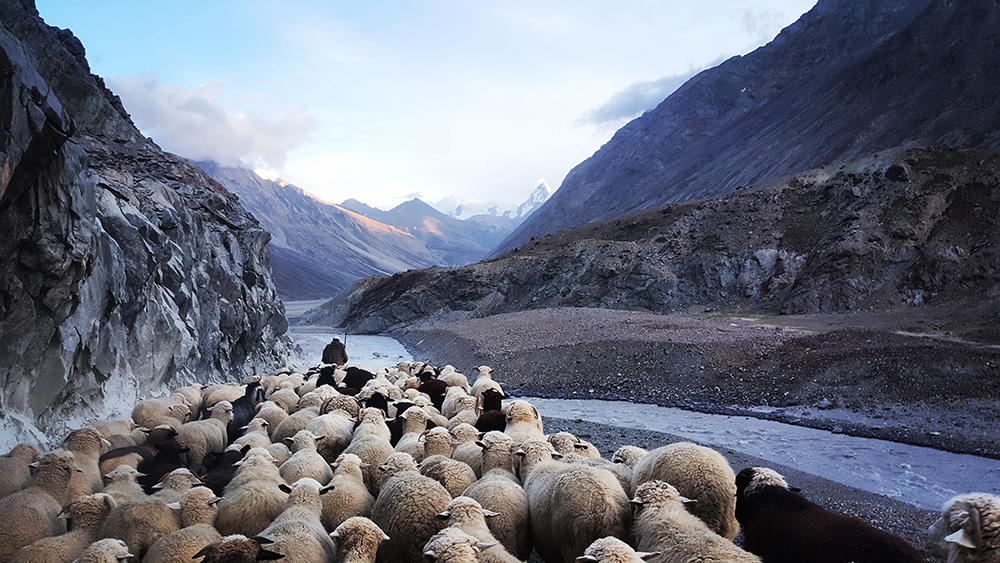
Often, we associate vocation with the vocation to the priesthood or religious life, become a priest, or become a religious sister. However, Jesus, the Good Shepherd, does not only call a few sheep to follow Him, but the entire flock. Jesus invites everyone to follow Him, and thus, everyone has a vocation.

The fourth Sunday of Easter is commonly known as the Good Shepherd Sunday. The reason is that every year, the Church always chooses the Gospel from John, especially chapter 10 [year A: John 10:1-10; year B: John 10:11-18; year C: John 10:27-30]. In this chapter, Jesus introduces His identity as the Good Shepherd. This Sunday is also famously called the Vocations Sunday. In 1964, Pope Paul VI established the World Day of Prayer for Vocations on the fourth Sunday of Easter. Why ‘Vocations Sunday’? The word ‘vocation’ comes from the Latin word, ‘vocare’ that means ‘to call’. In the same Gospel, Jesus says that the shepherd ‘calls’ his sheep by name and they hear his voice [see John 10:3-4].

Generally, in the Church, we have the clergy and the laity. The clergies are those who received the sacrament of Holy Orders or ordination. Under this group are the deacons, priests, and bishops. Meanwhile, those who do not receive the ordination are the laity. Under this distinction, we have married people and those who remain single for the Lord. There is also a special category, that is people with vows. Traditionally, we have three vows or promise to God, the vow of obedience, the vow of chastity and the vow of poverty. Christians who professed vows usually belong to communities [technically called institutes of consecrated life] like the Order of Preachers, the Society of Jesus, and many others. When a laywoman professes vows, she becomes a religious sister of a specific community like Sr. Maria, OP. When a priest has vows, he is called a religious priest, like Fr. Joseph, OFM. A priest who does not profess vows and attached to a diocese is called a diocesan priest. Indeed, these categories are oversimplified and fail to do justice to many other forms of lives within the Catholic Church. The point is that the Good Shepherd is calling all of us to follow and to be with Him. It is a universal call to holiness.

Yet, what is holiness? Does it mean when a man is ordained to be a priest, he is automatically holy? Is wearing a religious habit a sign of holiness? Is constant prayer and piety manifestation of holy persons? If holiness is following and becoming one with the Good Shepherd, then to be holy is to live and act like the Good Shepherd Himself. What, then, is the main character of the Good Shepherd? Jesus tells us, “The Good Shepherd lays down His life for His sheep [John 10:15].”  The Good Shepherd is ‘Good’ because His love is radical and sacrificial.

To be holy is to love radically and sacrificially, and true love is performed every day in every way possible. Holiness is when a man works hard every day for his family. Holiness is a mother who cares for her baby and ready to lose her sleep every night. St. Theresa of Avila used to say, “Know that if you are in the kitchen, God walks among the pots and pans.”

Valentinus Bayuhadi Ruseno, OP

The Glorious Body

Third Sunday of Easter [B]

April 18, 2021

Luke 24:35-48

Miracles are rare occurrences, but some are even rarer and more precious than others. Miraculous healings are exceptional but coming back to life after death is even extraordinary. However, there is one miracle that is wholly unique and incomparable: resurrection. Yet, what makes resurrection different from other miracles?

Resurrection presupposes death or permanent separation between body dan soul. Thus, resurrection is the reunion of body and soul. Our Gospel today informs us that Jesus showed His disciples His body as well as His wounds. He wanted to show them that what disciples experienced in the upper room was not an illusion or fantasy. They did not see a ghost or disembodied spirit. What they encountered was a living human body.

Moreover, the wounds prove that the resurrected body of Christ is the same as the crucified body. He was not an imposter! Jesus even asked for food and ate the baked fish. He acted just like an ordinary living person, and the disciples should not be afraid anymore but believe.

However, Jesus’ resurrection is fundamentally different from what happened to Lazarus [see John 11]. Lazarus was dead, but Jesus raised him from the dead, but Lazarus would eventually face death once more. What happened to Lazarus is usually called ‘resuscitation.’ Meanwhile, Jesus was raised from the dead and will die no more. The resurrected Christ will no longer experience death because He received no ordinary body. His body was a glorious one. It is the same body that Jesus received from Virgin Mary, the same body that walked in Galilee, the same body that preached to the disciples, and the same body that was tortured, crucified, and buried in the tomb. Yet, the divine power has transformed this body.

What makes this glorified body unique? Firstly, this body is immortal. Secondly, it is no longer experiencing suffering like pain, sickness, or aging. Thirdly, the body will be subjected to the laws of nature and freed from the limitation of time and space. This explains why Jesus was able to enter the locked upper room [see CCC 645]. Fourthly, the body can change its appearance. This explains why the disciples often did not recognize the risen Lord. Resurrection does not only about the reunion between the soul and the body but about the body glorified and sanctified for eternal life.

The reality about the resurrection amplifies the fundamental truth about our bodies. The Book of Genesis narrated that God created the physical world as something good. Human persons, including their bodies, were blessed, and called ‘very good.’ God plans that His magnificent creation will not go to waste in death and decay. He wills that this amazing and blessed body continue to exist for eternity and become part of His marvelous heaven.

From this realization, do we prepare our bodies for heaven? Do we abuse our bodies with unhealthy lifestyles? Do we use our bodies to honor God in prayer and good works? Do we destroy our body, the Temple of the Holy Spirit, with vices and addictions? Do we offer our bodies as a living and pleasing sacrifice to God?

Valentinus Bayuhadi Ruseno, OP

Tubuh Mulia

Minggu Ketiga Paskah [B]

18 April 2021

Lukas 24: 35-48

Mukjizat adalah kejadian langka, tetapi ada jenis-jenis mukjizat yang bahkan lebih langka dan lebih berharga daripada yang lain. Penyembuhan memang mukjizat dashyat tetapi hidup kembali setelah kematian lebih luar biasa. Namun, ada satu mukjizat yang sepenuhnya unik dan tak tertandingi: kebangkitan. Namun, apa yang membuat kebangkitan berbeda dari mukjizat-mukjizat lainnya?

Kebangkitan mengandaikan kematian, dan definisi kematian adalah keterpisahan permanen antara tubuh dan jiwa. Jadi, kebangkitan adalah penyatuan kembali tubuh dan jiwa yang telah terpisah oleh kematian. Injil hari ini menceritakan bahwa Yesus menunjukkan kepada murid-murid tubuh-Nya serta luka-luka-Nya. Dia ingin menunjukkan kepada mereka bahwa apa yang dialami para murid di ruang atas bukanlah ilusi atau fantasi, mereka juga tidak melihat hantu atau roh tanpa tubuh. Apa yang mereka temui adalah tubuh manusia yang hidup. Apalagi luka itu membuktikan bahwa tubuh Kristus yang bangkit sama dengan tubuh yang disalibkan. Yesus bahkan meminta makanan dan sungguh makan ikan yang diberi. Dia bertingkah laku seperti manusia biasa, dan oleh karena itu, murid-murid-Nya tidak perlu takut lagi, tapi diajak untuk percaya.

Namun, kebangkitan Yesus pada dasarnya berbeda dari yang terjadi pada Lazarus. Kita ingat bahwa Lazarus, saudara Maria dan Marta, wafat, tetapi Yesus membangkitkan dia dari kubur. Namun, Lazarus pada akhirnya akan menghadapi kematian sekali lagi. Apa yang terjadi pada Lazarus biasanya disebut ‘resuscitatio’. Sementara itu, Yesus bangkit dari kematian dan tidak akan mati lagi. Kristus tidak akan lagi mengalami kematian karena Ia tidak menerima tubuh biasa, tetapi tubuh yang sangat mulia. Ini adalah tubuh yang sama yang Yesus terima dari Perawan Maria, ini adalah tubuh yang sama yang berjalan di Galilea, ini adalah tubuh yang sama yang mewartakan Injil kepada para murid, dan ini adalah tubuh yang sama yang disiksa, disalibkan, dan dikuburkan di makam. Dan sekarang, kekuatan ilahi telah mengubah tubuh ini menjadi tubuh yang mulia.

Apa yang membuat tubuh yang dimuliakan ini luar biasa? Pertama, tubuh ini kekal dan tidak akan mati. Kedua, tidak lagi mengalami penderitaan seperti sakit atau penuaan. Ketiga, tubuh ini tidak tunduk pada hukum alam dan terbebas dari batasan ruang dan waktu. Ini menjelaskan mengapa Yesus bisa masuk ke ruang para murid yang terkunci [lihat KGK 645]. Keempat, tubuh ini bisa mengubah wujudnya. Ini menjelaskan mengapa para murid sering tidak mengenali Tuhan yang telah bangkit. Kebangkitan tidak hanya tentang penyatuan kembali antara jiwa dan tubuh, tetapi tentang tubuh yang dimuliakan dan disucikan untuk hidup yang kekal.

Realitas tentang kebangkitan memperkuat kebenaran dasar tentang tubuh kita. Kitab Kejadian mengatakan bahwa Tuhan menciptakan dunia material sebagai sesuatu yang baik. Pribadi manusia, termasuk tubuh kita diberkati dan disebut ‘sangat baik.’ Adalah rencana Tuhan agar ciptaan-Nya yang luar biasa tidak menjadi sia-sia dalam kematian dan dekomposisi. Dia menghendaki agar tubuh yang baik dan diberkati ini terus ada selama-lamanya dan menjadi bagian dari surga-Nya yang menakjubkan.

Dari kesadaran ini, apakah kita mempersiapkan tubuh kita untuk surga? Apakah kita menyalahgunakan tubuh kita dengan gaya hidup yang tidak sehat? Apakah kita menggunakan tubuh kita untuk menghormati Tuhan dalam doa dan perbuatan baik? Apakah kita menghancurkan tubuh kita, Bait Roh Kudus, dengan kejahatan dan kecanduan? Apakah kita mempersembahkan tubuh kita sebagai korban yang hidup dan menyenangkan kepada Tuhan?

Valentinus Bayuhadi Ruseno, OP

Doubt and Faith

Second Sunday of Easter [B] – Divine Mercy Sunday

April 11, 2021

John 20:19-31

Thomas, one of Jesus’ apostles, was celebratedly called ‘the doubter.’ His skeptical attitude sprang when he was absent from the Sunday’s gathering, and he missed the most important event that took place on Sunday: Jesus’ resurrection. From here, we can learn an important lesson: do not be absent on Sunday’s mass!

Being skeptical or doubtful is part of our human nature. In fact, a certain level of skepticism is healthy and necessary. When we encounter unusual claims or information, we do not immediately trust them and put a certain skeptical distance. The doubt invites us to investigate and verify the veracity of the claim. When all reasonable doubts are removed, we can be sure of the truth.

Specific claims indeed must not be accepted at face value and be verified. If a man is accused of stealing, he has the right to the legal proceedings, and based on the evidence, the competent judge will pronounce the verdict. Not only in the court of law, fields of science also have rigorous methods to prove a hypothesis. The Church also adopts the same attitude. When the Church receives a claim that a person has seen the Lord or the Blessed Virgin Mary, she will investigate it. Is the person having a mental problem or simply hallucinating? Is the evil spirit involved? Is the private revelation going against the Church’s teachings? After clearing the reasonable doubts, the Church shall declare her position on the claim.

Going back to Thomas, at first, Thomas’ doubt seemed to be a reasonable one since he heard a spectacular claim from his brothers. As a Jew, Thomas may believe in the resurrection of the dead, but this would take place at the end of time. Jesus’ resurrection was unexpected. Thus, Thomas demanded proof, and it was given. However, if we see Jesus’ words to Thomas, “…do not be unbelieving [Gr. apistis] but believe [John 20:27].” Jesus pointed out that what happened to Thomas was not a simple and honest doubt but willful disbelief. While genuine doubt can be removed through reliable processes to achieve an objective truth, belief, on the other hand, is a free decision to accept that specific claim to be true. The problem is that what one believes does not always correspond to the objective truth.

Thus, when someone already decided to accept a particular claim as his subjective truth, he will not give up on the claim, however erroneous it is. Ideally, our belief corresponds to the objective reality. St. Thomas Aquinas puts it that the truth is the correspondence between the mind and reality.

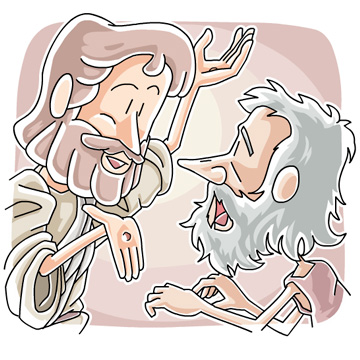
After Jesus showed Thomas His wounds as evidence of His resurrection, Jesus moved to the next and most crucial step. He asked Thomas to believe. Thomas eventually accepted the truth of resurrection as his own. Jesus is indeed Lord and God, but only when Thomas received the truth as his own, could he say, ‘my Lord and my God.’

One way or another, we may reflect Thomas. We may learn the Catholic faith’s truth since we are young, but do we honestly believe them? We may confess Jesus is our God, but do we trust Him in times of trials and difficulties? We may say that God has redeemed us, but do we live more like the redeemed people?

Valentinus Bayuhadi Ruseno, OP

Keraguan dan Iman

Minggu Kedua Paskah [B] – Minggu Kerahiman Ilahi

11 April 2021

Yohanes 20: 19-31

Tomas, salah satu rasul Yesus, disebut sebagai ‘orang yang ragu’. Sikap skeptisnya muncul ketika dia tidak hadir pada pertemuan rasul hari Minggu, dan dia melewatkan hal terpenting yang terjadi pada hari Minggu: kebangkitan Yesus. Dari sini, kita dapat memetik pelajaran penting: jangan absen pada misa hari Minggu!

Menjadi skeptis atau ragu adalah bagian dari kodrat manusia kita. Bahkan skeptisisme pada tahap tertentu itu sehat dan perlu. Ketika kita menemukan klaim atau informasi yang tidak biasa, kita tidak langsung mempercayai hal itu dan juga meragukannya. Keraguan mengundang kita untuk menyelidiki dan memverifikasi kebenaran klaim tersebut. Ketika semua keraguan dihilangkan, kita bisa yakin akan kebenaran hal tersebut.

Ada klaim-klaim yang memang tidak boleh diterima begitu saja dan harus diverifikasi. Jika seorang laki-laki dituduh mencuri, ia berhak mendapatkan proses hukum, dan berdasarkan bukti-bukti, hakim yang berwenang akan menjatuhkan keputusan. Tidak hanya di dalam pengadilan, bidang ilmu alam dan sosial juga memiliki metode-metode ilmiah yang ketat untuk membuktikan sebuah hipotesis. Gereja juga mengadopsi sikap yang sama. Ketika Gereja menerima klaim bahwa seseorang telah melihat Tuhan atau Perawan Maria, Gereja tidak langsung percaya dan akan menyelidikinya. Apakah orang tersebut mengalami masalah kejiwaan, atau hanya berhalusinasi? Apakah roh jahat itu terlibat? Apakah wahyu pribadi bertentangan dengan ajaran Gereja? Setelah menghilangkan keraguan, Gereja akan menyatakan posisinya atas klaim tersebut.

Kembali ke Thomas, pada awalnya, keraguan Thomas tampaknya sesuatu yang wajar karena dia mendengar klaim spektakuler kebangkitan Yesus dari para rasul yang lain. Sebagai seorang Yahudi, Tomas mungkin percaya pada kebangkitan orang mati, tapi ini akan terjadi pada akhir zaman. Kebangkitan Yesus sungguh tidak terduga. Karena itu, Thomas meminta bukti. Namun, jika kita melihat kata-kata Yesus kepada Tomas setelah Dia menunjukkan luka-luka-Nya, “… jangan engkau tidak percaya [Yunani: apistis] lagi, melainkan percayalah. [Yoh 20:27]. ” Yesus menunjukkan bahwa apa yang terjadi pada Tomas bukanlah keraguan yang alami, tetapi ketidak percayaan yang disengaja.

Sementara keraguan alami dapat dihilangkan melalui proses verifikasi untuk mencapai kebenaran obyektif, di sisi lain, keyakinan adalah keputusan bebas untuk menerima klaim tertentu itu benar. Masalahnya adalah apa yang kita dipercaya tidak selalu sesuai dengan kebenaran obyektif. Jadi, ketika seseorang sudah memutuskan untuk menerima klaim tertentu sebagai kebenaran subyektifnya, dia tidak akan melepaskan klaim tersebut betapa pun salahnya hal itu. Idealnya, keyakinan kita sesuai dengan realitas objektif. St Thomas Aquinas secara sederhana menyatakan bahwa kebenaran adalah korespondensi [kecocokan] antara pikiran dan realitas.

Setelah Yesus menunjukkan kepada Thomas luka-luka-Nya sebagai bukti kebangkitan-Nya, Yesus menuju ke langkah berikutnya dan yang paling penting. Dia meminta Thomas untuk percaya. Thomas akhirnya menerima kebenaran kebangkitan sebagai miliknya sendiri. Yesus memang Tuhan dan Allah, tetapi hanya ketika Thomas menerima kebenaran ini sebagai miliknya, dia bisa berkata, ‘Ya Tuhanku dan Allahku.’

Dalam hidup ini, kita mungkin sama seperti Tomas. Kita mungkin mempelajari kebenaran iman Katolik sejak kita muda, tetapi apakah kita benar-benar mempercayai dan menghidupinya? Kita mungkin mengakui bahwa Yesus adalah Tuhan kita, tetapi apakah kita benar-benar percaya dan berpegang pada Dia pada saat pencobaan dan kesulitan? Kita mungkin berkata bahwa Tuhan telah menebus kita, tetapi apakah kita hidup seperti orang-orang tertebus?

Valentinus Bayuhadi Ruseno, OP

Easter Joy

Easter Sunday [B]

April 4, 2021

John 20:1-9

photocredit: Larm Rmah

Jesus has risen! Alleluia! He is indeed alive, and we have reason to celebrate and rejoice exultantly. From Palm Sunday till Good Friday, we have witnessed the most excellent drama at the center of our faith. Jesus was received as a king by his people, who would eventually condemn Him. He gave up His body and blood to His disciples and brothers, who ultimately sold, betrayed, denied, and abandoned Him. He was innocent, yet He was condemned as a criminal and suffer horrible death on the cross. He is God, but He was buried just like any man. Yet, these dreadful things are not the end of the story. There is a marvelous twist! He rose from the dead and conquered death—his love triumphs over hatred and sin.

The good news is that Jesus’ story is real. His story is radically different from the box-office-hit movies like the Marvel series. The Avengers may dramatically defeat Thanos and resurrected the missing half of humanity, but they remain the great work of fiction. Jesus is real, as even more real than all of us. And because He has risen, our faith in Him is not in vain. We are saved, and we are redeemed. This is the unshakable foundation of our joy! Blaise Paschal, a Catholic French Philosopher, once commented, “Nobody is as happy as a real Christian.”

Yet, what does it mean to be joyful in our world now? Many of us are still struggling with pandemic covid-19, and we are not sure when this will end. Some of us are losing our beloved ones, and others must face an uncertain future due to economic meltdown. We are becoming more unsure of our lives. What should be joyful? We need to see that joy of redeemed people is not simply fleeting good feelings or outbursts of emotions. If we know this kind of sensation in the Church, we may get disappointed.

To have faith in Jesus means we believe that our lives will eventually make sense in Jesus. Thus, our joy is coming from following Jesus, participating in His drama of love and redemption, including in His cross and death. Jesus’ suffering is not the suffering of a helpless victim but a courageously loving man. Jesus’s death is not the death of a sore loser but a total sacrifice of the lover. Jesus loves us to the fullness, and absolute love demands death. In Christ, our suffering is not a sign of our weakness but our radical love. Our joy is following from the truth that we discover that in Christ, we are created beyond ourselves, but for the infinite love, for God Himself.

In this time of crisis, we may endure more uncertainties, but we may have this moment to die to our illusion that wealth, position, and power can save us. In this time of trials, we may face more hardship, but we can turn this opportunity to love deeply and even to offer ourselves in Christ.

On March 27, 1996, seven Trappist monks were kidnapped from the monastery of Tribhirine, Algeria, by the extremist group. All eventually murdered. They had been warned to leave the monastery as Algeria’s situation worsened, but they refused to go because they wanted to be with the people they served. Brother Christian, the leader, wrote in a letter, “I am certain that God loves the Algerians and that He has chosen to prove it by giving them our lives. So then, do we truly love them? Do we love them enough? This is a moment of truth for each one of us and a heavy responsibility in these times when our friends feel so little loved.”

Happy and Blessed Easter to all of you!

Valentinus Bayuhadi Ruseno, OP

Sukacita Paskah

Minggu Paskah [B]

4 April 2021

Yohanes 20: 1-9

photocredit: Bruno van der Kraan

Yesus telah bangkit! Aleluya! Dia benar-benar hidup dan kita bersukacita. Dari Minggu Palma hingga Jumat Agung, kita telah menjadi saksi drama terbesar di pusat iman kita. Yesus diterima sebagai raja oleh rakyat-Nya yang pada akhirnya akan menghukum Dia. Dia menyerahkan tubuh dan darah-Nya kepada para murid dan saudara-Nya yang akhirnya menjual, mengkhianati, menyangkal, dan meninggalkan-Nya. Dia tidak bersalah, namun Dia dihukum sebagai penjahat dan menderita kematian yang mengerikan di kayu salib. Dia adalah Tuhan, tetapi Dia dikuburkan sama seperti manusia lainnya. Namun, hal-hal mengerikan ini bukanlah akhir dari cerita kita. Ada kejutan yang luar biasa! Dia bangkit dari kematian dan menaklukkan kematian. Kasih-Nya menang atas kebencian dan dosa.

Kabar baiknya adalah kisah Yesus itu nyata. Kisah-Nya sangat berbeda dari film-film box-office seperti film-film Marvel. Avengers mungkin secara dramatis mengalahkan Thanos dan membangkitkan separuh umat manusia yang hilang, tetapi mereka tetap merupakan karya fiksi. Yesus itu nyata, bahkan lebih nyata dari kita semua. Dan karena Dia benar-benar telah bangkit, iman kita kepada-Nya tidak sia-sia. Kita diselamatkan dan kita ditebus. Ini adalah fondasi yang tak tergoyahkan dari sukacita kita! Blaise Paschal, seorang Filsuf Prancis Katolik, pernah berkomentar, “Tidak ada yang sebahagia umat Kristiani sejati.”

Namun, apa artinya bersukacita di dunia kita sekarang? Banyak dari kita masih berjuang dengan pandemi COVID-19 dan kita tidak yakin kapan ini akan berakhir. Beberapa dari kita kehilangan orang yang kita cintai, dan yang lain harus menghadapi masa depan yang tidak pasti karena krisis ekonomi. Kita menjadi lebih tidak yakin dengan hidup kita. Apa bisa kita bersukacita? Kita perlu melihat bahwa sukacita kita bukan hanya perasaan enak yang cepat berlalu atau sebuah luapan emosi. Jika kita hanya mencari sensasi seperti ini di Gereja, kita mungkin kecewa.

Beriman kepada Yesus berarti kita percaya bahwa hidup kita pada akhirnya akan memiliki makna di dalam Yesus. Jadi, sukacita kita datang dari mengikuti Yesus, berpartisipasi dalam drama kasih dan penebusan-Nya, termasuk dalam salib dan kematian-Nya. Penderitaan Yesus bukanlah penderitaan korban yang tidak berdaya, melainkan penderitaan manusia berani. Kematian Yesus bukanlah kematian pecundang, tapi pengorbanan total. Yesus mengasihi kita sepenuhnya, dan kasih total menuntut kematian. Di dalam Kristus, penderitaan kita bukanlah tanda kelemahan kita, tetapi dari kasih radikal kita. Sukacita kita mengalir dari kebenaran yang kita temukan bahwa di dalam Kristus, kita diciptakan melampaui diri kita sendiri, tetapi untuk kasih yang tak terbatas, untuk Tuhan sendiri.

Di masa krisis ini, kita mungkin menanggung lebih banyak ketidakpastian, tetapi kita bisa menjadikan momen ini untuk mati terhadap ilusi kita bahwa kekayaan, posisi, dan kekuasaan dapat menyelamatkan kita. Di masa pencobaan ini, kita mungkin menghadapi lebih banyak kesulitan, tetapi di dalam Kristus, kita dapat mengubah kesempatan ini untuk mengasihi secara mendalam, dan bahkan memberikan diri kita sendiri.

Pada 27 Maret 1996, ada tujuh pertama Trappist diculik dari biara Tribhirine, Aljazair, oleh kelompok ekstremis. Semua akhirnya dibunuh. Beberapa bulan sebelumnya, mereka telah diperingatkan untuk meninggalkan biara karena situasi Aljazair memburuk, tetapi mereka menolak pergi karena mereka ingin tinggal bersama dengan orang yang mereka layani. Brother Christian, pemimpin biara, menulis dalam sebuah surat, “Saya yakin bahwa Tuhan mencintai orang Aljazair dan bahwa Dia telah memilih untuk membuktikannya dengan memberikan hidup kami kepada mereka. Jadi, apakah kami benar-benar mencintai mereka? Apakah kami cukup mencintai mereka? Ini adalah momen kebenaran bagi kami masing-masing dan tanggung jawab yang berat di saat-saat ini ketika teman-teman kami merasa sangat sedikit dicintai. ”

Selamat Paskah!

Valentinus Bayuhadi Ruseno, OP

The Colt

Palm Sunday of the Lord’s Passion [B]

March 28, 2021

Mark 11:1-10; Mark 14 – 15

Palm Sunday marks the beginning of the Holy Week, a most sacred week in our liturgical year. This year’s celebration may be different from other years because of the pandemic, but this does not stop us from having a solemn and meaningful celebration. One of the usual questions people ask about the celebration of Palm Sunday: “Why did Jesus ride a donkey?” Jokingly I replied, “well, an online taxi was not yet available during that time!”

The standard answer to this question is that Jesus would like to show Himself as a meek and humble king, rather than a power-lust and war freak general who rides a stallion. This answer is correct, but it does not give us a complete picture. If we try to go deeper into Mark gospel alone, we will unearth the Old Testaments’ fulfillments.

photocredit: laura gariglio

The choice of the colt is deliberate on the part of Jesus because He is fulfilling the prophecy of Zachariah. In essence, the prophet Zechariah foretold that someday a gentle, yet victorious king will enter Jerusalem, riding a colt [see Zec 9:9]. Yet, there are more!

If we go back to the Old Testament, we will find a king of Israel who indeed rode this humble animal. He was Salomon, David’s son when he was ascending to his throne [1 Kings 1:33]. By riding a colt, He signifies that He is the new Salomon ascending to His new throne, the cross.

Mark is telling us also that people are spreading their clothes also before Jesus. Going back to the Old Testament, we also discover a king of Judah whose ascension to the throne received this kind of gesture also from the people. His name is Jehu [2 Kings 9:12]. Aside from that, Mark is informing us that people welcome Jesus with leafy branches. Again, if we go back to the old testament, green branches were used to receive Judas Maccabeus, who retook Jerusalem from the enemy’s hands [2 Mac 10:7]. Jesus is indeed a gentle king, but He is also a victorious conqueror of His enemies. One more thing is that Mark added the expression ‘… our Father David…” David is undoubtedly not one of the Israelites patriarchs [Abraham, Isaac, and Jacob]. Still, the people of Israel recognized king David as the nation’s father, a king that protects and provides for his people.

From here, we can draw a stunning conclusion on this Palm Sunday. Jesus is riding on the unridden colt to show that He is Messiah King in the line of David, in the likeness of Salomon and Jehu, as well as a victorious king who will conquer His enemies. Yet, there is something even remarkable. Mark gives us a unique detail: this colt is untamed and untrained. Jesus’ choice to ride this wild animal shows His mastery over wild beasts and nature. He is not just the king of Israel, the king of humankind, but He is a king of all nature. Indeed, a colt is a good ride for the king of the universe.

However, we must not be happy too soon. There are more secrets to be opened and more prophesies to be fulfilled as we enter the drama of Holy Week.

Valentinus Bayuhadi Ruseno, OP

Keledai

Minggu Palma Mengenangkan Sengsara Tuhan [B]

28 Maret 2021

Markus 11: 1-10; Markus 14 – 15

Minggu Palma menandai awal Pekan Suci, minggu paling sakral dalam tahun liturgi kita. Perayaan tahun ini mungkin berbeda dari tahun-tahun lainnya karena pandemi, namun hal tersebut tidak menghentikan kita untuk menjalankan perayaan yang khusyuk dan bermakna. Salah satu pertanyaan yang biasa diajukan tentang perayaan Minggu Palma, “Mengapa Yesus menunggangi keledai?” Dengan bercanda, saya menjawab, “Ya, mungkin taksi online belum ada pada saat itu!”

Jawaban standar untuk pertanyaan ini adalah bahwa Yesus ingin menunjukkan diri-Nya sebagai raja yang lemah lembut dan rendah hati, dan bukan seorang jenderal yang haus kekuasaan dan suka berperang yang disimbolkan dengan kuda dewasa. Jawaban ini benar, tetapi tidak memberi kita gambaran yang lengkap. Jika kita mencoba untuk masuk lebih dalam ke Injil Markus saja, kita akan menemukan banyak penggenapan Perjanjian Lama.

Pemilihan keledai ini dilakukan oleh Yesus karena Dia memenuhi nubuat Zakharia. Intinya, nabi Zakharia menubuatkan bahwa suatu hari nanti seorang raja yang lembut namun jaya akan memasuki Yerusalem, menunggangi seekor keledai muda [lihat Zak 9:9]. Tapi, ini bukan satu-satunya nubuat yang dipenuhi Yesus.

Jika kita kembali ke Perjanjian Lama, kita akan menemukan seorang raja Israel yang benar-benar menaiki keledai. Dia adalah Salomon, putra Daud, ketika dia dinobatkan sebagai raja dan naik takhta [1 Raja 1:33]. Dengan mengendarai seekor keledai muda, Yesus menandakan bahwa Dia adalah Salomon baru yang naik ke tahta baru-Nya, salib.

Markus juga memberi kita informasi bahwa orang-orang juga menyebarkan pakaian mereka di hadapan Yesus. Kembali ke Perjanjian Lama, kita juga menemukan seorang raja Yehuda yang menerima perlakuan yang sama seperti ini juga dari rakyatnya. Namanya adalah Yehu [2 Raja 9:12]. Selain itu, Markus menulis bahwa orang-orang menyambut Yesus dengan ranting-ranting yang hijau. Sekali lagi, jika kita kembali ke perjanjian lama, ranting hijau digunakan untuk menerima Yudas Makabe, yang berhasil merebut kembali Yerusalem dari tangan musuh [2 Mak 10:7]. Yesus memang raja yang lembut, tetapi Dia juga pemenang yang jaya atas musuh-musuh-Nya. Satu hal lagi adalah bahwa Markus menambahkan ungkapan ‘… Bapa kita Daud…” Daud sejatinya bukanlah salah satu dari bapa bangsa Israel [yaitu Abraham, Ishak, dan Yakub]. Namun, orang Israel mengakui raja Daud sebagai bapak bangsa mereka, seorang raja yang melindungi dan memimpin rakyatnya.

Dari sini, kita bisa menarik kesimpulan yang menakjubkan pada Minggu Palma ini. Yesus menunggangi keledai muda untuk menunjukkan bahwa Dia adalah Raja Mesias dalam garis keturunan Daud, seperti Salomon dan Yehu, serta raja yang jaya yang akan menaklukkan musuh-musuh-Nya. Namun, ada sesuatu yang bahkan luar biasa. Markus memberi kita detail unik: keledai ini belum pernah ditunggangi. Artinya keledai ini masih liar dan belum terlatih. Pilihan Yesus untuk menunggangi binatang yang masih liar ini menunjukkan kekuasaann dan otoritas-Nya atas binatang-binatang buas dan alam. Dia bukan hanya raja Israel, raja umat manusia, tetapi Dia adalah raja dari segala alam. Sungguh, seekor keledai adalah tumpangan yang sempurna bagi raja alam semesta.

Namun, kita tidak boleh terlalu cepat gembira. Ada lebih banyak rahasia yang harus dibuka dan lebih banyak nubuatan yang harus digenapi saat kita memasuki drama Pekan Suci.

Valentinus Bayuhadi Ruseno, OP

The True Glory

5th Sunday of Lent [B]

March 21, 2021

John 12:20-33

Traditionally, the Gospel of John is divided into two major divisions: the Book of Sign [chapter 1-12] and the Book of Glory [Chapter 13-21]. The book of Sign focuses on the public ministry of Jesus and presents the seven signs of Jesus. In John’s Gospel, Sign is a technical term for a miracle. Jesus’ signs begin with changing water into wine in Cana and reaching its culmination in raising Lazarus from the dead. Meanwhile, the book of Glory tells us how Jesus is glorified. The second part starts with Jesus and his disciples in the Upperroom and culminates in His Passion, death, and resurrection.

Today’s Gospel is coming from John chapter 12, and this chapter serves as a transition between the Book of Signs to the Book of Glory. This is also why the Church selected this reading: to prepare us to enter the Passion Sunday or the Holy Week.

One powerful lesson that we can see in today’s Gospel is how Jesus perceived His Passion and death. Undeniably, He would be crucified and die a horrible death. Crucifixion is a monstrous punishment reserved only for heinous criminals or violent rebels against the Romans. Crucifixion is dreadful because its purpose is to prolong the agony of the condemned before they met their death. On the cross, people are treated even lower than the animals. This is the kind of death that Jesus embraced.

Yet, in John’s Gospel, he did not see His crucifixion as a mere human event but divine providence. Jesus calls His crucifixion the glorification of the Son of Man. Jesus’ view does not only reverse the perspective of the cross but radically transform it. His crucifixion is not just something good or positive, but it is the victorious summit of His life. Jesus declared that the cross is the time of a judgment against the devil, the ruler of the world. Jesus also claimed that the cross is when people from all nations gather as one and receive salvation.

Does it mean Jesus simply dismisses His human side and acts ridiculously tough before the suffering of the cross? Jesus also recognized and admitted His human emotions. We know that Jesus manly faces the horror of His death in the garden of Gethsemane, yet when Jesus was firm to do the Father’s will and to love until the end.

From here, we can learn a profound lesson from Jesus. In following Christ, we might face trials and hardship in life, yet trusting in God’s providence, we can embrace them as our moment of glorification. Trusting in God’s providence is not running from the harsh realities of life, but in fact, it presupposes that we embrace all our humanity. It is not running but resolutely accepting it.

We can always see the lives of our saints. St. Agatha could easily escape death, but she refused to deny Christ and braved the horrifying tortures and death. Her torturers cut her breasts, and she was burned alive. In the eyes of the world, her death was senseless, but for them, it is sharing in the suffering of Christ, and thus, sharing in His Glory.

Valentinus Bayuhadi Ruseno, OP

Photocredit: marcio-chagas