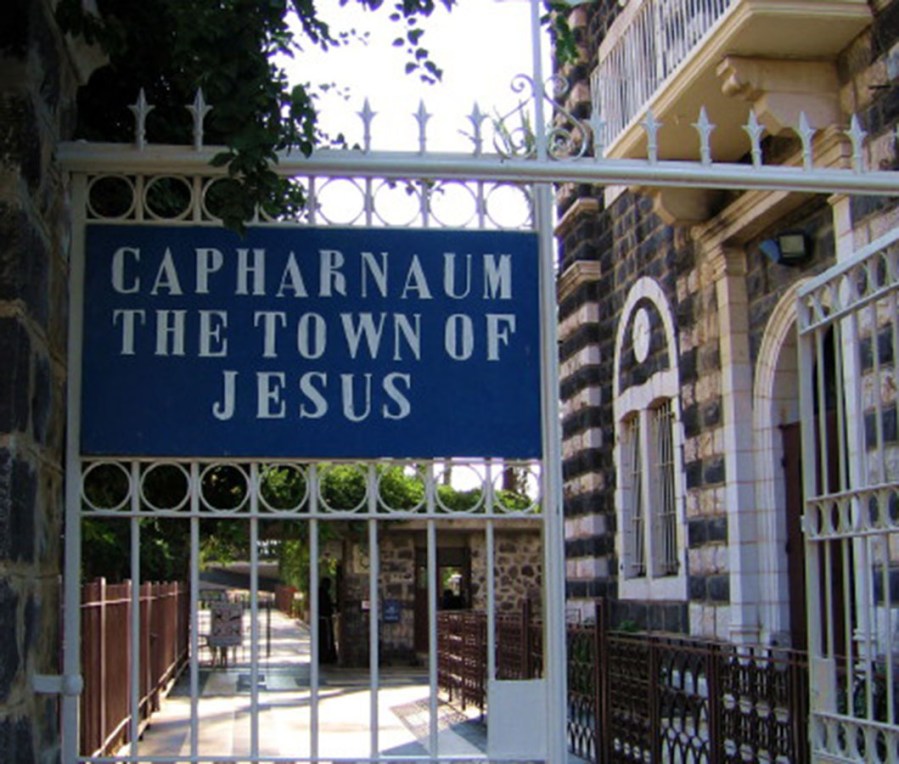
Capernaum

Third Sunday in Ordinary Time. January 22, 2017 [Matthew 4:12-23]

“He left Nazareth and went to live in Capernaum by the sea, in the region of Zebulun and Naphtali (Mat 4:13)”
journeyJesus began His public ministry by moving to another town in Galilee. From his hometown Nazareth to a bigger and more dense Capernaum. It was an ancient urbanization! Nazareth was small and scarcely populated, while Capernaum was one of the fishing centers in the Sea of Galilee. It was where people came, gathered, and interacted with each other. Had Jesus commenced His mission in Nazareth, probably, it would have taken more time to grow. Capernaum gave critical advantages for Jesus. It was easier to gather people, preach and attract followers. As a port city, it eased up Jesus mobility to other places in Galilee. And, Capernaum provided Jesus with shelter and other resources for His preaching. The reason for migrating was practical and yet decisive.

When St. Dominic started his Order, one of the first things he did was to send his small and fragile group of friars to big university cities like Paris and Bologna. His move was criticized as careless and dangerous. It could have swept away the infant community of Dominic. But, He insisted. “Stored seeds rot!” Dominic was actually able to think like Jesus. In bigger cities, it was much manageable not only to study, but also to preach and invite generous souls to be part of the community. Thus, Dominic made a clear instruction as he sent his brothers: “to study, preach and build community.

Our time is characterized with mega migration. Countless people move from town to another, from one country to another, and from one continent to another with ease and speed. And like Jesus, we migrate for practical cause as well as survival. We go places because of our works, our family, or our dreams. My life as a seminarian and a Dominican is also marked with constant movement. As early as fourteen years old, I left my hometown Bandung to enter the seminary in Magelang. Then, from Indonesia to Manila in the Philippines.

Going back to today’s Gospel, St. Matthew does not only see Jesus’ migration as practical solutions to His ministry, but as fulfillment of God’s promise: “the people who sits in darkness have seen a great light.” As Jesus travelled from one place to another, He brought light to others that they may see God whose Kingdom has come. Jesus immediately preached the Good News and called Andrew, Peter, James and John to His disciples. Jesus accommodated the practical and temporal things in His disposal for His mission. And He was faithful to this to the end. He used the cross, the practical means of torture and humiliation as means of presenting God’s love and salvation.

The same mission is given to us. As we move from one place to another, we bring also the light of Christ with us. Like newly-wed persons, we are called to enlighten our new families. As workers, we are to denounce what is evil in our new workplaces. As people who live on this earth, we shall take care of the creations in every land we step.   


Br. Valentinus Bayuhadi Ruseno, OP


Kapernaum

Minggu ketiga di Masa Biasa. 22 Januari 2017 [Matius 4: 12-23]

“Ia meninggalkan Nazaret dan diam di Kapernaum, di tepi danau, di daerah Zebulon dan Naftali (Mat 4:13).

capernaum

Yesus memulai karya-Nya saat Ia pindah ke kota lain di Galilea. Dari kampung halamannya Nazareth ke Kapernaum yang lebih besar dan lebih padat penduduk. Yesus pun melakukan urbanizasi! Nazaret adalah kecil dan sedikit penghuni, sementara Kapernaum adalah salah satu pusat industri perikanan di Danau Galilea. Di kota ini, orang-orang datang, berkumpul, dan berinteraksi satu sama lain. Jika Yesus memulai misi-Nya di Nazaret, mungkin, Ia akan membutuhkan lebih banyak waktu untuk mengembangkan misi-Nya. Kapernaum memberi keuntungan penting bagi Yesus. Di kota ini, Yesus lebih mudah untuk mengumpulkan orang-orang, berkhotbah dan menarik pengikut. Sebagai kota pelabuhan, Kapernaum memberikan mobilitas kepada Yesus untuk pergi ke tempat-tempat lain di sekitar Galilea. Dan, Kapernaum juga menyediakan Yesus tempat tinggal dan sumber daya lain untuk karya-Nya. Alasan Yesus untuk bermigrasi adalah hal praktis namun sangat menentukan.

Ketika St. Dominikus memulai ordonya, salah satu hal pertama yang ia lakukan adalah mengirim kelompok saudara-saudaranya yang kecil dan rapuh ke kota-kota universitas besar seperti Paris dan Bologna. Keputusannya dikritik sebagai tindakan yang ceroboh dan berbahaya. Tapi, dia berteguh karena ia percaya,  “Biji yang tersimpan akan membusuk!” Dominikus benar-benar mampu berpikir seperti Yesus. Di kota-kota besar inilah, para saudara tidak hanya mampu untuk belajar, tetapi juga untuk berkhotbah dan mengundang orang-orang untuk menjadi bagian dari komunitas. Dominikus pun memberi instruksi yang sangat jelas sebelum ia mengirim saudara-saudaranya: “untuk belajar, berkhotbah dan membangun komunitas.”

Masa kita ditandai dengan mega migrasi. Banyak orang pindah dari satu kota ke kota yang lain, dari satu negara ke negara yang lain, dan dari satu benua ke benua lain dengan kemudahan dan kecepatan. Dan seperti Yesus, kita bermigrasi untuk tujuan praktis dan manusiawi. Kita pergi ke berbagai tempat karena pekerjaan kita, keluarga kita, belajar atau untuk mencapai impian kita. hidup saya sebagai seorang seminaris dan Dominikan juga ditandai dengan gerakan yang konstan. Sejak usia empat belas tahun, saya meninggalkan kota saya Bandung untuk masuk seminari menengah di Magelang. Kemudian, dari Indonesia ke Manila di Filipina. Saat saya adik saya menikah beberapa pekan lalu, saya menyaksikan bahwa dia memutuskan untuk meninggalkan rumah dan pindah bersama istrinya.

Kembali ke Injil hari ini, Matius tidak hanya melihat migrasi Yesus sebagai solusi praktis untuk pelayanan-Nya, tetapi sebagai pemenuhan janji Allah: “orang-orang yang duduk dalam kegelapan telah melihat terang yang besar.” Ketika Yesus melakukan perjalanan dari satu tempat ke yang lain, Ia membawa cahaya dan mereka dapat melihat Allah yang telah datang. Setelah pindah, Yesus segera memberitakan Kabar Baik dan memanggil Andreas, Petrus, Yakobus dan Yohanes sebagai murid-murid-Nya. Yesus menggunakan hal-hal praktis dan temporal bukan untuk diri-Nya sendiri tetapi untuk misi. Dan Dia setia pada hal ini sampai akhir. Diapun akhirnya menggunakan salib, sebuah sarana praktis penyiksaan dan penghinaan, sebagai sarana untuk  menunjukan kasih dan keselamatan Allah.

Misi yang sama telah diberikan kepada kita. Ketika kita bergerak dari satu tempat ke tempat lain, kita membawa juga terang Kristus. Sebagai pasangan yang baru menikah, kita dipanggil untuk mencerahkan keluarga baru kita. Sebagai pekerja, kita bertugas untuk menolak apa yang jahat di tempat kerja. Sebagai orang yang hidup di bumi ini, kita akan bertanggung jawab terhadap ciptaan di tanah kita berdiri. Kita dipanggil untuk mengunakan sarana yang temporal untuk Tuhan bukan sekedar memuaskan diri kita sendiri.

Frater Valentinus Bayuhadi Ruseno, OP

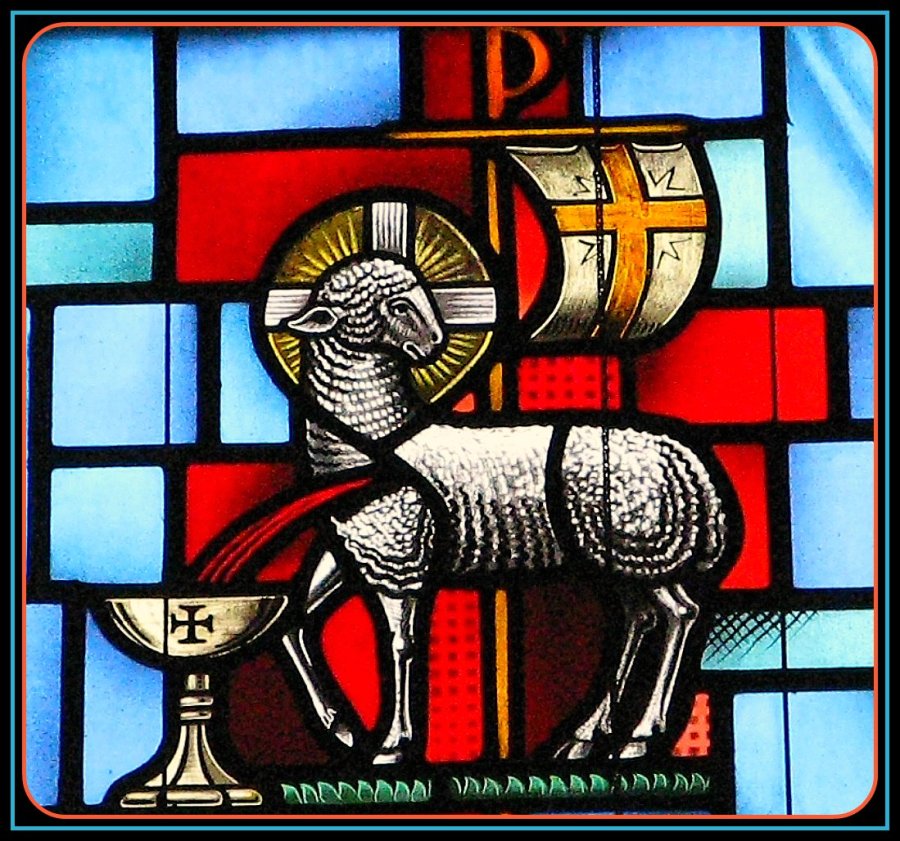
The Little Lambs of God

Second Sunday in Ordinary Time. January 15, 2017 [John 1:29-34]

“Behold, the Lamb of God, who takes away the sin of the world (Jn 1:29).”

the-lamb-of-god

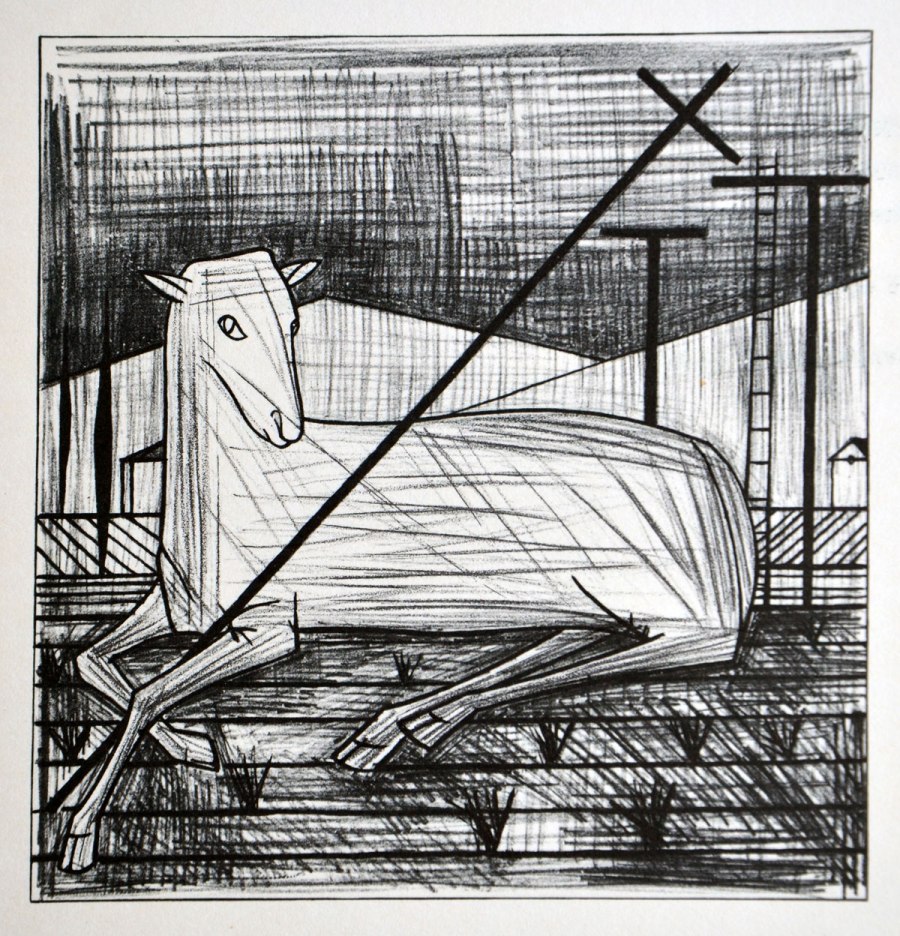
John the Baptist calls Jesus the Lamb of God who takes away the sin of the world. This very phrase eventually became part of the Eucharist and we faithfully recite or sing ‘the Lamb of God’ just before we receive holy communion. But, what does it mean? Why does it have to be a lamb? Not an orangutan, a giraffe or a komodo dragon? Why an animal, not a plant, a fruit or a mobile phone? To make it more intelligible, we have to go back to the Jewish ritual meal of Passover.

The first Passover meal took place before the Hebrews escaped their slavery in Egypt. Every family has to slaughter an unblemished lamb, put its blood on the doorpost and lintel, and roast the lamb before the entire family consumes it. The story goes that the angel of God came to take every firstborn of the Egyptians, but, he passes over the houses of the Hebrew families because of this blood of the Lamb (see Exo 12). This historic event then was institutionalized and became an annual celebration for the Jewish people, even up this day.

Now, John the Baptist announced a new revelation: Jesus is the Lamb, not only any ceremonial lamb, but of God. This Lamb of God has much superior mission than the first Passover lambs: to take away the sin of the world. This lamb would be sacrificed on the cross and His blood will be poured for our salvation. Like the lamb of Passover which is consumed by the Jews, so the Lamb of God would be partaken by the Christians in the Eucharist. Thus, it is proper for us to remember Jesus as the Lamb of God right before we take the Body of Christ in the Mass.

However, it is true as well that for many of us, a lamb has not much meaning. How many among us have a first-hand experience with this four-legged animal? I myself have no immediately encounter with this mammal, except when I eat it at a restaurant! Yet, we know what it means to sacrifice for the persons we love. A wife faithfully taking care of his aging and sickly husband. Parents giving all their effort, time and money so their children may get the best education and life. A woman abandoning her promising career, entering religious life and serving the poor and homeless. Sacrifice entails pain, it gives away the best of us, our time, life and future, and yet, all sacrifice might not be fully appreciated. But, we continue to sacrifice because we know that is for the best of our loved ones. If we are empowered to give ourselves as a sacrifice, we have become the little lambs of God. We sacrifice ourselves because Jesus has sacrificed Himself for us and made our own sacrifices meaningful and fruitful.

Every time, we participate in the Eucharist, we remember someone has loved us so much and sacrificed Himself for us, and we still receive the fruits up to this day. Now, we are also called to be the little lambs of God for others.

 Br. Valentinus Bayuhadi Ruseno, OP
Anak Domba-Domba Allah

Kedua Minggu dalam Masa Biasa. 15 Januari 2017 [Yohanes 1: 29-34]

“Lihatlah Anak domba Allah, yang menghapus dosa dunia (Yoh 1:29).”

buffet-lamb-of-godYohanes Pembaptis menyebut Yesus sebagai Anak Domba Allah yang menghapus dosa dunia. Gelar ini akhirnya menjadi bagian dari Ekaristi dan kita setia mendaraskan atau menyanyikan ‘Anak Domba Allah’ sebelum kita menerima komuni. Tapi, apa artinya? Mengapa harus anak domba? Bukan orangutan, jerapah atau komodo? Mengapa hewan, bukan tanaman, buah atau ponsel? Untuk membuatnya lebih dimengerti, kita harus kembali ke ritual perjamuan Paskah bangsa Yahudi.

Perjamuan Paskah pertama terjadi sebelum bangsa Ibrani melepaskan diri dari perbudakan Mesir. Setiap keluarga harus menyembelih domba yang tak bercacat, mengoleskan darahnya di palang pintu, dan memanggang domba itu sebelum seluruh keluarga mengkonsumsinya. Cerita berlanjut bahwa malaikat Allah datang untuk mengambil anak sulung bangsa Mesir, namun, ia melewati rumah keluarga Ibrani karena darah Anak Domba ini (lihat Kel 12). Peristiwa bersejarah ini kemudian dilembagakan dan menjadi perayaan tahunan bagi orang-orang Yahudi, bahkan sampai hari ini.

Sekarang, Yohanes Pembaptis mewartakan wahyu baru: Yesus adalah Anak Domba, tidak hanya setiap domba seremonial, melainkan dari Allah. Domba Allah ini memiliki misi yang lebih unggul yang pertama domba Paskah: untuk menghapus dosa dunia. Domba ini akan dikorbankan di kayu salib dan darah-Nya akan dicurahkan untuk keselamatan kita. Seperti domba Paskah dikonsumsi oleh orang-orang Yahudi, Anak Domba Allah juga disantap dalam Ekaristi. Dengan demikian, sudah selayaknya bagi kita untuk mengingat Yesus sebagai Anak Domba Allah tepat sebelum kita menyantap Tubuh-Nya dalam Misa.

Namun, benar juga bahwa bagi banyak dari kita, domba tidak memiliki makna yang mendalam. Siapa di antara kita memiliki pengalaman menyentuh hewan berkaki empat ini? Saya sendiri harus mengakui tidak memiliki pengalaman langsung dengan mamalia imut ini, kecuali ketika saya memakannya di restoran! Namun, kita semua tahu apa artinya berkorban untuk orang-orang yang kita cintai. Seorang istri setia merawat suaminya yang semakin tua dan sakit-sakitan. Orang tua memberikan semua usaha, waktu dan uang mereka agar anak-anak mereka bisa mendapatkan pendidikan terbaik. Seorang wanita meninggalkan karir yang menjanjikan, memasuki biara dan melayani orang miskin dan tunawisma sepanjang hidupnya. Pengorbanan mendatangkan rasa sakit, itu melepaskan hal-hal terbaik yang kita miliki, waktu, hidup dan masa depan kita. Namun, tidak ada jaminan semua pengorbanan akan dihargai sepenuhnya. Tapi, kita terus berkorban karena kita tahu bahwa ini adalah untuk yang terbaik dari orang yang kita cintai. Jika kita diberdayakan untuk memberikan diri kita sebagai korban, kita telah menjadi anak domba kecil Allah. Kita mengorbankan diri kita sendiri karena Yesus telah mengorbankan diri-Nya bagi kita dan membuat pengorbanan kita sendiri bermakna dan berbuah.

Setiap kali, kita berpartisipasi dalam Ekaristi, kita ingat Seseorang telah mengasihi kita begitu besar dan mengorbankan diri-Nya bagi kita, dan kita masih menerima buah-buahnya sampai hari ini. Sekarang, kita juga dipanggil untuk menjadi anak domba kecil Allah untuk orang lain.

Frater Valentinus Bayuhadi Ruseno, OP

The Star

The Epiphany of the Lord. January 8, 2017 [Matthew 2:1-12]

 “We saw his star at its rising and have come to do him homage (Mat 2:2).”

three-kings-epiphany

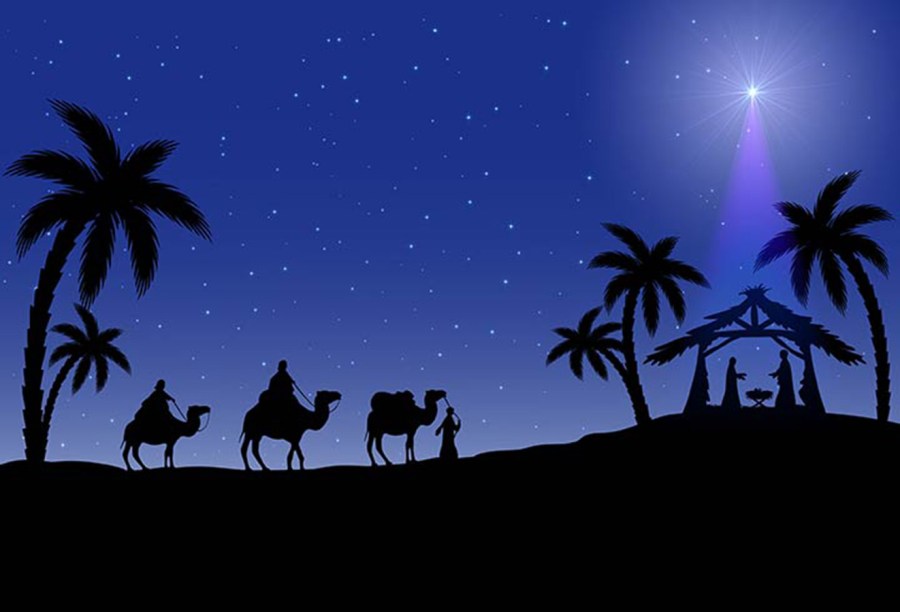
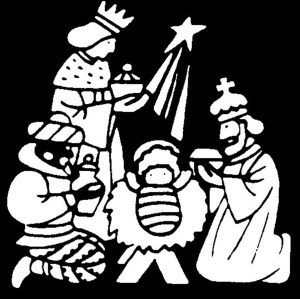
Today we are celebrating the Epiphany of the Lord. The word Epiphany comes from the Greek word ‘epiphananie’, meaning ‘appearance’.  Therefore, today is also known as the feast of the manifestation of the Lord. This celebration is considered to be one of the oldest and most important because the Baby God invited not only the Jews but also the Gentiles, represented by the Magi, to visit and finally worship Him. In His earliest appearance, Jesus brought light to all the nations.

One little question may linger: why did the Magi from the East follow the star? Their journey was based on an ancient belief that the birth of a great king was signified by the appearance of a new star in the sky. Yet, we are never sure what ‘star’ the Magi actually saw. Was it a comet, a supernova, an unusual constellation, a planet, or a supernatural light? One thing we are sure of, this star possessed the greatest importance, that Gaspar, Balthazar, and Melchior abandoned the comfort of their homeland, traveled thousand miles westward and faced all the dangers and uncertainties.

 Now if we look at the night sky, we may observe hundreds and hundreds of stars. Then, we may ask what makes this star of Jesus different from the rest of the lights? These Magi were expert in astronomy or studies of celestial bodies, and they were able to distinguish the star as the one that would bring them to the newborn King. This star does not simply shine just like the rest, but it also illuminates and guides. Like the seasoned fishermen, before the discovery of GPS, they would depend their lives on the light of the stars, and among billion stars on the clear sky, they recognize that only a few truly point them the true directions.

We are all called to be a star. But the temptation is that we simply shine and attract others to ourselves. We fail to recognize that the light that God has given us is to illuminate and guide others to Jesus. When St. Thomas Aquinas was asked what makes his Order more prominent than other congregations, he answered that just like it is better to illuminate than to shine, so it is better to share one’s fruits of contemplate than just merely to contemplate. Of course, the Benedictines will disagree! One of the major features in the image of St. Dominic is the star at his forehead. Certainly, this is a symbol of guidance and direction for anyone who seeks God. No wonder if St. Dominic is less famous than other Dominican saints like St. Thomas Aquinas, St. Catherine of Siena or St. Martin de Porres, it is because until the end of his life, like a guiding star, his life always pointed to God.

To have the light is not enough. We may become stars that merely shine brightly. We turn to be a campus star, company star, parish star or even star preacher. Certainly, to receive a lot of attention from many people gives pleasure and sense of fulfillment, but that is not the true purpose of our light. Epiphany is the appearance of the Lord, but who among us have tried to cover Him with our dazzling lights? How many people have we led to Jesus? Yet, it is not too late. Epiphany is a time for us to realign with the real objective of our light: not to merely shine, but to illuminate.

 Br. Valentinus Bayuhadi Ruseno, OP
Bintang

Hari Raya Penampakan Tuhan. 8 Januari 2017 [Matius 2:1-12]

“Kami telah melihat bintang-Nya di Timur dan kami datang untuk menyembah Dia (Mat 2:2).”

graphics-epiphanyHari ini kita merayakan Hari Raya Epifani Tuhan. Kata Epifani berasal dari kata Yunani ‘epiphananie’, yang berarti ‘penampakan’. Oleh karena itu, tidak salah jika hari ini juga dikenal sebagai Hari Raya Penampakan Tuhan. Perayaan ini dianggap salah satu yang tertua dan paling penting karena Bayi Allah mengundang tidak hanya orang-orang Yahudi, tetapi juga bangsa-bangsa lain, diwakili oleh orang-orang Majus, untuk mengunjungi dan akhirnya menyembah Dia. Di awal hidup-Nya, Yesus memperlihatkan sendiri sebagai Raja segala bangsa.

Satu pertanyaan kecil mungkin belum terjawab: mengapa orang-orang Majus dari Timur mengikuti sang bintang? Perjalanan mereka didasarkan pada kepercayaan kuno bahwa kelahiran seorang raja besar ditandai dengan penampilan bintang baru di langit. Namun, kita tidak pernah yakin ‘bintang’ seperti apa yang benar-benar dilihat orang Majus. Apakah itu sebuah komet, supernova, konstelasi tidak biasa, planet, atau cahaya supranatural? Satu hal yang kita yakin. Bintang ini memiliki arti sangat penting sehingga Gaspar, Balthazar dan Melchior berani meninggalkan kenyamanan di tanah air mereka, berjalan ribuan mil dan menghadapi semua bahaya dan ketidakpastian.

Sekarang jika kita melihat langit malam, kita dapat mengamati jutaan bintang. Kemudian, kita mungkin bertanya apa yang membuat bintang Yesus ini berbeda dari cahaya-cahaya yang lain? Orang Majus adalah ahli dalam bidang astronomi, atau ilmu tentang objek langit, dan mereka mampu untuk membedakan bintang mana yang akan membawa mereka ke Raja yang baru lahir. Bintang ini tidak hanya bersinar seperti yang lainnya, tetapi juga menerangi dan memberi panduan. Seperti nelayan yang berpengalaman, sebelum adanya GPS, mereka akan menggantungkan hidup mereka pada cahaya bintang-bintang, dan di antara miliaran bintang di langit, hanya sedikit yang benar-benar menunjukkan mereka arah yang benar dan membawa mereka kembali ke pelabuhan.

Kita semua dipanggil untuk menjadi bintang. Tapi godaan adalah kita sekedar bersinar dan menarik orang lain pada diri kita sendiri. Kita gagal untuk mengenali bahwa cahaya yang Allah telah berikan kepada kita adalah untuk menerangi dan membimbing orang lain kepada Yesus. Ketika St. Thomas Aquinas ditanya apa yang membuat Ordonya lebih menonjol dari Kongregasi lainnya, ia menjawab bahwa seperti halnya lebih baik untuk menerangi daripada sekedar bersinar, jadi lebih baik untuk berbagi buah kontemplasi daripada hanya sekedar berkontemplasi. Tentu saja, para Benediktin tidak akan setuju! Salah satu fitur utama dalam patung St. Dominikus adalah bintang di dahinya. Tentu saja, ini adalah simbol dari bimbingan dan arahan bagi siapa saja yang mencari Allah. Tak heran jika St. Dominikus kurang terkenal dibandingkan Dominikan lain seperti St. Thomas Aquinas, St. Katarina dari Siena atau St. Martin de Porres, karena sampai akhir hidupnya, seperti bintang yang membimbing, hidupnya selalu menunjuk kepada Allah.

Untuk memiliki cahaya tidaklah cukup. Kita mungkin menjadi bintang yang hanya bersinar terang. Kita beralih menjadi bintang kampus, bintang perusahaan, bintang paroki atau bahkan pengkhotbah bintang. Tentu saja, untuk menerima banyak perhatian dari banyak orang memberikan kepuasan, tapi ini bukan tujuan sebenarnya dari cahaya kita. Epifani adalah penampakan dari Tuhan, tapi siapa di antara kita telah mencoba untuk menutupi-Nya dengan cahaya kita yang menyilaukan? Berapa banyak dari kita yang membawa orang lain kepada Yesus? Namun, ini belum terlambat. Epifani adalah waktu bagi kita untuk menyelaraskan kembali dengan tujuan sejati dari cahaya kita: tidak hanya bersinar, tapi untuk menerangi.

Frater Valentinus Bayuhadi Ruseno, OP

Real New Year

Solemnity of Mary Mother of God. January 1, 2017 [Luke 2:16-21]

“And Mary kept all these things, reflecting on them in her heart (Luk 2:19).”

mary-mother-of-godToday, the world is celebrating its new beginning. Many of us are going to the parties, watching fireworks, and dancing and singing. Surely, nothing is wrong with those. Yet, today, the Church decides to go against the tide and celebrates something else, or someone else: Mary the Mother of God. To make it worse, today is a holiday of obligation, meaning we need to go to the mass whether we like or not.  I remember attending the Eucharistic mass on January 1 in my own parish, and the priest never dropped a single greetings of a Happy New Year to the congregation. What a kill-joy!
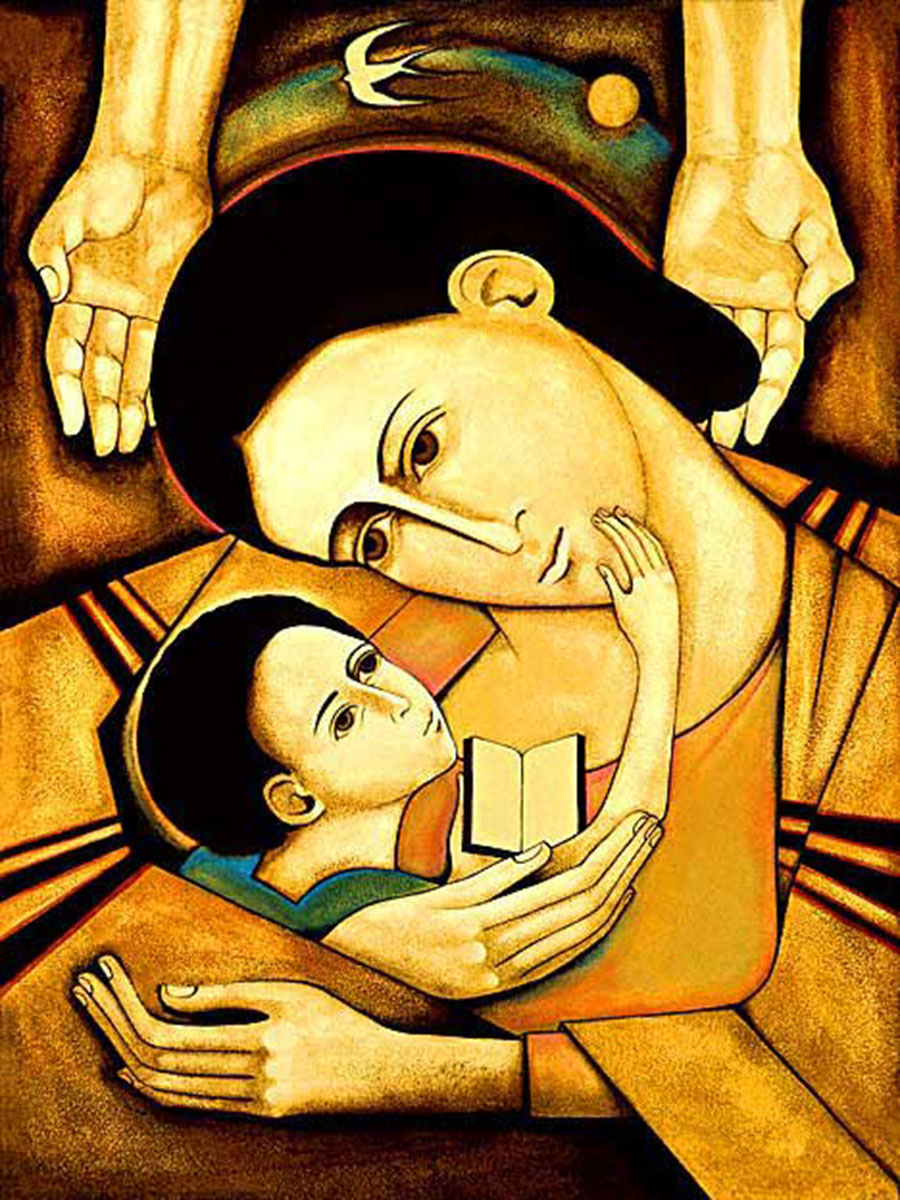
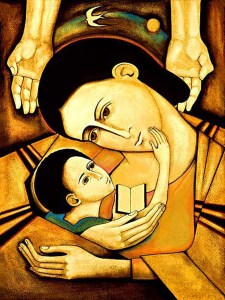
We may ask, “Why do we still need to celebrate this solemnity at the beginning of the year?”  Firstly, it is just fitting to remember Mary as the mother of Jesus within the context of Christmas. Thus, exactly a week after the birth of Christ, we honor the woman who has offered her womb, her body and her whole life to God. Secondly, we are reminded that the true beginning is not only something marked in our calendar, or with outward celebrations. The real beginning takes place inside minds and hearts. Like in the process of pregnancy and birthing, initially, the change is not obvious. It happens inside the silent womb, and it takes some time before the embryo grows bigger and makes its presence felt. The process is difficult, hard to understand, and oftentimes painful. Yet, within that womb is a life that carries with it a future, unpredicted, yet exciting and hopeful.

When the Angel Gabriel announced the News to Mary, she was troubled and confused. But, she was certain that her life was in great danger. Unlike some modern societies wherein unmarried women who get pregnant are just normal, the ancient Jewish community was ready to punish such women. Mary was with a child practically outside of marriage, and she had to bear with all the consequences, There could be a great shame to her family, her future husband, Joseph, and herself. The baby might be called a bastard son for his entire life. And finally, she with her baby could be stoned to death. Yet, her faith in God was greater than her fear. She courageously carried in her womb, the little baby that would be the future of the world.

Ten years ago, in 2006, the Dominican mission in Indonesia began in utter simplicity. We were only two Indonesian priests, Frs. Adrian and Robini, and a Filipino counterpart, Fr. Terry and a lay missionary, Ms. Jemely. We had practically nothing. No institution, no house, no money. We even stayed at a little and simple quarter inside a Diocesan seminary in Borneo. We had to work hard just to support our daily lives and we relied on the generosity of many people. Nobody among us was sure what future will bring, but we had faith in God. Now, after 10 years, we have grown significantly. We have two stable houses in Pontianak and Surabaya. Now we are ministering to the multitude of people through various apostolates. Of course, young and talented people come and join our way of life.

Mary teaches us to have faith in God because for Him, nothing is impossible. The future may be uncertain, frightening and dark, but ‘… the One who began a good work in you will continue to complete it until the day of Christ Jesus (Phil 1:6).’ This is the spirit of the true New Year, the soul of real change, the faith that animates us to move forward.

Bro. Valentinus Bayuhadi Ruseno, OP

Tahun Baru yang Sesungguhnya

Hari Raya Maria Bunda Allah. 1 Januari 2017. Lukas 2: 16-21

Tetapi Maria menyimpan segala perkara itu di dalam hatinya dan merenungkanny (Luk 2:19).”

happy-new-year-2017Hari ini, dunia merayakan tahun baru. Dan, banyak dari kita merayakannya dengan berpesta, menonton kembang api, menari dan menyanyi. Namun, hari ini, Gereja memutuskan untuk melawan arus dan merayakan sesuatu yang berbeda, Maria Bunda Allah. Apalagi, hari ini telah ditetapkan sebagai hari raya kewajiban yang berarti kita harus pergi ke gereja suka atau tidak. Saya ingat menghadiri Ekaristi pada 1 Januari di paroki saya di Bandung, dan sang imam tidak pernah sekalipun memberi ucapan Selamat Tahun Baru kepada jemaat sampai misa selesai!

Kita mungkin bertanya, “Mengapa kita harus masih merayakan Bunda Allah pada awal tahun?” Pertama, mengingat Maria sebagai ibu Yesus dalam konteks Natal adalah sesuatu yang tepat secara theologis dan liturgis. Jadi, tepat seminggu setelah kelahiran Kristus, kita menghormati wanita yang telah mempersembahkan rahimnya, tubuhnya dan seluruh hidupnya kepada Tuhan. Kedua, kita diingatkan bahwa awal yang benar tidak hanya sesuatu yang ditandai di dalam kalender kita, atau dengan perayaan-perayaan besar penuh kesenangan. Awal yang sejati terjadi di dalam diri kita. Seperti dalam proses kehamilan dan melahirkan, pada mulanya, perubahan ini tidak begitu jelas. Hal ini terjadi di dalam rahim, dan dibutuhkan beberapa waktu sebelum embrio tumbuh lebih besar dan membuat kehadirannya terasa. Proses ini sulit, tidak mudah untuk dipahami, dan kadang-kadang menyakitkan. Namun, di dalam rahim ini ada hidup yang membawa masa depan, yang belum begitu jelas, namun menarik dan penuh harapan.

Ketika Malaikat Gabriel memberitakan kepada Maria, dia menjadi bingung dan takut.  Maria tahu jika ia berkata ya, hidupnya aka ada dalam bahaya besar. Tidak seperti beberapa masyarakat modern dimana perempuan yang belum menikah dan hamil adalah sesuatu yang lumrah, komunitas Yahudi kuno siap untuk menghukum pelanggaran ini. Maria mengandung praktis di luar nikah, dan dia harus menanggung semua konsekuensinya. Ia akan membawa aib untuk keluarganya, tunangannya, Joseph, dan dirinya sendiri. Bayinya mungkin akan disebut anak haram. Dan akhirnya, dia dan bayinya bisa dirajam sampai mati. Namun, imannya kepada Allah lebih besar dari ketakutannya. Diapun berani menerima dalam rahimnya, bayi kecil yang akan menjadi masa depan dunia.

Pada tahun 2006, misi Dominikan di Indonesia dimulai dalam kesederhanaan. Kami hanya terdiri dari dua imam, Pastor Adrian dan Robini, dan rekan Filipina, Rm. Terry dan seorang misionaris awam, Ms. Jemely. Praktis kami tidak memiliki apa-apa. Tidak ada institusi, tidak ada rumah, tidak ada uang. Kami bahkan tinggal di rumah kecil dan sederhana di dalam seminari keuskupan di Kalimantan. Kami harus bekerja keras hanya untuk mendukung kehidupan kami sehari-hari dan kami bergantung pada kemurahan hati banyak orang. Tak seorang pun di antara kami yakin apa yang masa depan akan bawa kepada kami. Tetapi, kami terus beriman kepada Allah. Sekarang, setelah 10 tahun, kami telah tumbuh secara signifikan. Kami memiliki dua rumah yang stabil di Pontianak dan Surabaya. Sekarang kita melayani banyak orang melalui berbagai karya kerasulan. Tentu saja, orang-orang muda dan berbakat datang dan bergabung dengan kami.

Maria mengajarkan kita untuk memiliki iman kepada Allah karena bagi-Nya, tidak ada yang mustahil. Masa depan mungkin tidak pasti, menakutkan dan gelap, tetapi “bahwa Dia yang memulai pekerjaan yang baik di antara kamu akan terus melengkapinya sampai hari Kristus Yesus (Fil 1:6). Ini adalah semangat Tahun Baru yang benar, sebuah jiwa dari perubahan nyata, sebuah iman yang menjiwai kita untuk bergerak maju.

Frater Valentinus Bayuhadi Ruseno, OP

Christmas: Not Caesar, but Jesus

Christmas Eve. December 24, 2016. Luke 2:1-14

“She gave birth to her firstborn son. She wrapped him in swaddling clothes and laid him in a manger, because there was no room for them in the inn. (Luk 2:7)”

christmas-1The story of Nativity of Jesus Christ began with a great person in ancient time. He was Caesar Augustus. He was considered to be one of the greatest Roman Emperors because during his reign, he was able to establish peace and prosperity within his territory. The people adored him and worshiped him as the Savior and the Son of God. He was the hero of the ancient world, but fortunately, he was not the hero of Christmas.
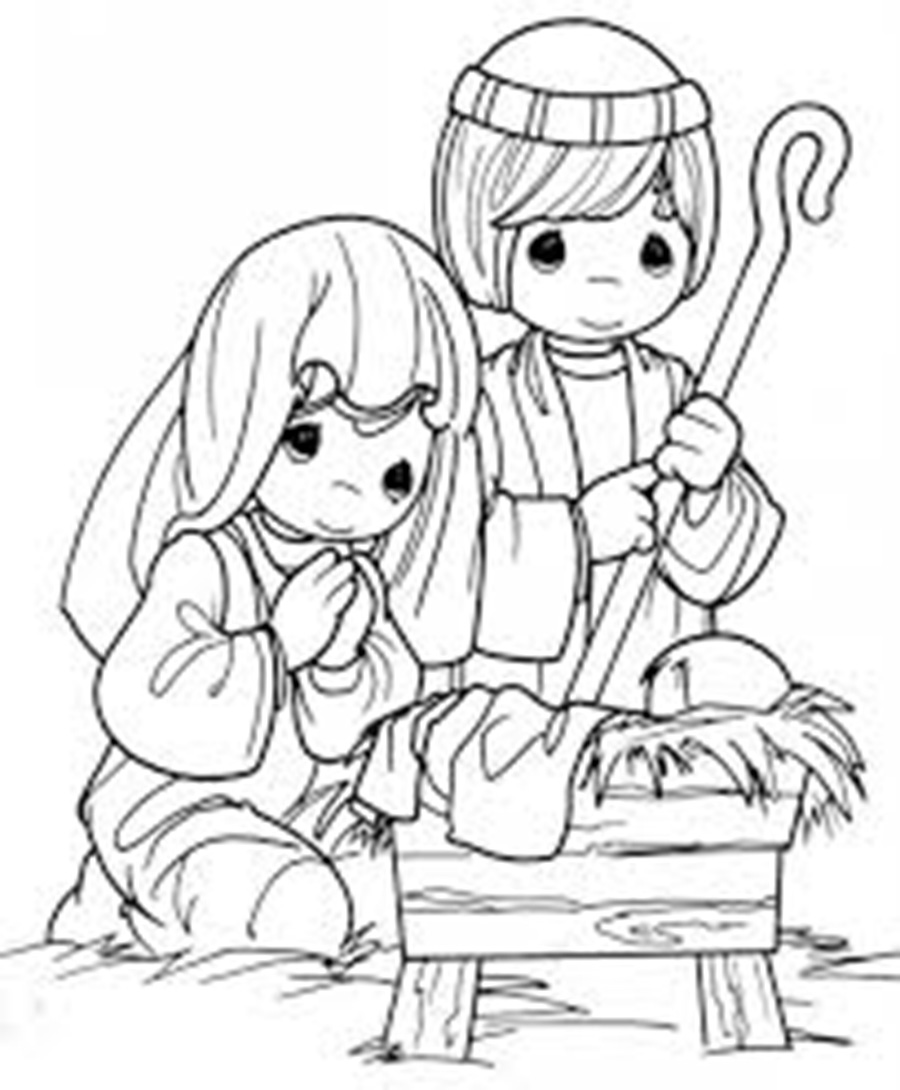
From the great Roman world, we are brought to the small village Bethlehem. Here in this almost insignificant place, we meet the simple and poor couple from another small town, Nazareth in Galilee. They are Joseph, the righteous carpenter, and his expecting young wife, Mary. But, there is no room in the inn, perhaps because the inn is full of people, or because people do not want to receive the poor couple who might not be able to pay the rent. Consequently, Mary has to give birth at the place of animals and simply places her firstborn baby on the manger. This is the story of a lowly couple at the most wretched place on earth. Yet, this is actually our story of real Christmas.

Our salvation is not found in the strongest fortified palace, neither on riches nor prosperity. Our happiness lies in the most unlikely place: at the poor manger in the smallest town of Bethlehem. Our salvation comes not from the greatest emperor with his achievements and honor, but from a meek and defenseless baby. And this is the Good News of the first Christmas.

It is a good news for us because we can be truly happy even without all the new clothes, new gadgets, and all gifts coming from the Malls or shopping centers. It is a good news for us because we can be hopeful even if we are still struggling with so many problems in life, financial difficulties, health issues, relationship meltdowns, and more. God chooses to be born into the families torn by separations. Jesus is born inside war-torn places like in Aleppo in Syria and Mosul in Iraq. Christ is born in poor shanties, amidst the people who never taste an even decent Christmas Eve’s meal.

When Fr. Timothy Radcliffe, OP, former Master of the Order of Preachers, once visited the Dominican sisters in northern Rwanda. It was just after the civil war, generally between the Hutus and Tutsis. The place was frightening and anytime armed groups might ambush them. The sisters’ convent was also marked with bullets holes, sign of battle and skirmish. Inside the convent were the sisters, both the Hutus and Tutsis, and many have lost their family members during the war. Fr. Timothy was there on Christmas Eve, and despite the pain and fear, the entire community decided to celebrate the Eucharist and the birth of Christ together.  In tears yet in joy, the baby was born among them and baby Jesus becomes the sign of hope for a better future.

Christmas shakes our belief in many Caesar we hold dearly, Caesar of wealth, Caesar of power, Caesar of fame. In Christmas, we are reminded that God became man and embraced all our limitations, our sorrow, and pains, and points to a future hope for all of us.

Br. Valentinus Bayuhadi Ruseno, OP