

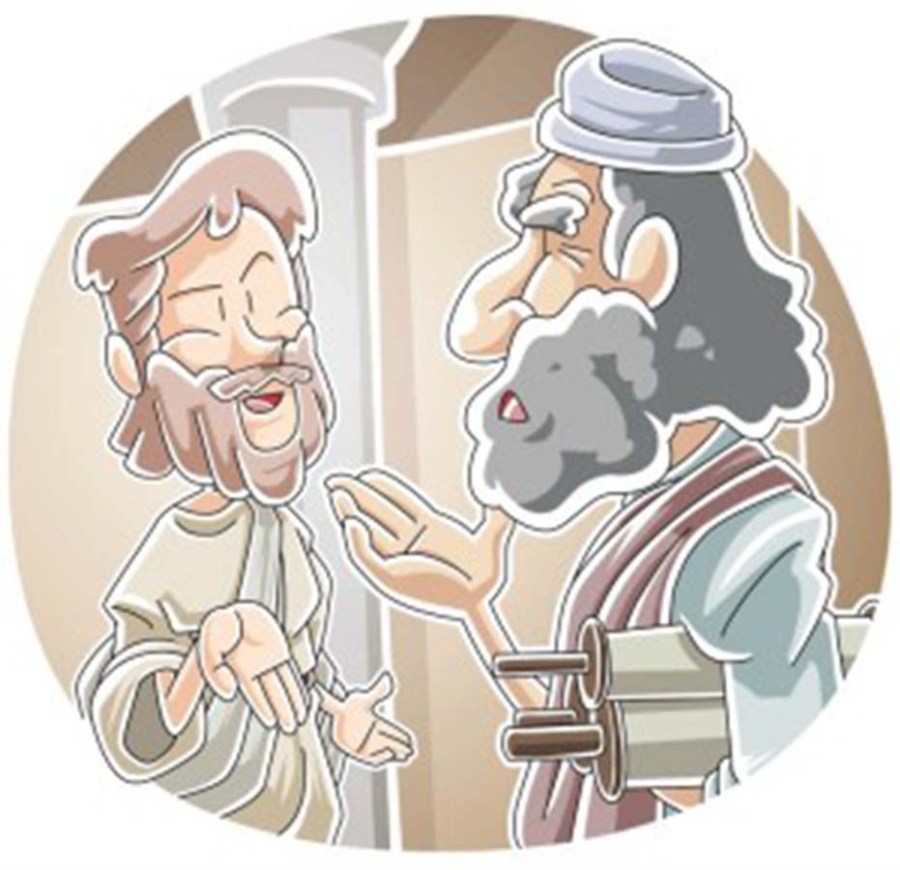
33rd Sunday in Ordinary Time [November 13, 2016] Luke 21:5-19
“All that you see here– the days will come when there will not be left a stone upon another stone that will not be thrown down. (Luk 21:6)”
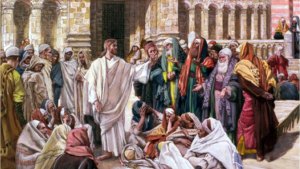 In many other ancient religions, temple was a sacred place. It is holy because their gods or goddesses chose to make their dwelling place and they may serve and worship their gods there. Thus, many cultic rituals in honor of their gods like animal sacrifices and prayers took place in the temples. The temple became the visible signs of the divine presence among the people. Zeus was felt alive in his temple in Mount Olympus, or the gods of Rome were present in the Pantheon.
The Israelites incorporated the mindset and they built their own temples for the God of Israel. Initially, they had several major temples like in Bethel (see Gen 35:1), Shiloh (see Jos 18:1), and Shechem (see Gen 12:6). Yet, when David and Solomon tried to consolidate tribes of Israel into one unified nation, the worship of Yahweh then was centralized at the temple of Jerusalem. Eventually, the Temple of Jerusalem became the only temple in land of Israel.
In the center of this temple, there was the most sacred ground called the Holy of Holiest. One day a year, only a high priest may enter this space and offer the sacrifice. Jesus himself called the Temple as His Father’s place. It is the house of the Lord and there, the tribes have come, the tribes of the LORD (Psa 122:4). In the time of Jesus, the Temple had been structurally enhanced and richly adorned by King Herod the Great. Not only the holiest site for the Jewish, but perhaps it was the most beautiful edifice in Jerusalem. Because of its beauty, importance and sacredness, people of Israel thought it was indestructible.
However, Jesus prophesied that this magnificent Temple would be destroyed. Jews who honored the Temple would be shocked and scandalized. To say bad against the Temple meant to say bad against the Lord who dwelt in it. No wonder Jesus was accused of blasphemy and indeed this was one of the accusations against Jesus during His persecution. Jesus was then crucified, and in 70 AD, forty years after Christ died, the Temple would follow the same fate. The Roman soldiers under Titus captured Jerusalem and destroyed the Temple. Jesus’ prophesy turned to be a reality. What remains to the present day is the West Wall of the Temple, known also as the Wailing Wall.
Then we may ask ourselves: What is our Temple? What becomes the symbol of the presence and blessing of God in our lives? What part of our lives that we think so important and indestructible? Are these our achievements, success, wealth or status and title in life? Are these our families, friendships and even our religious practices? Yet, all these things are not indestructible.
Indeed, the Temple of Jerusalem was destroyed, but it did not mean God was lost also. True that sacred Temple was associated with the Most High, but temple was not God. When Jesus was murdered, the disciples thought it was the end, but they were wrong. It was rather the end of their false expectations and ideas of Jesus. Even God would allow the greatest symbol of our God in our lives to be destroyed, it does not mean our God is lost. It means that He calls us to reorient our lives not to ourselves but to Him, to come into a truer and deeper relationship with Him.
Br. Valentinus Bayuhadi Ruseno, OP
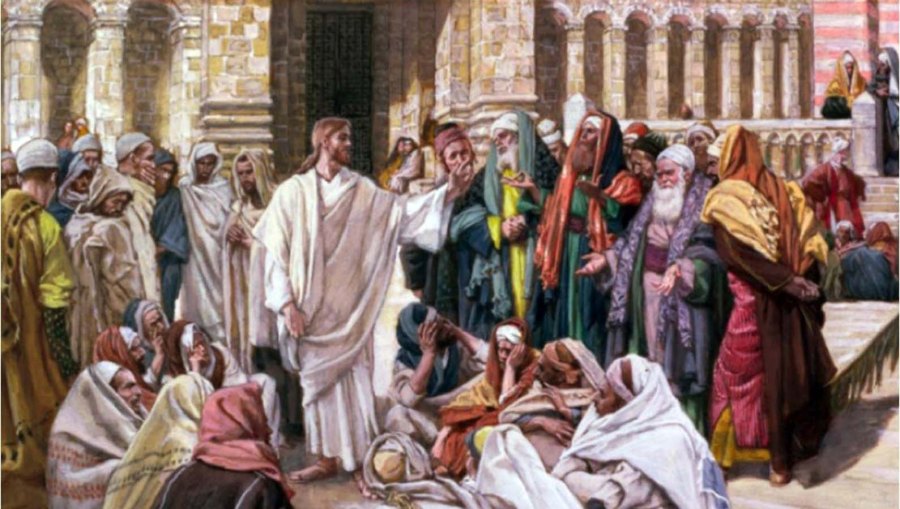
 Dalam banyak agama-agama kuno, kuil adalah tempat suci. Hal ini karena dewa atau dewi mereka dianggap tinggal di sana dan orang-orang pun bisa melayani dan menyembah dewa-dewa mereka di kuil-kuil ini. Dengan demikian, banyak ritual kultus untuk menghormati dewa-dewa mereka berlangsung di kuil-kuil ini. Kuil ini menjadi tanda yang kasat mata dari kehadiran ilahi di antara manusia. Zeus terasa hidup di kuilnya di Gunung Olympus, atau dewa-dewi Roma terasa hadir di Pantheon.
 The month of November is dedicated to honor all the saints in heaven as well as to pray for the souls in the purgatory. It begins with the celebration of All Saints’ Day on November 1 and the commemoration of the All Souls Day on November 2. We, the Dominicans, celebrate the all Dominican Saints on November 7 and pray for the souls of our Dominican family on November 8. This Church’s celebration traces its origin to Pope Boniface IV in the 7th century, yet its roots go deeper into Jesus Christ Himself.
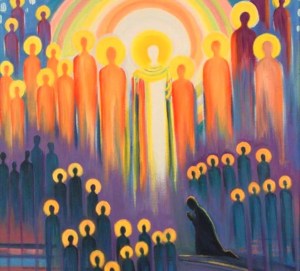 Bulan November didedikasikan sebagai bulan para kudus di surga dan juga bagi jiwa-jiwa di api penyucian. Bulan ini dimulai dengan Hari Raya Semua Orang Kudus pada tanggal 1 November dan peringatan jiwa-jiwa orang-orang beriman pada 2 November. Kita, keluarga Dominikan, merayakan hari raya semua orang kudus Dominikan pada 7 November dan bagi jiwa-jiwa keluarga Dominikan pada 8 November. Perayaan besar Gereja ini bermula kepada Paus Bonifasius IV di abad ke-7, namun akarnya sebenarnya ada pada Tuhan Yesus Kristus sendiri.


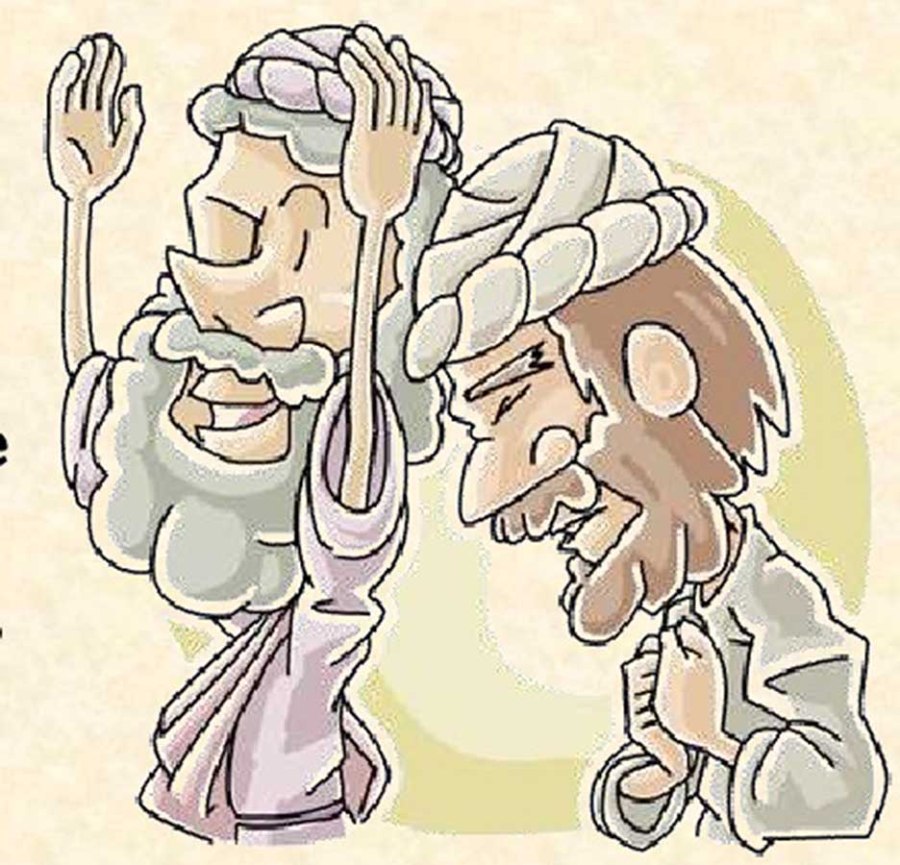
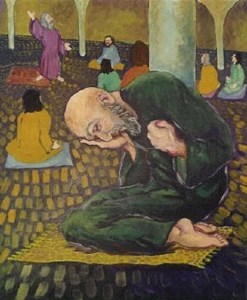 Last Sunday, Jesus reminded us to pray without getting weary. But, in today’s Gospel, Jesus tells us that there is something more than perseverance in prayer. It has something to do with the way we pray. Not only quantity of prayer, but also the quality of prayer. Yet, how do we know that we have a quality prayer?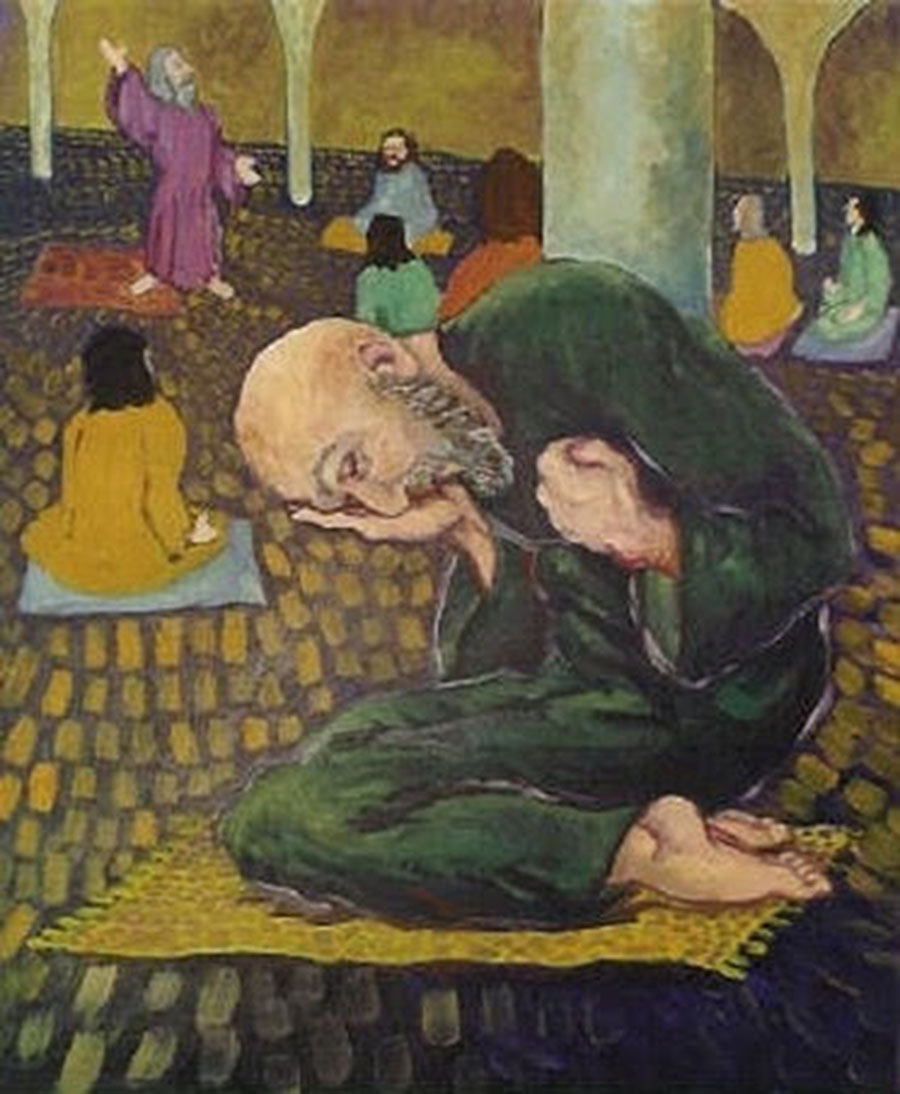

 Getting tired and bored is unwanted yet unavoidable part of our lives. After doing things for a certain period of time, we get exhausted. Even if we are doing something we love, we are also bound to feel weary. Indeed, a man marries the woman he loves, but after sometime, encountering disappointments and problems, he begins to think whether he made the right decision. A woman loves dearly her teenage girl, but after sometime, her girl gets involved in substance abuse and runs away with his friends. She spends all her money and energy to win her daughter back yet to no avail, and she simply gets tired. As a religious brother, I love my vocation, but after years of waking up early, attending Mass and prayers, and plunging myself in rigorous study, I get bored.
 Merasa lelah dan bosan adalah bagian dari kehidupan kita yang tak terhindarkan. Setelah melakukan hal-hal dalam jangka waktu lama, kita bisa kehabisan tenaga. Bahkan saat kita melakukan sesuatu yang kita cintai, kepenatan juga kadang melanda. Seorang pria yang menikahi wanita yang ia kasihi, tapi setelah menghadapi kekecewaan dan permasalahan rumah tangga, dia mulai berpikir apakah dia membuat keputusan yang tepat saat menikah dulu. Seorang ibu mencintai anak gadisnya yang beranjak dewasa, tapi ternyata sang gadis terlibat dalam penyalahgunaan narkoba dan melarikan diri dengan teman-temannya. Sang ibu menghabiskan semua uangnya dan tenaga untuk membawa putrinya kembali, namu semua usaha gagal, dan diapun lelah. Sebagai seorang biarawan, saya mencintai panggilan saya, tapi setelah bertahun-tahun bangun dini hari untuk mengikuti Misa harian dan doa brevir, dan juga setiap hari belajar filsafat dan theologi yang sulit, sayapun merasa bosan.
 In Medio Ecclesiae