


October 7, 2016 – Mary, Queen of the Holy Rosary
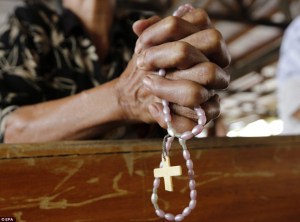 October is the month of the rosary. Allow me to reflect on this ancient yet ever new form of prayer. Why October? It all started when Pope Pius V, a Dominican, dedicated October 7 as the feast of Mary Our Lady of the Rosary after the battle of Lepanto. In this naval battle of October 7, 1571, the smaller Christian army fought the much larger and powerful Ottoman Turks’ forces that planned to invade Europe at the Gulf of Lepanto in Greece. While the battle was being waged, the Holy Pontiff and all Christians prayed the rosary asking the intercession of Our Lady. After hours of confrontation, the enemy’s fleet was roundly defeated.
However, the devotion to the rosary itself began even much earlier. In fact, the prayer was a product of a long evolution. The devotion actually began as a lay spiritual movement. In the early middle ages, the monks and nuns in the monasteries recited 150 Psalms of the Old Testament as part of their daily prayer. The practice was ideal to sanctify the entire day as the recitation of the Psalms was distributed during the important hours of the day (thus, Liturgy of the Hours). Yet, this was not for the lay people. They had no copy of the Bible, least the ability to read it. Thus, the lay people who desired to make their day holy, started to recite 150 ‘Our Father’. To keep track of the prayer, they also made use of a long cord with knots on it. After some time, they prayed 50 Our Father at three different times of the day.
In the 12th century, the Angelic salutation formula “Hail Mary, full of grace, the Lord is with you. Blessed you among women and blessed is the fruit of your womb” became part of this 150 ‘Our Father’ prayer. Shortly after this, the meditation on mysteries of the life of Jesus and Mary began to be incorporated into this devotion. Gradually, it evolved into 150 ‘Hail Mary’. St. Dominic de Guzman and his Order of Preachers received special mandate from the Virgin herself to promote this ‘Psalter of Mary’. In the 15th century, that devotion acquired the name Rosarium (rose garden). In 1569, the same Pope Pius V issued the papal decree ‘Consueverunt Romani Pontifices’ that regulated and standardized the praying of the Rosary, taking into account its long history and its Dominican tradition. He also affirmed the efficaciousness of the rosary as one of the many means to obtain graces and indulgence. The praying of the rosary continues to evolve even to this day. The latest major innovation was from Saint John Paul II who added five mysteries of Light.
October then turns to be a fitting time to intensify our praying of the rosary and to remember the role of Mary and her rosary in the life of the Church and our lives. I guess more importantly we remember that rosary was born from the desire of lay people to be holy. The rosary came from the simple hands of ordinary people who recited the Our Father and Hail Mary and meditated on the mysteries of salvation. We pray the rosary because it is a devotion that comes from the hearts of the laity. When we pray the rosary, we pray together with Mary who is a lay woman. When we pray the rosary, because we, just like countless people, desire to be closer to God in a simplest and humblest way.
Br. Valentinus Bayuhadi Ruseno, OP

 Oktober adalah bulan rosario. Izinkan saya untuk menulis tentang doa yang sebenarnya kuno tetapi selalu baru. Mengapa Oktober adalah bulan rosario? Semuanya berawal ketika Paus Pius V, seorang Dominikan, mendedikasikan 7 Oktober sebagai pesta Maria Ratu Rosario setelah pertempuran Lepanto. Pada 7 Oktober, 1571, di Teluk Lepanto di Yunani, tentara Eropa berjuang melawan armada laut Ottoman Turki yang jauh lebih besar dan kuat, yang merencanakan untuk menyerang Eropa. Sementara pertempuran sedang berlangsung, sang Paus dan semua umat berdoa rosario meminta perantaraan Bunda Maria. Setelah berjam-jam konfrontasi, armada musuh pun dikalahkan.
 Reading through today’s Gospel, it seems to have faith is to perform some sort of magical power. If I have faith, I can create rice field on the seabed. If I have faith, I can made a Lamborghini car out of pile of garbage. If I have faith, I can transform my voice like Ed Sheeran. But, faith is not like that. It is not a magical show to entertain us. It is neither an instant answer to our wishes. Yet, it remains true that even the smallest of faith can make the difference.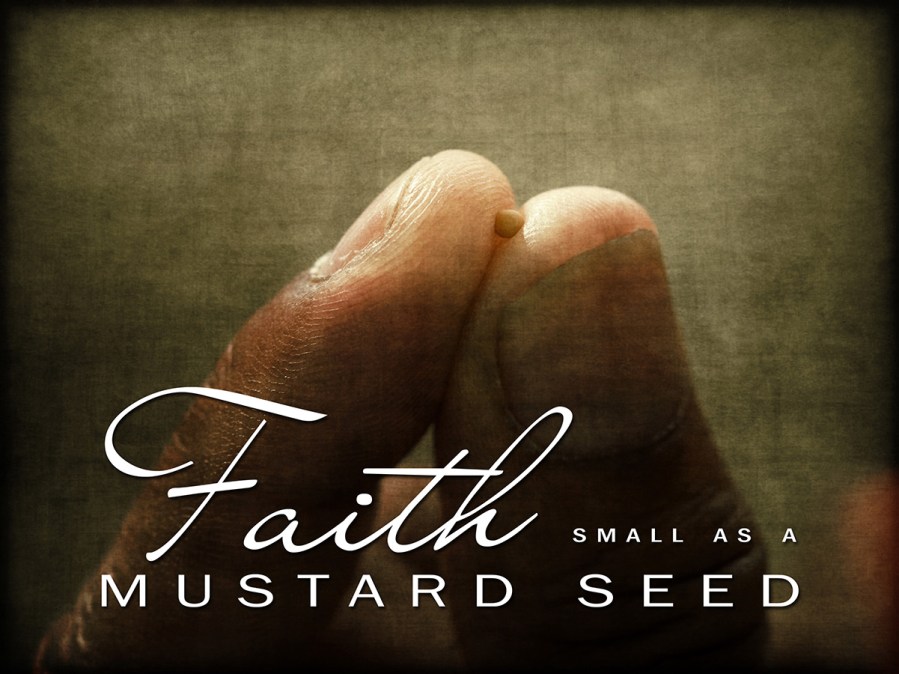
 Membaca Injil hari ini, tampaknya memiliki iman itu membuat kita memiliki kekuatan super. Jika saya memiliki iman, saya dapat menanam padi di dasar laut. Jika saya memiliki iman, saya bisa membuat mobil Lamborghini dari tumpukan sampah. Jika saya memiliki iman, saya bisa mengubah suara saya seindah Ed Sheeran. Tapi, iman tidak seperti itu. Iman bukanlah pertunjukan sulap untuk menghibur kita. Iman bukanlah jawaban instan bagi keinginan-keinginan kita. Namun, benar adanya bahwa bahkan iman terkecil pun dapat membuat berbedaan yang berarti dalam hidup kita.
 When Abraham said to the tormented rich man, “My child, you have received what was good during your life,” does it mean I will be thrown to the netherworld as well? I admit I have received so many good things in my life. I enjoy three good meals a day. I am studying in one of the best schools in the country. I do not have to worry about the security and future of my life. Many of us are enjoying the good things in this world, and we may ask ourselves, “are we going to have the same fate with this rich man in the parable?”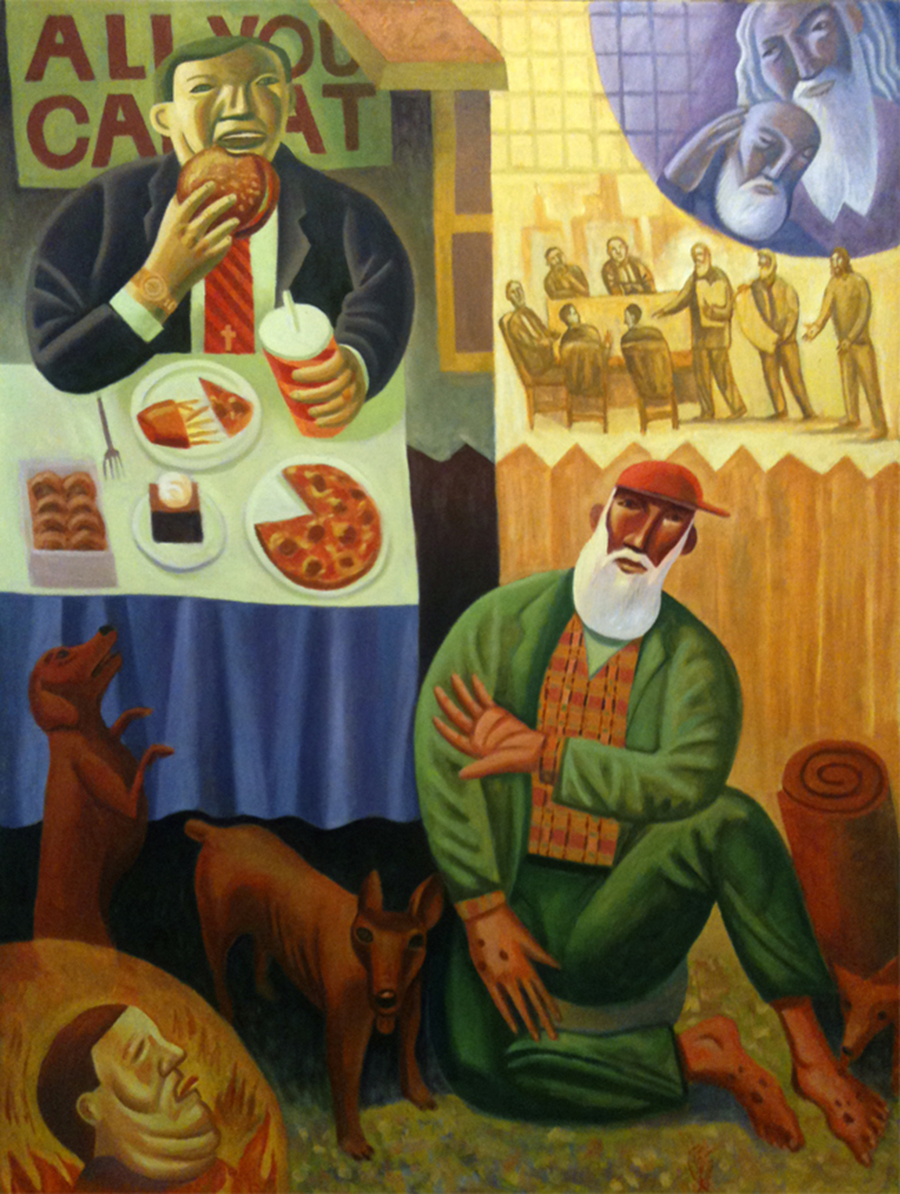
 Ketika Abraham berkata kepada orang kaya yang tersiksa di alam maut, “Anak, ingatlah, bahwa engkau telah menerima segala yang baik sewaktu hidupmu.” Apakah saya juga akan berakhir di alam maut? Saya mengakui bahwa saya telah menerima begitu banyak hal baik dalam hidup. Saya makan tiga kali sehari. Saya belajar di salah satu sekolah terbaik di Filipina. Saya tidak perlu khawatir tentang keamanan dan masa depan hidup saya. Banyak dari kita yang menikmati hal-hal baik di dunia ini, dan kita bisa bertanya pada diri kita sendiri, “Apakah kita akan memiliki nasib yang sama dengan pria kaya dalam perumpamaan ini?”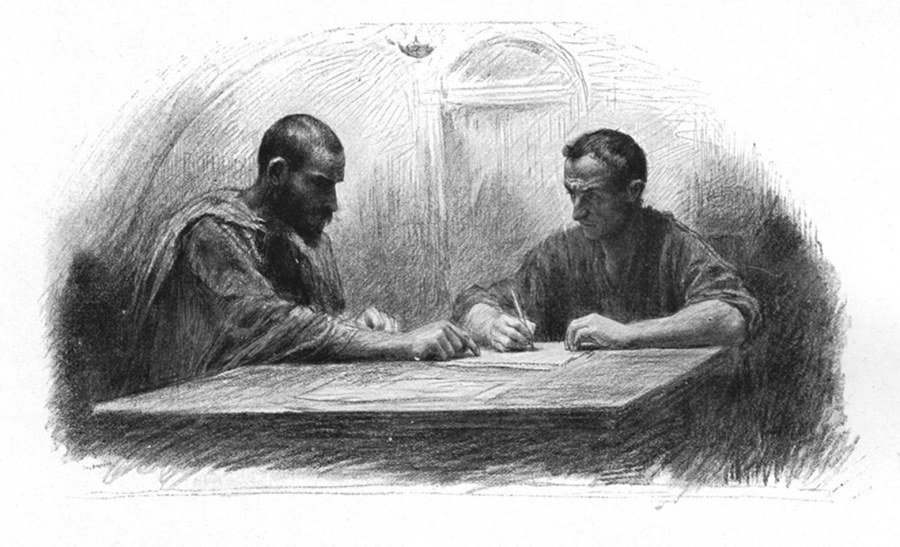
 We were created in the image of God. Thus, our true happiness is only in God. As St. Augustine would say, “You have created us for Yourself, O God, and our hearts are restless until they rest in You.” St. Teresa of the Avilla would echo the same truth when she simply said, “God alone suffices.” But, we were also born into the real human body within a complex and concrete world. As we journey toward God, we cannot totally separate our soul from the various mundane concerns. Even the monks and nuns living in monasteries will still work hard to fulfill their daily and basic needs.
 Kita diciptakan menurut citra Allah, dan dengan demikian, kebahagiaan sejati kita hanya pada Allah. Seperti yang St. Agustinus katakan, “Engkau menciptakan kami untuk untuk diri-Mu, ya Allah, dan hati kami gelisah sampai mereka menemukan-Mu.” St. Teresa dari Avilla mengemakan kebenaran yang sama ketika ia mengatakan, “Allah mencukupi.” Tapi, kita juga lahir sebagai manusia yang memiliki tubuh dan ke dalam dunia yang kompleks. Saat kita berziarah menuju Allah, kita tidak bisa benar-benar memisahkan jiwa kita dari berbagai urusan duniawi. Bahkan para Rahim yang tinggal di pertapaan tetap bekerja keras untuk memenuhi kebutuhan sehari-hari dan dasar mereka.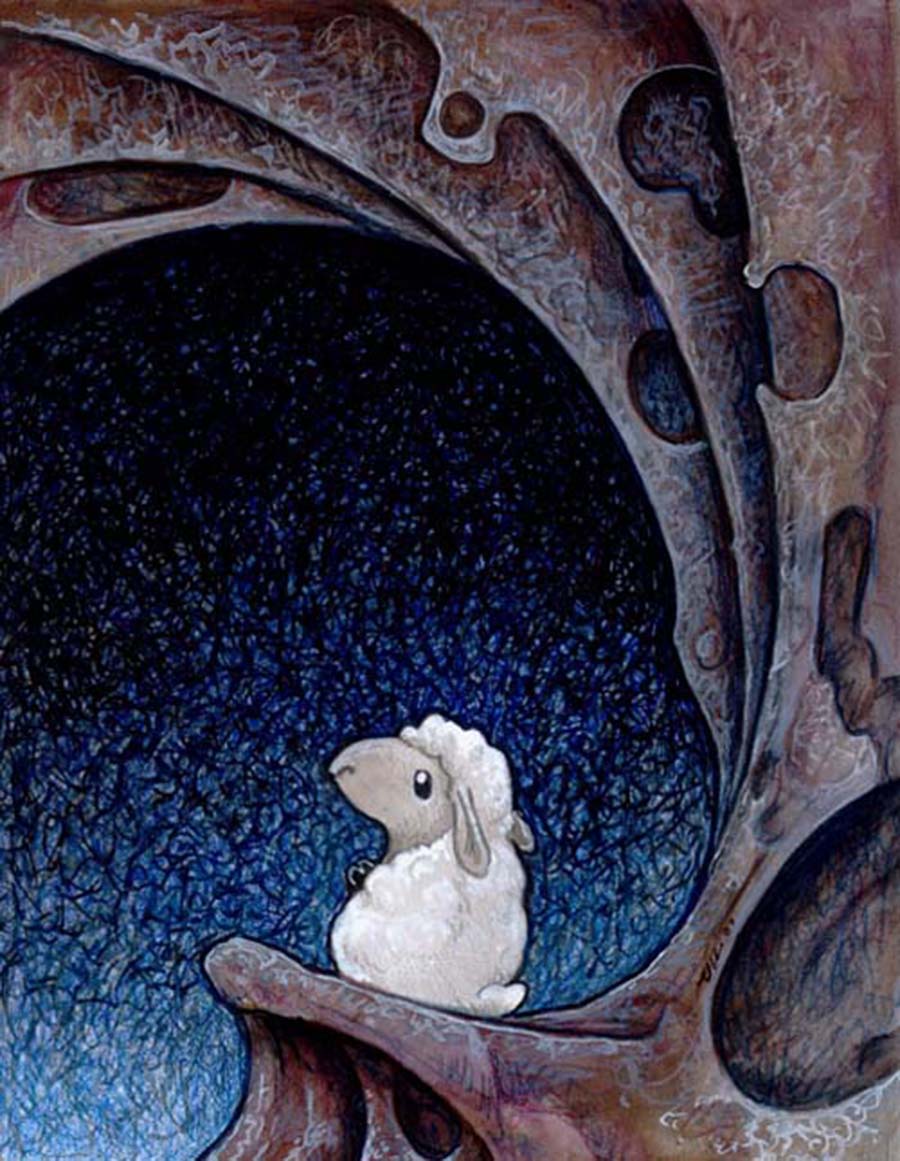
 The parable of the lost sheep subtly speaks of who we are fundamentally to Jesus. We are all His sheep and He is our shepherd. Whether we faithfully remain inside the sheepfold or go astray, we are still His sheep.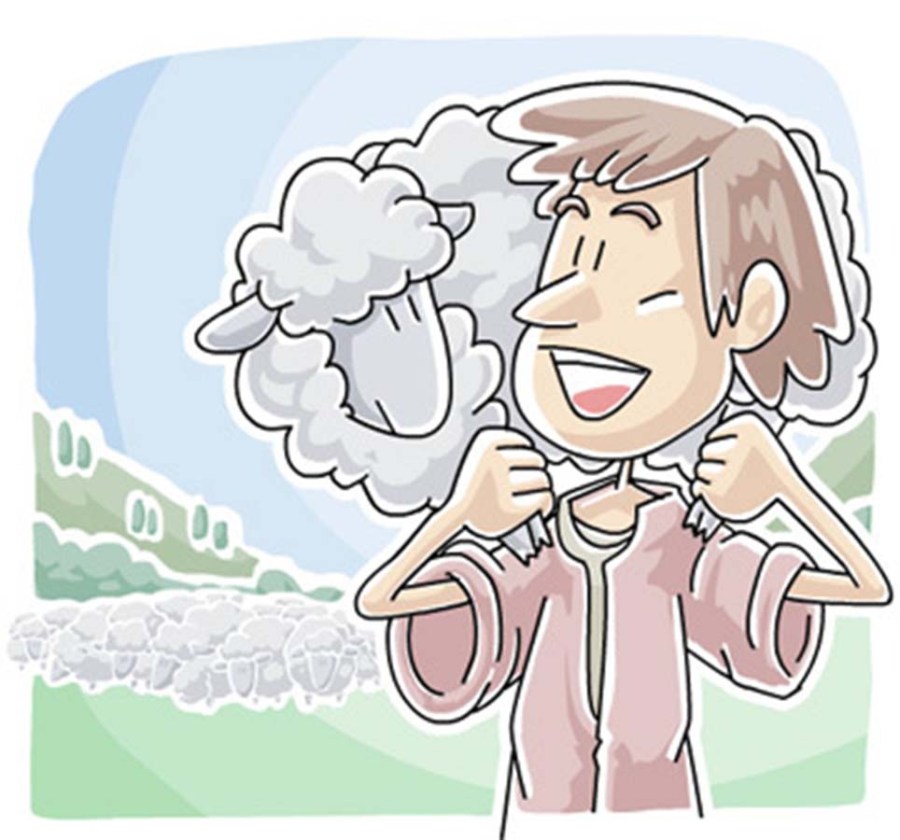
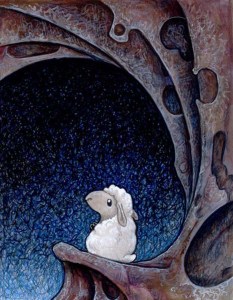 Perumpamaan tentang domba yang hilang sebenarnya berbicara tentang siapa diri kita dan relasi mendasar kita dengan Yesus dan sesama. Kita semua domba-Nya dan Dia adalah gembala kita. Apakah kita domba yang setia berada di dalam gembalaan, atau domba yang tersesat, kita tetap domba-domba-Nya.
 In Medio Ecclesiae