


Twenty-third Sunday in Ordinary Time. September 4, 2016 [Luke 14:25-33]
“If any one comes to me without hating his father and mother, wife and children, brothers and sisters, and even his own life, he cannot be my disciple (Luk 14:26).”
 Being a disciple is an essential character of Jesus’ followers. In our time, a disciple may mean a student of particular teachers or schools. Like Br. Bayu is a student of the University of Santo Tomas, Manila. In ancient time, especially in Eastern and Jewish tradition, being a disciple has a different understanding. A disciple would not only accept his master’s teachings, but literally follow his Master wherever he would go and stay. Disciples would not only learn on various insight, but also witness and imitate how their master lived his life. They shared their master’s meal, and they were part of their teachers’ joy and sadness. Thus, being a disciple is not only about an intellectual education, but also a holistic formation. It is fundamentally sharing the very life of the master himself.
Therefore, it makes sense for us now, when Jesus demanded that his disciples ‘hate’ their family as well as their own lives. To follow Jesus wherever he goes literally meant the disciples had to leave behind the family and the lives and works they used to have. ‘Hating’ did not mean that they should harbor enmity to their family, but rather place them as secondary priority. Jesus was their new family, their first priority and their real life.
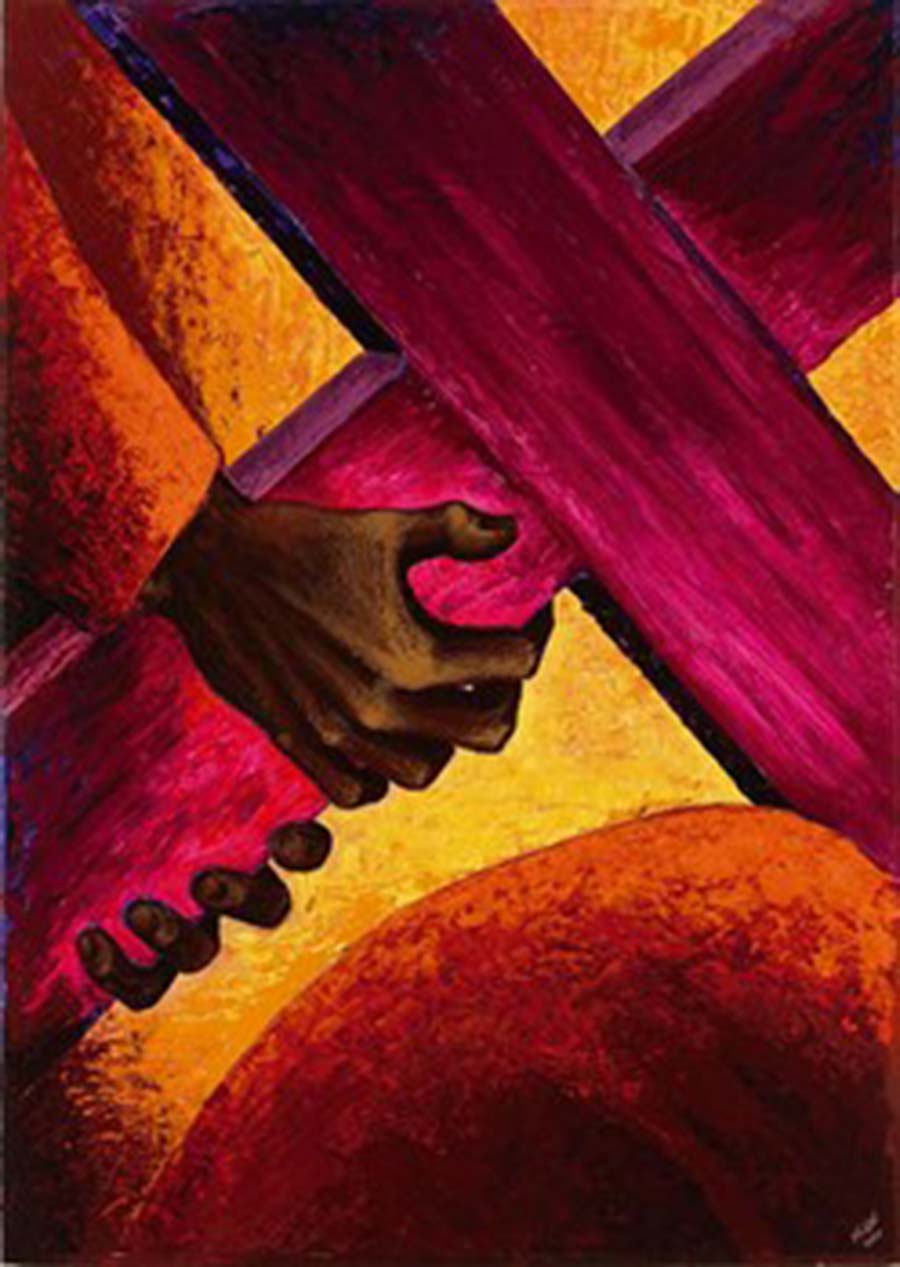
Jesus Himself gave us a fitting imagery of discipleship: following Him is like carrying a cross. To be a disciple of Christ is indeed difficult, tough; it demands a radical re-orientation of one’s life. Yet, the good news is that to be Jesus’ disciples is not impossible. A good number of young men and women, leaving behind their promising careers, enter the monastery and dedicate themselves for the Lord in constant prayer. Lay Men and women offer themselves as missionaries and are sent to far corners of the globe to share the joy of the Gospel. The evangelization of the Philippines were nearly impossible if not for zealous Spanish friars who travelled for months, risked their lives and many never returned to their homeland. These generous people literally left everything behind to follow Christ.
However, being Jesus’ disciple does not mean for many that they have to abandon our families. Following Christ may take place within the family. When a man and a woman decide to leave their families of origin, and build their own Christian family, then they have become the community of Christ’ disciples. When parents commit themselves to the demanding task of raising their children to be God-fearing and honest Christians, they are following Christ. More fundamentally, our discipleship manifests clearly in the sacraments, especially the Eucharist. In the Eucharist, we become disciples who listen to His teachings and partake in His very life in the sacred host. Then, finally we are sent to preach what we have learned and lived in the Eucharist.
We continue to pray that we may become His true disciples and many will be also inspired to follow Him and share His life.
Br. Valentinus Bayuhadi Ruseno, OP


 In the time of Jesus, Jews had their own special way of dining. Instead of sitting or standing the Jews would recline on a low table where food and wine are served. Reclining was the sign of free man in Greco-Roman culture. The slaves stood and served the guests. Aside reclining posture, their place in the dining table indicated their importance to the host. The closer they were to the host, the more significant they were to the host. Thus, persons sitting beside the host were expected to be the most important guests.
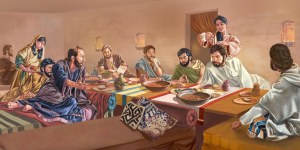 Pada zaman Yesus, orang-orang Yahudi memiliki cara unik saat perjamuan makan. Alih-alih duduk seperti biasanya, orang-orang Yahudi akan merebahkan diri pada kursi panjang dan menyenderkan tubuh mereka pada meja yang cukup rendah di mana makanan dan anggur yang disajikan. Di dalam budaya Yunani-Romawi kuno, cara makan seperti ini adalah tanda orang yang bebas, sedangkan budak akan berdiri dan melayani para tamu. Selain merebahkan diri, posisi mereka di meja perjamuan akan menunjukkan seberapa pentingnya mereka bagi tuan rumah. Semakin dekat mereka dengan tuan rumah, semakin pentinglah dia bagi sang tuan rumah. Dengan demikian, orang yang duduk di samping tuan rumah adalah tamu yang paling penting.
 Salvation is both a gift and a choice. It is free yet it is never cheap. It is a gift because it is freely given by God and no one earns it. Yet, it is a choice because we make all the efforts to receive it and make it ours. Through His death and resurrection, Jesus has made available the grace of salvation for everyone. But, we need to participate in His work of salvation by living out the gift of faith in our daily lives.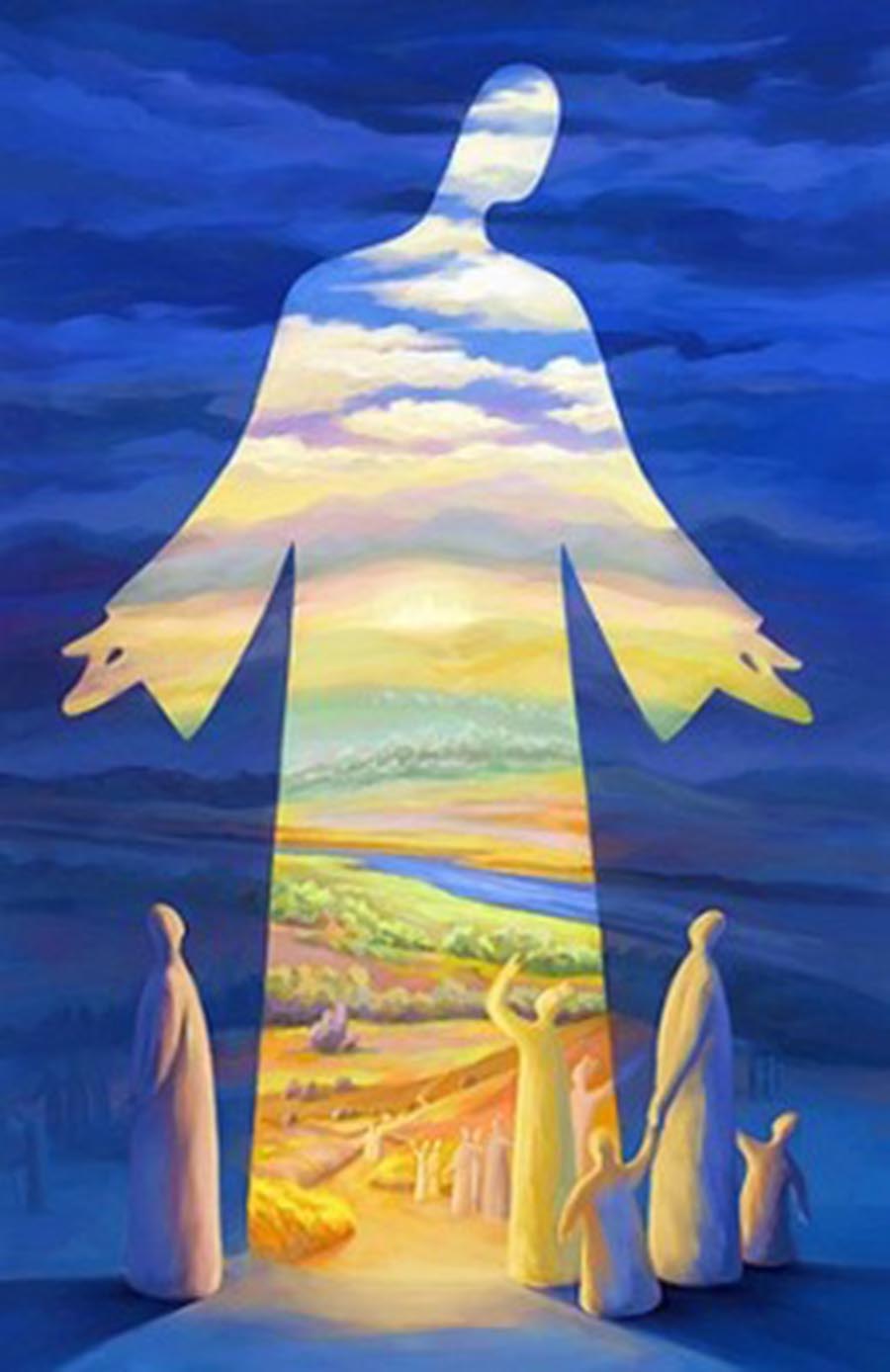
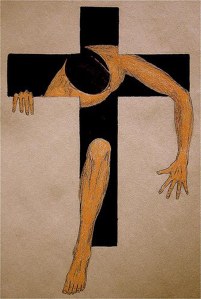 Keselamatan adalah sebuah rahmat dan juga pilihan. Keselamatan adalah cuma-cuma, tetapi bukan berarti murahan. Keselamatan adalah rahmat karena diberikan oleh Allah secara cuma-cuma. Namun, ini juga adalah pilihan karena kita perlu membuat semua upaya untuk menerimanya dan menghidupinya. Melalui kematian dan kebangkitan-Nya, Yesus telah membuka pintu anugerah keselamatan bagi semua orang. Tapi, kita perlu berpartisipasi dalam karya keselamatan-Nya dengan menghidupi secara penuh karunia iman ini di dalam kehidupan kita sehari-hari.
 In the midst of all super-advanced digital gadgets and nano technologies, making fire seems rather archaic and a bit useless. Why will we set a fire and cause pollution, if we have energy-saving LED lamp in our house? However, making fire is the earliest and one of the most significant human invention. Fire revolutionized the lives of our ancestors and gave us substantial advantages over other creatures. Fire brings warm and comfort in chilling and unforgiving weathers. Fire protects us from bigger and fiercer predators. Fire provides light that shed off the darkness. Fire also is needed to forge other inventions and technologies, like various tools and weapons.
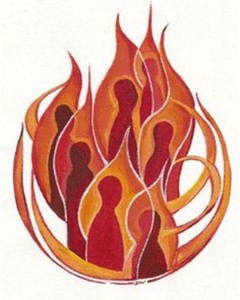 Hidup di antara gadget-gadget digital super-canggih dan berbagai teknologi nano, kegiatan membuat api tampak seperti sangat primitif dan sia-sia. Mengapa kita harus membuat api dan menyebabkan polusi jika kita memiliki lampu LED yang hemat energi di rumah kita? Namun, membuat api sebenarnya adalah salah satu penemuan manusia yang paling awal dan signifikan. Api merevolusi kehidupan nenek moyang kita dan memberi kita keuntungan besar atas makhluk lainnya. Api membawa kehangatan dan kenyamanan dalam cuaca dingin. Api melindungi kita dari predator yang lebih besar dan ganas. Api memberikan cahaya yang menghapus kegelapan. Api juga diperlukan untuk menempa penemuan dan teknologi lain, seperti berbagai alat dan senjata.
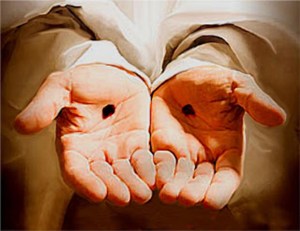 Are we ready to sell everything we have and follow Jesus? Are we prepared to give up our dreams and ambitions for the Kingdom? Are we willing to place our hearts, our treasures where no moth can destroy and no thief can steal?
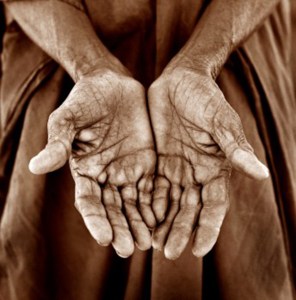 Apakah kita siap untuk menjual semua yang kita miliki dan mengikuti Yesus? Apakah kita siap untuk menyerah mimpi dan cita-cita kita untuk Kerajaan Allah? Apakah kita bersedia untuk menaruh hati kita pada harta yang tidak akan dirusak ngengat dan tidak akan dicuri?
 In Medio Ecclesiae