Harapan dan Impian

Minggu ke-2 Masa Adven [B]
10 Desember 2023
Markus 1:1-8

Apa impian dan harapan Anda dalam hidup ini? Jawabannya bisa sangat beragam. Para pelajar bermimpi untuk menyelesaikan studi mereka dan lulus dari sekolah dengan prestasi. Ada juga yang ingin bekerja di perusahaan besar atau memiliki bisnis sendiri. Yang lain ingin mencapai karier yang tinggi atau memiliki rumah yang nyaman dan mobil yang keren. Namun, pertanyaannya: Mengapa kita memiliki harapan, impian, dan cita-cita?

Tidak seperti hewan, kita tidak hanya tergerak oleh insting untuk bertahan hidup, tapi kita juga memiliki hasrat untuk menjadi versi yang jauh lebih baik dari diri kita sendiri. Kemampuan untuk berharap ini tidak dapat dijelaskan oleh komposisi biologis kita saja. Ada sesuatu di luar tubuh dan dunia ini. Paus Benediktus XVI dengan indahnya memberikan jawaban melalui ensikliknya Spe Salvi, “Manusia diciptakan untuk sesuatu yang besar – untuk Tuhan sendiri; ia diciptakan untuk dipenuhi oleh Tuhan. Namun hatinya terlalu kecil untuk hal besar yang disiapkan untuknya. Ia harus diluaskan.” Kenapa kita punya harapan? Karena Tuhan menciptakan kita di dunia ini, tetapi bukan untuk dunia ini, tetapi untuk-Nya. Dia telah memberikan kita jiwa yang abadi, dan melalui mimpi dan harapan kita, kita memperbesar jiwa kita dan pada akhirnya siap, melalui bantuan rahmat, untuk menerima Tuhan.

Masa Adven adalah masa pengharapan karena masa ini mengajarkan kita untuk berharap dengan benar. Kita dapat belajar dari Injil hari ini. Markus membuka Injilnya dengan menampilkan Yohanes Pembaptis yang mewartakan pengharapan sejati bangsa Israel, bahwa Tuhan akan datang. Pada masa itu, bangsa Israel telah hidup dalam masa-masa yang sangat sulit di bawah kekaisaran Romawi. Pajak mencekik leher mereka, para penguasa yang ditunjuk Romawi seperti Herodes sangat kejam dan brutal, dan beberapa orang Yahudi mencuri dan menipu sesama orang Yahudi yang lebih miskin. Pada saat itu, mudah sekali untuk jatuh dalam keputusasaan dan berhenti berharap, atau mereka mengembangkan khayalan bahwa Mesias akan datang sebagai pemimpin militer yang akan membawa mereka ke dalam kemenangan berdarah melawan para penindas mereka. Yohanes mengatakan kepada mereka untuk tetap berharap karena Tuhan memang akan datang, tetapi ia juga mengingatkan mereka bahwa persiapan yang terbaik bukanlah dengan bermanuver politis atau mengumpulkan kekuatan militer, tetapi dengan pertobatan. Tuhan Allah Israel bukanlah dewa perang, bukan dewa uang, dan juga bukan dewa politik, tetapi Allah kekudusan.

Kita hidup di masa yang jauh lebih baik daripada bangsa Israel kuno, namun selalu ada hal-hal buruk yang dapat mengurangi atau bahkan merusak kemampuan kita untuk berharap dan bermimpi. Kesulitan ekonomi, rusaknya relasi, dan kegagalan dalam meraih impian kita, adalah beberapa di antaranya. Hal-hal ini dapat menyebabkan kita hidup dengan kekecewaan, dan bahkan putus asa. Kemudian, kita mungkin mengembangkan pengharapan yang salah. Kita secara keliru mengharapkan Tuhan sebagai tukang sulap, sehingga kita pergi ke Gereja dan berdoa karena Tuhan akan mengabulkan apa pun yang kita inginkan. Kita juga dapat jatuh ke dalam pencobaan untuk menggunakan cara-cara yang jahat dan tidak adil untuk mewujudkan impian-impian kita.

Masa Adven mengajarkan kita untuk berharap dan bermimpi. Bahkan, masa ini mengajarkan kita untuk memiliki mimpi terbesar dalam hidup kita: menjadi kudus, yakni menyambut Tuhan dan hidup bersama-Nya. Kita harus berani berharap meskipun ada banyak tantangan dan kegagalan, namun kita harus melihat harapan dan impian kita sebagai batu-batu bangunan yang dapat memperluas jiwa kita untuk menerima Tuhan.

Roma
Valentinus Bayuhadi Ruseno, OP
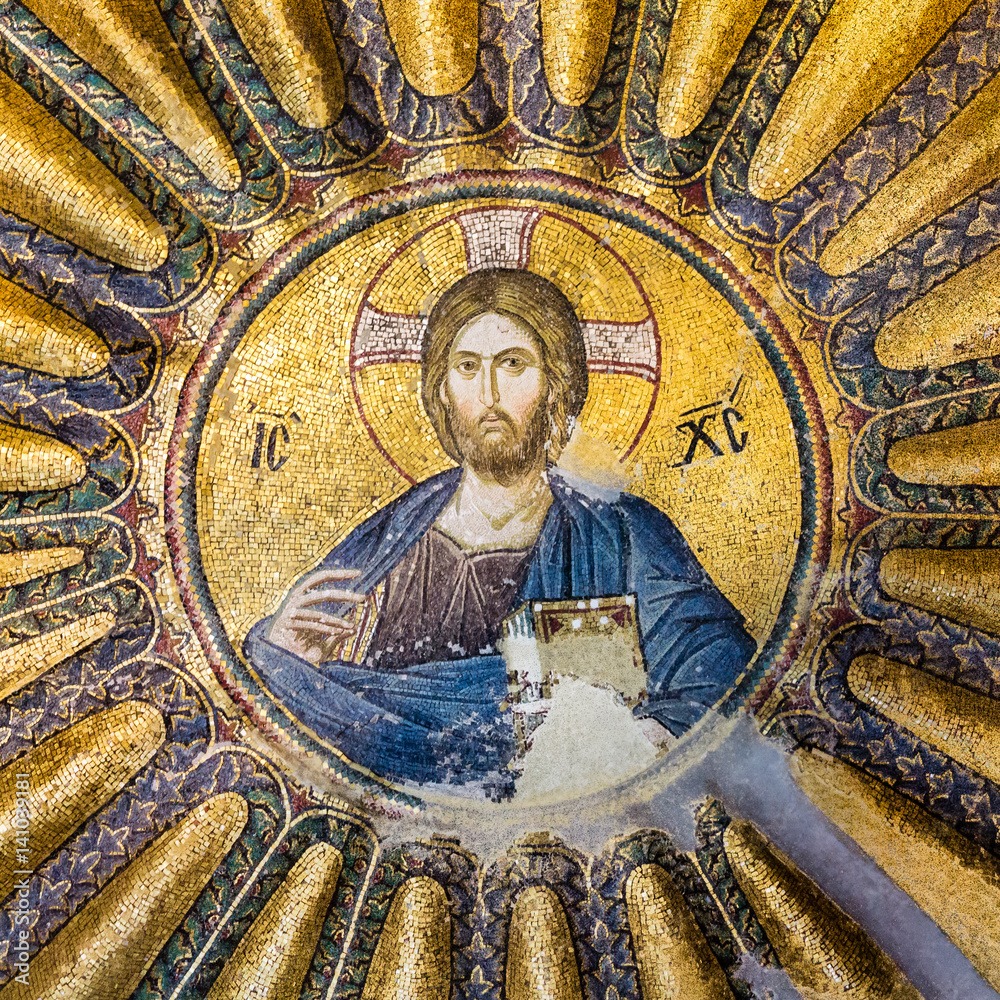
Kedatangan Ketiga Yesus Kristus

Minggu Pertama Masa Adven [B]
3 Desember 2023
Markus 13:33-37

Kita memasuki masa Adven, dan tahun liturgi baru Gereja telah dimulai. Adven sendiri berasal dari kata Latin ‘Adventus,’ dan secara harfiah berarti ‘kedatangan.’ Berdasarkan Kitab Suci dan Tradisi, Gereja mengajarkan bahwa Kristus datang dua kali. Kedatangan-Nya yang pertama terjadi di Bethlehem sekitar dua ribu tahun yang lalu, dan kedatangan Yesus yang kedua akan terjadi pada penghakiman terakhir sebagai raja di atas segala raja dan hakim atas segalanya. Masa liturgi ini mengingatkan dan mempersiapkan kita untuk kedua kedatangan Yesus. Namun, ada kedatangan Kristus yang lain, yang juga disebut kedatangan Kristus yang ketiga. Apakah artinya? Dan, bagaimana kedatangan Kristus yang ketiga menghubungkan dua kedatangan lainnya?

Sebelum kita menjawab pertanyaan ini, kita akan merenungkan lebih dalam tentang hubungan antara kedatangan Kristus yang pertama dan yang kedua, karena bagaimana Yesus datang untuk pertama kalinya memberikan kita pelajaran yang sangat berharga untuk mempersiapkan diri kita bagi kedatangan-Nya yang kedua kali. Bagaimanakah Yesus datang untuk pertama kalinya? Dia dilahirkan oleh Maria, seorang perawan yang sederhana, istri Yusuf, seorang tukang kayu miskin. Dia bukan berasal dari keluarga Herodes yang berpengaruh atau dinasti Kaisar Romawi yang berkuasa. Dia lahir di tempat yang paling tidak layak, sebuah gua kandang yang kotor di Betlehem, dan bukan di istana kerajaan atau rumah sakit kelas satu. Dia dilahirkan sebagai manusia yang paling lemah, seorang bayi, dan tidak turun dari langit seperti superhero. Kedatangan-Nya yang pertama mengajarkan kita sebuah pelajaran berharga bahwa Yesus hadir di tempat yang paling hina, di antara orang-orang sederhana, dan pada saat-saat yang paling tidak terduga. Sebagaimana Yesus tiba di Betlehem secara tidak terduga, demikian juga, Dia akan datang pada saat-saat terakhir dalam kedatangan-Nya yang kedua.

Sebagaimana banyak orang gagal mengenali kedatangan Mesias yang pertama, kita juga mungkin gagal untuk bersiap-siap menghadapi penghakiman terakhir. Lalu, apa yang harus kita lakukan untuk mengantisipasi kedatangan-Nya yang kedua? Kebenaran ini menuntun kita kepada “kedatangan Kristus yang ketiga”. Apakah itu? Kedatangan yang ketiga mengacu pada kedatangan dan kehadiran Yesus di antara kita dalam kehidupan kita sehari-hari, meskipun dengan cara yang tidak terduga. Pada masa Adven, kita mempersiapkan diri kita untuk kedatangan Kristus yang kedua dengan merefleksikan kedatangan-Nya yang pertama dan, dengan demikian, mengenali dan menyambut “kedatangan-Nya yang ketiga” dalam hidup kita. Semakin kita dapat menemukan Kristus dalam kedatangan-Nya yang ketiga, semakin kita dipersiapkan untuk kedatangan-Nya yang terakhir.

Lalu, apa saja manifestasi dari kedatangan Kristus yang ketiga?

  1. Yang pertama dan utama adalah Ekaristi yang kudus. Di sini, Yesus sungguh-sungguh dan benar-benar hadir, namun kita membutuhkan iman yang besar untuk menerima Dia, yang hadir dalam bentuk roti dan anggur.
  2. Dia juga hadir dalam kata-kata Kitab Suci. Gereja dengan teguh percaya bahwa Alkitab adalah Firman Allah dalam bentuk tertulis. Dengan membaca dan merenungkannya, kita berjumpa dengan Yesus yang berbicara kepada kita.
  3. Santo Paulus juga mengajarkan kepada kita bahwa Gereja adalah tubuh Kristus. Dengan demikian, berjumpa dengan Kristus tidak dapat dilakukan tanpa berjumpa dengan tubuh-Nya, yaitu Gereja. Namun, juga benar bahwa seringkali, adalah hal yang paling sulit untuk melihat Kristus di dalam Gereja karena beberapa anggota Gereja masih jauh dari keserupaan dengan Kristus. Namun, hal ini menjadi kesempatan yang sangat baik untuk melakukan tindakan kasih dan menjadi serupa dengan Kristus.
  4. Terakhir, kita berjumpa dengan Kristus dalam diri saudara dan saudari kita yang kurang beruntung, seperti yang Yesus katakan, “Aku berkata kepadamu, sesungguhnya segala sesuatu yang kamu lakukan untuk salah seorang dari saudara-Ku yang paling hina ini, kamu telah melakukannya untuk Aku” (Mat. 25:40).

Roma
Valentinus Bayuhadi Ruseno, OP

To Name God

4th Sunday of Advent [A]
December 18, 2022
Matthew 1:18-24

To name and to have a name is unique to human beings. To name someone or something is not just a sign of intellectual capacity, but it is also an exercise of authority. When you name someone, in certain way, the person is under your influence. When someone calls our names, immediately and automatically, our attention is drawn to the caller. Surely, we have the choice to set aside this call, but the closer that person to us, the harder it gets to ignore the call. When my mother calls me, my body instinctively moves towards her and listen to what she has to say. That’s how powerful my mother is!

photocredit: Jamie Street

The power of naming belongs primarily to God. In the story of creation, when God named something, it came to existence. When He said, ‘light’, the light came to being. Since God named all creations and brought them into existence, He has the absolute authority over all creatures. Yet, in His providence, God shared this power of naming to men and women. As the authority was shared to humans, they also possessed authority over other creatures.

However, this power is not absolute. Human persons cannot name something beyond them, like angels and surely, God Himself. Thus, to name God is one of the most elusive things in the Old Testament. The patriarchs, Abraham, Isaac, and Jacob have attempted to ask His name, but they failed. The closest one is Moses when he asked the name of the Lord in Sinai, and the Lord answered, “I am who I am” (Exo 3:14). It is like saying, ‘none of your business’. God Himself put as a second commandment, “You shall not take My name in vain.” (see Exo 20). Thus, when the Israelites read the Bible and discovered the holy name of God ‘יהוה’, they would prefer to pronounce ‘Adonai’ (my Lord) or ‘ha-Sem’ (the name). Even, the pronunciation ‘Yahweh’ is an interpretation.

However, as we begin the story of the New Testament, something unexpectedly happened. Joseph and Mary were given the authority to name not just any creature, not just any man, not just any baby. They were to name God-become-flesh, the Creator Himself. They shall name Him Jesus, because ‘He will save His people’. Indeed, the name Jesus is related to the Hebrew word, “יְשׁוּעָה” (roughly: yesuah), meaning ‘salvation or victory’.

The naming of Jesus becomes the breakthrough between God and humans. God does not only want men and women to participate in the work of creation and the authority over lower creatures, but God wishes that we take part in the work of salvation. The former is at the natural level, but the latter is supernatural. As God shared to Joseph and Mary the task to name Jesus, our salvation, so also, Jesus shared to His Church is to name the grace that brings redemption.

When a man and a woman promise fidelity and totality to each other in the name of the Lord, God himself binds them until death, and grace of holiness flows in their marriage and family. When a priest offers the mass, and says the words of consecration, the bread and the wine become the real body and blood of Jesus, and God is truly present among us (Emmanuel). When a priest pronounces the words of absolution, and the penitent is truly asking God’s mercy, the forgiveness of sin takes place. When parents bless their children in the name of the Lord, God’s blessing remains with the children.

Rome
Valentinus Bayuhadi Ruseno, OP

Virtue of Patience and Advent

3rd Sunday of Advent [C]
December 11, 2022
James 5:7-10

St. James advised us in this Advent Season, “Be patient, brothers and sisters,
until the coming of the Lord (Jam 5:7, second reading).” Why do we need to be patient, especially in this season? If we go back to the time of St. James, we will understand better this advice. During the early Church, there was a strong sense of Jesus’ second coming, and the same time, the Church was facing persecutions from different fronts, from the pagans and the Jews as well as internal conflicts. Thus, the Church’s members were truly eager to welcome the Savior’s second coming. Yet, He did not came as early as expected, and thus, some Christians became impatient and were complaining. Even some began to lose its faith. Here, St. James give his word: patient.

photocredit: Jon Tyson

The word used by St. James is ‘μακροθυμέω’ (makrothumeo). Interestingly, it is not adjective, but a verb. Patience is not simply passively waiting and receiving, but this virtue is proactive and dynamic. Often, we think that patience means that we cannot do anything, but endure our hardships. But, it is not always the case. While bearing our trials, patience empowers and transforms us into better persons, and even leads us to holiness.

St. James used the prophets of the Old Testament as his models. Many prophets prophesized the coming of Messiah, Jesus Christ, but they knew that this would not happen in their lives’ times. Even, many prophets were persecuted, even martyred. According to the traditions, Isaiah was sawed into two by evil king Manasseh, and while Jeremiah was murdered in Egypt. Yet, did they stop prophesying? No, they actively engaged in their missions until the end.

We are living two thousand years after the early Church and St. James, and our world has changed and been significantly different. However, the virtue of patience remains relevant and arguably, needed more than ever. We are living in the world filled with instant mechanisms, digitalization and automation. Surely, these are something good as to facilitate our lives. Yet, it also poses a danger to our mentality. As we are used to instant processes, we easily become impatient especially when we did not get the result we desire. We get disappointed, we get upset, and we complain. When our lives are full of complains, we become bitter and unhappy. Sometimes, prolonged bitterness will lead to mental problems.

Before I went to Rome for my study, I was serving the parish in Surabaya. Some young people came to me and began to share their problems. Surely, there were serious problems that required professional assistance, like medical doctor, psychiatrist or lawyer. However, in most of the cases, they were unhappy with their lives because they were impatience. I would invite them to see a bigger perspective in their lives, and count the blessings in their lives. Then, suddenly, they would realize their lives are full of blessings, and their problems were actually exaggerated. In one hand, we just do not have the endurance to bear the sufferings, and the on the other hand, we do not have the patience to articulate the blessings, to discover how God works in our lives.

To appreciate lives, we need patience. We have to spend time and energy with God in prayer, to read and reflect the Word of God, and to perform small yet consistent good works. We may not see the second coming of Jesus in this Advent, but with the virtue of patience, we will be able to see the coming of Jesus in our hearts every day.

Rome
Valentinus Bayuhadi Ruseno, OP

The Scriptures and the Advent

2nd Sunday of Advent [A]
December 4, 2022
Matthew 3:1-12
Rome 15:4-9

For the second Sunday of Advent, the Church has chosen for us a text from St. Paul as our second reading. It is the last part of St. Paul’s letter to the Romans. In a simple sentence, Paul gave an essential purpose of the scriptures. He wrote, “For whatever was written previously was written for our instruction, that by endurance and by the encouragement of the scriptures we might have hope (Rom 15:4).” Let us unpack together this verse as we journey through the Advent season.

photocredit: Jonathan Sanchez

At the time of Paul, 27 books of New Testament as we know now has not yet come to existence. Thus, when Paul mentioned ‘scriptures’ or ‘what was written previously’, he was referring to the books of the Old Testament. These books were originally part of Hebrew Bible, but also accepted, used, and considered sacred by the early Church. Why so? This is because Jesus read, preached, and fulfilled these books. Jesus handed down these scriptures to the apostles and gave them the authority to teach them in His name. This is the reason that we do not throw away the books of the Old Testament, even though, they do not speak directly about Jesus Christ. Yet, it is also important that though we keep and read the Old Testament, we must read them not as a Jewish person, but as followers of Christ and the members of the Church.

Now, Paul explained two fundamental functions of the Scriptures: for instructions and encouragements. The first is instructions, and the Greek word here is ‘διδασκαλία’ (didaskalia), and its literal meaning is ‘teaching’. Thus, through the words of the Scriptures, God teaches us. When a teacher teaches his students, the aim is that the students may have wider and deeper knowledge. As we read and study the scriptures through the guidance of our shepherds, we know God better and deeper, who He is, what His plans for us, and what is His relationship to us.

The second is the encouragement. Paul believed that the words of the God in the scriptures do not only teach, but also encourage us. The original word used by Paul is ‘παράκλησις’ (paraklesis), and it has a range of meanings, but the basic meaning is something or someone that assists us in facing difficulty. Through the words of the Scriptures, God is supporting, encouraging, consoling us in time of trials. From here, we know one of the best things to do in troubled moments is reading and meditating the scriptures.

However, these two goals, instruction, and encouragement, are leading us into a bigger purpose: ‘hope in Christ’. Without hope, the Bible are simply object of research and studies, but it will not bring closer and more intimate friendship with Jesus. Without hope, the bible only contains an encouraging and sweet words, but it never makes us persevere and grow in trials.

The Advent season gives us time to listen to various texts of the Old Testament (both in Sunday and weekly readings) and how these readings are eventually fulfilled in the coming of Christ. And once again, I would like to invite all of us, to spend more time to listen to the words of God this Advent season as our spiritual practice. Aside reading from the Gospel of Matthew, I recommend reading the book of Isaiah for this advent Season.

Rome
Valentinus Bayuhadi Ruseno, OP

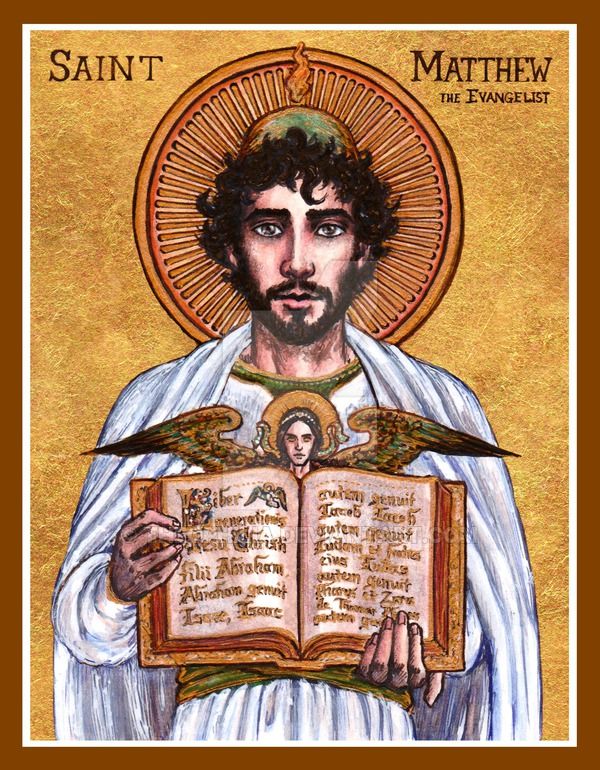
Matius dan Injilnya

Minggu Pertama Adven (A)
27 November 2022
Matius 24:37-44

Masa Adven menandai awal tahun liturgi Gereja. Kali ini, kita memasuki tahun Matius (tahun A) karena sebagian besar hari Minggu tahun ini, kita akan mendengarkan dan merenungkan bersama teks-teks dari Injil Matius. Sekarang, karena kita akan berziarah bersama dengan Matius, marilah kita mengenal sang penginjil ini dan Injilnya.

Asal-usul, komposisi dan kepengarangan Injil ini telah menjadi bahan diskusi dan perdebatan yang tak ada habisnya di antara para ahli kitab suci modern. Namun, tradisi panjang Gereja Katolik dengan tegas menyatakan bahwa rasul Matius adalah penulisnya, dan banyak saksi kuno, seperti Santo Irenaeus (sekitar tahun 130-200), Santo Klemens dari Aleksandria (sekitar tahun 150-215) dan Uskup Eusebius dari Kaisarea (sekitar tahun 260 – 340) bersaksi bahwa Matius memang penulisnya.

Karakteristik yang menarik dari Injil Matius adalah karakter Yahudinya. Dipercaya bahwa pembaca asli dari Injil Matius adalah orang-orang Kristen Yahudi mula-mula. Matius banyak mengutip dari Perjanjian Lama (sekitar 60 kutipan). Ia menempatkannya dari awal sampai akhir, dari ‘… mereka akan menyebut-Nya Imanuel’ (Mat 1:23, bdk. Yes 8:10), sampai ‘Eli, Eli lema sebachtani (Mat 27:46, bdk. Mzm 22:1)’. Tidak hanya dari Perjanjian Lama, Matius juga menggunakan tradisi Yahudi pada masa Yesus, seperti tradisi tentang ‘kursi Musa’ (Mat 23:2). Jelas, Matius ingin mengajarkan bahwa Yesus adalah penggenapan janji-janji Allah dalam Perjanjian Lama. Seorang filsuf dan teolog Katolik, Peter Kreeft, merangkum Injil Matius sebagai ‘Injil dari seorang Yahudi, untuk orang Yahudi tentang Mesias Yahudi’.

Namun, meskipun sangat Yahudi, Matius tetap teguh bahwa Yesus bukan hanya Juruselamat orang Yahudi saja, tetapi untuk semua orang. Hanya dalam Matius, kita memiliki kisah tentang orang-orang Majus, yang menjadi perwakilan bangsa-bangsa, yang datang dan menyembah bayi Yesus (Mat 2). Dalam Matius juga, Yesus memerintahkan para murid, “Karena itu pergilah, jadikanlah semua bangsa murid-Ku dan baptislah mereka dalam nama Bapa dan Putra dan Roh Kudus (Mat 28:19).” Dari Israel, untuk dunia.

Karakter lain dari Injil Matius adalah bahwa Injil Matius adalah Injil Gereja. Tentu saja, ketiga Injil lainnya juga untuk Gereja, namun hanya dalam Matius, kata ‘Gereja’ (ἐκκλησία) keluar dari mulut Yesus. Pertama, ketika Yesus akan mendirikan Gereja-Nya di atas Petrus (Mat 16:13-20) dan kedua, ketika Yesus mengajarkan koreksi persaudaraan di antara para anggota Gereja (Mat 18:17). Injil menjadi piagam dasar Gereja kita, Gereja yang didirikan Yesus. Tidak heran mengapa Injil Matius menjadi favorit banyak orang kudus.

Kembali ke kisah hidup Matius, kita tahu bahwa ia adalah seorang mantan pemungut cukai (Mat 9:9-13). Yesus memanggilnya dan ia bangkit, meninggalkan segala sesuatu, dan mengikuti Yesus. Namun, ia tidak benar-benar meninggalkan segalanya. Ia membawa serta kapasitas intelektual dan keahliannya sebagai pemungut cukai dan menggunakannya untuk menulis Injil dan membawa orang lebih dekat kepada Yesus.

Masa Adven mempersiapkan kita untuk kedatangan Yesus, dan undangan adalah apa yang akan kita persembahkan kepada Yesus ketika Dia datang. Jika Matius memberikan hidupnya dan keahliannya dalam menulis kepada Yesus, apa yang akan kita persembahkan kepada Yesus di Masa Adven ini?
Dalam masa Adven ini juga, saya mengundang Anda untuk membaca seluruh Injil Matius. Mari kita habiskan satu pasal untuk setiap hari di Masa ini, sebagai bagian dari latihan rohani kita.

Roma
Valentinus Bayuhadi Ruseno, OP

Matthew and His Gospel

1st Sunday of Advent (A)
November 27, 2022
Matthew 24:37-44

The season of Advent marks the beginning of the Church’s liturgical year. This time, we enter the year of Matthew (year A) because on most Sundays of this year, we are going to listen and reflect together the texts from the gospel of Matthew. Now, since we will journey together with Matthew, let us be familiar with this evangelist and his gospel.

The origin, composition and authorship of this gospel have become a subject of endless speculation and debates among the modern scholars. However, the long tradition of the Catholic Church has firmly held that apostle Matthew is the author, and many ancient witnesses, like St. Irenaeus (c. 130 – 200), St. Clement of Alexandria (ca. 150-215) and Bishop Eusebius of Caesarea (c. 260 – c. 340) testified that Matthew is indeed the writer.

An interesting characteristic on Matthew’s Gospel is that its Jewish character. It is believed that the original readers of Matthew are the early Jewish Christians. Matthew quoted a lot from the Old Testament (around 60 times). He placed them from the beginning to the end, from ‘… they shall call Him Emmanuel.’ (Mat 1:23, cf. Isa 8:10), to ‘Eli, Eli lema sebachtani (Mat 27:46, cf. Ps. 22:1).’ Not only from Old Testament, but Matthew also used the Jewish traditions at the time of Jesus, like the tradition about Moses’ chair (Mat 23:2). Clearly, Matthew wished to teach that Jesus is the fulfillment of God’s promises in the Old Testament. As a Catholic philosopher and theologian, Peter Kreeft, summarizes the Gospel of Matthew as ‘A Gospel from a Jew, for the Jews about the Jewish Messiah.’

However, despite being very Jewish, Matthew remains firm that Jesus is not only the Savior of the Jews alone, but for everyone. Only in Matthew, we have the story of the Magi, the representatives of the nations that came and worshiped baby Jesus (Mat 2). In Matthew also, Jesus instructed the disciples, “Go therefore and make disciples of all nations, baptizing them in the name of the Father and of the Son and of the Holy Spirit (Mat 28:19).” It is from Israel, for the world.

Another character of Matthew is that it is the Gospel of the Church. Certainly, the other three gospels are also for the Church, yet only in Matthew, the word ‘Church’ (Ecclesia) comes from the mouth of Jesus. Firstly, it is when Jesus would establish His Church on Peter (Mat 16:13-20) and secondly, when Jesus taught fraternal correction among the members of the Church (Mat 18:15ff). The Gospel turns to be the foundation charter of our Church, the Church Jesus has founded. No wonder why this Gospel becomes favorite of many saints.

Going back to the life of Matthew, we know that he was a former tax collector. Jesus called him and he got up, left everything, and followed Jesus. Yet, he did not really leave everything. He brought along his intellectual and scribal capacity that he used as a tax collector and utilized it to write the Gospel and to bring people closer to Jesus.

The season of Advent prepares us for the coming of Jesus, and the invitation is what we shall offer to Jesus when he comes. If Matthew was giving his life and his skill in writing to Jesus, what shall we offer to Jesus in this Advent season?
In this Advent also, I am inviting you to read the entire gospel of Matthew. Let us spend one chapter for each day of this season, as part of our spiritual exercise.

Rome
Valentinus Bayuhadi Ruseno, OP
The Joy of Two Women

4th Sunday of Advent [C]
December 19, 2021
Luke 1:39-45

Mary was going to the place of Elizabeth in haste. But, why did she have to go in haste? Mary was full of excitement and joy Mary because she knew that her beloved relative had received the miracle from God. Elizabeth who called barren, was pregnant with a child. Mary was full of joy as she would like to witness this mighty deed of God.

STRUB, Jakob o Hans_La Visitacion, c.1505_ 382 (1929.21)/ Stitched Panorama

The excitement and joy were shared by Elizabeth when Mary arrived and greeted her. By the Holy Spirit’s guidance, Elizabeth recognized who Mary is. She is not just another relative, but Mary is the blessed among women because she was with God-made-man. Thus, Elizabeth dared to call her the mother of her Lord. Mary’s encounter with Elizabeth is also the first encounter between two great protagonists in the Gospel: Jesus and John the Baptist, between the Messiah and the one who prepares His way. Elizabeth immediately felt that the baby in her womb was leaping for joy upon hearing Mary’s greetings. Joy and excitement are not being shared by Mary and Elizabeth, but by John.

However, behind excitement and joy, there were great dangers and uncertainties. Mary was pregnant without a man. According to Torah [Deu 22:20], she could have been stoned and died. If she survived the death, Mary would bear the stigma and shame for her entire life. Elizabeth’s situation was not much better. As a woman who was already advanced in age, pregnancy and the process of deliverance could be extremely risky and even leading to death. Things just do not look good for these two mothers.

Yet, despite these terrible possibilities, both Mary and Elizabeth chose to rejoice and be full of excitement. What are the reasons? Firstly, both Mary and Elizabeth believed in the word and plan of God. Elizabeth herself said, “Blessed are you who believed that was spoken to you by the Lord would be fulfilled.” Both Mary and Elizabeth both understood that God’s plan for them was not always readily comprehensible and often involved great sufferings. Mary was facing the real possibility of stoning, and Elizabeth may not survive the childbearing, but both believed that God’s will is always the best plan for them. Joy springs after Mary and Elizabeth die to their own selves and let God’s will live in their wombs. Joy is always a pure gift, and these women are amazingly strong to open their hearts to God’s works.

Secondly, Mary and Elizabeth do not work alone. Another reason Mary visited Elizabeth is to accompany and assist her in the days of pregnancy and birth. Mary as a much younger and stronger relative opted to give her best supports in Elizabeth’s life-giving moment. We may argue that Elizabeth safely gave birth to John because Mary was giving her helping hands. At the same time, Elizabeth as an elder relative of Mary, strengthened and comforted Mary in this troubled time. Both survived and flourished because of God’s grace and also their love and care for one another.

Mary and Elizabeth are strong women because they rely on each other. Mary and Elizabeth are the happiest women because they give themselves up to God.

Valentinus Bayuhadi Ruseno, OP

Rejoice Always

Third Sunday of Advent [C]
December 12, 2021
Luke 3:10-18
Phil 4:4-8

The third Sunday of Advent is well known as Gaudete Sunday, or the rejoicing Sunday. The lovely Sunday takes its root from St. Paul’s letter to the Philippians, our second reading for the mass. St. Paul reminds the Christians in Philippi to rejoice always [Phil 4:4]. Thus, Gaudete Sunday invites us to possess that lasting joy, and must not be gloomy while we are preparing ourselves for the coming of our Lord, Jesus Christ.

photocredit: kelly sikk

if we try to closely reflect St. Paul’s words, we will discover something utterly amazing. St. Paul is not simply advising us to rejoice from time to time, but he commands us to rejoice all the time! How is it possible? Sadness and sorrow are inevitable parts of our lives. We are sad when we experience failures, we mourn when we lose someone important in our lives, and we feel the pain when we are hurt. It seems that St. Paul was overly optimistic about life. Yet, Paul simply teaches the truth. On a deeper level, sorrow and joy are not contradictory. For Paul, we can have a profound joy despite our sadness and sufferings.

If we try to examine Paul’s life, we will have a better understanding of what he means. Paul used to be the archenemy and persecutor of the Church, but after he encountered Jesus, he repented and became a zealous apostle of Christ. Was his life getting better after following Jesus? Not at all! Paul himself shared many hardships he had to endure for the sake of Christ and His body. Often, he got stoned, bitten, and imprisoned. When he was traveling, he endured the scourging sun and the freezing nights. Sometimes, he faced betrayals and false brothers. Yet, most of all, he had to take care of his flocks with all their problems and stubbornness.

His final ordeal was when he was under house arrest in Rome. He was waiting for his trial before Caesar, and the future was bleak as Nero the mad man was the emperor. He was in the chain and a Roman soldier constantly watched over him. Yet, despite this, he wrote a letter to the Philippians and asked them to rejoice always. How is it even possible?

The secrets are within the same letter. After commanding the Philippians to rejoice always, St. Paul asked for two things: do not worry about anything and to pray in thanksgiving always. Firstly, Paul was indeed in terrible situations, but he was not worried because he entrusted his life to God. He had faith that God would take care of him well. Secondly, Paul offered everything to the Lord in his prayer. More remarkably, he gave thanks always in his prayers. Paul even was able to appreciate ‘bad things’ in his life as an opportunity to praise the Lord. This is the secret of joy according to St. Paul. Do not worry, pray and be grateful!

What is more fascinating is that the word thanksgiving used by Paul in Greek is ‘eucharistia’. This reminds us of all that at the core of our worship is thanksgiving. Everytime we worship the Lord in the mass, we throw away our anxiety, offer our lives, and give thanks for everything we have received. Thus, joy is the inevitable result of our worship.

Valentinus Bayuhadi Ruseno, OP

Kenapa Yohanes Membaptis

Minggu Adven Kedua [C]
5 Desember 2021
Lukas 3:1-6

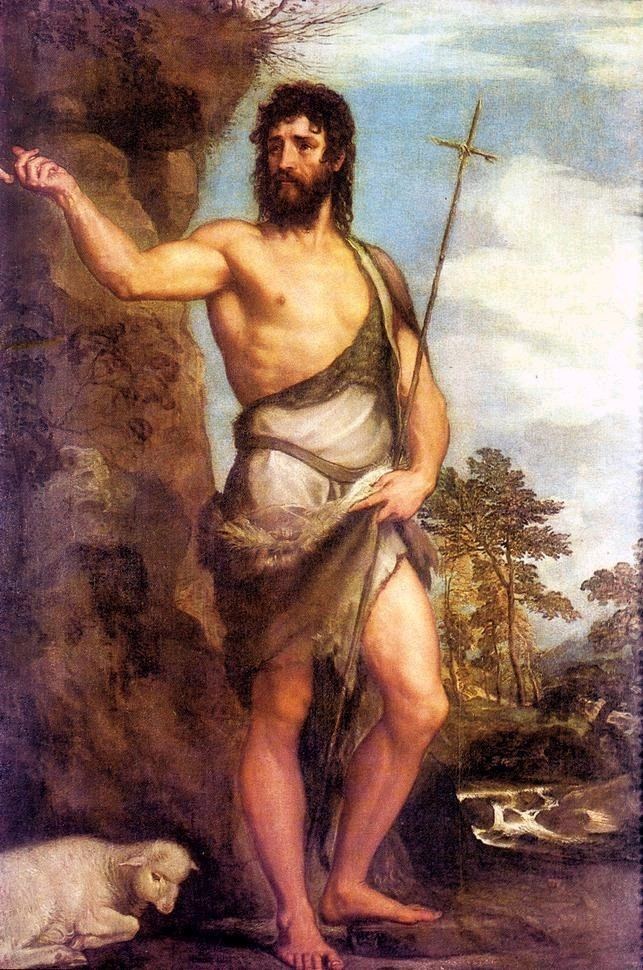
Pada Minggu Adven kedua, kita bertemu dengan sosok Yohanes Pembaptis. Dia adalah salah satu tokoh yang paling menonjol dan berpengaruh dalam Injil. Keempat penginjil menyebut dia dan sering menggambarkan dia sebagai orang yang tak kenal takut yang bahkan berani menantang orang yang paling berkuasa di Galilea, Herodes Antipas. Dari padang gurun Yudea, ia datang dan memposisikan diri pada tempat strategis di lembah Yordan. Tempat adalah jalan utama yang menghubungkan Yerusalem dengan seluruh Israel, dan Yohanes memanfaatkan momen itu untuk menyatakan kedatangan Mesias. Kita bisa membayangkan suaranya yang kuat menggelegar di seluruh lembah dan mengguncang setiap hati yang mendengarkan.

Mesias akan datang, dan jalan-Nya harus dipersiapkan. Namun, kita tidak mempersiapkan kedatangan-Nya dengan karpet merah, karangan bunga, atau parade musik besar. Dia tidak akan datang dan menyelami para pejabat dan disambut dengan perjamuan pesta. Dia tidak membutuhkan persiapan eksternal tetapi menuntut transformasi internal. Maka, Yohanes berteriak dengan suara nyaring, “Bertobatlah!”

Satu pertanyaan mungkin membuat kita bertanya-tanya: mengapa Yohanes membaptis orang? Membaptis berarti membasuh diri dengan air, dan dalam tradisi Yahudi, ini adalah sebuah ritual Yahudi yang umum untuk membersihkan diri dari kenajisan. Para peziarah Yahudi akan membasuh diri sebelum mereka memasuki Bait Allah Yerusalem, dan ada banyak kolam kecil untuk tujuan ini yang disebut ‘mikvah’ di kota Yerusalem. Satu tradisi mengatakan bahwa Yohanes berasal dari sekte Yahudi bernama Essenes. Kelompok ini terkenal karena kepatuhan mereka yang ketat terhadap Hukum Musa. Bahkan, mereka memiliki standar ekstrim dalam hal menjaga diri dari kenajisan, dan mereka akan melakukan ritual pembasuhan bahkan beberapa kali sehari. Jika tradisi ini benar, Yohanes tahu betul betapa pentingnya pembaptisan dengan air.

Namun, Yohanes tidak hanya mengulangi ritual pentahiran Yahudi yang lama. Dia merevolusi hal ini. Yohanes membaptis orang dengan air sebagai tanda eksternal dari pertobatan internal. Bagi Yohanes, tidak ada gunanya jika orang pergi ke Bait Allah dan melakukan berbagai ritual, tetapi hati mereka jauh dari Tuhan.

Yohanes Pembaptis mengingatkan inti Adven: persiapan rohani untuk kedatangan Yesus. Kita menyadari bahwa Adven adalah masa persiapan untuk kedatangan Kristus, tetapi seringkali kita tidak tahu bagaimana mempersiapkannya. Terkadang, kita menghabiskan waktu dan uang kita untuk membeli hadiah, menyiapkan dekorasi Natal, dan merencanakan liburan. Terkadang, kita sibuk berlatih untuk Misa Natal, atau mempersiapkan diri untuk pesta dan perayaan. Namun, jika kita lupa mempersiapkan diri secara rohani, kita bisa kehilangan segalanya.

Warna liturgi Adven adalah ungu, dan ungu yang sama yang kita gunakan pada masa Prapaskah. Jika ungu di Prapaskah berarti warna pertobatan, ungu Adven memiliki karakter yang sama. Ketika Yohanes Pembaptis mengingatkan orang-orang untuk mempersiapkan jalan bagi Mesias dengan perubahan hati, Gereja juga memanggil kita untuk mempersiapkan kedatangan Tuhan kita dengan pertobatan dan latihan rohani.

Valentinus Bayuhadi Ruseno, OP

[JANGAN LUPA SUBSCRIBE DAN SHARE YA UNTUK MENDUKUNG KARYA RM. BAYU, OP]