

The Epiphany of the Lord [January 6, 2019] Matthew 2:1-12
 The third question Archbishop Socrates Villegas asked me during my ordination was “Are you afraid enough? Just like the first two questions, this one is also counterintuitive. One of my favorite phrases in the Bible is “Do not be afraid!” In many occasions in the Scriptures, this statement does not simply convey encouragement, but also a life-changing mission. When Abram was getting old and he was childless, he doubted to enter the convent with the Lord who promised him descendants like the stars in heaven, God said, “do not fear!” (Gen 15) Then, Abraham became the father of all nations. When God called Jeremiah to prophesy to Judah, he found an excuse in his young age, but God said, “do not be afraid!” (Jer 1:8) Then, Jeremiah became one of the greatest prophets of Israel. When Joseph felt betrayed and yet in his mercy, planned to divorce Mary in secret, the angel said to him, “Joseph, son of David, do not be afraid to take Mary your wife into your home.” (Mat 1:20) Then, Joseph became the foster father of the Son of God. When Mary received the Good News from the angel Gabriel, she did not understand what was happening, Gabriel said to her, “Do not be afraid, Mary, for you have found favor with God.” (Luk. 1:30) Then, she became the Mother of God.
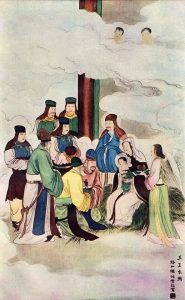
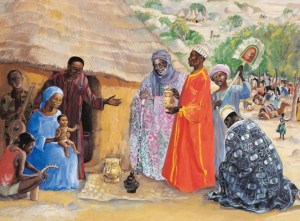
We need in the Church, the people who are not afraid to follow God’s call to love and to serve. We need priests who do not fear to proclaim the Gospel despite hardship, trials, and even threats to their lives. We need religious men and women who do not fret to serve the poor, the marginalized and the forgotten. We need the clergymen who dare to say no to the comfort of life, to fight off laziness, and to serve and to be served. We need lay men and women who are courageous in making their daily sacrifice for their families and in witnessing to Jesus Christ. We can learn also from the three Magi who traveled a thousand miles from the east, braved all dangers including the bandits and violent weathers, and challenged the power-hungry Herod, just to see the baby Jesus.
However, to have no fear does not mean recklessness. In the same Bible, we discover also that there is one fear that is needed and in fact, holy. This is the fear of the Lord (Job 28:28; Psalm 110:10). It is not the fear that flows from the fearsome and vengeful image of God. We are afraid because God will punish us and throw us to hell! No, it is a wrong image. We fear the Lord because we are afraid to offend someone who loves, someone who has loved us tremendously. We should be afraid that we lose God because of our sinful attachments. We must fear that we are separate from God who is the source of our life. The priests should be afraid to celebrate the Eucharist unworthily. The lay men and women must be afraid to approach the Eucharist and other sacraments in vain. The clergymen should be afraid to steal the money of the Church. The men of God must fear to deny the spiritual needs of the people. Again, the three Magi are our good model. They dared many challenges and defied Herod the great, but before the baby Jesus, they prostrated themselves and gave homage. It is the holy fear of God.
Deacon Valentinus Bayuhadi Ruseno, OP
 Pertanyaan ketiga yang diajukan Uskup Agung Socrates Villegas kepada saya saat saya ditahbiskan adalah, “Apakah kamu takut? Sama seperti dua pertanyaan sebelumnya, pertanyaan ini juga berlawanan dengan intuisi dasar. Salah satu ungkapan favorit saya dalam Alkitab adalah “Jangan takut!” Dalam banyak kesempatan dalam Kitab Suci, pernyataan ini tidak hanya menyampaikan dorongan semangat, tetapi juga sebuah misi yang mengubah hidup. Ketika Abram menjadi tua dan tidak memiliki anak, dia ragu dengan janji Tuhan yang menjanjikan keturunan seperti bintang-bintang di langit, Allah berkata, “Jangan takut!” (Kej 15) Akhirnya, Abraham menjadi bapak dari bangsa-bangsa. Ketika Allah memanggil Yeremia untuk bernubuat kepada Yehuda, ia ragu dan beralasan bahwa usianya yang masih muda, tetapi Tuhan berkata, “Jangan takut!” (Yer 1:8) Lalu, Yeremia menjadi salah satu nabi terbesar Israel. Ketika Yusuf merasa dikhianati saat dia mengetahui Maria mengandung diluar nikah, namun dalam belas kasihannya, ia berencana untuk menceraikan Maria secara rahasia, malaikat pun berkata kepadanya, “Yusuf, anak Daud, jangan takut untuk mengambil Maria sebagai istrimu.” (Mat 1:20) Kemudian, Yusuf menjadi ayah angkat Putra Allah. Ketika Maria menerima Kabar Baik dari malaikat Gabriel, dia tidak mengerti apa yang sedang terjadi, Gabriel pun berkata kepadanya, “Jangan takut, Maria sebab engkau beroleh kasih karunia di hadapan Allah.” (Luk. 1:30) Lalu, dia menjadi Bunda Allah.
 Some of us may wonder why the Church places the celebration of the solemnity of Mary, the Mother of God on January 1, or on the New Year. One may guess that the Church wants us to attend mass on the first day of the year, so as to start the year right. For those who wish to have a long holiday, it might be pretty a killjoy, but for some of us who wish to be blessed for the entire year, it is a nice thought. Yet, surely there is something deeper than that.
 Kita mungkin bertanya-tanya mengapa Gereja menempatkan Hari Raya Maria, Bunda Allah pada tanggal 1 Januari, atau pada Tahun Baru. Orang mungkin berpikir bahwa Gereja ingin kita menghadiri misa pada hari pertama tahun baru ini. Bagi mereka yang ingin memiliki liburan panjang, ini mungkin tidak menyenangkan, tetapi bagi sebagian dari kita yang ingin diberkati sepanjang tahun, itu adalah ide yang bagus. Namun, pasti ada sesuatu yang lebih dalam mengapa tanggal 1 Januari.
 We are celebrating the feast of the Holy Family of Nazareth, the feast day of Jesus, Mary, and Joseph. The last event in the Bible that presents the Homily Family together is the Finding of the Child Jesus in the Temple. After this event, Joseph no longer appeared in the Bible, and according to the tradition, he passed away even before he was able to see Jesus in His public ministry. Since this is the last episode where Joseph gets involved in the narrative, we shall reflect more about him.
 Minggu ini, kita merayakan pesta Keluarga Kudus Nazareth. Peristiwa terakhir dalam Alkitab yang menghadirkan Keluarga Kudus adalah ketika Yesus ditemukan di Bait Allah. Setelah peristiwa ini, Yusuf tidak lagi muncul dalam Alkitab, dan menurut tradisi, ia meninggal bahkan sebelum ia dapat melihat Yesus mewartakan Injil. Karena ini adalah episode terakhir di mana Yusuf terlibat dalam narasi, kita akan merenungkan Injil hari ini dan belajar dari St. Yusuf.
 Balthazar, Melchior, and Gaspar, as the tradition called them, were neither Jews nor baptized Christians. In Greek ancient manuscripts of the Gospel, the word used to describe them is ‘magos’, meaning ‘someone with magical power’ or ‘magicians’, and practicing magic is detestable in the eyes of the Jews (2 Chro 33:6). Even the Catholic Church herself prohibits our engagement with any kind of magic (CCC 2116). Yet, we cannot be sure what kind of magic they craft, but one thing is certain that these Magi read the sign of times and follow the star. Because of this, they are called as one of those ancient astrologers, star-readers who predict the human behaviors and the future.
 Menurut tradisi, nama tiga orang Majus adalah Balthazar, Melchior, dan Gaspar. Dalam bahasa Yunani, kata yang digunakan untuk Majus adalah ‘magos’, yang berarti ‘seseorang dengan kekuatan magis atau sihir’, dan mempraktekkan ilmu magis adalah sebuah kesalahan besar di mata orang-orang Yahudi (2 Taw 33: 6). Bahkan Gereja Katolik sendiri melarang kita memiliki kontak dengan praktek magis atau sihir apa pun (Katekismus 2116). Namun, kita tidak bisa memastikan bentuk magis apa yang digunakan oleh orang Majus ini, tapi satu hal yang pasti bahwa mereka membaca tanda zaman dan mengikuti bintang. Karena itu, mereka bias disebut sebagai astrolog kuno, pembaca bintang yang memprediksi perilaku manusia dan masa depan.
 Some of us may wonder why the Church places the celebration of the solemnity of Mary, the Mother of God on January 1, or on the New Year. One may guess that the Church wants us to attend mass on the first day of the year, so as to start the year right. For those who wish to have a long holidays, it might be pretty a kill joy, but for some of us who wish to be blessed for the entire year, it is a nice thought. Yet, surely there is something deeper than that.
 Today, the Church is celebrating the feast of the Holy Family. Saint Joseph and the Blessed Virgin Mary are man and woman regarded as the holiest among mortals. And the center of their family is Jesus, the Son of God. They are not only one holy family among others, but they are the perfection of the Holy Family. Looking at our own families, we realize we are nothing to compare to this Holy Family. We are called to be holy like them, but we continue to struggle and fail. Nobody among us is immaculately conceived like the Virgin Mary. No woman among us gives birth to the Son of God through the power of the Holy Spirit. Many of us surely love to sleep, but who among us like St. Joseph, receive genuine appearance of the Angel in our dream? Despite our best efforts, we keep hurting each other, failing each other, and are far from the ideal example of the Holy Family.
 In Medio Ecclesiae