

Minggu Paskah [A]
5 April 2026
Matius 28:1-10
Kita menyukai cerita, terutama yang penuh dengan drama dan alur cerita yang tak terduga. Oleh karena itu, Allah mengutus Putra-Nya yang tunggal untuk menjadi manusia dan masuk ke dalam sejarah manusia. Kemudian, di bawah pengaruh Roh Kudus, para murid-Nya menceritakan dan menuliskan kisah hidup Yesus menjadi sebuah cerita, yakni Injil. Kisah-Nya telah menjadi cerita terhebat yang pernah dikisahkan. Namun, mengapa kita suka mendengarkan cerita, dan mengapa cerita tentang Yesus adalah yang terbaik?
Kita adalah makhluk yang memiliki kemampuan untuk berbahasa. Melalui kata-kata, kita tidak hanya berkomunikasi satu sama lain, tetapi juga menemukan makna dan tujuan dalam hidup kita. Pada zaman kuno, orang-orang menceritakan kisah-kisah mitos untuk memahami berbagai fenomena alam seperti hujan, guntur, dan bintang-bintang. Di zaman modern, kita memiliki ilmu pengetahuan untuk menjelaskan fenomena-fenomena ini, tetapi jika teori-teori ilmiah ini tidak dijelaskan seperti sebuah cerita yang menarik, kita tidak akan mudah memahaminya dan tidak tertarik untuk mendalaminya.
Kita tidak hanya menggunakan cerita untuk memahami lingkungan sekitar kita, tetapi juga untuk memahami siapa diri kita. Kita secara alami tertarik pada cerita yang baik, entah dalam novel yang ditulis dengan baik, pertunjukan teater yang dikemas dengan apik, atau film atau drama Korea yang diproduksi dengan matang. Kenapa? Karena kita dapat dengan mudah menjadi satu dengan cerita-cerita ini. Cerita yang baik membuat kita tertawa, menangis, bahkan marah, meskipun kita tahu kita sebenarnya bukan bagian dari cerita tersebut. Namun, cerita yang lebih besar adalah yang menjawab makna hidup kita. Kita belajar dari nilai-nilai yang dipegang setiap karakter, kata-kata yang mereka ucapkan, serta tindakan yang mereka lakukan.
Suatu kali, saya memutuskan untuk membaca novel klasik “The Brothers Karamazov” karya Fyodor Dostoyevsky. Awalnya, saya merasa malas saat melihat tebalnya buku itu, lebih dari 800 halaman. Namun, begitu mulai membacanya, saya terhanyut ke dalamnya, bukan hanya karena alur ceritanya yang tak terduga, tetapi juga karena setiap karakter tampak begitu hidup. Saya tertarik pada karakter Alyosha Karamazov, seorang pemuda yang berjuang mencari Tuhan setelah mentor tercintanya, Romo Zosima, meninggal dunia. Dalam pencariannya, dia menemukan kembali romo Zosima di dalam orang-orang yang tidak pernah dia duga sebelumnya.
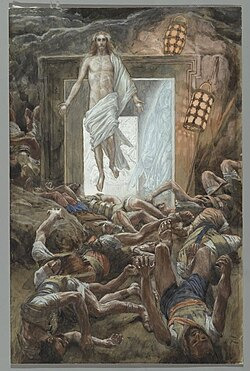
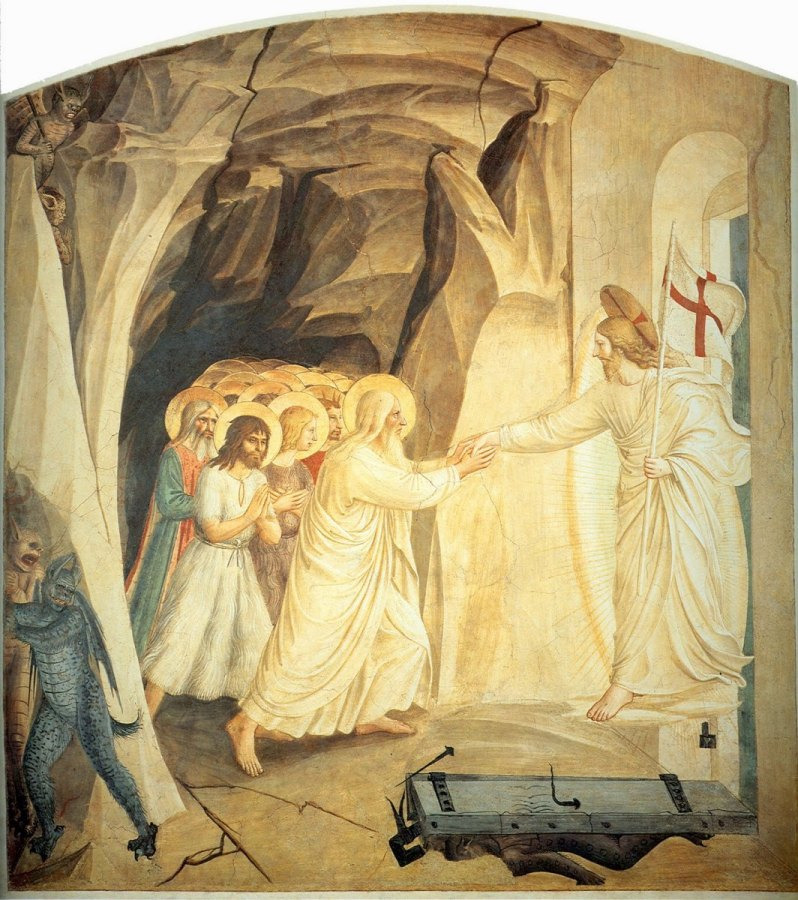
Kembali ke kisah Yesus, alasan mengapa kisah-Nya adalah kisah paling berpengaruh adalah karena kehidupan Yesus dipenuhi dengan alur cerita yang tak terduga: Ia disalibkan, namun bangkit dari kematian; dikhianati, namun kembali dengan kekuatan yang lebih besar; dan dijatuhkan ke tempat terendah, namun kembali dengan kemuliaan. Selain itu, kehidupan dan kata-kata-Nya mengajarkan kita makna terdalam dan tujuan akhir hidup kita. Ajaran-ajaran-Nya seperti berbagai perumpamaan, khotbah di Bukit, dan Hukum Kasih tetap menjadi prinsip-prinsip abadi yang membimbing kita menuju kebahagiaan sejati.
Akhirnya, kisah Yesus adalah kisah terhebat dari semua kisah karena bagi kita yang memiliki iman, kita menjadi bagian dari kisah Yesus, dan kisah-Nya menjadi kenyataan dalam hidup kita. Hidup di dunia ini, kita pasti menanggung rasa sakit dan penderitaan, dan pada akhirnya, kita akan mati. Namun, bagi kita yang setia kepada Yesus, bahkan hal-hal terburuk yang menimpa kita, bahkan kematian sekalipun, tidak akan menjadi akhir dari kita. Yesus yang bangkit telah mengalahkan maut. Oleh karena itu, seperti yang dikatakan St. Paulus, “Jika kita telah mati bersama Kristus, kita percaya bahwa kita juga akan hidup bersama-Nya (Rom 6:8).”
Selamat Paskah!
Leuven
Valentinus Bayuhadi Ruseno, OP






 In Medio Ecclesiae