Why Love

5th Sunday of Easter [C]
May 14, 2022
John 13:31-35

Jesus is giving His disciples a new commandment: to love one another. This is not just a recommendation, advice, or suggestion. It is a commandment, and therefore, it is a must to do. What is more interesting is that Jesus consciously connects His New Commandments with the old ones: the Ten Commandments. What are the connections and why does Jesus make this new commandment?

photocredit: Jon Tyson

If we go back to the historical context of the giving of the Ten Commandments, the Israelites were just miraculously freed from Egypt, and they camped at Mount Sinai. There, God came and offered His covenant: The Lord will be their God, and Israel will be their people. Then, God gave the Ten Commandments and other laws as the basic constitutions of what it is to be the people of God. By obeying and living these Commandments, they were going to be the holy nation. They were a nation different from other nations, but a nation separated for God.

Fast forward to Jesus’ Last Supper, Jesus gives the New Commandment. Connecting with the Old Testament, Jesus’ commandment is not just a must to do, it is also our constitutive identity as Jesus’ disciples. This is the commandment that makes us different from the rest. No wonder Jesus explains to His disciples, “By this everyone will know that you are my disciples if you have a love for one another [John 13:35].” This is the commandment that makes us holy, set apart from the others and for Jesus.

However, to love is tough. To love someone means we become vulnerable, and we are open to the possibility of getting hurt. We are betrayed by people we love and trust, our friends, our spouse, our brothers, and our children. I am a priest for barely three years, but living in Surabaya, one of the major cities in Indonesia, I have to listen to a good number of people with broken relationships in marriages and families. I am saddened by the terrible situations that they have to endure, and I cannot help much. Sometimes, people must bear the painful consequence of broken relationships throughout their lives. Wounded by betrayal, we tend to build walls around our hearts, and our capacity to love is gradually dwindling.

Why does Jesus insist on love, to the point of making it the new commandment? The answer is that love is who Jesus is. ‘Love one another as I have loved you!’ Jesus loved His disciples, but after the Last Supper, a disciple betrayed Him, another denied Him, and many were abandoning Him. The people He loved dearly, crucified Him. Yet, Jesus was never a helpless victim. He entered His suffering willingly, and He transformed His death into an act of total self-giving. Jesus knew that His disciples would do terrible things, but He chose to celebrate an intimate Last Supper with them. He forgave people who crucified Him. He gave His dying love to His mother and the beloved disciple. Even death does not stop Him from loving. He has to rise again and bring forgiveness and peace to His disciples. He then sends His Holy Spirit as a sign of His abiding love.

To love fully and sacrificially is our identity as Jesus’ disciples. Though loving is often tough and sometimes, heart-breaking, love is who we are as God’s image. There is no way to heaven except the way of love.

Valentinus Bayuhadi Ruseno, OP
Do You Love Me?

3rd Sunday of Easter [C]
John 21:1-19
May 1, 2022

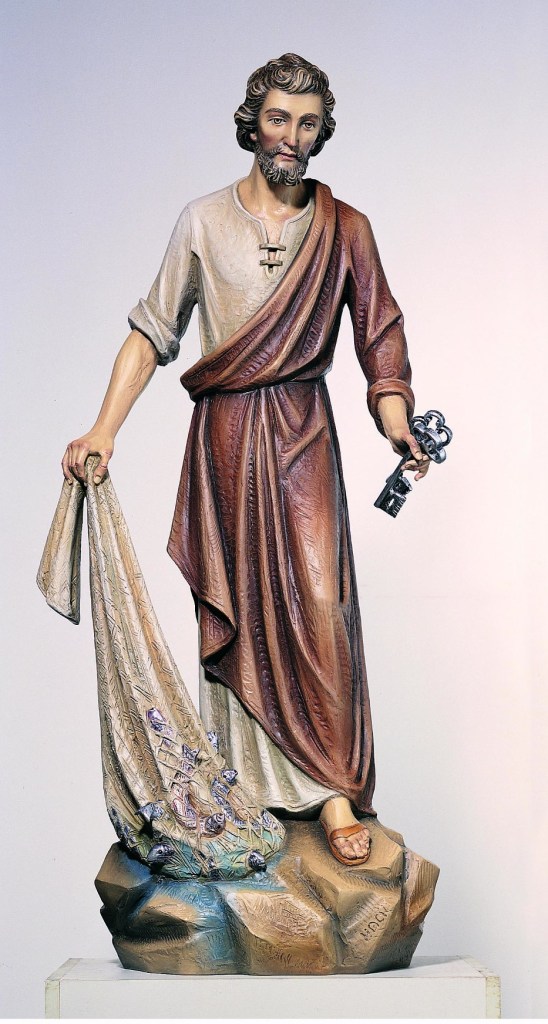
Simon Peter is a total mess. He is impulsive and even perhaps explosive. One time, he tried to remind his Master and thought he was better than Jesus, but immediately, Jesus scolded him and even told him, “get behind me Satan.” At the Gethsemane, Jesus told His disciples that they would desert Him, Simon once again was full of confidence, and said, “Though all become deserters because of you, I will never desert you.” Jesus famously prophesied that Peter would eventually deny Him. Simon immediately countered, “Even though I must die with you, I will not deny you” [Mat 26:31-35]

Unfortunately, Peter was nothing but empty words and promises. When Jesus was arrested and detained in the high priest’s house, Peter was near the charcoal fire and tried to warm himself on a chilling night. While Jesus was thrown into the dungeon, Simon only care about himself and conveniently refused to acknowledge his identity as Jesus’ disciple. When the rooster crowed, Simon remembered what Jesus has said, and he went away and wept bitterly. Peter’s pride was shattered into pieces, and he must have realized that he was nothing but a big failure.

Indeed, Peter could have ended as a total mess, yet Jesus did not give up on him. In Galilee, Peter once again saw his Risen Master, and Jesus had prepared a charcoal fire and fish and bread. Seeing this charcoal, Peter was brought back to that moment he denied the Lord. Peter had chosen his warm and comfort zone in exchange for the Lord. Then, the Lord asked Peter, “Simon, son of John, do you love me more than these?” John the evangelist informs us that Jesus is using the word ‘agape’, a higher and sacrificial love. This question shook Simon’s heart. Peter remembered how he used to say ‘I will sacrifice my life for Jesus’, but it was nothing but empty words. Now, Jesus demanded sacrificial love from Peter. Humbled by his failure, the best answer Simon could give is, ‘You know, I love you, Lord.” Here, Peter used the word ‘filia,’ a friendship friend.

Once again, Jesus demanded a total and radical love. For the second time, Peter could only offer ‘filia’. Simon did not want to repeat the same prideful mistake and knew at that moment, that Simon could only love Jesus as a friend. However, in the third question, Jesus made a dramatic change. Jesus did not longer demand sacrificial love, but rather accommodate Simon’s ability. Jesus asks, ‘do you love as a friend?’ Peter could not contain himself and was sorrowful. Jesus understood Peter’s heart and capacity and forgave and accepted Simon the way he was. Yet, that’s not the end of the story. Simon’s love for Jesus must grow, and the time would come when Peter would love Jesus radically and give himself up for Jesus.

The story of Peter is our story as well. Our lives have been a mess, but Jesus does not give up on us. And, when we are afraid to love Him, Jesus accepts us still. He journeys with us and enables us to grow in love, until the time we can say, “You know Lord, I love you!”

Valentinus Bayuhadi Ruseno, OP

Mercy Conquers All

Second Sunday of Easter [C]
April 24, 2022
John 20:19-31

Pope John Paul II has declared the Second Easter Sunday as the Divine Mercy Sunday. On April 30, 2000, the declaration took place when John Paul II canonized Sr. Faustina Kowalski. Since then, the devotion to the Divine Mercy has grown exponentially worldwide. Nowadays, many of us do not only pray the angelus prayer, but every three in the afternoon, the hour of Jesus’ death, recite the prayer of divine mercy. More and more people make divine mercy chaplet as daily devotion aside from the rosary. Many communities gather together and organize novena to the Divine Mercy. But, do you know what mercy is? And, why does it has to be the 2nd Sunday of Easter?

The Oxford dictionary gives us an exciting definition of mercy: compassion or forgiveness shown toward someone whom it is within one’s power to punish or harm. A story may illustrate this definition of mercy. During one of the Napoleonic wars, one of the young French soldiers deserted the army and fled the battlefield. Unfortunately, he got captured. Knowing that his son would be executed, the mother rushed to see Napoleon. She said to the general, “have mercy on my son!” Napoleon immediately replied, “your son’s crime is so heinous. Justice demands his death, and he does not deserve mercy.” The mother then answered, “It is not mercy if he deserves it!”.

Let’s go back to the Biblical Hebrew language. Mercy is related to the word ‘rahamim,’ which is rooted in the word ‘Rahim’ meaning ‘womb.’ Thus, ‘rahamim’ implies a mother’s feelings and attitude toward her children. We know that we have hurt our mothers too often if we try to reflect on our lives and our relationship with our mothers. Since we live in their wombs until we grow to adulthood, we give them countless headaches and heartaches. Yet, despite the terrible things we have done, our good mothers keep accepting and loving us as their children.

Then, why the second Sunday of Easter? This Sunday, the Church always selects the story of resurrection from John, the evangelist. There are some exciting details. The disciples locked themselves in the room because of fear of the Jews. Yet, more than fearing the Jewish authorities, they dreaded Jesus, who returned and took His vengeance. Yet, Jesus came not to bring punishment but forgiveness. Thus, the first thing He said was ‘Peace’! They have peace because Jesus, who has the power to inflict punishment, decides to have mercy on them.

Yet, Jesus does not stop there. He also breathed the Holy Spirit and gave them the divine authority to forgive sins. To teach the true meaning of mercy and forgiveness, Jesus has to suffer the cross, die, and get buried. Jesus teaches them that the worst things may fall upon Jesus, but this hatred, wrath, and vengeance will not have the last say.

We deserve death and hell with so many sins we have committed, but the resurrection points to us that however terrible we treat Jesus, mercy will always triumph. His forgiveness is always ready to embrace us. We need to do one thing: beg for that mercy.

Valentinus Bayuhadi Ruseno,OP

Jesus Resurrected?

Easter Sunday [C]
John 20:1-9
April 17, 2022

Jesus has risen! Alleluia! This is the foundation of our faith and our salvation. We know for sure that what Jesus said and what He did for us are true. Death is conquered, and the darkness’ power is decisively defeated.

photocredit: Bruno van der Kraan

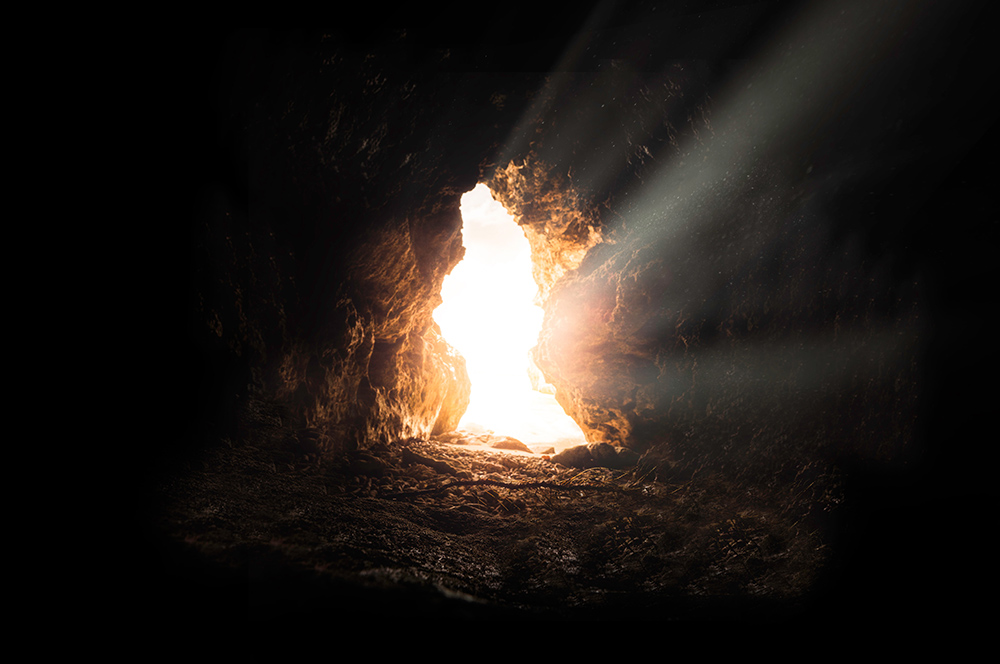
But, what is the evidence of Jesus’ resurrection? The answer is the empty tomb.
Yet, how do we know for sure that Jesus has indeed risen from the dead? Is an empty tomb enough evidence for His resurrection? Is there a possibility that Jesus’ body was stolen, or Jesus was still alive and was able to escape? Let’s check whether these arguments can hold water.
Firstly, His disciples came at night and stole their master’s body. Then they spread the rumor that Jesus has risen from the dead. At first, this sounds possible, but after closer examinations, we realize that Roman soldiers guarded the tomb. A bunch of fishermen was not just a match for the professional army. At the same time, the disciples were in complete disarray after their master was captured and crucified.

Secondly, the one crucified was not Jesus, which is a case of mistaken identity. This argument is not attainable. Judah played an essential role in ensuring that the one arrested was Jesus, not someone else. Jesus’ trial was done in public, and thus, it was easy to recognize whether the person was Jesus. Plus, the mother and other disciples of Jesus were also present during the crucifixion, and they recognized the one on the cross was Jesus.

Thirdly, Jesus was not dead, and He was able to find His way out of the tomb. This argument is implausible. Jesus was tortured severely and crucified. A soldier pierced His side to verify His death, which alone could deal a mortal blow. Just in case Jesus survived all these ordeals, the tomb would seal Jesus inside, and without proper ventilation and immediate treatment, Jesus would suffocate and die.

Aside from these counterarguments, had Jesus’ resurrection been a lie, it would eventually die down. Many Jewish people believed in the resurrection of the dead, but it will occur at the end of time, not during their lifetime. The Greeks and the Romans thought the idea of resurrection silly. Yet, Jesus’ disciples would gladly die for this truth. Even after horrific forms of torture, they would not give up their belief in the resurrection because it is simply the truth.

Another interesting detail is that the first witnesses of the empty tomb are women. In ancient Jewish society, women’s testimony was not honored. The evangelists could have altered the women’s witnesses with more credible male counterparts. Yet, they did not do that because they could not change the truth that the women were indeed the witnesses of the empty tomb.

There is no other fitting explanation than the resurrection. Jesus has risen, and our faith is not in vain. We have been redeemed, and we know that is true. We rejoice and celebrate for this Jesus’ victory over death.

Valentinus Bayuhadi Ruseno, OP
The Holy Spirit and Us

Pentecost Sunday [B]

John 20:19-23

May 23, 2021

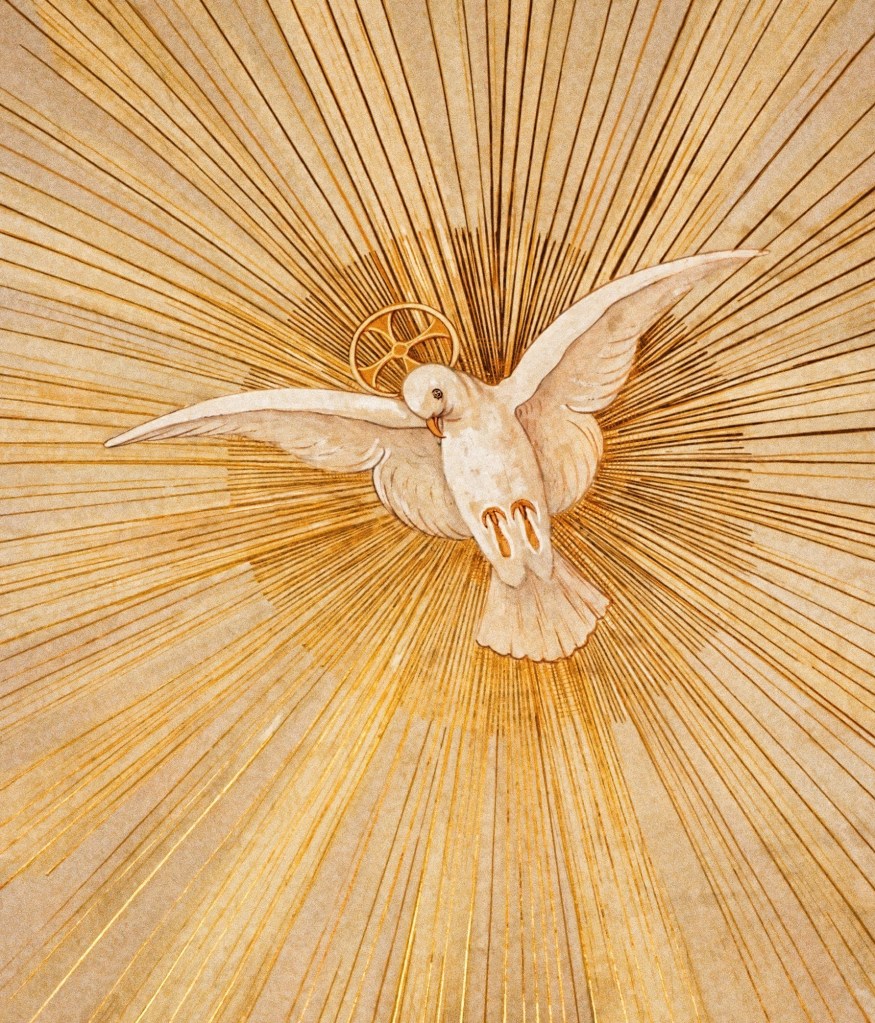
The Pentecost is the feast of the Holy Spirit. We are celebrating the descent of the Holy Spirit upon the Church, and this event commences the age of the Holy Spirit. With the help of the Holy Spirit, the disciples slowly grew and gradually expanded into the biggest community in the world. However, among the three divine persons, the Holy Spirit is often left behind and sometimes misunderstood. Surely, this reflection does not and cannot cover the entire subject of pneumatology, but it offers us a little piece of information that hopefully will lead us to gratitude.

Firstly, Faith in Jesus Christ is fundamentally a gift of the Holy Spirit. St. Paul reminds us that without the help of the Holy Spirit, we will not believe in Jesus as our Lord and God [see 1 Cor 12:]. To believe in a creator and almighty God may not be difficult because our mind can discern His existence. However, to believe in the God who took the human nature in the womb of a humble woman, and eventually suffered death on the cross is just beyond human ordinary reasoning. This Jesus did not stop on the cross, but He rose from the death, and decided to be present sacramentally and really in the Eucharist. The God of the universe become a small white host! Without this supernatural gift of the Holy Spirit, it is naturally impossible to have this extraordinary faith. Yet, for those who have the gift of faith, believe in Jesus seems as natural as breathing. 

Secondly, the Holy Spirit animates and strengthens the Church here on earth. Often, we mistakenly thought that the Holy Spirit only functioned when someone begins speaking in tongue. Yet, the Holy Spirit’s roles are more much massive and fundamental that. The Holy Spirit strengthens us in the time of trials. That’s why we ask for the gift of fortitude. The Holy Spirit enlightens us when we are having hard time in understanding our faith and the meaning of life. That’s why we ask for the gift of understanding. These are just two of seven gifts of the Holy Spirit! The Holy Spirit inspired the writers of the Sacred Scriptures that they were empowered to produce the Word of God. And, only the Holy Spirit can make the sacraments the means of God’s grace.

Thirdly, the Holy Spirit is the source of our holiness. The Holy Spirit does not only make the beginning of our faith possible; He does not only sustain and nourish our growth in hope, but He also gives spiritual fruits. For us who are persevering and relying on the Holy Spirit, we enjoy the fruit of the Holy Spirit: love, joy, peace, patience, kindness, generosity, faithfulness, gentleness, self-control [see Gal 5:22]. In fact, the eternal bliss in heaven is a gift of the Holy Spirit. We recall that the only sin that will not be forgiven is the blasphemy against the Holy Spirit [see Mat 12:30]. The Church has taught us that this sin is the final impenitence [CCC 1864]. If we obstinately reject the works of the Holy Spirit within us, we throw insult to the Holy Spirit, and if until our dying breath, we close our hearts to Him, then salvation is lost.

The Holy Spirit is in the beginning of our journey of faith, He is present along the way and He grants the final gift of salvation. Praise be to the Holy Spirit!

Valentinus Bayuhadi Ruseno, OP

Roh Kudus dan Kita

Minggu Pentekosta [B]

Yohanes 20: 19-23

23 Mei 2021

Pentekosta adalah hari raya Roh Kudus. Kita merayakan turunnya Roh Kudus ke atas Gereja, dan momen ini memulai era Roh Kudus. Dengan bantuan Roh Kudus, para murid perlahan-lahan tumbuh dan secara bertahap berkembang menjadi komunitas terbesar di dunia. Namun, sayangnya, di antara ketiga pribadi ilahi, Roh Kudus sering kali sering dilupakan dan terkadang disalahpahami. Tentunya, refleksi ini tidak akan dan tidak dapat mencakup seluruh pneumatologi [subjek tentang Roh Kudus], tetapi saya mencoba menawarkan secuil refleksi yang diharapkan akan membawa kita pada rasa syukur kepada Roh Kudus.

Pertama, iman kepada Yesus Kristus pada dasarnya adalah karunia Roh Kudus. Santo Paulus mengingatkan kita bahwa tanpa bantuan Roh Kudus, kita tidak akan bisa percaya kepada Yesus sebagai Tuhan dan Allah kita [lihat 1 Kor 12:3]. Untuk percaya akan adanya Allah sebagai pencipta dan mahakuasa mungkin tidak sulit karena pikiran dan logika kita dapat membuktikan  keberadaan Tuhan. Namun, percaya pada Tuhan yang mengambil kodrat manusia di dalam rahim seorang wanita yang sederhana, dan akhirnya menderita di kayu salib adalah di luar nalar manusia biasa. Bahkan Yesus ini tidak berhenti di kayu salib, tetapi Dia bangkit dari kematian, dan memutuskan untuk hadir secara sakramental dan nyata dalam Ekaristi. Allah alam semesta menjadi hosti putih kecil! Tanpa karunia supernatural Roh Kudus ini, secara alami mustahil untuk memiliki iman yang luar biasa ini. Namun, bagi mereka yang memiliki karunia iman, percaya kepada Yesus tampak sealami bernafas.

Kedua, Roh Kudus menghidupkan dan memperkuat Gereja di bumi ini. Seringkali, kita salah mengira bahwa Roh Kudus hanya berfungsi ketika seseorang mulai berbicara dalam bahasa roh. Namun, peran Roh Kudus jauh lebih masif dan mendasar dari itu. Roh Kudus menguatkan kita pada saat masa-masa sulit. Itu sebabnya kita meminta karunia keperkasaan. Roh Kudus menerangi kita ketika kita mengalami kesulitan dalam memahami iman kita dan makna hidup. Itu sebabnya kita meminta karunia pengertian. Ini hanyalah dua dari tujuh karunia Roh Kudus! Jangan lupa juga bahwa Roh Kudus mengilhami para penulis Kitab Suci sehingga tulisan yang mereka hasilkan adalah Firman Tuhan sendiri. Dan, hanya Roh Kudus yang dapat menjadikan sakramen sebagai sarana rahmat Tuhan.

Ketiga, Roh Kudus adalah sumber kekudusan kita. Roh Kudus tidak hanya memungkinkan permulaan dari iman kita, Dia tidak hanya menopang dan memelihara pertumbuhan kita dalam pengharapan, tetapi Dia juga memberi buah-buah rohani. Bagi kita yang bertekun dan mengandalkan Roh Kudus, kita akan menikmati buah Roh Kudus: cinta, sukacita, damai, kesabaran, kebaikan, kemurahan hati, kesetiaan, kelembutan, pengendalian diri [lihat Gal 5:22]. Bahkan, kebahagiaan abadi di surga adalah karunia Roh Kudus. Kita ingat bahwa satu-satunya dosa yang tidak akan diampuni adalah penghujatan terhadap Roh Kudus [lihat Mat 12:30]. Gereja telah mengajar kita bahwa dosa ini adalah kekerasan hati kita untuk bertobat sampai akhir [KGK 1864]. Jika kita dengan tegas menolak pekerjaan Roh Kudus di dalam diri kita, kita menghina Roh Kudus, dan jika sampai nafas terakhir kita, kita menutup hati kita kepada-Nya, maka keselamatan kitapun hilang.

Roh Kudus ada di awal perjalanan iman kita, Dia hadir di sepanjang jalan dan Dia memberikan karunia terakhir keselamatan. Segala hormat dan pujian bagi Roh Kudus!

Valentinus Bayuhadi Ruseno, OP

Sanctified

7th Sunday of Easter [B]
May 16, 2021
John 17:11b-19

John chapter 17 is traditionally called Jesus’ prayer as a high priest. This prayer was in the context of the Last Supper and just before His passion and death. Jesus prayed to the Father and interceded for His disciples and all of us who believe in Him. It was a beautiful and powerful prayer.

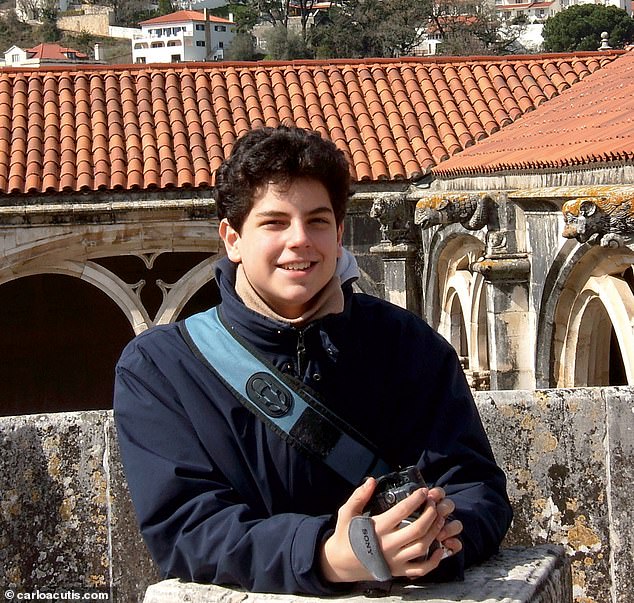
Bl. Carlo Acutis


One interesting subject that Jesus asked from the Father is that Jesus did not plead that the Father took the disciples from the world but rather to protect them from the evil one. We remember that Jesus was soon returning to the Father in the ascension, but Jesus did not want them to follow Him yet. Instead, Jesus then asked the Father to sanctify the disciples in Truth.


To sanctify is to make holy. Often our understanding of being holy is limited to those people who already in heaven. We call them the saints or the holy men and women. Yet, the fundamental meaning of ‘to be holy’ is ‘to be set apart’. In Biblical Hebrew, the word for holy is “Kados”, and it has the same meaning. Therefore, to be sanctified means to be set apart for purposes. For example, holy water is not just ordinary water because it has been blessed and set apart from everyday use like drinking or washing. It is now only for religious purposes.
In His prayer, Jesus was sanctifying His disciples. Jesus was making His disciples holy, and He was setting them apart from this world, for the Truth. Though the disciples were in the world, they no longer belonged to the world. They were consecrated to the Truth that is Jesus Christ Himself [see John 14:6]. The disciples belonged to Jesus. Thus, they remained in the world, not because they enjoyed and attaching themselves to the world, but they were to preach the Truth and bring Jesus.


Jesus’ prayer is not only for His apostles two thousand years ago but for all of us. When we are baptized, we have been set apart from the world and for God. We belong to God. Yet, the same baptism makes us share in the mission of the apostles. We remain in the world because God sent us to bring Christ to more people.
However, the temptation is that we often forget how we are and believe that we are part of the world rather than belong to Christ. We are not only simply in the world, but we become too worldly. We become too attached to the world and busy with many temporal affairs. Indeed, I am not suggesting that we all enter the monasteries or turn to be hermits. We remain in the world as who we are now, as parents, spouses, workers, teachers, students, yet in all of these, we bring Christ. Thus, holy parents do not mean those who pray in the chapel 24/7, but who raise their children with dedication and bring them to Christ. Holy workers are not those who come to workplaces and mediate the whole day, but those who work hard and honestly.


We remember Blessed Carlo Acutis. He loved to go to Mass and pray the rosaries, but He was an ordinary student and a computer geek. He used his passion for the computer to establish a Catholic website to spread the devotion to the Holy Eucharist. If Carlo Acutis can do it, why can’t we?

Valentinus Bayuhadi Ruseno, OP

Dikuduskan

Minggu Paskah ke-7 [B]
16 Mei 2021
Yohanes 17: 11b-19

Injil Yohanes bab 17 secara tradisional disebut doa Yesus sebagai imam agung. Doa agung-Nya ini terjadi dalam konteks Perjamuan Terakhir, dan tepat sebelum sengsara dan kematian-Nya. Di sini, Yesus berdoa kepada Bapa, dan menjadi perantara bagi para murid-Nya serta bagi kita semua yang percaya kepada-Nya. Sebuah doa yang sangat indah.

Bl. Carlo Acutis


Satu hal menarik yang Yesus minta dari Bapa adalah bahwa Yesus tidak memohon agar Bapa mengambil murid-murid dari dunia, tetapi untuk melindungi mereka dari si jahat. Kita ingat bahwa Yesus segera kembali kepada Bapa dalam kenaikan-Nya, tetapi Yesus belum ingin para rasul mengikuti-Nya. Sebaliknya, Yesus kemudian meminta Bapa untuk menguduskan murid-muridnya dengan kebenaran.


Menguduskan berarti menjadikan kudus atau suci. Seringkali, pemahaman kita tentang kekudusan atau kesucian terbatas pada orang-orang yang sudah di surga. Kita menyebut mereka orang-orang kudus atau santo dan santa. Namun, arti fundamental dari ‘menjadi kudus’ adalah ‘dipisahkan’ atau ‘dikhususkan’. Dalam Bahasa Ibrani, kata untuk kudus adalah “Kados” dan memiliki arti yang sama. Oleh karena itu, dikuduskan berarti dikhususkan untuk tujuan tertentu. Seperti misalnya air suci, bukan lagi air biasa karena telah diberkati dan dipisahkan dari penggunaan biasa seperti minum atau kumur, dan sekarang dikhususkan untuk keperluan keagamaan.


Dalam doa-Nya, Yesus menguduskan murid-murid-Nya. Yesus menjadikan murid-Nya kudus, dan ini berarti, Yesus memisahkan mereka dari dunia ini, bagi kebenaran. Meskipun para murid ada di dunia, mereka bukan lagi milik dunia. Mereka dikuduskan pada kebenaran yaitu Yesus Kristus sendiri [lihat Yohanes 14: 6]. Murid-murid ini sekarang milik Yesus. Jadi, mereka tetap di dunia, bukan karena mereka menikmati dan melekatkan diri mereka pada dunia, tetapi mereka diutus memberitakan Kebenaran dan membawa Yesus.


Doa Yesus tidak hanya untuk para rasul-Nya dua ribu tahun yang lalu, tetapi untuk kita semua. Ketika kita dibaptis, kita telah dipisahkan dari dunia, dan dikhususkan bagi Tuhan. Kita adalah milik Tuhan. Namun, baptisan yang sama membuat kita ikut serta dalam misi para rasul. Kita tetap di dunia karena Tuhan mengutus kita untuk membawa Kristus kepada lebih banyak orang.


Namun, godaannya adalah kita sering lupa siapa kita sebenarnya, dan mulai percaya bahwa kita adalah bagian dari dunia, bukan milik Kristus. Kita tidak hanya di dunia ini, tapi kita menjadi terlalu duniawi. Kita menjadi terlalu terikat dengan dunia, dan sibuk dengan banyak urusan duniawi. Tentu saja, saya tidak menyarankan agar kita semua memasuki biara atau beralih menjadi pertapa. Kita tetap di dunia seperti kita sekarang, sebagai orang tua, suami-istri, pekerja, guru, siswa, namun dalam semua ini, kita membawa Kristus. Jadi, orang tua yang kudus bukan berarti mereka yang berdoa di kapel 24 jam, tetapi yang membesarkan anak-anak mereka dengan dedikasi dan membawa mereka kepada Kristus. Pekerja suci bukanlah mereka yang datang ke tempat kerja dan kemudian bertapa sepanjang hari, tetapi mereka yang bekerja keras dan jujur.


Kita ingat Beato Carlo Acutis. Dia senang pergi ke Misa dan berdoa rosario, tetapi dia adalah siswa biasa dan pencinta komputer. Dia menggunakan kecintaannya pada komputer untuk membangun situs web Katolik untuk menyebarkan devosi kepada Ekaristi Kudus. Jika Carlo Acutis bisa melakukannya, mengapa kita tidak?

Valentinus Bayuhadi Ruseno, OP

Three Ways to Remain in Christ

Fifth Sunday of Easter [B]
May 2, 2021
John 15:1-8

Jesus said, “Remain in me, as I remain in you. Just as a branch cannot bear fruit on its own unless it remains on the vine, so neither can you unless you remain in me [John 15:4].” To remain in Jesus is not just an option but a necessity to bear fruits of eternal life.


The question is how we are going to remain in Jesus? We can do at least three ways. Firstly, we need to remain in His Word. Jesus said, “You are already pruned because of the word that I spoke to you. [John 15:3].” How can we remain in Jesus if we do not know Him? How can we know Him if we do not read His stories and teachings in the Bible? That is why St. Jerome famously said, “Ignorance of the Scriptures is ignorance of Christ.” Often, we, Catholics, are accused of not reading the Bible enough. While the accusation might be false, the invitation to read and reflect on the Bible remains true. Reading Scripture may be challenging, but it has its precious rewards.


Secondly, we remain in Him through the sacraments, especially the Eucharist. Jesus said, “Whoever eats my flesh and drinks my blood remains in me and I in him [John 6:56].” We face a difficult time because of the pandemic, and many people are deprived of the Holy communion. None can replace the sacramental union with Christ in the Eucharist. As a priest, I am saddened by the situation, but at the same time, I am glad because ‘absence makes the heart grows fonder.’ Often, I see some of the faithful shed their tears when they receive the Body of Christ after a long absence. The pandemic forces us to reflect more profound on the meaning of the Eucharist in our lives. Sometimes, we need to learn from the saints. Bl. Alexandrina da Costa of Portugal consumed nothing but the Holy Eucharist for 13 years until her death. The bread of life truly nourishes the soul, and when the soul is healthy, the body will manifest this vigour.


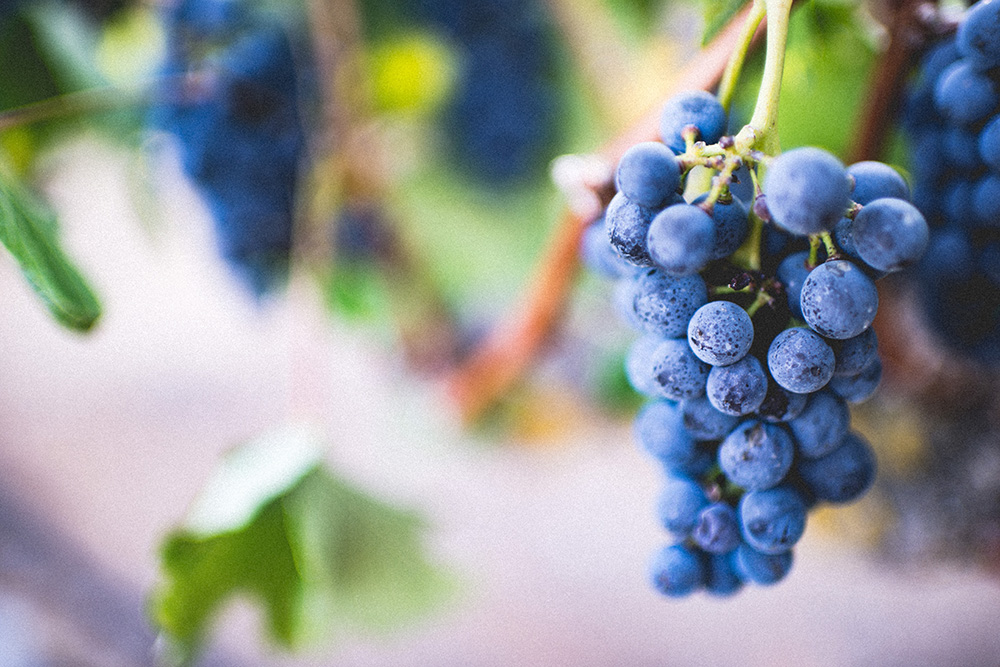
Thirdly, we remain in Christ by staying in the Church. Jesus is the vine, and we are the branches, and because of one vine, all the branches are closely interconnected. One branch does not live for the sake of itself but the entire plant. One healthy branch can contribute to the wellbeing of the whole ecosystem, and at the same time, another branch may require more nutrients and support from other parts of the plant. This is why I will encourage people to be part of a community and be active in the local Church. The Church has extremely diverse communities within her. There are groups based on age. There are communities based on spiritual traditions and devotions. While it is true that being part of a community may be difficult sometimes, it also provides the opportunity to grow and love.


These are three ways that we may remain in Jesus, and Jesus remains in us. We continue to grow and bear fruits for the glory of God.

Valentinus Bayuhadi Ruseno, OP

Tiga Jalan untuk Tinggal di dalam Kristus

Minggu Paskah kelima [B]

2 Mei 2021

Yohanes 15: 1-8

Yesus berkata, “Tinggallah di dalam Aku dan Aku di dalam kamu. Sama seperti ranting tidak dapat berbuah dari dirinya sendiri, kalau ia tidak tinggal pada pokok anggur, demikian juga kamu tidak berbuah, jikalau kamu tidak tinggal di dalam Aku. [Yoh 15:4].” Tetap berada di dalam Yesus bukan hanya sebuah pilihan tetapi keharusan agar dapat menghasilkan buah-buah kehidupan kekal.

photocredit: Amos Bar Zeev

Pertanyaannya adalah bagaimana kita akan tetap tinggal di dalam Yesus? Setidaknya kita bisa melakukan tiga cara ini. Pertama, kita perlu tetap di dalam Firman-Nya. Yesus berkata, “Kamu memang sudah bersih karena firman yang telah Kukatakan kepadamu [Yoh15:3].” Sering kali, kita, umat Katolik, dituduh kurang membaca Alkitab. Meskipun tuduhan itu mungkin salah, ajakan untuk membaca dan merenungkan Alkitab tetap benar dan sangat relevan. Membaca Kitab Suci mungkin menantang, tetapi ini sangat mendasar untuk hidup di dalam Kristus. Bagaimana kita bisa tetap di dalam Yesus jika kita tidak mengenal Dia? Bagaimana kita bisa mengenal Dia jika kita tidak membaca kisah dan ajaran-Nya di dalam Alkitab? Itulah mengapa St. Heronimus berkata, “Ketidaktahuan akan Kitab Suci adalah ketidaktahuan akan Kristus.”

Kedua, kita tinggal di dalam Dia melalui sakramen, khususnya Ekaristi. Yesus berkata, “Barang siapa makan dagingku dan minum darahku, tetap di dalam aku dan aku di dalam dia [Yoh 6:56].” Kita menghadapi masa-masa sulit karena pandemi, dan banyak orang kehilangan kesempatan untuk menerima komuni Kudus. Tidak ada yang bisa menggantikan persatuan sakramental dengan Kristus dalam Ekaristi. Sebagai seorang imam, saya sedih dengan situasi ini, tetapi pada saat yang sama, saya juga terharu karena saya melihat beberapa umat meneteskan air mata ketika mereka menerima Tubuh Kristus setelah lama tidak bisa menerima-Nya. Pandemi memaksa kita untuk merefleksikan lebih dalam tentang makna Ekaristi dalam hidup kita. Sungguh, banyak dari kita merindukan Ekaristi. Terkadang, kita  juga perlu belajar dari orang-orang kudus. Bl. Alexandrina da Costa dari Portugal hanya mengkonsumsi Ekaristi Kudus selama 13 tahun sampai kematiannya. Dari kisah Alexandrina, kita belaja bahwa Roti Kehidupan benar-benar memelihara jiwa, dan ketika jiwa sehat, tubuh akan mewujudkan vitalis ini.

Ketiga, kita tetap di dalam Kristus dengan terus bersatu dengan Tubuh-Nya, yakni Gereja. Yesus adalah pokok anggur, dan kita adalah ranting-rantingnya, dan karena satu pokok anggur, semua cabang saling berhubungan erat. Satu cabang tidak hidup untuk dirinya sendiri tetapi untuk seluruh tanaman. Satu cabang yang sehat dapat berkontribusi pada kesejahteraan seluruh ekosistem, dan pada saat yang sama, cabang lain mungkin membutuhkan lebih banyak nutrisi dan dukungan dari cabang-cabang yang lain. Inilah mengapa saya selalu mendorong umat menjadi bagian dari komunitas dan aktif di Gereja. Gereja memiliki komunitas yang sangat beragam. Ada kelompok-kelompok berdasarkan usia. Ada juga komunitas-komunitas yang memiliki berbagai tradisi spiritual dan devosi. Memang benar bahwa menjadi bagian dari komunitas terkadang sulit, hal itu juga memberikan kesempatan untuk tumbuh, mengasihi, dan berbuah.

Ini adalah tiga cara agar kita dapat tetap di dalam Yesus, dan Yesus tetap di dalam kita. Kita terus bertumbuh dan menghasilkan buah untuk kemuliaan Tuhan.

Valentinus Bayuhadi Ruseno, OP