
Second Sunday of Easter – Divine Mercy Sunday. April 3, 2016 [John 20:19-31]
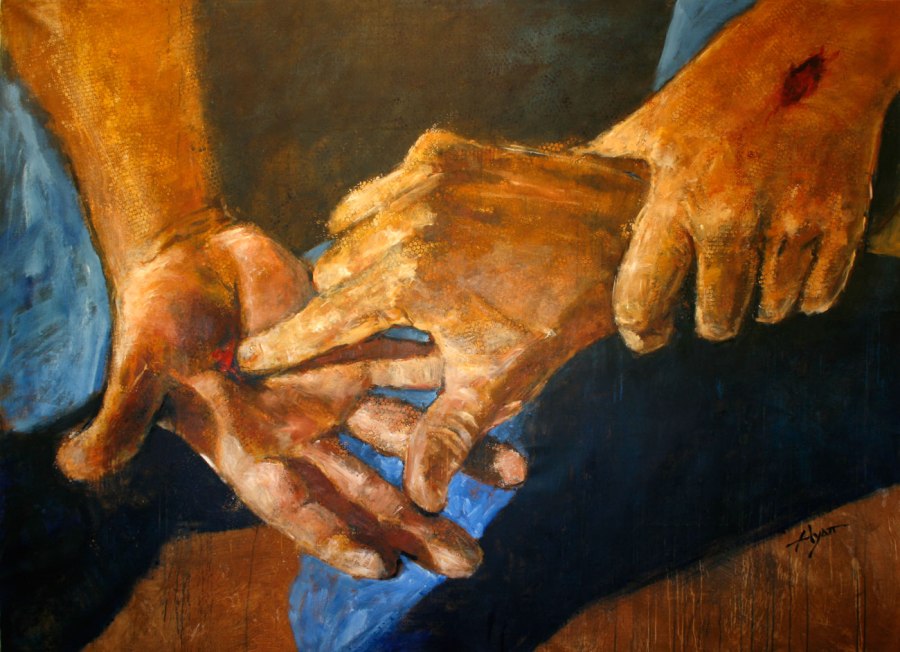
“Unless I see the mark of the nails in his hands and put my finger into the nailmarks and put my hand into his side, I will not believe (John 20:25).”
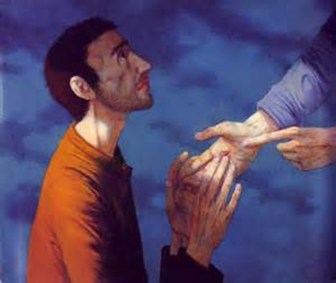 The request of Thomas was a bit strange. To recognize the risen Lord, Thomas demanded that he would be able to touch the wounds of Christ. But, why did Thomas look for the wounds of Jesus? He could have asked to see Jesus’ face, or to touch Jesus’ nose. He had been Jesus’ disciple for some years, and surely, Thomas would not have any difficulty to recognize Jesus. Why wounds?
I guess one of the reason is that Thomas looked for the wounds because he could identify himself with that very wounds that Jesus bore. Thomas was searching for himself as much as for Jesus. Deep inside his being, Thomas admitted that he is the wounds of Christ, indeed all of the disciples. Thomas who once said, “Let us go to die with Him (John 11:16)!” ran away when Jesus was arrested. Peter, the leader, denied Jesus three times. Judas sold Him for a price of slave. The rest were leaving Him alone to the hand of His murderers. The stories of disciples are the stories of failure, cowardice and betrayal. They have crucified Jesus. They were the wounds of Christ.
We are also the wounds of Christ. Ours are the stories of failure, selfish ambition and unfaithfulness. Some of us might have betrayed our friends just to gain certain personal benefits. Some of us might have do violence even to our beloved ones. Some of us might have told lies to protect our good reputation and cover up our mistakes. In his book, Blood and Earth, Kevin Bales wrote on how our desire for cheaper goods encourages the modern day of human slavery in the third world countries. Who knows that our cellular phone we use to read this reflection are, to certain extent, the products of people working in subhuman conditions in Africa and Asia. And who knows our choice of food has damaged the million acres of soil and hurt the mother earth.
Just like the disciples, we are weak, broken and wounded. We have crucified Jesus and we recognize the wounds of Jesus as ourselves. Yet, we must not miss the point of Easter. Yes, we are the wounds, but we are the wounds of the Risen Christ. Yes, we are weak, frail and sinful, but we do not lose hope because we do not carry our broken selves alone. Jesus is carrying us, and all our imperfection, and transforms them in His resurrection. When in January 2015, Pope Francis visited Tacloban city, Philippines that was devastated by the typhoon Yolanda, he was deeply saddened by the destruction that it brought and thousand lives that it had destroyed. In this face of utter destruction, Pope Francis pointed his hands to the crucified Lord, and said to survivors,
“So many of you have lost everything. I don’t know what to say to you. But the Lord does know what to say to you. Some of you have lost part of your families. All I can do is keep silence and walk with you all with my silent heart. Many of you have asked the Lord – why lord? And to each of you, to your heart, Christ responds with his heart from the cross. I have no more words for you. Let us look to Christ. He is the Lord. He understands us because he underwent all the trials that we, that you, have experienced.”
Thomas focused only on the wounds, but when he began to touch Jesus and saw the Risen Lord, he exclaimed, “My Lord and My God.” Christian are not to escape from the sufferings of this world nor to be in despair, but we are to face the trials of life and hopeful even if we are weak, because Jesus who has embraced the worst of this world, finally rose and brought us together in his body.
Bro. Valentinus Bayuhadi Ruseno
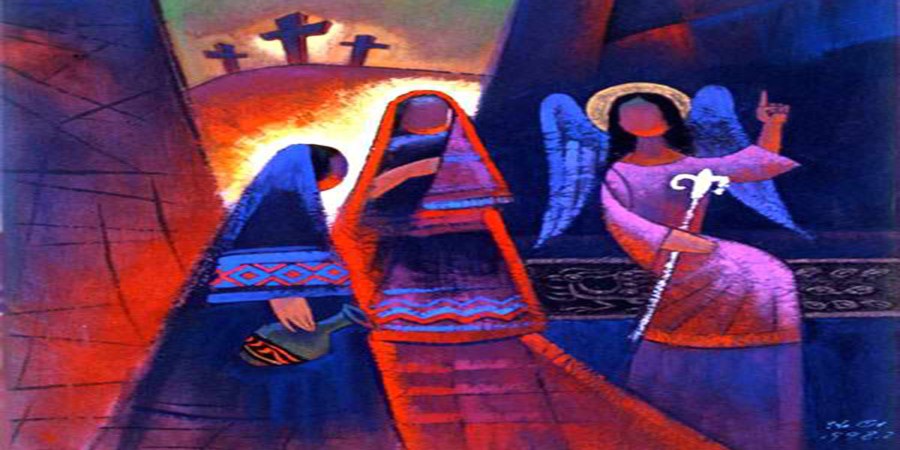
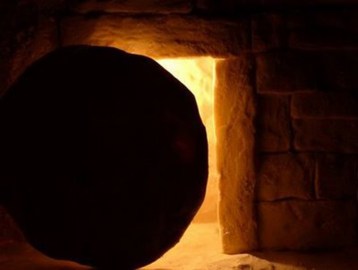 What do you see inside the empty tomb? Seeing the empty tomb, Mary Magdalene was at lost, terrified and confused. Where is Jesus? Is He moved to the other tomb? Is someone stealing His Body? Peter, the leader of the apostles, did not understand the empty tomb and went home puzzled. All things were so depressing. Jesus was betrayed, denied, tortured, crucified and now he is missing!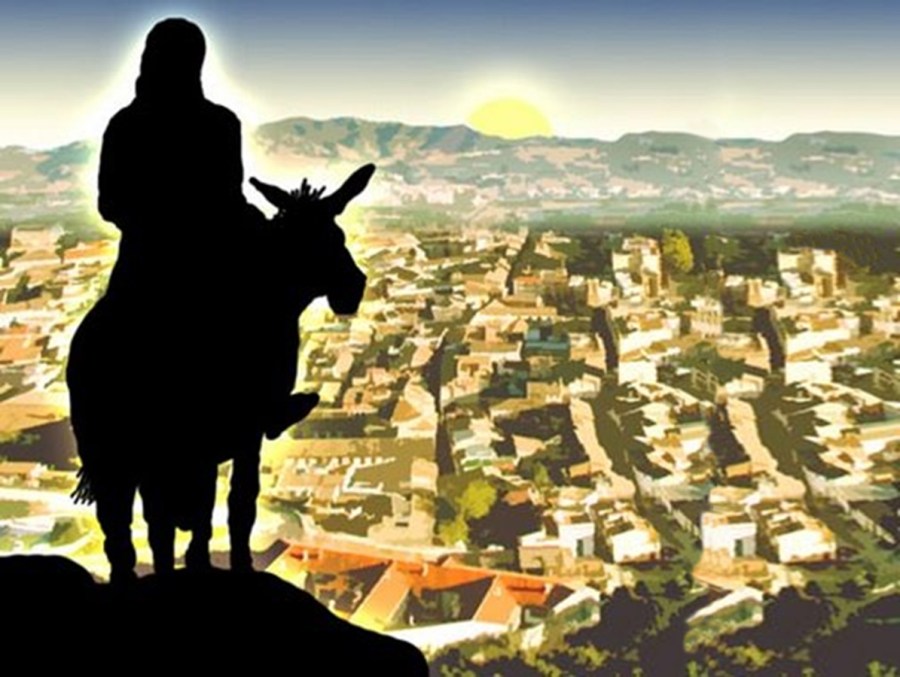
 Palm Sunday or Jesus’ entrance to Jerusalem marks the beginning of the most important drama of the Gospel, the drama of the Holy Week. The memory was so significant to the early Christians that the episode was recorded in all four Gospels (Mat 21:1-11, Mark 11:1-11, and John 12:12-19), though with some different emphases. Why was Jesus’ entrance to the ancient city Jerusalem so significant?
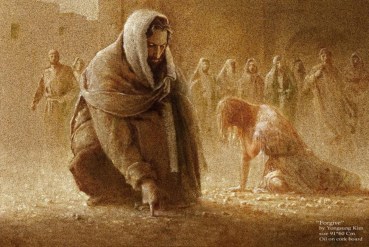 In time of Jesus, women were not standing at the same level with men. Crudely speaking, women were considered to be the property of men. Except for several outstanding female figures in the Bible like Deborah, the judge, and Judith, the warrior, the ancient Jewish women had to live under the patriarchal domination. The Bible is not loud at the stories of abused and battered women, but we can safely assume that the exploitations took place here and there.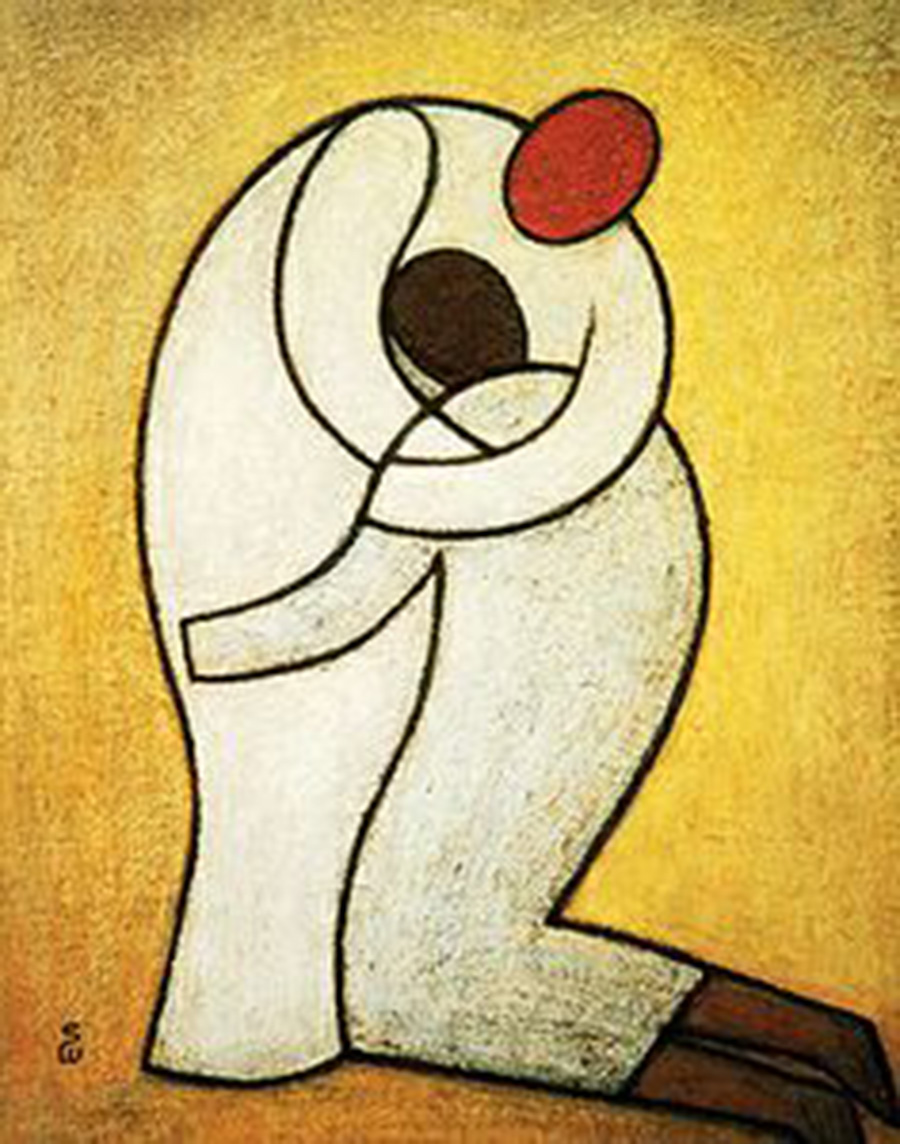
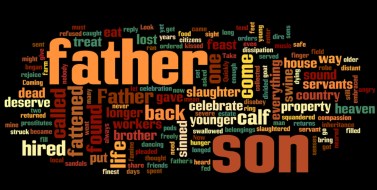 The Parable of the Prodigal Son is one of the most moving stories of Jesus and has been regarded as the all-time favorite. The parable is so beautiful that it moved one of the earliest heretics, Marcion of Sinope, to single out the Gospel of Luke as the only valid Gospel. Why does the parable gain such honor among Jesus’ parables? I guess one of the reasons is the unexpected twist of event appears in the parable. Like when we watch movies in the cinema, flat and predicted plot of movies will cause boredom, but movies with sudden and unforeseen twists often create breath-taking excitement. The twist of the parable is that the Mercy of God that goes beyond any human expectation and limitations.
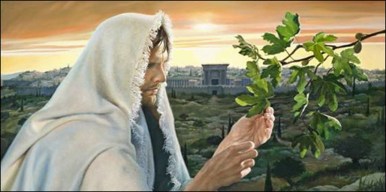 The heart of the parable of the Good Gardener is God’s Mercy. Not only He is merciful, but He is the Mercy itself. Pope Francis fittingly wrote that the name of God is Mercy. God cannot but be merciful. We are like the tree that was fruitless and useless, but God gave us a second chance. Jesus, our Holy Gardener, even exerts His utmost effort to take care of us, making sure that grace of God in constantly pour upon us.
 For St. Luke, Jesus is a man of prayer. Luke fondly wrote in his Gospel that Jesus would pray before the decisive events in His life and mission. Jesus prayed the whole night before he chose His disciples (Luk 6:12). One of the reasons why Jesus cleansed the Temple of Jerusalem was that He was well aware of the main function of the holy Temple: House of Prayer (Luk 19:46). He reminded his disciples to pray especially in facing trials and tribulations (Luk 21:36). Before He was embracing His passion and death, He prayed at the garden (Luk 22:44). Finally, enduring a brutal torture, He saved His last breath even to pray for those who have crucified Him (Luk 23:34).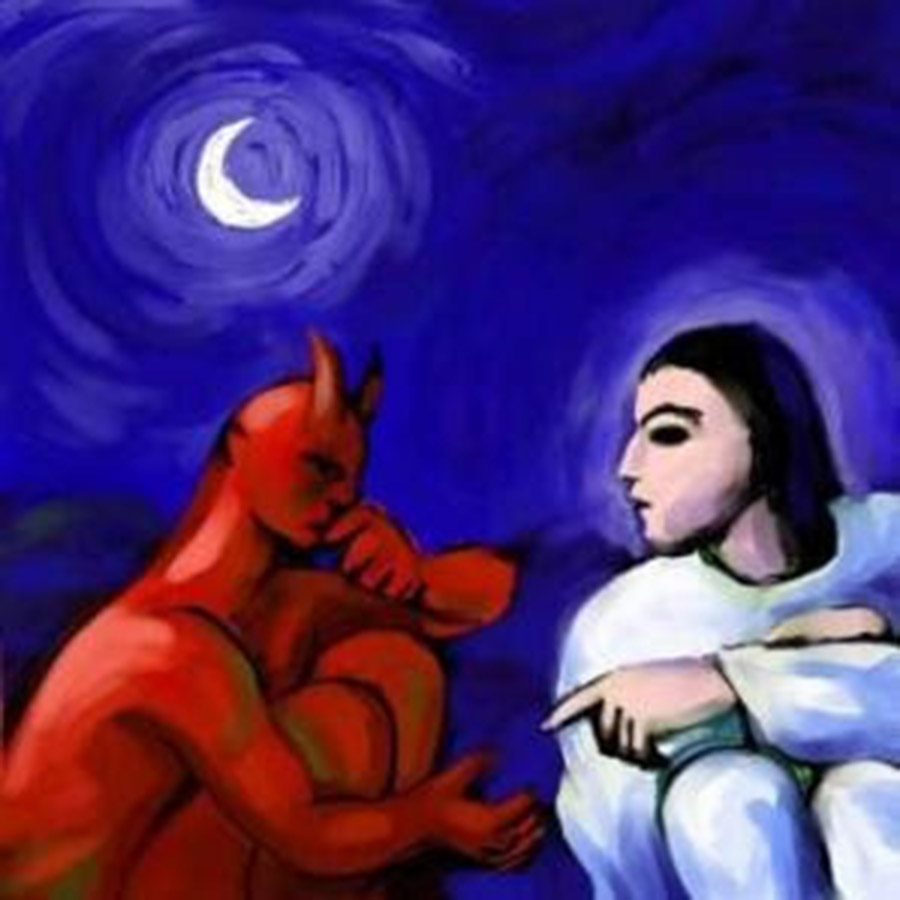
 Today’s Gospel shows us that the Holy Spirit led Jesus to the desert. Yes, the Holy Spirit will not spare us from the desert! The desert experience can be anything that spells dryness and emptiness in our lives and souls. Out of nowhere, a seminarian enters into a desert as he is feeling unexplainable meaninglessness in his chosen vocation. A mother begins to experience exhaustion in fulfilling her difficult mission to rear her children. Through her journals, it was revealed that even holy person like Mother Teresa of Calcutta went through ’the eclipse of God’ when she did not sense the presence of God for almost 10 years in her life.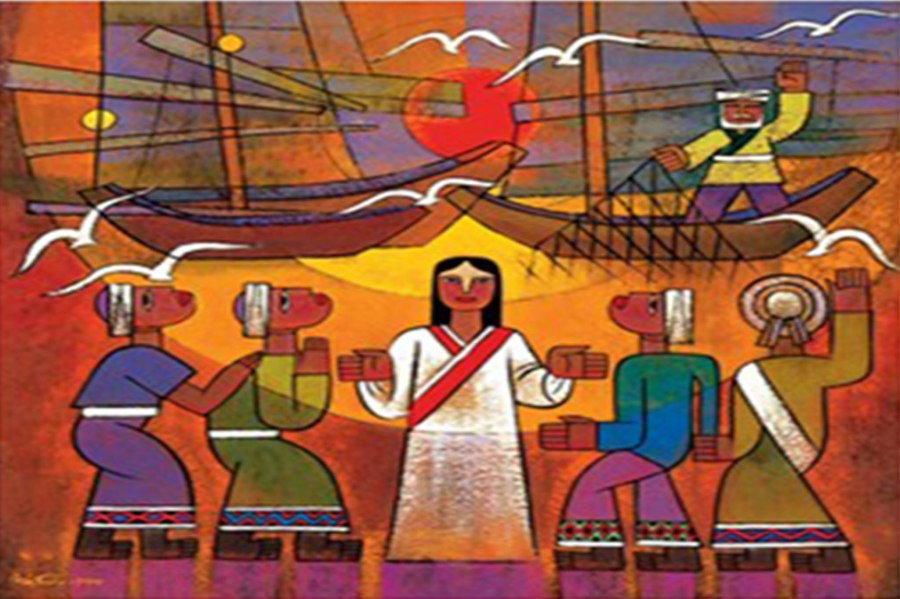
 nd taught the crowds from the boat of Simon (Luk 5:3).”
 In Medio Ecclesiae