

Palm Sunday of the Lord’s Passion. March 20, 2016 [Luke 19:28-40/Luke 23:1-49]
“Blessed is the king who comes in the name of the Lord (Luk 19:38).”
 Palm Sunday or Jesus’ entrance to Jerusalem marks the beginning of the most important drama of the Gospel, the drama of the Holy Week. The memory was so significant to the early Christians that the episode was recorded in all four Gospels (Mat 21:1-11, Mark 11:1-11, and John 12:12-19), though with some different emphases. Why was Jesus’ entrance to the ancient city Jerusalem so significant?
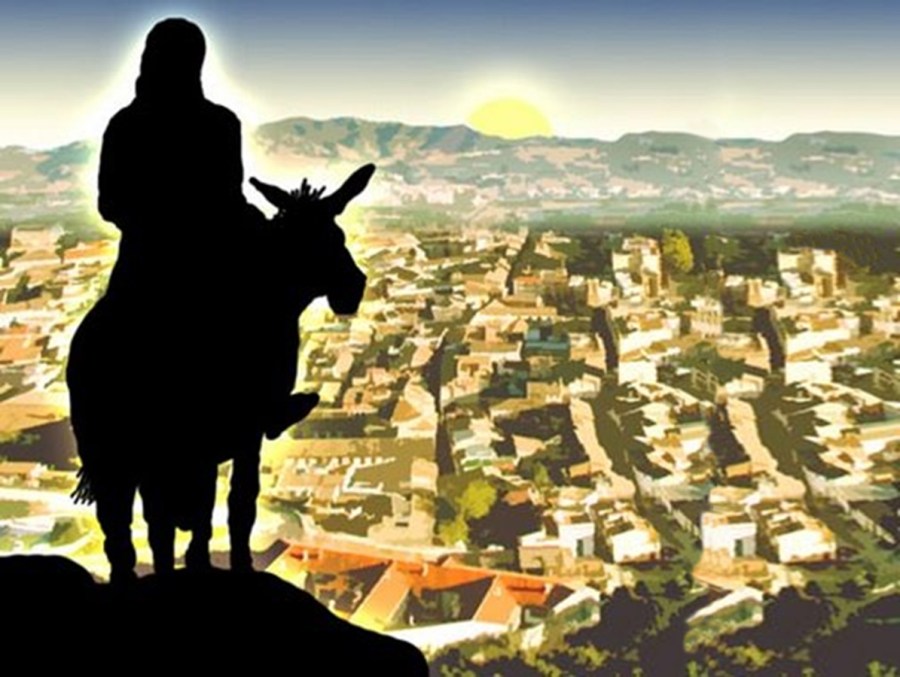
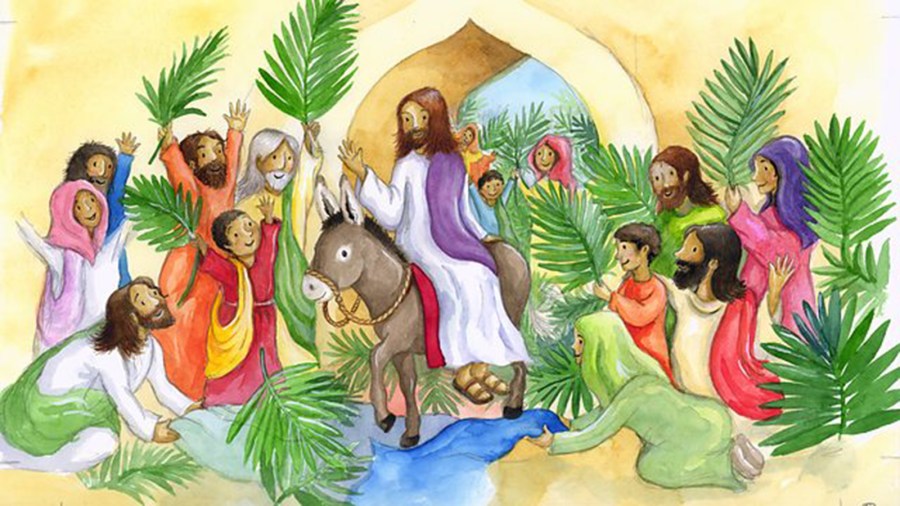
His entrance was unusual and less triumphant because he preferred to ride a meek donkey rather than a combat-ready horse. Yet, his unique entrance was not unexpected by the Jewish people looking forward for the Messiah. By riding on the donkey, he was fulfilling the prophecy of Zechariah, “Rejoice heartily, O daughter Zion, shout for joy, O daughter Jerusalem! See, your king shall come to you; a just savior is he, Meek, and riding on an ass, on a colt, the foal of an ass.” (Zec 9:9). The people who gathered in Jerusalem for annual Jewish festival, could not hide their excitement to this Jesus who had been rumored as the expected Christ. Indeed, the people welcome Him as a king as they shouted, “Blessed is the King who comes in the name of the Lord! (Luk 19:38)” Through his action, Jesus no longer hid His true identity, but revealed publicly that He is the Messiah.
Unfortunately, the moment Jesus revealed who He was, both the Jewish authority and the Roman rulers were ready to pin him down. They did not care whether Jesus came as the peaceful and humble leader or war-freak king. Jesus was the potential troublemaker and the sooner they get rid of him, the better. True enough, lest than a week, Jesus was betrayed, deserted by his followers and condemned to death. The people who acclaimed Him king, now cried to the top of their voice, “Crucify him!” The entrance to Jerusalem is significant because Jesus made a firm decision to live and die to the fullest. Jesus knew this horrifying possibility would take place, but He did not run and look for safety. He freely embraced his identity and mission, and because of this, his death was not in vain. He has made a difference that mattered most.
We are called Christian because we indeed the follower of Jesus Christ, but our name is worthless if we fail to follow Him up to Jerusalem. For some of us, being Christian or Catholic is just a matter of social convenience or family tradition. Our family, our society is Christian then we should be Christians. Often we just remember that we are Christians during special events in our life. In the Philippines, there are KBL Catholics, those who attend the Mass only for ‘Kasal’ or marriage, ‘Biyag’ or baptism and ‘Libing’ or funeral mass. In Indonesia, we are familiar with ‘Na-Pas’ (literally means ‘breath’) Christians, those who only go to the Church during ‘Natal’ or Christmas and ‘Paskah’ or Easter.
But, we must not forget that for some being Christians means hardship, sufferings and death. Christians in war-zones like Syria and Iraq, or when the Christians were minority, live in constant danger and discriminations are so real. Just few weeks ago, four sisters of Missionaries of Charity were brutally executed by the terrorists in Yemen. While they were fully aware of the extent of the danger, they refused to live behind the people they served, the elderly and the disabled. They are the disciples of Christ who lived their authentic Christianity to the end. Both in death and life, their faith has made the world a better.
Philosopher Abraham Kaplan noted that if Socrates said ‘unexamined life is not worth living’, so ‘the unlived life is worth examining. As we are entering the most solemn week in our liturgy, we ask ourselves: have we live our lives to the fullest? Is our Christian faith making any difference? Are we willing to make the change that matters most in our lives?
Br. Valentinus Bayuhadi Ruseno, OP
 Minggu Palma atau disaat Yesus memasuki kota Yerusalem menandai awal dari drama yang paling penting di Kitab Suci. Ini adalah drama Pekan Suci. Memori ini begitu signifikan bagi Gereja Perdana, sampai-sampai episode ini tercatat di keempat Injil (Matius 21:1-11, Markus 11:1-11, dan Yohanes 12:12-19). Pertanyaannya adalah: Mengapa Minggu Palma begitu penting bagi kita?
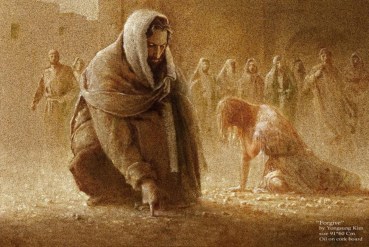 In time of Jesus, women were not standing at the same level with men. Crudely speaking, women were considered to be the property of men. Except for several outstanding female figures in the Bible like Deborah, the judge, and Judith, the warrior, the ancient Jewish women had to live under the patriarchal domination. The Bible is not loud at the stories of abused and battered women, but we can safely assume that the exploitations took place here and there.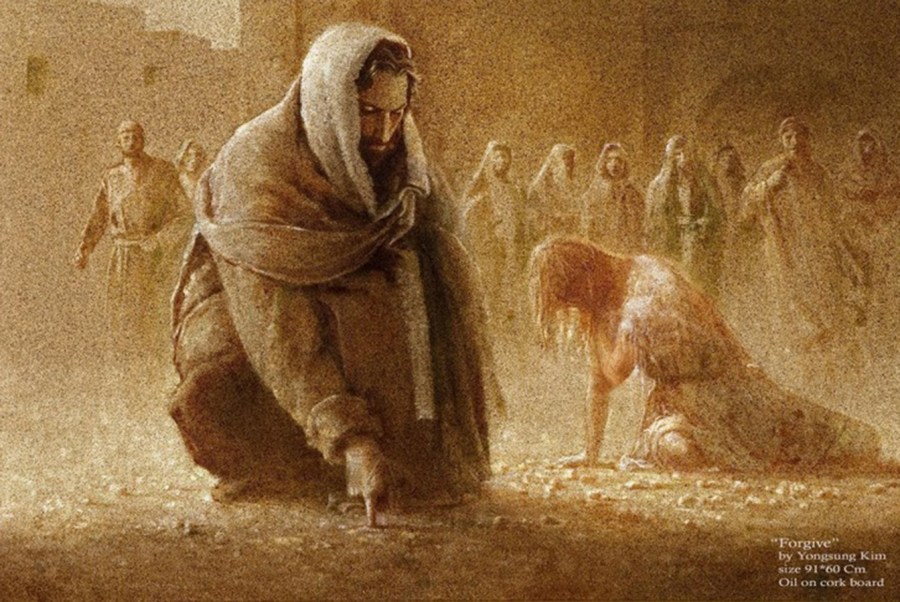
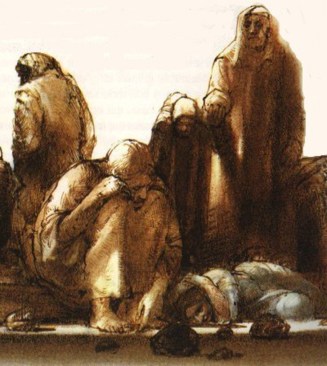 Dalam masa Yesus, perempuan tidak memiliki posisi yang sama dengan lelaki. Mereka bahkan dianggap sebagai barang kepemilikan kaum adam. Kecuali beberapa tokoh perempuan dalam Alkitab seperti Deborah dan Judith, perempuan Yahudi masa lalu harus hidup di bawah dominasi patriarki. Alkitab juga tidak banyak menjabarkan kisah perempuan korban kekerasan dan pelecehan, tapi kita bisa berasumsi bahwa dengan mentalitas patriarki ini, kekerasan dan eksploitasi berlangsung di berbagai tempat.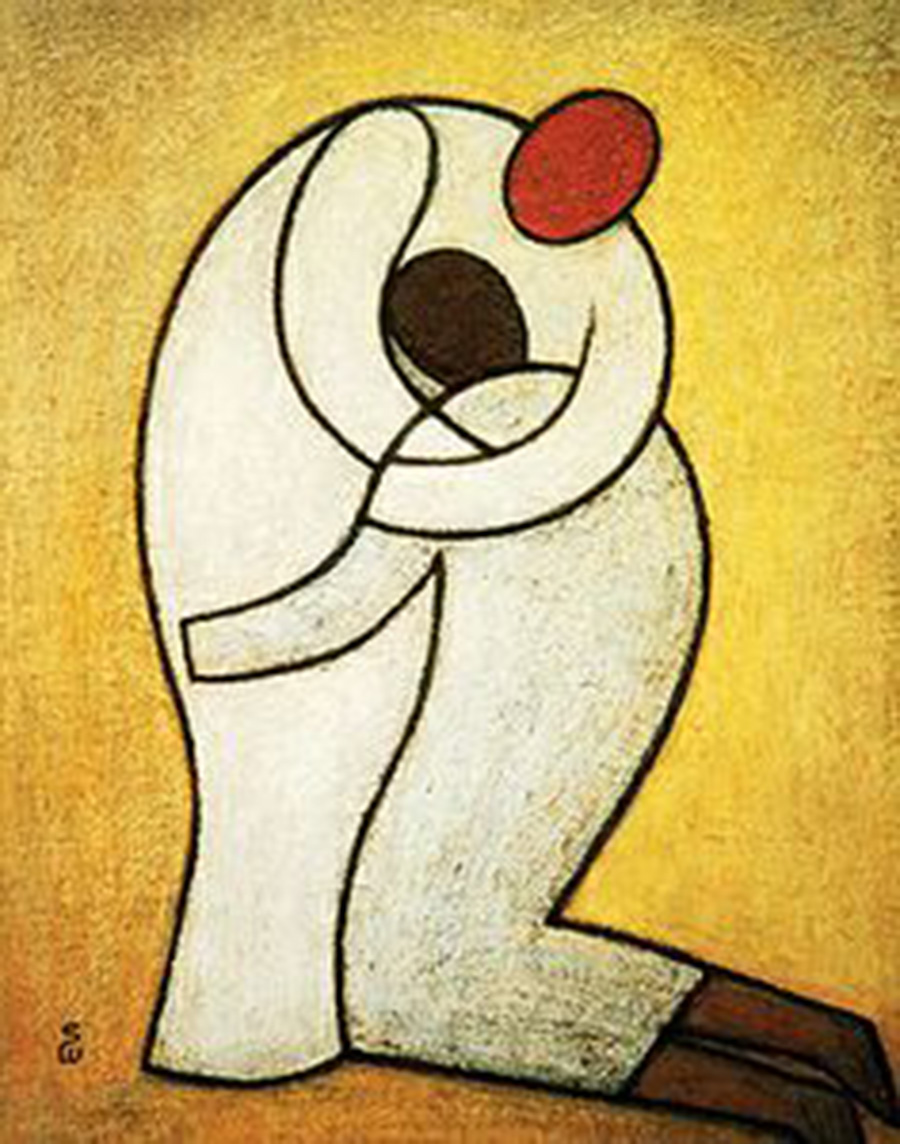
 The Parable of the Prodigal Son is one of the most moving stories of Jesus and has been regarded as the all-time favorite. The parable is so beautiful that it moved one of the earliest heretics, Marcion of Sinope, to single out the Gospel of Luke as the only valid Gospel. Why does the parable gain such honor among Jesus’ parables? I guess one of the reasons is the unexpected twist of event appears in the parable. Like when we watch movies in the cinema, flat and predicted plot of movies will cause boredom, but movies with sudden and unforeseen twists often create breath-taking excitement. The twist of the parable is that the Mercy of God that goes beyond any human expectation and limitations.
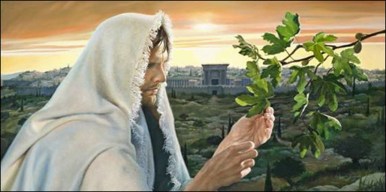 The heart of the parable of the Good Gardener is God’s Mercy. Not only He is merciful, but He is the Mercy itself. Pope Francis fittingly wrote that the name of God is Mercy. God cannot but be merciful. We are like the tree that was fruitless and useless, but God gave us a second chance. Jesus, our Holy Gardener, even exerts His utmost effort to take care of us, making sure that grace of God in constantly pour upon us.
 Inti dari perumpamaan tentang Pengurus kebun yang baik adalah kerahiman Allah. Tidak hanya Allah penuh dengan belas kasih, tetapi Dia adalah belas kasih itu sendiri. Paus Fransiskus dengan tepat menulis bahwa Nama Allah adalah Belas Kasih. Karena Ia adalah Sang Belas Kasih, tindakan pertama-Nya terhadap kita manusia adalah berbelas kasih. Walaupun kita seperti pohon ara yang tak membuahkan hasil dan tidak berguna, tetapi Allah memberi kita kesempatan kedua. Dan tidak hanya kesempatan baru, Yesus, sang pengurus kebun kita yang suci, bahkan memberikan upaya maksimal-Nya untuk merawat kita, memastikan bahwa anugerah Allah terus-menerus tercurahkan kepada kita.
 For St. Luke, Jesus is a man of prayer. Luke fondly wrote in his Gospel that Jesus would pray before the decisive events in His life and mission. Jesus prayed the whole night before he chose His disciples (Luk 6:12). One of the reasons why Jesus cleansed the Temple of Jerusalem was that He was well aware of the main function of the holy Temple: House of Prayer (Luk 19:46). He reminded his disciples to pray especially in facing trials and tribulations (Luk 21:36). Before He was embracing His passion and death, He prayed at the garden (Luk 22:44). Finally, enduring a brutal torture, He saved His last breath even to pray for those who have crucified Him (Luk 23:34).
 Bagi St. Lukas, Yesus adalah seorang doa. Lukas menulis dalam Injilnya bahwa Yesus berdoa sebelum menghadapi peristiwa-peristiwa penting di dalam hidup dan misi-Nya. Yesus berdoa sepanjang malam sebelum ia memilih murid-murid-Nya (Luk 6:12). Salah satu alasan mengapa Yesus membersihkan Bait Allah Yerusalem dari berbagai malapraktik adalah bahwa Dia sangat menyadari fungsi utama dari Bait Allah ini: Rumah Doa (Luk 19:46). Dia mengingatkan para murid-Nya untuk berdoa terutama saat menghadapi cobaan dan penderitaan (Luk 21:36). Sebelum Ia menghadapi sengsara dan wafat-Nya, Dia berdoa di taman (Luk 22:44). Akhirnya, saat Ia berada di kayu salib, Dia menyimpan nafas terakhirnya bahkan untuk berdoa bagi mereka yang telah menyalibkan-Nya (Luk 23:34).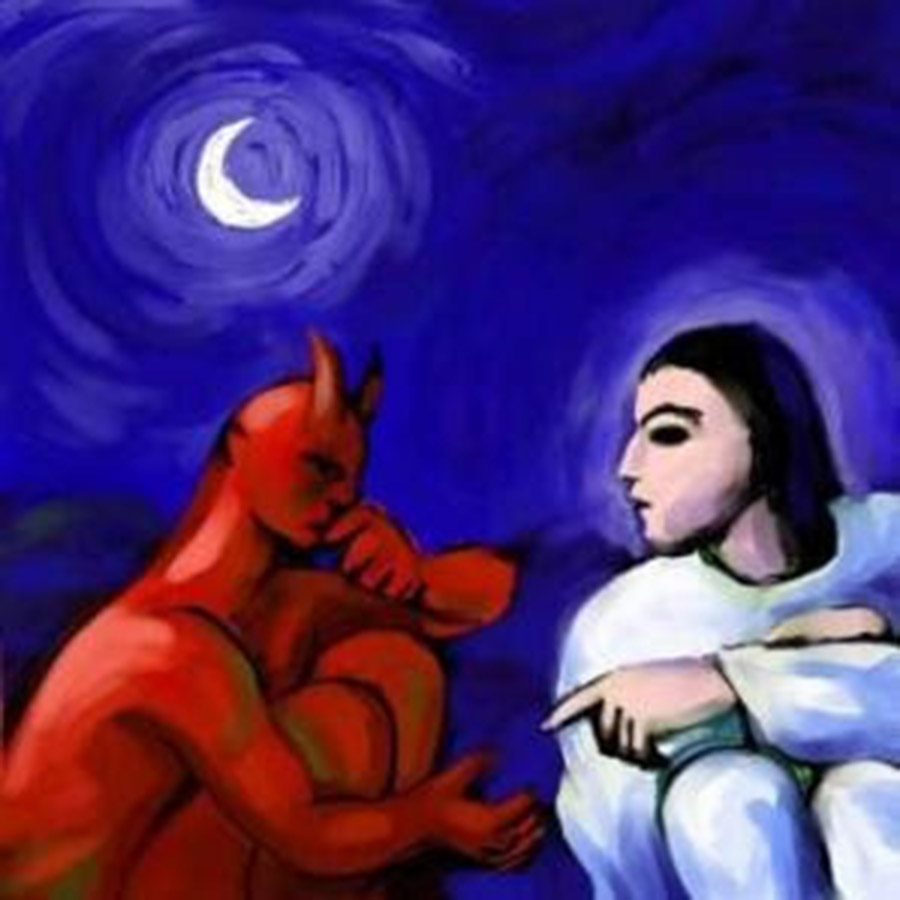
 Today’s Gospel shows us that the Holy Spirit led Jesus to the desert. Yes, the Holy Spirit will not spare us from the desert! The desert experience can be anything that spells dryness and emptiness in our lives and souls. Out of nowhere, a seminarian enters into a desert as he is feeling unexplainable meaninglessness in his chosen vocation. A mother begins to experience exhaustion in fulfilling her difficult mission to rear her children. Through her journals, it was revealed that even holy person like Mother Teresa of Calcutta went through ’the eclipse of God’ when she did not sense the presence of God for almost 10 years in her life.
 In Medio Ecclesiae