

Minggu Palma Sengsara Tuhan
13 April 2025
Lukas 19:28-40 dan Lukas 22:14-23:56
Minggu Palma adalah salah satu perayaan liturgi yang paling unik dalam Gereja karena memberikan dua bacaan Injil: Yesus memasuki kota Yerusalem sebagai Raja (Lukas 19:28-40) dan kisah Sengsara Kristus (Lukas 22:14-23:56). Bacaan-bacaan ini bukan kebetulan ada, tetapi Gereja mendampingkan keduanya untuk mengungkapkan hubungan yang mendalam antara kedua bacaan ini. Namun, apakah hubungan ini?
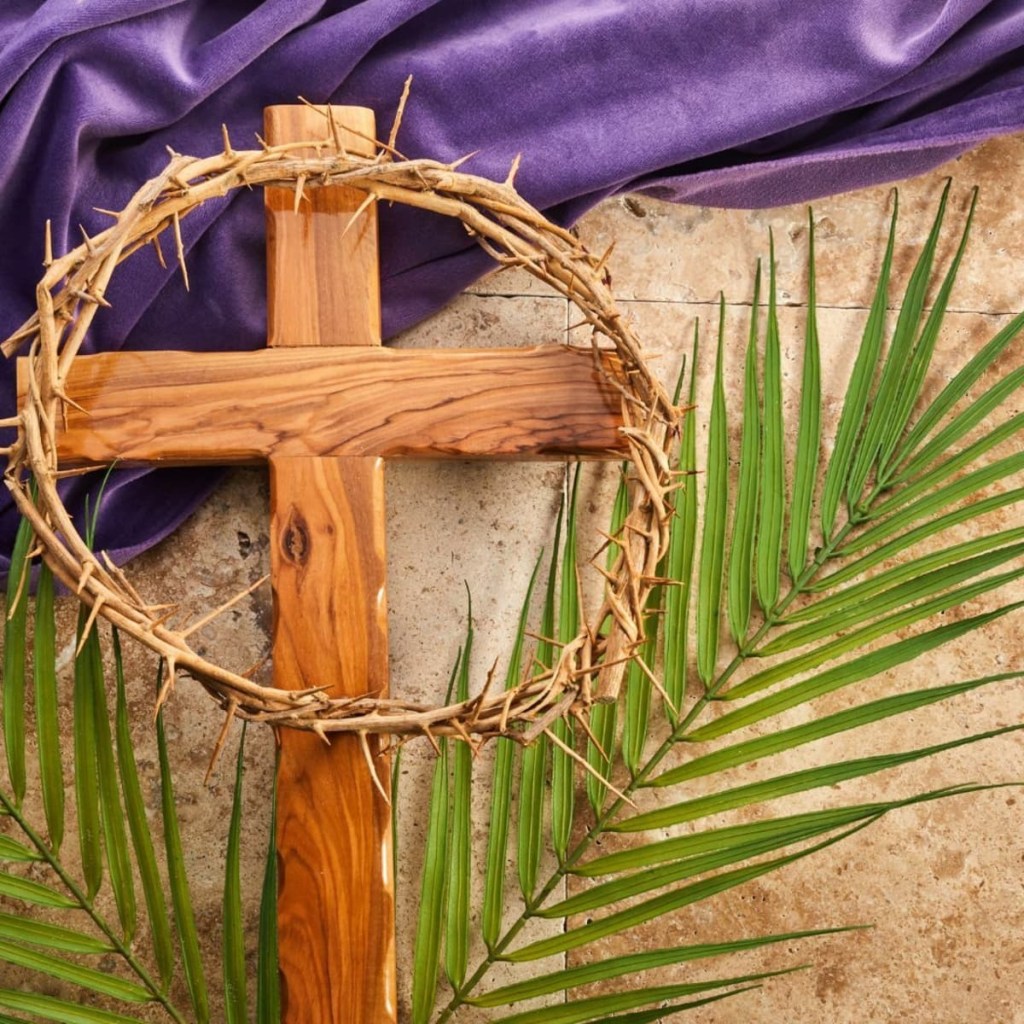
Injil pertama menggambarkan Yesus memasuki Yerusalem, kota Raja Daud dan para penggantinya. Para murid-Nya mengikuti-Nya sementara penduduk Yerusalem menyambut-Nya, menyatakan Dia sebagai raja. Namun Injil ini menjelaskan bahwa Yesus bukanlah seorang penguasa duniawi biasa. Dia bukanlah seorang raja yang berkuasa secara militer dengan menunggang kuda perang, tetapi seorang raja yang rendah hati dan cinta damai dengan menunggang keledai. Dia datang dalam nama Tuhan – tidak melalui garis keturunan kerajaan, sistem politik modern, atau tipu daya. Dia memerintah bukan atas satu bangsa, tetapi atas semua ciptaan, bahkan “batu-batu akan berseru” untuk menyatakan kerajaan-Nya.
Injil kedua, kisah Sengsara, lebih jauh mengungkapkan Kristus sebagai Raja. Dia tidak memerintah dengan kekerasan tetapi merangkulnya dan mengakhirinya di kayu salib. Kerajaan-Nya beroperasi bukan melalui teror tetapi melalui hukum kasih, mengorbankan diri-Nya sendiri agar umat-Nya dapat ditebus dari dosa dan kemudian hidup.
Saat kita memasuki Pekan Suci, kita diundang untuk memeriksa identitas kita sebagai umat kerajaan Allah. Apakah kita mengasihi Raja kita atau takut akan Dia? Jika kita sungguh-sungguh mengasihi Dia, kita harus belajar untuk semakin menyerupai Dia dan juga mengasihi seperti Dia mengasihi. Selama dua ribu tahun, banyak sekali martir yang mengikuti teladan Kristus hingga mati. Bahkan saat ini di abad ke-21, umat Kristiani terus menghadapi penganiayaan: Para imam di Nigeria diculik dan dibunuh; komunitas Kristiani di Suriah diserang dan diusir; juga meningkatnya permusuhan anti-Kristen di Israel.
Banyak dari kita yang hidup di tempat di mana iman dapat diekspresikan dengan bebas, namun lingkungan ini menghadirkan bahaya yang berbeda – materialisme, rasa puas diri, atau kepengecutan dalam bersaksi tentang Kristus. Kita tergoda untuk memprioritaskan diri sendiri di atas Tuhan, untuk mencintai diri kita sendiri daripada Yesus.
Kita bisa belajar dari teladan St. Katarina Siena. Pada masanya, paus lebih memilih tinggal di Avignon, Perancis daripada di Roma karena ia takut berurusan dengan orang-orang yang menentangnya di sana. Namun, alih-alih menjadi pemimpin dalam iman dan teladan moral, paus lebih banyak melibatkan diri dalam politik. Maka, St. Katarina dengan berani pergi ke Avignon dan menghadapi Gregorius XI, mendesaknya untuk kembali, “Jika Anda mati di Roma, anda mati sebagai seorang martir – tetapi jika anda tetap di sini, anda mati sebagai seorang pengecut.” Tindakannya mengalir dari cinta yang radikal kepada Kristus Sang Raja.
Jika Yesus adalah Raja kita, bagaimana kita harus mengikuti-Nya?
Pertanyaan-pertanyaan panduan:
Apakah kita sungguh-sungguh mengasihi Yesus sebagai Raja kita? Bagaimanakah kasih kita kepada Kristus diwujudkan secara praktis? Apakah kita siap untuk menyatakan iman kita dalam lingkungan yang penuh tantangan? Apakah kita mau berkorban untuk orang lain karena kasih kita kepada Yesus? Apakah kita siap untuk menanggung penderitaan sebagai orang Kristen?


![1st Sunday of Lent [C]
March 9, 2025
Luke 4:1-13
As we begin the season of Lent, we once again reflect on the story of Jesus being tested in the desert for forty days. However, St. Luke’s Gospel provides an interesting detail: it is the Spirit who led Jesus into the desert, a place where He had to fast and face the evil one. What does this mean?](https://bayuop.com/wp-content/uploads/2025/03/jesus-in-the-desert-2.jpg?w=800)



 In Medio Ecclesiae