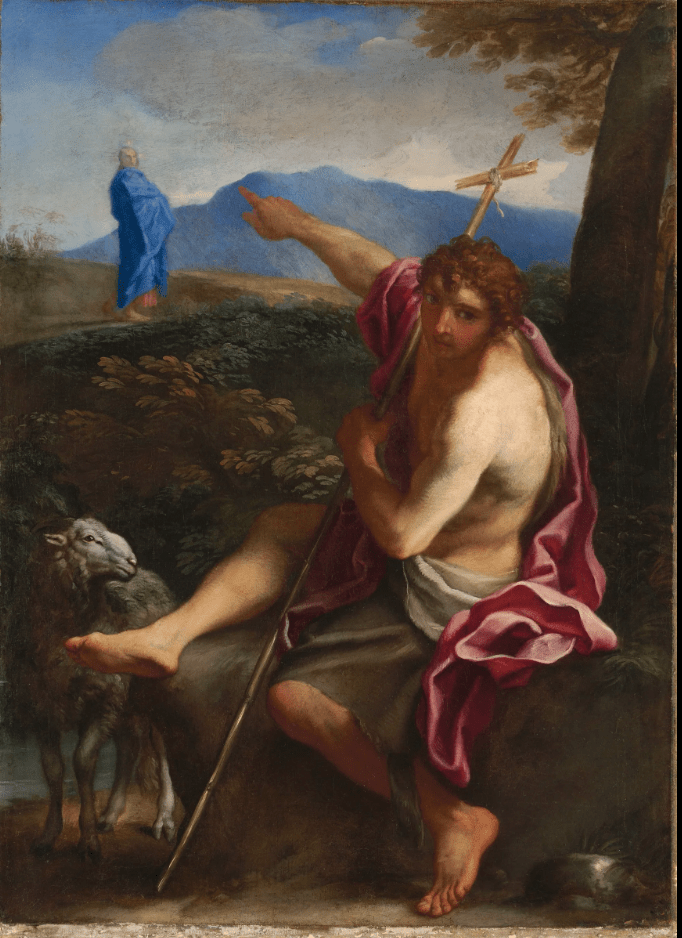
Winning Your Enemies

7th Sunday in Ordinary Time [A]
February 19, 2023
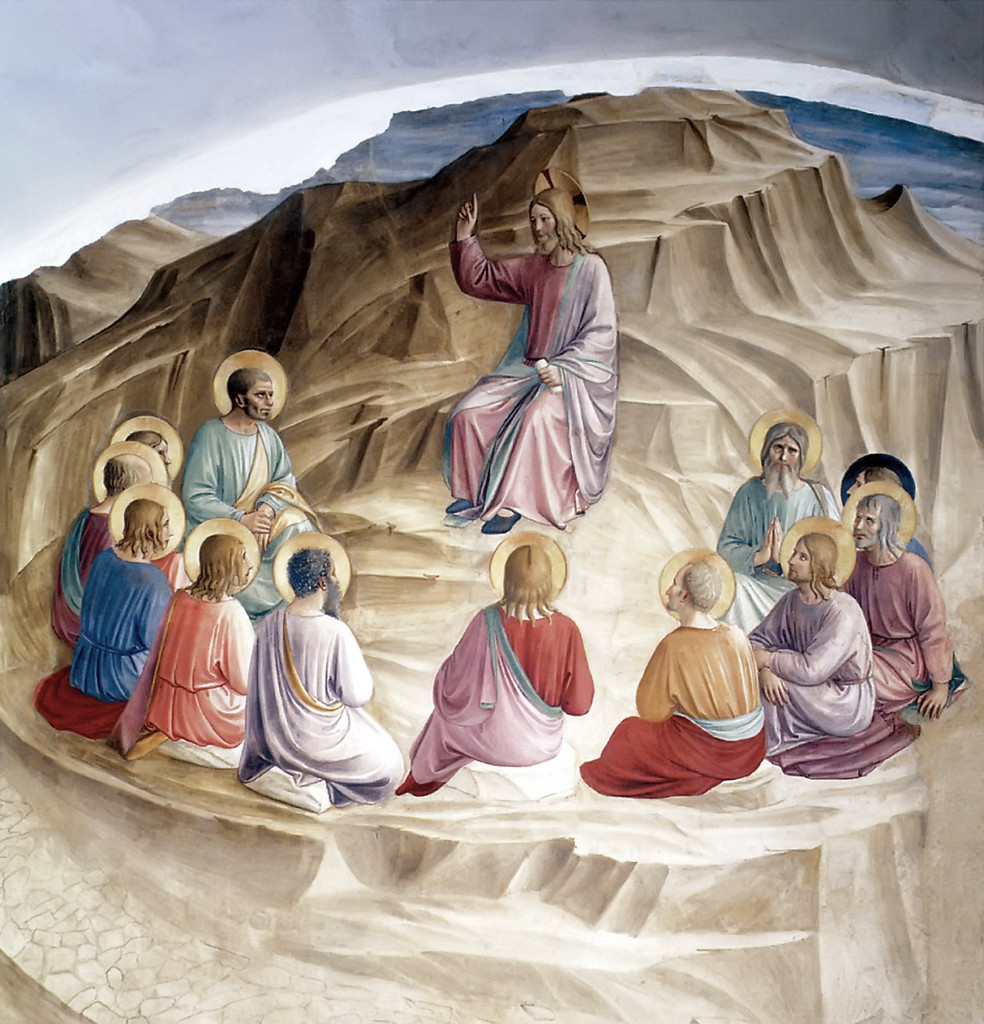
Matthew 5:38-48

This Sunday, we encounter one of the most controversial of Jesus’ moral teachings. Because of these teachings, we, Christians, are often accused as being weak, stupid, and submissive in face of evil. Yet at the same time, when we try to fight for justice, our opponents readily utilize these verses against us. They accuse us as not being compassionate, loving and forgiving. So, how do we understand this? Does it mean that a wife simply must endure her abuse husband? Does it mean we do close our eyes to evil and injustice around us?


Jesus opens His teaching with quoting the Law of Moses, “An eye for an eye and a tooth for a tooth (see Exo 21:24).” For modern ears, this law sounds cruel and even barbaric, but the real purpose of this law is to prevent excessive retaliation. When someone stole a lamb, he shall return a lamb or its equivalent. His enemies cannot demand his entire house in place of a lamb. The law is to promote sense of justice, to curb unnecessary violence, and escalation.


Then, Jesus transforms this law of Moses by pronouncing a new teaching, “do not resist evil!” For Jesus, we must go beyond seeking an equal retribution. But, does it mean we have to helplessly become a punching bag?
If we look deeper into the Old Testament, we will discover similar teachings like Proverbs 24:29, “Do not say, “I will do to him as he has done to me.” (check also Isa 50:6). Thus, Jesus’ teaching to resist no evil is not unique to Jesus. So, does Jesus truly transform the Law of Moses then?


Jesus’ ground-breaking teaching is not on passively receiving evil, but rather actively conquering evil with goodness. We can understand this if we look carefully Jesus’ examples. “If anyone wants to go to law with you over your tunic, hand him your cloak as well (Mat 5:40).” Tunic (Greek: χιτών, chiton) is usually a simple cloth and worn to cover the body, while clock (Greek: ἱμάτιον, himation) is more expensive garment, and put over the tunic. Thus, Jesus is saying that if someone demands your simple cloth, do not only give the ordinary one, but also the more precious garment. The action will surely puzzle many people, but it also shows our sincerity and effort to end enmity, as well as open the possibility of reconciliation and even friendship.


The real challenge is how to apply Jesus’ teaching in our daily lives. I must admit there is no one-size-fits-all answer. The application depends on your context and our prudence. One good example will be St. John Paul II and Ali Agca. On May 13, 1981, he attempted to assassinate the Pope. He shot several times and wounded the holy man. Miraculously, the Pope escaped death, and survived the evil attempt. Ali was arrested and sentenced to prison. What did Pope John Paul II do to Ali? He forgave Ali and even visited him in prison. The act was daring enough, because Ali might attack the Pope, and kill him for sure. Yet, the meeting was cordial, as both shook hands. Yes, Ali was forgiven, but, does it mean Ali can immediately walk out of prison? Not at all, Ali served his imprisonment for twenty years, because it is justice, but at the same time, the reconciliation takes place.
Being followers of Jesus is truly tough because we do not only look for justice, but also we need to bring our enemies closer to Jesus. Yet, with God’s grace, this is made possible.

Rome
Valentinus Bayuhadi Ruseno, OP
The Laws of the Hearts

6th Sunday in Ordinary Time
February 12, 2023
Matthew 5:17-37

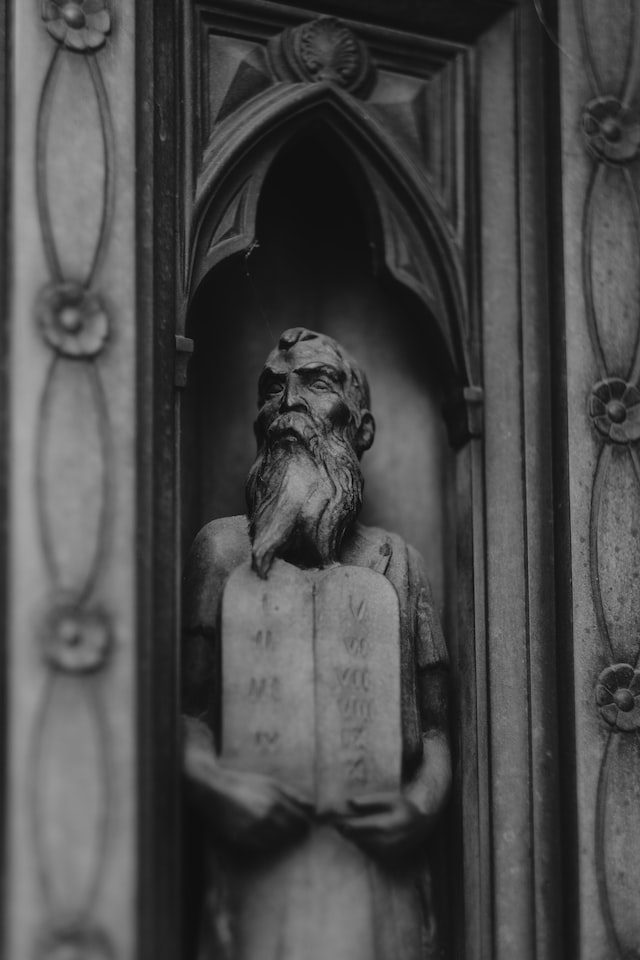
Having heard Jesus’ teachings on the keys to happiness (the Beatitudes) and our identities as the Salt of the Earth and the Light of the World, we are now delving into the heart of Jesus’ moral teachings. Here, Jesus makes it clear that He has come not to abolish the Law and the Prophets, but to fulfil them. Jesus’ teachings are not at odds with the Old Testament, but instead perfect and transform it. Yet, why does Jesus have to transform it?

photocredit: Levi Meir

The first reason is that many laws in the Old Testament were given by God to consecrate and separate the Israelites as a holy nation for the Lord alone. The ancient Israelites were living among the gentiles who worshiped many gods, and lived immoral conducts. The God of Israel is the only true God, and He wanted the Israelites to worship Him alone and live according to His true goodness. Thus, God gave the Ten Commandments, forbidding the worship of other gods (idols) and prohibiting behaviours such as murder, adultery, theft, and other evil practices that were common among the gentiles.

However, God’s laws do not only about morality, but also various details in liturgical life (for example, the Book of Leviticus) and also civil conducts (for example, the Book of Deuteronomy). God’s laws and regulations in the Old Testament are numerous and details. Why are so many rules?

One of the fundamental reasons is the hardness of the hearts. The formation of Israelites as the people of God was proven to be tough process. As they lapsed into previous idolatrous and sinful lifestyles, God placed new and stricter laws. At the same time, God allowed certain concessions like permitting divorce (Deu 24:1-4).

Jesus understands the true purpose behind his Father’s giving of the Law and why the Israelites were given so many laws – because of the hardness of their hearts. Jesus is well aware that without proper heart formation, an increase in rules will be ineffective. Thus, Jesus says, “For out of the heart come evil intentions, murder, adultery, fornication, theft, false witness, slander (Mat 15:19).” Laws and regulations are generally good because they guide us in doing something properly. They also protect us from harms, as well as give clarity in midst of confusion. Yet, no matter how good the laws are, as long as the hearts are hard, the men will always find a way to bend the laws.

So how can we have a renewed and humble hearts? The first and the most important factor is the grace of God. Only God’s grace can make our stony hearts into a living and new hearts (see Eze 36:26). This is why sacramental life is truly fundamental, especially through the participation of the holy Eucharist every Sunday (even better, every day) and regular confessions.

Secondly, hearts are formed by virtues, and virtue is no other than a good habit. Forming good habits can be difficult, but we can always begin with simple, consistent steps. Instead of saying bad words when we are angry, we can pause and choose another better alternative, like saying prayers. We can also explore with other habits.

Lastly, our hearts should be guided by our right reasons. It is wise to seek to understand the reasons behind the laws we follow. Knowing that laws (especially the Laws of God) are there for our goodness make us docile to follow them. God is the perfect Father and He made His Laws for the true maturity of His children.

“O Lord, create a pure and humble hearts in me!”

Rome
Valentinus Bayuhadi Ruseno, OP

Engkaulah Terang Dunia

Minggu ke-5 Waktu Biasa [A]
5 Februari 2023
Matius 5:13-16

Setelah Yesus membuka pengajaran-Nya di bukit dengan Sabda Bahagia, Ia melanjutkan dengan menjelaskan identitas murid-murid-Nya. “Engkau adalah terang dunia.” Mengapa Yesus menyebut murid-murid-Nya sebagai terang dunia? Terang adalah salah satu tema penting dalam Alkitab. Kembali ke kisah penciptaan, salah satu hal pertama yang Tuhan ciptakan adalah terang. “Jadilah terang! Dan terang itu jadi (Kejadian 1:1).” Sekali lagi, mengapa terang menjadi topik penting dalam Alkitab?

Ini ada hubungannya dengan kodrat dasar manusia itu sendiri. Manusia pada dasarnya adalah makhluk cahaya atau terang. Hidup kita bergantung pada cahaya di sekitar kita. Yang paling penting adalah cahaya matahari, tetapi juga cahaya yang berasal dari sumber-sumber lain baik yang alami maupun buatan. Kita membutuhkan cahaya untuk menavigasi dunia kita. Untuk bekerja, bergerak, membaca, menggunakan gadget adalah beberapa aktivitas yang bergantung pada cahaya. Mata kita, salah satu organ yang paling kompleks dalam tubuh kita, pada dasarnya adalah reseptor (penerima) cahaya yang baik. Cahaya tidak hanya menjadi dasar untuk navigasi dan aktivitas kita, tetapi juga sangat penting untuk pertumbuhan dan fungsi biologis kita. Cahaya matahari yang tepat membantu tubuh kita menghasilkan beberapa senyawa kimia penting, seperti vitamin D dan hormon dopamin. Beberapa penelitian menunjukkan bahwa kekurangan cahaya matahari dapat menyebabkan depresi, penurunan fungsi kognitif dan gangguan siklus bangun-tidur (ritme sirkadian).

Allah yang menciptakan kita dan juga terang, sangat mengetahui hubungan antara manusia dan terang. Oleh karena itu, Yesus menyebut kita sebagai terang dunia. Seperti halnya terang bagi tubuh kita, adalah misi kita untuk membantu orang lain di sekitar kita untuk menavigasi kehidupan mereka menuju kebahagiaan sejati (silakan cek refleksi saya minggu lalu mengenai kebahagiaan) dan bertumbuh menjadi pribadi dewasa dan kudus.

Namun, bagaimana cara kita menjadi terang dunia? Yesus memberikan jawabannya, “Demikianlah hendaknya terangmu bercahaya di depan orang, supaya mereka melihat perbuatanmu yang baik dan memuliakan Bapamu yang di sorga (Mat 5:16).” Kita diharapkan untuk melakukan perbuatan baik bagi orang lain, dan perbuatan baik dapat dilakukan dalam berbagai bentuk. Dalam tradisi Katolik, kita memiliki tujuh karya kasih jasmani dan juga rohani. Karya-karya tersebut contohnya adalah memberi makan orang yang lapar, memberi pakaian kepada orang yang telanjang, merawat orang sakit, mengajar orang lain tentang iman, mengingatkan orang lain untuk bertobat dari dosa-dosa mereka, dan mendoakan orang yang masih hidup dan yang sudah meninggal. Kita juga dapat memulai perbuatan baik kita dari rumah dan keluarga, seperti memberi makan anak-anak kita dengan makanan yang sehat, dan mengajar anak-anak kita dalam iman dan moralitas.
Namun, kita juga harus berhati-hati karena sebagai terang, godaannya adalah untuk bersinar dan menarik orang lain kepada diri kita sendiri, bukannya menuntun mereka kepada Kristus. Kita harus ingat bahwa terang kita adalah agar orang lain dapat ‘memuliakan Bapa kita yang di surga’ bukan memuliakan diri kita sendiri. Bahaya kedua adalah kita kehabisan bahan bakar. Kita merasa lelah setelah melakukan banyak pekerjaan baik. Solusinya bisa sesederhana dengan beristirahat dan tidur yang cukup, serta pola hidup yang sehat, atau mungkin kita perlu mengatur ulang prioritas hidup kita. Namun, secara rohani, kita harus ingat bahwa terang yang sejati adalah Kristus sendiri. Dia berkata, “Akulah terang dunia (Yoh 8:12).” Kita adalah terang dunia karena kita ada di dalam Kristus dan berpartisipasi dalam dan merefleksikan terang-Nya (lih. Gal 2:20). Kita tidak boleh lupa untuk menyatukan diri kita dalam terang yang sejati melalui doa-doa kita dan sakramen-sakramen kudus, terutama Ekaristi.

Roma
Valentinus Bayuhadi Ruseno, OP

You are the Light of the World

5th Sunday of Ordinary Time [A]
February 5, 2023
Matthew 5:13-16

After Jesus opened His sermons in the Mount with the Beatitudes, He proceeded with explaining the identity of His disciples. “You are the light of the world.” Why did Jesus call His disciples as the light of the world? Light is one of the important subjects in the Bible. Going back to the story of creation, one of the first things God created was light. “There will be light! And there was light (Gen..).” Yet again, why light is such essential topic in the Bible?

photocredit: Andrew Bui

It has something to do with human nature itself. Humans are basically the creatures of light. Our lives are dependent of light around us. The most important is the light of the sun, but also lights come from other sources both natural or artificial. We need light to navigate our world. working, moving, reading, using our gadgets are some activities that are dependent of light. Our eyes, are one of the most sophisticated organs in our body, are essentially good receptors of light. Not only light is basic for our navigation and activities, but it is also fundamental for our biological growth and functioning. Proper sun’s light helps in generating some essential chemicals in our body, like vitamin D and hormone dopamine. Some studies show that lack of sun light may cause depression, decrease of cognitive functions and disruption of wake-sleep cycle (circadian rhythm).

God who created us as well as the light, perfectly knew the relation between human beings and light. Thus, Jesus called us light of the world. Like light to our bodies, it is our mission to help others around us to navigate their lives into true happiness (please check my reflection last week on happiness) and grow into genuine maturity and holiness.

But, how do we become a light of the world? Jesus gave the answer, “Let your light so shine before men, that they may see your good works and give glory to your Father who is in heaven (Mat 5:16).” We are expected to do good works for others, and good works can take many different shapes. In Catholic traditions, we have seven corporeal and spiritual works of mercy. These are feeding the hungry, clothing the naked, caring for the sick, instructing others in faith, reminding others to repent from their sins, and praying for the living and dead. We can also start our good works from home and family, like feeding our children with health food, and instructing our children in faith and morality.

However, we must be careful also because being a light, the temptation is to shine and attracted others to ourselves, rather than guide them to Christ. We must be reminded that our light is so that others may ‘give glory to our Father who is in heaven’. The second danger is that we are running out of gas. We felt tired after doing a lot of good works. The solution can be as simple as taking proper rest and sleep, or maybe we need to rearrange our priorities in life. Yet, spirituality, we must remember that the true light is Christ Himself. He said, “I am the light of the world (John 8:12).” We are lights of the world because we are in Christ and participating in and reflecting His light (see Gal 2:20). We shall never forget to unite ourselves in true light through our prayers and the sacraments especially the Eucharist.

Rome
Valentinus Bayuhadi Ruseno, OP

Sabda Bahagia dan Kebahagian Sejati

Minggu ke-4 dalam Masa Biasa [C]
29 Januari 2023
Matius 5:1-12

Yesus memulai pengajaran-Nya di Injil Matius dengan Sabda Bahagia. Gereja telah mengakui bahwa Sabda Bahagia bukanlah sembarang ajaran Yesus, tetapi ‘inti dari khotbah Yesus’ (lihat KGK 1716). Sabda Bahagia menjadi dasar karena menjawab kerinduan yang paling mendasar dari setiap manusia: kerinduan akan kebahagiaan. Jika kita ingin benar-benar bahagia, maka kita perlu menghidupi Sabda bahagia ini.

Namun, jika kita membacanya dengan cermat, kita mungkin menyadari bahwa instruksi dalam Sabda Bahagia bertolak belakang dengan hasrat kita akan kebahagiaan. Selama ini, kita percaya bahwa memiliki lebih banyak harta akan membuat kita bahagia, tetapi Yesus mengatakan bahwa kebahagiaan adalah bagi mereka yang miskin di hadapan Allah. Kita ingin tertawa dan merasa ‘senang’, tetapi kemudian, Yesus mengatakan bahwa kebahagiaan adalah untuk mereka yang berduka. Kita tahu bahwa menjadi berkuasa dan memiliki kemampuan untuk mengendalikan orang lain membuat kita merasa puas dan sebuah kenikmatan, tetapi Yesus berkata bahwa kebahagiaan adalah bagi mereka yang lemah lembut, murah hati dan pembawa damai. Kita ingin dibebaskan dari segala kesulitan dalam hidup kita, tetapi Yesus berkata bahwa kebahagiaan adalah bagi mereka yang dianiaya demi kebenaran. Sabda Bahagia Yesus bertentangan dengan logika manusia!

Jika kita kembali ke Perjanjian Lama, kita menemukan bahwa jika bangsa Israel setia menaati Hukum Taurat, mereka akan diberkati dengan tanah, hasil panen dan ternak yang melimpah, anak-anak yang banyak, dan perlindungan dari para musuh. Begitu juga sebaliknya, jika orang Israel melanggar hukum Taurat, mereka akan dikutuk dan dengan demikian, kehilangan semua berkat ini (lihat Ulangan 28). Jadi, Sabda Bahagia Yesus bahkan tidak sejalan dengan berkat-berkat Perjanjian Lama ini!

Apa yang sebenarnya terjadi? Apakah Yesus kehilangan akal sehat-Nya? Untungnya, Gereja memberikan kita jawabannya, “[Sabda Bahagia] mengangkat janji-janji yang telah diberikan kepada umat pilihan sejak Abraham. Sabda bahagia menyempurnakan janji-janji itu, karena tidak hanya diarahkan kepada pemilikan satu tanah saja, tetapi kepada Kerajaan surga… Sabda Bahagia mengekspresikan panggilan umat beriman yang terkait dengan kemuliaan Sengsara dan Kebangkitan-Nya (KGK 1716-7).”

Melalui Sabda Bahagia, Yesus mengajarkan kepada kita bahwa kebahagiaan sejati tidak berhenti di dunia ini, tetapi harus mencapai tujuan akhirnya di dalam Tuhan. Sebagai pengikut Kristus, terkadang kita menerima berkat duniawi, tetapi terkadang, kita mengalami ‘kutukan’ duniawi. Namun, semua itu hanya bersifat sementara, dan bukan ukuran kebahagian sejati. Bahkan, berkat-berkat materi dapat menjadi kutukan jika kita kecanduan dan melakukan banyak hal jahat untuk mendapatkannya. Dan, kemalangan dan penderitaan kita di dunia ini dapat berubah menjadi berkat rohani, jika kita menanggungnya dengan sabar dan menyatukannya dengan Sengsara Kristus dalam doa-doa kita.

Apakah itu berarti kita tidak boleh bekerja untuk menjadi kaya dan sukses? Kita harus bekerja dan menjadi sukses dalam hidup, tetapi dengan cara-cara yang berkenan kepada Tuhan. Jika kita tidak mencuri atau menipu, maka pekerjaan dan harta benda kita akan menjadi berkat yang sejati.

Apakah ini berarti kita harus menerima penderitaan dan ketidakadilan secara pasrah dan pasif? Sama sekali tidak! Kita harus melakukan yang terbaik juga untuk melawan ketidakadilan di antara kita dan meringankan penderitaan sesama. Bahkan, diam saja dihadapan kejahatan bukan hanya bodoh, tetapi juga membuat kita menjadi peserta dalam kejahatan itu. Namun, kita juga tahu bahwa terkadang, ada kesulitan-kesulitan dalam hidup yang entah apa yang kita lakukan, kesulitan-kesulitan itu akan tetap ada. Inilah salib kita, dan kita harus membawanya kepada Yesus.

Melalui Sabda Bahagia, Yesus mengingatkan kita bahwa hasrat kita akan kebahagiaan berasal dari Allah, dan dengan demikian, hanya Allah yang dapat memenuhinya.

Roma
Valentinus Bayuhadi Ruseno, OP

The Beatitudes: True Happiness and Where to Find It

4th Sunday in Ordinary Time [C]
January 29, 2023
Matthew 5:1-12

Jesus began His teaching ministry with the Beatitudes. The Church has recognized that the Beatitudes are not just any teaching of Jesus, but ‘at the heart of Jesus’ preaching’ (see CCC 1716). The Beatitudes are foundational because they answer the most basic longing of any man and woman: desire for happiness. If we want to be genuinely happy, then we need to live the beatitudes.

However, if we read it carefully, we may realize that the instructions in the Beatitudes are counter-intuitive with our desires for happiness. We believe that having more possessions makes happy, but Jesus says that happiness is for the poor in spirit. We want to laugh and feel ‘happy’ but then, Jesus says happiness is for those who mourn. We know that being powerful and having the ability to control others make us feel fulfilled and ‘happy’, but Jesus says happiness is for those are meek, merciful as well as the peacemakers. We desire to be freed from all difficulties in our lives, but Jesus says that happiness is for those are persecuted for the sake of righteousness. Beatitudes does not make any sense.

Again, if we go back to the Old Testament, we discover that if the Israelites are faithful to observe the Law, they will be blessed with land, prosperous harvest and cattle, many children, and protection from the enemies. In fact, if the Israelites are breaking the laws, they will be cursed and thus, losing all these blessings (see Deu 28). Jesus’ Beatitudes is not even in line with these Old Testament’s blessings, but Jesus reverses the order!

What really happen? Is Jesus out of His mind? Fortunately, the Church provides us the answer, “[Beatitudes] take up the promises made to the chosen people since Abraham. The Beatitudes fulfill the promises by ordering them no longer merely to the possession of a territory, but to the Kingdom of heaven… They express the vocation of the faithful associated with the glory of his Passion and Resurrection (CCC 1716-7).”

Through Beatitudes, Jesus teaches us that the true happiness does not stop here on earth but must reach its destination in God alone. As followers of Christ, sometimes we receive an earthly blessing, but sometimes, we experience earthly ‘curses.’ Yet, these are temporal, and not the most important. In fact, material blessings may become a curse if we become addicted to it and do many evil things to acquire them. And our misfortunes and sufferings here on earth may turn to be a spiritual blessing, if we endure patiently and unite them to the Passion of Christ in our prayers.

Does it mean we cannot work to become rich and successful? Surely, we must work and be successful in life, but in the ways that are pleasing to the Lord. If we neither steal, nor cheat, then our works and material possessions are true blessings.

Does it mean we must passively receive our sufferings and injustice? Not at all! We have to do our best also to fight injustice among us and alleviate sufferings. In fact, just be silent in the face of evil is not only stupid, but also makes us a participant in that evil. Yet, we know also that sometimes, there are certain hardships that no matter we do, they remain. These are our crosses, and we shall bring them to Jesus.

Through Beatitudes, Jesus reminds us that our desire for happiness is coming from God, and thus, only God alone can fulfill it.

Rome
Valentinus Bayuhadi Ruseno, OP
Yohanes dan Yesus

Minggu ke-3 dalam Masa Biasa (A)
22 Januari 2023
Matius 4:12-23

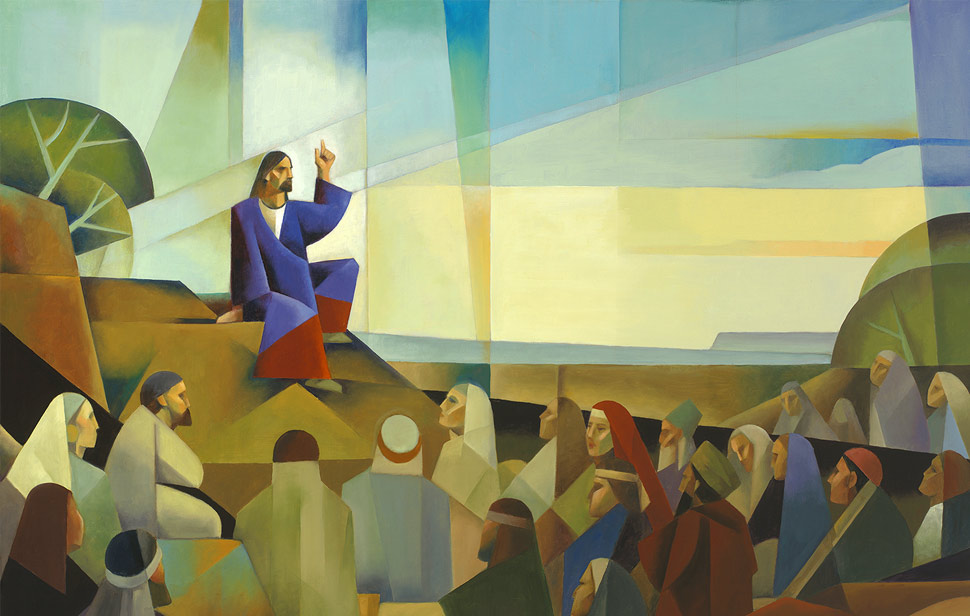
Matius, sang Penginjil, menunjukkan bahwa Yesus memulai pewartaan publik-Nya setelah Yohanes Pembaptis ditangkap. Mengapa Yesus mengambil keputusan ini? Ada beberapa alasan. Yang pertama adalah Yesus menggenapi apa yang dinubuatkan oleh Yohanes sendiri, ” Ia harus makin besar, tetapi aku harus makin kecil (Yoh 3:30).” Yohanes sangat populer, dan banyak orang mengikutinya dan menganggapnya sebagai nabi Allah, tetapi pelayanannya terhenti setelah dia dipenjara karena dia menegur Herodes yang menikahi istri saudaranya sendiri (Mat. 14:1-12). Ketika Yohanes tidak lagi dapat berkhotbah, dan meredup, Yesus datang, membawa Kabar Baik dan mulai bersinar.

Alasan lain yang menarik adalah bahwa Yohanes berfungsi sebagai cermin kehidupan dan pelayanan Yesus. Apa yang Yohanes lakukan dan alami, akan dilakukan dan dialami oleh Yesus, tetapi dengan skala yang jauh lebih besar. Pembuahan Yohanes merupakan sebuah mukjizat, karena Zakharia dan Elisabet dianggap sudah terlalu tua untuk memiliki seorang anak. Kehadiran Yesus dalam rahim bahkan tidak ada bandingannya karena Dia dikandung oleh kuasa Roh Kudus dan dilahirkan oleh perawan Maria. Yohanes memiliki banyak pengikut dan murid, dan banyak orang juga yang mengikut Yesus, dan beberapa di antaranya menjadi murid-murid dekat-Nya. Baik Yohanes maupun Yesus sama-sama memberitakan pertobatan, tetapi perbedaannya juga jelas. Yohanes berkhotbah untuk mempersiapkan jalan bagi Tuhan, sementara Yesus berkhotbah untuk membangun Kerajaan Allah dan keselamatan.

Yohanes membaptis sebagai tanda lahiriah dari pertobatan batin, sedangkan Yesus memberikan pengampunan dosa yang sejati. Yohanes membuktikan pewartaannya melalui gaya hidupnya, Yesus membuktikan Injil-Nya melalui mukjizat yang belum pernah terjadi sebelumnya. Baik Yohanes maupun Yesus dianiaya dan dieksekusi karena mereka memberitakan pertobatan dan kebenaran, dan dengan demikian, bertentangan dengan otoritas. Namun, Yesus bangkit dan naik ke surga, sementara Yohanes, yang walaupun sudah berada di surga, masih menunggu kebangkitan badannya.

Ketika saya bertemu dengan Romo Gerard Timoner, Pemimpin tertinggi Ordo Dominikan, di Roma, ia menguraikan sebuah fakta menarik tentang Yohanes dan Yesus. Ulang tahun Yohanes adalah 24 Juni, sedangkan Yesus 25 Desember. Yang menarik bukan hanya karena tanggalnya yang berbeda enam bulan, tetapi juga karena fenomena alam yang terjadi di sekitar tanggal-tanggal tersebut. Ulang tahun Yohanes dekat dengan titik balik matahari musim panas (summer solstice). Hal ini terjadi ketika kemiringan sumbu bumi paling condong ke arah matahari, sehingga menghasilkan periode siang hari terpanjang sepanjang tahun (bagi kita yang hidup di negara tropis seperti Indonesia, hampir tidak terasa perbedaannya). Namun, setelah titik balik matahari ini, hari-hari akan semakin pendek (sinar matahari akan berkurang). Sementara itu, hari kelahiran Kristus berada di dekat titik balik matahari musim dingin (winter solstice), hari terpendek dalam setahun. Namun, setelah titik balik matahari ini, hari-hari semakin panjang. Fenomena ini juga menggenapi apa yang Yohanes katakan, “Dia harus bertambah, tetapi aku harus berkurang”

Apa artinya bagi kita? Ketika kita memulai perjalanan kita melalui Masa Biasa, kita dipanggil untuk menjadi seperti Yohanes Pembaptis. Kita harus menjadi cerminan Kristus dalam hidup kita. Kita mungkin memiliki panggilan yang berbeda di dunia ini, seperti kaum awam, suami-istri, orang tua, imam, atau biarawan/biarawati, tetapi dalam cara hidup kita, kita harus mencerminkan Kristus. Apakah orang lain melihat Yesus ketika mereka melihat kita? Apakah kita membawa kedamaian, pertobatan, dan kebenaran kepada orang lain seperti yang Yesus lakukan? Apakah kita membawa orang lain kepada Yesus dan tidak tergoda untuk menarik orang lain kepada diri kita sendiri?

Roma
Valentinus Bayuhadi Ruseno, OP
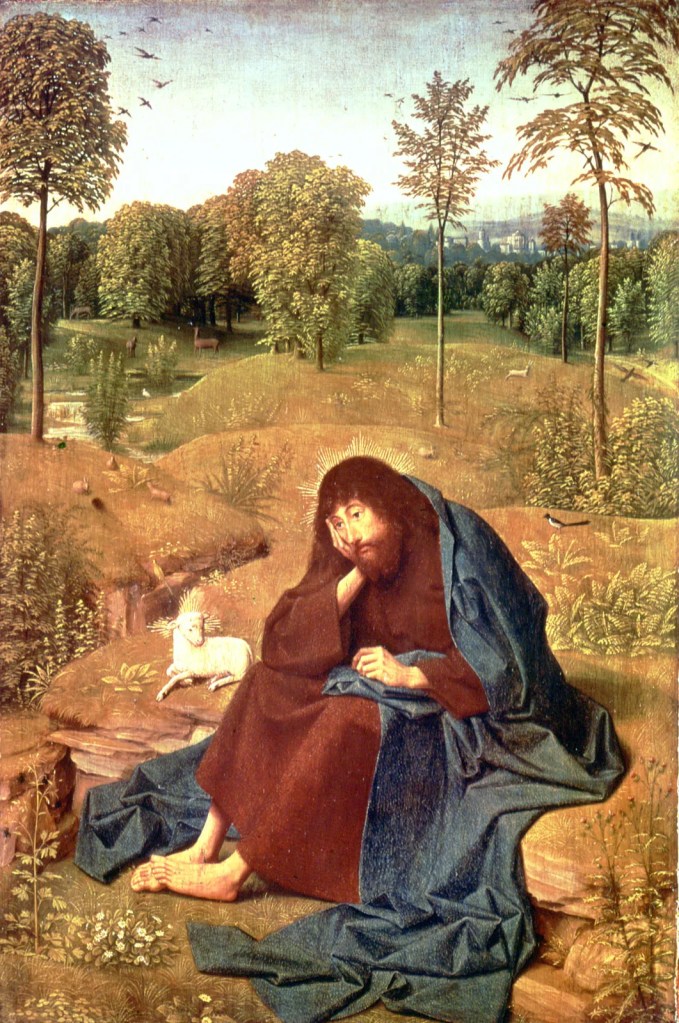
John and Jesus

3rd Sunday in Ordinary Time (A)
January 22, 2023
Matthew 4:12-23

Matthew, our Evangelist, indicated that Jesus began His public ministry after John the Baptist was arrested. Why did Jesus take this decision? There are several reasons. The first one is that Jesus fulfilled what John himself has prophesied, “He must increase, but I must decrease (John 3:30).” John was highly popular, and many people followed him and considered him as a prophet of God, but his ministry came to a halt after he was imprisoned because he reprimanded Herod who married his brother’s wife (Mat 14:1-12). As John was no longer able to preach, Jesus came and bring the Good News.

Another interesting reason is that John serves as a mirror to the life and ministry of Jesus. What John did and experienced, would be done and experienced by Jesus, but with much greater scale. John’s conception was miraculous, because Zacharias and Elizabeth were deemed to be too old to have a child. Jesus’ conception was even unparallel because He was conceived by the power of the Holy Spirit and born of the virgin Mary. John had great followers and disciples, and also many people followed Jesus, and some became His close disciples. Both John and Jesus preached repentance, but the distinction is also clear. John preached to prepare the way of the Lord, while Jesus preached to build His Kingdom of God.

John baptized as an outward sign of inner repentance, while Jesus granted true forgiveness of sins. John authenticated his messages through his lifestyle, Jesus proved His Gospel through unprecedented miracles and mastery of the nature force. Both John and Jesus were persecuted and executed because they preached the repentance and truth, and thus, offended the authority. However, Jesus resurrected and ascended into heaven, while John, who is already in heaven, is still waiting for his resurrection of the body.

When I met Fr. Gerard Timoner, our Master of the Order, in Rome, he told me this interesting fact about John and Jesus. John’s birthday is June 24 while Jesus is December 25. What is fascinating is not only the date is six months apart, but also the natural phenomena happening around those dates. John’s birthday is near to summer solstice. It occurs when the tilt of the Earth’s axis is most inclined towards the sun, resulting in the longest period of daylight for the year. Yet, after this solstice, the days are growing shorter and shorter. Meanwhile Christ’s birthday is near winter solstice, the shortest day of the year. Yet, after this solstice, the days are growing longer and longer. These phenomena also fulfil what John said, “He must increase, but I must decrease”

What is for us? As we begin our journey through the Ordinary Season, we are called to be like St. John the Baptist. We are to mirror Christ in our lives. We may have different vocations in this world, like laity, married persons, priests, or religious women, but in our way of life, we are to reflect Christ. Do other people see Jesus when they see us? Do we bring peace, repentance, and truth to others like Jesus does? Are we leading others to Jesus and not be tempted to draw people to ourselves?

Valentinus Bayuhadi Ruseno, OP

Mengapa Yohanes tidak mengenal Yesus

Minggu ke-2 dalam Masa Biasa [A]
15 Januari 2023
Yohanes 1:29-35

Membaca Injil hari ini, mungkin ada beberapa pertanyaan dalam benak kita, “Mengapa Yohanes Pembaptis menyebut Yesus sebagai Anak Domba Allah yang menghapus dosa dunia?” dan “Mengapa Yohanes mengatakan bahwa dia tidak mengenal Yesus dan Yesus telah ada sebelum Yohanes?” Kita tahu pasti bahwa Yohanes adalah kerabat Yesus dan, pada kenyataannya, dia lahir enam bulan lebih dulu dari Yesus. Dalam refleksi kali ini, saya tidak akan lagi menulis tentang identitas Yesus sebagai ‘Anak Domba Allah’ karena saya sudah pernah membahasnya dua tahun yang lalu [silakan cek refleksi saya tertanggal 17 Januari 2021]. Dengan demikian, kita mencoba menjawab pertanyaan kedua. “Mengapa Yohanes tidak mengenal Yesus?”

Kita tahu dari Injil Lukas bahwa Maria dan Elisabet, ibu Yohanes, adalah kerabat dekat, dan Maria bahkan hidup sekitar tiga bulan di tempat Elisabet dan Zakaria, suaminya [Luk 1:39-56]. Kelahiran Yohanes dan Yesus bahkan terkait erat. Kadang-kadang, saya menemukan benda seni rohani yang menggambarkan Yohanes dan Yesus sedang bermain bersama sebagai anak-anak kecil. Tentunya, ini berasal dari imajinasi dan kreativitas para seniman Kristiani. Lalu, mengapa tiba-tiba Yohanes mengatakan ‘dia tidak mengenal Yesus’?

Jawabannya mungkin ditemukan dalam kehidupan awal Yohanes yang dicatat dalam Injil Lukas. Lukas menulis bahwa Yohanes bertumbuh di dalam Roh, dan ia berada di padang gurun sampai hari Yohanes menampakkan diri di depan umum kepada Israel (lihat Luk 1:80). Jadi, Yohanes mungkin mendengar tentang Yesus dari orang tuanya waktu kecil, tetapi kemungkinan besar mereka tidak pernah bertemu secara pribadi karena Yohanes berada di padang gurun sejak ia masih sangat muda. Mengapa di padang gurun? Bagaimana seorang anak kecil bisa bertahan hidup di padang gurun? Sejumlah ahli berpendapat bahwa Yohanes, sejak kecil, masuk ke dalam salah satu komunitas Eseni. Eseni adalah kelompok keagamaan di dalam bangsa Yahudi yang berkembang pada zaman Yohanes, dan mereka terkenal karena ketaatan mereka yang ketat terhadap Hukum Musa. Mereka juga terkenal karena mereka hidup sebagai komunitas di padang gurun, memisahkan diri dari dunia.

Hal menarik lainnya adalah bahwa Yohanes mengatakan bahwa Yesus ‘sudah ada’ sebelum dia. Namun, kita tahu Yohanes lahir lebih awal daripada Yesus. Di sini, Yohanes tidak mengacu pada tanggal lahir kronologis dan usia biologis. Dengan ilham ilahi, Yohanes bersaksi bahwa Yesus telah ada bahkan sebelum dia, dan bahkan sebelum segala sesuatu yang lain ada. Hal ini sesuai dengan prolog Injil keempat (lihat Yoh 1:1-14). Bahkan sebelum Yesus dilahirkan ke dalam dunia dan mengambil kodrat manusia, Ia sudah ada bersama dengan Bapa dan Roh Kudus dalam kekekalan. Yohanes Pembaptis mengakui identitas keilahian Yesus.

Apa yang kita pelajari dari kesaksian Yohanes? Banyak di antara kita yang mungkin hanya tahu sedikit tentang Yesus. Kita mungkin merayakan hari ulang tahun-Nya setiap tahun dan mengenali wajah-Nya (karena kain kafan Turin), dan akrab dengan beberapa kisah dan ajaran-Nya, tetapi kita tidak tahu banyak tentang Dia. Bahkan bagi banyak ahli Kitab Suci dan teolog yang menghabiskan hampir seluruh hidupnya untuk mempelajari kehidupan Yesus, Yesus tetap menjadi misteri. Namun, kita tidak perlu khawatir: bahkan Yohanes, saudara Yesus, tidak tahu banyak tentang Yesus!

Memang benar bahwa Yohanes hanya tahu sedikit sekali tentang Yesus, tetapi apa yang ia kenali adalah hal yang paling penting, yaitu Yesus itu Allah. Tentu saja, saya tidak mengatakan bahwa kita harus berhenti mengenal Yesus, dan cukup percaya bahwa Dia ilahi. Sebaliknya, kita diundang untuk mengenal-Nya dengan lebih baik dan lebih dalam, dan pada saat yang sama, kita tidak boleh melupakan hal yang mendasar: identitas ilahi-Nya. Jika tidak, kita dapat dengan mudah jatuh ke dalam godaan bahwa Yesus adalah segala hal, kecuali ilahi. Dalam studi kita, kita dapat menemukan bahwa Yesus adalah seorang nabi yang hebat, penyembuh yang luar biasa, pengusir setan yang kuat, guru yang benar, tetapi jika kita gagal untuk mengakui keilahian-Nya, semuanya akan sia-sia. Jadikanlah Yohanes teladan kita.

Santo Yohanes Pembaptis, doakanlah kita.

Roma
Valentinus Bayuhadi Ruseno, OP

Why John did not know Jesus

2nd Sunday in Ordinary Time [A]
January 15, 2023
John 1:29-35

Reading through today’s Gospel, we may have some questions in our minds, “why did John call Jesus ‘the lamb of God who takes away the sin of the world?’ and ‘why did John say that he did not know Jesus and Jesus was before him?’ we know for sure that John was a relative of Jesus and, in fact, he was born six months ahead of Jesus. In this reflection, I will no longer write about the identity of Jesus as the Lamb of God because I have talked about it two years ago [kindly check my reflection dated January 17, 2021]. Thus, we try to answer the second question.

We know from the Gospel of Luke that Mary and Elizabeth, the mother of John, were close relatives, and Mary even spent around three months at the place of Elizabeth and Zachariah, her husband [Luk 1:39-56]. The birth of John and Jesus are even closely linked. Sometimes, I stumble upon a religious art depicting John and Jesus were playing together as little children. Surely, this is coming from the imagination and creativity of the Christian artists. Then, why did suddenly John say ‘he did not know Jesus’?

The answer may be discovered in the early life of John recorded in the Gospel of Luke. Luke writes that John grew strong in the Spirit, and he was in the wilderness until the day he appeared publicly to Israel (see Luk 1:80). Thus, John may hear about Jesus from his parents, but it is most likely that they were never personally met because John was in the wilderness since he was very young. Why wilderness? How could a young child survive in the wilderness? A number of scholars suggest that John, as young boy, entered one of the Essences communities. The Essences are the Jewish religious group that flourished in the time of John, and they were well-known for their strict adherence to the Law of Moses. They were also famous because they lived as communities in the wilderness.

Another interesting thing is that John said that Jesus was ‘before’ him. Yet, John was born earlier than Jesus. Here, John was not referring to the chronological date of birth and biological age. By divine inspiration, John testified that Jesus has existed even before him, and in fact before everything else. This is consistent with the prologue of the fourth Gospel (see John 1:1-14). Even before Jesus was born into the world, He was already with the Father and the Holy Spirit for all eternity. John the Baptist recognized the divinity identity of Jesus.

What do we learn from John’s testimony? Many of us may know little about Jesus. We may celebrate His birthday every year and recognize His face (because of the shroud of Turin), and be familiar with some His stories and teachings, but we do not know much about Him. Even for many biblical scholars and theologians who spend almost their lives to study Jesus’ life, Jesus remains a mystery. Here is the consolation: even John, Jesus’ relative, does not know much about Jesus!
It is true that John knew very little about Jesus, but what he recognized is the most fundamental, that is, Jesus was before him. In short, Jesus is divine. Surely, I am not saying that we must stop getting to know Jesus, and simply believe that He is divine. In the contrary, we are invited to know Him better and deeper, and at the same time, we must not lose sight of the fundamental: His divine identity. Otherwise, we can easily fall into a temptation that Jesus is anything, but divine. In our study, we can discover that Jesus is a great prophet, a wonderful healer, a powerful exorcist, a righteous teacher, but if we fail to acknowledge His divinity, everything will be in vain.

St. John the Baptist, pray for us.

Rome
Valentinus Bayuhadi Ruseno, OP