

(a reflection of a religious brother for three Filipino priests who recently martyred)
June 17, 2018
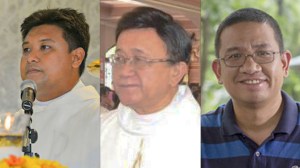 The Catholic Church in the Philippines is once again in profound grief after one of her priests was mercilessly murdered. Fr. Richmond Nilo, from the diocese of Cabanatuan was shot several times just before he celebrated the mass at a chapel in Zaragoza, Nueva Ecija. His body was laying on the floor at the foot of the image of Blessed Virgin, soaked with blood. Another disturbing and painful image. He becomes the third priest losing his life in a bloody attack in the past six months. On December 4, 2017, Fr. Marcelito Paez was ambushed in Jean, Nueva Ecija. Just a few weeks ago on April 29, Fr. Mark Ventura was also gunned down moment after celebrating the mass. We may also include Fr. Rey Urmeneta who was attacked by a hit man in Calamba, Laguna. He sustained a bullet in his body, yet he survived death.
Several weeks ago I wrote an emotional reflection on the death of Fr. Ventura (see “A Death of Priest) and I would never hope that I would write another one. Yet, just sometime after the priest was buried without justice being served, Fr. Nilo lost his life in the line of duty. Surely, this is not the first time a priest is killed in the Philippines. The history has witnessed the killing of both Filipino and foreign priests in this land, but to lose three lives in just six months is truly alarming. I was asking myself, “Are we now living in the perilous time for priests? Is to become a priest a dangerous vocation? What’s the point of becoming a priest if it brings nothing but persecution and death?” We have left everything for Christ, our family, our future. Should we give up our lives in this heinous manner as well?
These questions are valid, yet these questions also, I realize, spring from fear. Many priests and even seminarians, myself included, have lived in the comfort of our seminaries, parishes or convents. Provided with readily available basic necessities, with individual rooms, with good-quality education, with other facilities and even amenities, we are actually living as middle-class bachelors. These privileges are meant to make us better and well-formed priests for the service of the people, but getting used to these facilities, we often lose sight of their primary purpose. Our priesthood is called as the ministerial priesthood because the ordained priests are to serve the people of God, but sometimes, the priests end up being served by the people of God. At times, the virus of clericalism and careerism infect our minds. Ordinations and positions in the Church are seen as promotions, career, or prestige. A better position means better perks! If the priesthood is just another way to make us rich, we have lost the priesthood even before we die! The death of a priest is terrible sorrow, but the death of priesthood in our hearts is tragedy!
Bishop Pablo David, DD of Caloocan, Metro Manila, reminds seminarians who are aspiring to become priests, that if the deaths of the priests gave them discouragement, rather than inspiration, it is better for them to forget the priesthood and leave the seminary as soon as they can. Bishop David notes that they are not helpless victims, but rather martyrs that bravely choose to face the dangerous consequence of preaching the Gospel and working for justice.
Since the beginning of Christianity, to become Christians and especially priests are dangerous vocations because we follow Christ in His way of the Cross. Yet, the martyrdom of the three priests turns out to be a shock therapy that wakes us up from our comfortable slumber. It is a call for many of us, seminarians, religious, and priests to ask what the purpose of our priesthood is. Have we died every day to ourselves? Are we ready to give up our lives to God and His people? Are we ready to follow Christ till the end?
Br. Valentinus Bayuhadi Ruseno, OP

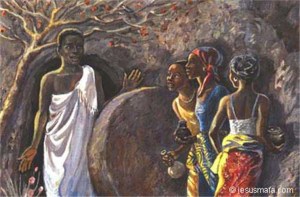 If we read the Resurrection narrative in the four Gospels, we will discover that each Evangelist has his own distinct story. Yet, there are some common features in the Resurrection episode: the empty tomb, the presence of women, the appearance of angel followed by the risen Christ, and the women announcing the Good News to the other disciples. Let us focus on one particular feature that we usually miss. The first witnesses of the resurrection were not men, but women. Where were the male disciples? Where were those men who promised to sacrifice their lives for Jesus? They were in hiding. They were afraid. They were scattered.
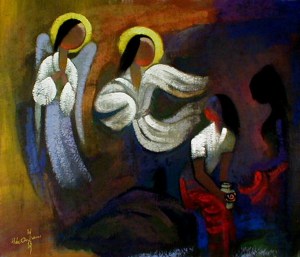 Jika kita membaca narasi Kebangkitan di keempat Injil, kita akan menemukan bahwa setiap Penginjil memiliki cerita unik tersendiri. Namun, walaupun berbeda, ada beberapa hal-hal serupa di dalam narasi Kebangkitan, seperti kubur yang kosong, kehadiran para wanita, hadirnya malaikat diikuti oleh Yesus yang bangkit, dan para wanita mewartakan Kabar Baik bagi murid-murid lainnya. Mari kita fokus pada satu fitur yang biasanya luput dari perhatian kita. Saksi pertama dari kebangkitan bukanlah seorang laki-laki, tapi para perempuan. Pertanyaanya sekarang: Di mana para murid laki-laki? Di mana para pria yang berjanji untuk mengorbankan nyawa mereka demi Yesus? Jawabannya: Mereka bersembunyi, lari dan ketakutan.

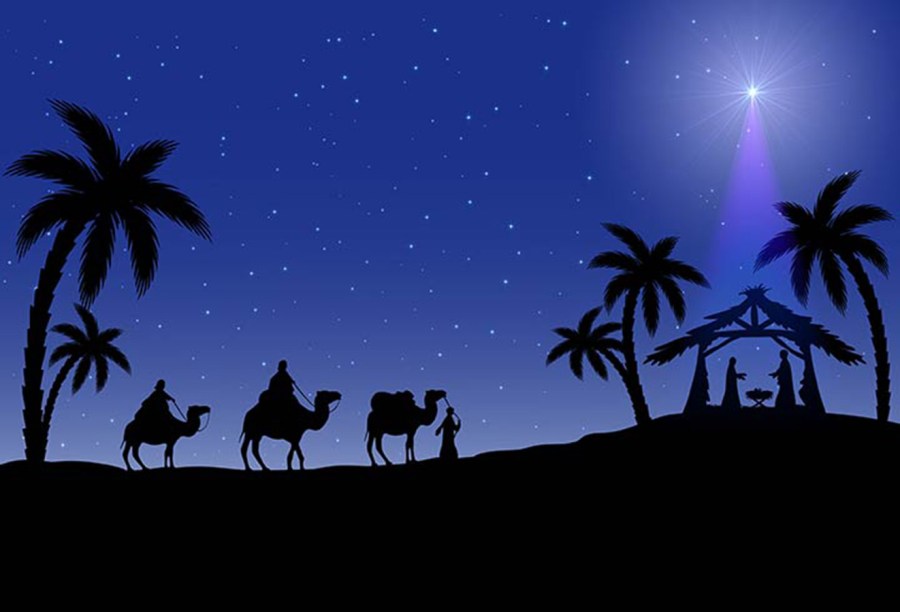
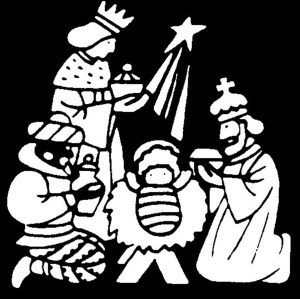 Hari ini kita merayakan Hari Raya Epifani Tuhan. Kata Epifani berasal dari kata Yunani ‘epiphananie’, yang berarti ‘penampakan’. Oleh karena itu, tidak salah jika hari ini juga dikenal sebagai Hari Raya Penampakan Tuhan. Perayaan ini dianggap salah satu yang tertua dan paling penting karena Bayi Allah mengundang tidak hanya orang-orang Yahudi, tetapi juga bangsa-bangsa lain, diwakili oleh orang-orang Majus, untuk mengunjungi dan akhirnya menyembah Dia. Di awal hidup-Nya, Yesus memperlihatkan sendiri sebagai Raja segala bangsa.
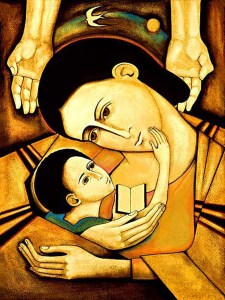 Today, the world is celebrating its new beginning. Many of us are going to the parties, watching fireworks, and dancing and singing. Surely, nothing is wrong with those. Yet, today, the Church decides to go against the tide and celebrates something else, or someone else: Mary the Mother of God. To make it worse, today is a holiday of obligation, meaning we need to go to the mass whether we like or not. I remember attending the Eucharistic mass on January 1 in my own parish, and the priest never dropped a single greetings of a Happy New Year to the congregation. What a kill-joy!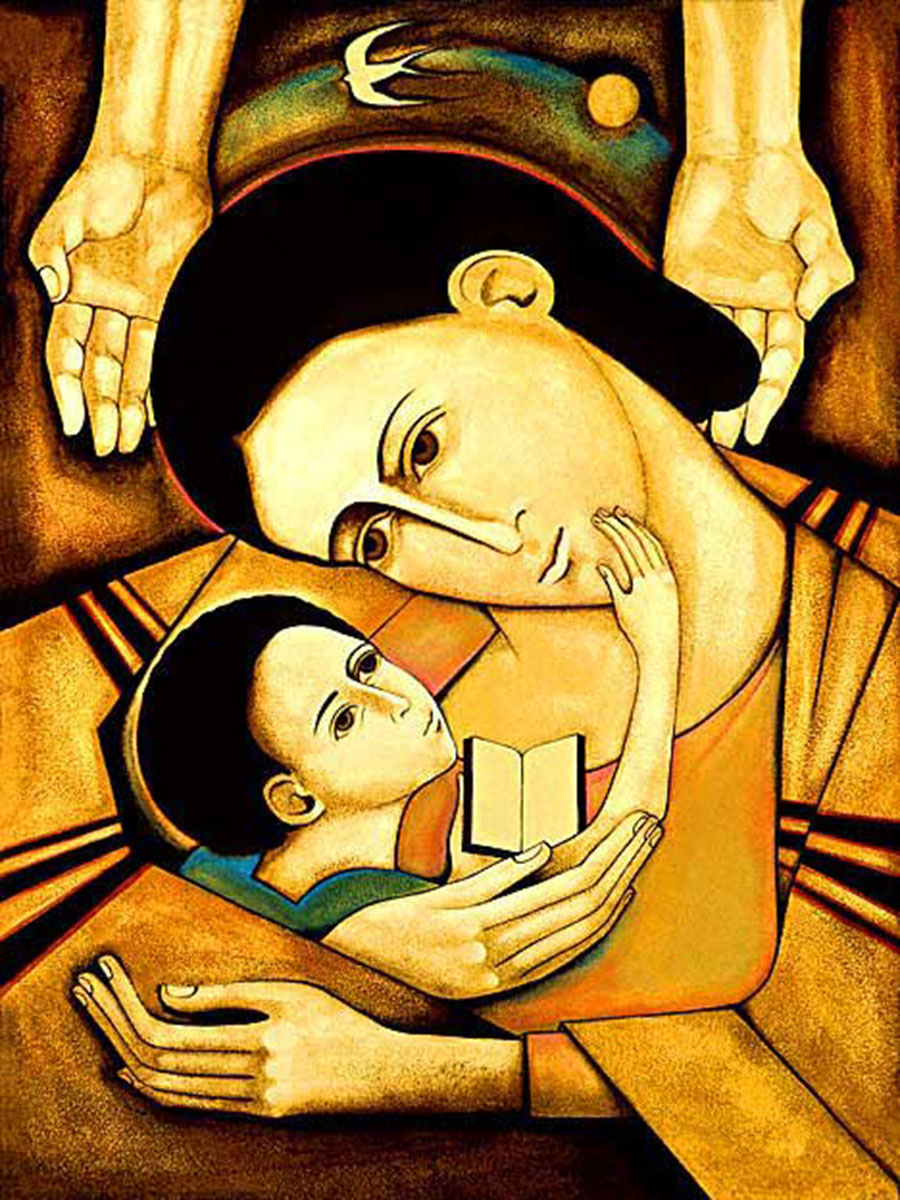
 Hari ini, dunia merayakan tahun baru. Dan, banyak dari kita merayakannya dengan berpesta, menonton kembang api, menari dan menyanyi. Namun, hari ini, Gereja memutuskan untuk melawan arus dan merayakan sesuatu yang berbeda, Maria Bunda Allah. Apalagi, hari ini telah ditetapkan sebagai hari raya kewajiban yang berarti kita harus pergi ke gereja suka atau tidak. Saya ingat menghadiri Ekaristi pada 1 Januari di paroki saya di Bandung, dan sang imam tidak pernah sekalipun memberi ucapan Selamat Tahun Baru kepada jemaat sampai misa selesai!
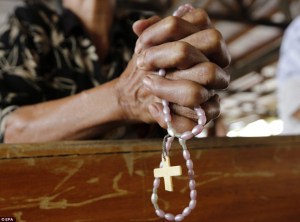 October is the month of the rosary. Allow me to reflect on this ancient yet ever new form of prayer. Why October? It all started when Pope Pius V, a Dominican, dedicated October 7 as the feast of Mary Our Lady of the Rosary after the battle of Lepanto. In this naval battle of October 7, 1571, the smaller Christian army fought the much larger and powerful Ottoman Turks’ forces that planned to invade Europe at the Gulf of Lepanto in Greece. While the battle was being waged, the Holy Pontiff and all Christians prayed the rosary asking the intercession of Our Lady. After hours of confrontation, the enemy’s fleet was roundly defeated.
 Oktober adalah bulan rosario. Izinkan saya untuk menulis tentang doa yang sebenarnya kuno tetapi selalu baru. Mengapa Oktober adalah bulan rosario? Semuanya berawal ketika Paus Pius V, seorang Dominikan, mendedikasikan 7 Oktober sebagai pesta Maria Ratu Rosario setelah pertempuran Lepanto. Pada 7 Oktober, 1571, di Teluk Lepanto di Yunani, tentara Eropa berjuang melawan armada laut Ottoman Turki yang jauh lebih besar dan kuat, yang merencanakan untuk menyerang Eropa. Sementara pertempuran sedang berlangsung, sang Paus dan semua umat berdoa rosario meminta perantaraan Bunda Maria. Setelah berjam-jam konfrontasi, armada musuh pun dikalahkan.
 In Medio Ecclesiae