

The Epiphany of the Lord [January 7, 2018] Matthew 2:1-12
“Then they opened their treasures and offered him gifts of gold, frankincense, and myrrh. (Mat 2:11)”
 Balthazar, Melchior, and Gaspar, as the tradition called them, were neither Jews nor baptized Christians. In Greek ancient manuscripts of the Gospel, the word used to describe them is ‘magos’, meaning ‘someone with magical power’ or ‘magicians’, and practicing magic is detestable in the eyes of the Jews (2 Chro 33:6). Even the Catholic Church herself prohibits our engagement with any kind of magic (CCC 2116). Yet, we cannot be sure what kind of magic they craft, but one thing is certain that these Magi read the sign of times and follow the star. Because of this, they are called as one of those ancient astrologers, star-readers who predict the human behaviors and the future.
Surprisingly, today’s Gospel presents these three Magi as our protagonists. Why should these practitioners of magic turn to be the good guys here? If we examine closely the story of the Gospel, we discover that these Magi stand in contrast with Herod together with his chief priests and scribes. Unlike the Magi who are reading the star to find the new-born king, Herod and his religious associates are examining the Scriptures to locate the Messiah. Indeed, the Scriptures, as the Word of God, is the lawful means to seek Jesus. Unfortunately, despite its valid method, Herod’s intention is to annihilate Jesus, his threat to his throne. Herod embodies those people who use the Scriptures to achieve his own agenda, to confuse the people and to destroy God. Meanwhile the Magi, despite their illegitimate method, sincerely seek Jesus, the true King, and indeed, God leads them to Jesus.
The encounter with Jesus brings real transformation. The Magi offer Jesus gold, frankincense, and myrrh. Traditionally, the three gifts are symbols of kingship, priesthood and suffering of Jesus, but further studies suggest that the three gifts are the usual items used for practicing magic in the ancient time. Thus, when the Magi offer the three gifts, this symbolizes their giving-up of their old profession. When they see the true King, they have found the true meaning of life, the fullness of happiness. They realize that their former profession, powerful it might be, is not true. Their journey has come to a conclusion, and it is the time for them to decide whether to stay in their old way or to embrace Christ fully. And, they made the right choice.
The story of the Magi reminds me of the story of Bartolo Longo. Growing up in the troubled time of Italy and the Church, young Bartolo loses faith in Papacy, and entered a satanic group. He goes all the way and he becomes the satanic priest. Yet, despite the power and wealth he gains from the devil, he continues to be restless. Deep inside, he longs for the true peace. Driven by his desire for truth, and helped by his friend and a Dominican priest, he returns to the faith that he has abandoned. He becomes an ardent devotee of our Lady and zealous promoter of the rosary. He initiates the restoration of a dilapidated church in Pompey, and places the image of Our Lady of the Rosary. Through his effort, now the church has become a revered pilgrim site in Italy. His holiness is acknowledged by the Church, and he is beatified in 1980 by John Paul II.
Like the Magi and Bartolo Longo, are we ready to recognize Christ as our true happiness? Are we willing to look for Jesus in our lives’ journey? And, when the moment comes, are we willing to give up our former lives and to embrace Jesus fully?
Br. Valentinus Bayuhadi Ruseno , OP
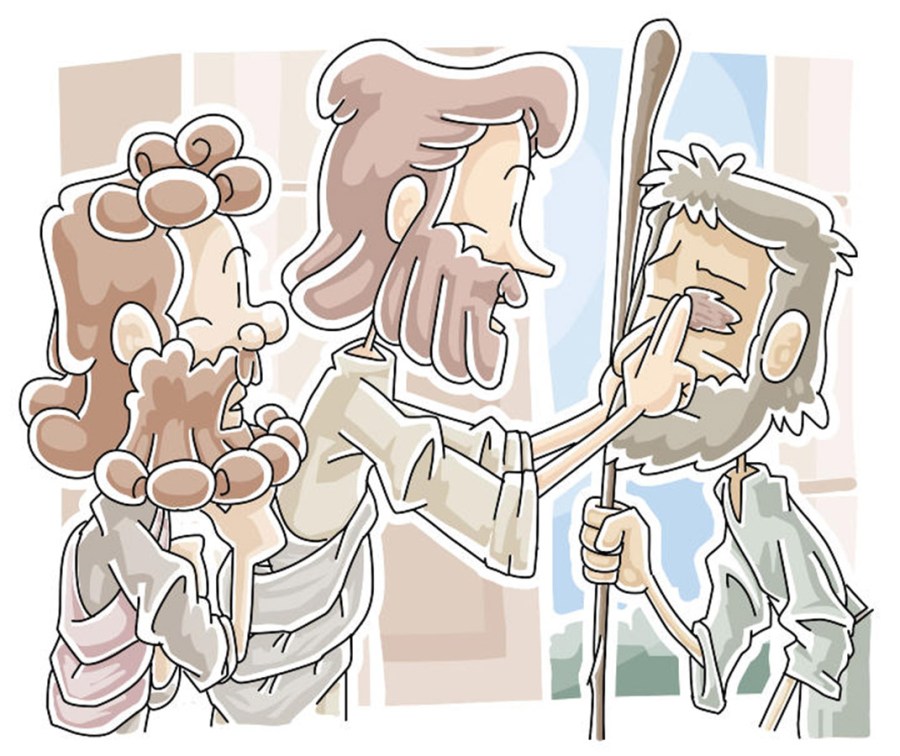
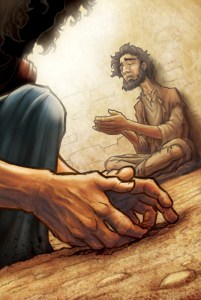 Blindness is the most dreadful disability for many of us. It is the loss of vision, living in total darkness for our entire lives. Blindness is the inability to see the beauty of the world and people who love us. In the Old Testament, blindness puts one in great disadvantages. The well-known story of Isaac who was tricked by his own son Jacob so that he might get his blessing began with Isaac losing his eyesight. Blind people are also hindered from fulfilling their religious duties. The Law of Moses dictates that the blind cannot offer sacrifice to the Lord,p; even blind animals can not be offered to the Lord! (see Lev 21-22). Blindness was associated with sinners. (see Deu 28:29). That is why Jesus’ disciples asked whether the man’s blindness was caused by his sin or his parents’ sin.
 Cinta kasih bukanlah untuk orang yang lemah hatinya. Mengasihi itu sulit, bahkan bagi mereka yang seharusnya kita cintai secara alami dan mudah. Kadang-kadang, kita menyesal telah mengikat diri dalam pernikahan dengan seseorang yang moody, banyak tuntutan dan tidak lagi menarik. Kadang-kadang, kita ingin menendang keluar anak-anak yang menjadi keras kepala dan susah diatur. Kadang-kadang, kita, kaum berjubah, juga berpikir bahwa kita telah memasuki Kongregasi atau biara yang salah.


 Mengapa banyak orang datang menemui Yohanes Pembaptis dan mendengarkan dia? Saya percaya bahwa orang-orang Yahudi ini lapar akan kebenaran. Mungkin kebenaran ini tidak nyaman dan menyakitkan untuk didengar, tetapi mereka ingin dan perlu mendengarkannya. Mereka bosan mendengarkan pemimpin mereka, seperti orang-orang Farisi dan Saduki, yang tidak jujur dan hidup dalam kemunafikan. Mereka kelelahan oleh banyak kewajiban agama, namun tidak menemukan inspirasi dan contoh yang baik dari pemimpin mereka. Yohanes datang dan mewartakan kebenaran dengan kesederhanaan dan integritas, dan orang Israel tahu bahwa mereka harus mendengarnya.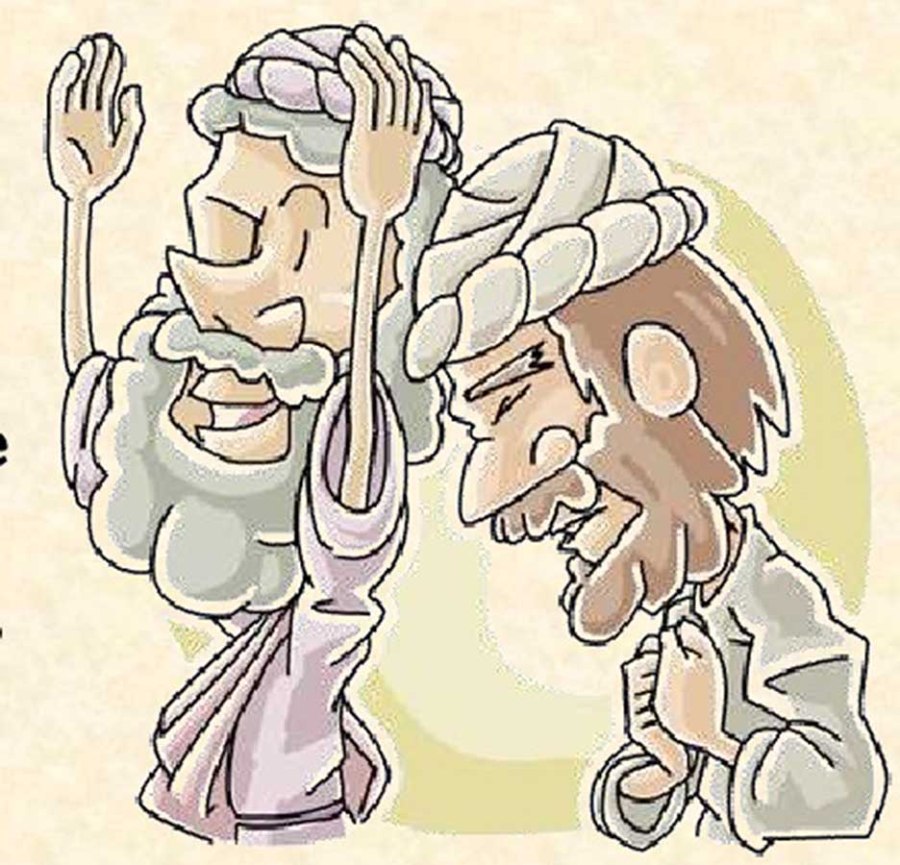
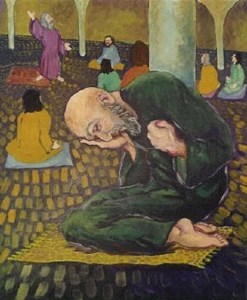 Last Sunday, Jesus reminded us to pray without getting weary. But, in today’s Gospel, Jesus tells us that there is something more than perseverance in prayer. It has something to do with the way we pray. Not only quantity of prayer, but also the quality of prayer. Yet, how do we know that we have a quality prayer?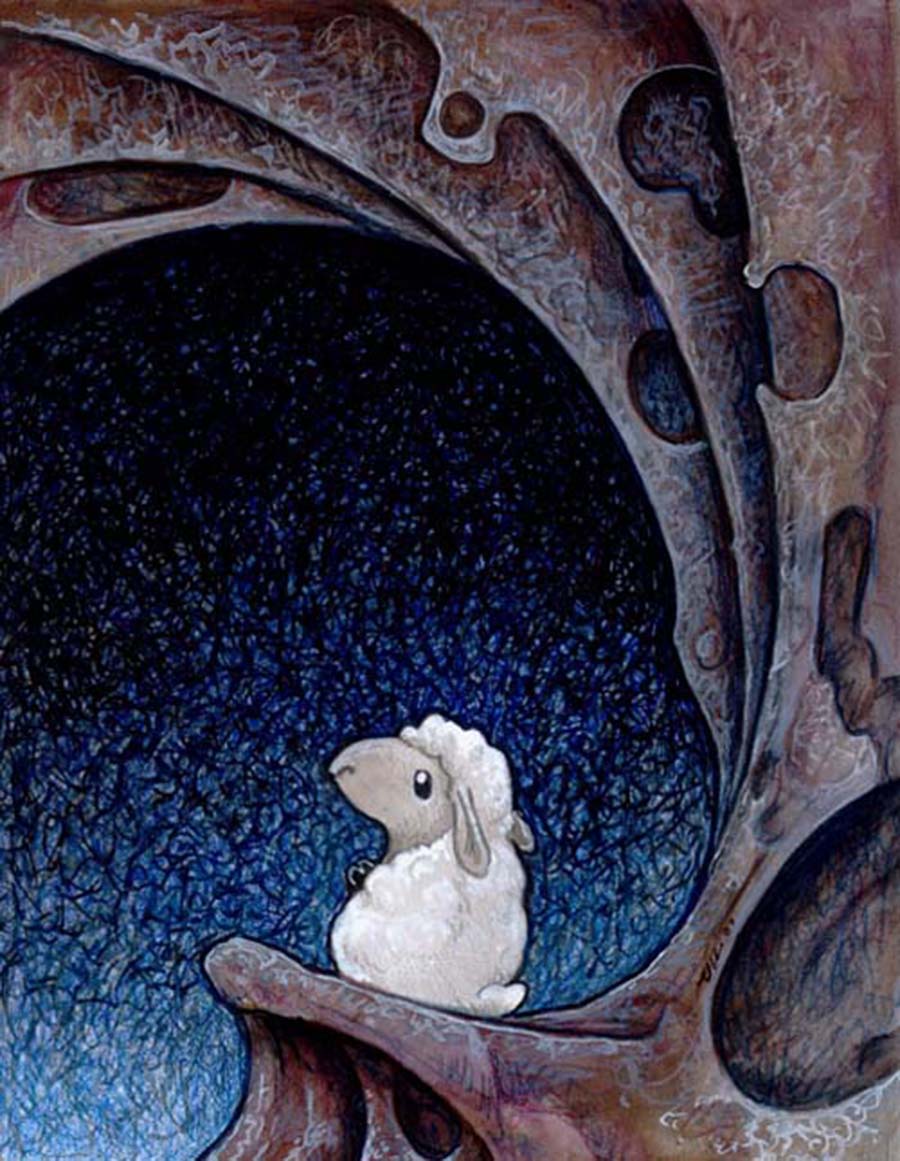
 The parable of the lost sheep subtly speaks of who we are fundamentally to Jesus. We are all His sheep and He is our shepherd. Whether we faithfully remain inside the sheepfold or go astray, we are still His sheep.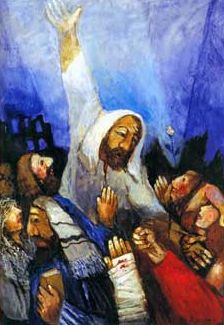

 In Medio Ecclesiae