Rejoice Always

Third Sunday of Advent [C]
December 12, 2021
Luke 3:10-18
Phil 4:4-8

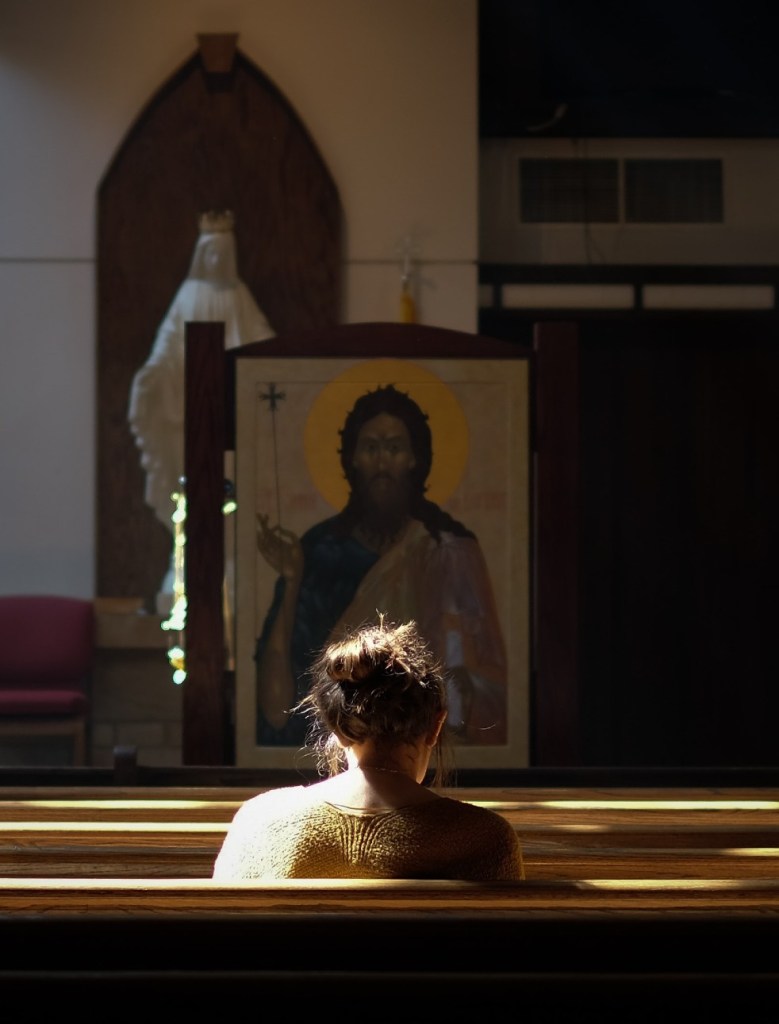
The third Sunday of Advent is well known as Gaudete Sunday, or the rejoicing Sunday. The lovely Sunday takes its root from St. Paul’s letter to the Philippians, our second reading for the mass. St. Paul reminds the Christians in Philippi to rejoice always [Phil 4:4]. Thus, Gaudete Sunday invites us to possess that lasting joy, and must not be gloomy while we are preparing ourselves for the coming of our Lord, Jesus Christ.

photocredit: kelly sikk

if we try to closely reflect St. Paul’s words, we will discover something utterly amazing. St. Paul is not simply advising us to rejoice from time to time, but he commands us to rejoice all the time! How is it possible? Sadness and sorrow are inevitable parts of our lives. We are sad when we experience failures, we mourn when we lose someone important in our lives, and we feel the pain when we are hurt. It seems that St. Paul was overly optimistic about life. Yet, Paul simply teaches the truth. On a deeper level, sorrow and joy are not contradictory. For Paul, we can have a profound joy despite our sadness and sufferings.

If we try to examine Paul’s life, we will have a better understanding of what he means. Paul used to be the archenemy and persecutor of the Church, but after he encountered Jesus, he repented and became a zealous apostle of Christ. Was his life getting better after following Jesus? Not at all! Paul himself shared many hardships he had to endure for the sake of Christ and His body. Often, he got stoned, bitten, and imprisoned. When he was traveling, he endured the scourging sun and the freezing nights. Sometimes, he faced betrayals and false brothers. Yet, most of all, he had to take care of his flocks with all their problems and stubbornness.

His final ordeal was when he was under house arrest in Rome. He was waiting for his trial before Caesar, and the future was bleak as Nero the mad man was the emperor. He was in the chain and a Roman soldier constantly watched over him. Yet, despite this, he wrote a letter to the Philippians and asked them to rejoice always. How is it even possible?

The secrets are within the same letter. After commanding the Philippians to rejoice always, St. Paul asked for two things: do not worry about anything and to pray in thanksgiving always. Firstly, Paul was indeed in terrible situations, but he was not worried because he entrusted his life to God. He had faith that God would take care of him well. Secondly, Paul offered everything to the Lord in his prayer. More remarkably, he gave thanks always in his prayers. Paul even was able to appreciate ‘bad things’ in his life as an opportunity to praise the Lord. This is the secret of joy according to St. Paul. Do not worry, pray and be grateful!

What is more fascinating is that the word thanksgiving used by Paul in Greek is ‘eucharistia’. This reminds us of all that at the core of our worship is thanksgiving. Everytime we worship the Lord in the mass, we throw away our anxiety, offer our lives, and give thanks for everything we have received. Thus, joy is the inevitable result of our worship.

Valentinus Bayuhadi Ruseno, OP
Kenapa Yohanes Membaptis

Minggu Adven Kedua [C]
5 Desember 2021
Lukas 3:1-6

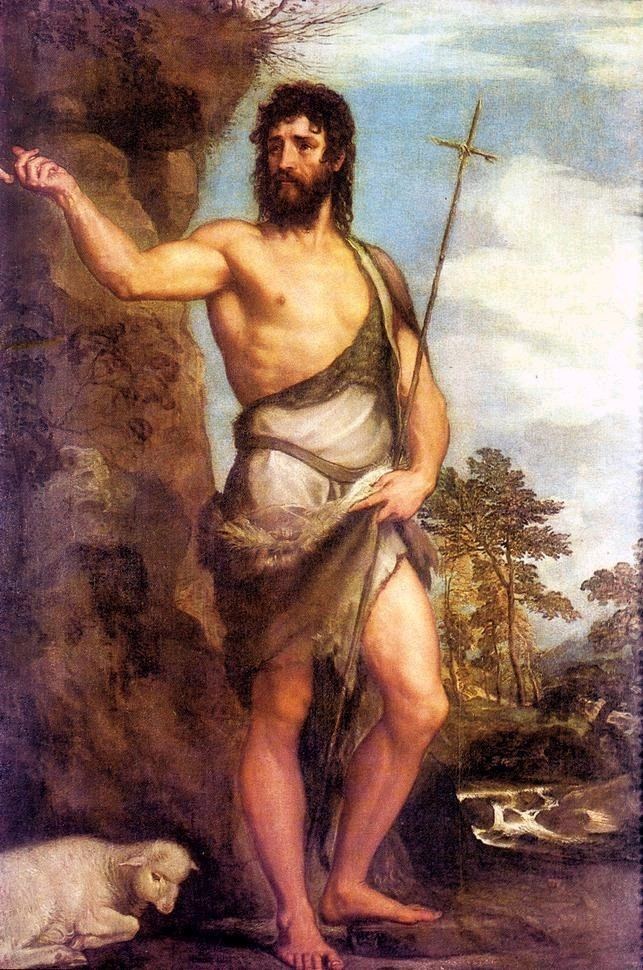
Pada Minggu Adven kedua, kita bertemu dengan sosok Yohanes Pembaptis. Dia adalah salah satu tokoh yang paling menonjol dan berpengaruh dalam Injil. Keempat penginjil menyebut dia dan sering menggambarkan dia sebagai orang yang tak kenal takut yang bahkan berani menantang orang yang paling berkuasa di Galilea, Herodes Antipas. Dari padang gurun Yudea, ia datang dan memposisikan diri pada tempat strategis di lembah Yordan. Tempat adalah jalan utama yang menghubungkan Yerusalem dengan seluruh Israel, dan Yohanes memanfaatkan momen itu untuk menyatakan kedatangan Mesias. Kita bisa membayangkan suaranya yang kuat menggelegar di seluruh lembah dan mengguncang setiap hati yang mendengarkan.

Mesias akan datang, dan jalan-Nya harus dipersiapkan. Namun, kita tidak mempersiapkan kedatangan-Nya dengan karpet merah, karangan bunga, atau parade musik besar. Dia tidak akan datang dan menyelami para pejabat dan disambut dengan perjamuan pesta. Dia tidak membutuhkan persiapan eksternal tetapi menuntut transformasi internal. Maka, Yohanes berteriak dengan suara nyaring, “Bertobatlah!”

Satu pertanyaan mungkin membuat kita bertanya-tanya: mengapa Yohanes membaptis orang? Membaptis berarti membasuh diri dengan air, dan dalam tradisi Yahudi, ini adalah sebuah ritual Yahudi yang umum untuk membersihkan diri dari kenajisan. Para peziarah Yahudi akan membasuh diri sebelum mereka memasuki Bait Allah Yerusalem, dan ada banyak kolam kecil untuk tujuan ini yang disebut ‘mikvah’ di kota Yerusalem. Satu tradisi mengatakan bahwa Yohanes berasal dari sekte Yahudi bernama Essenes. Kelompok ini terkenal karena kepatuhan mereka yang ketat terhadap Hukum Musa. Bahkan, mereka memiliki standar ekstrim dalam hal menjaga diri dari kenajisan, dan mereka akan melakukan ritual pembasuhan bahkan beberapa kali sehari. Jika tradisi ini benar, Yohanes tahu betul betapa pentingnya pembaptisan dengan air.

Namun, Yohanes tidak hanya mengulangi ritual pentahiran Yahudi yang lama. Dia merevolusi hal ini. Yohanes membaptis orang dengan air sebagai tanda eksternal dari pertobatan internal. Bagi Yohanes, tidak ada gunanya jika orang pergi ke Bait Allah dan melakukan berbagai ritual, tetapi hati mereka jauh dari Tuhan.

Yohanes Pembaptis mengingatkan inti Adven: persiapan rohani untuk kedatangan Yesus. Kita menyadari bahwa Adven adalah masa persiapan untuk kedatangan Kristus, tetapi seringkali kita tidak tahu bagaimana mempersiapkannya. Terkadang, kita menghabiskan waktu dan uang kita untuk membeli hadiah, menyiapkan dekorasi Natal, dan merencanakan liburan. Terkadang, kita sibuk berlatih untuk Misa Natal, atau mempersiapkan diri untuk pesta dan perayaan. Namun, jika kita lupa mempersiapkan diri secara rohani, kita bisa kehilangan segalanya.

Warna liturgi Adven adalah ungu, dan ungu yang sama yang kita gunakan pada masa Prapaskah. Jika ungu di Prapaskah berarti warna pertobatan, ungu Adven memiliki karakter yang sama. Ketika Yohanes Pembaptis mengingatkan orang-orang untuk mempersiapkan jalan bagi Mesias dengan perubahan hati, Gereja juga memanggil kita untuk mempersiapkan kedatangan Tuhan kita dengan pertobatan dan latihan rohani.

Valentinus Bayuhadi Ruseno, OP

[JANGAN LUPA SUBSCRIBE DAN SHARE YA UNTUK MENDUKUNG KARYA RM. BAYU, OP]

The Reason behind John’s Baptism

Second Sunday of Advent [C]
December 5, 2021
Luke 3:1-6

On the second Sunday of Advent, we encounter John the Baptist. He is one of the most prominent and impactful figures in the Gospel. The four evangelists mentioned him and often described him as a fearless man who even dared to challenge the most powerful man in Galilee, Herod Antipas. From the desert, he went and positioned himself in a strategic position in the Jordan valley. That was the major passageway that connected Jerusalem with the rest of Israel, and John seized the moment to preach the coming of Messiah. We could imagine his strong voice thundered throughout the valley and shook every heart who listened.

photocredit: John Applegate

The Messiah is coming, and His way must be prepared. Yet, one does not prepare His arrival with a red carpet, a flower garland, or a grand musical parade. He will not come and check the honor guards. He does not need external preparation but demands internal transformation. Thus, John shouted with a loud voice, “Repent!”

One question may keep us wondering: why did John baptize people? To baptize means to wash with water and washing oneself with water was a common Jewish ritual to cleanse oneself from ritual uncleanliness. Jewish pilgrims would wash themselves before they entered the Temple of Jerusalem, and there were many small pools for this purpose called ‘mikvah’. One tradition recognized that John was coming from a Jewish sect named Essenes. This group was famous for its strict adherence to the Law of Moses. In fact, they had an extreme measure when it came to ritual purity, and they would take a ritual bath several times a day. If this tradition is true, John knew too well how important baptism was.

However, John did not simply repeat the old Jewish purification ritual. In fact, He revolutionized it. John baptized people with water as an external sign of internal repentance. For John, it would be useless if people go to the Temple and perform various rituals, but their hearts are far from the Lord.

John the Baptist brings to mind the core of Advent: the spiritual preparation for the coming of Jesus. We recognize that Advent is the season of preparation for Christ’s coming, but often, we do not know how exactly to prepare. Sometimes, we are spending our time and money to buy gifts, to prepare Christmas decorations, and to plan for holidays. Sometimes, we are busy practicing for Christmas services, or ready ourselves for parties and celebrations. Yet, if we forget to prepare spiritually, we may lose everything.

The liturgical color of Advent is purple, and the very same purple that we use in the Lenten season. If the purple in Lent means the color of repentance, the purple of Advent has the same character. As John the Baptist reminded the people of his time to prepare the way for the Messiah by change of hearts, the Church also calls us to prepare the coming of our Lord with repentance and spiritual exercises.

Valentinus Bayuhadi Ruseno, OP

How to Prepare the Coming of Christ

First Sunday of Advent [C]
November 28, 2021
Luk 21:25-28, 34-36

photocredit: Ai Nhan

We are entering the season of Advent. The word of Advent comes from the Latin word ‘Adventus’ meaning ‘coming.’ Thus, from its name, we easily understand that it is the season dedicated to preparing ourselves for the coming of Christ. Generally, Advent makes us ready for the joyful celebration of Christmas, the Birth of Jesus Christ in Bethlehem two thousand years ago. Yet, this season is also reminding us of the second coming of Christ at the end of time, Parousia. This is the reason that the Church chooses the Gospel that speaks about the coming of the Son of Man at the end of time today.
While it is true that we do not know when the hour is, and perhaps it will not be happening during our lifetimes, it remains true that all of us will die and face a private judgment before God. Some of us will experience dying moments, but some others will not have the privilege to pass through this dying stage. Thus, the Advent season is called for all of us to always be ready. How are we preparing ourselves?
Jesus provides us with His precious instructions. The first step is that we must be aware of inordinate attachment to worldly pleasures, drunkenness, and excessive worriedness. Worldly pleasures are not evil in themselves, and in fact, there is part of God’s good creation. What makes them dangerous is when we are addicted to them, and making them our priorities, instead of God. Drunkenness is dangerous because we intentionally intoxicate ourselves. When we are under the influence of alcohol, we become irrational, and we are open to many sins. We are also warned of excessive worry. Anxiety is not a mortal as drunkenness, but it greatly inhibits our spiritual growth towards God. Our anxiety shows our lack of faith in God and excessive reliance on ourselves.
The second step is to train and strengthen ‘our spiritual muscles’. Jesus gives us specific instructions: keep vigilant and pray. Doing vigil is basically fasting from sleep. To have a good rest is surely a pleasure, but we intentionally deprive ourselves of it so we can provide more time in prayer. This is a kind of fasting that is intimately related to prayer, and purposedly to train our spiritual strength amid sleepiness and human weakness. In fact, a vigil is one of the most favorite forms of prayer among the saints. After the night prayer with the community, St. Dominic de Guzman often stayed at the chapel and spent more time in prayer. Some brothers who witnessed his vigil reported that St. Dominic often prostrated himself before the altar in the form of a cross or wept for the poor sinners at the feet of the altar. Yet, it was recorded also that he fell asleep and spent the night inside the chapel with the Lord. Through years of spiritual practices, his spiritual strength grew exponentially, and he was known as the indefatigable champion of the faith. His spiritual strength manifested excellently in his dying moment. At his dying bed, he said to his brethren, “Do not cry for me. I will be more useful when I am in heaven.”
Thus, from Jesus, we have twofold preparation to welcome Him: to detach from earthly pleasures and concerns and to grow in prayer and holiness.

Valentinus Bayuhadi Ruseno, OP

Mary’s Fiat

Fourth Sunday in Ordinary Time [B]

December 20, 2020

Luke 1:28-36

Christmas is fast approaching, and the Church is inviting us to reflect on the story of the Annunciation. Allow me to once more focus on the Blessed Virgin’s Fiat. To appreciate her answer to God’s will and plan, we need to see at least two things. Firstly, it is her historical and social context. Secondly, it is the language analysis of her response.

Mary was a young girl. According to tradition, she was around 13 or 14 years old when she got married. For many of us, living in urban settings, Mary’s marriage was remarkably too early. But, this kind of practice was nothing but expected. Lives were hard, and many people died too young due to sickness, famine, calamity, or wars. To sustain a healthy number of populations, young girls were prepared for the duty of motherhood.

Mary was betrothed to Joseph from the family of David. In the Jewish community, betrothal is the first formal step in a Jewish marriage. The exchange of vows was done in this betrothal. Mary and Joseph were spouses in the eye of Jewish law and society, except for the intimate relationship. The couple had to wait around one year before the bride moved to the house prepared by the groom from the betrothal. Usually, there was a light procession from the bride’s original place to the new house, where the wedding ceremony and reception would occur.

Legally, Mary was Joseph’s wife, and if something wrong happened, it was judged to be adultery. The Law of Moses abhors adultery since it reflects Israel’s infidelity toward Yahweh, breaking the sacred covenant. Thus, for those who were unfaithful, severe punishment awaited them. In Deu 20:22, the Torah explicitly stated that if a betrothed woman commits adultery, she and the man shall be stoned to death.  As a good Jew, Mary was aware of this terrible consequence when archangel Gabriel announced the glad tiding. If she gave her affirmation, she might face certain, untimely death. Nobody would believe her if she tried to defend her supernatural virginal conception. “She must be insane!” some would say. However, despite this imminent horrible future, Mary accepted her mission.

Now, why did she say her Fiat? I used to think that Mary’s fiat is about surrendering everything to God.  She did not understand, but her faith enabled her to trust in God’s providence. In the face of ominous dangers, to have this kind of faith is extremely remarkable. However, as I read more about this Fiat, I discover that Mary’s Fiat is more than an act of self-surrender. The Greek word used by Mary is “genomai.” This word is rather special because it expresses not an act of submission but an act of longing. This tiny detail spells the great difference. Mary did not just submit to the will of God, but she longed to do it. She was not passively accepting her fate but rather proactively fulfilling God’s plan in her. There were no traces of fear, doubt, and worry. Her yes was driven by passion, hope, and eagerness. Despite bleak tomorrow, she knew that she was about to depart into an unimaginably amazing journey. For her, the Lord’s plan is always the best and the only way to reach our utmost potential.

Do we have what it takes to have Mary’s Fiat?

Valentinus Bayuhadi Ruseno, OP

photocredit: Phil hearing

Fiat Maria

Minggu Keempat di Waktu Biasa [B]

20 Desember 2020

Lukas 1: 28-36

Natal semakin dekat dan Gereja mengundang kita sekali lagi untuk merenungkan kisah Kabar Sukacita. Izinkan saya untuk sekali lagi fokus pada “Fiat” atau jawaban Ya Perawan Maria [Fiat sendiri berasal dari bahasa Latin, artinya “terjadilah”]. Untuk mengerti lebih dalam jawaban Maria atas kehendak dan rencana Tuhan, kita perlu melihat setidaknya dua hal. Pertama, konteks sejarah dan sosialnya, dan kedua adalah analisis bahasa dari tanggapan Maria.

Maria adalah seorang gadis muda. Menurut tradisi, dia berusia sekitar 13 atau 14 tahun saat menikah dengan Yusuf. Bagi banyak dari kita yang tinggal di lingkungan perkotaan, pernikahan semacam ini terlalu dini. Tapi, praktik semacam ini tidak hanya wajar tetapi dibutuhkan. Kehidupan pada zaman itu sangat sulit, dan banyak orang meninggal dalam usia muda karena penyakit, kelaparan, bencana atau perang. Untuk menopang jumlah populasi yang sehat, gadis-gadis muda harus dipersiapkan untuk menjalankan tugas seorang  ibu.

Injil menjelaskan bahwa Maria “bertunangan” dengan Yusuf dari keluarga Daud. Kata pertunangan sebenarnya kurang tepat, karena tidak menggambarkan realitas yang terjadi. Dalam komunitas Yahudi, ada dua tahap pernikahan. Tahap pertama adalah pertukaran janji antara pria dan wanita. Dengan pertukaran janji ini, Maria dan Yusuf sudah menjadi pasangan suami istri di mata hukum dan masyarakat Yahudi. Dari pertukaran janji ini, pasangan ini harus menunggu sekitar satu tahun sebelum pengantin wanita memasuki rumah yang telah disiapkan oleh pengantin pria. Biasanya, tahap kedua ini dimulai dengan prosesi cahaya dari tempat asal pengantin wanita ke rumah barunya yang menjadi tempat berbagai ritual upacara pernikahan dan resepsi akan dilangsungkan.

Secara hukum, Maria adalah istri Yusuf, dan jika Maria tidak setia, hal ini dianggap perzinaan. Hukum Taurat membenci perzinaan karena hal ini mencerminkan ketidaksetiaan Israel terhadap Yahwe, sebuah pelanggaran dari perjanjian suci. Karena itu, bagi mereka yang tidak setia, hukuman berat menanti mereka. Dalam Ulangan 20:22, Hukum Taurat secara eksplisit menyatakan bahwa jika seorang wanita yang telah mengikrarkan janji nikah dan melakukan perzinaan, dia dan pria itu akan dilempari batu sampai mati. Sebagai seorang Yahudi yang baik, Maria menyadari konsekuensi yang mengerikan ini, ketika malaikat agung Gabriel menyatakan kepadanya sebuah kabar gembira. Jika dia memberikan persetujuannya, besar kemungkinannya Maria akan menghadapi kematian yang mengenaskan. Tentunya, siapa yang akan mempercayai Maria jika dia mencoba menjelaskan bahwa bayi yang dikandungannya adalah karena kuasa Roh Kudus. Orang-orang akan berkata, “Dia pasti sudah gila!”. Namun, meski masa depan mengerikan menunggunya, Maria tetap menerima misinya.

Sekarang mengapa dia mengatakan Fiat? Saya dulu berpikir bahwa Fiat Maria adalah tentang menyerahkan segalanya kepada Tuhan. Dia tidak mengerti tetapi imannya memungkinkan dia untuk percaya dan berpasrah kepada Tuhan. Dalam menghadapi bahaya yang mengancam jiwanya, iman seperti ini sanggatlah luar biasa. Namun, saat saya membaca lebih banyak tentang Fiat ini, saya menemukan bahwa Fiat Maria lebih dari sekadar tindakan penyerahan atau pasrah diri. Kata Yunani yang digunakan Maria adalah “genomai”. Kata ini istimewa karena sejatinya tidak mengungkapkan penyerahan, tetapi kerinduan.

Detail kecil ini menunjukkan perbedaan yang besar. Maria tidak hanya sekedar tunduk pada kehendak Tuhan, tetapi dia berhasrat untuk berpartisipasi dalam pemenuhannya. Dia tidak pasif menerima takdirnya, melainkan secara proaktif memenuhi rencana Tuhan dalam dirinya. Tidak ada jejak ketakutan, keraguan dan kekhawatiran. Fiat Maria didorong oleh semangat, harapan, dan keinginan kuat. Meskipun hari esok suram, dia tahu bahwa dia akan berangkat ke perjalanan yang luar biasa tak terbayangkan bersama Tuhan. Bagi Maria, rencana Tuhan selalu merupakan rencana terbaik, dan satu-satunya jalan untuk mencapai potensi terbaik kita, keselamatan kita.

Apakah kita melihat seperti Maria melihat? Apakah kita memiliki iman seperti Maria? Apakah Fiat Maria adalah Fiat kita juga?

Valentinus Bayuhadi Ruseno, OP

photo credit: arni svanur


Rejoice Always!

Gaudete Sunday. 3rd Sunday of Advent [B]

December 13, 2020

John 1:6-8, 19-28

This Sunday is special. We are still in the season of Advent, and yet we see a different liturgical color. It is a rose color [not pink!]. This beautiful color symbolizes joy and hope, and it is in line with the spirit of the third Sunday of Advent, the Gaudete Sunday. Gaudete is a Latin word meaning “Rejoice!” The name is rooted in the introit or the opening antiphon of the Mass, from Phil 4:4-5, “Rejoice in the Lord always; again I will say, Rejoice. 5 Let your gentleness be known to everyone. The Lord is near” In the second reading, St Paul reiterates the motif, “Rejoice always. Pray without ceasing. In all circumstances give thanks, for this is the will of God for you in Christ Jesus. [1 The 5:16].”
Yet, the real question is, “Is the Church too naïve in inviting us to rejoice in these difficult times?” This deadly and fast-spreading virus covid-19 has devastated practically the entire planet. While it does not physically destroy the earth like a nuclear bomb, it does kill countless people. It slows down the economy and forces many governments, even the strongest, to panic and struggle. The number of victims keeps increasing, and there is no sign of abating. Indeed, we are going to have a different experience of Christmas this year. Indeed, covid-19 is not the only thing that makes our day so bad. Personal issues, family problems, conflicts in the community, and many other things are still haunting our lives. How do you expect us to rejoice? If we examine the words of St. Paul in 1 Thes 5:16, we discover that to rejoice is not an option, but God’s will for us! It gives us more reason to ask how it is possible?

The key is to understand joy neither as a simple absence of pain nor bodily and emotional pleasure. The Greek word is “kaire” and Angel Gabriel uses the same word to address Mary [Luk 1:28]. If we look at the life of Mary, she does not have a fairy-tale-kind life. Her life will turn upside-down, a sword will pierce her soul, and she will see her son die on the cross. Nothing pleasurable and sensational about that! Yet, she says, “My spirit rejoices in God my savior [Luk 1:47]! Mary is able to discover something precious despite tons of ugly things in her life. She discovers Jesus.

In 1 The 5:16, rejoice cannot be separated from unceasing prayer and giving thanks in all circumstances. That is another key. Through prayer, we are connected to God, and in prayer, we learn to see God and His plan in our lives. Sometimes, we can only see good things in good time, but the Gospel has told us the opposite: there is God in the dirty manger, and even there is God on the horrible cross. When we see God in these broken pieces of lives, we cannot but give thanks. And, when we are always grateful, we are inspired to rejoice.  That is the spirit of Christmas, and we are trained in the school of Gaudete Sunday.


Valentinus Bayuhadi Ruseno, OP


Bersukacitalah Selalu!

Minggu Gaudete. Minggu ke-3 Adven [B]

13 Desember 2020

Yohanes 1: 6-8, 19-28

Minggu ini cukup istimewa. Kita masih dalam masa Adven, namun kita melihat warna liturgi yang berbeda. Itu adalah warna mawar atau merah muda. Warna indah ini melambangkan kegembiraan dan harapan, dan ini sejalan dengan semangat Minggu Adven ketiga, Minggu Gaudete. Gaudete adalah kata Latin yang berarti “Bersukacitalah!” Nama ini berakar pada introit atau antiphon pembukaan Misa, dari Filipi 4: 4-5, “Bersukacitalah senantiasa dalam Tuhan! Sekali lagi kukatakan: Bersukacitalah!  Hendaklah kebaikan hatimu diketahui semua orang. Tuhan sudah dekat !” Dalam bacaan kedua, Santo Paulus mengulangi motif yang sama, “Bersukacitalah senantiasa.  Tetaplah berdoa.  Mengucap syukurlah dalam segala hal, sebab itulah yang dikehendaki Allah di dalam Kristus Yesus bagi kamu. [1 Tesalonika 5:16]. ”

Namun, pertanyaan sebenarnya adalah “Apakah Gereja tidak naif dalam mengajak kita untuk bersukacita di masa-masa sulit ini?” Virus covid-19 yang mematikan dan cepat menyebar ini praktis telah meluluh lantahkan seluruh planet. Meskipun tidak menghancurkan bumi secara fisik seperti bom nuklir, hal ini membunuh banyak orang. Virus ini memperlambat ekonomi dan memaksa banyak pemerintah, bahkan yang terkuat sekalipun, menjadi panik dan bergulat. Jumlah korban terus meningkat dan tidak ada tanda-tanda mereda. Pastinya, kita akan mengalami pengalaman Natal yang berbeda tahun ini. Natal yang tidak lagi ceria. Tentunya, covid-19 bukanlah satu-satunya hal yang membuat hidup kita jadi buruk. Masalah pribadi, masalah keluarga, konflik di masyarakat dan banyak hal lainnya masih menghantui kehidupan kita. Bagaimana Gereja mengharapkan kita untuk bersukacita? Jika kita meneliti perkataan Santo Paulus dalam 1 Tes 5:16, kita menemukan bahwa bersukacita bukanlah pilihan, tetapi kehendak Tuhan bagi kita! Ini memberi kita lebih banyak alasan untuk bertanya bagaimana mungkin?

Kuncinya adalah memahami sukacita bukan hanya sebagai ketiadaan rasa sakit atau kesenangan fisik dan emosional. Kata Yunaninya adalah “kaire” dan ini adalah kata yang sama digunakan oleh Malaikat Gabriel untuk memanggil Maria [Luk 1:28]. Jika kita melihat kehidupan Maria, dia tidak memiliki kehidupan yang penuh dengan kesuksesan duniawi. Hidupnya berantakan saat Yesus hadir, pedang menembus jiwanya dan dia melihat putranya sendiri mati di kayu salib. Tidak ada yang sensasional tentang hidup Maria! Namun, Bunda Maria mampu berkata, “… Hatiku bergembira karena Allah, Juru selamatku [Luk 1:47]! Maria dapat menemukan sesuatu yang berharga di tengah-tengah banyak hal buruk dalam hidupnya. Dia menemukan Yesus.

Dalam 1 Tesalonika 5:16, bersukacita tidak lepas dari doa yang tak henti-hentinya dan mengucap syukur dalam segala keadaan. Itu adalah kunci kedua untuk bersukacita. Melalui doa, kita terhubung dengan Tuhan, dan dalam doa, kita belajar untuk melihat Tuhan dan rencana-Nya dalam hidup kita. Kadang-kadang, kita hanya mau melihat hal-hal yang baik pada saat yang baik, tetapi Injil mengatakan sebaliknya: ada Tuhan di palungan yang kotor dan bahkan ada Tuhan di salib yang mengerikan. Saat kita melihat Tuhan bahkan dalam kegelapan hidup kita, kita akan dimampukan untuk mengucap syukur. Dan, saat kita selalu bersyukur, kita terinspirasi untuk bersukacita. Inilah semangat Natal, dan kita dilatih di sekolah Minggu Gaudete.

Valentinus Bayuhadi Ruseno, OP

photocredit: @stevenkyleadair

Mark and His Gospel

Second Sunday of Advent [B]

December 6, 2020

Mark 1:1-8

On the second Sunday of Advent, we are reading from the beginning of the Gospel of Mark. After all, this is the beginning of liturgical year B, and it is fitting to start with the first chapter of Mark. Yet, unlike Matthew and Luke, Mark has neither infancy narratives nor the childhood stories of Jesus. Mark commences his Gospel with John the Baptist, who announces the repentance and the coming of Christ.

Mark, among the four gospels, is arguably the least popular. This happens for understandable reasons. Mark is the shortest Gospel, and it has only 16 chapters and around fifteen thousand Greek words. [Matthew has around twenty-three thousand while Luke has twenty-five thousand]. Many stories in Mark are also found in Matthew and Luke, but many materials in Matthew or Luke are absent in Mark. Thus, people who read Matthew tend to skip Mark because they believe they have read Mark. This is certainly unfortunate because Mark has its characters and emphasis.

Mark is action-oriented Gospel. It immediately starts with a man of action, John the Baptist. Mark presents Jesus as someone who always in the move and is active. Mark does not write much about Jesus’ preaching but focuses on what Jesus does. He preaches the good news, heals the sick, exorcises the demons, does miracles, calls disciples, and travels a lot. Mark’s Gospel is also fast-paced, yet, despite the fast-moving events, Mark often paints more details in his accounts, like the Gerasene demoniac story [Mar 5:1-20].

The traditional symbol for Mark is a lion. He acquires this symbol because his Gospel starts with John, who boldly preaches repentance, just like a lion. Yet, the Gospel of Mark itself displays the character of a lion: it delivers his point powerfully and effectively. Mark was not the twelve disciples of Jesus, and he might be an eyewitness, especially when Jesus was arrested [Mark 14:51]. The Acts of Apostles calls him John Mark, a companion of Paul and Barnabas in their missionary journey. Still, unfortunately, Mark became a source of disagreement between Paul and Barnabas [Act 15:39]. Yet, he finally reconciled with Paul [Col 4:10]. Along the way, he turned to be the companion and disciple of St. Peter in Rome [1 Pet 5:13]. Later, in the early second century, Papias, bishop of Hierapolis, testified that Mark was the interpreter of Peter and wrote down Peter’s teachings of Jesus. Because of Peter’s authority, we understand why Mark’s Gospel was selected as one of the canonical gospels.

What can we learn from Mark and his Gospel, especially this season of Advent? Mark gives us an example that we can approach Jesus in our unique characters. While Mark is writing about Jesus, he does not have to compose like John. Like Mark, we do not have to be someone else in loving God. While the saints serve as role models, we are invited to love Him with our unique personalities and ways. While we are united in one Church, our personalities do not disappear but rather enhanced in serving one another. Unless we recognize who we are fundamentally in Christ, we are going to fail to love authentically.

Valentinus Bayuhadi Ruseno, OP

photocredit: samantha-sophia

Markus dan Injilnya

Minggu Kedua Adven [B]

6 Desember 2020

Markus 1: 1-8

Pada Minggu kedua Adven, kita membaca dari awal Injil Markus. Kita ingat bahwa ini adalah awal dari tahun liturgi B sehingga awal Injil Markus adalah bacaan yang tepat. Namun, tidak seperti Matius dan Lukas, Markus tidak memiliki narasi kelahiran maupun kisah masa kecil Yesus. Markus memulai Injilnya dengan Yohanes Pembaptis yang mewartakan pertobatan dan kedatangan Kristus.

Markus di antara keempat Injil, bisa dibilang paling tidak populer. Mengapa? Markus adalah Injil terpendek dan hanya memiliki 16 bab dan sekitar lima belas ribu kata Yunani. [Matius memiliki sekitar dua puluh tiga ribu sedangkan Lukas memiliki dua puluh lima ribu]. Banyak cerita dalam Markus juga ditemukan dalam Matius dan Lukas, tetapi banyak materi dalam Matius atau Lukas tidak ada dalam Markus. Jadi, orang yang membaca Matius cenderung melewatkan Markus karena mereka yakin mereka telah membaca Markus. Hal ini tentunya sangat disayangkan karena Markus memiliki karakter dan penekanan tersendiri.

Markus adalah Injil yang berorientasi pada tindakan. Injil ini dimulai dengan Yohanes Pembaptis, “man of action”. Markus menampilkan Yesus sebagai seseorang yang selalu bergerak dan aktif. Markus tidak banyak menulis tentang pengajaran Yesus, tetapi berfokus pada apa yang Yesus lakukan. Yesus memberitakan kabar baik, menyembuhkan orang sakit, mengusir setan, melakukan mukjizat, memanggil murid dan mengunjungi banyak tempat. Injil Markus juga bergerak cepat, namun, meskipun bergerak cepat, Markus sering menuliskan lebih banyak detail dalam ceritanya di bandingkan Matius atau Lukas, seperti kisah orang yang dirasuki roh jahat di Gerasa [Mar 5: 1-20].

Lambang tradisional Markus adalah seekor singa. Dia memperoleh simbol ini karena Injilnya dimulai dengan Yohanes yang dengan berani memberitakan pertobatan, layaknya seekor singa. Namun, Injil Markus sendiri menampilkan karakter seekor singa: Injil ini menyampaikan pesannya dengan kuat dan efektif. Markus sendiri bukanlah dua belas rasul Yesus, dan ada kemungkinan bahwa dia adalah menjadi saksi mata, terutama ketika Yesus ditangkap [Markus 14:51]. Dari Kisah Para Rasul, nama lengkapnya adalah Yohanes Markus yang pada awalnya adalah rekan Paulus dan Barnabas dalam perjalanan misionaris mereka. Namun, sayangnya, Markus menjadi sumber ketidaksepakatan antara Paulus dan Barnabas [Kis 15:39]. Akhirnya dia berdamai dengan Paulus [Kol 4:10]. Markus kemudian menjadi pendamping dan murid St. Petrus di Roma [1 Pet 5:13]. Menurut kesaksian Papias, uskup Hierapolis, pada awal abad kedua, Markus adalah penerjemah dari St. Petrus dan menuliskan ajaran Petrus tentang Yesus secara akurat tapi tidak secara kronologis. Karena otoritas Petrus inilah, Injil Markus dipilih sebagai salah satu Injil kanonik.

Apa yang dapat kita pelajari dari Markus dan Injilnya terutama pada masa Adven ini? Markus memberi kita teladan bahwa kita dapat melayani Yesus dengan kepribadian kita yang unik. Saat Markus menulis tentang Yesus, dia tidak menulis seperti Yohanes. Saat Lukas mengutip Markus, dia tidak sekedar menjiplak Markus, tetapi menulis dengan gayanya sendiri. Seperti Markus, kita tidak harus menjadi orang lain dalam mengasihi Tuhan. Sementara para kudus memberikan teladan, kita diundang untuk mengasihi Dia dengan kepribadian dan cara kita yang unik dan terbaik. Saat kita menjadi bagian dalam satu Gereja, kepribadian kita tidak hilang, melainkan ditingkatkan dalam melayani satu sama lain. Kecuali kita mengenali siapa kita secara fundamental di dalam Kristus, kita akan gagal untuk mengasihi secara otentik.

Valentinus Bayuhadi Ruseno, OP