
Called for Holiness

All Saints’ Day

November 1, 2020

Matthew 5:1-12

Today the Church is celebrating the Solemnity of all saints. This is one of the ancient feasts in the Church that commemorates and honors all holy people who had gone before us and received their eternal reward, God Himself. We may recognize some of them, like St. Ignatius, St. Dominic de Guzman, St. Francis of Assisi, and St. Catharine of Siena, but this is only a tiny fraction of the entire heavenly host. There are countless we are not aware of. The good news is that all of them are praying for us, and who knows, some of our departed beloved have been parts of this holy communion.

Speaking of the saints, the first thing that often pops up in our mind is that these are giants of our faith. Many saints, like the majority of the apostles, are martyrs. They offered their lives for Christ in gruesome ways. Many saints are performing unparalleled miracles. St. Benedict of Nursia was reported to raise a young man killed in an accident during the building of his monastery. Not only miracles, but some saints are also performing unthinkable deeds. A tradition says that St. Anthony of Padua decided to preach to the fish when the heretics refused to listen to him, and the fishes were giving their attention to the preacher of truth. When St. Vincent Ferrer preached, his voice could be heard even as far as 3 KM away. St. Catharine of Siena received the gift of stigmata, the wounds of the crucified Christ. St. Padre Pio of Pietrelcina had the gift to penetrate the depth of human hearts so that people cannot hide anything before him during the confession.

Looking at the lives of the saints, we may wonder, “Is sainthood for me?” I am afraid to die, let alone as martyrs. I do not possess super abilities; not even I can speak with my pets. Worse, I continue to struggle with my sins. Holiness is far from many of us.

However, the truth is all of us are created to become saints. Yes, the purpose of why God created us is to be holy, to be part of heaven, and to share His divine life. In fact, we have only two fundamental options in the final analysis: for God or against God. If we are for God, then our destiny is heaven, and membership in eternal joy is for the saints. Yet, if we refuse to be with God, then we are doomed to hell. Thus, our choice is only two: to be saints or go to hell. Tough choice!

Yet, the saints with marvelous stories are the only tip of the iceberg. The majority of the saints are living a simple yet faithful life. St. Martin de Porres lived his entire life as a simple brother, cleaning and taking care of the convent. St. Therese of Lisieux did not do any extraordinary things during her life, but sincere prayer to the Lord. St. Louis and Azelie Martin, a simple couple yet faithful parents, raised 5 nuns, and one of them is St. Therese. And, Beato Carlo Acutis was young and liked to play Playstation, but he was also recognized as a blessed one. We are called to holiness, and we are designed for heaven. We need to be open to God’s grace to work in us.

All Saints pray for us!

Valentinus Bayuhadi Ruseno, OP

photocredit: grant witty


Dipanggil Menjadi Orang Kudus

Hari Raya Semua Orang Kudus

1 November 2020

Matius 5: 1-12

Hari ini Gereja merayakan hari raya semua orang kudus. Ini adalah salah satu pesta kuno di Gereja yang memperingati dan menghormati semua orang yang telah berpulang dan menerima pahala kekal mereka, Tuhan Sendiri. Kita mungkin mengenali beberapa dari mereka, seperti St. Dominikus de Guzman, St. Fransiskus dari Assisi, dan St. Catharine dari Siena, dan St. Ignatius, tetapi ini hanya sebagian kecil dari seluruh penghuni surgawi. Kabar baiknya adalah bahwa mereka semua berdoa untuk kita, dan siapa tahu, beberapa dari orang-orang yang kita kasihi yang telah meninggal telah menjadi bagian dari persekutuan kudus ini.

Berbicara tentang orang-orang kudus, hal pertama yang sering muncul di benak kita adalah bahwa mereka adalah para raksasa iman kita. Banyak orang kudus adalah martir. Mereka mempersembahkan hidup mereka untuk Kristus dengan menghadapi kematian yang mengerikan. Banyak orang kudus melakukan mukjizat yang tak tertandingi. St. Benediktus dari Nursia pernah membangkitkan seorang pemuda yang tewas dalam kecelakaan saat membangun biaranya. Tidak hanya mukjizat, beberapa orang kudus juga melakukan perbuatan-perbuatan yang tidak terpikirkan. Sebuah tradisi mengatakan bahwa Santo Antonius dari Padua memutuskan untuk berkhotbah kepada ikan ketika para bidaah menolak untuk mendengarkannya, dan ikan-ikan itu memberikan perhatian mereka kepada pengkhotbah kebenaran. Ketika St. Vincentius Ferrer berkhotbah, suaranya dapat didengar bahkan sejauh 3 KM. St. Katarina dari Siena menerima karunia stigmata, yakni luka-luka Kristus di salib. St Padre Pio dari Pietrelcina memiliki karunia untuk menembus kedalaman hati manusia, sehingga orang tidak dapat menyembunyikan apapun di hadapannya selama pengakuan dosa.

Melihat kehidupan orang-orang kudus, kita mungkin bertanya-tanya, “Apakah kekudusan ini untuk saya?” Saya takut mati apalagi sebagai martir. Saya tidak memiliki kemampuan super, bahkan saya tidak bisa berbicara dengan hewan peliharaan saya di rumah. Lebih buruk lagi, saya terus bergumul dengan dosa-dosa saya. Sepertinya, kekudusan jauh dari kebanyakan dari kita.

Namun, pada kenyataannya kita semua diciptakan untuk menjadi orang kudus. Ya, tujuan mengapa Tuhan menciptakan kita adalah untuk menjadi kudus, menjadi bagian dari surga, dan untuk berbagi kehidupan ilahi-Nya. Dalam analisis terakhir, kita hanya memiliki dua pilihan mendasar: untuk Tuhan atau melawan Tuhan. Jika kita untuk Tuhan, maka tujuan akhir kita adalah surga, dan keanggotaan dalam sukacita kekal ini adalah untuk orang-orang kudus. Namun, jika kita menolak untuk bersama Tuhan, maka neraka adalah tempat pembuangan akhir kita. Jadi, pilihan kita hanya dua sebenarnya: menjadi orang kudus atau pergi ke neraka. Pilihan yang sulit!

Namun, orang-orang kudus dengan cerita yang luar biasa hanyalah puncak gunung es. Mayoritas orang kudus menjalani kehidupan yang sederhana namun setia. St Martinus de Porres menjalani seluruh hidupnya sebagai seorang bruder yang sederhana, membersihkan dan merawat biara. St Theresia dari Lisieux tidak melakukan hal-hal luar biasa selama hidupnya, tetapi berdoa dengan tulus kepada Tuhan. St. Louis and Azelie Martin, pasangan sederhana, tetapi setia dalam iman, menjadi orang tua dari 5 orang biarawati, St. Theresia dari Lisieux satu di antaranya. Beato Carlo Acutis masih muda dan suka bermain Playstation, tetapi dia bisa menjadi kudus dengan mengikuti misa setiap hari, mengaku dosa seminggu sekali, dan berdoa rosario setiap hari. Kita dipanggil menuju kekudusan, dan kita dirancang untuk surga, kita hanya perlu terbuka pada kasih karunia Tuhan untuk bekerja di dalam kita.

Para kudus di surga, doakanlah kami!

Valentinus Bayuhadi Ruseno, OP

photocredit: Lisandro Garcia

The Commandments

30th Sunday of the Ordinary Time [A]

October 25, 2020

Matthew 22:34-50

The question is, “what is the greatest law?” Once again, the historical and religious context is important. When Jesus and the Pharisees discuss the Law, they are speaking about particular Law. It is neither criminal law nor international law. It is the Law of Moses, the Torah, which points to Moses’s five books. According to the tradition of the Rabbis, the Torah contains 613 specific laws. Thus, the Pharisee is questioning Jesus on the most important among 613 commandments.

For the Jewish people, the answer is not difficult and even expected. The most fundamental law among the laws is the Ten Commandments. It is the first set of laws given to Israelites through Moses in Sinai. The traditional belief holds that the Ten Commandments are traditionally by order of importance, meaning the first is the most essential, and the last is the least essential. Therefore, the first among the Ten Commandments is the greatest among the 613. It says, “I am the Lord your God… there is no other God beside me [Exo 20:2-3].”

However, Jesus escapes the expectation and reconstructs His own answer that will be the moral foundation of Christianity. Jesus’ answer is, “You shall love the Lord, your God, with all your heart, with all your soul, and with all your mind…You shall love your neighbor as yourself.” Though the answer is unusual, it remains orthodox because the source is also the Law of Moses. To love the Lord with our all is rooted in the Jewish basic prayer “Shema” [see Deu 6:4-6], and to love our neighbors as ourselves is springing up from the book of Leviticus [19:18]. What Jesus does is He radically changes the orientation of the Law of Moses. Instead of limiting ourselves to the prohibitions of the Ten Commandments, Jesus sets love as its direction. Love is seeking the goodness of the beloved, and love never stops until we are united to our beloved. To obey the 10 Commandments is foundational, but that is the minimum, and Jesus teaches us not to stay at the boundaries but to go beyond till we are united with God and others in God.

Before, I thought the commandment of Jesus was nice and lovely words. I love God by going to the Church every Sunday, especially during Christmas and Easter, and I love others by occasionally helping them or giving a donation to the poor. But I realize something a bit off. Jesus never says, “this is my greatest recommendation or advice.” What Jesus tells us, “This is the greatest commandments!” Law is meant to be obeyed, and here, we are dealing with the biggest laws! To love the Lord with our all is not optional. It is a must, and to love our brothers and sisters is not based on our convenience, but it is a divine obligation. To love God, neither not a part-time job nor to love our neighbors is our pastime. It is either all or nothing. That is Jesus’ greatest commandments.

Valentinus Bayuhadi Ruseno, OP

photo: josh Appel

Perintah Terbesar Yesus

Minggu ke-30 di Waktu Biasa [A]

25 Oktober 2020

Matius 22: 34-50

Pertanyaannya adalah “Apakah Hukum yang terutama?” Sekali lagi, untuk mengerti pertanyaan ini konteks historis dan religius sangat penting. Ketika Yesus dan ahli Hukum Taurat membahas tentang Hukum yang terutama, mereka berbicara tentang Hukum Taurat yang paling utama. Hukum Taurat sendiri menunjuk pada lima kitab Musa [Kejadian, Keluaran, Imamat, Bilangan, dan Ulangan] dan sangat banyak peraturan ada di sana. Menurut tradisi para rabi, Taurat berisi 613 hukum. Jadi, orang Farisi sedang menguji Yesus tentang yang paling penting di antara 613 perintah.

Bagi orang-orang yang mengerti Taurat, jawabannya sebenarnya tidak sulit, dan mungkin kita juga sudah tahu jawabannya. Hukum yang paling mendasar di antara hukum-hukum itu adalah Sepuluh Perintah Allah. Ini adalah hukum pertama yang diberikan kepada orang Israel melalui Musa di Gunung Sinai. Sepuluh Perintah Allah sendiri diurutkan berdasarkan tingkat keutamaannya, yang berarti yang pertama adalah yang paling esensial, dan yang terakhir adalah yang tidak terlalu esensial. Oleh karena itu, yang pertama di antara Sepuluh Perintah adalah yang terbesar di antara 613 hukum. Perintah pertama berbunyi, “Akulah Tuhan, Allahmu … tidak ada Allah lain selain Aku [Kel 20: 2-3].”

Namun, Yesus tidak ingin terkurung dari jawaban standar yang sudah ada, dan merekonstruksi jawaban-Nya sendiri yang akan menjadi dasar moral Gereja. Jawaban Yesus adalah “Kasihilah Tuhan, Allahmu, dengan segenap hatimu, dengan segenap jiwamu, dan dengan segenap pikiranmu … Kasihilah sesamamu seperti dirimu sendiri.” Meskipun jawabannya tidak biasa, tetapi tetap ortodoks karena sumbernya juga adalah Hukum Musa. Untuk mengasihi Tuhan dengan segala yang kita miliki, sebenarnya berakar pada doa dasar Yahudi “Shema” [lihat Ulangan 6: 4-6], dan untuk mengasihi sesama kita seperti diri kita sendiri, juga mengalir dari kitab Imamat [19:18]. Apa yang Yesus lakukan adalah Dia secara radikal mengubah orientasi Hukum Musa. Alih-alih membatasi diri pada Sepuluh Perintah yang bersifat larangan, Yesus menetapkan kasih yang proaktif sebagai arahannya. Kasih mencari kebaikan yang dikasihi, dan kasih tidak pernah berhenti sampai kita bersatu dengan yang kita kasihi. Mematuhi 10 Perintah adalah dasar, tapi itu minimum. Yesus mengajarkan kita untuk tidak sekedar memenuhi yang minimum, tetapi untuk aktif memenuhi kehendak Allah sampai kita bersatu dengan Tuhan dan sesama di dalam Tuhan.

Sebelumnya, saya berpikir bahwa perintah Yesus adalah kata-kata yang indah dan imut. Saya mengasihi Tuhan dengan pergi ke Gereja setiap hari Minggu, terutama selama Natal dan Paskah, dan saya mengasihi sesama dengan sesekali membantu mereka atau memberi sumbangan kepada orang miskin. Tapi saya menyadari bahwa Yesus tidak pernah berkata, “ini adalah saran, anjuran atau nasihat terbesar saya.” Apa yang Yesus katakan kepada kita, “Ini adalah perintah yang terutama!” Hukum dimaksudkan untuk ditaati, dan di sini, kita berurusan dengan hukum terbesar! Untuk mengasihi Tuhan dengan segenap diri kita bukanlah pilihan, itu adalah suatu keharusan, dan untuk mengasihi saudara dan saudari kita tidak didasarkan pada kenyamanan kita, tetapi itu adalah kewajiban ilahi. Mengasihi Tuhan itu bukan pekerjaan paruh waktu atau mengasihi sesama kita bukanlah hobi. Ini adalah perintah terbesar Yesus.

Valentinus Bayuhadi Ruseno, OP

photo: Anna Earl

To Honor the King

28th Sunday in Ordinary Time

October 11, 2020

Matthew 22:1-14

To understand the parable, we need to see the surprising elements that Jesus offers. Firstly, this is no ordinary wedding, but the royal wedding of the king’s son. Surely, people in the royal list are honored and privileged guests, but they refuse to come, decline the invitation twice and even mistreat the king’s servants. What they do are unthinkable! They fail to see how precious the invitation and rather choose their own trivial business. They are like throwing insult to the king who has honored them. No wonder, the king punishes them.
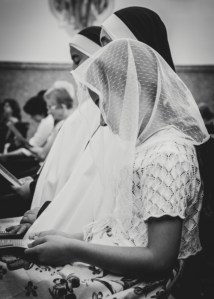
Yet, this king is generous and merciful king, and he decides to invite all people who are not in his original guests of honor. He grants the royal invitation and honor to all. Many indeed come and fulfil the invitation. However, there is one guy who fails to wear a wedding dress. To dress properly in attending a wedding feast is not only expected, but it shows how we honor the one who invites us. This person is a guest of honor, but he fails to appreciate the honor he receives, fails to behave accordingly, and brings great dishonor to the king. Thus, the king throws him not to any place, but to the darkness.

We are all like these wedding guests, and we receive immeasurable honor because, in reality, we do not deserve to be called by God to enter into His kingdom. Yet, the invitation is free, but it does not mean cheap. We still need to do our part to honor the one who invites us and to show utmost thanksgiving to God. The question is what wedding garment symbolizes? If we move forward to Revelation 19, we will see another wedding. This is the wedding of the Lamb, and in Rev 19:8, “…for the fine linen is the righteous deeds of the saints.” Faith in Jesus is like accepting the invitation, but we must not stop there, we shall wear also the garment of the righteous deeds. Our initial faith has to grow into charity.

The basic principle is grace is free, but it is not cheap. In fact, it is the most precious thing we ever receive in our lives. Our righteous works are not meant to be a bargaining chip with the Lord, but rather token of our gratitude. We do holy deeds not because we want to be praised, but because we want to honor Him who has called us to the heavenly banquet. As priests, we are serving the people primarily because, despite our weaknesses, we are chosen to the instruments of grace. As spouses, we are building family not simply based on emotional attractions, biological needs, and economic stability, because we are grateful to the Lord who has united husband and wife in love and grace. As parents, we are raising our children not only to become successful, rich or influential but primarily to become holy men and women because we recognize that these children are blessing from the Lord. The world is definitely a better world with people filled with gratitude, and with the saints.

This reflection is dedicated to Carlo Acutis, who is beatified today [10 Oktober], a model of holiness for all of us.

Valentinus Bayuhadi Ruseno, OP

Menghormati Sang Raja

Minggu ke-28 di Masa Biasa

11 Oktober 2020

Matius 22: 1-14

Untuk memahami perumpamaan yang kita dengar Minggu ini, kita perlu melihat elemen-elemen yang mengejutkan. Pertama, perjamuan ini bukalah perjamuan pernikahan biasa, tapi pernikahan putra raja. Tentunya, orang-orang dalam daftar undangan adalah tamu terhormat dan istimewa, tetapi mereka menolak untuk datang sampai dua kali dan bahkan menganiaya para utusan raja. Apa yang mereka lakukan tidak terpikirkan! Mereka gagal untuk melihat betapa berharganya undangan tersebut dan malah memilih urusan-urusan sepele mereka sendiri. Mereka sama saja melontarkan hinaan kepada raja yang telah menghormati mereka. Tak heran, raja menghukum mereka.

Namun, raja ini adalah raja yang murah hati, dan dia memutuskan untuk mengundang semua orang yang bukan bagian dari tamu kehormatannya. Dia memberikan undangan kerajaan dan kehormatan bagi semua orang. Banyak yang memang datang dan memenuhi undangan tersebut. Namun, ada satu orang yang gagal mengenakan pakaian yang layak bagi perjamuan. Berpakaian pantas dalam menghadiri perjamuan pernikahan tidak hanya sesuatu yang wajar, tetapi juga menunjukkan bagaimana kita menghormati orang yang mengundang kita. Orang ini adalah tamu kehormatan, tetapi dia gagal menghargai kehormatan yang dia terima, gagal berperilaku sesuai harapan, dan membawa aib besar kepada raja. Karena itu, raja melemparkannya bukan ke sembarang tempat, melainkan ke kegelapan yang berkesudahan.

Kita sama seperti tamu perjamuan nikah ini karena kita menerima penghormatan yang tak terukur karena pada kenyataannya kita tidak pantas dipanggil oleh Tuhan untuk masuk ke dalam kerajaan-Nya. Pada sudah sepatutnya, kita perlu melakukan bagian kita untuk menghormati Dia yang mengundang kita, dan untuk menunjukkan rasa syukur yang terbaik kepada Tuhan. Pertanyaannya kemudian, apa yang dimaksudkan dengan pakaian yang layak untuk perjamuan pernikahan ini? Jika kita melihat Kitab Wahyu 19, kita akan melihat sebuah perjamuan pernikahan juga. Ini adalah perjamuan pernikahan Anak Domba, dan dalam Wahyu 19: 8, “… karena lenan halus itu adalah perbuatan benar orang-orang kudus.” Iman kepada Yesus itu seperti menerima undangan dan datang ke perjamuan, tetapi kita tidak boleh berhenti sampai di situ, kita juga akan mengenakan pakaian yang terbentuk dari perbuatan-perbuatan benar. Iman awal kita harus tumbuh menjadi kasih.

Prinsip dasarnya adalah rahmat itu cuma-cuma, tapi itu tidak murahan. Faktanya, rahmat bersatu dengan Tuhan ini adalah hal paling berharga yang pernah kita terima dalam hidup kita. Perbuatan-perbuatan benar kita tidak dimaksudkan sebagai alat tawar-menawar dengan Tuhan, melainkan sebagai tanda terima kasih kita. Kita melakukan perbuatan benar bukan karena kita ingin dipuji, tetapi karena kita ingin menghormati Dia yang telah memanggil kita ke perjamuan surgawi. Sebagai imam, kami melayani umat terutama karena meskipun memiliki kelemahan, kami dipilih untuk menjadi saran rahmatnya. Sebagai pasangan suami-istri, kita dipanggil untuk membangun keluarga tidak hanya berdasarkan ketertarikan emosional, kebutuhan biologis, dan stabilitas ekonomi, tetapi rasa syukur kepada Tuhan yang telah mempersatukan suami istri dalam kasih dan rahmat. Sebagai orang tua, kita membesarkan anak-anak kita tidak hanya untuk menjadi sukses, kaya atau berpengaruh, tetapi terutama untuk menjadi pria dan wanita yang kudus karena kita menyadari bahwa anak-anak ini adalah berkat dari Tuhan. Dunia akan menjadi dunia yang lebih baik dengan orang-orang yang dipenuhi rasa syukur, dan dengan orang-orang kudus.

Refleksi ini didedikasikan bagi Carlo Acutis yang pada hari ini [10 Oktober] menjadi seorang beato, seorang model kekudusan bagi kita semua.

Valentinus Bayuhadi Ruseno, OP

picture by : mateus campos filipe

Keeping the Gift

27th Sunday in Ordinary Time [A]

September 4, 2020

Matthew 21:33-43

The vineyard owner in today’s parable is extraordinary. He knows that the tenants are greedy and corrupt, and if I had been the owner, I would have expelled the tenants right away. Yet, this owner is doing the opposite. He keeps sending His envoys and pleading with them, to the point of giving his own son, the true heir. This vineyard owner must be crazy! Yet, that is how much merciful, and patient God is. However, that is not the end of the story. The thing is if we keep abusing God’s mercy, His justice will eventually prevail.
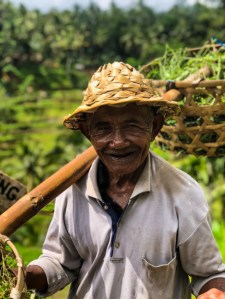
When Jesus was speaking about the vineyard, the context was Jesus was confronting the elders and chief priest. Instead of serving the people, they chose to seek their gains and thus, involved in various corrupt practices. Jesus reminded them that the vineyard would be taken away if they did not repent.  Unfortunately, they were too greedy and proud. Thus, they opted to get rid of Jesus, the Son of God. The history tells us that in 70 AD, around 40 years after Christ, Jerusalem was burned, and the Temple was razed to the ground.

Unfortunately, the story of the gift given and gift taken away is one of the basic patterns in the Bible. Adam and Eve given the privilege of the garden of Eden, yet they offended the Lord, and they lost the paradise. People of Israel were liberated from the land of Egypt, but in the wilderness, they kept complaining and even worshipping false gods. Therefore, they had to die in the desert, and only their children were allowed to enter. The Israelites have received the land and built a powerful kingdom under David, but they kept sinning and forgetting the Lord, and thus, the kingdom was destroyed, and the people were exiled.

God has given each of us, something special, a precious gift. And we should take care of and protect this gift, and we shall not test the Lord. Otherwise, this gift will be taken away from us.

Faith is a gift. Faith is our first step to heaven. Yet, we have to grow our faith, to nourish it with true teachings of the Church and growing relationship with the Lord. We must defend it not only from false teachings but also from our laziness and mediocrity. Otherwise, it will be taken away from us.

A vocation to priesthood and brotherhood is a gift. It is a gift to serve the people of God, to preach the Word of God, and to minister the sacraments through which we receive the grace and salvation. We need to nurture it daily with prayer, assiduous study, and faithfully living the vows. Otherwise, it will be taken away from us.

A vocation to married life and family is a gift. It is a gift to become co-creators and co-workers of God; to bring forth life and to nurture life. We need to protect it from sins and infidelity and selfishness, and nourish it with love, commitment, and even openness.  Otherwise, it will be taken away from us.

The Earth is a gift to us. It is our home, a stunning home to live, and among billions of planets in the galaxies, there is nothing like earth. We need to defend it from exploitation, over-mining, over-fishing and even from our lifestyle that gradually destroy nature. Otherwise, it will be taken away from us.

Valentinus Bayuhadi Ruseno, OP

photo credit: jodie-morgan

Menjaga Berkat

Minggu ke-27 di Masa Biasa [A]

4 September 2020

Matius 21: 33-43

Pemilik kebun anggur dalam perumpamaan hari ini luar biasa tak terduga. Dia tahu bahwa para penyewa adalah serakah dan korup, dan jika saya menjadi dia, saya akan segera mengusir para penyewa itu. Namun, pemilik ini melakukan yang sebaliknya. Dia terus mengirim utusannya dan sampai memberikan putranya sendiri, pewaris sejati. Pemilik kebun anggur ini pasti sudah gila! Dan, itulah citra Tuhan kita yang sangat penuh belas kasih dan sabar. Namun, itu bukanlah akhir dari cerita. Perumpamaan ditutup dengan sebuah penghakiman: jika kita terus menyalahgunakan belas kasihan Tuhan, keadilan-Nya pada akhirnya akan meraja.

Ketika Yesus berbicara tentang perumpamaan kebun anggur ini, konteksnya adalah Yesus menghadapi para penatua dan imam kepala. Alih-alih melayani umat Allah, mereka memilih mencari keuntungan pribadi dan terlibat dalam berbagai praktik korupsi. Yesus mengingatkan mereka bahwa kebun anggur akan diambil jika mereka tidak bertobat. Sayangnya, mereka terlalu rakus dan sombong. Jadi, mereka memilih untuk menyingkirkan Yesus, sang Putra Allah. Sejarah akhirnya menceritakan bahwa pada tahun 70 M, sekitar 40 tahun setelah Kristus, Yerusalem dibakar, dan Bait Suci diratakan dengan tanah.

Sebenarnya, cerita tentang berkat yang diberi dan kemudian diambil lagi, adalah salah satu pola dasar dalam Alkitab. Adam dan Hawa diberi hak istimewa di taman Eden, namun mereka melukai hati Tuhan, dan mereka kehilangan firdaus. Orang Israel dibebaskan dari tanah Mesir, tetapi di padang gurun, mereka terus bersungut-sungut dan bahkan menyembah dewa palsu. Oleh karena itu, mereka harus mati di gurun pasir, dan hanya anak-anak mereka yang diizinkan masuk ke Tanah Terjanji.

Tuhan telah memberi kita masing-masing, sesuatu anugerah yang istimewa, berkat yang berharga. Dan kita harus menjaga dan melindungi pemberian ini. Jika tidak, anugerah ini akan diambil dari kita.

Iman adalah anugerah. Iman adalah langkah pertama kita ke surga. Namun, kita harus menumbuhkan iman kita, memupuknya dengan ajaran Gereja yang benar dan menumbuhkan hubungan yang mesra dengan Tuhan. Kita harus menjaganya tidak hanya dari ajaran-ajaran yang menyesatkan tetapi juga dari kemalasan dan ketidakpeduliaan kita. Jika tidak, itu akan diambil dari kita.

Panggilan imamat dan sebagai seorang bruder dan suster adalah sebuah anugerah. Ini adalah sebuah kesempatan untuk melayani umat Tuhan, untuk memberitakan Firman Tuhan, dan untuk melayani sakramen kasih karunia dan keselamatan. Kita perlu memeliharanya setiap hari dengan tekun dalam doa, belajar dengan sungguh-sungguh, dan dengan setia menjalankan kaul kita. Jika tidak, itu akan diambil dari kita.

Panggilan untuk menjadi suami-istri dan keluarga adalah anugerah. Merupakan kesempatan untuk menjadi rekan pencipta dan rekan kerja Tuhan; untuk melahirkan kehidupan dan memelihara kehidupan. Kita perlu melindunginya dari dosa ketidaksetiaan dan keegoisan, dan memeliharanya dengan cinta, komitmen, dan bahkan keterbukaan. Jika tidak, itu akan diambil dari kita.

Bumi adalah anugerah bagi kita. Ini adalah rumah kita, rumah yang menakjubkan untuk ditinggali, dan di antara miliaran planet di galaksi, tidak ada yang seperti bumi. Kita perlu mempertahankannya dari eksploitasi, penambangan berlebihan, penangkapan ikan berlebihan, dan bahkan dari gaya hidup kita yang secara bertahap merusak alam. Jika tidak, itu akan diambil dari kita.

Dan kita harus menjaga dan melindungi semua pemberian ini. Jika tidak, hadiah ini akan diambil dari kita.

Valentinus Bayuhadi Ruseno, OP

photo credit: S. Danilo

Pride and Humility

26th Sunday in Ordinary Time [A]

September 27, 2020

Matthew 21:28-31

Reading the entire Matthew chapter 21, we will get the sense of the parable of the two sons of the vineyard owner. Jesus just entered the city of Jerusalem and was welcomed by the people with a shout of “Hosanna” and palm branches. Then, he proceeded to the Temple area to cleanse it from the malpractices plaguing the holy ground. Thus, the elders and chief priests, the one who was in charge of the Temple, questioned Jesus, “who are you? By what authority do you act and teach?”
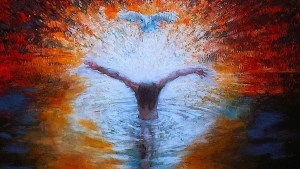
Thus, Jesus answered them through a parable. This parable speaks of two sons; the first representing the elders and the second the tax collectors and prostitutes. Yet, to the surprise of the elders, far from being the protagonists of the story, they turn to be the villains. To add insult to the injury, the elders were practically in the worse condition than these tax collectors, because they are still far from the vineyard, from salvation. However, instead of repenting, the elders got infuriated and decided to finish Jesus once for all.

The question is “why were the tax collectors able to repent while the elders were not?” The answer is something to do with two opposing powers: at one side of the ring is humility and the other is pride. We begin with pride. Based on the Church’s tradition, pride is the deadliest of seven deadly sins. St. Thomas Aquinas explained that pride is “an excessive desire for one’s own excellence which rejects subjection to God.” In short, proud men regard themselves better than others to the point of contempt. What makes pride so dangerous, it may lead even people to think they are self-sufficient and has no need even of God.

Pride is extremely subtle because it can take root even in spiritual matters. We cannot say that I am lustful for prayer, but we can be proud of our spiritual life. We see ourselves holier and more pious than others based on our standards.

At the opposite corner is humility. According to St. Thomas Aquinas, humility is a virtue that “temper and restrain the mind, lest it tends to high things immoderately.” In short, humility is the antidote of pride. Humility is rooted in the Latin word “humus” meaning soil. Humble persons recognize their identity as coming from the dust, and the breath of life and perfections are gifts of God. This humility will bring gratitude because we realized that despite nothing but dust, God is boundlessly generous and merciful to us.

However, humility and cowardice are often confused. Cowardice manifests in low self-esteem, lack of confidence, and poor in responsibility. Cowardice is rooted in incomplete and even distorted self-image. While humility begins with the right understanding of the self, that we are gratuitously loved by God. Humble people are strong people because only strong ones can confess their sins. Humble persons are mature persons because only mature ones are able to own their weakness, say sorry, and ask for help. Humble men and women are tough people because it is hard to forgive.


Lord, grant us humility, that we may follow Your holy will.


Valentinus Bayuhadi Ruseno, OP


Why Jesus Has to be Baptized

Baptism of The Lord [A] – January 12, 2020 – Mat 3:13-17

baptism of the lord 2One question that always baffles attentive readers of the Scriptures is that why should Jesus be baptized by John the Baptist? John himself proclaimed that his baptism is a sign of repentance. Those who are baptized by John must first acknowledge their sinfulness and unworthiness, and baptism of water becomes the visible token of turning away from sins and promise of a new and better life. Yet, we all know that Jesus is sinless [Heb 4:15; 1 Pet 2:22]. Does it mean Jesus is sinful? Is John the Baptist greater than Jesus?

The Gospel of Matthew has pointed out clearly that John the Baptist is not worthy to baptize Jesus and he is in need of Jesus’ baptism. It is Jesus Himself who insists to be baptized by John. Why? Jesus told John, “to fulfill all righteousness.” These words of Jesus certainly difficult to understand, and many theologians have come up with different interpretations to understand better Jesus’ actions and words in this baptism.

 St. Augustine of Hippo, one of the greatest Fathers of the Church, told us in his sermon, “The Savior willed to be baptized not that He might Himself be cleansed, but to cleanse the water for us.” St. Augustine pointed to us that Jesus entering the water as to prepare the sacrament of baptism, and so everyone who is baptized in the name of Trinity will receive the grace of forgiveness and new life. Meanwhile Catechism of the Catholic Church notes that Jesus’ submission to John’s baptism is an act of self-emptying [CCC 1224].

However, Pope Emeritus Benedict XVI has exposed some interesting in his book, Jesus of Nazareth, that Jesus applied the word “baptism” also to His Passion, Death, and Resurrection [see Mrk 10:38; Luk 12:50]. From here, we discover that Jesus’ insistence to be baptized by John because Jesus’ baptism turns to be a symbolic act of His Cross. As Jesus needs to be baptized, so He shall pass through suffering and death as to reach resurrection and bring salvation for all. From the moment of the baptism in the Jordan, Jesus has set His foot to Calvary.

In the Scriptures, righteousness is being faithful to the Convent, and God as the most righteous fulfills His covenant by saving His people (Deut 32:4; Is 5:16; 42:6). Now, Jesus fulfills that same “righteousness” with a perfect and definitive way by His Cross and Resurrection.

So, what all these biblical and theological stuff are for us?  As we know deeper the meaning of the Baptism of the Lord, we shall also follow the footsteps of Jesus. If baptism means His way of the Cross, then all of us who have been baptized, whether as infants or adults, shall share in Jesus’ cross. We are lucky that we are living comfortably as Christians, but more many, to be Christians means discriminations, persecution, and even death. It may be shocking, but Christians remain the most persecuted people on the earth. For us who are more fortunate, we can manifest our baptism with living authentically as disciples of Christ: to be honest despite the possibility of losing earthly gains, to be loving despite many sufferings, and to be honest despite living without fame.

Valentinus Bayuhadi Ruseno, OP