

Solemnity of Christ the King – November 24, 2019 – Luke 23:35-43
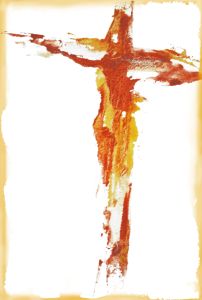 Often we take for granted the name Jesus Christ, without realizing the meaning behind it. The word “Christ” is neither part of the personal name of Jesus nor the family name of Jesus. Jesus earns the name Christ not because of His foster father, Joseph, otherwise, we also call him Joseph Christ and his wife, Mary Christ.
Christ is coming from the Greek word “Christos” meaning “the anointed one”. In Hebrew, the title is even more pronounced, “the Messiah”. For us, the title does not ring us a bell, but for the Jewish people living in the time of Jesus, the Messiah is the fulfillment of God’s promise. In the Old Testament, the title Messiah was given to one of the greatest figures in Israel, King David. He was the Christ because he was anointed by Prophet Samuel, and he was personally chosen by God Himself to rule Israel. During his reign, the kingdom of Israel reached the pick of glory.
Unfortunately, after David’s death, the kingdom was declining and eventually destroyed. In the time of Jesus, almost one millennium after David, Palestine was under the Roman Empire, and lives were awful. No wonder, people were expecting the coming of the Messiah, the new king, that would restore the glory of Israel.
We believe that Jesus is Christ, meaning we believe that Jesus is the expected a king that will fulfill God’s promise. Yet, in today’s Gospel, we discover that Jesus was crucified. He had no army, except disbanded and coward disciples. He had not a palace except a small and poor house in Nazareth. He was insulted, spat upon, and tortured. He bore the greatest human humiliation. Even the criminal who was punished together with Him, mocked Jesus as a good-for-nothing king.
If we focus only on this cross and humiliation, we shall fail to see Jesus as king. For Jesus, being a king is not about gold, guns, and glory. It is neither about force nor control. Jesus is not a war-freak Messiah. So, what does it mean to be a King for Jesus?
When one of the repented criminals asked Jesus to remember him when Jesus comes into His Kingdom, Jesus said that he would be in Paradise. The word Paradise is a Greek word for “garden”, it originally refers to the garden of Eden. That is what Jesus does as a king: He brings men and women who acknowledge Him as a king to Paradise. And no other kings in the world possess such power to bring us to paradise.
If then we confess that Jesus is the Christ, and now we understand that Jesus is our King, do we honor Him as our King? If Jesus is our King, do we allow Jesus to control us or we control Jesus? If Jesus is our leader, do we align our lives and priorities to His missions, or Jesus has to follow us? When our King summons us for a mission, do we gladly embrace it, or we rather choose our own plans and design?
Valentinus Bayuhadi Ruseno, OP
 Seringkali kita menerima begitu saja nama Yesus Kristus, tanpa menyadari makna mendalam di baliknya. Kata “Kristus” bukan bagian dari nama pribadi Yesus atau nama keluarga Yesus. Yesus mendapat nama Kristus bukan karena ayah angkatnya, Yusuf, tetapi senyatanya “Kristus” adalah sebuah gelar yang sangat penting bagi umat Yahudi dan Kristiani pada abad pertama masehi.
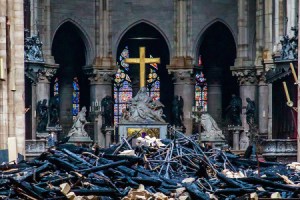 During the reign of Herod the Great, the Temple of Jerusalem was refurbished, adorned by gold and other precious metals, and expanded, and thus making it the crown jewel of the Jewish nation. However, the Temple was not merely a magnificent building, but primarily the center of Jewish religious worship and religion. Every morning and evening, sacrifices were offered, and every year, Jewish men from all over the world made their pilgrimage, and paid their homage the Lord God. It was the place where God chose to stay, the place where the Israelites meet their God, and the house of God.
 Dalam Injil hari ini, orang-orang Saduki berusaha untuk menguji Yesus. Saduki adalah faksi religius dalam agama Yahudi pada zaman Yesus, tetapi tidak seperti orang-orang Farisi yang populer, kaum Saduki hanya memegang Taurat sebagai satu-satunya sumber yang sah dari ajaran dan praktik keagamaan Yahudi, dan menolak tulisan para nabi, dan tradisi selanjutnya. Salah satu doktrin utama mereka adalah bahwa mereka tidak percaya pada kebangkitan badan. Meskipun, Yesus dan orang-orang Farisi selalu berdebat, Yesus dan orang Farisi berbagi kepercayaan dasar yang sama tentang kebangkitan tubuh. Dengan demikian, untuk menyangkal kepercayaan ini, orang Saduki menggunakan Hukum Taurat untuk membuat malu Yesus. Dalam Hukum Taurat, ada praktik untuk mengamankan garis keturunan dan warisan seorang pria yang tidak memiliki keturunan. Sebagai solusi, saudara-saudara lelaki yang meninggal akan menikahi jandanya dan diharapkan memperoleh keturunan bagi sang saudara yang telah meninggal. Kemudian, para Saduki mengajukan kesimpulan seolah-olah kebangkitan badan tidak masuk akal. “Dalam hari kebangkitan, siapakah yang menjadi suami istri ini?”
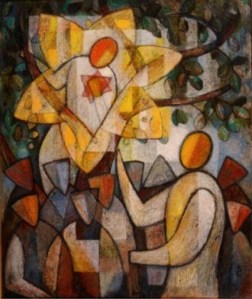 In the time of Jesus, there are at least two kinds of taxes. The first tax goes to the Temple of Jerusalem. This is a “sacred tax”. Those who collect them are performing a sacred duty, and those who pay are fulfilling their due to God. Yet, the second tax is exacted by the Roman government. In order to effectively get the taxes, the Romans employs the local collaborators. The Jews are heavily burdened by this tax because they are unjustly hefty, and often collected by coercion. The Jews understandably loathe those Jewish tax collectors who willingly betray their own people and are involved in greedy malpractices. These are the worst sinners, unclean, corrupt and traitors.
 Pada zaman Yesus, setidaknya ada dua jenis pajak atau cukai. Pajak pertama adalah untuk Bait Allah di Yerusalem. Ini adalah “pajak suci”. Mereka yang memungutnya melakukan tugas mulia, dan mereka yang membayar memenuhi kewajibannya kepada Allah. Namun, pajak kedua dibebankan oleh pemerintah Romawi. Untuk mendapatkan pajak secara efektif, orang-orang Romawi mempekerjakan kolaborator lokal. Orang-orang Yahudi sangat terbebani oleh pajak ini karena sangat berat, tidak adil, dan dengan paksaan. Orang-orang Yahudi pada umumnya tentu saja membenci para pemungut pajak Yahudi yang dengan sukarela mengkhianati rakyatnya sendiri dan terlibat dalam praktik korupsi yang tamak. Ini adalah pendosa terburuk, karena najis, korup dan pengkhianat.
 In Jesus’ time, they were several Jewish religious groups and one of them is the Pharisees. These are the people who love the Lord and devoutly observe the Law of Moses and the traditions of the elders even in their daily lives. Thus, Jewish people regard them as righteous because they are faithful to the Law, and pious because they pray often. Many Pharisees turn to be the caretakers of the local synagogues and zealously teach the Law during Sabbath days. No wonders, the Jewish people offer the Pharisees the best places in the worship places and the parties. The leaders are called the Rabbis or teachers.
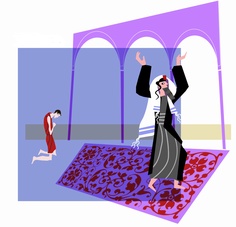 Pada zaman Yesus, ada beberapa kelompok di dalam agama Yahudi dan salah satunya adalah orang-orang Farisi. Inilah orang-orang yang mencintai Tuhan dan dengan taat mematuhi Hukum Musa dan tradisi para penatua bahkan dalam kehidupan sehari-hari mereka. Jadi, orang Yahudi menganggap mereka sebagai orang benar karena mereka setia kepada Hukum, dan saleh karena mereka sering berdoa. Banyak orang Farisi menjadi pengurus sinagoga dan dengan tekun mengajarkan Hukum saat hari-hari Sabat. Tidak heran, orang-orang Yahudi memberikan kepada orang-orang Farisi tempat-tempat terbaik di tempat-tempat ibadah dan pesta-pesta, dan memanggil beberapa dari mereka sebagai Rabi atau guru.
 In Medio Ecclesiae