
Citra Allah Tritunggal

Hari Raya Tritunggal Mahakudus [Yohanes 16: 12-15] 16 Juni 2019

sign of the cross 2Tanda khas menjadi Kristiani adalah iman kepada Tritunggal Mahakudus. Kita berbagi klaim monoteisme [hanya satu Tuhan] dengan agama-agama besar lainnya, namun kepercayaan kita pada satu Tuhan dalam tiga pribadi ilahi memungkinkan kita untuk berdiri secara unik di antara yang lain. Tidak diragukan lagi Allah kita adalah satu, namun tidak diragukan juga ada tiga persona dalam satu kodrat ilahi ini. Bapa berbeda dari Putra dan Roh Kudus. Sang Putra juga benar-benar unik. Dan, Roh Kudus menjaga identitas pribadi-Nya. Namun, mereka tetap selalu satu! Bagaimana ini mungkin?!

Tapi jangan kawatir! Pemikir-pemikir terhebat di Gereja, seperti St. Agustinus, St. Thomas Aquinas, dan Benediktus XVI, telah mencoba untuk menyelami misteri ini, namun mereka hanya menyentuh permukaan Kebenaran terbesar ini. Ini adalah inti dari iman kita, namun ini adalah ajaran Gereja yang paling sulit untuk dimengerti dan juga terkadang sulit diwartakan. Namun, jika ini adalah misteri yang tak terselami, mengapa kita harus terus merenungkan, menghidupi, dan merayakannya? Karena kita telah diciptakan dalam citra Allah Tritunggal.

Seringkali, kita menganggap Tritunggal sebagai realitas yang sangat jauh, tetapi kita lupa bahwa kehidupan keagamaan kita sehari-hari sebagai orang Katolik adalah kehidupan di dalam Trinitas. Kita dibaptis, kita dibaptis dalam nama Bapa, Putra dan Roh Kudus. Ketika kita memulai doa kita, kita mulai dengan tanda salib. Tanda salib suci ini tidak hanya menunjukkan kemenangan Yesus, tetapi pada dasarnya adalah Nama Suci Tritunggal. Setelah kita membuat tanda salib untuk membuka Misa Kudus, imam akan menyapa umat dengan mengatakan, “Kasih karunia Tuhan Yesus Kristus dan kasih Allah dan persekutuan Roh Kudus bersamamu.” Ini adalah formula Tritunggal yang berasal dari St. Paulus sendiri (lihat 2 Korintus 13:13). Pada doa Syukur Agung, yang adalah doa inti di Misa, sang imam atas nama Gereja, meminta Bapa untuk mengirimkan Roh Kudus-Nya agar Dia dapat mengubah roti dan anggur menjadi tubuh dan darah Yesus Kristus. Di jantung Ekaristi, yang adalah sumber dan puncak dari liturgi kita, adalah Tritunggal Mahakudus. Apa yang saya sebutkan hanyalah puncak gunung es tentang bagaimana Tritunggal sungguh meresapi ibadah dan doa kita.

Tantangan sebenarnya adalah untuk hidup dan merayakan Tritunggal dalam kehidupan kita sehari-hari. Aturan doa kita harus menjadi aturan hidup kita juga. “Lex orandi, Lex vivendi”. Kalau tidak, kita akan jatuh ke dalam perangkap mentalitas ganda. Kita menjadi orang Kristiani hanya pada hari Minggu, tetapi kita menjadi orang yang tidak pernah mengenal Tuhan pada hari lain. Seorang munafik!

Hidup dalam Tritunggal berarti memanifestasikan kehidupan kita sehari-hari bahwa kita adalah citra Allah, citra Tritunggal. Jika Tritunggal adalah Allah keadilan, apakah kita bertindak adil terhadap diri kita sendiri, sesama kita, dan terhadap bumi kita? Jika Tritunggal adalah Tuhan kerahiman, apakah kita berbelas kasihan dan menjadikan tujuh karya kerahiman sebagai pola hidup kita? [memberi makan yang lapar, memberi minum kepada yang haus, memberi pakaian kepada yang telanjang, melindungi yang tidak memiliki rumah, mengunjungi yang sakit, mengunjungi yang dipenjara, dan mengubur yang meninggal]? Jika Tritunggal adalah Tuhan yang adalah kasih, apakah kita mencintai orang-orang terburuk dalam hidup kita dan mengampuni orang yang menyakiti kita? Jika Tritunggal adalah Allah Kebenaran, apakah kita terus mencari kebenaran di sekitar kita atau kita mudah percaya pada hoaks?

Kita adalah orang-orang yang hidup dalam nama Bapa, Anak dan Roh Kudus, dan kita dengan penuh keyakinan menanti hari kita dipersatukan dengan Allah Tritunggal.

Diakon Valentinus Bayuhadi Ruseno, OP

Our Core Memories

Palm Sunday of the Lord’s Passion [April 14, 2019] Luke 19:28-40/Luke 23:1-49

“Blessed is the king who comes in the name of the Lord (Luk 19:38).”

jesus enter jerusalem 3One of the greatest gifts to humanity is the gift of memory. It gives us a sense of identity. Biology teaches us that almost all our body parts are being replaced over the years. One-year-old Stephen is biologically different from thirty-year-old Stephen. All bodily cells, with the sole exception of his eyes’ lens, are changed. What unites thirty-year-old Stephen with his younger self as well as his future self is his memory.

Not only does memory enable us to connect to ourselves, but it also relates us to other people. We are able to recognize our parents, siblings, and friends because we remember all the good thing, we have received from them. Our memories shape who we are. Thus, the illness that ruins our memories like Alzheimer, is one of the most heinous. Persons with Alzheimer gradually can no longer remember persons who love them; they even cannot recall doing their basic functions like eating and going to the restroom.

One of the uniqueness of human beings is that we do not have only individual memory, but we have communal memory. These common memories are passed through generations, and these form the identity of a group. We are Indonesians, Filipinos, Indians, Americans, or other nations because we have common memories that unite us as a nation. When a nation is inflicted by a kind “Alzheimer” that destroys its common memory, it begins to lose its identity as a nation. Cardinal Robert Sarah from Guinea reminds that Europe is in crisis and in danger of dissolution. He argues that the reason is that the European people began to forget their historical and cultural roots, their common memories.

We Christian share the core and fundamental memory. Palm Sunday or Jesus’ entrance to Jerusalem marks the beginning of the most important drama of the Gospel, the drama of the Holy Week. The memory was so significant to the early Christians that the episode was recorded in all four Gospels with great details (Mat 21:1-11, Mark 11:1-11, and John 12:12-19), though with some different emphases. We may even say that the Holy Week especially the Last Supper, the Passion, and Resurrection are the core and foundational memory of every true Christian.

This explains why the Church celebrates Holy Week every year, not because she simply wants to have big events, but because this celebration reconnects us with the core memories that make us as Christians. Yet, we do not only remember the events of the past; we are not just spectators. Through the power of the liturgy, we relive the fundamental stories of Jesus Christ. Together with Christ, we enter Jerusalem. Together with Him, we celebrate the Passover. Together with Him, we are persecuted, crucified and we die. Together with Him, we are buried in the dark tomb. But together with Him, we are raised from the dead.

However, it is our choice whether to follow Him or go against Him: to become people who shout “Hosanna” or people who cry “Crucify Him”; to become a disciple who walks the way of the cross or disciples who run away from Him; to be crucified with Jesus or to crucify Jesus. But it is only the true followers of Jesus who can together with Him be raised from the dead. Holy Week is our time to make that choice: to follow Jesus or to go against Him.

Deacon Valentinus Bayuhadi Rusneo, OP

Memori Kita

Hari Minggu Palma Mengenangkan Sengsara Tuhan [14 April 2019] Lukas 19: 28-40 / Lukas 23: 1-49

jesus enter jerusalem 2Salah satu karunia terbesar bagi umat manusia adalah memori. Ini memberi kesadaran akan identitas kita. Biologi mengajarkan kita bahwa hampir semua bagian tubuh kita akan tergantikan saat kita hidup. Stephen yang berusia satu tahun secara biologis berbeda dari Stephen yang berusia tiga puluh tahun. Semua sel tubuhnya telah digantikan dan akan terus digantikan sampai ia wafat. Apa yang menyatukan Stephen yang berusia tiga puluh tahun dengan dirinya yang lebih muda serta diri di masa depannya adalah ingatannya.
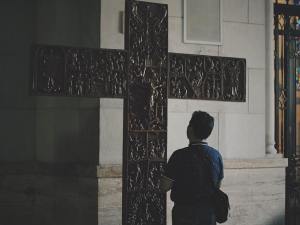
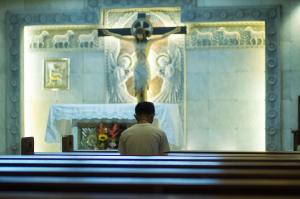
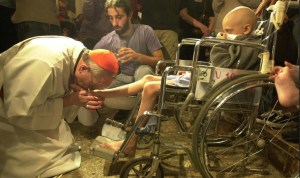
Memori tidak hanya memungkinkan kita terhubung dengan diri kita sendiri, tetapi juga menghubungkan kita dengan orang lain. Kita dapat mengenali orang tua, saudara, dan teman-teman kita karena kita mengingat semua hal baik yang kita terima dari mereka. Ingatan kita membentuk siapa kita. Jadi, penyakit yang merusak ingatan kita seperti Alzheimer, adalah salah satu yang paling kejam. Orang-orang dengan Alzheimer secara bertahap tidak lagi dapat mengingat orang-orang yang mencintai mereka, dan bahkan mereka tidak dapat mengingat melakukan fungsi dasar mereka seperti makan dan pergi ke kamar kecil.

Salah satu keunikan manusia adalah bahwa kita tidak hanya memiliki ingatan individu, tetapi kita memiliki ingatan bersama. Ingatan bersama ini diturunkan dari generasi ke generasi, dan ini membentuk identitas kelompok. Kita adalah orang Indonesia, Filipina, India, Amerika, atau bangsa lain karena kita memiliki memori bersama yang menyatukan kita sebagai suatu bangsa. Ketika suatu bangsa dipengaruhi oleh jenis “alzhaimer” yang menghancurkan ingatan bersama mereka, mereka mulai kehilangan identitas mereka sebagai suatu bangsa. Kardinal Robert Sarah dari Guinea mengingatkan bahwa Eropa sedang dalam krisis dan dalam bahaya pembubaran. Dia berpendapat bahwa alasannya adalah bahwa orang-orang Eropa mulai melupakan akar sejarah dan budaya mereka, memori bersama mereka.

Kita umat Kristiani berbagi memori inti dan fundamental yang sama. Minggu Palma atau Yesus yang memasuki kota Yerusalem menandai dimulainya drama Injil yang paling penting, drama Pekan Suci. Memori ini begitu penting bagi pengikut Yesus perdana sehingga episode ini direkam dalam keempat Injil dengan sangat rinci (Mat 21: 1-11, Markus 11: 1-11, dan Yohanes 12: 12-19), meskipun dengan beberapa tekanan berbeda. Kita bahkan dapat mengatakan bahwa Pekan Suci terutama Perjamuan Terakhir, Kisah Sengsara, Wafat dan Kebangkitan adalah memori inti dan mendasar dari setiap orang Kristiani sejati.

Inilah mengapa Gereja merayakan Pekan Suci setiap tahun bukan karena ia hanya ingin mengadakan acara besar, tetapi perayaan ini menghubungkan kembali kita dengan memori inti yang menjadikan kita sebagai orang Kristiani. Namun, kita tidak hanya mengingat peristiwa masa lalu, dan kita bukan hanya sekedar penonton. Melalui kekuatan liturgi, kita menghidupkan kembali kisah-kisah mendasar tentang Yesus Kristus. Bersama dengan Kristus, kita memasuki Yerusalem. Bersama-sama dengan Dia, kita merayakan Perjamuan Terakhir. Bersama-sama dengan Dia, kita dianiaya, disalibkan dan mati. Bersama-sama dengan Dia, kita dimakamkan di makam yang gelap. Dan bersama-sama dengan Dia, kita dibangkitkan dari kematian.

Namun, itu adalah pilihan kita untuk mengikuti-Nya atau melawan-Nya: untuk menjadi orang-orang yang berseru “Hosanna” atau orang-orang yang berteriak “Salibkan Dia”; untuk menjadi seorang murid yang berjalan di jalan salib atau murid-murid yang melarikan diri dari-Nya; untuk disalibkan bersama Yesus atau untuk menyalibkan Yesus. Sekarang hanya pengikut Yesus yang benar yang dapat bersama-sama dengan Yesus dibangkitkan dari kematian. Pekan Suci adalah waktu kita untuk membuat pilihan untuk mengikuti Yesus atau untuk melawan Dia.

Diakon Valentinus Bayuhadi Rusneo, OP

Beholding the Crucified Christ

Fourth Sunday of Lent [March 11, 2018] John 3:14-21

“Just as Moses lifted up the serpent in the desert, so must the Son of Man be lifted up, (Jn. 3:14)”

beholding cross
photo by Harry Setianto, SJ

As early as chapter 3 of the Gospel of John, Jesus is aware that he is going to suffer and die on the cross. The crucifixion is the worst kind of punishment in the ancient time. It is reserved for the rebels and foulest criminals. For the Jews, death on the tree is considered accursed by God Himself (Deu 21:22-23). By dying on the cross, Jesus may be seen by Jewish contemporaries as an evil criminal, a great dishonor to the family and the nation, and an accursed by God.


However, Jesus sees His death on the cross, not in these horrible perspectives, but rather He likens himself to the bronze serpent lifted up by Moses in the desert. In the book of Numbers (21:4-9), the Israelites complain against the Lord and Moses in the desert. They particularly do not like the manna despite being freely and miraculously given by God. So, God sends serpents to punish the Israelites. When the Israelites repent, Moses lifts a bronze serpent on the pole, so those who behold it, will be healed from the snake’ bite and live. We notice that the serpent that becomes the instrument of punishment and death turns to be the instrument of healing and life. Like the serpent, the cross is originally a means of torture and death, but God transforms it into the means of forgiveness and salvation. Therefore, like the Israelites who see the bronze serpent, those who behold the crucified Jesus and believe in Him will have the eternal life.

The faith in the Crucified Man is fundamental in the life of every Christian. Yet, we, Catholics, seem to take this faith and Gospel verses pretty passionately. We do not only have faith in the Jesus Crucified; we literally behold Him on the cross.  In every church, we see the cross both inside and outside the building. In Catholic schools, hospitals, and homes, the crucifix (cross with the body) is hanging on practically every wall. The crucifix is also inseparable from our religious and liturgical activities. The General Instruction of the Roman Missal no. 270 even states, “There is to be a crucifix, clearly visible to the congregation, either on the altar or near it.” Our rosaries always begin with holding the crucifix and ends by kissing it. During the Way of the Cross, we literally genuflect before the cross, and proclaim, “We adore You, O Christ, and we praise you. Because, by Your holy cross, You have redeemed the world.” Even, during the exorcism rite, a priest finds the crucifix, especially St. Benedict’s cross, as a powerful means against the evil spirits. Finally, we make the sign of the cross every time we pray because we acknowledge that our salvation comes the Jesus Crucified.

Like the Israelites in the desert behold the bronze serpent, we too behold Jesus on the cross. As the Israelites are healed and live, we are also saved and have eternal life in the Son of Man that is lifted up on the cross. This Lenten season, we are invited once again to reflect the meaning of the cross in our lives. Is the cross a mere cute accessory or ornament? Is making the sign of the cross a meaningless repeated practice? Are we ashamed of the cross of Christ? What does it mean for us to be the men and women who behold the cross?

Br. Valentinus Bayuhadi Ruseno, OP

Lihatlah Kristus yang Tersalib

Minggu Keempat Prapaskah [11 Maret 2018] Yohanes 3: 14-21

“sama seperti Musa meninggikan ular di padang gurun, demikian juga Anak Manusia harus ditinggikan (Yoh 3:14)”

before the cross
foto oleh Harry Setianto SJ

Sudah dari bab 3 Injil Yohanes, Yesus menyadari bahwa Ia akan menderita dan wafat di kayu salib. Penyaliban adalah hukuman terburuk pada zaman dahulu. Hukuman ini diperuntukkan bagi para pemberontak dan kriminal yang paling jahat. Bagi orang Yahudi, kematian di atas pohon dianggap terkutuk oleh Allah (Ul 21: 22-23). Dengan mati di kayu salib, Yesus dilihat oleh orang-orang sezaman-Nya sebagai penjahat, aib besar terhadap keluarga dan bangsa, dan telah dikutuk oleh Allah.


Namun, Yesus melihat kematian-Nya di kayu salib, bukan dalam perspektif negatif ini, melainkan Ia menyamai diri-Nya seperti ular tembaga yang diangkat Musa di padang gurun. Dalam kitab Bilangan (21: 4-9), orang Israel mengeluh kepada Tuhan dan Musa di padang gurun. Mereka tidak suka Manna meski telah diberikan Tuhan secara cuma-cuma dan penuh Mujizat. Tuhan pun mengirim ular-ular tedung untuk menghukum orang Israel. Ketika orang Israel bertobat, Musa mengangkat ular tembaga di atas tiang, sehingga orang-orang yang melihatnya, akan disembuhkan dari gigitan ular dan hidup. Kita melihat bahwa ular yang menjadi alat penghukuman dan kematian ternyata menjadi alat penyembuhan dan kehidupan. Seperti ular, salib pada awalnya merupakan alat penyiksaan dan kematian, tetapi Tuhan mengubahnya menjadi sarana pengampunan dan penyelamatan. Oleh karena itu, seperti orang Israel yang melihat ular tembaga, mereka yang melihat Yesus yang tersalib dan percaya kepada Dia akan memiliki hidup yang kekal.

Iman kepada Yesus tersalib sangat penting dalam kehidupan setiap orang Kristiani. Namun, kita, umat Katolik, tampaknya menghidupi iman ini dan ayat-ayat Injil dengan penuh semangat. Kita tidak hanya memiliki iman kepada Yesus yang tersalib; Kita benar-benar memandang Dia di kayu salib. Di setiap gereja, kita melihat salib baik di dalam maupun di luar gedung. Di sekolah-sekolah Katolik, rumah sakit, dan rumah, salib tergantung di hampir setiap dinding. Salib juga tidak dapat dipisahkan dari kegiatan keagamaan dan liturgis kita. Pedoman Umum Misale Romawi no. 117 bahkan menyatakan, “Hendaknya ada sebuah salib dengan sosok Kristus tersalib yang dipajang pada altar atau di dekatnya.” Rosario kita selalu dimulai dengan salib dan diakhiri dengan menciumnya. Selama Jalan Salib, kita berlutut di depan salib, dan menyatakan, “Kita memuji Engkau, ya Kristus. Karena, oleh salib-Mu kudus, Engkau telah menebus dunia.” Bahkan, selama ritual exorsisme, seorang imam menggunakan salib, khususnya salib St. Benediktus, sebagai sarana yang sangat kuat melawan roh-roh jahat. Akhirnya, kita membuat tanda salib setiap kali kita berdoa karena kita mengetahui bahwa keselamatan kita berasal dari  Yesus yang disalibkan.

Seperti orang Israel di padang gurun melihat ular tembaga, kita juga melihat Yesus di kayu salib. Saat orang Israel disembuhkan dan hidup, kita juga diselamatkan dan memiliki hidup yang kekal karena kita beriman kepada Anak Manusia yang diangkat ke atas kayu salib. Masa Prapaskah ini, kita diajak sekali lagi untuk merefleksikan makna salib dalam kehidupan kita. Apakah salib hanyalah sekedar aksesori atau ornamen cantik untuk rumah kita? Apakah membuat tanda salib merupakan sebuah rutinitas yang tidak berarti? Apakah kita malu dengan salib Kristus? Apakah artinya bagi kita hidup sebagai orang yang menatap salib Yesus?

Frater Valentinus Bayuhadi Ruseno, OP

Gospel and Salvation

Second Sunday of Advent [December 10, 2017] Mark 1:1-8

“The beginning of the Gospel of Jesus Christ. (Mar 1:1)”

francis kissToday, we read the beginning of the Gospel according to Mark. Among the evangelists, only Mark explicitly introduces his work as the “Gospel”. The English word “Gospel” simply means the Good News, or in original Greek, “Evangelion.” Commonly, we understand a gospel as a written account of the life and words of Jesus Christ. The Church has recognized four accounts as canonical or true Gospel. We have Gospel according to Matthew, Mark, Luke, and John.
But, what does the Gospel truly mean? Going back to the time of Jesus, Evangelion is actually a technical term for an oral proclamation of the imperial decree that will significantly affect the life of the many people. The messenger will stand in the middle of the public square and announce that the battle has been won decisively, and the city has been saved. It is a good news, indeed a great and joyful news. St. Paul is the first who adopts the term into the Christian world and it signifies the oral proclamation of the saving effects of Jesus’ death and resurrection (see 1 Cor 15:1-4). Thus, when we read that St. Paul proclaims the Gospel, it does not mean he reads the parts of the Gospel according to Mark or John, but rather orally proclaims that we have been saved. The Gospel has to be proclaimed because only by believing and living through the Gospel, we are saved (See Rom 10:13-15).

Since we are all baptized, we all have the duty to proclaim the Gospel and work for salvation. Yet, we may ask, “How we are going to preach and save souls if we cannot administer sacraments?” While it is true that sacramental works and preaching in the pulpit are reserved to the deacons, priests, and bishops, all of us are called to preach the Gospel. But how? We remember that we preach the Gospel for the sake of salvation, and the salvation is not limited in a spiritual sense, but in a more holistic one. It is the salvation not only from sins that separate us from God, but the salvation of all aspects of humanity. Jesus does not only forgive sins, He heals the sick, teaches the people, empowers the poor and fights against oppressive systems.

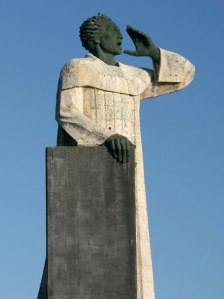
Following His Lord and Master, the Church works for salvation that is holistic. We run a great number of hospitals throughout the world to bring healing to the sick. We manage numerous schools around the globe to educate people and form their characters. Numerous Catholic scientists are involved in many breakthrough types of research. Fr. Georges Lemaitre, a Belgian priest, is the astronomer behind the Big Bang theory. Louis Pasteur, the inventor of pasteurization process, is a lay Catholic who has a strong devotion to the rosary. We build and fight also for the just and peaceful societies. Antonio de Montessinos, a Dominican Spanish friar, was one of the first priests who openly preached against the slavery in America. To show its commitment to justice and peace, Dominican Order has placed its permanent delegate at the United Nations in Geneva and is actively engaged in just and peaceful resolutions on various global issues.

 This Advent season is the high time for us to reflect on the meaning of the Gospel, and on how we preach the Gospel in our own particular ways. What are the means we use to preach the Gospel? Do we make preaching the Gospel as our priority? Are we working diligently on our salvation and that of others?

Br. Valentinus Bayuhadi Ruseno , OP


Injil dan Keselamatan

Minggu Kedua Adven [10 Desember 2017] Markus 1: 1-8

“Inilah permulaan Injil tentang Yesus Kristus (Mar 1:1).”

antonio de montesinosHari ini, kita membaca permulaan dari Injil menurut Markus. Di antara para penginjil, hanya Markus yang secara eksplisit memperkenalkan karyanya sebagai “Injil”. Kata “Injil” berarti “Kabar Baik”, atau dalam bahasa Yunani, “Evangelion”. Biasanya, kita memahami sebuah Injil sebagai karya tertulis tentang hidup dan sabda Yesus Kristus. Gereja telah menetapkan empat karya sebagai Injil kanonik. Kita memiliki Injil menurut Matius, Markus, Lukas dan Yohanes.
Tapi, apa arti sebenarnya sebuah Injil? Kembali ke zaman Yesus, “Evangelion” sebenarnya adalah istilah teknis bagi proklamasi lisan dari keputusan kerajaan yang secara signifikan akan mempengaruhi kehidupan banyak orang. Seorang utusan akan berdiri di tengah alun-alun dan mengumumkan bahwa perang telah dimenangkan, dan kota tersebut telah diselamatkan. Ini adalah kabar baik, sungguh kabar yang besar dan menggembirakan. St. Paulus adalah orang pertama yang mengadopsi istilah Injil ke dalam Gereja, dan ini menandakan sebuah proklamasi lisan tentang buah-buah karya penyelamatan yang dimenangkan melalui wafat dan kebangkitan Yesus Kristus (lih. 1 Kor 15:1-4). Jadi, ketika kita membaca bahwa St .Paulus mewartakan Injil, ini bukan berarti dia membaca bagian dari Injil menurut Markus atau Yohanes, namun ia mewartakan secara lisan bahwa telah kita selamatkan oleh Yesus. Injil harus diproklamasikan karena hanya dengan percaya dan hidup melalui Injil, kita akan diselamatkan (lih. Rom 10:13-15).

Karena kita semua telah dibaptis, kita semua memiliki kewajiban untuk mewartakan Injil dan bekerja untuk keselamatan. Namun, kita mungkin bertanya, “Bagaimana kita akan memberitakan dan menyelamatkan jiwa-jiwa jika kita tidak dapat memberikan sakramen?” Benar bahwa memberikan sakramen dan homili hanya bagi kaum tertahbis, yakni diakon, imam, dan uskup, tetapi kita semua dipanggil untuk mewartakan Injil. Tapi bagaimana caranya? Kita ingat bahwa kita mewartakan Injil demi keselamatan, dan keselamatan yang Yesus berikan tidak terbatas dalam pengertian spiritual, tapi bersifat holistik. Ini adalah keselamatan bukan hanya dari dosa, tapi yang menyentuh semua aspek kemanusiaan kita. Yesus tidak hanya mengampuni dosa, tapi Ia menyembuhkan orang sakit, mengajar orang-orang, memberdayakan orang miskin, dan menentang struktur yang tidak adil dan membuat orang-orang tertindas.

Mengikuti teladan Tuhan dan Gurunya, Gereja bekerja untuk keselamatan yang holistik. Kita mengelola banyak rumah sakit di seluruh dunia untuk menyembuhkan orang sakit. Kita mengelola banyak sekolah di seluruh dunia untuk mendidik manusia dan membangun karakter. Banyak ilmuwan Katolik terlibat dalam banyak jenis penelitian terobosan. Rm. Georges Lemaitre, seorang imam dari Belgia, adalah astronom di balik teori Big Bang. Louis Pasteur, penemu proses pasteurisasi, adalah seorang awam yang rajin berdoa rosario. Kita membangun dan memperjuangkan juga masyarakat yang adil dan damai. Antonio de Montessinos, seorang Dominikan dari Spanyol, adalah salah satu imam pertama yang secara terbuka berkhotbah menentang perbudakan di Amerika. Untuk menunjukkan komitmennya terhadap keadilan dan perdamaian, Ordo Dominikan telah menempatkan delegasi permanennya di Perserikatan Bangsa-Bangsa di Jenewa dan secara aktif terlibat dalam resolusi adil dan damai mengenai berbagai isu-isu global.

 Musim Adven ini adalah saat yang tepat bagi kita untuk merenungkan makna Injil, dan bagaimana kita mewartakan Injil. Apa sarana yang kita gunakan untuk memberitakan Injil? Apakah kita menjadikan pewartaan Injil sebagai prioritas kita? Apakah kita bekerja dengan tekun untuk keselamatan kita sendiri dan orang lain?

Frater Valentinus Bayuhadi Ruseno, OP

Bigger Family

13th Sunday in Ordinary Time. July 2, 2017 [Matthew 10:37-42]

 “Whoever loves father or mother more than me is not worthy of me, and whoever loves son or daughter more than me is not worthy of me (Mat 10:37).”

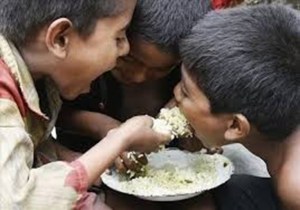
hungerWhen God calls us, God does not only call us privately and individually. In the Bible, God also calls us with our family, our community. God created the first man and woman not only to complete each other, but also to “multiply” or to build a human family. Noah entered the ark together with his wife and children. They were saved as a family from the flood. Abraham and Sarah were called from the land of Ur, and establish their own family and clan in the land of Canaan. When God called Moses to deliver the Israelites from slavery, God also called Aaron and Miriam, Moses’ brother and sister, to assist him in his mission. Finally, the life of Jesus of Nazareth would not be complete without the family of Mary and Joseph of Nazareth.
Surely, it is a good news for family-oriented persons. For many cultures, like Filipino and Indonesian, family is at the center of our value system. When I ask some of my Filipino friends, “If your house is burning, what are the first things you will rescue?” Their answer is not money, important documents or jewelries, but family pictures! In 1977, the Tanzanian President Julius Nyerere, one of the most prominent African figures during that time, visited US and talked before the African students who studied there. Before them, he criticized those Africans who received much support from their families and clan, yet refused to go back after their studies. It was an act of cowardice and betrayal to Africa.

However, if we read today’s Gospel, Jesus made a tough demand for His disciples. In preaching the Kingdom, they had to love Jesus more than they love their family. In ancient Israel, like many Mediterranean societies, respect and honor of the parents was a sacred duty of every child. It was in fact enshrined in the Decalogue as the fourth commandment.  To the point that if a child failed to honor their parents and brought nothing but headache, he would be punished severely by the community (see Dt 21:20-21). As a Jew, He knew this too well, yet He insisted that His disciples had to be committed first to Him and His Gospel before their families. Does Jesus want to cut us from our families? Is Christ-centeredness opposed to family centeredness? Does following Jesus mean leaving our family behind?

God indeed calls us with our family and as a family, but He does not call us only for our family. As old proverb goes, “Charity begins at home, but it does not end there.” We surely love our families, but as Christians we are called to serve a bigger family of humanity and even our mother Earth. It is impossible to serve others, if our allegiance is for ourselves and a small family. Many corruptions take place because we want to enrich our families and clans at the expense of other people. To serve the bigger family of humanity, we are called to first love God who is the merciful and just Father to all, who pour rains and gives sunshine both to the good and not so good. Jesus does not want to destroy families because surely He loves Mary and Joseph, yet He loves His Father most, and this love empowers Him to give His life for all whom His Father loves.

Br. Valentinus Bayuhadi Ruseno, OP


Keluarga yang lebih besar

Minggu Biasa ke-13. 2 Juli 2017 [Matius 10: 37-42]

“Siapa pun yang mencintai ayah atau ibu lebih dari pada saya tidak layak untuk saya, dan siapa pun yang mencintai anak laki-laki atau perempuan lebih dari saya tidak layak untuk saya (Mat 10:37).”

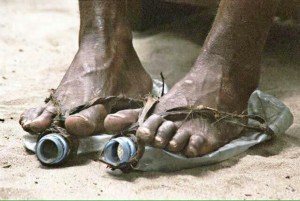
beautiful feetKetika Tuhan memanggil kita, Tuhan tidak hanya memanggil kita secara individual. Dalam Alkitab, Tuhan juga memanggil kita dengan keluarga kita dan komunitas kita. Tuhan menciptakan pria dan wanita pertama yang tidak hanya untuk saling melengkapi, tapi juga “berkembang biak” atau membangun keluarga manusia. Nuh masuk ke dalam bahtera bersama istri dan anak-anaknya. Mereka diselamatkan sebagai keluarga dari banjir besar. Abraham dan Sarah dipanggil dari tanah Ur untuk membangun keluarga dan klan mereka sendiri di tanah Kanaan. Ketika Tuhan memanggil Musa untuk membebaskan orang Israel dari perbudakan, Tuhan juga memanggil Harun dan Miriam, saudara laki-laki dan perempuan Musa, untuk membantu dia dalam misinya. Akhirnya, kehidupan Yesus dari Nazaret tidak akan lengkap tanpa keluarga Maria dan Yusuf dari Nazaret.
Tentunya, ini adalah kabar baik bagi orang-orang yang berorientasi keluarga. Bagi banyak budaya, seperti Filipina dan Indonesia, keluarga merupakan pusat sistem nilai kita. Ketika saya bertanya kepada beberapa teman Filipina, “Jika rumah kamu terbakar, benda apa yang akan kamu selamatkan terlebih dahulu?” Jawaban mereka bukanlah uang, dokumen penting atau perhiasan, tapi foto keluarga! Pada tahun 1977, Presiden Tanzania Julius Nyerere, salah satu tokoh paling terkemuka Afrika selama masa itu, mengunjungi AS dan berbicara di hadapan para pelajar Afrika. Dengan tegas, dia mengkritik orang-orang Afrika yang mendapat banyak dukungan dari keluarga dan komunitas mereka, namun menolak untuk kembali setelah pendidikan mereka. Itu adalah tindakan pengecut dan pengkhianatan terhadap Afrika.

Namun, jika kita membaca Injil hari ini, Yesus mengajukan tuntutan yang berat bagi murid-murid-Nya. Dalam pewartaan Kerajaan Allah, mereka harus lebih mengasihi Yesus daripada mengasihi keluarga mereka. Di Israel zaman itu, seperti banyak masyarakat Mediterania, penghormatan terhadap orang tua adalah tugas suci bagi setiap anak. Ini adalah perintah keempat dari sepuluh perintah Allah. Bahkan jika seorang anak gagal menghormati orang tua mereka dan terus membuat orang tua sakit kepala, dia akan dihukum berat oleh masyarakat (lih. Deu 21: 20-21). Sebagai orang Yahudi, Yesus mengetahui hal ini dengan sangat baik, namun Dia tetap pada pendirian-Nya agar murid-murid-Nya harus terlebih dahulu berkomitmen kepada Dia dan Injil-Nya melebihi keluarga mereka. Apakah Yesus ingin memutus kita dari keluarga kita? Apakah mengikuti Yesus berarti meninggalkan keluarga kita? Apakah kasih terhadap Kristus bertentangan dengan kasih bagi keluarga?

Tuhan sungguh memanggil kita dengan keluarga kita dan sebagai sebuah keluarga, tapi Dia tidak memanggil kita hanya untuk keluarga kita. Rm. Enrico Gonzales, OP guru saya di Manila selalu berkata, “Kasih dimulai di rumah, tapi tidak berakhir di sana.” Kita pasti mengasihi keluarga kita, tapi sebagai orang Kristiani kita dipanggil untuk melayani keluarga manusia yang lebih besar dan juga bumi kita ini. Tidak mungkin melayani orang lain, jika kesetiaan kita adalah untuk diri kita sendiri dan keluarga kecil kita. Banyak korupsi dan kejahatan terjadi karena kita ingin memperkaya diri sendiri dan keluarga kita dengan mengorbankan orang lain. Untuk melayani keluarga manusia yang lebih besar, kita dipanggil untuk pertama-tama mengasihi Tuhan yang adalah Bapa bagi semua, yang memberi hidup, menurunkan hujan dan memberikan sinar matahari kepada yang baik dan tidak begitu baik. Yesus tidak ingin menghancurkan keluarga karena pastilah Dia mengasihi Maria dan Yusuf, namun Dia mengasihi Bapa-Nya lebih dari siapapun, dan kasih ini memberdayakan Dia untuk memberikan nyawa-Nya untuk kita semua yang Bapa-Nya kasihi.

Frater Valentinus Bayuhadi Ruseno, OP

Our God: the God of the Living

32nd Sunday in Ordinary Time. November 6, 2016 [Luke 20:27-38]

 “He is not God of the dead, but of the living, for to him all are alive.” (Luk 20:38)

resurrection-of-deadThe month of November is dedicated to honor all the saints in heaven as well as to pray for the souls in the purgatory. It begins with the celebration of All Saints’ Day on November 1 and the commemoration of the All Souls Day on November 2. We, the Dominicans, celebrate the all Dominican Saints on November 7 and pray for the souls of our Dominican family on November 8. This Church’s celebration traces its origin to Pope Boniface IV in the 7th century, yet its roots go deeper into Jesus Christ Himself.

In today’s Gospel, Jesus affirmed the truth of the resurrection of the dead. This truth presupposes that life is not ended in death but transformed. There is hope after this earthly sojourn. The probable context behind this verse is that of Jesus’ critique of the Sadducees’ unbelief as well as the pagan belief of the realm of the dead. During those times, ancient civilizations worshiped the gods of death more than other gods because they feared the power of death that could destroy life and bring human existence to nothing. The Greeks had Hades, the Romans worshiped Pluto and the Egyptians honored Osiris. Yet, Jesus revealed fundamentally a different truth: Our God is not God of the dead, but God of the living. He still gives us life despite our physical death. This means that we are not mere afterlife disposable garbage or useless souls wandering on earth. We are loved even if we are no longer here on earth. Thus when Jesus commanded us to love one another, this love is not only for our Christian fellows who are still alive, but also for our brothers and sisters who have gone ahead of us.

In ancient Roman tradition, the cemetery was located far away from the cities. These were called necropolis, literally the city of the dead, because the dead had nothing to do anymore with the living. Yet, early Christians opted to do their liturgy inside the catacomb, the underground cemetery. True, it was a hiding place from the Roman authority who persecuted the early Christians, but it was also reflected their faith that they were actually praying for and with the dead brothers and sisters. In many churches, the burial ground was within the same complex. Even in our place in Manila, the burial place of the departed Dominican brothers and priests is just beside our seminary. Their permanent rest place is just a few meters away from our temporary rest place! This proximity reminds us of the bond of brotherhood and love among us. We are reminded to pray for them and to imitate them who were faithful until death. We are reminded, too, that they also pray for us from heaven.

Following the teaching of Jesus, the Church believes that those who are no longer with us, are still part of the Church. Those in heaven are members of the Church triumphant; those in purgatory belong to the Church suffering, and we here on earth are part of the Church militant. Yet, all are one of the same Church, profess the same faith, and worship the same God. Since all are members of the body of Christ, we are united closely in Christ and His love. Thus, it is proper for us to manifest our love for our departed brothers and sister through our prayers and they help us in prayer and intercessions.

Br. Valentinus Bayuhadi Ruseno, OP