Love of Christ urges us.

12th Sunday in Ordinary Time

June 23, 2024

2 Cor 5:14-17

The relationship between St. Paul and the Church in Corinth is complicated. St. Paul was the first missionary to preach the Gospel in Corinth and establish the Church there. Yet, after St. Paul left for another mission, some members of the Church began to disobey Paul and discredit him. In his second letter, St. Paul tried to address this issue, both with tears and joy. What is the problem? How, then, did Paul answer this issue?

Corinth was one of the major cities in ancient Greece, and its strategic location made it wealthy and a major trading hub in the Roman Empire. This situation made the city attractive to many people, including Christian missionaries and preachers. When St. Paul left the city to preach in other places, other so-called ‘apostles’ came and began to teach the Christians in Corinth. Some of them seemed to intentionally discredit Paul by saying that he was not a true apostle. They would cite some proofs like Paul preached a different Gospel, Paul was not a real Israelite, and Paul was not accepting support from the Church (a preacher or missionary was expected to receive their living from the Church). Yet, now Paul was asking for donations.

In his letter, Paul defended himself. He only preached the true Gospel (2 Cor 11:1-6). He is a true Israelite from the tribe of Benjamin and, in fact, from the Pharisees’ group. And, often, he did not receive support from the Corinthians, but instead worked as a tent maker because he did not want to become a burden to the Church (2 Cor 11:7-10). Yet, Paul further explained that the donation he sought was not for himself but for the Church in Jerusalem (2 Cor 8:9).

Paul defended further his apostolic ministry that he received from God for the building of the Church. He was facing persecution both from the Jews and the Greeks; he was beaten in the Synagogue and jailed by Roman leaders. The angry mobs targeted him. Jews opposed Paul because he preached Jesus Christ. The Greeks hated Paul because he drew many people away from the pagan temples. Paul also experienced life-threatening dangers in his journeys: robbers, unfriendly weather, and shipwrecks. Beyond that, he also worked during the days to support himself and preached during the night, and his energy was restlessly spent to deal with various concerns of the Church (see 2 Cor 11:23-29). Paul explained why he was doing all these things: ‘The love of Christ urges us (2 Cor 5:14).’

Christ’s love is enormous; it empowers Paul to do the impossible: love like Jesus. Paul is not the only one who receives this overwhelming love of Jesus but all of us. Jesus loves us dearly to the point of giving up His life for us so that we may become a new creation in Him (2 Cor 5:17). Now, the question is whether we will accept this divine love and make it fruitful in our lives. Are we courageous enough to love like Jesus, as exemplified by St. Paul? Are we ready to face dangers and difficulty in preaching the Gospel? Are we willing to labour day and night for the people Jesus loves?

Valentinus Bayuhadi Ruseno, OP

Preaching the Gospel

5th Sunday in Ordinary Time [B]

February 5, 2024

Mark 1:29-39

Often, we believe that the task of preaching the Gospel is only for the bishops, the priests, and the deacons, or for the religious brothers and sisters or lay catechists. Yet, this is only partially true. The truth is that each baptized person has a responsibility. Yes, you and me! But How do we preach if we don’t have the talents or capacity to do that?

Firstly, we must recognize that to preach the Gospel is an essential part of our identity as Christians. To be Christian means we become the image of Christ, or ‘the other Christ’. In today’s Gospel, Jesus made it clear that His mission is to preach the Gospel. He refused to stop in one town and enjoy the praises of the people, but rather, He had to go to other places and preach. If Jesus is committed Himself in announcing the Good News, then we, as His image, are called to reflect this commitment also. A true Christian is one who faithfully preaches the Gospel.

Jesus recognizes this mission as part of His identity and hands it down to His Church as a commandment. After His resurrection, He instructed His disciples, “Go therefore and make disciples of all nations, baptizing them in the name of the Father and of the Son and of the Holy Spirit, and teaching them to obey everything that I have commanded you (Mat 28:19-20).” Again, this mission is not optional but a must for every disciple of Jesus.

The Church understands this mission, and thus, she teaches us, “Lay people also fulfill their prophetic mission by evangelization, “that is, the proclamation of Christ by word and the testimony of life… (CCC 905).” St. Thomas Aquinas, a theologian, wrote, “To teach to lead others to faith is the task of every preacher and of each believer (STh. III,71,4 ad 3).”

Yet, how do we preach if we do not have a talent and gift? Firstly, we recognize that they are kinds of preaching particularly entrusted to the clergy, like in the liturgy. The reason is that the Church wants to ensure that preaching in this sacred venue will be done solemnly and according to orthodoxy. However, there are many other opportunities for lay people to preach, and even, in fact, there are contexts in which only lay people can bring the Gospel: marriage and family.

In the family context, men and women are bound not only by their baptism to preach the Gospel but also by their marriage’s promises. Husband and wife bring each other closer to God, and parents educate their children to love God and train them in holiness. This mission requires no special talent or training but time and commitment. We spend time praying together as a family at home or in the church. We teach our children basic prayers. We offer a good role model to our children. We bring our children to our parish for baptism and other sacraments and receive various faith instructions from the priests and catechists.

The mission to preach the Gospel is not only essential to our identity as disciples of Christ, and even our salvation depends on it. Let St. Paul’s words be our motto, “Woe to me if I don’t preach the gospel (1 Cor 9:16).”

Rome

Valentinus Bayuhadi Ruseno, OP

Fraternal Correction

23rd Sunday in Ordinary Time [A]

September 6, 2020

Matthew 18:15-20

josh-applegate-_TgzNXPF9IM-unsplash

Today’s Gospel is well known as the fraternal correction or the way to correct our brothers. However, if we carefully read the text, we discover what being corrected is not simply about our appearance, mannerism, or etiquette. The concern of Jesus is about sin. Jesus does not teach us to correct someone who has a weird hairstyle, or someone who sleeps with a huge snore, or someone whose way of talking we do not like. If there is something that makes Jesus angry is none other than sin. Why so? Sin can destroy our relationship with God, and it closes the gate of heaven. Jesus’ mission is to bring forgiveness of sin and to undo the effects of sin, but if we refuse to repent and keep sinning, we throw insults to the sacrifice of Christ.

Jesus gives us the three stages of correcting a brother who lives in sin. The first level is a personal and compassionate reminder. We must not speak behind the person, but rather dare to confront and yet with charity. Just in case, the person is still obstinate, we activate the second level: calling two or three witnesses. The presence of witnesses will substantiate our claim. Yet, if the person remains stubborn, we shall appeal to the Church. We need to remember that the Church in Matthew 18 is not just an assembly of the believers, but the apostles, the authorities of the Church. If again, the person persists in his sin, then the Church has to treat him like gentiles and tax collectors.

Gentiles are non-Jewish nations and because they were not circumcised and worshiped idols, they are considered unclean and sinners. While the tax collectors were people who work for the Roman empire, and because their constant contact with the Romans and their corrupt practices, made them also unclean and sinners. The unclean people are not allowed to enter the Temple and synagogues to worship God. Thus, treating an obstinate brother like a pagan and tax collector means to separate him from the assembly in worship. This technical term for this is excommunication. This word is coming Latin words: “ex-” meaning outside, and “communion” meaning community or fellowship. Thus, being excommunicated is outside of the worshiping community. Thus, excommunicated persons are not allowed to receive the Holy communion, the sign of unity of the Body of Christ.

Excommunication seems to be too cruel, yet looking in a bigger perspective, it is a way of mercy, rather simply a tool of punishment. In fact, the Church rarely pronounced the sentence of excommunication. Most of the cases, it is the people who walk away from the Church and separate themselves from God and His people. We must also remember that Jesus is loving the gentiles and the tax collectors, calling them to repentance and performing many miracles for them. Our love for our brothers who are living sin remains and even gets intensified. The reason is that Jesus does not want them to perish, but live with God. We correct our erring brothers and sisters not because we hate them, but because we love them and because we are part of the same family of God. We are responsible for one another and we shall keep our brothers and sisters in our way toward heaven.

Valentinus Bayuhadi Ruseno, OP

Fraterna Correctio

Minggu ke-23 dalam Waktu Biasa [A]

6 September 2020

Matius 18: 15-20

bundo-kim-KYRHKbcWdYM-unsplashInjil kita hari ini dikenal dalam Bahasa Latin sebagai fraterna correctio atau cara mengoreksi saudara kita. Namun, jika kita membaca teks dengan cermat, apa yang dikoreksi bukan hanya tentang penampilan, tingkah laku, atau etiket kita. Yesus berbicara tentang dosa. Yesus tidak mengajari kita untuk mengoreksi seseorang yang memiliki gaya rambut aneh, atau seseorang yang tidur mendengkur. Jika ada sesuatu yang membuat Yesus marah tidak lain adalah dosa. Kenapa begitu? Dosa bisa menghancurkan hubungan kita dengan Tuhan, dan menutup gerbang surga. Misi Yesus adalah untuk membawa pengampunan dosa dan untuk menghilangkan efek dosa, tetapi jika kita menolak untuk bertobat dan terus berbuat dosa, kita menghina pengorbanan Kristus.
Yesus memberi kita tiga tahap mengoreksi saudara yang hidup dalam dosa. Tingkat pertama adalah pengingatkan secara pribadi dan penuh kasih. Kita tidak boleh berbicara di belakang orang tersebut, tetapi dengan berani untuk berkonfrontasi namun dengan kasih. Jika orang tersebut masih keras kepala, kita berlanjut ke tingkat kedua: memanggil dua atau tiga saksi. Kehadiran saksi akan memperkuat klaim kita. Namun, jika orang itu tetap keras kepala, kita akan banding kepada Gereja. Perlu kita ingat bahwa Gereja dalam Matius 18 bukan hanya kumpulan orang-orang beriman, tetapi para rasul atau otoritas Gereja. Namun, jika orang itu tetap dalam dosanya, Gereja harus memperlakukan dia seperti orang kafir dan pemungut cukai.

Bangsa-bangsa bukan Yahudi tidak disunat dan menyembah berhala, oleh karena itu mereka dianggap najis dan berdosa. Sedangkan pemungut cukai adalah orang-orang yang bekerja untuk kekaisaran Romawi, dan karena kontak mereka yang terus-menerus dengan orang Romawi dan praktik korupsi mereka, mereka dianggap juga najis dan berdosa. Orang-orang najis tidak diizinkan masuk ke Bait Allah dan sinagoga untuk menyembah Tuhan. Jadi, memperlakukan saudara yang keras kepala seperti orang-orang non-Yahudi dan pemungut cukai berarti memisahkan dia dari peribadatan. Istilah teknis untuk ini adalah ekskomunikasi. Kata ini berasal dari kata Latin: “ex-” yang berarti di luar, dan “communio” yang berarti komunitas atau persekutuan. Jadi, ekskomunikasi berada di luar komunitas yang berdoa. Dengan demikian, orang-orang yang diekskomunikasi tidak diperbolehkan menerima Komuni Kudus, yang adalah tanda kesatuan Tubuh Kristus.

Ekskomunikasi tampaknya terlalu kejam, namun melihat dalam perspektif yang lebih besar, itu adalah cara belas kasih, bukan sekadar alat hukuman. Pada kenyataannya, Gereja sangat jarang menjatuhkan sanksi ekskomunikasi. Sebagian besar kasus, adalah pribadi-pribadi itu sendiri yang menjauh dari Gereja dan memisahkan diri mereka dari Tuhan dan umat-Nya. Kita juga harus ingat bahwa Yesus juga mengasihi orang-orang bukan Yahudi dan pemungut cukai, memanggil mereka untuk bertobat, dan melakukan banyak Mujizat bagi mereka. Kasih kita kepada saudara-saudara kita yang hidup dalam dosa tetap ada dan bahkan semakin kuat. Mengapa? karena Yesus tidak ingin mereka binasa, tetapi hidup bersama Tuhan. Kita mengoreksi saudara dan saudari kita bukan karena kita membenci mereka, tetapi karena kita mengasihi mereka dan karena kita adalah bagian dari keluarga Allah yang sama. Kita bertanggung jawab satu sama lain dan kita akan menjaga saudara-saudari kita tetap berjalan menuju surga.

Valentinus Bayuhadi Ruseno, OP

We Are Peter

21st Sunday in Ordinary Time

August 23, 2020

Matthew 16:13-20

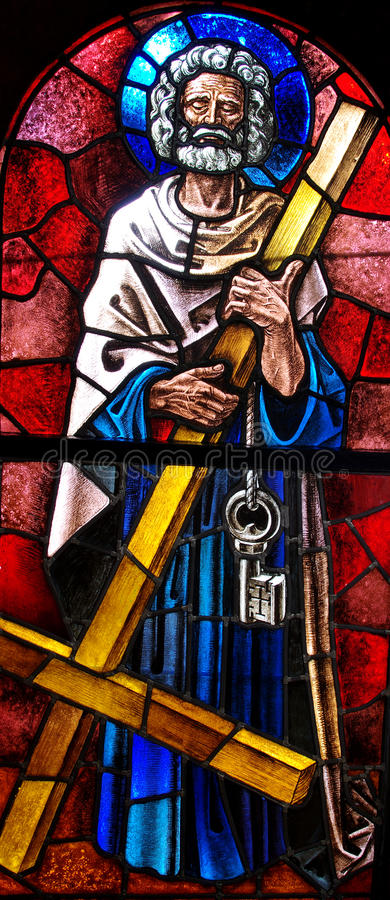
peter n crossToday’s Gospel speaks volume about the new identity and roles of St. Simon Peter as the leader of the college of the apostles, and thus, the leader of the Church. He is the chosen foundation rock upon which Jesus built His Church. He is the prime minister who holds the keys of the kingdom of God. He is the chief priest who is responsible for the Temple of God. He is the chief Rabbi whose teachings binds the entire faithful. These are the bigger-than-life privileges and one may wonder, “Among the disciples, why was he chosen? Did Jesus know that he would deny Him three times?”
Jesus’ choice is a huge mystery, yet in the final analysis, nobody is worthy to be the first pope. If we scan the Bible and try to see many vocation stories of the great leaders of Israel, we are going to see the same pattern: most of them are not worthy and great sinner. Abraham was a coward who hid behind his wife. Moses was involved in killing an Egyptian. David was committing adultery and plotting a murder of Uriah. God seems to have a penchant to choose unworthy sinner!

Yet, that is only half of the story. These great leaders possess their remarkable quality in relation to God’s mercy and love. Despite their weakness, they never lose hope in God’s grace working in them. When they fall, they learn to rise once again and allow God sustains them. This particular quality also that Simon has.

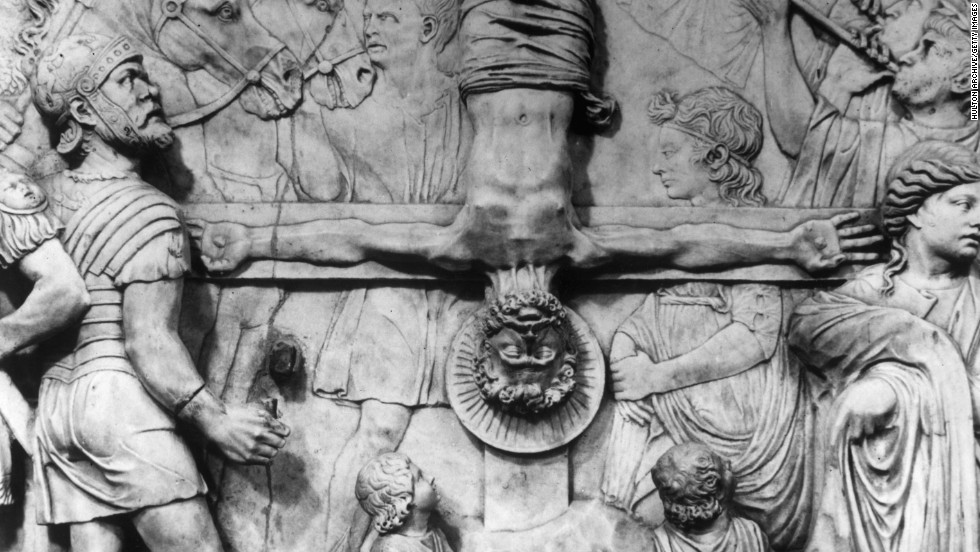
Through his life, Peter was struggling to love Jesus and to become a leader for Christ’s Church. He made few step on water, but doubted and distracted, he began to sink. He made divinely inspired statement on Jesus divinity, but right after, he prevented Jesus to accomplish His mission on the cross. Thus, Jesus called him “Satan!” He promised Jesus that he would lay down his life for Jesus, but less than twenty-four hour, he denied Jesus with curse, and ran away! Yet, despite so grave a sin, he repented, but does not despair. Compare to Judas who lost hope and killed himself in the process, Peter knew too well that there is nothing impossible for God. Indeed, the risen Christ restored his place as the leader and the shepherd of His flocks, after asking Simon’s confession of love thrice. Yet, that was not the end of the story. A tradition says that during the persecution of emperor Niro, Peter was trying to escape Rome. In his way out of the city, Peter encountered Jesus going to the opposite direction. He then asked Jesus, “Quo vadis, Domine? [where are you going, Lord?]” Jesus responded, “I am going to Rome, to be crucified again!” Hearing this, Peter ran back to Rome. True enough, he was arrested and crucified upside down.

The choice of Peter is a mystery, but also good news. We are like Simon Peter, we are chosen to be God’s people, chosen into particular role and mission, but deep in our hearts, we are not worthy and full of weaknesses. Why did God choose me to be His priest? Why did God want me to raise children for the kingdom? Why did God elect me to become His ministers? We are not sure the exact reason, but like Peter, we are also called to trust His providence, and never lose hope in midst of trials and failures, and to love even more.

Valentinus Bayuhadi Ruseno, OP

Kita adalah Petrus

Minggu ke-21 di Masa Biasa

23 Agustus 2020

Matius 16: 13-20

peter crucifixion 1Injil hari ini berbicara banyak tentang identitas baru dan peran St. Simon Petrus sebagai pemimpin para rasul, dan dengan demikian, pemimpin Gereja. Dia adalah batu fondasi pilihan yang di atasnya Yesus membangun Gereja-Nya. Dia adalah perdana menteri yang memegang kunci kerajaan Tuhan. Dia adalah imam kepala yang bertanggung jawab atas Bait Allah yang baru. Dia adalah Rabi kepala yang ajarannya mengikat seluruh umat beriman. Ini adalah hak istimewa yang luar biasa dan orang mungkin bertanya-tanya, “Di antara para murid, mengapa dia yang dipilih? Apakah Yesus tahu bahwa dia akan menyangkal-Nya tiga kali? “

Pilihan Yesus adalah sebuah misteri besar, namun pada akhirnya, tidak ada yang layak menjadi paus pertama. Jika kita membaca Alkitab dan mencoba melihat banyak cerita panggilan dari para pemimpin besar Israel, kita akan melihat pola yang sama: kebanyakan dari mereka tidak layak dan pendosa besar. Abraham adalah seorang pengecut yang bersembunyi di belakang istrinya. Musa terlibat dalam pembunuhan seorang Mesir. Daud melakukan perzinaan dan merencanakan pembunuhan Uria. Tuhan tampaknya memiliki kecenderungan untuk memilih orang berdosa yang tidak layak!

Namun, itu baru setengah dari cerita. Para pemimpin hebat ini memiliki kualitas luar biasa dalam hubungannya dengan belas kasihan dan cinta Tuhan. Terlepas dari kelemahan mereka, mereka tidak pernah kehilangan harapan akan kasih karunia Tuhan yang bekerja di dalam diri mereka. Ketika mereka jatuh, mereka belajar untuk bangkit sekali lagi dan membiarkan Tuhan menopang mereka. Kualitas khusus ini juga yang dimiliki Simon.

Sepanjang hidupnya, Petrus berjuang untuk mencintai Yesus dan menjadi pemimpin Gereja Kristus. Dia berhasil berjalan beberapa langkah di atas air, tetapi ragu sehingga dia mulai tenggelam. Dia membuat pernyataan yang diilhami Roh kudus tentang keilahian Yesus, tetapi segera setelah itu, dia mencegah Yesus untuk menuntaskan misi-Nya di kayu salib. Tak ayal, Yesus menyebutnya “Setan!” Dia berjanji kepada Yesus bahwa dia akan menyerahkan nyawanya untuk Yesus, tetapi kurang dari dua puluh empat jam, dia menyangkal Yesus tiga kali, dan melarikan diri! Namun, meskipun begitu besar dosa, dia memilih bertobat, tetapi tidak putus asa. Bandingkan dengan Yudas yang kehilangan harapan dan bunuh diri, Petrus tahu betul bahwa tidak ada yang mustahil bagi Tuhan. Sungguh, Kristus yang bangkit memulihkan tempatnya sebagai pemimpin dan gembala kawanan domba-Nya, setelah meminta pengakuan kasih Simon tiga kali. Namun, itu bukanlah akhir cerita. Sebuah tradisi mengatakan bahwa selama penganiayaan kaisar Niro, Petrus berusaha melarikan diri dari Roma. Dalam perjalanannya ke luar kota itu, Petrus bertemu Yesus berjalan dengan arah berlawanan. Dia kemudian bertanya kepada Yesus, “Quo vadis, Domine? [Ke mana kamu pergi, Tuhan?]” Yesus menjawab, “Aku akan ke Roma, untuk disalibkan lagi!” Mendengar ini, Petrus lari kembali ke Roma. Benar saja, dia ditangkap dan disalibkan secara terbalik.

Pilihan kepada Petrus adalah sebuah misteri, tapi juga kabar baik. Kita seperti Simon Petrus, kita dipilih menjadi umat Tuhan, dipilih untuk peran dan misi tertentu, tetapi jauh di lubuk hati kita, kita tidak layak dan penuh kelemahan. Mengapa Tuhan memilih saya menjadi imam-Nya? Mengapa Tuhan ingin saya membesarkan anak-anak untuk kerajaan? Mengapa Tuhan memilih saya untuk menjadi pelayan-Nya? Kita tidak yakin alasan pastinya, tetapi seperti Petrus, kita juga dipanggil untuk memercayai rencana-Nya, dan tidak pernah kehilangan harapan di tengah pencobaan dan kegagalan, dan untuk lebih mengasihi.

Valentinus Bayuhadi Ruseno, OP

Gandum di antara Ilalang

Minggu ke-16 di Masa Biasa [A]

19 Juli 2020

Matius 13: 24-43

wheat 1Perumpamaan tentang gandum dan ilalang adalah sangat unik. Jika kita meneliti detailnya, kita seharusnya terkejut. Pertama, jika kita menjadi orang yang akan menghancurkan ladang gandum lawan kita, kita tahu bahwa ada beberapa cara lain yang lebih efektif untuk mencapainya. Kita cukup membakar beberapa gandum, dan seluruh ladang pada akhirnya akan berubah menjadi api raksasa. Tetapi, musuh ini memilih taktik yang tidak lazim: menabur benih ilalang selama masa tanam. Sementara ilalang dapat mengganggu pertumbuhan gandum, mereka tidak akan cukup merusak dan menggagalkan panen. Jadi, apa tujuannya? Yang mengejutkan adalah keputusan pemilik ladang. Ketika dia diberitahu tentang keberadaan ilalang, dia segera tahu pelakunya, dan bukannya bertindak cepat untuk melindungi gandumnya, dia memutuskan untuk membiarkan ilalang tumbuh subur di antara gandumnya.

Seperti minggu lalu, para murid bingung dengan perumpamaan itu, dan ketika para murid menanyakan arti dari perumpamaan ini, mereka menemukan jawaban yang sekali lagi mencengangkan. Pemilik ladang adalah Allah Sendiri dan Dia mengizinkan anak-anak si jahat tumbuh di antara anak-anak Allah, baik di dunia maupun di Gereja. Tuhan sungguh mengizinkan hal itu! Dia mengizinkan anak-anak-Nya tidak akan memiliki perjalanan dan pertumbuhan yang mulus di dunia. Tuhan mengizinkan anak-anak-Nya diganggu dan bahkan dianiaya oleh si jahat. Tuhan mengizinkan anak-anak-Nya mengalami cobaan dan saat-saat sulit. Pertanyaannya adalah mengapa?

Kita dapat mengambil petunjuk dari St Paul. Dia pernah menulis, “Kita tahu sekarang, bahwa Allah turut bekerja dalam segala sesuatu untuk mendatangkan kebaikan bagi mereka yang mengasihi Dia, yaitu bagi mereka yang terpanggil sesuai dengan rencana Allah. [Rom 8:28].” Tuhan mengizinkan hal-hal buruk terjadi karena ini untuk kebaikan kita! Kebaikan macam apa ini? Dari sudut pandang manusiawi kita, mungkin ini tidak masuk akal, tetapi dari sudut pandang-Nya, segala sesuatunya terjadi dengan sangat indah bagaikan sebuah simfoni.

Yesus mengundang kita untuk memanggil Allah sebagai Bapa, dan surat kepada orang-orang Ibrani mengingatkan kita, “karena Tuhan mendisiplinkan orang yang dikasihi-Nya,  dan Ia menyesah orang yang diakui-Nya sebagai anak.” Pencobaan dan kesulitan adalah pedagogi Tuhan terhadap siapa yang Dia kasihi. Sebagai orang tua, kita tahu bahwa kepedulian dan disiplin harus berjalan bersamaan. Kita sangat menyadari bahwa disiplin sejati juga adalah cara mencintai. Jika kita ingin anak-anak kita berhasil dalam kehidupan mereka, kita perlu mengajar mereka untuk menunda kepuasan mereka. Kita membiarkan mereka mengalami rasa sakit dan kesulitan terlebih dahulu sebelum kita memberi mereka hadiah. Orang tua saya biasanya meminta saya untuk belajar dan menyelesaikan PR terlebih dahulu, sebelum saya dapat menikmati televisi. Ini menghasilkan tidak hanya nilai baik di sekolah, tetapi juga kebiasaan saya untuk tidak lari dari masalah, tetapi untuk bersabar menghadapinya.

Saya percaya bahwa hal ini juga sama dengan Bapa kita di surga. Dia mengasihi kita dengan mengizinkan kita menanggung rasa sakit di dunia ini sehingga kita dapat benar-benar menghargai karunia rohani. Izinkan saya mengakhiri refleksi ini, dengan mengutip St. Paulus, “Kita malah bermegah juga dalam kesengsaraan kita , karena kita tahu, bahwa kesengsaraan itu menimbulkan ketekunan,  dan ketekunan menimbulkan tahan uji [karakter sebagai anak-anak Allah-ed] dan tahan uji menimbulkan pengharapan. Dan pengharapan  tidak mengecewakan…”[Rom 5:3-5]

Valentinus Bayuhadi Ruseno, OP

The Birthday of the Church

Pentecost Sunday [A]

May 31, 2020

John 20:19-23

pentecost coptic“Happy Birthday!” today is the feast of Pentecost, and today is the birth of the Church. We should rejoice because our Church is getting older by age, but getting ever stronger by vitality and creativity in preaching the Good News. Yet, the question is why we celebrate the birthday of the Church on the Pentecost Sunday?

To answer this, we need to understand the biblical meaning of the celebration of Pentecost and what took place to the disciples on the day the Holy Spirit descended upon them. The word Pentecost means the fiftieth, and the feast of Pentecost takes place on the fiftieth day after Sunday Easter. However, the Christian feast itself is originally a Jewish religious festival: the feast of Shavuot or the Feast of Weeks. The feast took place seven weeks after the grand celebration of the Passover. Together with Passover and the Feast of Tabernacle (Booths), Pentecost are the major pilgrimage festivals that require any male Jews to make their way to Jerusalem. Initially, the feast is agricultural in nature. The people of Israel gave thanks for the successful harvests and offered the fruits of their harvest to the Lord. Yet, it also gained a religious meaning. In the feast of Shavuot, the Israelites commemorate the giving of the Law and the making of the covenant with the Lord God in Mount Sinai.

This explains why many people from different nations gathered in around the place of the disciples: they were pilgrims of Pentecost. This answers a more fundamental question about the identity of the Holy Spirit: Why did the Holy Spirit have to present Himself as fire, and no other image like a dove? If we go back to the Sinaitic event itself, we are going to find something remarkable. When God made His covenant and handed down His Law, He appeared Himself to entire Israel as fire [see Exo 19:18]. The Holy Spirit appeared in fire simply because He was the same God who manifested Himself in Sinai. The Pentecost Sunday reveals the fundamental truth about the Holy Spirit that the promised Paraclete is divine.

In Sinai, the Israelites received the Law and entered into a covenant with the Lord. God embraced them and made them “a priestly kingdom and a holy nation [see Exo 19:6]. Israelites became a nation that belongs to God. In the new Pentecost, the Holy Spirit came upon the disciples and instilled in them the New Law of Love. He fashioned them to be new People of God [see Pet 2:9]. The new community of God’s family has been born!

Yet, these new people are even greater. The Holy Spirit empowered the disciples to preach the Good News to people from different nations and languages. The Pentecost reversed the negative effect of the tower of Babel [see Gen 11:1-9]. When people were so proud of themselves and tried to become like God with their power, different languages turned out to be a curse that divides them. Yet, with the Holy Spirit that transformed the hearts and instilled humility, languages become a blessing that unites the different people.

We thank the Holy Spirit that gave birth to the Church. We give thanks to the Holy Spirit that has called us to part of the new people of God.

Valentinus Bayuhadi Ruseno, OP

Selamat Ulang Tahun, Gereja!

Minggu Pantekosta [A]

31 Mei 2020

Yohanes 20: 19-23

pentecost 3“Selamat ulang tahun!” Hari ini adalah hari raya Pentekosta, dan hari ini adalah kelahiran Gereja. Kita harus bersukacita karena Gereja kita bertambah dalam usia, tetapi semakin kuat, bijaksana dan kreatif dalam memberitakan Kabar Baik. Namun, pertanyaannya adalah mengapa kita merayakan ulang tahun Gereja pada hari Minggu Pentekosta?
Untuk menjawab ini, kita perlu memahami makna alkitabiah dari perayaan Pentekosta dan apa yang terjadi pada para murid pada saat Roh Kudus turun ke atas mereka. Kata Pentekosta berarti “yang kelima puluh”, dan hari raya Pentekosta terjadi pada hari kelima puluh setelah Minggu Paskah. Namun, pesta Gereja itu sendiri pada awalnya adalah sebuah festival keagamaan Yahudi: Hari Raya Shavuot atau Hari Raya Tujuh Minggu. Perayaan itu berlangsung tujuh minggu setelah perayaan akbar Paskah. Bersama-sama dengan Paskah dan Hari Raya Pondok Daun, Pentekosta adalah perayaan perziarahan utama yang mengharuskan setiap pria Yahudi untuk melakukan perjalanan ke Yerusalem. Awalnya, ini adalah perayaan agrikultural. Orang-orang Israel bersyukur atas panen yang berhasil dan mempersembahkan hasil panen mereka kepada Tuhan. Namun, itu juga memiliki makna religius. Dalam perayaan Shavuot, orang Israel memperingati pemberian Hukum dan pembuatan perjanjian dengan Tuhan Allah di Gunung Sinai.

Ini menjelaskan mengapa banyak orang dari berbagai bangsa berkumpul di sekitar tempat para murid: mereka adalah peziarah Pentekosta. Perayaan ini juga menjawab pertanyaan yang lebih mendasar tentang identitas Roh Kudus: Mengapa Roh Kudus harus menampakkan diri-Nya sebagai api, dan tidak dengan citra yang lain seperti merpati? Jika kita kembali ke peristiwa di gunung Sinai itu sendiri, kita akan menemukan sesuatu yang luar biasa. Ketika Allah membuat perjanjian-Nya dan menyerahkan Hukum-Nya, Dia menampakkan diri-Nya kepada seluruh Israel sebagai api [lihat Kel 19:18]. Roh Kudus hadir dalam api hanya karena Dia adalah Allah yang sama yang memanifestasikan diri-Nya di Sinai. Hari Minggu Pentekosta mengungkapkan kebenaran mendasar tentang Roh Kudus bahwa Parakletos yang dijanjikan itu adalah Tuhan.

Di Sinai, orang Israel menerima Hukum dan masuk ke dalam perjanjian dengan Tuhan. Allah menjadikan mereka “kerajaan imamat dan bangsa yang kudus [lihat Kel 19: 6]. Bangsa Israel menjadi bangsa yang kepemilikan Tuhan. Dalam Pentekosta yang baru, Roh Kudus turun ke atas para murid dan menanamkan dalam diri mereka Hukum Cinta Kasih yang Baru. Dia membentuk mereka untuk menjadi Umat Allah yang baru [lihat Pet 2: 9]. Komunitas baru keluarga Allah telah lahir hari ini!

Namun, umat Allah baru ini bahkan lebih besar. Roh Kudus memberi kuasa kepada para murid untuk memberitakan Kabar Baik kepada orang-orang dari berbagai bangsa dan bahasa. Pentekosta membalikkan efek negatif dari menara Babel [lihat Kejadian 11: 1-9]. Ketika orang-orang begitu bangga pada diri mereka sendiri dan berusaha menjadi seperti Tuhan dengan kekuatan mereka, berbagai bahasa berubah menjadi kutukan yang memecah belah mereka. Namun, dengan Roh Kudus yang mengubah hati dan menanamkan kerendahan hati, bahasa menjadi berkat yang menyatukan orang-orang yang berbeda.

Kita bersyukur kepada Roh Kudus yang telah melahirkan Gereja. Kita bersyukur kepada Roh Kudus yang telah memanggil kita untuk menjadi bagian dari umat Allah yang baru.

Valentinus Bayuhadi Ruseno, OP

God’s Loving Touch

Fifth Sunday of Lent [A]

March 29, 2020

John 11:1-45

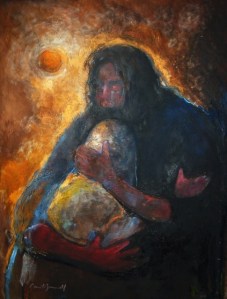
Daniel Bonnell, "Jesus Wept." Oil on canvas, 34 x 46 in. Tags: LazarusAmong the five human senses, the sense of touch is the most basic and foundation to other senses. The sense of sight needs to be in touch with the light spectrum. The sense of taste requires to be in contact with the chemical in the food. The sense of hearing must receive air vibration or sound waves. This sense makes us a human being, a bodily being. No wonder that many traumatic experiences [even mental problems] are rooted in the lack (or excess) of touch.

God, our creator, understands our fundamental need of touch. Thus, to fulfill our deepest desire, He made a radical choice and became a man like all of us. Because Jesus is true God and true man, the disciples were able to see, hear, touch and feel Him. Yet, He gave a more radical gesture as He offered Himself as food to eat and drink to eat, “for my flesh is true food and my blood is true drink [Jn 6:55].” While the pagan deities were feasting on the human blood and sacrifice, our God does the opposite. He gave up His life so that we may live and feel His love.

Following the example of our Savior, the Church is filled with tangible means and bodily gestures as a sign and symbols of the divine presence. No wonder our churches are equipped with beautiful crucifixes, adorned with flowers, and mystified by the burning candle and incense. A sacrament is no other than the visible sign of the invisible grace, and sacraments really intend to connect to our bodies, like blessed water and oil that touch our forehead, the bread that we consume, and words of forgiveness that we need to hear. Amazingly, the Church is called the body of Christ, and our call is to unite as one people of God around this table of Eucharist.

However, the terrible thing befalls our Church. The pandemic caused by the Covid-19 is basically reversing the movement of our faith. We are facing a reality that touching can mean illness, the gathering may bring disaster, and worship may mean death. For the good of the flock, our leaders are forced to close the churches. We now feel the pain of separation from the Body of Christ.

Perhaps, we are like Lazarus who are experiencing spiritual suffering and death. Perhaps, we are like Martha who is asking the Lord, “why are you not coming sooner?” Perhaps, we are like Mary who cannot do anything but mourns and is reduced into silence.

The Gospel of John tells us that Jesus loves Lazarus, Martha and Mary as His close friends. Yet, Jesus did not rescue Lazarus when he got gravely ill, and even Jesus visited them after Lazarus died four days. Jesus allowed terrible things to take place in the life of Lazarus, Martha, and Mary, not because He wanted to punish them, or He does not care, but because He loves them.

In His love, God allows us to endure the sense of losing God, and experience suffering and even death. God knows too well that through suffering, we may love even deeper, we grow in faith, and re-discover God, alive and even closer. After all, there is no true resurrection, unless we enter the darkness of the tomb.

My deepest gratitude and prayer for our medical personal who give their all in to fight the disease and save lives.

Valentinus Bayuhadi Ruseno, OP