

Fourth Sunday in Ordinary Time [B]
January 31, 2021
Mark 1:21-28
 Jesus performed His first exorcism in the Gospel of Mark. Reading the context, we discover that Jesus was teaching in the synagogue, and the people recognized Him teaching with authority. When Jesus taught with authority, it does not merely mean He preached with eloquence and chrism, but His teachings manifested in powerful signs, like healings and exorcism.
The word exorcism is usually understood as expelling the evil spirits or demons from a person possessed or a place infected. Unfortunately, because of Hollywood movies’ influence, the understanding of exorcism has been corrupted, deformed, and even ridiculed. Yet, the Catholic Church, exorcism is rooted in Jesus Christ Himself.
The literal meaning of ‘exorcism’ is to ‘bind with an oath.’ Then, how did this word become related to evil spirits? When we swear an oath, we need to invoke a higher being as the guarantor of our promise. Naturally, an oath is to say a pledge by invoking the Lord Himself as a witness. In the context of exorcism, the priest-exorcist will invoke the name of God to bind the demons and send them ‘at the feet of the cross of Jesus’ for the judgment. There is no genuine and effective exorcism without invoking the name and power of the true God.
What is interesting is that Jesus drove out demons without invoking the name of God. He said, “Quiet, come out of him!” Jesus was exorcising with His authority, and the demons obeyed Him because they recognized His divine power. The demons also acknowledge Jesus not as Messiah or the king of the Jews, but as ‘the Holy One of God.’ If we go back to the Old Testament, this particular title refers to Israel’s high priest. “… Aaron, the holy one of the Lord… [Psa 106:16].” The demons revealed another dimension of Jesus’ identity: He is the high priest. From this truth, we may conclude that exorcism is a priestly duty.
Participating in the high priestly office of Jesus, the bishops are the chief exorcists in their dioceses. We remember that bishops are high priests in their respective dioceses. Each bishop then may appoint and delegate some well-trained priests to become exorcists. I was fortunate to meet and discuss many things with Fr. Jose Syquia, an exorcist of the Archdiocese of Manila.
However, we must not forget that we also share in the priesthood of Jesus Christ because of our baptism. So, we also have authority over the evil spirits. As laity, we are allowed to say specific prayers of deliverance when we feel extraordinary presence and activities of the evil spirits. The prayer to St. Michael, the archangel, is most recommended for the laity. Yet, we must not forget that the evil spirits work in very subtle ways, primarily through temptations to sin. Often, without realizing it, we are already under the control of the devil as we live a life full of vices. This is our daily war against the kingdom of Satan, and we cannot win without invoking the name of Jesus, constant prayers, the sacraments, and the help of the Church.
Valentinus Bayuhadi Ruseno, OP
 Reading the entire Matthew chapter 21, we will get the sense of the parable of the two sons of the vineyard owner. Jesus just entered the city of Jerusalem and was welcomed by the people with a shout of “Hosanna” and palm branches. Then, he proceeded to the Temple area to cleanse it from the malpractices plaguing the holy ground. Thus, the elders and chief priests, the one who was in charge of the Temple, questioned Jesus, “who are you? By what authority do you act and teach?”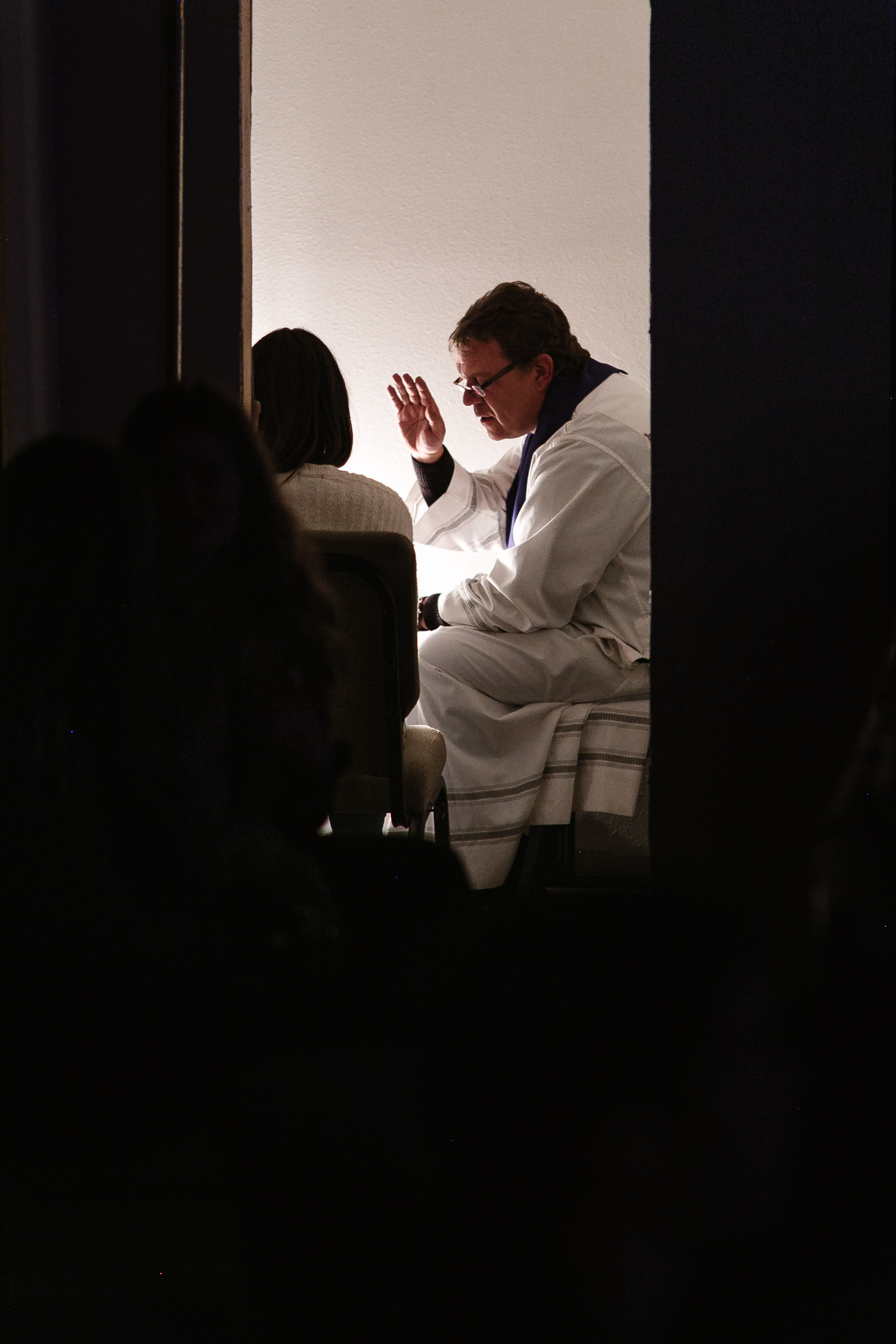
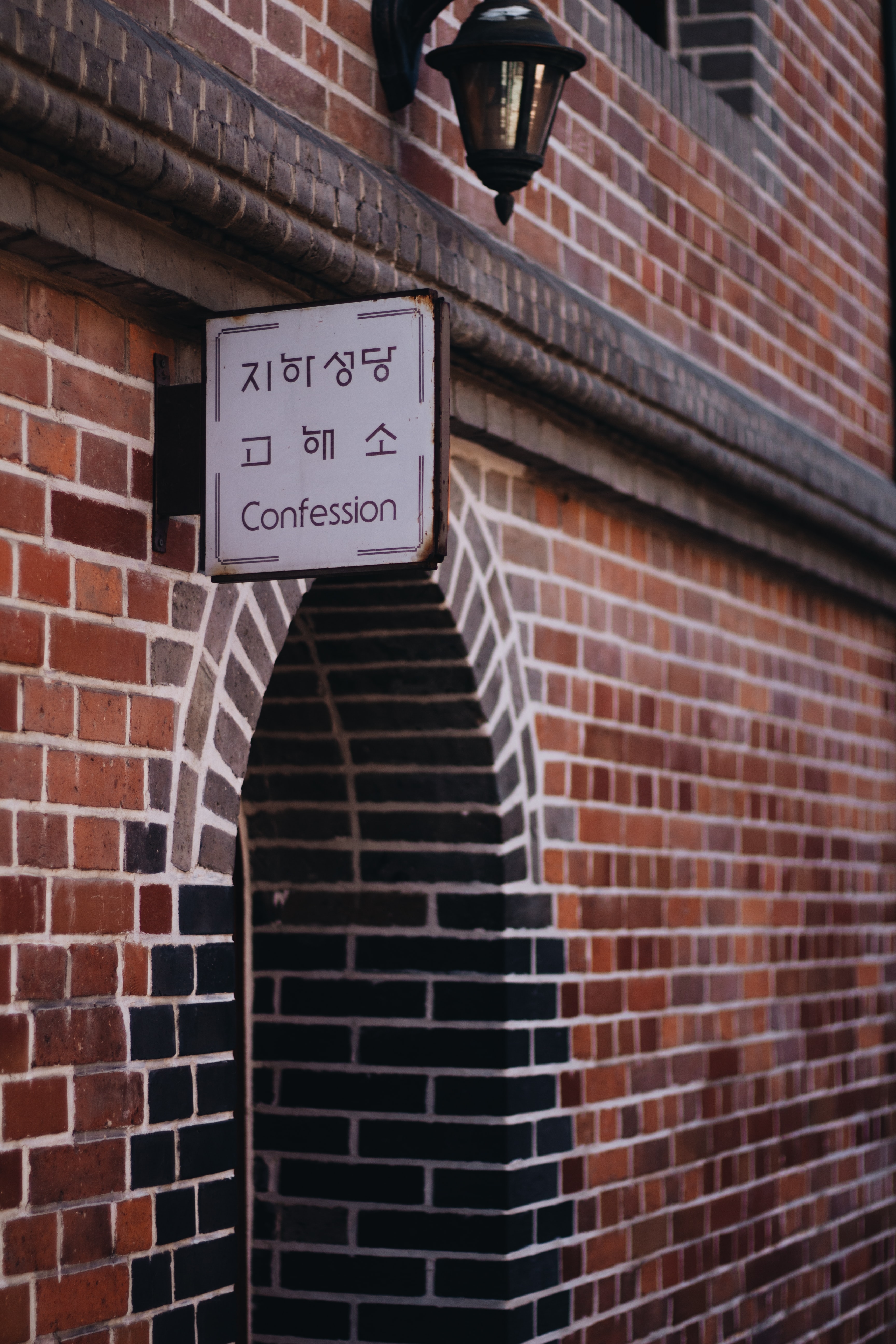 Injil kita hari ini dikenal dalam Bahasa Latin sebagai fraterna correctio atau cara mengoreksi saudara kita. Namun, jika kita membaca teks dengan cermat, apa yang dikoreksi bukan hanya tentang penampilan, tingkah laku, atau etiket kita. Yesus berbicara tentang dosa. Yesus tidak mengajari kita untuk mengoreksi seseorang yang memiliki gaya rambut aneh, atau seseorang yang tidur mendengkur. Jika ada sesuatu yang membuat Yesus marah tidak lain adalah dosa. Kenapa begitu? Dosa bisa menghancurkan hubungan kita dengan Tuhan, dan menutup gerbang surga. Misi Yesus adalah untuk membawa pengampunan dosa dan untuk menghilangkan efek dosa, tetapi jika kita menolak untuk bertobat dan terus berbuat dosa, kita menghina pengorbanan Kristus.
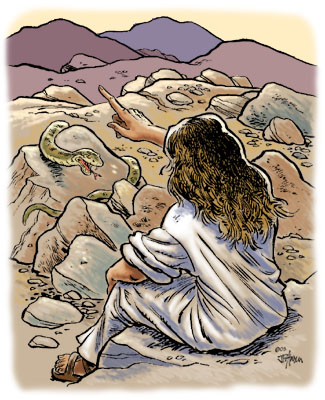 Hari Minggu Prapaskah pertama dimulai dengan kisah Yesus di padang gurun, berpuasa dan dicobai oleh iblis. Matius memberi kita lebih banyak perincian dalam kisah pencobaan, dan dari Matius, kita menemukan tiga pencobaan Kristus. Mengapa Setan menggoda Yesus? Kenapa tiga godaan?
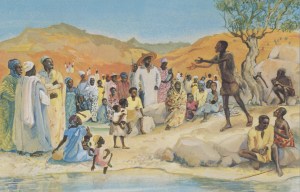 John the Baptist is a prominent figure in four Gospels, and he powerfully appears before Jesus begins His public ministry. But, who is this John the Baptist? His name is simply John, and the Church calls him the Baptist to distinguish him from other John in the Bible like John the son of Zebedee, one of Jesus’ disciples. John the Baptist is the miracle son of Zacharia and Elizabeth in their old days. And since Elizabeth and Mary, the mother of Jesus, are relatives, John and Jesus are closely related to each other.
 Yohanes Pembaptis adalah tokoh terkemuka dalam keempat Injil, dan Yohanes muncul sebelum Yesus memulai pelayanan dan karnya-Nya. Tetapi, siapakah Yohanes Pembaptis ini? Namanya Yohanes, dan Gereja memanggilnya sebagai Pembaptis untuk membedakannya dari Yohanes lainnya dalam Alkitab seperti Yohanes putra Zebedeus, salah satu murid Yesus. Yohanes Pembaptis adalah putra Zakharia dan Elisabet yang terlahir di masa tua mereka. Dan karena Elizabeth dan Maria, ibu Yesus, masih saudara, Yohanes dan Yesus saling berhubungan erat.
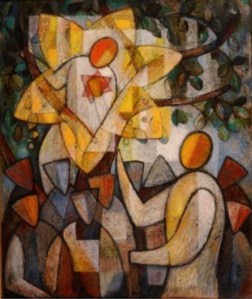 In the time of Jesus, there are at least two kinds of taxes. The first tax goes to the Temple of Jerusalem. This is a “sacred tax”. Those who collect them are performing a sacred duty, and those who pay are fulfilling their due to God. Yet, the second tax is exacted by the Roman government. In order to effectively get the taxes, the Romans employs the local collaborators. The Jews are heavily burdened by this tax because they are unjustly hefty, and often collected by coercion. The Jews understandably loathe those Jewish tax collectors who willingly betray their own people and are involved in greedy malpractices. These are the worst sinners, unclean, corrupt and traitors.
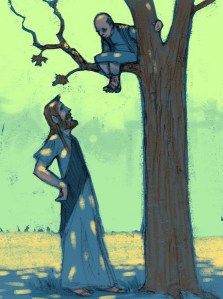 Pada zaman Yesus, setidaknya ada dua jenis pajak atau cukai. Pajak pertama adalah untuk Bait Allah di Yerusalem. Ini adalah “pajak suci”. Mereka yang memungutnya melakukan tugas mulia, dan mereka yang membayar memenuhi kewajibannya kepada Allah. Namun, pajak kedua dibebankan oleh pemerintah Romawi. Untuk mendapatkan pajak secara efektif, orang-orang Romawi mempekerjakan kolaborator lokal. Orang-orang Yahudi sangat terbebani oleh pajak ini karena sangat berat, tidak adil, dan dengan paksaan. Orang-orang Yahudi pada umumnya tentu saja membenci para pemungut pajak Yahudi yang dengan sukarela mengkhianati rakyatnya sendiri dan terlibat dalam praktik korupsi yang tamak. Ini adalah pendosa terburuk, karena najis, korup dan pengkhianat.
 In Medio Ecclesiae