


The Feast of Transfiguration. August 6, 2017 [Matthew 17:1-9]
“He was transfigured before them; his face shone like the sun and his clothes became white as light (Mat 17:2).”
 This Sunday, the Church is celebrating the feast of Transfiguration. The word ‘transfiguration’ comes from Matthew who writes Jesus transfigures before the three disciples, Peter, James and John, his face shines like the sun and his clothes become white as light (17:2). The word “transfigure” is the direct transliteration of the Latin Vulgate Bible “transfigurare”. It is a combination of two words “trans” meaning to across, and “figura” meaning figure. Thus, transfiguration literally means the change of figure. It is a fitting word to describe what happens to Jesus.
However, if we look at the original Greek, Matthew used the word “metamorphos” which is actually the root of the English word metamorphosis. Many of us understand metamorphosis as a biological term. It is a marked and more or less abrupt developmental change in the form or structure of an animal. The classical examples are the transformation from a leaf-eating caterpillar into a beautiful butterfly, or an aquatic tadpole into a land-dwelling frog. Metamorphosis is surely a radical change, but we do not use this term to describe what happens to Jesus in Mount Tabor perhaps because we do not want to limit Jesus’ transformation to the biological sphere only. It is something more fundamental, spiritual and even divine.
In our time, the medical technologies have advanced considerably, and this enables us also to undergo a metamorphosis. We can look young despite our age. We can reduce our excess fat in no time. We can make even our face bright and vibrant, even ‘shining like the sun’. I have to admit that often I do not pay much attention to my physical and facial improvement, but I believe that our efforts to care for our bodies and improve our beauty are part of appreciating God’s creations. The problem sets in when we become excessive and even obsessive. Spending huge amount of money just for beauty products and cosmetic surgery while our neighbors are dying of hunger is simply unchristian. Spending our fortune for the companies that cause environmental damages or sufferings to people is also our participation in this injustice.
However, we are called not simply to metamorphosize but to transfigure. While the change and improvement in our body can be good and beautiful, transfiguration is not only a matter of physical alteration. We need to change in a more fundamental, spiritual and even divine way. It is a change that pleases the Father because we become like Jesus, we become His sons and daughters. Through the sacrament of baptism, we have been made God’s children, and now it is our mission to act and behave like His worthy children. Like Jesus, we need to be more aware of the sufferings around us and be compassionate to our poor brothers and sisters. Like Jesus, we fight against the injustices and abuses that take place around us. Like Jesus, we instruct and educate our family, friends and neighbors in truth.
Finally, Matthew places the event of the Transfiguration just before Jesus goes to Jerusalem as He offers His life for our salvation. The true transfiguration enables us to become less and less self-centered and empowers us to do sacrifices for our loves ones. We are called to make the world a better place for us and all children of God. Like Jesus, we are called to be transfigured and be pleasing to the Father.
Br. Valentinus Bayuhadi Ruseno, OP

 Minggu ini, Gereja merayakan Pesta Yesus yang menampakkan kemulian-Nya yang juga dikenal sebagai Transfigurasi. Kata “transfigurasi” adalah transliterasi dari kata Latin “transfigurare” yang digunakan oleh Alkitab Latin Vulgata. Ini adalah kombinasi dua kata “trans” yang berarti melintasi, dan “figura” yang berarti bentuk atau figur. Dengan demikian, transfigurasi secara harfiah berarti bahwa perubahan bentuk atau figur. Ini adalah kata yang tepat untuk menggambarkan apa yang terjadi pada Yesus di Gunung tinggi.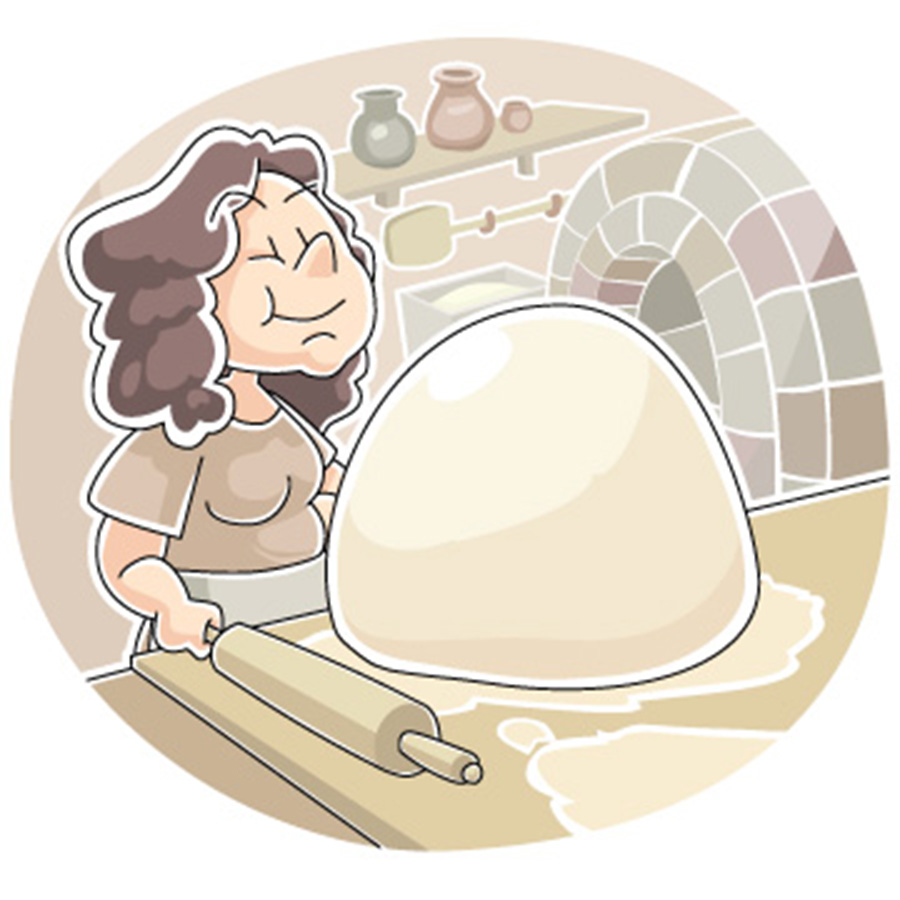
 From the several parables that Jesus tells us in today’s Gospel, we learn that Jesus is keen on how nature works. He observes how seeds of wheat and weed grow, and how the yeast would affect the dough in the process of baking. Jesus also is observant of human ingenuity in working with nature for the benefit of the human community. Men and women till the land, are observant to the cycle of nature, sow the well-prepared seeds, take care of the growth and then harvest the result for the good of community. The use of yeast for baking is a very ancient method of cooking. Women would place yeast in dough, and the microorganism would interact with the carbohydrate in the flour, creating carbon dioxide, and as an effect, the leaven dough would expand. Though unleavened bread will last longer, this yeast would make the bread softer and tastier, making it more enjoyable for human consumption.
 Dari beberapa perumpamaan yang Yesus katakan kepada kita di dalam Injil hari ini, kita belajar bahwa Yesus sangat peka dengan bagaimana alam bekerja. Dia mengamati bagaimana biji gandum, lalang dan sesawi tumbuh, dan bagaimana ragi akan mempengaruhi adonan roti. Yesus juga memperhatikan kecerdasan manusia dalam bekerja dengan alam bagi kepentingan dan kebaikan komunitas manusia. Pria dan wanita mengolah tanah, mematuhi siklus alam, menabur benih yang disiapkan dengan baik, menjaga pertumbuhan dan kemudian memanen hasilnya untuk kebaikan komunitas. Penggunaan ragi adalah metode masak yang sangat kuno. Wanita akan menempatkan ragi dalam adonan, dan mikroorganisme ini akan berinteraksi dengan karbohidrat dalam tepung, menciptakan karbon dioksida, dan sebagai akibatnya, adonan ragi akan berkembang. Meski roti tidak beragi akan bertahan lebih lama, ragi ini akan membuat roti lebih lembut dan lebih nikmat untuk dikonsumsi.
 In Medio Ecclesiae