

16th Sunday in Ordinary Time. July 23, 2017 [Matthew 13:24-43]
“The kingdom of heaven is like a mustard seed that a person took and sowed in a field. (Mat 13:31)”
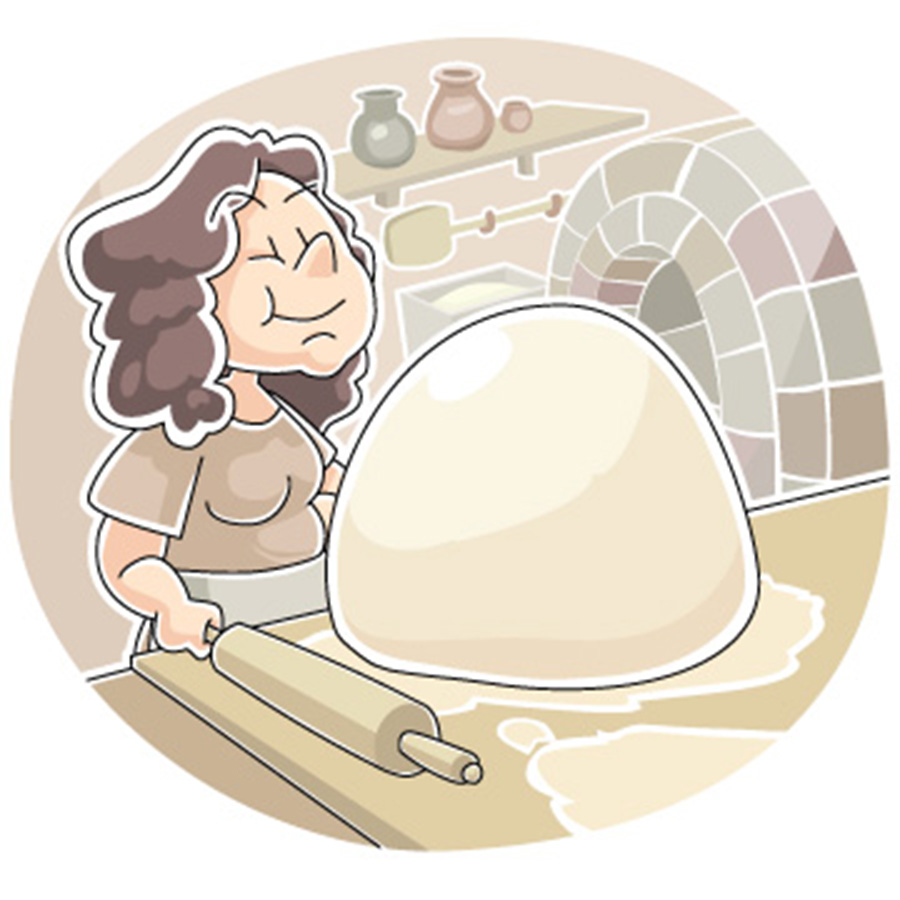
 From the several parables that Jesus tells us in today’s Gospel, we learn that Jesus is keen on how nature works. He observes how seeds of wheat and weed grow, and how the yeast would affect the dough in the process of baking. Jesus also is observant of human ingenuity in working with nature for the benefit of the human community. Men and women till the land, are observant to the cycle of nature, sow the well-prepared seeds, take care of the growth and then harvest the result for the good of community. The use of yeast for baking is a very ancient method of cooking. Women would place yeast in dough, and the microorganism would interact with the carbohydrate in the flour, creating carbon dioxide, and as an effect, the leaven dough would expand. Though unleavened bread will last longer, this yeast would make the bread softer and tastier, making it more enjoyable for human consumption.
By mentioning the beauty of nature and the human creativity, Jesus acknowledges the greatness of God, the creator of all as well as the goodness of creation. He sees harmony between nature and human, and when both work together, all will manifest the beauty of creation. Yet, Jesus also reminds that the evil one is working to destroy this harmony, by planting the seed of greed, hatred and injustice in our hearts. Instead of using our God-given talent and reason to nurture nature, we choose to manipulate it and exploit it for our own benefits and pleasures.
We are proud with our cellular phone. It has become a modern lifestyle, and we often keep changing for the latest and more advanced models. Yet, we are not aware that men, women and even children are working under terrible conditions somewhere in long chain of production. A single cellular phone is a complex combination of metals, and extracting these minerals from earth seems easy yet at the same time most problematic. For example, the greater part of a cellphone’s battery is made of cobalt, and the mining of cobalt does not only cause massive environmental problems, but also fuel arm conflicts in Congo, causing loss of human lives, and great refugee problems. Other materials are coming from developing countries like Indonesia, Chile and the Philippines. That is just a cellular phone; other gadgets like laptop, personal computers, and other electronic devices, require even more of these raw materials.
I myself am participating in this environmental problems, as I am writing this reflection in my old laptop, and sending this reflection through my cellphone. I do believe that many of us want to follow Jesus in preserving the harmony between nature and human creativity, and we are just caught up in this global web of disharmony. Yet, we must not be hopeless. We do not have to throw away our gadgets, but at least, we should be aware of the massive injustice done to nature and fellow human. We are also invited to be more conscious with what we have, like cloths, food and electricity, and how their creation often has upset nature. To have Jesus as our God, means following His example of being observant to nature’s work and appreciative of human ingenuity. Moreover, we are following His footsteps in caring for the creations which have been beautifully created by His Father as well as our Father.
Br. Valentinus Bayuhadi Ruseno, OP

 Dari beberapa perumpamaan yang Yesus katakan kepada kita di dalam Injil hari ini, kita belajar bahwa Yesus sangat peka dengan bagaimana alam bekerja. Dia mengamati bagaimana biji gandum, lalang dan sesawi tumbuh, dan bagaimana ragi akan mempengaruhi adonan roti. Yesus juga memperhatikan kecerdasan manusia dalam bekerja dengan alam bagi kepentingan dan kebaikan komunitas manusia. Pria dan wanita mengolah tanah, mematuhi siklus alam, menabur benih yang disiapkan dengan baik, menjaga pertumbuhan dan kemudian memanen hasilnya untuk kebaikan komunitas. Penggunaan ragi adalah metode masak yang sangat kuno. Wanita akan menempatkan ragi dalam adonan, dan mikroorganisme ini akan berinteraksi dengan karbohidrat dalam tepung, menciptakan karbon dioksida, dan sebagai akibatnya, adonan ragi akan berkembang. Meski roti tidak beragi akan bertahan lebih lama, ragi ini akan membuat roti lebih lembut dan lebih nikmat untuk dikonsumsi.
 In the midst of all super-advanced digital gadgets and nano technologies, making fire seems rather archaic and a bit useless. Why will we set a fire and cause pollution, if we have energy-saving LED lamp in our house? However, making fire is the earliest and one of the most significant human invention. Fire revolutionized the lives of our ancestors and gave us substantial advantages over other creatures. Fire brings warm and comfort in chilling and unforgiving weathers. Fire protects us from bigger and fiercer predators. Fire provides light that shed off the darkness. Fire also is needed to forge other inventions and technologies, like various tools and weapons.
 In Medio Ecclesiae