
Love and Hate

23rd Sunday in Ordinary Time [C] – September 8, 2019 – Luke 14:25-33

carrying crossToday we listen to one of Jesus’ hard sayings. If we want to follow Jesus, we need to hate our fathers, mothers, our other siblings, and even our own lives; otherwise we are not worthy of Him [Luk 14:25]. Is Jesus serious? Jesus must be kidding around. NO, he means what he says. So, how are we going to understand this hard saying? Jesus teaches love, mercy, and compassion, and the only thing He hates is a sin. Does Jesus change his mind and now turn to be the promoter of hatred? If we can hate our family, we now hate practically everyone. Is this what Jesus intending to say?

To answer this hard question, we need to comprehend also the broader context. Jesus is journeying towards Jerusalem, and He knows well what awaits Him in this city: crucifixion and death. There are crowds following Jesus because Jesus is a popular public figure. Many want to be healed, others wish to see Jesus’s miracles, and the rest just like to listen to His authoritative teachings. This is the crowd mentality: following something or someone because of our selfish interest. This is not true discipleship. This is entertainment.

Jesus understands this too well, and He needs to rebuke them that following Him is not entertainment. He makes them decide whether to remain as a crowd or to become disciples, to leave or to walk in His way of the cross. Yet, this kind of decision is only possible when we are not attached to things and persons we hold dear. We cannot carry our cross unless we are ready to give up our lives.

The question remains, though, is Jesus promoting hatred? One of Jesus’ favorite style in preaching is hyperbole, or to exaggerate to emphasize a point. For example, Jesus once says, “And if your eye causes you to sin, tear it out and throw it away [Matt. 18:9]” Of course, Jesus does not literally demand us to plug our eyes out, but He strongly underlines the severe consequences of sin. Thus, when Jesus speaks that we need to “hate” our parents and our lives, Jesus does not mean to promote hatred and violence. Jesus powerfully reminds the people that unless they love Jesus above all, we are not worthy to be His followers.

This has tremendous implications in our lives. Yes, we need to love our family, but we should love Jesus first, or we should love our parents in Jesus. It is just natural to cling to life, but this life only has true meaning when it is offered to Jesus. In marriage, the couple should love each other, but unless they love Jesus first, the marriage will simply be a social contract. It is the duty of the husband to lead his wife to love Jesus and the wife to follow Jesus together with her husband. It is also the primary duty of parents to teach their children to love God and His Law.

Jesus surely loves His mother, Mary and respect his foster father, Joseph, but it is clear to Jesus that His love for them is rooted and directed to His Father in heaven. It is true discipleship, that unless we hate our lives and everything else, we are not worthy of Him.

Valentinus Bayuhadi Ruseno, OP

Cinta dan Benci

Minggu ke-23 dalam Waktu Biasa [C] – 8 September 2019 – Lukas 14: 25-33

carrying cross 2Hari ini kita mendengarkan salah satu ucapan keras Yesus. Jika kita ingin mengikuti Yesus, kita perlu membenci ayah, ibu, saudara kita, dan bahkan hidup kita sendiri; kalau tidak, kita tidak layak bagi-Nya [Luk 14:25]. Apakah Yesus serius? Yesus pasti bercanda!? TIDAK, Dia tidak bercanda dan sungguh-sungguh dengan apa yang Dia katakan. Jadi, bagaimana kita bisa memahami perkataan yang sulit ini? Yesus mengajarkan cinta kasih, belas kasihan, dan pengampunan, dan satu-satunya hal yang Ia benci adalah dosa. Apakah Yesus berubah pikiran dan sekarang berubah menjadi provokator kebencian? Jika kita bisa membenci keluarga kita, kita sekarang bisa membenci semua orang. Apakah ini yang ingin dikatakan Yesus?

Untuk menjawab pertanyaan sulit ini, kita perlu memahami juga konteks perkataan-Nya yang lebih luas. Yesus sedang melakukan perjalanan ke Yerusalem, dan Dia tahu benar apa yang menanti-Nya di kota ini: penyaliban dan kematian. Ada banyak orang yang mengikuti Yesus karena Yesus adalah public figure yang sangat populer. Banyak yang ingin disembuhkan, yang lain ingin melihat mukjizat Yesus, dan sisanya hanya ingin mendengarkan ajaran-Nya yang penuh kuasa. Ini adalah mentalitas kerumunan: mengikuti sesuatu atau seseorang karena kepentingan egois kita. Ini bukan murid-murid sejati. Ini adalah hiburan.

Yesus memahami hal ini dengan baik, dan Dia perlu menegur mereka bahwa mengikuti-Nya bukanlah hiburan. Dia membuat mereka memutuskan apakah akan tetap sebagai kerumunan atau menjadi murid, untuk pergi atau berjalan di jalan salib-Nya. Namun, keputusan semacam ini hanya mungkin terjadi ketika kita tidak terikat pada hal-hal dan orang yang kita sayangi. Kita tidak dapat memikul salib kita kecuali kita siap untuk menyerahkan hidup kita.

Pertanyaannya tetap, apakah Yesus mempromosikan kebencian? Salah satu gaya favorit Yesus dalam berkhotbah adalah hiperbola, atau melebih-lebihkan untuk menekankan suatu hal. Sebagai contoh, Yesus pernah berkata, “jika matamu menyesatkan engkau, cungkillah dan buanglah itu, karena lebih baik bagimu masuk ke dalam hidup dengan bermata satu dari pada dicampakkan ke dalam api neraka dengan bermata dua. [Mat. 18: 9] ” Tentu saja, Yesus tidak secara harfiah menuntut kita untuk mencabut mata kita, tetapi Dia dengan kuat menggarisbawahi konsekuensi menyedihkan dari dosa. Jadi, ketika Yesus berbicara bahwa kita perlu “membenci” orang tua kita dan hidup kita, Yesus tidak bermaksud untuk mempromosikan kebencian dan kekerasan. Yesus dengan kuat mengingatkan orang-orang bahwa kecuali mereka mencintai Yesus di atas segalanya, kita tidak layak menjadi pengikut-Nya.

Ini memiliki implikasi yang luar biasa dalam kehidupan kita. Ya, kita perlu mencintai keluarga kita, tetapi kita harus mengasihi Yesus terlebih dahulu, atau kita harus mengasihi orang tua kita di dalam Yesus. Adalah wajar untuk berpegang teguh pada kehidupan, tetapi kehidupan ini hanya memiliki makna yang sebenarnya ketika ditawarkan kepada Yesus. Dalam pernikahan, pasangan harus saling mencintai, tetapi kecuali mereka mencintai Yesus terlebih dahulu, pernikahan itu hanya akan menjadi kontrak sosial. Adalah tugas suami untuk memimpin istrinya untuk mengasihi Yesus dan istri untuk mengikuti Yesus bersama suaminya. Adalah juga tugas utama orang tua untuk mengajar anak-anak mereka untuk mengasihi Allah dan Hukum-Nya.

Yesus pasti mencintai ibu-Nya, Maria dan menghormati ayah angkatnya, Yusuf, tetapi jelas bagi Yesus bahwa kasih-Nya bagi mereka berakar dan diarahkan kepada Bapa-Nya di surga. Adalah murid yang sejati yang mau membenci hidup kita dan segala hal lainnya demi Yesus.

Valentinus Bayuhadi Ruseno, OP

Faithful and Wise Stewards

19th Sunday in Ordinary Time [C] – August 11, 2019 – Luke 12:32-48

light lampIn ancient Israel, the masters of the house were often leaving their homes for business trips or attending social gatherings like weddings. They would entrust their houses and their possessions to chief servants. And this was the world without a cellular phone, internet, and GPS. Thus, the servants have no idea of the ETA (estimated time of arrival) of their masters. It could be 8 PM, midnight or even early in the morning. The best attitude of a servant in this scenario is to be always vigilant and prepared for the arrival of his master.

However, being prepared is not understood as being idle or passivity, like someone who does nothing but waits near the door, and opens the door when the master knocks. Jesus says, “Gird your loins and light your lamps… (Lk. 12:35)” In ancient Israel, people were wearing robe or tunic. It is a long dress that covers the entire body, from the neck down to the leg. When people are working, they gird their loins with a robe or belt, to make sure that their tunic will not get in the way. In short, the servants are doing their jobs, making sure that the house is in order, and ready to receive any order just in case their masters arrive. This is a kind of readiness and preparedness that Jesus asks of His disciples.

This kind of preparedness naturally comes the humble recognition of who we are. If the servant accepts that he is a servant and aware that the house belongs to his master, he will not act as if he is the owner of the house and neglect his jobs, but perform his tasks well despite the absence of his master. So, we need also to recognize who we are and do the works that follow from our identity well. If our pride gets in the way, and we fail to understand who we are. We start playing God, and we begin doing whatever we please, even to confidently predict the end of the world.

Based on the Scriptures, the Church always believes that Jesus will come for the second time in glory and bring the final judgment to the world. We do not know when Jesus will come as the King and those who prophesy that they understand when, turn to be a dangerous hoax. In 1997, Marshall Applewhite predicted that the earth would be destroyed by the alien spaceships, and the only way to survive was to “transfer” their souls to another planet by committing suicide. Marshall and 36 followers killed themselves, yet the earth’s destruction never happened. Marshall was playing God, and he brought calamity to himself and his followers.

Be ready for the coming of Jesus means that we realize who we are before God. If we are God’s children, we love and obey our Father, and care for the other creations because God cares for them as well. If we are God’s disciples, we faithfully follow Him and continuously learn from Him. If we are fathers, we love, protect, and provide for their family. If we are mothers, we love, care, and educate our children. And when the Lord truly comes, we may be one of those “Blessed servants who are faithful and prudent [see Lk. 12:42]”


Valentinus Bayuhadi Ruseno, OP

Hamba yang Setia dan Bijaksana

Minggu ke-19 dalam Waktu Biasa [C] – 11 Agustus 2019 – Lukas 12: 32-48

faithful servantDi Israel kuno, tuan rumah sering meninggalkan rumah mereka untuk perjalanan bisnis atau menghadiri pertemuan sosial seperti pernikahan. Mereka akan mempercayakan rumah dan harta benda mereka kepada seorang hamba yang adalah hamba utama. Dan kita perlu ingat bahwa ini adalah dunia tanpa telepon seluler, internet dan GPS. Dengan demikian, para pelayan tidak tahu dengan pasti waktu kedatangan dari tuan mereka. Bisa jadi jam 8 malam, tengah malam atau bahkan dini hari. Sikap terbaik seorang pelayan dalam skenario ini adalah untuk selalu waspada dan siap menghadapi kedatangan tuannya.

Namun, bersiap tidak dipahami seperti seseorang yang tidak melakukan apa-apa selain menunggu di dekat pintu, dan hanya membuka pintu ketika tuannya mengetuk. Yesus berkata, “Hendaklah pinggangmu tetap berikat dan pelitamu tetap menyala… (Luk. 12:35)” Di Israel kuno, orang-orang mengenakan jubah [tunik] sebagai pakaian sehari-hari. Ini adalah pakaian panjang yang menutupi seluruh tubuh, dari leher hingga kaki. Ketika orang-orang bekerja, mereka mengikat pinggang mereka, untuk memastikan bahwa tunik mereka tidak akan menghalangi kerja mereka. Singkatnya, Yesus mengingatkan bahwa para pelayan tetap melakukan pekerjaan mereka walaupun tuan mereka tidak ada, memastikan bahwa rumah sudah rapi, dan siap untuk menerima perintah apa pun sewaktu-waktu tuan mereka tiba. Ini adalah kesiapan yang Yesus minta dari para murid-Nya termasuk kita.

Kesiapsiagaan semacam ini secara alami datang dari pengakuan rendah hati tentang siapa kita. Jika hamba menerima bahwa dia adalah hamba dan dia sadar bahwa rumah itu milik tuannya, dia tidak akan bertindak seolah-olah dia adalah pemilik rumah dan mengabaikan pekerjaannya, tetapi melakukan pekerjaannya dengan baik meskipun tuannya sedang tidak ada. Jadi, kita juga perlu mengenali siapa diri kita dan melakukan pekerjaan yang sesuai dengan identitas kita dengan baik. Satu hal yang menghambat kita mengenali siapa diri kita adalah keangkuhan. Saat kita dipenuhi kesombongan, Kita mulai bertingkah seperti tuhan dan kita mulai melakukan apa pun yang kita suka, bahkan untuk memprediksi akhir dunia dengan penuh percaya diri.

Berdasarkan Kitab Suci, Gereja selalu percaya bahwa Yesus akan datang untuk kedua kalinya dalam kemuliaan dan membawa penghakiman terakhir ke dunia. Kita tidak tahu kapan Yesus akan datang sebagai Raja, dan mereka yang bernubuat bahwa mereka tahu kapan, adalah sebuah hoax yang berbahaya. Pada tahun 1997, Marshall Applewhite meramalkan bahwa bumi akan dihancurkan oleh pesawat ruang angkasa alien dan satu-satunya cara untuk bertahan hidup adalah “memindahkan” jiwa mereka ke planet lain dengan melakukan bunuh diri. Marshall dan 36 pengikut pun bunuh diri, namun alien tidak pernah datang menyerang dan kehancuran bumi tidak pernah terjadi. Marshall bertingkah seperti tuhan dan dia membawa malapetaka bagi dirinya dan para pengikutnya.

Kesiapan untuk kedatangan Yesus berarti kita menyadari siapa kita di hadapan Tuhan. Jika kita adalah anak-anak Tuhan, kita mencintai dan menaati Bapa kita, dan merawat ciptaan lain karena Tuhan juga memperhatikan mereka. Jika kita adalah murid Tuhan, kita dengan setia mengikuti-Nya dan terus-menerus belajar dari-Nya. Jika kita adalah ayah, kita mencintai, melindungi, dan memenuhi kebutuhan keluarga kita. Jika kita adalah ibu, kita mencintai, merawat, dan mendidik anak-anak kita. Dan ketika Tuhan benar-benar datang, kita mungkin salah satu dari mereka “Hamba yang setia dan bijaksana [lihat Luk 12:42]”

Valentinus Bayuhadi Ruseno, OP

Seventy

14th Sunday in Ordinary Time [C] – July 7, 2019 – Luke 10:1-12, 17-20

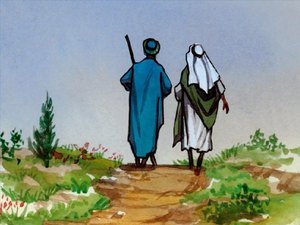
by twoIn today’s Gospel, Jesus is sending His seventy disciples for a mission. Yes, we are reading it correctly; it is not just twelve disciples, but seventy. While we are used to the celebrated mission of the Twelve, Luke informs us about the less famous mission of the seventy. We are not sure who are these people, but for sure, these are people who have the same commitment, dedication, and passion like the big names like Peter, John, Andrew, and Matthew. They follow Jesus, leave everything and are willing to be dispatched into a difficult mission to preach the Kingdom, to heal the sick, and to drive out the demons. The story of the seventy disciples gives us a hint about those dedicated and more numerous disciples of Jesus and yet somehow forgotten. While the Twelve represents the well-known figures of the Church like the pope and the bishops, the seventy bring to mind the nameless yet countless priests, religious men and women, and laity who are tirelessly building up the Body of Christs.
We might also ask why seventy? If Twelve apostles represent the twelve tribes of Israel, what will the seventy signify? Surprisingly, when we go back to the Old Testament, seventy is also a significant figure. It is the sum number of the descendants of Jacob who migrated to Egypt [Gen. 46:27]. It was the number of the elders who were elected to help Moses in his task in leading Israel and to offer sacrifice in the wilderness [Exo 24:1]. Thus, seventy become the symbol of both Israel itself and the leaders of Israel. According to Jewish tradition, seventy is also the number of nations that came down from Noah [see Gen 11]. By choosing and commissioning His seventy disciples, Jesus sends His message to the world that He is establishing His New Israel with its leaders, and this Israel will include all people from all nations.

One powerful lesson we can learn from these seventy is humility. When the disciples return in joy for the successful tasks, Jesus tells about enigmatic words, “I saw Satan fall like lightning from the sky!” One possible interpretation is that the disciples have rendered demons powerless in the name of Jesus. The disciples’ success is the failure of Satan. Another explanation is the temptation of pride. According to Christian tradition, Satan was formerly the highest angel who fell from heaven because he is too proud to serve God who became a man. Thus, Jesus reminds the disciples that their mission is essentially Jesus’ mission, and they are nothing without Christ. It is much important that their names are written in heaven instead of being boastful about their success.

Humility is a principal virtue of all disciples’ identity, while ambition and pride kill our identity as disciples. Lucifer used to be one of the seraphim, the highest ranks of angels, and the name Lucifer means “the bearer of Light.” Surely, there is no problem with serving God, but when Lucifer knew about the plan of God the Son to become man, and be born of a woman, and die for the salvation of humanity, he could not accept it. How can be God as well as spiritual beings like angel serve lowly and sinful creatures like humans? In his pride, he declined God’s plan; he refused to serve God. “Non Serviam.” I will not serve. He and his cohorts were then banished from heaven, and Lucifer turns to be Satan, the chief of demons.

When we serve God in humility, we do not get the medals, we do not receive the glory, and we are forgotten, but we are sure that our names are written in heaven.

Deacon Valentinus Bayuhadi Ruseno, OP

Tujuh Puluh

Minggu ke-14 dalam Waktu Biasa [C] – 7 Juli 2019 – Lukas 10: 1-12, 17-20

two disciplesDalam Injil hari ini, Yesus mengirim tujuh puluh murid-Nya untuk bermisi. Bukan hanya dua belas murid, tetapi tujuh puluh. Sementara kita terbiasa dengan misi Dua Belas Rasul yang lebih terkenal, Lukas memberi tahu kita tentang misi tujuh puluh murid yang kurang terkenal. Kita tidak yakin siapa orang-orang ini, tetapi yang pasti, mereka adalah orang-orang yang memiliki komitmen, dedikasi, dan semangat yang sama seperti Petrus, Yohanes, Andreas dan Matius. Mereka mengikuti Yesus, meninggalkan segalanya dan bersedia dikirim ke misi yang sulit untuk memberitakan Kerajaan Allah, menyembuhkan orang sakit, dan mengusir setan. Kisah tujuh puluh murid memberi kita petunjuk tentang murid Yesus yang berdedikasi dan lebih banyak secara jumlah, namun terlupakan. Sementara Dua Belas Rasul mewakili tokoh-tokoh terkenal dari Gereja seperti paus dan para uskup, tujuh puluh murid mengingatkan kita akan para imam, biarawan-biarawati, kaum awam yang tak terkenal namun tak terhitung jumlahnya, dan yang tanpa lelah membangun Tubuh Kristus.

Kita mungkin juga bertanya mengapa tujuh puluh? Jika Dua Belas rasul mewakili dua belas suku Israel, apa yang akan dilambangkan dengan tujuh puluh? Ketika kita kembali ke Perjanjian Lama, tujuh puluh juga merupakan angka penting. Ini adalah jumlah total keturunan Yakub atau Israel yang bermigrasi ke Mesir [Kej. 46:27]. Tujuh puluh adalah jumlah para penatua yang dipilih untuk membantu Musa dalam memimpin Israel dan untuk mempersembahkan korban saat mereka masih di padang gurun [Kel 24: 1]. Menurut tradisi Yahudi, tujuh puluh juga merupakan jumlah bangsa yang turun dari nabi Nuh [lihat Kej 11]. Dengan memilih dan menugaskan tujuh puluh murid-Nya, Yesus mengirimkan pesan-Nya kepada dunia bahwa Ia sedang membangun Israel yang Baru, lengkap dengan para pemimpinnya, dan Israel ini akan mencakup semua orang dari segala bangsa.

Satu pelajaran penting yang dapat kita dapat dari tujuh puluh murid ini adalah kerendahan hati. Ketika para murid kembali dengan sukacita karena misi mereka berhasil, Yesus memberi mereka kata-kata yang cukup aneh, “Saya melihat Setan jatuh seperti kilat dari langit!” Salah satu interpretasi adalah bahwa para murid telah menjadikan Setan dan kerajaannya tidak berdaya dalam nama Yesus. Keberhasilan murid adalah kegagalan Setan. Penjelasan kedua adalah godaan kesombongan. Menurut tradisi Bapa Gereja, Setan dulunya adalah malaikat tertinggi yang jatuh dari surga karena dia terlalu sombong untuk melayani Tuhan yang menjadi manusia. Dengan demikian, Yesus mengingatkan para murid bahwa misi mereka pada dasarnya adalah misi Yesus, dan mereka bukan apa-apa tanpa Kristus. Yang jauh lebih penting adalah nama-nama mereka dituliskan di surga daripada sekedar menyombongkan keberhasilan mereka.

Kerendahan hati adalah kebajikan utama dari identitas semua murid Yesus, sementara ambisi dan keangkuhan membunuh identitas kita sebagai murid. Lucifer dulunya adalah salah satu dari seraphim, malaikat tertinggi di surga, dan nama Lucifer sendiri berarti “pembawa Cahaya.” Tentunya, tidak ada masalah dengan melayani Tuhan, tetapi ketika Lucifer tahu tentang rencana Allah untuk menjadi manusia, dan dilahirkan dari seorang wanita, dan mati untuk keselamatan umat manusia, dia tidak bisa menerimanya. Bagaimana bisa Tuhan dan makhluk spiritual seperti malaikat melayani makhluk rendahan dan berdosa seperti manusia? Dalam kesombongannya, dia menolak rencana Tuhan; dia menolak untuk melayani Tuhan. “Non Serviam.” Dia dan para pengikutnya kemudian diusir dari surga, dan Lucifer berubah menjadi Setan, kepala para roh jahat.

Ketika kita melayani Tuhan dalam kerendahan hati, seringkali kita tidak mendapatkan penghargaan, kita tidak menerima kemuliaan, dan kita dilupakan, tetapi kita yakin bahwa nama kita tertulis di surga.

Diakon Valentinus Bayuhadi Ruseno, OP

No Excuse

Thirteenth Sunday of the Ordinary Time [C] – June 30, 2019 – Luke 9:51-62

carrying cross 2Today we listen to one of the most demanding and perhaps harsh teachings of Jesus. For those who follow Him, He demands total allegiance, and He shall become no less than their top priority in life. In both Jewish and Christian tradition, to honor our parents is one of the highest commandments. In fact, it is not a mere honoring, but it is to glorify [Hebrew word used is “kabad”] our parents. But, when a man asks Jesus to bury his father, Jesus tells him, “Let the dead bury the dead.” To one who requests to say goodbye to his family, Jesus says, “No one who sets a hand to the plow and looks to what was left behind is fit for the kingdom of God.” Very harsh. Is this truly Jesus whose heart is moved with pity towards the poor people? Is Jesus no longer observing the Ten Commandments?
We may uncover the reason at the beginning of the Gospel reading. Jesus knows the time has come for Him to go to Jerusalem, and He has set His face toward this city that will persecute, torture, and kill Him. The way of the cross has begun, and for those who wish to follow Him, it is no longer the time to be amused by His miracles or to be inspired by His preaching. They who desire to follow Jesus, shall also carry their cross with Jesus, and to walk with Jesus to His Calvary, one cannot but surrender his life to Jesus and make Jesus’s mission as his utmost concern.

However, we need to clarify also Jesus’ remarks that may sound too harsh. When Jesus says, “Let the dead bury the dead,” most probably the parent of that man is still very much alive, and he wishes to follow Jesus after his parent passes away. A subtle excuse not to follow Jesus. When Jesus says, “No one who sets a hand to the plow and looks to what was left behind is fit for the kingdom of God,” Jesus is alluding to the story of Elijah who called Elisha to follow him [1 Kgs 19:19-21]. When a prophet calls, the one summoned must respond immediately. Otherwise, the opportunity is gone for good. Jesus also points to the story of Lot’s wife. When the city of Sodom and Gomorrah were destroyed by God, the angel instructed Lot and his family to run and not to look back, and yet, his wife looked back. She became the pillar of salt [Gen 19:26]. Someone cannot effectively follow God’s words and new life in Christ if he always looks back and attaches himself to the past. Jewish farmers also know well the irony that when one plows the soil and keeps looking back at the result, he will just ruin the entire field. It is when one is focused and determined in his goal and decision, he will get the best result.

There is a story of an angel who appears to John. The angel said, “John, God calls you to serve Him.” John said, “Not now, I am still 18, and I want to focus on my study.” Then, the angel came again after some years. John said, “Not now, I am just 30, and I have my career.” Then, the angel appeared again after some year. John said, “Not now. I am just 40, and I have my family.” Then, the angel returned for the last time when John was 70. John said, “Now, I am ready to answer God’s calling.” The angel responded, “Yes, God calls you, but not to serve Him, but to see Him!”

A Christian who has a lot of excuses for Jesus is not a real Christian. It is only when we follow Him with determination, walk on His way of the cross without excuse, make Him as our top priority, we can humbly say that we are His disciples.

Deacon Valentinus Bayuhadi Ruseno, OP

Tanpa Melihat ke Belakang

Minggu Ketiga Belas pada Masa Biasa [C] – 30 Juni 2019 -Lukas 9: 51-62

carrying cross 3Hari ini kita mendengarkan salah satu ajaran Yesus yang paling sulit dimengerti dan diikuti. Bagi mereka yang ingin mengikuti Yesus, Dia menuntut kesetiaan total, dan menjadi prioritas utama mereka dalam hidup. Baik dalam tradisi Yahudi maupun Kristiani, untuk menghormati orang tua kita adalah salah satu perintah tertinggi dalam Sepuluh Perintah Allah. Tetapi, ketika seseorang meminta Yesus untuk menguburkan ayahnya, Yesus mengatakan kepadanya, “Biarkan orang mati menguburkan orang mati.” Kepada orang yang meminta untuk mengucapkan selamat tinggal kepada keluarganya, Yesus berkata, “Setiap orang yang siap untuk membajak tetapi menoleh ke belakang, tidak layak untuk Kerajaan Allah.” Tidak terbayangkan! Apakah ini benar-benar Yesus yang hatinya tergerak oleh belas kasihan kepada orang-orang miskin? Apakah Yesus tidak lagi memperhatikan Sepuluh Perintah? Bagaimana kita bisa mengerti kata-kata Yesus yang keras ini?

Kita dapat mengungkap jawabannya di awal pembacaan Injil hari ini. Yesus tahu waktu-Nya telah tiba bagi-Nya untuk pergi ke Yerusalem, dan Dia telah mengarahkan wajah-Nya ke kota ini yang akan menganiaya, menyiksa, dan membunuh-Nya. Jalan salib Yesus telah dimulai, dan bagi mereka yang ingin mengikuti-Nya, bukan lagi waktunya untuk terhibur oleh mukjizat-mukjizat-Nya atau terinspirasi oleh khotbah-khotbah-Nya. Mereka yang berhasrat untuk mengikuti Yesus, juga harus memikul salib mereka bersama Yesus, dan berjalan bersama Yesus ke Kalvari. Mereka tidak bisa tidak menyerahkan hidup mereka kepada Yesus dan menjadikan misi Yesus sebagai perhatian utama mereka.

Namun, kita perlu mengklarifikasi juga ucapan Yesus yang mungkin terdengar terlalu keras. Ketika Yesus berkata, “Biarkan orang mati menguburkan yang mati,” orang tua dari yang bersangkutan sebenar masih hidup, dan dia ingin mengikuti Yesus setelah orang tuanya meninggal, yang tidak tahu kapan akan terjadi. Ini menjadi sebuah alasan halus untuk tidak mengikuti Yesus. Ketika Yesus berkata, “Setiap orang yang siap untuk membajak tetapi menoleh ke belakang, tidak layak untuk Kerajaan Allah.” Yesus sebenarnya mengingatkan para pendengar-Nya tentang kisah Elia yang memanggil Elisa untuk mengikutinya [1Raj 19:19 -21]. Ketika seorang nabi memanggil, orang yang dipanggil harus segera merespons. Kalau tidak, kesempatan itu hilang untuk selamanya. Yesus juga menunjukkan kisah istri Lot. Ketika kota Sodom dan Gomora dihancurkan oleh Tuhan, malaikat itu memerintahkan Lot dan keluarganya untuk lari dan tidak melihat ke belakang, namun, istrinya melihat ke belakang. Dia menjadi tiang garam [Kej 19:26]. Seseorang tidak dapat secara efektif mengikuti kata-kata Tuhan dan memiliki kehidupan baru di dalam Kristus jika dia selalu melihat ke belakang dan melekatkan dirinya pada masa lalu. Para petani Yahudi juga tahu betul ironi bahwa ketika seseorang membajak tanah dan terus melihat ke belakang untuk mengecek hasilnya, dia hanya akan merusak seluruh ladang. Ketika seseorang fokus dalam tujuan dan keputusannya, ia akan mendapatkan hasil terbaik.

Ada kisah tentang seorang malaikat yang menampakkan diri kepada John. Malaikat itu berkata, “John, Tuhan memanggilmu untuk melayani Dia.” John berkata, “Tidak sekarang, aku masih 18 tahun, dan aku ingin fokus pada studiku.” Kemudian, malaikat itu datang lagi setelah beberapa tahun. John berkata, “Jangan sekarang, aku hanya 30, dan aku punya karier.” Kemudian, malaikat itu muncul lagi setelah beberapa tahun. John berkata, “Jangan sekarang. Saya baru berusia 40 tahun, dan saya punya keluarga. ”Kemudian, malaikat itu kembali untuk terakhir kalinya ketika Yohanes berusia 70 tahun. Yohanes berkata,“ Sekarang, saya siap untuk menjawab panggilan Tuhan.” Malaikat itu menjawab, “Ya, Tuhan memanggil kamu, tetapi tidak untuk melayani Dia, tetapi untuk menghadap Dia di surga!”

Seorang Kristiani yang memiliki banyak alasan untuk tidak mengikuti Yesus, dia bukanlah seorang Kristiani sejati. Hanya ketika kita mengikuti Dia dengan tekad, berjalan di jalan salib-Nya tanpa alasan, menjadikan Dia sebagai prioritas utama kita, kita dapat dengan rendah hati mengatakan bahwa kita adalah murid-murid-Nya.

Diakon Valentinus Bayuhadi Ruseno, OP

Citra Allah Tritunggal

Hari Raya Tritunggal Mahakudus [Yohanes 16: 12-15] 16 Juni 2019

sign of the cross 2Tanda khas menjadi Kristiani adalah iman kepada Tritunggal Mahakudus. Kita berbagi klaim monoteisme [hanya satu Tuhan] dengan agama-agama besar lainnya, namun kepercayaan kita pada satu Tuhan dalam tiga pribadi ilahi memungkinkan kita untuk berdiri secara unik di antara yang lain. Tidak diragukan lagi Allah kita adalah satu, namun tidak diragukan juga ada tiga persona dalam satu kodrat ilahi ini. Bapa berbeda dari Putra dan Roh Kudus. Sang Putra juga benar-benar unik. Dan, Roh Kudus menjaga identitas pribadi-Nya. Namun, mereka tetap selalu satu! Bagaimana ini mungkin?!

Tapi jangan kawatir! Pemikir-pemikir terhebat di Gereja, seperti St. Agustinus, St. Thomas Aquinas, dan Benediktus XVI, telah mencoba untuk menyelami misteri ini, namun mereka hanya menyentuh permukaan Kebenaran terbesar ini. Ini adalah inti dari iman kita, namun ini adalah ajaran Gereja yang paling sulit untuk dimengerti dan juga terkadang sulit diwartakan. Namun, jika ini adalah misteri yang tak terselami, mengapa kita harus terus merenungkan, menghidupi, dan merayakannya? Karena kita telah diciptakan dalam citra Allah Tritunggal.

Seringkali, kita menganggap Tritunggal sebagai realitas yang sangat jauh, tetapi kita lupa bahwa kehidupan keagamaan kita sehari-hari sebagai orang Katolik adalah kehidupan di dalam Trinitas. Kita dibaptis, kita dibaptis dalam nama Bapa, Putra dan Roh Kudus. Ketika kita memulai doa kita, kita mulai dengan tanda salib. Tanda salib suci ini tidak hanya menunjukkan kemenangan Yesus, tetapi pada dasarnya adalah Nama Suci Tritunggal. Setelah kita membuat tanda salib untuk membuka Misa Kudus, imam akan menyapa umat dengan mengatakan, “Kasih karunia Tuhan Yesus Kristus dan kasih Allah dan persekutuan Roh Kudus bersamamu.” Ini adalah formula Tritunggal yang berasal dari St. Paulus sendiri (lihat 2 Korintus 13:13). Pada doa Syukur Agung, yang adalah doa inti di Misa, sang imam atas nama Gereja, meminta Bapa untuk mengirimkan Roh Kudus-Nya agar Dia dapat mengubah roti dan anggur menjadi tubuh dan darah Yesus Kristus. Di jantung Ekaristi, yang adalah sumber dan puncak dari liturgi kita, adalah Tritunggal Mahakudus. Apa yang saya sebutkan hanyalah puncak gunung es tentang bagaimana Tritunggal sungguh meresapi ibadah dan doa kita.

Tantangan sebenarnya adalah untuk hidup dan merayakan Tritunggal dalam kehidupan kita sehari-hari. Aturan doa kita harus menjadi aturan hidup kita juga. “Lex orandi, Lex vivendi”. Kalau tidak, kita akan jatuh ke dalam perangkap mentalitas ganda. Kita menjadi orang Kristiani hanya pada hari Minggu, tetapi kita menjadi orang yang tidak pernah mengenal Tuhan pada hari lain. Seorang munafik!

Hidup dalam Tritunggal berarti memanifestasikan kehidupan kita sehari-hari bahwa kita adalah citra Allah, citra Tritunggal. Jika Tritunggal adalah Allah keadilan, apakah kita bertindak adil terhadap diri kita sendiri, sesama kita, dan terhadap bumi kita? Jika Tritunggal adalah Tuhan kerahiman, apakah kita berbelas kasihan dan menjadikan tujuh karya kerahiman sebagai pola hidup kita? [memberi makan yang lapar, memberi minum kepada yang haus, memberi pakaian kepada yang telanjang, melindungi yang tidak memiliki rumah, mengunjungi yang sakit, mengunjungi yang dipenjara, dan mengubur yang meninggal]? Jika Tritunggal adalah Tuhan yang adalah kasih, apakah kita mencintai orang-orang terburuk dalam hidup kita dan mengampuni orang yang menyakiti kita? Jika Tritunggal adalah Allah Kebenaran, apakah kita terus mencari kebenaran di sekitar kita atau kita mudah percaya pada hoaks?

Kita adalah orang-orang yang hidup dalam nama Bapa, Anak dan Roh Kudus, dan kita dengan penuh keyakinan menanti hari kita dipersatukan dengan Allah Tritunggal.

Diakon Valentinus Bayuhadi Ruseno, OP

The Pentecost and The New Law

Pentecost Sunday [June 9, 2019] John 20:19-23

pray overToday we are celebrating the great feast of Pentecost, where the Holy Spirit, the third divine person of the Holy Spirit, comes in the form of a tongue of fire and fills the hearts of the disciples. Why do we call this day as Pentecost? Why does the Holy Spirit just come 50 days after Jesus rose from the dead?

The simplistic answer will be: “It is the Holy Spirit’s business. It is up to Him!” Yet, our faith is not merely blind and stupid obedience, but a faith that seeks understanding. Our quest for an answer brings us back to the Old Testament. In the Jewish tradition and history, the feast of Pentecost or also known as the feast of Weeks is the day that they remember and celebrate the giving of the Law in Sinai. Fifty days after the Sabbath day of Passover, the Jewish people come together and celebrate another festival, the feast of the harvest. The big day is also called the feast of the Weeks because the Israelites wait for seven weeks. If seven is the number of covenants in the Bible, then seven weeks represents seven days times seven days, the fullness of covenant. In the Book of Exodus, we are going to discover that the day after seven weeks from the exodus from Egypt, God appeared in Mount Sinai, strike a covenant with Israel and gave them the Law to govern His people. If the Passover commemorates their liberation, the feast of the Weeks points to the day God gave His Law to Moses and Israel at Sinai. Then, if fifty days after the exodus from Egypt, the Israelites received the Mosaic Law, the disciples of Jesus, fifty days from the day of resurrection welcome the Holy Spirit, the new Law of Christ written in our hearts and souls.

To grasp the Pentecost, we need to comprehend the formative aspect of the Law. When God offered a covenant with Israelites, He expected them to behave like His people and not following the examples of other neighboring nations. To facilitate this, God gave Israel a set of Law to obey. The Law is to form Israelites as the people of God. With this in mind, we can now see the fundamental importance of the Pentecost for Jesus’ disciples. The Holy Spirit descends upon and dwells in the disciples as the New Law, and as the Old Law is to shape the old Israelites, so the New Law is to build the New Israel, the Church. That is why Pentecost is also considered the day that the Church was born, the birthday of the Church.

To receive the Holy Spirit in our hearts is an immense privilege, yet we are also to live in the Spirit. If ancient Israel calls themselves as the people of God because they obey the Law, so we may recognize ourselves the People of God when we follow the Spirit.  However, living in the Spirit is not about speaking in tongue or to join Charismatic groups. St. Paul clearly states to live in the Spirit is opposed to the urging of the flesh. When we detach ourselves from the works of the flesh like immorality, impurity, idolatry, hatred, division, wrath and jealousy [Gal 5:19], we already walk in the Spirit, and this is even harder than to speak in tongue. The Holy Spirit has given us His seven gifts, but do we strive to be wise, understanding, pious, persevering, knowledgeable in faith, fearful to offend the Lord [see Isa 11:1]? It would be the massive loss if we are celebrating the Pentecost, and yet we live as if we never receive the Holy Spirit.

Deacon Valentinus Bayuhadi Ruseno, OP