

Feast of St. Dominic de Guzman – Founder of Order of Preachers
August 8, 2019
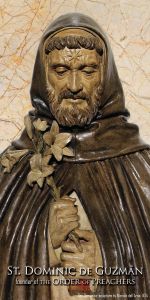
 Today, we are celebrating the feast of St. Dominic de Guzman. St. Dominic was born around 1170 in Caleruega, Old Castile, Spain. As a saint, he was not that famous as his counterpart, St. Francis of Assisi, perhaps because he did not write any book or writings that would echo his spirituality. Maybe this is the reason why we do not have a solid and systematic understanding of Dominican Spirituality.
By tradition, St. Dominic is called as the light of the Church. And why? St. Dominic was living in the time where the Church was facing enemies from without and conflicts from within. The Heretics, especially the Albigentians, were attacking the Church restlessly, and the Church was weakened by her dogmatically unprepared and timid priests. Many Catholics were confused, and nobody was defending the true faith to them. It was a dark period for the Church.
Dominic, who loved his Church deeply responded to the call of his time and offered his life to enlighten souls living in the dark and to bring back to the lost sheep to the Church’s fold. Yet, to achieve that end, he had to be in deep relationship with Jesus, the true Light of the World. Thus, his life of prayers and mortification were extraordinary. Rather than to take rest, he spent a night in vigil, refused to take good food, and slept on the floor. Dominic also understood that to explain faith, he must both study and live by the Gospel. He became poor, just like Jesus was poor for the sake of the Kingdom. Dominic became preacher, just like Jesus was preacher par excellence. Dominic offered himself as a “lantern,” a weak instrument yet brings light that both shines brightly and illumines clearly in the dark. He is the light of the Church because he bore the Light of the World.
The Dominicans always have an intimate bond with Mary, the Mother of God. One of the reasons why we are close to her is that we participate in her mission also to bear the Truth and to reflect the same Light. The song of Mary that Luke recorded is traditionally called the Magnificat [Luk 1:46ff]. The title is from the first Latin word that appears in the canticle, “Magnificat anima mea Dominum.” The original Greek is “μεγαλύνω” [megaluno], to make great. The idea is like the magnifying glass that intensifies the light and the heat of the sun, and thus, emits powerful energy. Mary is not the source of the light, and she is the receiver. Yet, Mary does not passively reflect the light, but she actively magnifies it. Through Mary, the light of Christ becomes more intense, powerful, and penetrating.
Following the footsteps of Dominic and our Lady, we are also called to bear the Light of Christ and to magnify it. In the words of St. Thomas Aquinas, “Better to illuminate than merely to shine… [S.T. II.II. 188].”
Valentinus Bayuhadi Ruseno, OP
 Hari ini, kita merayakan pesta St. Dominikus de Guzman. St. Dominikus dilahirkan sekitar tahun 1170 di Caleruega, Kastilia, Spanyol. Sebagai seorang kudus, ia tidak setenar rekannya, Santo Fransiskus dari Assisi, mungkin karena ia tidak menulis buku atau meninggalkan tulisan apa pun yang akan menggemakan spiritualitasnya. Mungkin inilah alasan mengapa kita tidak memiliki pemahaman yang solid dan sistematis tentang Spiritualitas Dominikan.
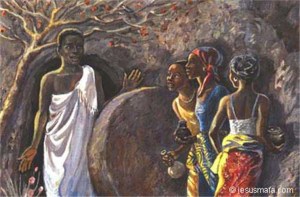 If we read the Resurrection narrative in the four Gospels, we will discover that each Evangelist has his own distinct story. Yet, there are some common features in the Resurrection episode: the empty tomb, the presence of women, the appearance of angel followed by the risen Christ, and the women announcing the Good News to the other disciples. Let us focus on one particular feature that we usually miss. The first witnesses of the resurrection were not men, but women. Where were the male disciples? Where were those men who promised to sacrifice their lives for Jesus? They were in hiding. They were afraid. They were scattered.
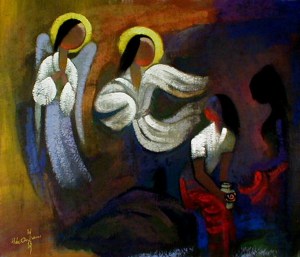 Jika kita membaca narasi Kebangkitan di keempat Injil, kita akan menemukan bahwa setiap Penginjil memiliki cerita unik tersendiri. Namun, walaupun berbeda, ada beberapa hal-hal serupa di dalam narasi Kebangkitan, seperti kubur yang kosong, kehadiran para wanita, hadirnya malaikat diikuti oleh Yesus yang bangkit, dan para wanita mewartakan Kabar Baik bagi murid-murid lainnya. Mari kita fokus pada satu fitur yang biasanya luput dari perhatian kita. Saksi pertama dari kebangkitan bukanlah seorang laki-laki, tapi para perempuan. Pertanyaanya sekarang: Di mana para murid laki-laki? Di mana para pria yang berjanji untuk mengorbankan nyawa mereka demi Yesus? Jawabannya: Mereka bersembunyi, lari dan ketakutan.

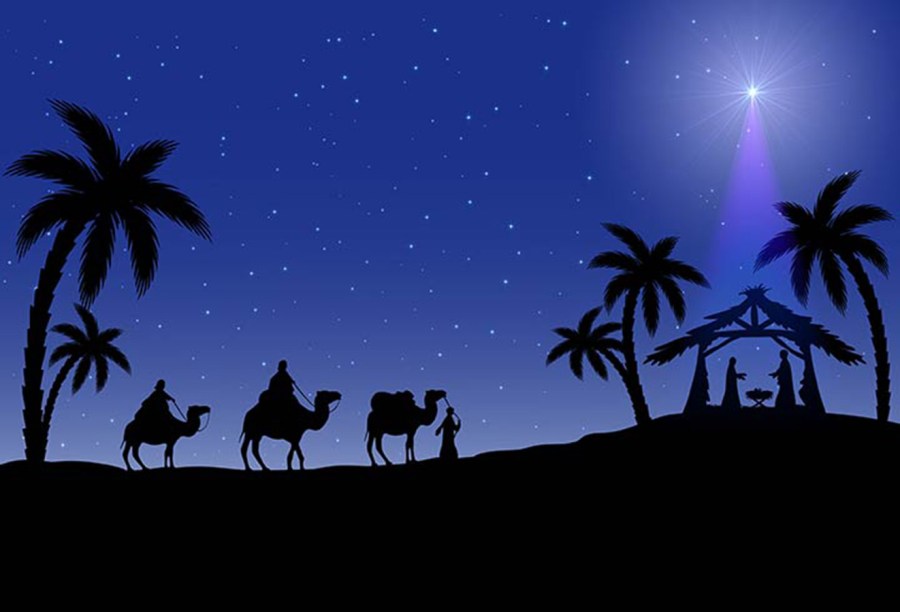
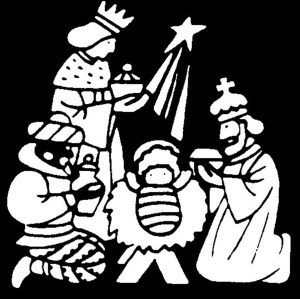 Hari ini kita merayakan Hari Raya Epifani Tuhan. Kata Epifani berasal dari kata Yunani ‘epiphananie’, yang berarti ‘penampakan’. Oleh karena itu, tidak salah jika hari ini juga dikenal sebagai Hari Raya Penampakan Tuhan. Perayaan ini dianggap salah satu yang tertua dan paling penting karena Bayi Allah mengundang tidak hanya orang-orang Yahudi, tetapi juga bangsa-bangsa lain, diwakili oleh orang-orang Majus, untuk mengunjungi dan akhirnya menyembah Dia. Di awal hidup-Nya, Yesus memperlihatkan sendiri sebagai Raja segala bangsa.
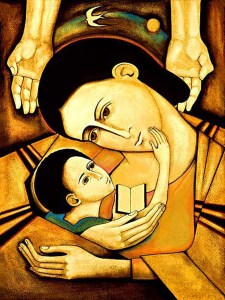 Today, the world is celebrating its new beginning. Many of us are going to the parties, watching fireworks, and dancing and singing. Surely, nothing is wrong with those. Yet, today, the Church decides to go against the tide and celebrates something else, or someone else: Mary the Mother of God. To make it worse, today is a holiday of obligation, meaning we need to go to the mass whether we like or not. I remember attending the Eucharistic mass on January 1 in my own parish, and the priest never dropped a single greetings of a Happy New Year to the congregation. What a kill-joy!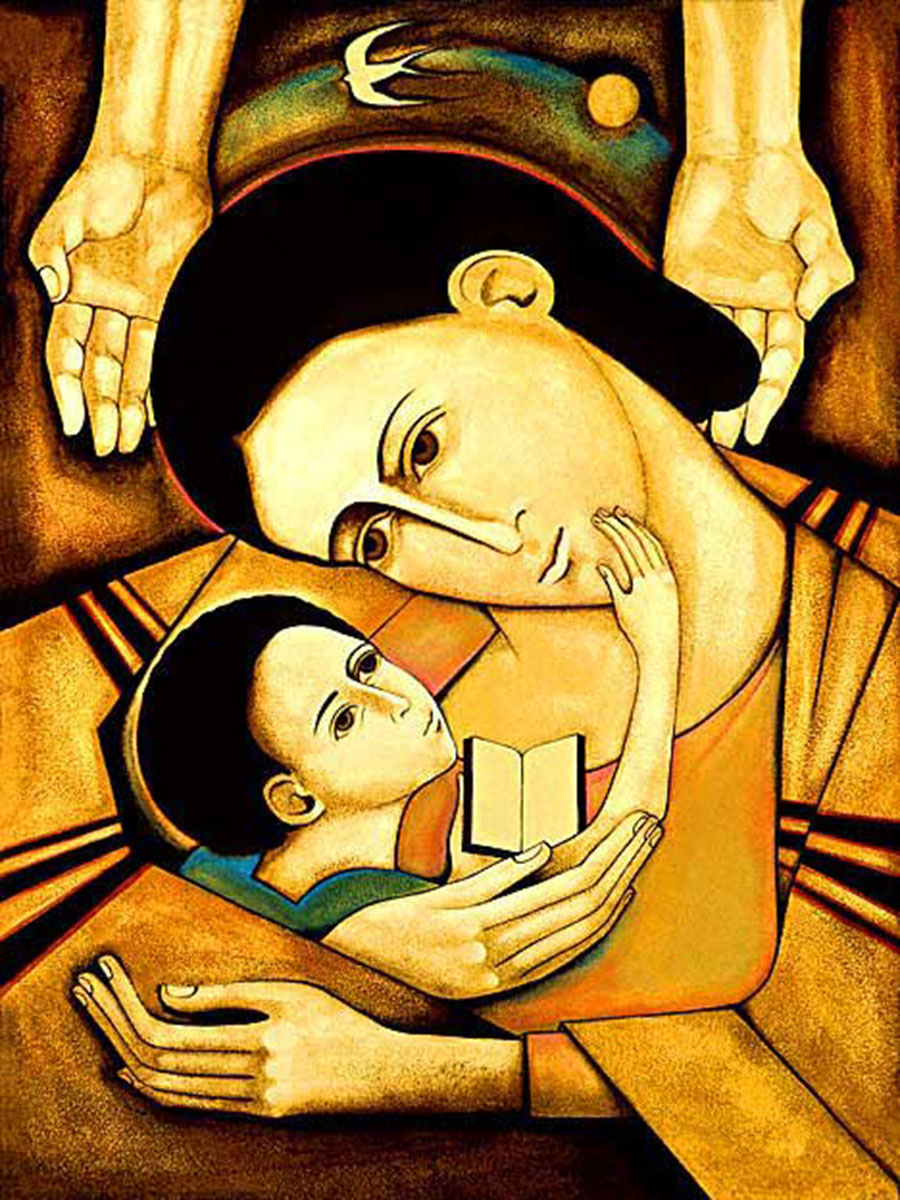
 Hari ini, dunia merayakan tahun baru. Dan, banyak dari kita merayakannya dengan berpesta, menonton kembang api, menari dan menyanyi. Namun, hari ini, Gereja memutuskan untuk melawan arus dan merayakan sesuatu yang berbeda, Maria Bunda Allah. Apalagi, hari ini telah ditetapkan sebagai hari raya kewajiban yang berarti kita harus pergi ke gereja suka atau tidak. Saya ingat menghadiri Ekaristi pada 1 Januari di paroki saya di Bandung, dan sang imam tidak pernah sekalipun memberi ucapan Selamat Tahun Baru kepada jemaat sampai misa selesai!
 The truth is born out of a conversation. Genuine conversation is coming from our ability to listen. And listening to one another is not easy because it presupposes great humility. The turning point of St. Dominic de Guzman, the founder of the Order of Preachers, was inside the pub. He had an overnight conversation with the innkeeper, an Albigensian whose religion denied the goodness of creation. This long yet open dialogue did not only bring the innkeeper back to the Catholic faith, but also led Dominic to discover his mission in life. This encounter revealed the truth both for the innkeeper and Dominic.
 The month of November is dedicated to honor all the saints in heaven as well as to pray for the souls in the purgatory. It begins with the celebration of All Saints’ Day on November 1 and the commemoration of the All Souls Day on November 2. We, the Dominicans, celebrate the all Dominican Saints on November 7 and pray for the souls of our Dominican family on November 8. This Church’s celebration traces its origin to Pope Boniface IV in the 7th century, yet its roots go deeper into Jesus Christ Himself.
 In Medio Ecclesiae