The Holy Spirit and His Gifts

Pentecost [C]

June 8, 2025

1 Cor 12:3-13

Today, the Church celebrates Pentecost, the day when the Holy Spirit descended upon Jesus’ apostles and the first disciples, marking the beginning of the Church. From that moment onward, the Holy Spirit, the third person of the Holy Trinity, has played a central role in guiding and sustaining the life of the Church, working through His grace and gifts. It is no surprise that we call Pentecost the feast of the Holy Spirit. Yet, as we reflect on these spiritual gifts, we must do so with wisdom and discernment.

We live in a time when many Christians—both Catholic and non-Catholic—are experiencing the gifts of the Holy Spirit in remarkable ways. This renewed outpouring has awakened us to the Spirit’s active presence in our lives. Some have received the gift of prophecy, speaking words that call others to repentance. Others have been given the gift of healing, becoming instruments through which the Spirit restores health to the sick. Still others pray in tongues, their praises flowing in languages they do not understand (for the list of gifts of the Holy Spirit, see 1 Cor 12:8-10). These are extraordinary encounters, even life-changing for many.

Yet while these gifts should fill us with gratitude and deepen our awareness of the Holy Spirit’s work, there is a danger in focusing too much on the experiences themselves. Some begin to fixate on the sensations rather than the Giver, treating spiritual gifts as a measure of their faith. Some of us may believe that speaking in tongues is proof of holiness, or that lacking miraculous healings means we are distant from God. Those who receive such gifts may grow prideful, while those who do not may feel like failures in their Christian life.

This mindset is not only misguided but spiritually harmful. And while it may seem like a modern problem, the same struggles existed in the early Church. Nearly two thousand years ago, the Church in Corinth were richly blessed with spiritual gifts, yet their community was plagued by division, disorder in worship, and pride. They compared gifts, competed over who had the “better” manifestations, and even used them as a measure of spiritual superiority.

Paul confronted this distortion head-on, reminding them that spiritual gifts are not for personal glory but for the building up of the Church (1 Cor 12). He taught them that the most important gift is not the gift of tongue, of healing or miracles, but the gift of love. He even wrote especially against those who seek the gift of tongue, “If I speak in the tongues of mortals and of angels, but do not have love, I am a noisy gong or a clanging cymbal (1 Cor 13:1).” He warned that pursuing spectacular gifts without love was meaningless.

Jesus Himself taught that the greatest gift the Father gives us is the Holy Spirit (Luk 11:13), and the greatest gift the Spirit gives is love.

Rome

Valentinus Bayuhadi Ruseno, OP

Guide Questions:

Do we ask the Father for the Holy Spirit? Do we pray to the Holy Spirit? What do we ask from the Holy Spirit? Do we ask the gifts of the Holy Spirit and what gifts?

We are Precious

7th Sunday of Easter [C]

June 1, 2025

John 17:20-26

Jesus died for us and rose from the dead to save us from sin and death. He did all this because He loves us deeply. As Jesus Himself said, “No one has greater love than this, to lay down one’s life for one’s friends” (John 15:13). But why does He love us so much? Why does He consider us dear enough to give His life for us?

One of the most profound answers lies in 1 John 4:8, “God is love.” Love is not just something God does; it is who He is. Because His very nature is love, He cannot help but love us. Jesus’ love flows naturally from His identity. At the same time, Scripture reveals that we are made in God’s image (Gen 1:26-27). This means we are fashioned in the likeness of Love itself. Perhaps this is why we only find true fulfilment when we live out our deepest purpose: to love as God loves (John 13:34) and to be loved by Him.

Yet, as I reflect further on Scripture, I find something even more beautiful. In today’s Gospel, Jesus prays to the Father—not only for His disciples but also for those who would come to believe through their message, which includes us. He prays that we may be united with one another and with Him, just as He and the Father are one. Then, He reveals something astonishing: “Father, I desire that those you have given me may be with me where I am” (John 17:24). We are the Father’s gift to Jesus. We are a living expression of the Father’s love for His Son.

This truth is deeply relatable. When we love someone, we often give them a precious gift as a token of our affection, and to the recipient, that gift becomes irreplaceable. A wedding ring, for example, is treasured not merely for its material value but because it symbolizes a spouse’s love. But we are far more than gold or jewels. God marvellously created us to be perfect gifts of love for His Son. Is it any wonder, then, that Jesus cherishes us so dearly? He willingly gave His life for us because every time He sees us He sees the proof of His Father’s love. He just could not bear the thought of losing us or being separated from us.

Today, in some countries like the Philippines and Italy, the Church celebrates Jesus’ Ascension into heaven. The image often shown is of Jesus rising while His disciples remain below. But He is not leaving us behind—He is drawing us closer to the Father. Why? Because we are precious to God. We are, at the very core of our being, the Father’s gift to His beloved Son.

Valentinus Bayuhadi Ruseno, OP

Questions for reflection:
Do we realize that we are precious in God’s eyes? Do we live as the precious one of God? How do we live as the Father’s gifts? How do we share the gifts we receive from God?

Kita Sangat Berharga

Minggu ke-7 Paskah [C]

1 Juni 2025

Yohanes 17:20-26

Yesus telah wafat untuk kita dan bangkit dari kematian untuk menyelamatkan kita dari dosa dan maut. Dia melakukan semua ini karena Dia sangat mengasihi kita. Seperti yang dikatakan Yesus sendiri, “Tidak ada seorang pun yang mempunyai kasih yang lebih besar dari pada kasih seorang yang memberikan nyawanya untuk sahabat-sahabatnya” (Yoh 15:13). Tetapi mengapa Dia begitu mengasihi kita? Mengapa Dia menganggap kita cukup berharga untuk memberikan hidup-Nya bagi kita?

Salah satu jawaban yang paling mendalam terdapat dalam 1 Yoh 4:8, “Allah adalah kasih.” Kasih bukan hanya sesuatu yang Allah lakukan, namun kasih adalah jati diri Allah. Karena itu, Dia tidak bisa tidak, selain mengasihi kita. Kasih Yesus mengalir secara alami dari identitas-Nya. Pada saat yang sama, Alkitab menyatakan bahwa kita diciptakan menurut citra Allah (Kej. 1:26-27). Ini berarti kita diciptakan menurut citra Kasih itu sendiri. Inilah mengapa kita hanya menemukan kepenuhan sejati ketika kita menghidupi tujuan terdalam kita: mengasihi seperti Allah mengasihi (Yoh 13:34) dan dikasihi oleh-Nya.

Namun, ketika saya merenungkan lebih jauh tentang Kitab Suci, saya menemukan sesuatu yang lebih indah lagi. Dalam Injil hari ini, Yesus berdoa kepada Bapa, tidak hanya untuk para rasul-Nya tetapi juga untuk semua orang yang akan menjadi percaya melalui pewartaan mereka, yang adalah kita. Dia berdoa agar kita dapat bersatu dengan satu sama lain dan dengan Dia, sama seperti Dia dan Bapa adalah satu. Kemudian, Ia menyatakan sesuatu yang menakjubkan: “Bapa, Aku menghendaki supaya mereka yang telah Engkau berikan kepada-Ku, ada bersama-sama dengan Aku di mana pun Aku berada” (Yoh 17:24). Kita adalah pemberian Bapa kepada Yesus. Kita adalah ekspresi hidup dari kasih Bapa kepada Anak-Nya.

Kebenaran ini sebenarnya sangat mudah dipahami. Ketika kita mengasihi seseorang, kita sering memberikan hadiah yang berharga sebagai tanda kasih sayang kita, dan bagi penerimanya, hadiah itu menjadi tak tergantikan. Cincin kawin, misalnya, sangat berharga bukan hanya karena nilai materialnya, tetapi karena cincin itu melambangkan cinta kasih suami istri. Namun, kita jauh lebih berharga daripada emas atau permata. Allah dengan luar biasa menciptakan kita untuk menjadi pemberian yang sempurna bagi Putra-Nya. Maka, apakah mengherankan jika Yesus sangat mengasihi kita? Dia rela memberikan nyawa-Nya bagi kita karena setiap kali Dia melihat kita, Dia melihat bukti kasih Bapa-Nya. Dia tidak dapat menanggung pikiran untuk kehilangan kita atau terpisah dari kita.

Saat ini, di beberapa negara seperti Filipina dan Italia, Gereja merayakan Kenaikan Yesus ke surga. Gambaran yang sering ditampilkan adalah Yesus naik sementara para murid-Nya ditinggalkan. Tetapi Dia tidak meninggalkan kita, melainkan Dia membawa kita lebih dekat kepada Bapa. Mengapa? Karena kita berharga bagi Allah. Kita adalah pemberian Bapa kepada Putra-Nya yang terkasih.

Roma

Valentinus Bayuhadi Ruseno, OP

Pertanyaan-pertanyaan untuk direnungkan:

Apakah kita menyadari bahwa kita berharga di mata Allah? Apakah kita hidup sebagai milik Allah yang berharga? Bagaimana kita hidup sebagai pemberian Bapa kepada Putra? Bagaimana kita membagikan berkat-berkat yang kita terima dari Allah?

We and Our Popes

6th Sunday of Easter [C]

May 25, 2025

Acts 15:1-2, 22-29

The Catholic Church experiences a profound and historic moment this Easter 2025. Pope Francis, a beloved yet polarizing figure, passed away just a day after delivering his Easter Sunday blessing. His funeral Mass the following Saturday drew hundreds of thousands of mourners, reflecting the deep impact of his papacy. As the cardinals gathered for the conclave, the world watched in anticipation. Then, on May 8, white smoke billowed from the Sistine Chapel. “Habemus Papam!” We have a new pope, and his name is Leo XIV, the first North American pope and the first from the Order of St. Augustine. Thousands of faithful rejoiced in St. Peter’s Square, hopeful for a new chapter in the Church.

Pope Francis’ legacy was marked by both admiration and controversy. Many cherished his compassion for the poor and marginalized, while others struggled with some of his statements and decisions. Now, with Pope Leo XIV’s election, there is hope for unity and peace in the Church. Yet, like any human leader, he would also say or do something that are not according to our wishes. How, then, should we respond to this reality?

The key lies in distinguishing true devotion from fanaticism. Fanaticism is a disorder attraction and it distorts our perception of the papacy, turning admiration into idolatry. It blinds us to the humanity of the pope, making us believe he is infallible in all matters, not just those of faith and morals, and leads us to dismiss or attack those who criticize him. Worse still, it can lead to contempt for other popes simply because they differ from our preferred leader. This extreme attachment often backfires; when our idealized pope falls short of expectations, disillusionment sets in, sometimes even driving people away from the Church entirely.

True devotion, on the other hand, is rooted in love for Christ, who entrusted Peter and his successors with the care of His flock. We honor the pope not primarily because of his personal qualities but because of his sacred role as the Vicar of Christ. In simple term, we love our popes because we love Jesus.

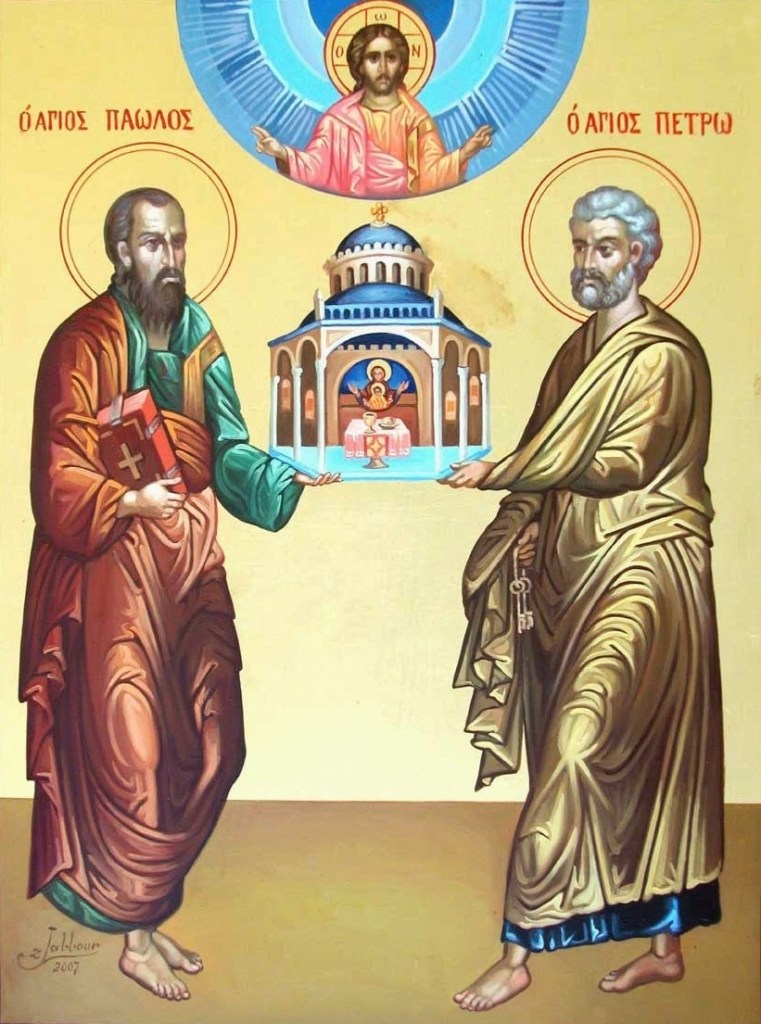
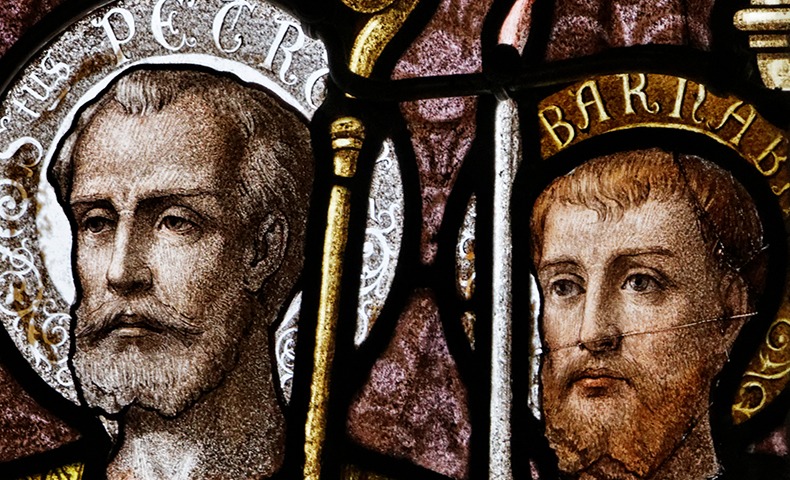
The first reading reminds us of St. Peter’s leadership in the early Church. When the apostles and elders gathered in Jerusalem and debated whether Gentile converts must follow Mosaic law. Some elders wanted that they should be Jewish before Christians, meaning they had to be circumcised and followed Mosaic laws strictly. Others like St. Paul and Barnabas wanted that the Gentile converts be free from Mosaic laws. Finally, Peter stood and made the final decision: they were not bound by such obligations. The council accepted his authority, knowing it came from Christ. Yet Peter himself was not flawless. In another instance, Paul openly corrected him for failing to uphold his own teaching (Gal 2:11-14). Paul’s rebuke was not born of hatred but of love; a desire to strengthen Peter in his God-given mission.

Like Peter, every pope carries the weighty responsibility of shepherding the Church. And like Peter, they remain human, susceptible to weakness and error. Our role is to support them with prayer, especially in times of trial, and to uphold the Church with both faith and discernment.

Rome

Valentinus Bayuhadi Ruseno, OP

Questions for reflection:

How do we see our popes? How do we love our popes? Do we ever struggle to understand our popes? How often do we pray for our popes?

Kita dan Paus Kita

Minggu ke-6 Paskah [C]

25 Mei 2025

Kisah Para Rasul 15:1-2, 22-29

Gereja Katolik menghadapi momen yang penting dan bersejarah pada Paskah 2025 ini. Paus Fransiskus, sosok yang dicintai namun penuh dengan polemik, meninggal dunia hanya sehari setelah menyampaikan berkat Minggu Paskah. Misa pemakamannya pada hari Sabtu berikutnya menarik ratusan ribu pelayat, yang mencerminkan dampak mendalam dari kepausannya. Ketika para kardinal berkumpul untuk konklaf, dunia menyaksikan dengan penuh antisipasi. Kemudian, pada tanggal 8 Mei, asap putih mengepul dari Kapel Sistina. “Habemus Papam!” Kita memiliki paus baru, dan namanya adalah Leo XIV, soerang paus dari Amerika Utara pertama dan juga pertama dari Ordo Santo Agustinus. Ribuan orang bersukacita di Lapangan Santo Petrus, berharap akan sebuah babak baru dalam Gereja.

Warisan Paus Fransiskus diwarnai dengan kekaguman dan kontroversi. Banyak yang mengapresiasi belas kasihnya kepada kaum miskin dan terpinggirkan, sementara yang lain bergumul dengan beberapa pernyataan dan keputusannya. Kini, dengan terpilihnya Paus Leo XIV, ada harapan akan persatuan dan perdamaian dalam Gereja. Namun, seperti halnya pemimpin manusia lainnya, dia juga akan mengatakan atau melakukan sesuatu yang tidak sesuai dengan harapan kita. Lalu, bagaimana kita harus menanggapi kenyataan ini?

Kuncinya terletak pada pembedaan antara devosi sejati dari fanatisme. Fanatisme adalah sebuah ketertarikan yang tidak teratur yang mendistorsi persepsi kita terhadap kepausan. Efeknya adalah mengubah kekaguman menjadi penyembahan berhala. Fanatisme membutakan kita terhadap kemanusiaan seorang paus, membuat kita percaya bahwa ia tidak dapat salah dalam segala hal, tidak hanya dalam hal iman dan moral, dan membuat kita mengabaikan atau menyerang mereka yang mengkritiknya. Lebih buruk lagi, hal ini dapat mengarah pada penghinaan terhadap paus-paus lain hanya karena mereka berbeda dengan paus idaman kita. Fanatisme ini sering menjadi bumerang; ketika paus yang kita idam-idamkan tidak sesuai dengan harapan, kekecewaan pun muncul, bahkan terkadang membuat kita menjauh dari Gereja.

Di sisi lain, devosi yang sejati berakar pada kasih kepada Kristus, yang mempercayakan Petrus dan para penerusnya untuk menjaga kawanan domba-Nya (Yoh 21). Kita menghormati Paus bukan terutama karena kualitas pribadinya, tetapi karena peran sucinya sebagai Wakil Kristus. Secara sederhana, kita mengasihi para paus karena kita mengasihi Yesus.

Bacaan pertama mengingatkan kita akan kepemimpinan Santo Petrus dalam Gereja mula-mula. Ketika para rasul dan penatua berkumpul di Yerusalem dan memperdebatkan apakah orang-orang non-Yahudi yang percaya, perlu mengikuti hukum Musa. Beberapa penatua menginginkan agar mereka menjadi orang Yahudi sebelum menjadi orang Kristen, yang berarti mereka harus disunat dan mengikuti hukum Taurat secara ketat. Paulus dan Barnabas menginginkan agar orang-orang non-Yahudi yang percaya terbebas dari hukum Musa. Akhirnya, Petrus berdiri dan membuat keputusan akhir: mereka tidak terikat oleh hukum Musa. Konsili ini menerima otoritas Petrus, karena mereka tahu bahwa otoritas itu berasal dari Kristus. Namun, Petrus sendiri bukanlah orang yang sempurna. Sebagai contoh, Paulus secara terbuka mengoreksi Petrus karena ia gagal menegakkan ajarannya sendiri (Gal 2:11-14). Teguran Paulus tidak lahir dari kebencian, tetapi dari kasih; sebuah hasrat untuk menguatkan Petrus dalam misinya yang diberikan Allah.

Seperti Petrus, setiap paus memikul tanggung jawab yang berat untuk menggembalakan Gereja. Dan seperti Petrus, mereka tetaplah manusia biasa yang rentan terhadap kelemahan dan kesalahan. Peran kita adalah untuk mendukung mereka dengan doa, terutama pada saat-saat sulit, dan untuk terus membangun Gereja dengan pengharapan dan kebijaksanaan.

Roma

Valentinus Bayuhadi Ruseno, OP

Pertanyaan-pertanyaan untuk refleksi:

Bagaimana kita melihat para paus kita? Bagaimana kita mencintai para paus kita? Apakah kita pernah bergumul untuk memahami para paus kita? Seberapa sering kita mendoakan para

Two Ways of Preaching the Gospel

5th Sunday of Easter [C]

May 18, 2025

Acts 14:21-27

In the first reading, we heard about the missionary journey of St. Paul and his companion St. Barnabas. Their mission shows us how the early Church fulfilled Jesus’ commandment: “Make all nations my disciples.” So what can we discover from their example?

First, let us consider St. Paul’s story in its entirety. After his conversion, Paul remained in Antioch (in present-day Turkey), where he became a respected teacher and prophet. Then the Holy Spirit called Paul and Barnabas to be set apart for God’s work. The Christian community commissioned them to preach in places where the Gospel had not yet been heard. They travelled to various locations including the island of Cyprus and towns in southern Turkey – Pisidian Antioch, Iconium, Derbe, and Lystra.

They proclaimed the Good News to both Jews and Gentiles in these places, bringing many souls to believe in Jesus Christ. Yet Paul and Barnabas knew they were not to remain there permanently, but rather to move on to preach in even more places. To care for the newly established Churches, they appointed “elders” (presbyteroi). These elders became the stable leaders of the communities, responsible for leading worship, proclaiming the Gospel, and maintaining spiritual discipline.

What then can we learn from Paul’s missionary journey? We see at least two essential ways of preaching the Gospel. The first way involves going to preach where the Gospel has not been heard and where faith has not yet taken root. Those who follow this path are typically called missionaries. Missionaries tend to be more mobile, moving from place to place as the need for the Gospel message arises. The second way focuses on deepening the understanding of the Gospel for those who already believe, nourishing and protecting their faith. In the Catholic tradition, this second way is carried out by the “elders” – the bishops assisted by priests and deacons, who remain more stable within the communities they serve.

On the other hand, the distinction between missionaries and elders is not rigid. The same person can be both a missionary and an elder. A simple example is Pope Leo XIV. Before becoming Pope, he was a priest of the Order of St. Augustine of the United States who became a missionary in Peru. Later he became the bishop of Chiclayo, Peru. The identity of missionary and elder merged in him.

However, we must remember that the task of preaching the Gospel is not given only to missionaries or elders, but to all of us. We too can and should practice both of these ancient ways of proclaiming the Gospel. In our modern world, the opportunities to share the Gospel are abundant. We can communicate different aspects of our faith, from its truth to its beauty, through various social media platforms. Personal interactions with friends and colleagues also provide opportunities to introduce our faith. Even if we find it difficult to explain our faith in words, we can always invite our relatives and friends to join us at Mass.

Parents particularly embody both of these approaches simultaneously. They are called to introduce the faith to their children through baptism and basic catechism, teaching them how to pray and sharing the fundamental truths of our faith. Like the Church’s elders, they must then continually nurture their children’s faith through virtuous living, prayer, and guidance. We should also support our catechists who work tirelessly both to introduce and deepen faith despite the many challenges they face.

Rome
Valentinus Bayuhadi Ruseno, OP

Guide questions:

How do we preach the Gospel in our particular circumstances? Who specifically needs us to introduce them to Jesus? Have we helped those close to us grow nearer to God? Do others recognize us as people who bring Jesus with us?

Dua Cara Mewartakan Injil

Minggu ke-5 Paskah [C]

18 Mei 2025

Kisah Para Rasul 14:21-27

Dalam bacaan pertama, kita telah mendengar tentang perjalanan misi Santo Paulus dan rekannya Santo Barnabas. Misi mereka menunjukkan kepada kita bagaimana Gereja perdana memenuhi perintah Yesus, “Jadikanlah semua bangsa murid-Ku (Mat 28:19).” Jadi, apa yang dapat kita temukan dari teladan mereka?

Pertama, mari kita simak kisah Santo Paulus secara keseluruhan. Setelah pertobatannya, Paulus tinggal di Antiokhia (sekarang di Turki bagian tenggara), di mana ia menjadi seorang guru dan nabi yang dihormati. Kemudian Roh Kudus memanggil Paulus dan Barnabas untuk dikhususkan bagi pekerjaan Tuhan. Komunitas Kristiani menugaskan mereka untuk mewartakan di tempat-tempat di mana Injil belum pernah didengar. Mereka melakukan perjalanan ke berbagai tempat termasuk pulau Siprus dan kota-kota di Turki selatan – Antiokhia Pisidia, Ikonium, Derbe, dan Listra.

Mereka memberitakan Kabar Baik kepada orang-orang Yahudi dan bukan Yahudi di tempat-tempat tersebut, membawa banyak jiwa percaya kepada Yesus Kristus. Namun, Paulus dan Barnabas tahu bahwa mereka tidak akan tinggal di sana secara permanen, tetapi mereka harus melanjutkan perjalanan mereka untuk memberitakan Injil di lebih banyak tempat lagi. Untuk menjaga komunitas Kristiani yang baru didirikan ini, mereka mengangkat “penatua” (Yunani: presbuteroi). Para penatua ini menjadi pemimpin yang stabil dalam komunitas, yang bertanggung jawab untuk memimpin ibadah, memberitakan Injil, dan memelihara disiplin rohani.

Lalu, apa yang dapat kita pelajari dari perjalanan misi Paulus? Kita melihat setidaknya ada dua cara yang sangat penting dalam memberitakan Injil. Cara pertama adalah pergi memberitakan Injil ke tempat yang belum pernah mendengar Injil dan di mana iman belum berakar. Mereka yang mengikuti jalan ini biasanya disebut misionaris. Para misionaris cenderung berpindah dari satu tempat ke tempat lain ketika kebutuhan akan Injil muncul. Cara kedua berfokus pada pendalaman pemahaman Injil dan kedewasaan iman bagi mereka yang sudah percaya, memelihara dan melindungi iman mereka. Dalam tradisi Katolik, cara kedua ini dilakukan oleh para “penatua” – para uskup yang dibantu oleh para imam dan diakon, yang tinggal lebih stabil dalam komunitas yang mereka layani.

Di sisi lain, perbedaan antara misionaris dan penatua tidaklah kaku. Orang yang sama bisa berperan baik sebagai misionaris dan penatua. Contoh sederhana adalah Paus Leo XIV. Sebelum menjadi Paus, beliau adalah seorang imam Ordo St. Agustinus dari Amerika Serikat yang menjadi misionaris di Peru. Kemudian dia menjadi uskup Chiclayo, Peru. Identitas misionaris dan penatua menyatu di dalam dirinya.

Namun, kita harus ingat bahwa tugas pewartaan Injil tidak hanya diberikan kepada para misionaris atau penatua, tetapi juga kepada kita semua. Kita pun dapat dan harus mempraktikkan kedua cara kuno untuk memberitakan Injil. Di dunia modern ini, kesempatan untuk membagikan Injil sangatlah berlimpah. Kita dapat mengkomunikasikan berbagai aspek dari iman kita, mulai dari kebenaran hingga keindahannya, melalui berbagai platform media sosial. Interaksi pribadi dengan teman dan saudara juga memberikan kesempatan untuk memperkenalkan iman kita. Bahkan jika kita merasa sulit untuk menjelaskan iman kita dengan kata-kata, kita selalu dapat mengundang kerabat dan teman-teman kita untuk bergabung dengan kita di Misa.

Para orang tua secara khusus mewujudkan kedua pendekatan ini secara bersamaan. Para orang tua dipanggil untuk memperkenalkan iman kepada anak-anak mereka melalui baptisan dan katekese dasar, mengajar mereka cara berdoa dan membagikan kebenaran-kebenaran mendasar dari iman. Seperti para penatua Gereja, para orang tua kemudian harus terus memelihara iman anak-anak mereka melalui gaya hidup yang sesuai ajaran Injil, doa, dan bimbingan. Kita juga harus mendukung para katekis kita yang bekerja tanpa lelah untuk memperkenalkan dan memperdalam iman, terlepas dari banyaknya tantangan yang mereka hadapi.

Roma

Valentinus Bayuhadi Ruseno, OP

Pertanyaan-pertanyaan panduan:

Bagaimana kita mewartakan Injil dalam situasi-situasi khusus kita? Siapa yang secara khusus membutuhkan kita untuk memperkenalkan mereka kepada Yesus? Sudahkah kita menolong orang-orang yang dekat dengan kita untuk bertumbuh lebih dekat dengan Tuhan? Apakah orang lain mengenali kita sebagai orang yang membawa Yesus bersama kita?

Hearing the Voice of the Lord

4th Sunday of Easter [C]

May 11, 2025 

John 10:27-30

Hearing is one of the most fundamental senses that make us human. While it is true that we rely heavily on sight to navigate the world, hearing sets us apart from other animals. How is this possible? 

Certainly, humans do not have the best sense of hearing. Many animals possess far greater hearing abilities. For instance, bats have a sonar-like sense, allowing them to gauge distance through sound. Human ears are far weaker in comparison. Yet, despite our ordinary hearing capacity, we possess something other animals lack: the ability to associate sounds with meaning. In other words, we can create language. More importantly, we can distinguish meaningful words from senseless noise. 

Through hearing, ancient people built their families and communities. They listened to their leaders for guidance on defending themselves against wild animals and surviving harsh environments. By hearing, they learned the wisdom of their elders and the stories passed down through generations. Hearing meaningful words is what truly makes us alive as humans. 

Unfortunately, we now live in a world full of noise—senseless sounds, auditory pollution, and even false words. What we often hear no longer serves our survival or growth but merely what screams the loudest. We no longer listen to reason, the wisdom of the past, or—most importantly—the words of the Lord. If ancient people recognized that hearing their leaders was essential for survival, we too must realize that hearing our Lord, Jesus Christ, is not optional—it is a matter of our soul’s survival. 

So how can we learn to listen attentively to the voice of our true Shepherd? 

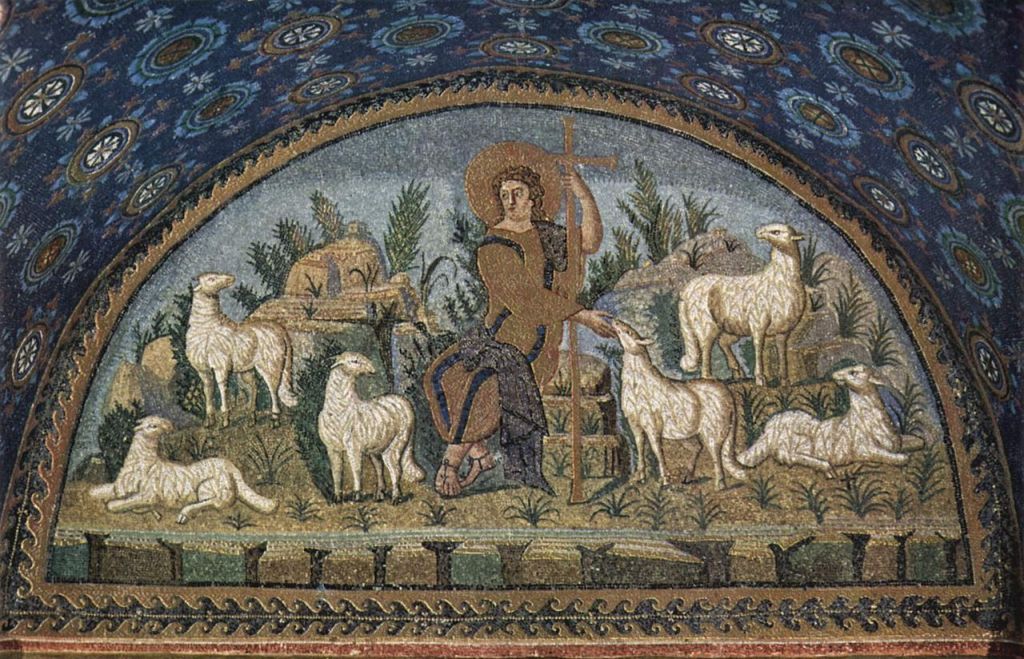
First, just as sheep listen to their shepherd’s voice for safety, we must recognize our Shepherd’s voice and follow His instructions—for our eternal salvation depends on it.   Second, to recognize His voice, we must become familiar with it. This comes through continual listening—by regularly reading the Bible, studying His teachings through the Church, and engaging in deep prayer. As we grow accustomed to God’s voice, we also learn to distinguish voices that do not come from Him—those of our own desires, the world, and evil spirits.   Third, listening must lead to action. Hearing without obedience is meaningless—or worse, it means following the enemy’s guidance. 

Rome

Valentinus Bayuhadi Ruseno, OP

Guide Questions:

Do we know the voice of our Lord? What kind of voices do we listen to? Are we able to distinguish the different voices in our lives? Do you believe you are following the words of the Lord? 

Mendengarkan Suara Tuhan

Minggu ke-4 Paskah [C]

11 Mei 2025

Yohanes 10:27-30

Pendengaran adalah salah satu indra yang paling mendasar yang membuat kita menjadi manusia. Memang benar bahwa kita sangat bergantung pada penglihatan untuk menavigasi dunia, tetapi pendengaran membedakan kita dengan makhluk lain. Bagaimana penjelasannya?

Tentu saja, manusia tidak memiliki indra pendengaran yang terbaik. Banyak hewan yang memiliki kemampuan pendengaran yang jauh lebih baik. Sebagai contoh, kelelawar memiliki indra pendengaran seperti sonar, yang memungkinkan mereka untuk mengukur jarak melalui suara. Telinga manusia jauh lebih lemah jika dibandingkan dengan hewan-hewan ini. Namun, terlepas dari kapasitas pendengaran kita yang sepertinya biasa saja, kita memiliki sesuatu yang tidak dimiliki oleh hewan lain: kemampuan untuk mengasosiasikan suara dengan makna. Dengan kata lain, kita dapat menciptakan bahasa. Kemampuan berbahasa ini berarti kita dapat membedakan kata-kata yang bermakna dari suara yang tidak berarti.

Melalui mendengarkan, manusia purba membangun keluarga dan komunitas. Mereka mendengarkan para pemimpin mereka untuk mendapatkan panduan dalam mempertahankan diri dari binatang buas dan bertahan hidup di lingkungan yang keras. Dengan mendengarkan, mereka menerima kebijaksanaan para tetua mereka dan kisah-kisah yang diwariskan dari generasi ke generasi. Mendengar kata-kata yang bermakna adalah hal yang membuat kita hidup dan tumbuh sebagai manusia.

Sayangnya, kita sekarang hidup di dunia yang penuh dengan suara kebisingan yang tidak ada artinya sama sekali, dari sekedar polusi pendengaran, musik-musik yang tidak jelas, dan bahkan kata-kata kasar, penuh kebohongan dan bahkan kutukan. Apa yang sering kita dengar tidak lagi berguna bagi kelangsungan hidup atau pertumbuhan kita, melainkan hanya apa yang berteriak paling keras. Kita tidak lagi mendengarkan akal sehat, kebijaksanaan dari masa lalu, dan yang paling penting, firman Tuhan. Jika orang-orang zaman dahulu menyadari bahwa mendengarkan para pemimpin mereka sangat penting untuk kelangsungan hidup mereka, kita pun harus menyadari bahwa mendengarkan Tuhan kita, Yesus Kristus, bukanlah suatu opsi, tetapi ini adalah masalah keselamatan jiwa kita.

Jadi, bagaimana kita dapat belajar untuk mendengarkan dengan penuh perhatian suara Gembala kita yang sejati?

Pertama, sama seperti domba yang mendengarkan suara gembalanya demi keselamatannya, kita harus mengenali suara Gembala kita dan mengikuti petunjuk-Nya – karena keselamatan kekal kita bergantung padanya. Kedua, untuk mengenali suara-Nya, kita harus menjadi terbiasa dengannya. Hal ini dapat dicapai dengan terus mendengarkannya, dengan membaca Kitab Suci secara teratur, mempelajari ajaran-ajaran-Nya secara khusus yang telah diajarkan Gereja, dan terlibat dalam doa yang mendalam. Ketika kita menjadi terbiasa dengan suara Tuhan, kita juga bisa belajar untuk membedakan suara-suara yang tidak berasal dari-Nya, suara-suara dari keinginan kita sendiri, dunia, dan roh-roh jahat. Ketiga, mendengar harus membawa kepada tindakan. Mendengar tanpa ketaatan tidak ada artinya, atau bahkan lebih buruk lagi, itu berarti mengikuti tuntunan musuh.

Roma

Valentinus Bayuhadi Ruseno, OP

Pertanyaan Panduan:

Apakah kita mengenal suara Tuhan kita? Suara-suara seperti apa yang kita dengarkan? Apakah kita dapat membedakan suara-suara yang berbeda dalam hidup kita? Firman Tuhan apa yang paling berkesan dan menjadi panduan hidup kita selama ini?

Our Weak Love and God Strong Love

Third Sunday of Easter [C]

May 4, 2025

John 21:1-19

In today’s Gospel, Jesus asks Peter three times, “Do you love me?” Some Church Fathers interpret this repetition as Jesus undoing Peter’s threefold denial. However, a closer look at the Greek text reveals that Jesus uses different words for “love” in each instance. These subtle distinctions deepen our understanding of the passage.

First, Jesus does not simply ask a question, but He makes a demand. In His first request, Jesus calls for a specific kind of love. John the Evangelist uses the Greek word “agape”, which signifies a wilful, sacrificial love, that seeks the genuine good of others. This love is not based on emotions but rather on freedom and commitment. True agape requires giving oneself completely, even to the point of sacrificing one’s life. Here, Jesus demands the highest form of agape from Peter, a love that surpasses all other things.

In His second request, Jesus once again uses “agape”, but this time without the phrase “more than these.” He still calls for sacrificial love, but not to the highest degree. In His third request, Jesus shifts from agape to “philia”, the Greek word for friendship-based love. Unlike agape, which is rooted in free will and dedication, philia depends more on emotions, mutual feelings, and shared interests. While true friendship may require acts of agape, its foundation remains philia. Once common interests fade, friendships often weaken.

But why does Jesus seem to lower His expectations—from total agape to simple agape, and finally to friendship? The answer lies in Peter’s responses. Each time Jesus questions him, Peter replies with “philia”. He cannot bring himself to profess agape, especially not in its highest form. His previous denial has left him broken, ashamed, and hesitant to love Jesus again. Fear holds him back.

Yet, despite Peter’s incomplete answers, Jesus does not rebuke him or seek a more faithful disciple. Instead, Jesus meets Peter where he is. He accepts Peter’s flawed, hesitant love and still entrusts him with the mission of shepherding His flock. Jesus does not require perfection, but He desires humility and sincerity. He sees Peter’s efforts and knows that, in time, Peter will give his life for Him.

God asks each of us for the highest form of love, yet we often fall short. Like Peter, we are wounded, weak, and full of failures. But the Good News is that God accepts our imperfect love and gently leads us toward perfection.

Rome

Valentinus Bayuhadi Ruseno, OP

Reflection Questions:

Do we love God?  Do we love Him with agape or philia?  In what ways do we fail to love God? What keeps us from loving God? How does He continue to love us despite our shortcomings? Can we recall a moment in our life when God’s unwavering love was evident despite our failures?