

Fourth Sunday of Easter. May 7, 2017 [John 10:1-10]
“I am the gate. Whoever enters through me will be saved, and will come in and go out and find pasture (Joh 10:1)”
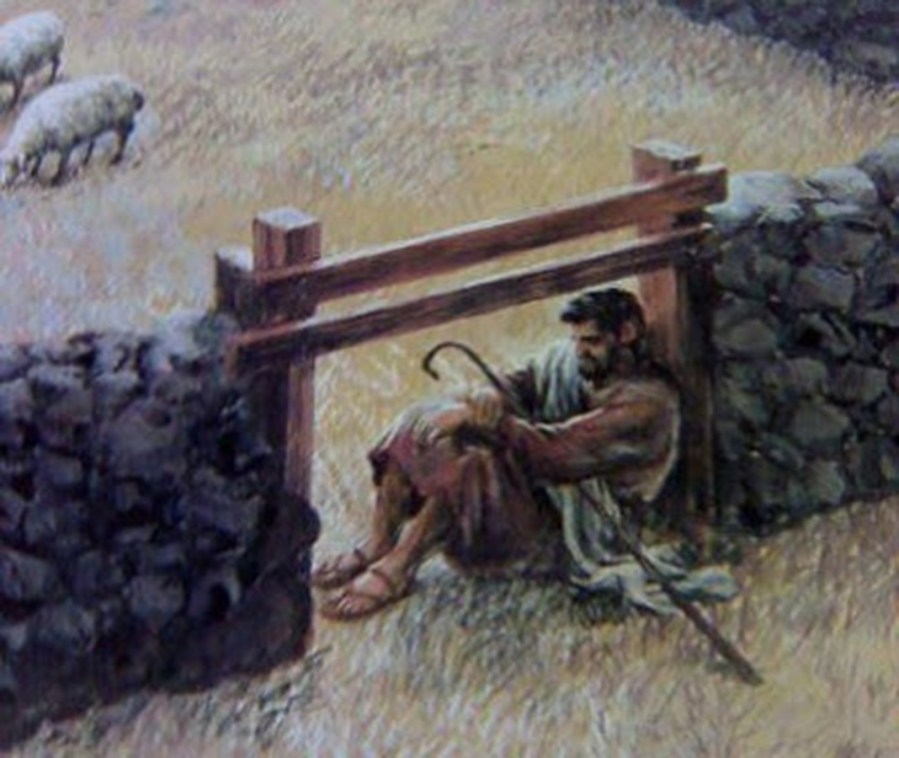
 Jesus is not the gatekeeper, but Jesus is the gate Himself. A gate or a door gives a passage or access to a sheepfold, a house, a building or a room. It both separates and connects the insiders and the outsiders. In fact, the gate is as essential as the house itself. What is the building without a door or an entry point? It is either a construction error or it is not a sheepfold or a house at all. The gate is not only an accessory to the house, but it also defines the house itself. Is it an accessible house, locked house or not a house at all?
Being part of the digital generation, we have our own ‘gateway’. In our familiar terms, this is the access, the connection or the networking. We use this access to communicate, to work and even to make important decisions. It turns to be part of who we are, as we crave for it, demand it, and fight for it. Sometimes, I get upset because the connection is poor inside the formation house that I cannot communicate with my family in Indonesia. A child as young as one year old knows how to manipulate an iPhone, and cries loudly when the parents try to take it away from him. Many researchers conclude that Facebook has become another new kind of addiction, as more and more millennials are spending more time on FB. Lesley Alderman of The New York Times said that we check our cellular phone at an average of 47 to 82 times a day precisely because the access it gives us to almost everything.
Yet, it is not only about addiction or having fun. It is about our lives. A lot companies, jobs and workers are now dependent on this access, something which did not exist twenty years ago. Better connection means faster transaction, the richer the company becomes. The same access is used to control remotely unmanned machines, like drone. Some drones are used for photography, fun and researches, but others can be used to carry powerful explosives. Now, the access can either make us or destroy us.
In today’s Gospel, Jesus introduces Himself as the gate, the access or the connection to the fullness of life. Now, it is up to us whether we enter this gate and use this access, or refuse to enter and waste the connection. If we examine our daily lives, how many hours do we avail of this divine access? We might be upset if we lose our internet connection, but do we get the same feeling when we miss the connection with God? How many hours do we spend for browsing the internet, and eagerly chat with our online friends, compared to the time we use to read the Bible and worship Jesus in the Eucharist? We might be surprised that we actually only remember God on Sunday. And in fact, within the Mass, we are also preoccupied with what inside our phone!
It is one of the fundamental reasons why many of us are unhappy, restless, and at a lost despite the success, riches and other access we possess. Perhaps, it is good to disconnect first from the many connections we have, and connect to the true source of joy. If we are not finding lives meaningful, it is because we are not entering that gate that leads us to the fullness of life.
Br. Valentinus Bayuhadi Ruseno, OP
 Yesus bukanlah sekedar penjaga pintu gerbang, tetapi Yesus adalah sang pintu gerbang. Pintu gerbang atau pintu memberi jalan atau akses ke kandang domba, rumah, bangunan atau ruangan. Pintu memisahkan sekaligus menghubungkan orang dalam dan orang luar. Pintu sama pentingnya dengan rumah itu sendiri. Apa jadinya jika bangunan tanpa pintu masuk? Ini adalah kesalahan konstruksi atau bukan sebuah gedung sama sekali. Pintu bukan hanya aksesori dari sebuah rumah, tapi adalah definisi sebuah rumah. Melalui pintunya, kita bisa menilai apakah rumah ini yang mudah diakses, rumah terkunci atau bukan rumah sama sekali?
 Luke wonderfully narrated the Journey to Emmaus in such a way that it became a catechetical instruction on the Eucharist. The two disciples were actually running away from Jerusalem. After the death of their master, the situation turned to be dangerous for their lives. They were afraid of the Jewish authorities and their hope and dream of having a Messiah were shattered. Better for them to go away and return to their former lives. Yet, Jesus surprisingly came, healed their wounds, and reappointed them as His apostles. However, let us see some details of today’s Gospel and how this narrative speaks of the Eucharist.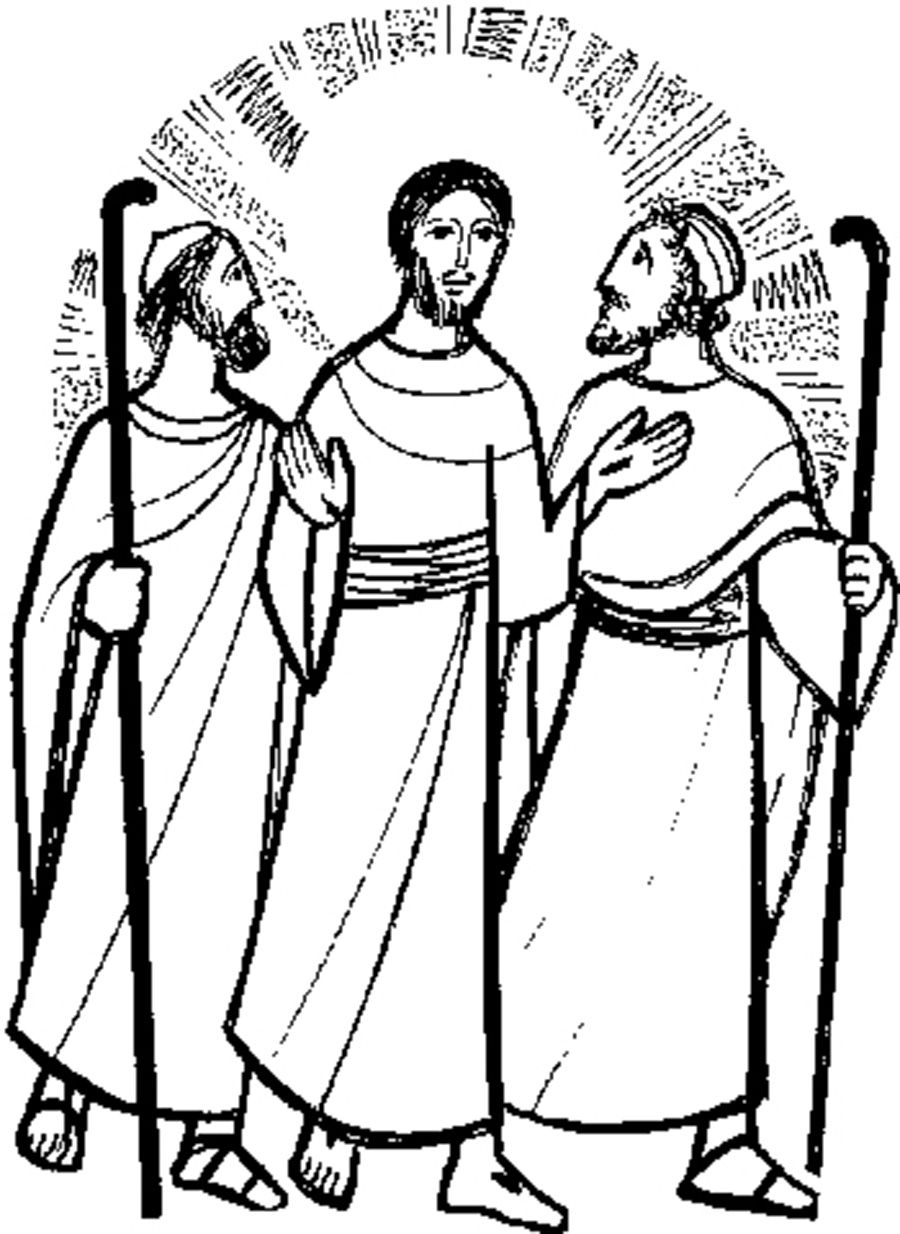
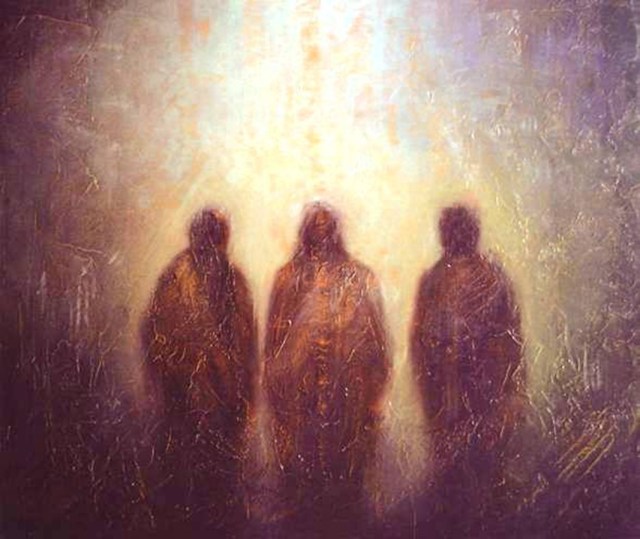 Lukas menceritakan kisah Perjalanan ke Emaus dengan sedemikian rupa sehingga menjadi sebuah instruksi kateketis tentang Ekaristi. Kedua murid tersebut sebenarnya melarikan diri dari Yerusalem. Setelah kematian guru mereka, situasi berubah menjadi berbahaya bagi kehidupan mereka. Mereka takut pada penguasa Yahudi, dan harapan dan impian mereka untuk memiliki seorang Mesias hancur berantakan. Lebih baik mereka pergi dan kembali ke kehidupan yang dulu. Namun, Yesus dengan mengejutkan datang, menyembuhkan luka-luka mereka, dan menunjuk mereka kembali sebagai rasul-rasul-Nya. Mari kita lihat beberapa rincian Injil hari ini dan bagaimana narasi ini berbicara tentang Ekaristi.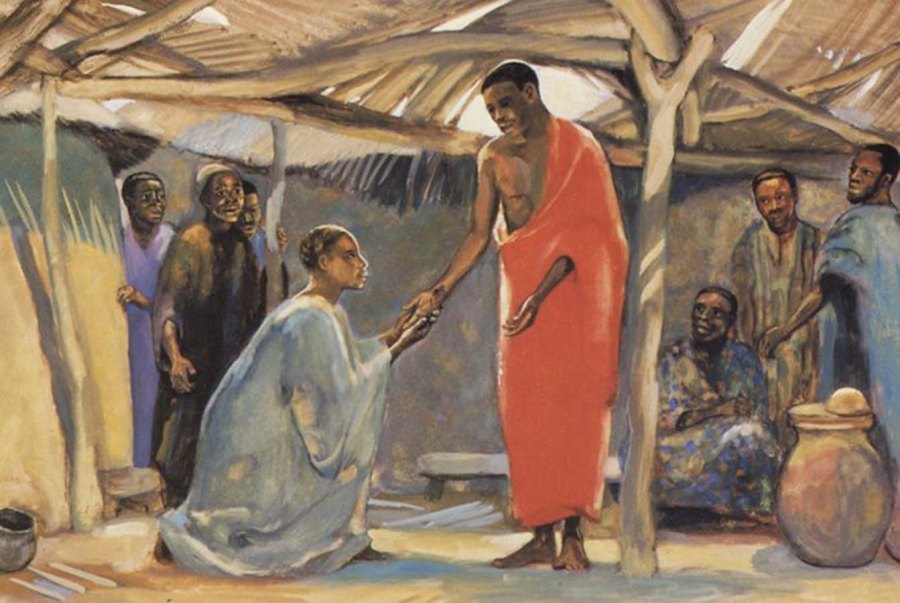
 Thomas was looking for a proof that Jesus truly rose from the dead. Not only seeing Him in person, he required another sign: touching the crucifixion marks that Jesus bore. He was one of the Twelve, the inner cycle of Jesus’ disciples, and being one, he had the privilege to walk with Jesus, dine with Him, and witness His mighty deeds. At a first glance, he would easily recognize Jesus, his Master, but still, he demanded the marks of the nails. Why did Thomas insist on searching the wounds?


 If we read the Resurrection narrative in the four Gospels, we will discover that each Evangelist has his own distinct story. Yet, there are some common features in the Resurrection episode: the empty tomb, the presence of women, the appearance of angel followed by the risen Christ, and the women announcing the Good News to the other disciples. Let us focus on one particular feature that we usually miss. The first witnesses of the resurrection were not men, but women. Where were the male disciples? Where were those men who promised to sacrifice their lives for Jesus? They were in hiding. They were afraid. They were scattered.
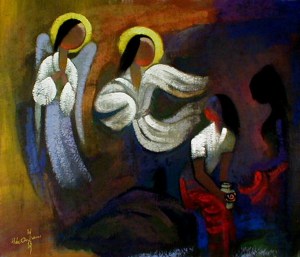 Jika kita membaca narasi Kebangkitan di keempat Injil, kita akan menemukan bahwa setiap Penginjil memiliki cerita unik tersendiri. Namun, walaupun berbeda, ada beberapa hal-hal serupa di dalam narasi Kebangkitan, seperti kubur yang kosong, kehadiran para wanita, hadirnya malaikat diikuti oleh Yesus yang bangkit, dan para wanita mewartakan Kabar Baik bagi murid-murid lainnya. Mari kita fokus pada satu fitur yang biasanya luput dari perhatian kita. Saksi pertama dari kebangkitan bukanlah seorang laki-laki, tapi para perempuan. Pertanyaanya sekarang: Di mana para murid laki-laki? Di mana para pria yang berjanji untuk mengorbankan nyawa mereka demi Yesus? Jawabannya: Mereka bersembunyi, lari dan ketakutan.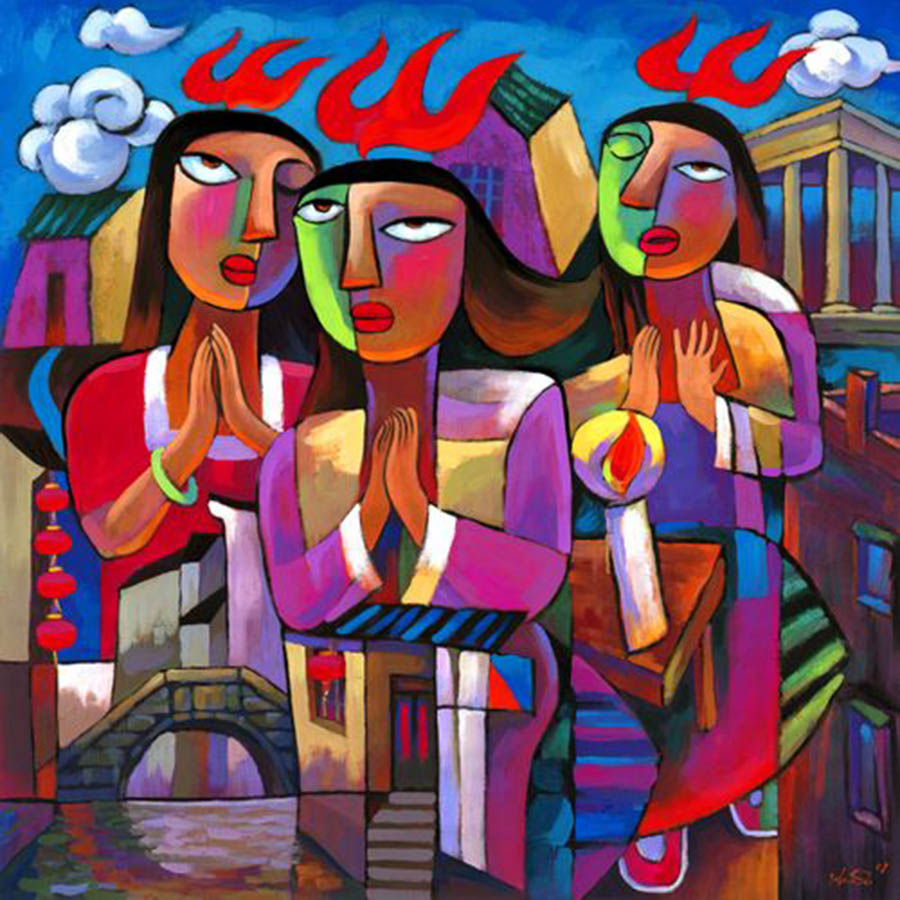
 My first time to attend a Catholic Charismatic prayer meeting was around 10 years ago in Singapore. It was a gathering characterized by upbeat music and intensified prayers. As the prayer was getting intense, suddenly I witnessed some of participants began to experience kind of trance and utter unintelligible words. For a while I was dumbfounded, but soon realized that they may actually speak in tongue. This may refer to the one of the Holy Spirit’s charismatic gifts, described no less than St. Paul himself. “For one who speaks in a tongue does not speak to human beings but to God, for no one listens; he utters mysteries in spirit (1 Cor 14:2)”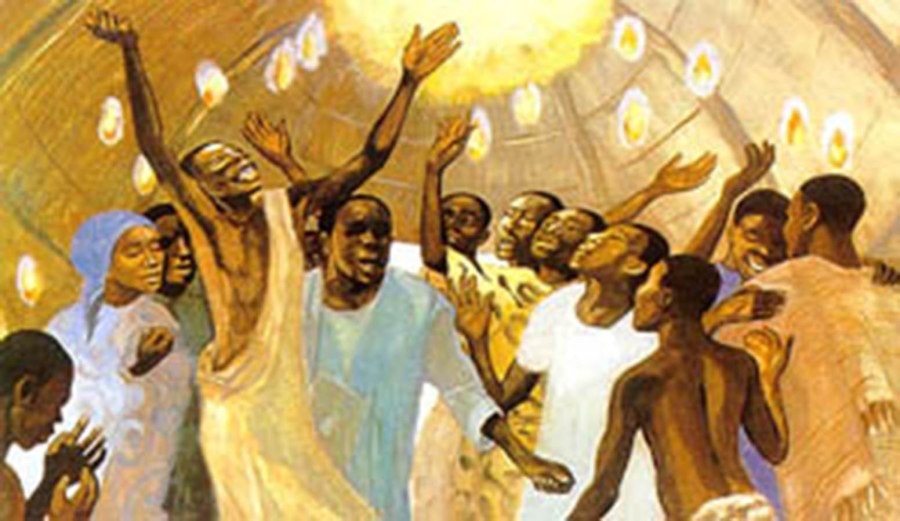
 Pertama kalinya saya menghadiri pertemuan doa Karismatik Katolik adalah sekitar 10 tahun yang lalu di Singapura. Pertemuan ini ditandai dengan musik yang upbeat dan doa yang intensif. Di tengah ibadat dan disaat doa-doa semakin intens, tiba-tiba saya menyaksikan beberapa peserta mulai mengalami sesuatu yang tidak biasa dan mengucapkan kata-kata tidak jelas. Awalnya, saya tercengang, tapi saya segera menyadari bahwa mereka sedang berbicara dalam bahasa roh. Phenomena ini merujuk pada seseorang yang dipenuhi dengan kuasa Roh Kudus dan mulai bernubuat sesuai kehendak Roh. Fenomena ini sudah ada sejak Gereja berdiri. St. Paulus sendiri menulis “Siapa yang berkata-kata dengan bahasa roh, tidak berkata-kata kepada manusia, tetapi kepada Allah. (1 Kor 14: 2)”
 In Medio Ecclesiae