

Minggu Paskah keempat [B]
25 April 2021
Yohanes 10: 11-18
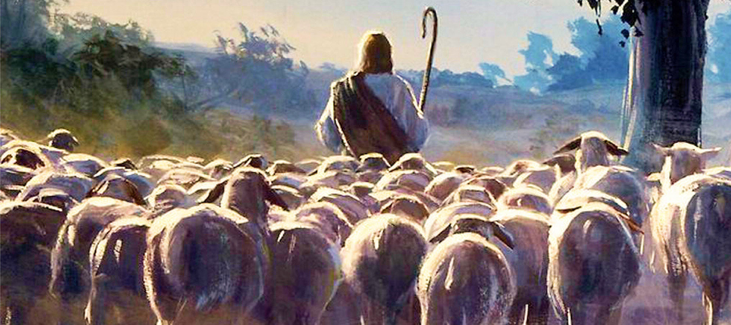
Minggu Paskah keempat umumnya dikenal sebagai Minggu Gembala yang Baik. Alasannya adalah bahwa setiap tahun Gereja selalu memilih Injil dari Yohanes khususnya bab 10 [tahun A: Yoh 10: 1-10; tahun B: Yoh 10: 11-18; tahun C: Yoh 10: 27-30]. Dalam bab ini, Yesus memperkenalkan diri-Nya sebagai Gembala yang Baik. Minggu ini juga dikenal sebagai Minggu Panggilan. Pada tahun 1964, Paus Paulus VI menetapkan Hari Doa Sedunia bagi Panggilan pada hari Minggu keempat Paskah. Mengapa minggu Panggilan? Dalam Injil yang sama, Yesus berkata bahwa Sang Gembala ‘memanggil’ domba-domba-Nya menurut nama mereka dan mereka mendengar suara-Nya [lihat Yoh 10: 3-4].
Seringkali, kita mengasosiasikan panggilan dengan panggilan seorang imam atau kehidupan membiara, menjadi bruder atau menjadi suster. Namun, Yesus, Gembala yang Baik, tidak hanya memanggil sebagian kecil domba-domba-Nya, tetapi seluruh kawanan. Yesus mengundang setiap orang untuk mengikuti Dia, dan dengan demikian, setiap orang memiliki dipanggil dan memiliki panggilan.
Secara umum, di Gereja, kita memiliki kaum klerus dan kaum awam. Klerus adalah mereka yang menerima Sakramen Imamat atau tahbisan. Di bawah kelompok ini adalah para diakon, imam, dan uskup. Sedangkan yang tidak menerima tahbisan adalah kaum awam. Di dalam kelompok awam ini, ada yang menikah dan mereka yang tetap sendiri untuk Tuhan [disebut juga selibater awam]. Ada juga kategori khusus, yaitu orang-orang yang mengucapkan kaul. Secara tradisional, kita memiliki tiga kaul atau janji kepada Tuhan, kaul ketaatan, kaul kemurnian dan kaul kemiskinan. Umat Katolik yang mengikrarkan kaul biasanya tergabung dalam komunitas [secara teknis disebut lembaga hidup bakti] seperti Ordo Pengkhotbah, Serikat Yesus, dan banyak lainnya. Ketika seorang wanita awam mengikrarkan kaul, dia menjadi seorang suster dari komunitas tertentu seperti, Sr. Maria, OP, dan ketika seorang imam berkaul, dia disebut sebagai imam biarawan atau taraket, seperti Rm. Joseph, OFM. Seorang imam yang tidak mengikrarkan kaul, dan terikat pada keuskupan disebut imam projo, diosesan atau sekular. Tentu saja, kategori-kategori ini hanya sebuah penyederhanaan, dan masih banyak lagi bentuk kehidupan lain di dalam Gereja Katolik. Intinya adalah bahwa Gembala yang Baik memanggil kita semua untuk mengikuti-Nya dan bersama-Nya. Ini adalah panggilan universal menuju kekudusan.
Namun, apakah kekudusan itu? Apakah ini berarti ketika seseorang ditahbiskan menjadi imam, dia auto suci? Apakah mengenakan pakaian keagamaan merupakan tanda kesucian? Apakah doa terus menerus dan kesalehan merupakan manifestasi dari orang-orang kudus? Jika kekudusan mengikuti dan menjadi satu dengan Gembala yang Baik, maka menjadi suci adalah hidup dan bertindak seperti Gembala yang Baik itu sendiri. Lalu, apa karakter utama dari Gembala yang Baik? Yesus menyatakan, “Gembala yang Baik memberikan hidup-Nya untuk domba-dombanya [Yohanes 10:15].” Gembala yang Baik itu ‘Baik’ karena kasih-Nya yang radikal dan pengorbanan.
Menjadi kudus berarti mengasihi secara radikal dan rela berkorban, dan cinta kasih sejati dilakukan setiap hari dengan segala cara yang bahkan sangat sederhana. Kekudusan adalah saat seorang pria bekerja keras setiap hari untuk keluarganya. Kekudusan adalah seorang ibu yang merawat bayinya dan siap kehilangan waktu tidurnya setiap malam. St. Theresa dari Avila pernah berkata, “Ketahuilah bahwa jika kamu berada di dapur, Tuhan berjalan di antara panci dan wajan.”
Valentinus Bayuhadi Ruseno, OP
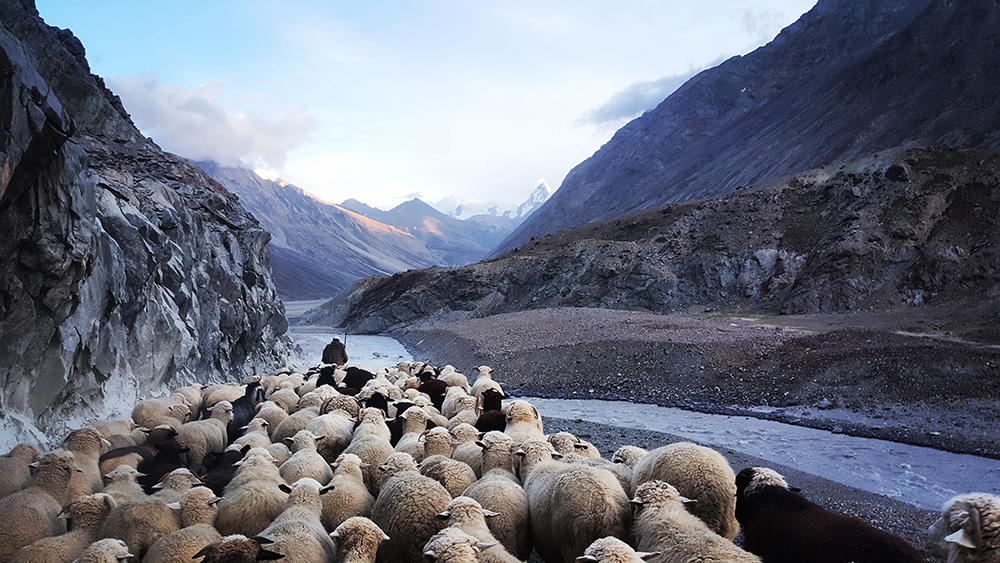

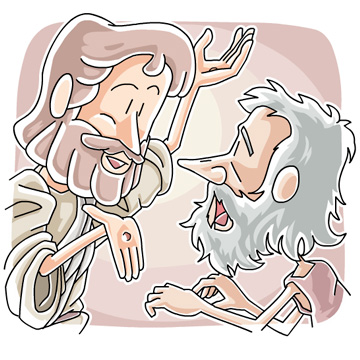


 “Happy Birthday!” today is the feast of Pentecost, and today is the birth of the Church. We should rejoice because our Church is getting older by age, but getting ever stronger by vitality and creativity in preaching the Good News. Yet, the question is why we celebrate the birthday of the Church on the Pentecost Sunday?
 “Selamat ulang tahun!” Hari ini adalah hari raya Pentekosta, dan hari ini adalah kelahiran Gereja. Kita harus bersukacita karena Gereja kita bertambah dalam usia, tetapi semakin kuat, bijaksana dan kreatif dalam memberitakan Kabar Baik. Namun, pertanyaannya adalah mengapa kita merayakan ulang tahun Gereja pada hari Minggu Pentekosta?
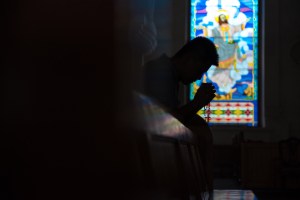 We are aware that prayer is a fundamental part of Jesus’ life. He prays on a regular basis, and especially when He is preparing to embrace decisive events, like Baptism on the Jordan [Luke 3:21], the election of the twelve apostles [Luke 6:12], transfiguration [Luke 9:28], and the Passion [Matt 26:36–44]. However, we seldom hear what Jesus says in His prayers. In the Synoptic Gospels [Matthew, Mark, and Luke], we are fortunate enough to hear Jesus’ compact and emotional prayer in the Garden of Gethsemane before He enters into His Passion. However, John the evangelist makes sure that we are going to discover what Jesus prays, and it is substantially longer than we ever heard before.
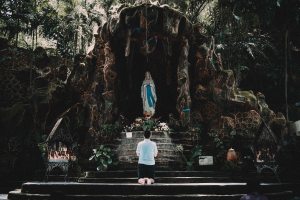 Doa adalah bagian mendasar dari kehidupan Yesus. Dia berdoa secara teratur, dan terutama ketika Dia bersiap untuk merangkul peristiwa-peristiwa yang menentukan, seperti Pembaptisan di Sungai Yordan [Lukas 3:21], pemilihan kedua belas rasul [Lukas 6:12], transfigurasi [Lukas 9:28], dan jalan salib-Nya [Mat 26:36-44]. Namun, kita jarang mendengar apa yang Yesus katakan dalam doa-doanya. Dalam Injil Sinoptik [Matius, Markus dan Lukas] kita cukup beruntung mendengar doa Yesus yang pendek dan emosional di Taman Getsemani sebelum Dia memasuki sengsara-Nya. Namun, penginjil Yohanes memastikan bahwa kita akan menemukan apa yang Yesus doakan dan hal ini jauh lebih panjang daripada yang pernah kita dengar sebelumnya.
 In Medio Ecclesiae