Pilgrims of Hope

The Epiphany [C]
January 5, 2025
Matthew 2:1-12

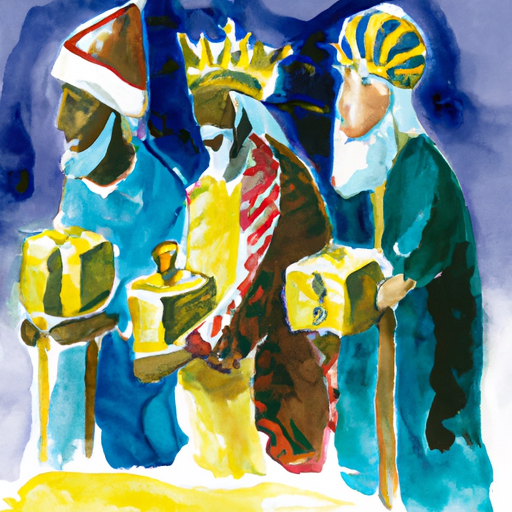
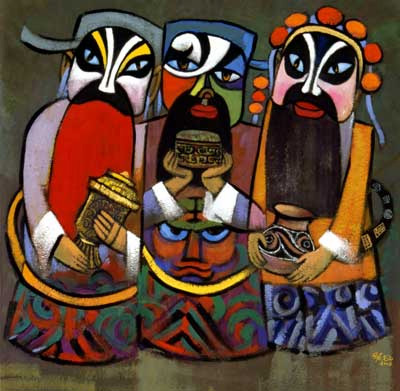
Only Matthew recorded the story of the Magi from the East, devoting just 12 verses to it (around 1.12% of his Gospel). Yet, Christians throughout generations have found this story deeply fascinating and full of mysteries. Who were these Magi? Were there really three of them? Where exactly did they come from in the East? What was the “star” they saw? What is the meaning behind their gifts? While these questions remain the subject of debate and discussion, one thing draws us all to this story—we can all relate to the experience of the Magi. But what exactly is this shared experience?
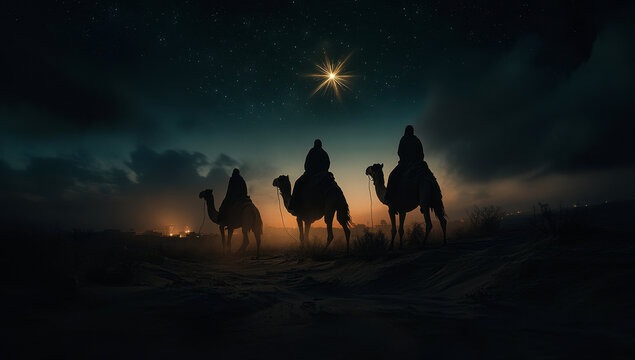
We are captivated by the Magi’s journey because we, too, are journeying. Every day, we travel—from home to school or work, from one place to another. Every Sunday, we journey to church. Occasionally, we explore new places for vacation, discovery, or pilgrimage. At other times, we are compelled to go places we would rather avoid, like hospitals. At a deeper level, life itself is a journey. From the moment we leave our mother’s womb until we reach our final destination, we are constantly moving through time and space. Deep within, we ask ourselves, “Where are we going? Does my journey have a purpose?”

The story of the Magi offers us answers to these fundamental questions. When the Magi discovered the “star” of the newborn King, they knew they had to find Him. However, they could have misinterpreted the star’s meaning. Along the way, they faced potential dangers and unforeseen challenges. The risks were enormous. Yet, they did not give up easily. As true pilgrims, they pressed on with hope—hope to find the One they desired most.

Matthew gives us few details about their journey, leaving much to our imagination. Yet, we can sense their surprise when they failed to find the newborn King in Jerusalem. They likely expected the King to be the son of Herod, the reigning monarch. Despite this setback, they did not lose hope but continued their search. Their surprise grew even greater when they found the baby King in the humble home of Joseph and Mary. Yet again, despite unmet expectations, their hope pointed them to this little baby would become the King of Israel, and thus, they offered their homage and gifts. The Magi became the first non-Israelites to accept Jesus. Their journey reminds us of St. Paul’s words: “Hope does not disappoint” (Romans 5:5).

Like the Magi, we, too, are pilgrims in this world. At times, we feel unsure of our paths, surrounded by uncertainties. Sometimes, our journey seems meaningless, especially when we are tired or lost. Often, we are afraid to face challenges and dangers. Yet, deep inside, we know we must keep moving forward, hoping that our journey toward Jesus will bear fruit. For it is He whom our hearts desire most. Gabriel Marcel, a Catholic philosopher, beautifully expresses this in his book Homo Viator, “I almost think that hope is for the soul what breathing is for the living organism. Where hope is lacking, the soul dries up and withers…” We are pilgrims on earth—not of fear or despair, but of hope.

Rome

Valentinus Bayuhadi Ruseno, OP

Guide Questions

Are we aware that we are sojourners on this earth, not permanent residents? Do we recognize our true destination? What efforts do we make to stay on the right path? How do we respond to challenges and troubles in our journey? How can we keep our hope alive during this long journey?

Peziarah dengan Harapan

Epifani [C]

5 Januari 2025

Matius 2:1-12

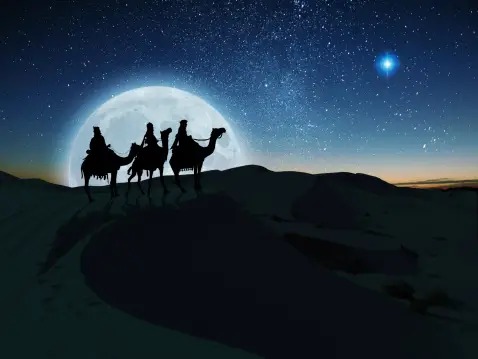
Hanya Matius yang mencatat kisah orang Majus dari Timur, dengan hanya 12 ayat (sekitar 1,12% dari Injilnya). Namun, umat Kristiani dari generasi ke generasi selalu melihat kisah ini sangat menarik dan penuh dengan misteri. Siapakah orang-orang Majus ini? Benarkah mereka berjumlah tiga orang? Dari mana tepatnya mereka datang dari Timur? Apakah “bintang” yang mereka lihat? Apa makna di balik pemberian mereka? Sementara pertanyaan-pertanyaan ini masih menjadi bahan perdebatan dan diskusi, ada satu hal yang membuat kita tidak berbeda dengan para Majus. Apakah itu?

Kenapa kita bisa terpikat oleh kisah perjalanan orang Majus karena kita juga sejatinya sedang melakukan perjalanan. Setiap hari, kita melakukan perjalanan, dari rumah ke sekolah atau tempat kerja, dari satu tempat ke tempat lain. Setiap hari Minggu, kita melakukan perjalanan ke gereja. Terkadang, kita menjelajahi tempat-tempat baru untuk berlibur atau berziarah. Di lain waktu, kita terpaksa untuk pergi ke tempat-tempat yang kita tidak sukai, seperti rumah sakit karena kita sakit. Sejatinya, hidup kita itu sendiri adalah sebuah perjalanan. Dari saat kita meninggalkan rahim ibu kita, hingga kita mencapai tujuan akhir kita, kita terus bergerak melintasi ruang dan waktu. Kita adalah peziarah di dunia ini. Jauh di dalam hati, tidak jarang kita bertanya, “Ke mana saya pergi? Apakah perjalanan saya memiliki tujuan?”

Kisah para Majus memberikan kita jawaban atas pertanyaan-pertanyaan mendasar ini. Ketika para Majus menemukan “bintang” sang Raja yang baru lahir, mereka tahu bahwa mereka harus menemukan-Nya. Namun, mereka bisa saja salah menafsirkan arti bintang itu. Di sepanjang perjalanan, mereka bisa saja menghadapi potensi bahaya dan tantangan yang tak terduga. Risikonya sangat besar. Namun, mereka tidak menyerah. Sebagai peziarah sejati, mereka terus maju dengan satu harapan untuk menemukan Dia yang paling mereka dambakan.

Matius hanya memberikan sedikit rincian tentang perjalanan mereka, dan membiarkan imajinasi kita mengambilnya selebihnya. Namun, kita dapat merasakan betapa terkejutnya mereka ketika mereka gagal menemukan Raja yang baru lahir di Yerusalem. Mereka mungkin berharap bahwa Raja itu adalah putra Herodes, raja yang sedang berkuasa pada saat itu. Meskipun mengalami kegagalan, mereka tidak hilang harapan dan terus melanjutkan perjalanan mereka. Rasa terkejut mereka semakin menjadi-jadi ketika mereka menemukan Raja mungil di rumah Yusuf dan Maria yang sederhana. Sekali lagi, walaupun di luar bayangan mereka, mereka tidak berhenti berharap bahwa kelak, bayi ini sungguh akan menjadi raja besar, dan mereka memberikan penghormatan dan persembahan. Para Majus menjadi orang non-Israel pertama yang menerima Yesus. Perjalanan mereka mengingatkan kita akan kata-kata Santo Paulus: “Pengharapan tidak mengecewakan” (Roma 5:5).

Seperti orang Majus, kita juga adalah peziarah di dunia ini. Terkadang, kita merasa tidak yakin dengan jalan kita, dikelilingi oleh ketidakpastian. Terkadang, perjalanan kita tampak tidak berarti, terutama ketika kita lelah atau tersesat. Seringkali, kita takut menghadapi tantangan dan bahaya. Namun, jauh di dalam lubuk hati kita, kita tahu bahwa kita harus terus melangkah maju, karena sebuah pengharapan bahwa perjalanan kita menuju Yesus akan menghasilkan buah sejati. Karena Dialah yang paling dirindukan oleh hati kita. Gabriel Marcel, seorang filsuf Katolik, dengan indah mengungkapkan hal ini dalam bukunya Homo Viator, “Saya berpikir bahwa harapan bagi jiwa adalah seperti bernapas bagi organisme hidup. Di mana harapan tidak ada, jiwa menjadi kering dan layu…” Kita adalah peziarah di bumi ini, dan kita berjalan bukan karena takut atau putus asa, tetapi karena pengharapan.

Roma

Valentinus Bayuhadi Ruseno, OP

Pertanyaan Panduan

Apakah kita sadar bahwa kita adalah pendatang di bumi ini, bukan penghuni tetap? Apakah kita mengenali tujuan kita yang sebenarnya? Upaya apa yang kita lakukan untuk tetap berada di jalan yang benar? Bagaimana kita menanggapi tantangan dan masalah dalam perjalanan kita? Bagaimana kita dapat menjaga harapan kita tetap hidup selama perjalanan panjang ini?

The Magi and the Truth

The Epiphany of the Lord
January 7, 2024
Matthew 2:1-12 [B]

The Christmas season ends with the feast of Epiphany. This ancient feast is associated with the story of the Magi from the East who visited the child Jesus in Bethlehem. The story is a fitting conclusion to the Christmas season since the Magi represented the nations of the world who came and worshiped the newborn king. Jesus was born not only to be the Messiah of the Jews but also the Savior of the nations.

The identity of the Magi remains largely a mystery. The earliest depiction in the Basilica of the Nativity in Bethlehem presented them dressed in Persian clothes (presently Iran). But, some fathers of the Church believed that they were Chaldeans (now Iraq). Others still argued that they were coming from northern Syria because they were thought to be the descendants of Baalam (see Num 22). Finally, we are not really sure. The Bible describes them as ‘Magos’; in the Bible itself, ‘Magos’ has ambiguous meanings. The word Magos can be negatively associated with a sorcerer, one who practiced magic and even to earn money and fame (see Acts 13:6). Yet, the term can also be translated as a sage or wise man, one who dedicated himself in search of Truth.

The Church’s traditions tend to see the Magi as the wise men from the East. These were people who offered their lives in search of the Truth. Yet, living two millennia before us, they did not enjoy the fruits of scientific revolutions and methods. They had to rely on limited resources and information, often mixed with myths and superstitions. They did not have chemistry yet, but rather alchemy (protoscience that aims to transform one material into something else like gold or medicine). They did not yet understand astronomy principles but contended with astrology (a pseudo-science that reads the celestial bodies and how they relate to human fates). The majority of their literature probably dealt with magic rather than true science.

However, despite their limitations, God recognized their sincere effort and thus led them to the Truth himself through the star. After all, God placed in their hearts the profound thirst for Truth. They proved their commitment as they left their palaces’ comfort and embarked on a long, dangerous journey. We are also not sure what Baltazar, Melchior, and Gaspar (as the tradition calls them) truly experienced when they discovered Jesus, the Truth. We are confident that the Magi are the symbols of humanity in search of Truth for God Himself.

Like the Magi, God also created us as beings that possess a fundamental hunger for Truth. Unfortunately, this hunger for Truth does not find its fulfillment because of sins. The sin of laziness poisons our desire for Truth and chains us in our comfort zones. The sin of lust turns our desire for Truth into carnal desire. The sin of pride makes us believe that we already possess the Truth and we do not need God’s grace. Learning from the Magi, we recognize that sciences are also parts of God’s providence to lead us into ultimate Truth to Himself.

Rome
Valentinus Bayuhadi Ruseno, OP

Orang Majus dan Kebenaran

Hari Raya Penampakan Tuhan – Epifani [B]
7 Januari 2024
Matius 2:1-12

Masa Natal berakhir dengan perayaan Epifani. Perayaan kuno ini erat hubungannya dengan kisah orang Majus dari Timur yang mengunjungi bayi Yesus di Bethlehem. Kisah ini merupakan penutup yang tepat untuk masa Natal karena orang Majus mewakili bangsa-bangsa di dunia yang datang dan menyembah raja yang baru lahir. Yesus lahir bukan hanya sebagai Mesias bagi orang Yahudi, tetapi juga Juruselamat bagi semua bangsa.

Identitas orang Majus masih menjadi misteri besar. Lukisan paling awal di Basilika Kelahiran Yesus di Bethlehem menampilkan mereka mengenakan pakaian Persia (sekarang Iran). Namun, beberapa bapa Gereja percaya bahwa mereka adalah orang Kasdim (sekarang Irak). Yang lain berpendapat bahwa mereka berasal dari Suriah utara karena mereka dianggap sebagai keturunan Baalam (lihat Bil. 22). Alkitab menggunakan kata ‘Magos’, dan di dalam Alkitab sendiri, kata ‘Magos’ memiliki arti yang ambigu. Kata Magos dapat diasosiasikan secara negatif dengan tukang sihir, untuk mendapatkan uang dan ketenaran (lihat Kisah13:6). Namun, istilah ini juga dapat diterjemahkan sebagai orang bijak, mereka yang mendedikasikan dirinya untuk mencari Kebenaran.

Tradisi Gereja cenderung melihat orang Majus sebagai orang bijak dari Timur. Mereka adalah orang-orang yang memberikan hidup mereka untuk mencari Kebenaran. Namun, hidup dua milenium sebelum kita, mereka tidak menikmati metode ilmiah dan ilmu pengetahuan modern. Mereka harus mengandalkan sumber daya dan informasi yang terbatas, yang sering kali bercampur dengan mitos dan takhayul. Mereka belum mengenal ilmu kimia, melainkan alkimia (proto-sains yang bertujuan untuk mengubah suatu bahan menjadi bahan lain seperti emas atau obat-obatan). Mereka belum memahami prinsip-prinsip astronomi, namun mereka lebih banyak berkutat pada astrologi (ilmu semu yang membaca benda-benda langit dan bagaimana hubungannya dengan nasib manusia). Mayoritas literatur mereka mungkin lebih banyak membahas tentang ilmu gaib daripada ilmu pengetahuan yang benar.

Namun, terlepas dari keterbatasan mereka, Tuhan melihat upaya tulus mereka, dan dengan demikian menuntun mereka kepada Kebenaran sejati melalui bintang-Nya. Bagaimanapun juga, Tuhan jugalah menempatkan kehausan yang mendalam akan Kebenaran di dalam hati mereka. Mereka membuktikan komitmen mereka ketika mereka meninggalkan kenyamanan istana mereka dan memulai perjalanan yang panjang dan berbahaya. Kita juga tidak yakin apa yang sebenarnya dialami oleh Baltazar, Melkior, dan Gaspar (sebagaimana tradisi menyebutnya) ketika mereka menemukan Yesus, Sang Kebenaran. Namun, kita yakin bahwa orang Majus adalah simbol dari umat manusia yang sedang mencari Kebenaran untuk Tuhan sendiri.

Seperti orang Majus, Tuhan juga menciptakan kita sebagai makhluk yang memiliki rasa lapar yang mendalam akan Kebenaran. Sayangnya, rasa lapar akan Kebenaran ini sering kali tidak terpenuhi karena dosa. Dosa kemalasan meracuni hasrat kita akan Kebenaran dan membelenggu kita dalam zona nyaman. Dosa hawa nafsu mengubah keinginan kita akan Kebenaran menjadi keinginan daging. Dosa kesombongan membuat kita percaya bahwa kita telah memiliki kebenaran dan kita tidak membutuhkan rahmat Allah. Belajar dari orang Majus, kita menyadari bahwa ilmu pengetahuan juga merupakan bagian dari penyelenggaraan Allah untuk menuntun kita ke dalam Kebenaran yang hakiki.

Roma
Valentinus Bayuhadi Ruseno, OP

Emas, Mur dan Kemenyan

Epifani [A]
8 Januari 2023
Matius 2:1-12

Kisah orang Majus memiliki apa yang diperlukan untuk menjadi kisah petualangan yang luar biasa. Kisah ini dimulai dengan perjalanan panjang dan penuh tantangan orang-orang Majus dari timur yang mencari harta karun yang besar, yaitu Raja yang baru lahir. Ada juga bintang misterius yang membimbing mereka. Kemudian, tokoh antagonis, dalam diri Herodes, muncul. Dia tampaknya seorang pria yang suka menolong dan tulus, tetapi diam-diam menyembunyikan niat jahatnya dan berencana untuk menghancurkan Raja sejati. Kemudian kejutan! Para Majus menemukan sang Raja mereka pada kondisi yang paling tak terduga: bukan di istana, tapi di rumah sederhana, bukan dalam kekayaan, tetapi dari keluar sederhana, bukan raja biasa, tapi Sang Imanuel, Allah-bersama-kita. Kemudian, sebagai penutup, orang-orang Majus berhasil lolos dari raja gila karena mereka diperingatkan dalam mimpi dan kembali ke negara mereka sendiri melalui jalan yang berbeda dan lebih aman.

Matius adalah seorang narator yang jenius, dan mengizinkan kita, para pembacanya, untuk menjadi bagian dari cerita ini. Sebagian besar dari kita bisa dengan mudah mengidentifikasi diri kita dengan orang-orang Majus. Ia juga membiarkan beberapa elemen ceritanya ‘tidak lengkap’ sehingga kita bisa mengisinya dengan interpretasi dan imajinasi kita. Salah satunya adalah tiga persembahan orang Majus. Lalu, mengapa mereka mempersembahkan emas, kemenyan, dan mur?

Salah satu jawaban paling awal berasal dari St. Irenaeus (sekitar 200 M). Dia mengatakan bahwa tiga persembahan itu mewakili identitas dan misi Kristus. Emas adalah salah satu logam yang paling berharga, dan ini menjadi simbol dari Kristus Sang Raja. Kemenyan berkualitas tinggi juga merupakan sesuatu yang berharga digunakan untuk ritual keagamaan, dan ini menjadi simbol keilahian dan imamat Kristus. Sementara itu, mur adalah rempah-rempah berharga yang digunakan dalam penguburan (lihat Yoh 19:39), dan ini merujuk pada kematian dan kodrat manusia Yesus. St. Thomas Aquinas dari abad ke-13, dalam tafsirannya tentang Injil Matius, menjelaskan bahwa pemberian-pemberian ini memiliki tujuan yang lebih praktis. Emas adalah untuk membantu Keluarga Kudus yang berkekurangan secara finansial. Mur mungkin digunakan untuk menghangatkan tubuh bayi, dan kemenyan untuk menghilangkan bau tidak enak.

Penafsiran lain yang menarik adalah bahwa emas, mur, dan kemenyan adalah bahan yang digunakan dalam alkimia dan sihir kuno. Orang Majus (dari kata ‘magos’ dan akar kata ‘magic’) diyakini terlibat dalam kegiatan sihir, tetapi ketika mereka menemukan Yesus, mereka memutuskan untuk meninggalkan hal-hal ini dan menemukan cara baru dalam hidup mereka. Dengan demikian, karunia-karunia ini melambangkan pertobatan orang Majus kepada iman yang sejati.

Namun, secara pribadi saya cenderung ke arah penafsiran yang paling sederhana. Orang Majus mempersembahkan benda-benda ini karena hal-hal ini adalah benda-benda yang paling berharga yang mereka miliki saat itu. Mereka mempersembahkan yang terbaik yang mereka miliki kepada Raja sejati. Ini adalah sikap yang tepat untuk menghormati sang raja dan juga menyembah Tuhan. Di dalam Alkitab, tindakan penyembahan melibatkan persembahan yang terbaik yang kita miliki kepada Tuhan. Orang Majus menemukan Allah yang benar dan menyembah-Nya. Hal ini mengubah hidup mereka dan membawa sukacita dan keselamatan bagi mereka.

Kisah Epifani menyadarkan kita bahwa umat manusia memiliki tujuan, yaitu untuk menemukan Tuhannya. Kita sangat diberkati karena kita telah menemukan Allah kita. Namun, pertanyaannya adalah: apakah kita ingin menyembah Dia? Apa yang akan kita persembahkan kepada-Nya? Apakah kita bersedia memberikan hal-hal yang paling berharga dalam hidup kita? Apakah kita ingin hidup kita diubahkan? Sampai kita mempersembahkan emas, mur, dan kemenyan kita, itu belum mencapai akhir yang bahagia dan mulia.

Roma
Valentinus Bayuhadi Ruseno, OP

Gold, Myrrh and Frankincense

The Epiphany [A]
January 8, 2023
Matthew 2:1-12

The story has what it takes to be magical. It begins with a long and adventurous journey of people searching for a great treasure, the new-born King. There is also a mysterious star that guides them. Then, the antagonist, in the person of Herod, appears. He seems to be a helpful and sincere guy, but secretly hides his evil intention and plot to destroy the true King. Here comes the twist. The main characters discover their King in the most unexpected way: a little child in a humble house with His poor family, yet He is also Emmanuel, God-with-us. Then, for the finale, the Magi barely escape the mad king as they are warned in a dream and return to their own countries through a different and safer way.

Matthew is a genius storyteller, and allows us, his readers, to be part of the story. Most of us can easily identify ourselves with the Magi. He also leaves some elements ‘incomplete’ so that we may fill them in with our interpretation and imagination. One of those is the Magi’s gifts. Why do they offer gold, frankincense, and myrrh?

One of the earliest answers comes from St. Irenaeus (ca. 200 AD). He said that the gifts represent the identity and mission of Christ. Gold is one of the most precious and expensive metals, and this is for His kingship. Frankincense is a resin from a particular plant and is commonly used for religious ritual, and this is the symbol of His divinity and priesthood. Meanwhile, myrrh is a spice used in burial (see John 19:39), and this points to His death and human nature. St. Thomas Aquinas in his commentary on Matthew explained that these gifts served practical purposes. Gold is to support the Holy Family, who was poor. Myrrh may be used to warm the baby’s body, and frankincense to remove the stench.

Another interesting interpretation is that gold, myrrh, and frankincense are materials used in ancient alchemy and sorcery. Magi (from ‘magos’ and the root word of ‘magic’) were believed to be involved in magical activities, but when they discover Jesus, they decide to give up these things and find a new way in their lives. Thus, these gifts represent the conversion of the Magi to true faith.

However, I am personally inclined towards the simplest interpretation. The Magi offered these items because these gifts were the most precious things in their possessions. They offered the best they had to the true King. This is a fitting gesture of honoring a king as well as worshiping God. In the Bible, acts of worship involve offering the best we have to God. The Magi discovered the true God and worshipped Him. This transformed their lives and brought them joy and salvation.

The story of Epiphany tells us that the human race has a purpose, that is to find its God. We are extremely blessed because we have discovered our God. Yet, the question is: do we wish to worship Him? What will we offer to Him? Are we willing to give the most precious things in our lives? Do we desire our lives to be transformed? Until we offer our gold, myrrh, and frankincense, it is not yet a glorious ending.

Rome
Valentinus Bayuhadi Ruseno, OP

The Magi are We

The Solemnity of the Epiphany [C]

January 2, 2022

Matthew 2:1-12

The season of Christmas reaches its culmination in the feast of Epiphany. Epiphany comes from a Greek word that means ‘to appear.’ Thus, the feast is celebrating the appearance of Jesus to the nations represented by the Magi. We are not sure who these Magi are, but the traditions have that they are wise men from the East, most probably from Persia or present-day Iran. The bible does not give us the exact number, let alone the names, but the tradition calls them Baltazar, Gaspar, and Melchior.

photocredit: Jonathan Meyer

If we try to go back to the beginning of Matthew, we will discover the genealogy of Jesus Christ. Matthew begins with Abraham, the patriarch of Israel, David, the greatest king of Israel, and Joseph, a simple yet righteous Jewish man. Matthew demonstrates to us that Jesus is the fulfillment of God’s promise to Abraham, David, and Israel. He is coming as the Jewish Messiah. A Catholic philosopher and theologian, Peter Kreeft, summarizes the Gospel of Matthew as ‘A Gospel from a Jew, for the Jews about the Jewish Messiah.’

Yet, the same evangelist presents us with a large picture. Though Jesus was coming from the line of David and raised as a Jewish man as a devout Israelite family, Jesus was not an ‘exclusivist’ Messiah. Jesus is the Anointed One of the Jewish people only, but He is the Savior for all the world. This identity is manifested in the visit of the Magi.

The three Magi are not Israelites, and in fact, they might worship other gods. Yet, they knew that deep inside, something is still missing. In their human wisdom, they keep on searching for the truth that will satisfy their deepest longing. Their research and investigation prompt them to look for a newborn king. When they finally see the baby Jesus, they prostrate themselves in the act of adoration and worship and acknowledge that this baby is not just an ordinary king of a small nation in the Middle East. He is the king of kings.

We are the Magi. Most of us are not Jewish people, let alone coming from the line of David, but we are looking for something or someone that will fill our deepest desire. However, we are much fortunate than the Magi. They need to learn and gain wisdom through the years, and sometimes, they stumble into errors because of human weakness. God gives a much clearer direction toward truth and salvation by becoming a man. He is the way, the truth, and the life [John 14:6]. His word is a lamp to our feet and a light unto our path [Psa 119:105]. His body is real food, and His blood is real drink, and we who partake in Him shall have life [John 6:51-57].

Compared to the Magi, with Jesus and His Church, we have a highway to true blessedness. Now, the real question is whether we are humble enough like the Magi to acknowledge that we need God and commit ourselves to walk in His way?

Valentinus Bayuhadi Ruseno, OP

Orang Majus adalah Kita

Hari Raya Penampakan Tuhan [C]

2 Januari 2022

Matius 2:1-12

Masa Natal mencapai puncaknya pada hari raya Epifani. Kata Epifani sendiri berasal dari kata Yunani yang berarti ‘penampakan’. Dari nama ini, kita bisa menyimpulkan bahwa Epifani merayakan penampakan Yesus ke bangsa-bangsa yang diwakili oleh orang-orang Majus. Kita tidak yakin siapa sebenarnya orang Majus ini, tetapi tradisi mengatakan bahwa mereka adalah orang bijak dari Timur, kemungkinan besar dari Persia atau Iran saat ini. Alkitab tidak memberi kita jumlah pastinya, apalagi namanya, tetapi tradisi mengatakan bahwa mereka adalah Baltazar, Gaspar dan Melchior.

photocredit: Rod Long

Jika kita mencoba kembali ke awal Injil Matius, kita akan menemukan silsilah Yesus Kristus. Matius mulai dengan Abraham, bapa bangsa Israel, lalu Daud, raja terbesar Israel dan hingga pada Yusuf, seorang pria Yahudi yang sederhana namun benar. Matius menunjukkan kepada kita bahwa Yesus adalah penggenapan janji Allah kepada Abraham, kepada Daud, dan kepada Israel. Dia datang sebagai Mesias Yahudi. Seorang filsuf dan teolog Katolik, Peter Kreeft, merangkum Injil Matius sebagai ‘Sebuah Injil dari seorang Yahudi, untuk orang-orang Yahudi tentang Mesias Yahudi’.

Namun, penginjil yang sama memberi kita gambaran yang jauh lebih besar. Meskipun Yesus berasal dari garis keturunan Daud dan dibesarkan sebagai orang Yahudi oleh keluarga Israel yang taat, Yesus bukanlah Mesias yang ‘eksklusif’. Yesus bukan hanya Mesias untuk orang-orang Yahudi saja, tetapi Dia adalah Juruselamat bagi seluruh dunia. Identitas ini diwujudkan dalam kunjungan orang-orang Majus.

Ketiga orang Majus itu bukan orang Israel, dan kenyataannya, mereka mungkin tidak menyembah Allah yang benar. Namun, mereka tahu bahwa jauh di lubuk hati, ada sesuatu yang masih hilang. Dalam kebijaksanaan manusiawi, mereka terus mencari kebenaran yang akan memuaskan kerinduan terdalam mereka. Penelitian dan penyelidikan mereka mendorong mereka untuk mencari raja yang baru lahir. Ketika akhirnya mereka melihat bayi Yesus, mereka sujud menyembah sang bayi, dan mengakui bahwa bayi ini bukan hanya raja biasa dari sebuah bangsa kecil di Timur Tengah. Dia adalah raja dari segala raja, dan Dia hadir bagi semua orang yang dengan tulus mencari-Nya.

Kita adalah orang Majus. Sebagian besar dari kita bukan orang Yahudi, apalagi berasal dari garis keturunan Daud, tetapi kita sedang mencari sesuatu yang akan memenuhi keinginan terdalam kita. Namun, kita jauh lebih beruntung daripada orang Majus. Mereka perlu belajar dan mencari kebijaksanaan selama bertahun-tahun, dan terkadang, mereka tersandung ke dalam kesalahan karena kelemahan manusia.

Dengan menjadi manusia, Tuhan memberikan arah yang lebih jelas menuju kebenaran dan keselamatan. Dialah jalan, kebenaran dan hidup [Yohanes 14:6]. Firman-Nya adalah pelita bagi kaki kita dan terang bagi jalan kita [Mzm 119:105]. Tubuh-Nya adalah sungguh-sungguh makanan, dan darah-Nya adalah sungguh-sungguh minuman, dan kita yang mengambil bagian di dalam Dia akan memiliki hidup [Yohanes 6:51-57].

Dibandingkan dengan orang Majus, kita seperti memiliki jalan toll menuju kebahagian yang sejati. Sekarang, pertanyaan sebenarnya adalah apakah kita mau rendah hati seperti orang Majus untuk mengakui bahwa kita membutuhkan Tuhan dan berkomitmen untuk berjalan di jalan-Nya?

Valentinus Bayuhadi Ruseno, OP

Shocking Appearance of the Lord

The Epiphany of the Lord. January 3, 2016 [Mathew 2:1-12]

“They were overjoyed at seeing the star, 11 and on entering the house they saw the child with Mary his mother (Mat 2:10-11).”

Today we are celebrating the Epiphany of the Lord. The word Epiphany comes from the Greek word ‘epiphananie’, meaning ‘appearance’. Therefore, today is also known as the feast of the manifestation of the Lord. This celebration is considered to one of the oldest and most important because the Baby God invited not only the Jews, but also the Gentiles, represented by the three Magi, to visit and finally worship Him. In His earliest appearance, Jesus brought light to all the nations.

One little question may linger: why did the three Magi from the East follow the star? Their journey was based on an ancient belief that the birth of a great king was signified by the appearance of new star in the sky. Yet, we are never sure what ‘star’ the Magi actually saw. Was it a comet, a supernova, unusual constellation, a planet, or supernatural light? One thing we are sure of. This star possessed a greatest importance, that Gaspar, Balthazar and Melchior abandoned the comfort of their homeland, traveled thousand miles westward and faced all the dangers and uncertainties.

Yet, just like many Israelites who expected a Messiah-King, the first thing the Easterners did was to visit a palace. And just like the entire Jewish nation, they were mistaken. They discovered Herod who did not wish to have another ruler except himself and the Jewish religious leaders who did not see the star coming. There was no infant-King in that strong and richly decorated castle.

The experience of epiphany shocked everyone. The Magi, however, reacted differently from king Herod and the high priests. While Jewish leaders ignored the divine guide, and selfish Herod secretly conspired the murder of the baby, the three good men chose to learn from their mistake and move on in their journey. In fact, going away from the center of power and pride was a liberating and joyful experience for the three. Re-directing their expectation and re-aligning with the star, they finally found the baby Jesus. Yet again, the noblemen from the East were puzzled to see the great King at the most unworthy place. The Prince of Heaven was the son of a poor carpenter and a simple woman from an unassuming village, Nazareth. The Creator was born among lowly men, animals and plants at the unhygienic manger. Despite all these unexpected events, the old good men found overjoyed because they saw God. Indeed, our God is the God of surprises.

Epiphany or the appearance of the Lord in our lives will certainly jolts us, shatters our expectations and blow away our plans. Are we going to be like the Jewish leaders who dismiss the presence of God in the unlucky events? Are we going to be like Herod who was totally upset and force things according to his will? Or, like the Magi, we allow ourselves to be surprised and to embrace it as the moment of grace?

When I asked a friend on what his plans and expectations on 2016, he replied, “I don’t plan, but God plans for me!” Perhaps, in the same spirit, the best answer when some people asking me, “When will my ordination be?” my surest answer was ‘In God’s time!’ What are your plans and resolutions in 2016? Are you ready to be surprised? Are we prepared to see God and be blessed this year?

Br. Valentinus Bayuhadi Ruseno, OP