

The Solemnity of the Body and Blood of Christ [June 23, 2019] Luke 9:11-17
 Today the Church is celebrating the solemnity of the Body and Blood of Jesus Christ. In many countries like Indonesia, today is the best time for the children who are already prepared to receive their first Holy Communion. I still recall the day I partook of the sacred host and the holy wine. Many of us were around 10 years old, old enough to recognize the presence of Christ in the Eucharist and we were dressed in white. I was wearing long-sleeved white shirt with a tie and black pants. When the priest dipped the white bread into the chalice of wine and said, “the body and blood of Christ”, I said “Amen.” It was my first time to savor the sweetness of wine, and of course, alcoholic beverage!
At that moment, I just knew the reception of sacred host is necessary to complete the Eucharist, and I was aware I was receiving a blessing, but I never truly comprehend the profound meaning of the great mystery. For me, it was just enough that I attend the mass and consume the consecrated host. It has become a routine and tradition, from Sunday to Sunday, to from month to month, from year to year. Till we become parents and we also bring our children for their first communion. And when somebody asks us, “why do you bring your children to the first communion?”, our answer may be like, “Well, we want our kids to be like us. It is just a family tradition.” The answer is simple, but too simple that it draws more questions: why bread and wine? Why Body and Blood of Jesus? Why does it have to be eaten?
We often forget to realize that this sacred host and wine are the entire Jesus Christ Himself, with all humanity and divinity. Thus, God offers Himself to be eaten. Why eating God? The answers lie on the pages of our Old Testament. Firstly, we recall that our first parents fell because of the act of eating. Now, in the Eucharist, God uses the same act of eating to restore men and women into grace. Secondly, in the middle of the garden of Eden, there were two trees, the forbidden tree, the tree of the knowledge of good and evil, and the tree of life [Gen 2:9]. Unfortunately, our first parents chose to eat the fruits from the forbidden tree. Thus, to restore humanity to grace, now God offers us the fruits from the tree of life, the tree of the cross of Christ. Thirdly, we remember the first Passover was about the story of how God liberated Hebrew people from the slavery of Egypt. The Passover began with the slaughter of the lamb, and its blood was sprinkled on the doors of the Israelite house so that their firstborns would be saved from death. Yet, the slaughter and the sprinkling of blood were not the summit of Passover. The Hebrew people had to consume the lamb as to complete their first Passover [Exo 12:8]. Now, Jesus the Lamb of God, has been sacrificed on the cross, yet it is not the end. Like the Hebrew Passover, we need to consume the Lamb of God to complete our New Passover, the Eucharist.
There are so much themes and aspects we may ponder on the Eucharist, and particularly today, the Church reminds us that the Eucharist, especially the reception of the Holy Communion is not just our Sunday routine, a family tradition. It is of the essential plan of God for our salvation, so that we may have heaven, our Communion with God, the Holy Trinity.
Deacon Valentinus Bayuhadi Ruseno, OP
 Hari ini Gereja merayakan Hari Raya Tubuh dan Darah Yesus Kristus. Di banyak negara seperti Indonesia, hari ini adalah waktu terbaik bagi anak-anak yang sudah siap untuk menerima Komuni Suci pertama mereka. Saya masih ingat hari saya menerima hosti dan anggur suci. Banyak dari kami berusia sekitar 10 tahun, cukup dewasa untuk mengenali kehadiran Kristus dalam Ekaristi. Saya ingat bahwa saya mengenakan kemeja putih lengan panjang dengan dasi kecil dan celana hitam. Ketika pastor mencelupkan hosti putih ke dalam piala anggur, dan berkata “tubuh dan darah Kristus”, saya berkata “Amin.” Ini adalah pertama kalinya saya menikmati manisnya anggur, dan tentu saja, minuman beralkohol!
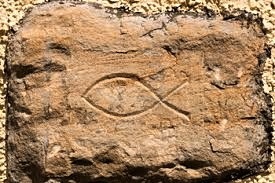 If we observe the Gospel readings of the past days and Sundays, we will notice that most of them are speaking about the risen Christ’s appearances to His disciples. One unnoticeable yet interesting feature in these stories is that of the presence of food.
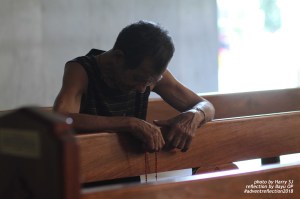 The second question that Archbishop Socrates Villegas of Lingayen-Dagupan asked us during our ordination was, “Are you broken enough?” Once again his question raised eyebrows and was, indeed, counter-intuitive. We want to be flawless, whole and perfect. We desire to achieve more in life, to be wealthy, healthy and pretty. We wish to be socially accepted, respected and gain certain prominence. We want to become somebody, and not nobody. We like others to call us as the famous doctors, the creative entrepreneurs, or successful lawyers. Or for us, people in the Church, we like people to consider us well-sought preachers, generous and builder-priests, or skillful and well-educated sisters.
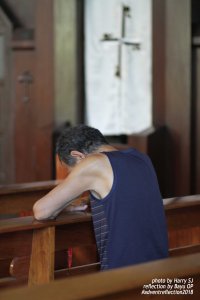 Pertanyaan kedua yang diajukan uskup agung Socrates Villegas dari Lingayen-Dagupan saat saya ditahbiskan adalah, “Apakah kamu sudah cukup terpecah dan remuk?” Sekali lagi pertanyaannya ini mengherankan. Kita ingin menjadi utuh dan sempurna. Kita ingin mendapatkan lebih banyak dalam hidup, menjadi kaya, sehat dan cantik. Kita ingin diterima secara sosial, dan dihormati dan memiliki pencapaian yang dapat dibanggakan. Kita ingin menjadi seseorang. Kita ingin orang lain menyebut kita sebagai dokter terkenal, pengusaha kreatif, atau pengacara yang sukses. Atau bagi kita, orang-orang yang melayani di Gereja, kita suka orang-orang menganggap kita sebagai pengkhotbah yang disukai, imam pembangun, atau suster yang terampil dan berpendidikan.
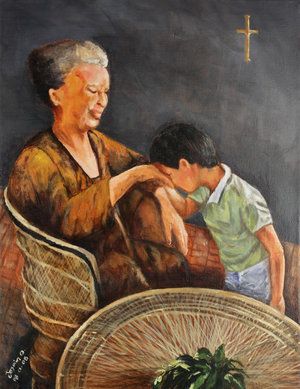 In today’s Gospel, Jesus seems to denounce all traditions. However, this position is rather simplistic and unattainable. The reason is that human beings are the creatures of traditions. Tradition comes from Latin word, “tradere”, meaning “to hand down”. Thus, crudely put, tradition is anything that has been handed down from our predecessors. Traditions range from something tangible like technologies and fashions, to something intangible like values, languages, sciences and many more. I remember how my mother taught me basic Christian prayers, like Our Father, Hail Mary, and the Rosary, and how my father would regularly bring us to the Church every Sunday. This is my family’s religious traditions. As an Indonesian living in the Philippines, I appreciate the “Mano Po” tradition among the Filipinos. This is a simple gesture of respect and blessing. The younger Filipinos are to hold a hand of older Filipino, and place it on their forehead.
 Dalam Injil hari ini, Yesus tampaknya menolak semua tradisi. Namun, pernyataan ini terlalu disederhanakan. Alasannya adalah bahwa manusia adalah makhluk tradisi. Tradisi berasal dari kata Latin, “tradere”, yang berarti “menurunkan”. Jadi, secara sederhana, tradisi adalah segala sesuatu yang telah diturunkan atau diwariskan dari para pendahulu kita. Tradisi berkisar dari sesuatu yang berwujud seperti teknologi, hingga sesuatu yang tidak berwujud seperti bahasa, ilmu pengetahuan, dan banyak lagi. Saya ingat bagaimana ibu saya mengajarkan saya doa-doa dasar, seperti Bapa Kami, Salam Maria, dan Rosario, dan bagaimana ayah saya secara teratur membawa kami ke Gereja setiap Minggu. Ini adalah tradisi agama keluarga saya. Sebagai orang Indonesia yang tinggal di Filipina, saya mengapresiasi tradisi “Pano Po” di antara orang Filipina. Ini adalah sikap menghormati orang yang lebih tua dan juga memberi berkat kepada yang lebih muda. Orang Filipina yang lebih muda akan memegang tangan mereka yang lebih tua, dan meletakkannya di dahi mereka.
 In Medio Ecclesiae