


24th Sunday in Ordinary Time. September 17, 2017 [Matthew 18:21-35]
“Moved with compassion the master of that servant let him go and forgave him the loan. (Mat 18:27)”
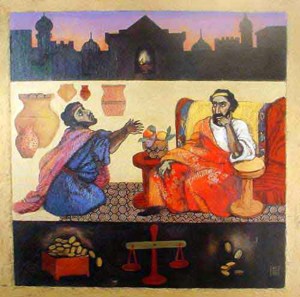
 Why is it difficult to forgive? One of the reasons is that after we are wronged, the immediate reaction is to seek justice or even revenge. We want that the pain and the loss we experienced are also felt by those who inflicted them on us. We want “a tooth for a tooth, an eye for an eye”. Unfortunately, consumed by anger and hatred, our cry for justice can easily turn into an intense desire of revenge. If justice seeks to balance scale, revenge seeks to inflict a greater punishment, or even to destroy those who have harmed us. Unless we get what is due, unless they receive what they deserve, there is no forgiveness.
Despite this intense desire for vengeance, the good news is that the longing for justice is something that is embedded in every human soul. This sense of justice we have and we embrace is what we call human justice. This kind of justice is essential for our daily life because it propels us to reward good works and punish wrong doings. If we work hard for our companies, we deserve a good wage, but if we do not our job, the company has the right to fire us. If we study hard, we expect a good grade and learning, but if we are lazy, we expect no less that a failing mark. If we pay our taxes, we want the government to provide a dependable public service. This sense of justice regulates our daily lives, the school system, work policies and government conducts. Therefore, we are angered by the violence of this justice system. We are angered knowing our officemate who does little, gets the same salary like us. Though I do not want to focus on grade, I am usually pissed off knowing that after exerting much effort, I get a lower grade compared to those who did not study. We will be indignant if our taxes go to the corrupt and incompetent government officials. With this sense of justice, there is no place for forgiveness.
Thus, Peter’s proposal to forgive seven times sounds extraordinary. Yet, Jesus invites us to understand another sense of justice, the justice of God. The human justice begins with us, what we deserve, what is due to us, but the justice of God starts with God. Like the King in the parable, he demands the servant to pay his debt of astronomical amount. This is human justice. Yet, the king knows that he is so rich that the payment of his servant’s debt would not add much to his treasury. Thus, when the servant begs for mercy, the king could easily forgive him. The servant’s debt now turns to be his richness, and from being extremely poor because of the massive debt, he becomes instantly rich. The servant then is expected to perform his master’s justice and to forgive also his fellow servants who owe him a little. Unfortunately, he remains governed by human justice and even consumed by revenge. This brings about his own doom.
We owe God everything, our lives, all what we have, and even our redemption, yet nothing we do for Him can add to his glory. In His mercy, God forgives us. Our massive debt to God has been erased and in fact, transformed into our own richness. Mercy and forgiveness is not only possible but also the hallmark of God’s justice. As we become rich in His justice, we should forgive our brothers and sisters so that they may be also enriched. We forgive because we have been forgiven. We forgive because we are rich in His mercy. We forgive because God’s justice demands it.
Br. Valentinus Bayuhadi Ruseno, OP

 Mengapa sulit untuk memaafkan? Salah satu alasannya adalah bahwa setelah kita disakiti, reaksi kita adalah untuk mencari keadilan. Kita ingin apa rasa sakit yang kita alami juga dirasakan oleh orang-orang yang melakukannya pada kita. Kita ingin “gigi ganti gigi, mata ganti mata”. Terkadang, termakan oleh kemarahan dan kebencian, usaha kita untuk mencari keadilan dapat dengan mudah berubah menjadi keinginan membalas dendam. Jika rasa keadilan berusaha untuk menyeimbangkan skala, balas dendam berusaha untuk memberi hukuman yang lebih besar, atau bahkan untuk menghancurkan orang-orang yang telah merugikan kita. Jika kita tidak mendapatkan apa yang semestinya, jika mereka tidak menerima apa yang layak mereka dapatkan, tidak ada pengampunan.
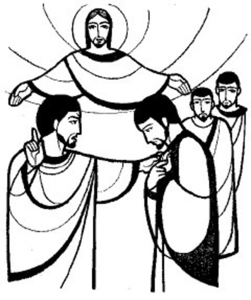 Jesus understands that in any human community, including His own community of disciples, or the Church, there are always members affected by human weakness and sinfulness. Even in the Christ-oriented communities like the religious convents, the parishes, and various ministries and groups in the Church, inevitably we are hurting each other. Thus, Jesus, the Just God and merciful man, outlines a procedure or ‘fraternal correction’ to deal with misunderstanding, quarrels, and conflicts. It begins with the individual and personal encounter, then when it does not work, we ask the help of a witness or mediator, and lastly it goes up to the community level.
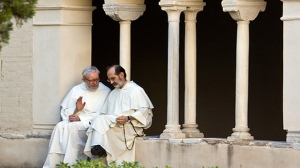 Yesus mengerti bahwa komunitas manusia, termasuk komunitas murid-murid-Nya sendiri, atau Gereja, akan selalu dipengaruhi oleh kelemahan manusia dan dosa. Bahkan di dalam komunitas yang berorientasi pada Kristus, seperti biara, paroki, dan berbagai pelayanan dan kelompok di Gereja, tak dapat dihindari bahwa kita saling menyakiti. Dengan demikian, Yesus menguraikan sebuah prosedur rekonsiliasi untuk mengatasi kesalahpahaman, pertengkaran, dan konflik. Ini dimulai dengan dialog pribadi atau empat mata, kemudian ketika hal itu tidak berhasil, kita meminta bantuan seorang saksi atau mediator, dan masih belum berhasil, kita naik ke tingkat komunitas.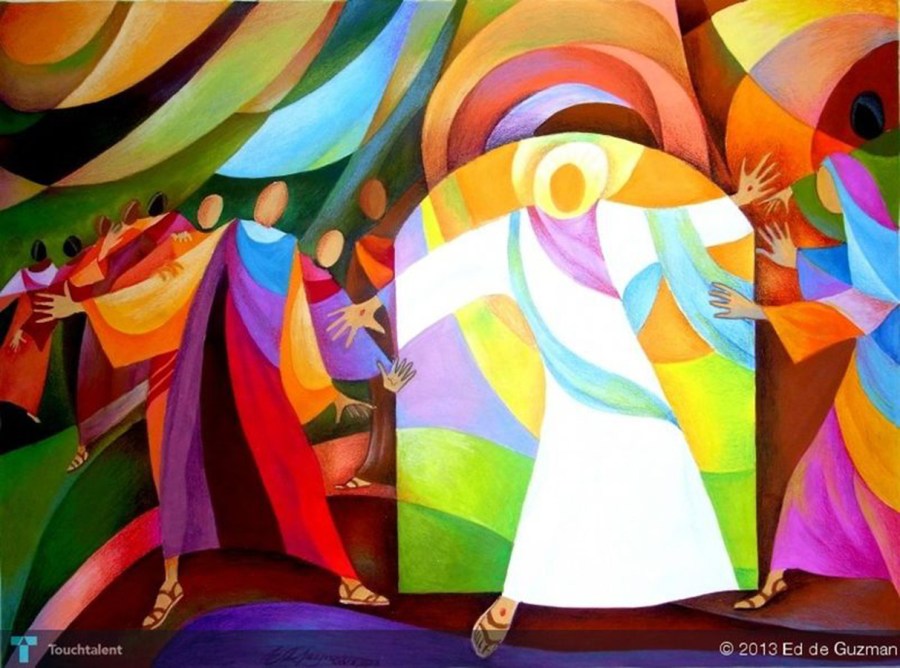
 Pentecost is the commemoration of the descent of the Holy Spirit upon the first disciples in the upper room. The usual images we have in our mind are usually dramatic and vivid. The disciples gathered in the upper room, suddenly the strong wind filled the room, followed by the appearance of the tongues of fire. Inspired by the Holy Spirit, the disciples began to speak various languages, and proclaimed the Gospel. This depiction of Pentecost comes from the Acts of Apostles (our first reading today). The same Acts tells us that Pentecost took place 50 days after Easter Sunday (Pentecost itself simply means ‘50’ in Greek).
 Pentakosta adalah peringatan turunnya Roh Kudus atas para murid di ruang atas. Gambaran yang ada di dalam pikiran kita biasanya dramatis dan nyata. Murid-murid berkumpul di ruang atas, tiba-tiba angin kencang memenuhi ruangan, diikuti oleh munculnya lidah-lidah api. Terinspirasi oleh Roh Kudus, para murid mulai berbicara dalam berbagai bahasa, dan memberitakan Injil. Gambaran Pentakosta ini benar adanya karena ini berasal dari Kisah Para Rasul (bacaan pertama kita hari ini). Sebenarnya, Kisah Para Rasul juga mengatakan bahwa Pentakosta terjadi 50 hari setelah hari Minggu Paskah (Pentakosta sendiri berarti ’50’ dalam bahasa Yunani).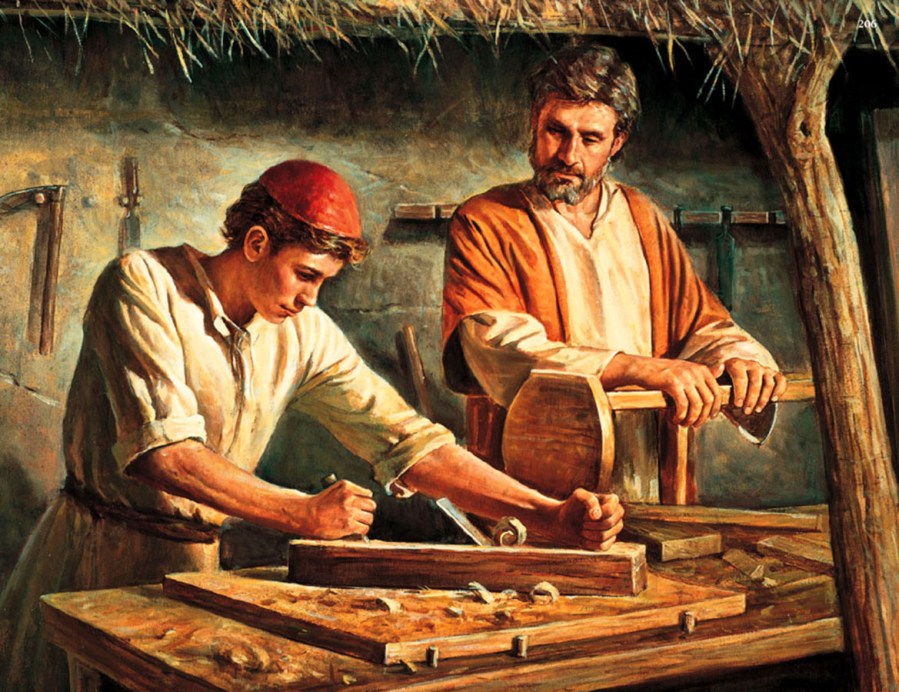
 If there is one important person in the life of Jesus, but gets very little attention, this person is no other than Joseph, Jesus’ foster father. He was absent in the Gospel of Mark. In John, he was mentioned only by name. In Luke, his presence was felt, but he was overshadowed by Mary and her unique mission. Only in Matthew, Joseph had a more active role in the beginning of Jesus’ life. Yet, again, he remained a voiceless character, and simply disappeared as Jesus began his mission. Still, Joseph had significantly influenced the life of Jesus.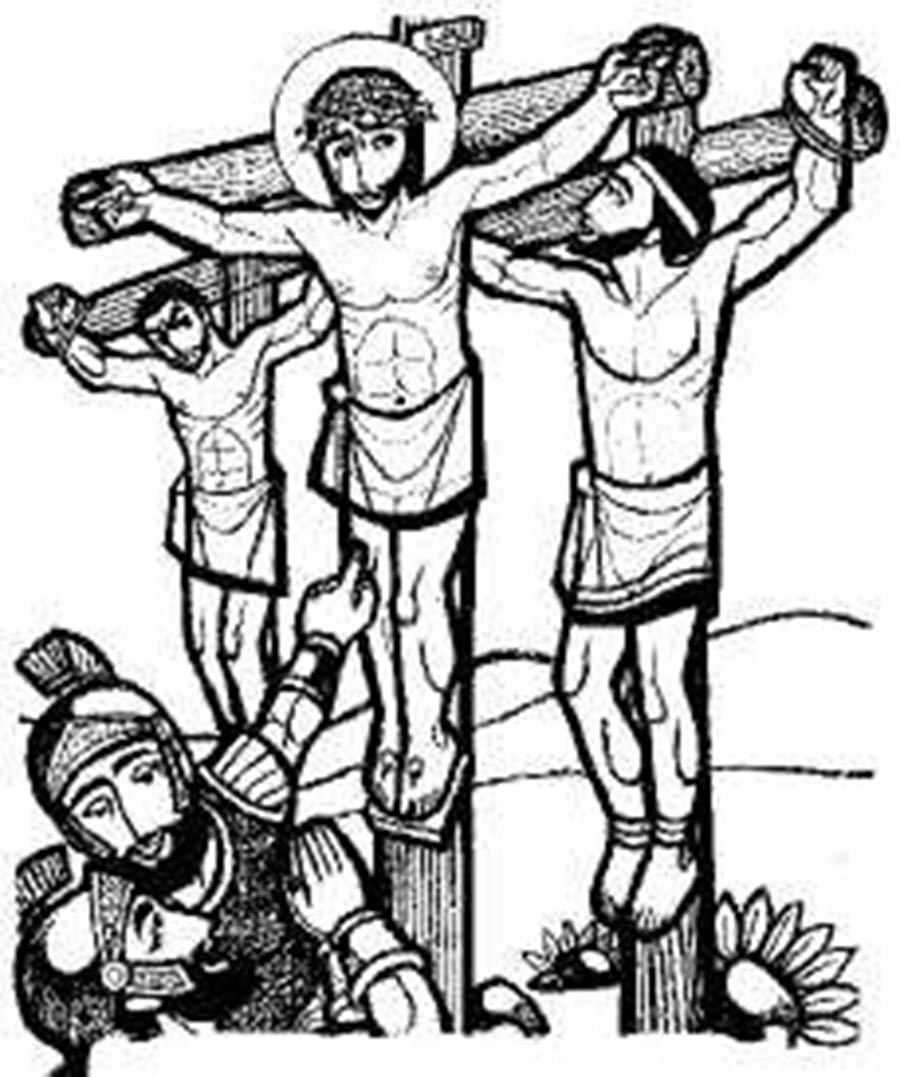
 Perayaan liturgi Kristus Raja merupakan perkembangan baru dalam Gereja. Paus Pius XI menetapkan hari raya ini pada tahun 1925 di bulan Oktober. Paus Paulus VI pada tahun 1969 kemudian mendedikasikan hari Minggu terakhir dari Masa Biasa dalam kalender liturgi Gereja bagi Kristus Raja Semesta Alam. Meskipun perayaan ini tergolong baru di Gereja, kebenaran ini sungguh berakar di dalam Kitab Suci.
 The Parable of the Prodigal Son is one of the most moving stories of Jesus and has been regarded as the all-time favorite. The parable is so beautiful that it moved one of the earliest heretics, Marcion of Sinope, to single out the Gospel of Luke as the only valid Gospel. Why does the parable gain such honor among Jesus’ parables? I guess one of the reasons is the unexpected twist of event appears in the parable. Like when we watch movies in the cinema, flat and predicted plot of movies will cause boredom, but movies with sudden and unforeseen twists often create breath-taking excitement. The twist of the parable is that the Mercy of God that goes beyond any human expectation and limitations.
 In Medio Ecclesiae