


20th Sunday in Ordinary Time. August 14, 2016 [Luke 12:49-53]
“I have come to set the earth on fire, and how I wish it were already blazing! (Luk 12:49)”
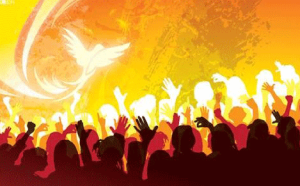 In the midst of all super-advanced digital gadgets and nano technologies, making fire seems rather archaic and a bit useless. Why will we set a fire and cause pollution, if we have energy-saving LED lamp in our house? However, making fire is the earliest and one of the most significant human invention. Fire revolutionized the lives of our ancestors and gave us substantial advantages over other creatures. Fire brings warm and comfort in chilling and unforgiving weathers. Fire protects us from bigger and fiercer predators. Fire provides light that shed off the darkness. Fire also is needed to forge other inventions and technologies, like various tools and weapons.
Yet, fire also may cause us serious headaches. Almost every year, fire sets ablaze parts of Borneo rain forest and emits global-scale smoke. Fire also is a serious problem in densely populated cities like Manila. A firefighter once conducted a seminar in our seminary. He said that it just takes less than one minute for fire to burn an entire body of a little kid. Thus, fire has become the symbol of both powerful force of nature and human ingenuity. It may bring heavy destructions as fire burns and consumes almost everything. Yet, it also gives creativity, hope and future to humanity.
When Jesus said he brought fire to the world, Luke used the Greek word ‘phur’, meaning ‘wild fire’. Now, we may understand that Jesus came to the world to bring not a warming and delightful fire, but massive transformative energy and power. This fire can consume our past and wicked ways. Yet, more importantly, this fire energizes and empowers us to be creative in our preaching and in Christian life. On the day of Pentecost, the Holy Spirit came into the form of tongues of fire. This same fire emboldened the fearful disciples in the Upper room and moved them to preach the Good News with freshness. They made a creative breakthrough as they began to speak in the different languages of their hearers.
Saints are people who are blazed by Christ’ fire. Their lives exemplify the ever-fresh and transformative Spirit. When St. Dominic de Guzman saw the need to preach the Gospel to bring back the Albigensian heretics in Southern France, he established the first preaching religious Order in the Church. When the first Spanish Missionaries came to the Philippine Islands, one of their main preoccupations was how to understand the local languages and cultures, so that their preaching may be easily understood by the native Filipinos. As early as the 16th century, the Dominican friars had produced grammar books and dictionaries of Philippine languages like Tagalog, Bisaya, and Ivatan.
It is His desire to set the world in fire, but has the fire of Christ touched our lives? Have the Eucharist and Sacrament of reconciliation renewed us? Do we feel that energy to engage in the proclamation of the Good News, or we are just fine with Sunday masses? Do we have the perseverance amidst trials of life? Do we allow the Spirit to animate our lives?
Br. Valentinus Bayuhadi Ruseno, OP

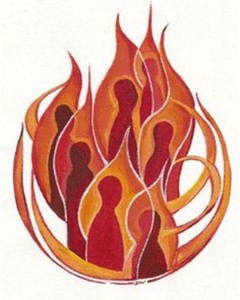 Hidup di antara gadget-gadget digital super-canggih dan berbagai teknologi nano, kegiatan membuat api tampak seperti sangat primitif dan sia-sia. Mengapa kita harus membuat api dan menyebabkan polusi jika kita memiliki lampu LED yang hemat energi di rumah kita? Namun, membuat api sebenarnya adalah salah satu penemuan manusia yang paling awal dan signifikan. Api merevolusi kehidupan nenek moyang kita dan memberi kita keuntungan besar atas makhluk lainnya. Api membawa kehangatan dan kenyamanan dalam cuaca dingin. Api melindungi kita dari predator yang lebih besar dan ganas. Api memberikan cahaya yang menghapus kegelapan. Api juga diperlukan untuk menempa penemuan dan teknologi lain, seperti berbagai alat dan senjata.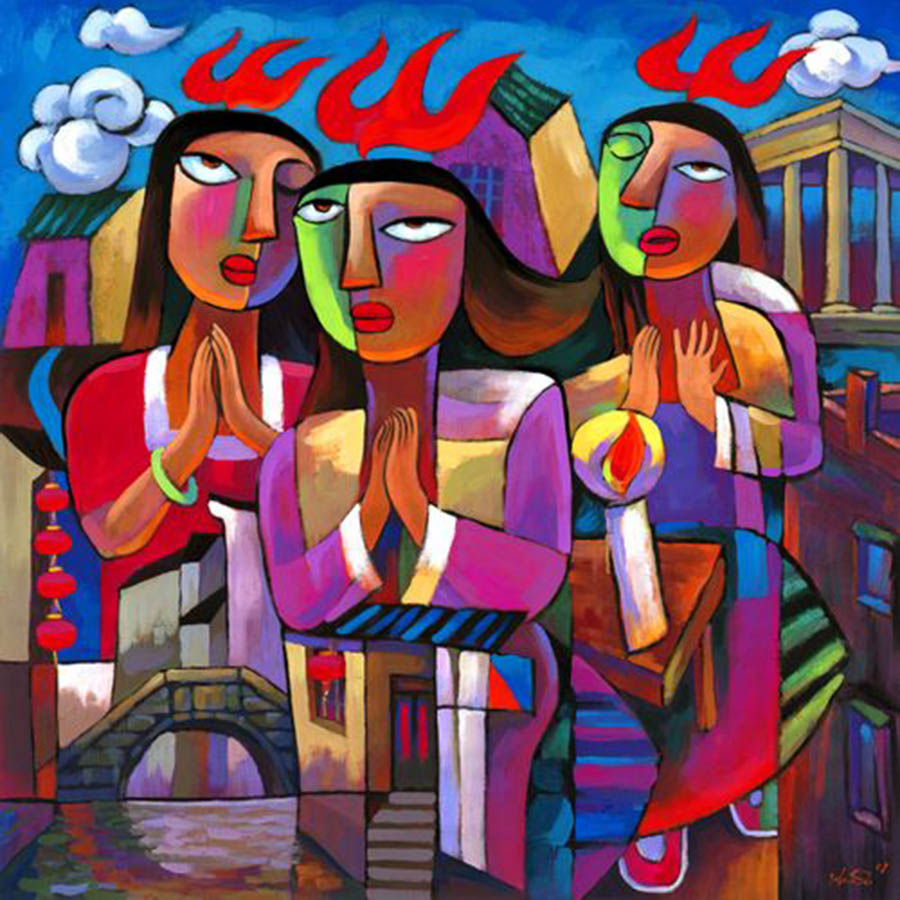
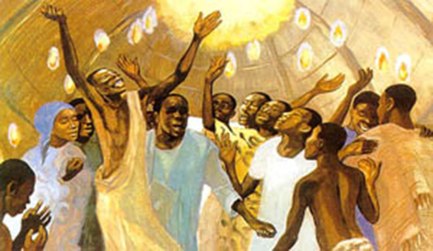 My first time to attend a Catholic Charismatic prayer meeting was around 10 years ago in Singapore. It was a gathering characterized by upbeat music and intensified prayers. As the prayer was getting intense, suddenly I witnessed some of participants began to experience kind of trance and utter unintelligible words. For a while I was dumbfounded, but soon realized that they may actually speak in tongue. This may refer to the one of the Holy Spirit’s charismatic gifts, described no less than St. Paul himself. “For one who speaks in a tongue does not speak to human beings but to God, for no one listens; he utters mysteries in spirit (1 Cor 14:2)”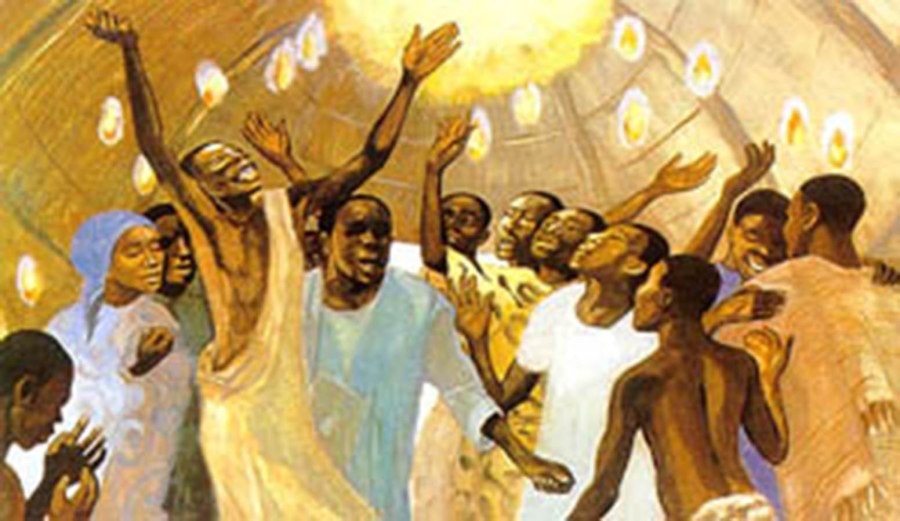
 Pertama kalinya saya menghadiri pertemuan doa Karismatik Katolik adalah sekitar 10 tahun yang lalu di Singapura. Pertemuan ini ditandai dengan musik yang upbeat dan doa yang intensif. Di tengah ibadat dan disaat doa-doa semakin intens, tiba-tiba saya menyaksikan beberapa peserta mulai mengalami sesuatu yang tidak biasa dan mengucapkan kata-kata tidak jelas. Awalnya, saya tercengang, tapi saya segera menyadari bahwa mereka sedang berbicara dalam bahasa roh. Phenomena ini merujuk pada seseorang yang dipenuhi dengan kuasa Roh Kudus dan mulai bernubuat sesuai kehendak Roh. Fenomena ini sudah ada sejak Gereja berdiri. St. Paulus sendiri menulis “Siapa yang berkata-kata dengan bahasa roh, tidak berkata-kata kepada manusia, tetapi kepada Allah. (1 Kor 14: 2)”
 In Medio Ecclesiae