

1st Sunday of Advent [C]
December 1, 2024
Luke 21:25–28, 34–36
The first Sunday of Advent marks the beginning of the new liturgical year of the Church. Advent, which means “the arrival,” is a time to prepare for the coming of Christ, both His first coming in Bethlehem, over 2000 years ago, and His second coming at the end of time. Basically, through this season, the Church teaches us to wait. Yet, how do we prepare ourselves to wait for Christ?
There are three key steps in this preparation:
First. Knowing who is coming. The most basic thing to prepare the arrival of someone is to know who they are. The preparation we make to welcome a close friend into our home is vastly different from the preparation to welcome a country’s president. The person coming will dictate overall planning, the resources needed, and the level of effort involved. The more important the person, the greater resources we commit. Advent reminds us that the one who is coming is Jesus! If Jesus is God, then all our lives, time, strength, and hearts are devoted to welcome Him.
Second. Knowing the reason of the coming. The nature of our preparations also depends on the reason of the visit. If a friend comes to borrow a book, we simply make the book available. But if a relative from another town is visiting for several days, we prepare the space for her stay, buy or cook necessary food, and ensure everything she may need. Advent teaches us that Jesus comes at the end of time to bring final judgement. He will be just both to the righteous and the wicked. Surely, we do not want to be numbered among evil-doers. So, our preparation is to become a righteous by faithfully doing what is pleasing to Him.
Third. Knowing the time of the coming. The timing of arrival also shapes our preparations. A mother who knows the expected date of her child’s birth can plan accordingly. Parents who are expecting the arrival of their daughter after study abroad, will go to the airport ahead of time, and perhaps bringing small, lovely gifts. However, Advent tells us a different story. While the Bible assures us that Jesus surely will come, it also makes clear that we are not to know when Jesus comes. Therefore, we must live as though Jesus is coming at any moment. Every second of our lives is an opportunity to make ourselves ready to stand before Him.
Advent season is rightly called as the time of expectation. Through this season, the Church teaches us how to expect Jesus’ coming in our lives.
Rome
Valentinus Bayuhadi Ruseno, OP
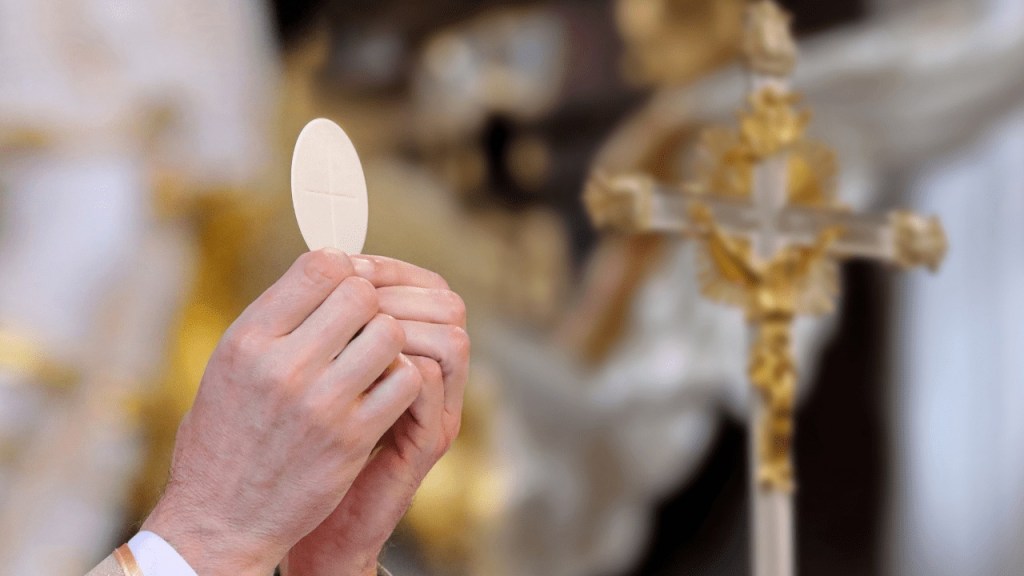
One crucial element in our preparation is the Eucharist. The Mass is often referred to as “Jesus’ third coming”. Jesus is present sacramentally, and the way we approach the Mass is most likely how we will face Jesus in the final judgement. Do we receive Jesus worthily in the Eucharist? What kind spiritual preparation we do before we go the mass? Do we approach Jesus in the Eucharist with eagerness and devotion or do we feel lazy and uninspired?
 Christmas is one of the most beautiful and joyous times of the year. Christmas is the time to gather with the families and friends and to have an exchange of gifts. Christmas is the time to put up Christmas trees, place Nativity scenes, and play Christmas songs. Surely, Christmas is the time when families once again go to the church together.
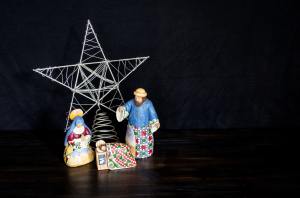 Natal adalah salah satu masa terindah dan menggembirakan. Natal adalah waktu untuk berkumpul dengan keluarga dan para sahabat, dan juga bertukar hadiah. Natal adalah waktu memasang pohon Natal, merancang Gua Natal, dan memutar lagu-lagu Natal. Pastinya, Natal adalah saat keluarga pergi ke gereja bersama-sama.
 We are entering a joyful season of Advent. The first Sunday of Advent is also the beginning of the liturgical year of the Catholic Church. Advent is from the Latin word “adventus” meaning “the coming.” From this name alone, we can already deduce the purposes of this lovely season. It is to prepare us for the coming of Jesus, yet we must not forget that the Church teaches us that there are two comings. The first coming is two thousand years ago in Bethlehem, as a baby at Mary’s hands. The second coming is Jesus’ arrival at the end of time as the glorious king and the judge.
 Kita memasuki masa Adven. Minggu pertama Adven juga merupakan awal tahun liturgi Gereja Katolik. Adven sendiri berasal dari kata Latin “adventus” yang berarti “kedatangan”. Dari nama ini saja kita sudah bisa menyimpulkan tujuan dari masa liturgi yang satu ini. Masa Adven mempersiapkan kita bagi kedatangan Yesus, namun kita tidak boleh lupa bahwa Gereja mengajarkan kita bahwa ada dua kedatangan Yesus. Kedatangan pertama terjadi dua ribu tahun yang lalu di Bethlehem, sebagai bayi kecil di tangan Maria. Kedatangan kedua adalah kedatangan Yesus di akhir zaman sebagai raja dan hakim yang mulia.
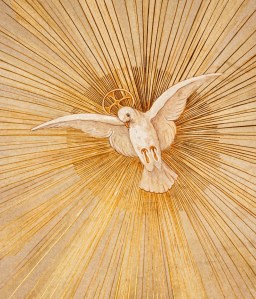 In the last supper, Jesus promised the disciples that He would send another advocate to be with them forever. Who is this other advocate?
 Dalam perjamuan terakhir, Yesus berjanji kepada murid-murid bahwa Ia akan mengirim penolong yang lain untuk bersama mereka selamanya. Siapa penolong yang lain ini?
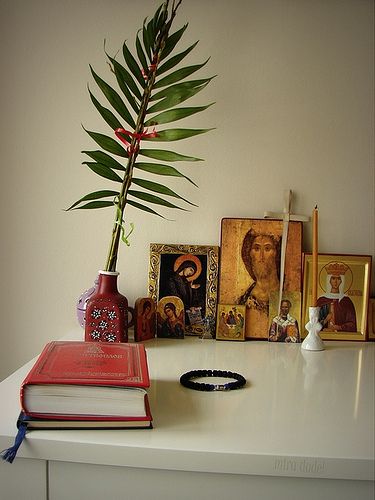 Today, we are celebrating the Palm Sunday of the Lord’s Passion. In many countries, today is a big celebration where people excitedly throng the Church. I remember when I was still studying in the Philippines, the faithful would pack almost all the 11 masses in our Church, Santo Domingo Church. It was a festive celebration as many people were carrying palm branches of a coconut tree.
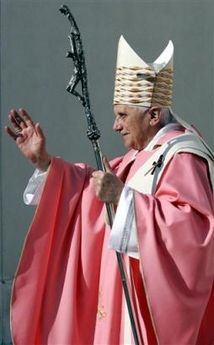 Today, we are going to see something different in the Church. Yes, the priests are not wearing a purple vestment, but a rose liturgical vestment. It is not because the priests are mistaken or want to make a fashion statement. It is because we are entering the third Sunday of Advent, also known as, the Gaudete Sunday. “Gaudete” is a Latin word meaning “rejoice!”. This color also symbolizes the joyful atmosphere. But, why do we need to celebrate Gaudete Sunday?
 Hari ini, kita akan melihat sesuatu yang berbeda di Gereja. Ya, para imam tidak mengenakan jubah ungu, tetapi jubah liturgis berwarna merah muda. Itu bukan karena para imam salah memakai baju atau ingin tampil trendi. Ini karena kita memasuki hari Minggu ketiga Adven, juga dikenal sebagai, hari Minggu Gaudete. “Gaudete” adalah kata Latin yang berarti “bersukacitalah!”. Warna merah muda ini juga melambangkan suasana sukacita. Tapi, mengapa kita perlu merayakan Minggu Gaudete?
 In Medio Ecclesiae