


Solemnity of Mary Mother of God. January 1, 2017 [Luke 2:16-21]
“And Mary kept all these things, reflecting on them in her heart (Luk 2:19).”
 Today, the world is celebrating its new beginning. Many of us are going to the parties, watching fireworks, and dancing and singing. Surely, nothing is wrong with those. Yet, today, the Church decides to go against the tide and celebrates something else, or someone else: Mary the Mother of God. To make it worse, today is a holiday of obligation, meaning we need to go to the mass whether we like or not. I remember attending the Eucharistic mass on January 1 in my own parish, and the priest never dropped a single greetings of a Happy New Year to the congregation. What a kill-joy!
We may ask, “Why do we still need to celebrate this solemnity at the beginning of the year?” Firstly, it is just fitting to remember Mary as the mother of Jesus within the context of Christmas. Thus, exactly a week after the birth of Christ, we honor the woman who has offered her womb, her body and her whole life to God. Secondly, we are reminded that the true beginning is not only something marked in our calendar, or with outward celebrations. The real beginning takes place inside minds and hearts. Like in the process of pregnancy and birthing, initially, the change is not obvious. It happens inside the silent womb, and it takes some time before the embryo grows bigger and makes its presence felt. The process is difficult, hard to understand, and oftentimes painful. Yet, within that womb is a life that carries with it a future, unpredicted, yet exciting and hopeful.
When the Angel Gabriel announced the News to Mary, she was troubled and confused. But, she was certain that her life was in great danger. Unlike some modern societies wherein unmarried women who get pregnant are just normal, the ancient Jewish community was ready to punish such women. Mary was with a child practically outside of marriage, and she had to bear with all the consequences, There could be a great shame to her family, her future husband, Joseph, and herself. The baby might be called a bastard son for his entire life. And finally, she with her baby could be stoned to death. Yet, her faith in God was greater than her fear. She courageously carried in her womb, the little baby that would be the future of the world.
Ten years ago, in 2006, the Dominican mission in Indonesia began in utter simplicity. We were only two Indonesian priests, Frs. Adrian and Robini, and a Filipino counterpart, Fr. Terry and a lay missionary, Ms. Jemely. We had practically nothing. No institution, no house, no money. We even stayed at a little and simple quarter inside a Diocesan seminary in Borneo. We had to work hard just to support our daily lives and we relied on the generosity of many people. Nobody among us was sure what future will bring, but we had faith in God. Now, after 10 years, we have grown significantly. We have two stable houses in Pontianak and Surabaya. Now we are ministering to the multitude of people through various apostolates. Of course, young and talented people come and join our way of life.
Mary teaches us to have faith in God because for Him, nothing is impossible. The future may be uncertain, frightening and dark, but ‘… the One who began a good work in you will continue to complete it until the day of Christ Jesus (Phil 1:6).’ This is the spirit of the true New Year, the soul of real change, the faith that animates us to move forward.
Bro. Valentinus Bayuhadi Ruseno, OP
 Hari ini, dunia merayakan tahun baru. Dan, banyak dari kita merayakannya dengan berpesta, menonton kembang api, menari dan menyanyi. Namun, hari ini, Gereja memutuskan untuk melawan arus dan merayakan sesuatu yang berbeda, Maria Bunda Allah. Apalagi, hari ini telah ditetapkan sebagai hari raya kewajiban yang berarti kita harus pergi ke gereja suka atau tidak. Saya ingat menghadiri Ekaristi pada 1 Januari di paroki saya di Bandung, dan sang imam tidak pernah sekalipun memberi ucapan Selamat Tahun Baru kepada jemaat sampai misa selesai!
 The story of Nativity of Jesus Christ began with a great person in ancient time. He was Caesar Augustus. He was considered to be one of the greatest Roman Emperors because during his reign, he was able to establish peace and prosperity within his territory. The people adored him and worshiped him as the Savior and the Son of God. He was the hero of the ancient world, but fortunately, he was not the hero of Christmas.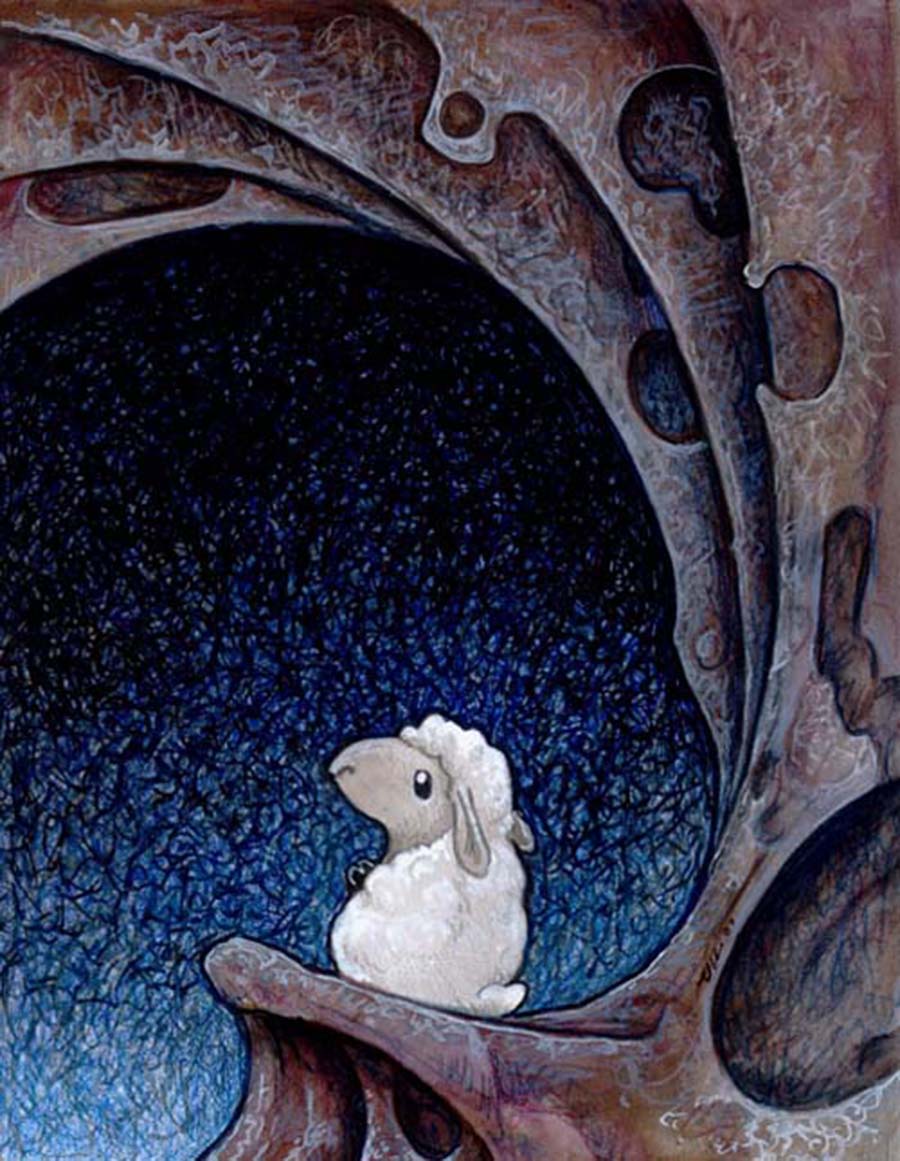
 The parable of the lost sheep subtly speaks of who we are fundamentally to Jesus. We are all His sheep and He is our shepherd. Whether we faithfully remain inside the sheepfold or go astray, we are still His sheep.
 Perumpamaan tentang domba yang hilang sebenarnya berbicara tentang siapa diri kita dan relasi mendasar kita dengan Yesus dan sesama. Kita semua domba-Nya dan Dia adalah gembala kita. Apakah kita domba yang setia berada di dalam gembalaan, atau domba yang tersesat, kita tetap domba-domba-Nya.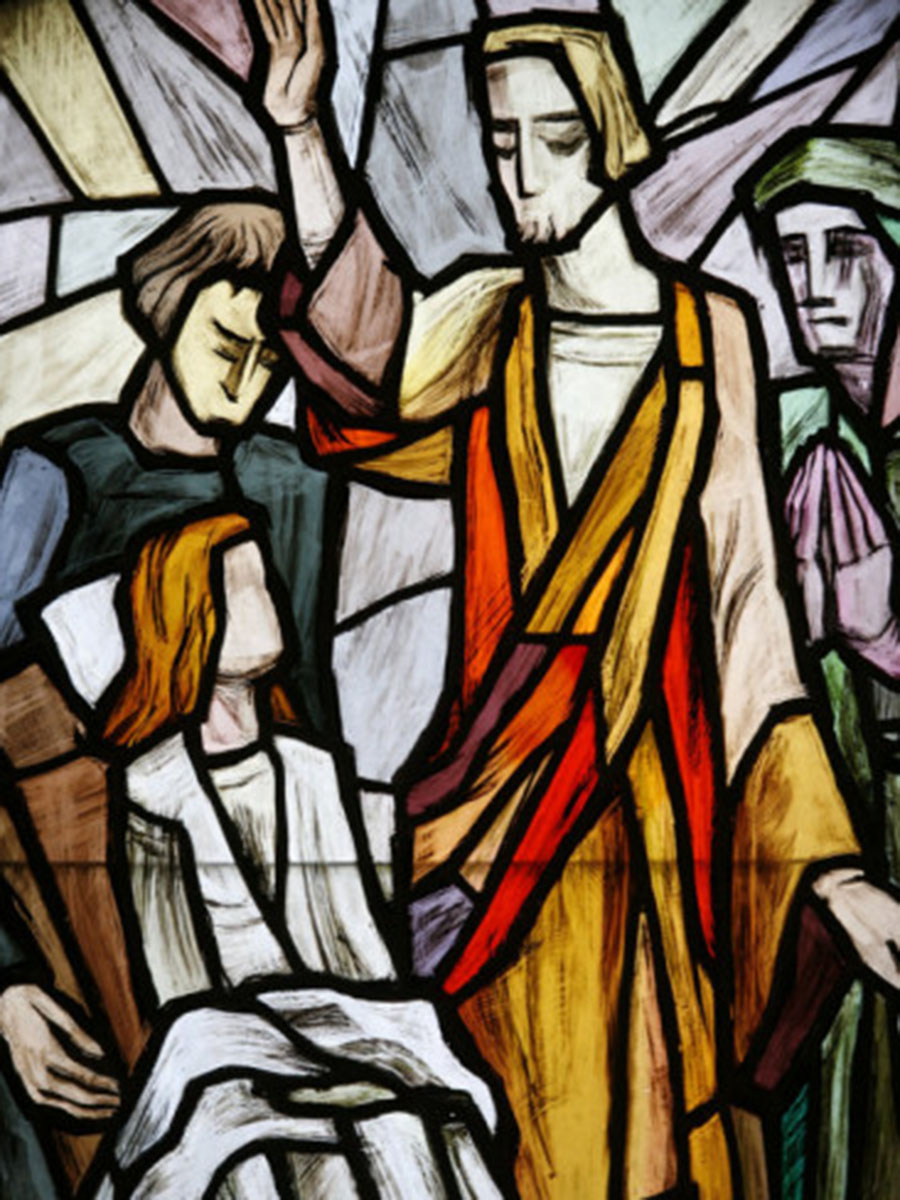
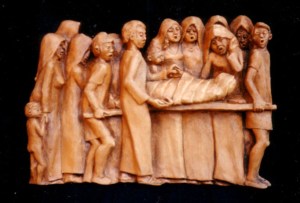 The bible seems to contain a lot of death. Almost all the characters in the Bible tasted death. Some were lucky and enjoyed peaceful end, like Abraham, David and Joshua. Yet, a lot more endured tragic one. Abel was murdered by his own brother. Moses passed away just at the doorstep of the Promised Land. James the son of Zebedee was beheaded, and countless unnamed individuals who were victims of wars, diseases and calamities. In today’s Gospel, a young man died presumably due to illness and left his widowed mother alone. The Bible time was bad period to live.
 Tampaknya Alkitab mengandung banyak kematian. Hampir semua tokoh di dalam Alkitab meninggal dunia. Beberapa dari mereka beruntung karena meninggal dalam damai, seperti Abraham, Daud dan Yosua. Namun, kebanyakan mengalami kematian tragis. Abel dibunuh oleh saudaranya sendiri. Musa meninggal sebelum ia bisa masuk Tanah Perjanjian. Yakobus, rasul pertama yang menjadi martir setelah dipenggal. Dan kita tidak lupa sangat banyak individu yang tak bernama menjadi korban perang, penyakit dan bencana alam di Alkitab. Dalam Injil hari ini, seseorang meninggal dalam usia muda dan meninggalkan ibunya yang janda sendirian. Masa ini adalah masa buruk untuk tinggal dan hidup.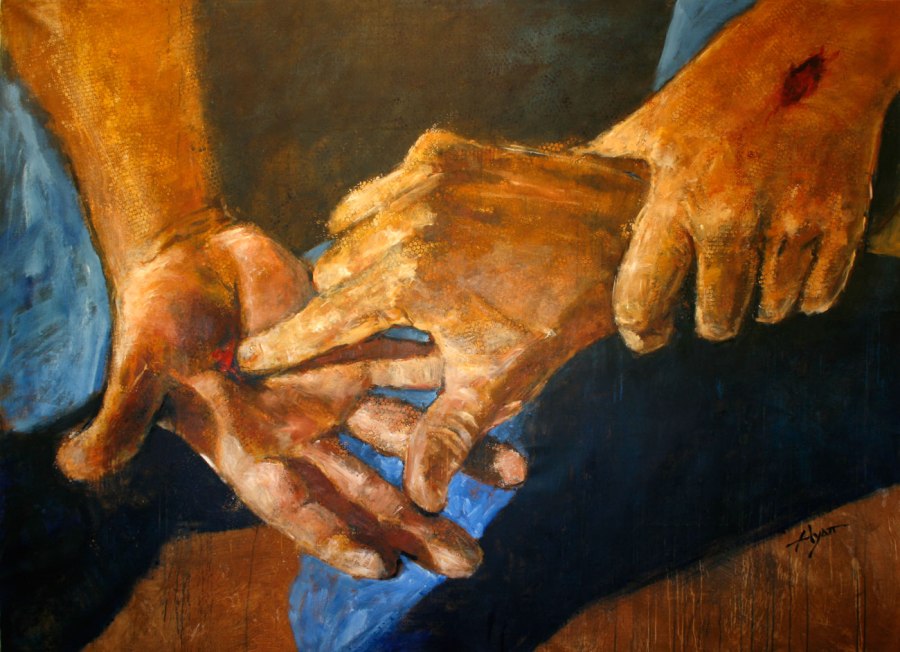
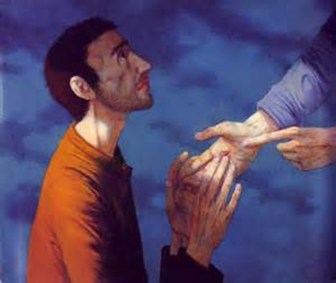 The request of Thomas was a bit strange. To recognize the risen Lord, Thomas demanded that he would be able to touch the wounds of Christ. But, why did Thomas look for the wounds of Jesus? He could have asked to see Jesus’ face, or to touch Jesus’ nose. He had been Jesus’ disciple for some years, and surely, Thomas would not have any difficulty to recognize Jesus. Why wounds?
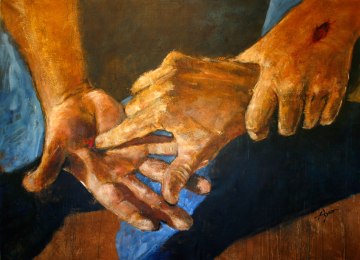 Di dalam Injil hari ini, permintaan Thomas agak aneh. Untuk mengenali Tuhan yang bangkit, Thomas menuntut bahwa dia harus menyentuh bekas paku di tubuh Kristus. Tapi, mengapa Thomas mencari luka-luka Yesus? Dia bisa saja meminta untuk melihat wajah-Nya atau menyentuh hidung-Nya. Dia adalah murid Yesus yang hidup bersama Dia selama beberapa tahun, dan tentunya, Thomas tidak akan memiliki kesulitan untuk mengenali Yesus. Lalu, mengapa luka-luka Yesus?
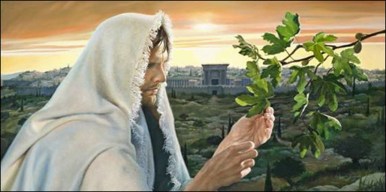 The heart of the parable of the Good Gardener is God’s Mercy. Not only He is merciful, but He is the Mercy itself. Pope Francis fittingly wrote that the name of God is Mercy. God cannot but be merciful. We are like the tree that was fruitless and useless, but God gave us a second chance. Jesus, our Holy Gardener, even exerts His utmost effort to take care of us, making sure that grace of God in constantly pour upon us.
 In Medio Ecclesiae