

22nd Sunday in the Ordinary Time [C] – September 1, 2019 – Luke 14: 1, 7-14
 Humility is actually being simple and doing simple, yet it is so simple that many of us find it difficult to be and do. It seems paradoxical but it is the reality that we experience in our day to day life. It is because we are living in the world that is so proud with itself and it continuously influences us to become proud as well. We can practically be proud of anything. We can be proud of our personality, family and clan, personal achievements, successful careers and status in life. We can be proud of the good things we have done or even the bad things we have committed. Eventually, the awful irony in our life is when we are even proud of our humility.
Pride occupies a prominent place among the seven deadly sins or vices. It seduces people believe that we are self-sufficient and we do not need others and God. We are our own god. The Bible says that the angel of light has fallen from heaven [see Isa 14:12], and according to the Latin tradition, his name is Lucifer, the brightest angel in heaven. He and some other angels revolted against God since they were too proud to serve God that would become man. If lust aligns us with animals, pride makes us coequal with the fallen angels.
To remedy this terrible pride, humility is then chiefly necessary. But, it is simply difficult to become one since it leads us to acknowledge our true nature that we own nothing and everything we have is a gift. Humility is derived from Latin word humus which means soil. Humility brings back us to the ground after the air of pride lifts us our nose up.
Humility is also primarily important since it enables us to listen and through listening we are able to be obedient (Latin word ob-audire means to listen attentively). With pride just around the corner, it is difficult to listen since we start believing that we are the center of the universe and everything else revolves around us. Simon Tugwell, OP writes that humble prayer is just to take a break from our tyrannical and dictatorial self that occupies the center of our life and let God be God. In the same line of thought, Henry Nouwen writes that a sincere prayer is just like opening our tightly closed fist.
St. Augustine believes that humility is one of the most fundamental virtues especially in our relationship with God. He says, “Are you thinking of raising the great fabric of spirituality? Attend first of all to the foundation of humility.” It is because humility is the virtue that facilitates us in listening to God’s words and in following them. In humility, we participate in Mary’s words, “I am the servant of the Lord. Be it done to me according to your word.” And not, “I am the boss here. Be it done to me and to you according to my word.” In humility, we pray in Jesus’ prayer, “Your will be done.” And not, “Your will be changed”.
Valentinus Bayuhadi Ruseno, O.P
Spiritual Director of Presidium Refugis Peccatorum
 Kerendahan hati sebenarnya adalah melakukan hal yang sederhana dan menjadi orang yang sederhana, tetapi karena hal ini sangat sederhana, banyak dari kita merasa sulit untuk melakukannya. Inilah adalah paradoks yang kita alami dalam kehidupan kita sehari-hari. Hal ini dikarenakan kita hidup di dunia yang begitu sombong dengan dirinya sendiri, dengan segala kemajuan, kejayaan, kekayaan, dan dunia ini terus memengaruhi kita untuk menjadi angkuh. Kita bisa jadi sombong karena banyak hal. Kita bisa sombong karena kepribadian, keluarga dan klan kita, prestasi pribadi, karier dan status yang sukses dalam hidup. Kita bisa menyombongkan hal-hal baik yang telah kita lakukan atau bahkan hal-hal buruk yang telah kita lakukan. Akhirnya, ironi mengerikan dalam hidup kita adalah ketika kita bahkan menyombongkan kerendahan hati kita.
 In today’s Gospel, Jesus is sending His seventy disciples for a mission. Yes, we are reading it correctly; it is not just twelve disciples, but seventy. While we are used to the celebrated mission of the Twelve, Luke informs us about the less famous mission of the seventy. We are not sure who are these people, but for sure, these are people who have the same commitment, dedication, and passion like the big names like Peter, John, Andrew, and Matthew. They follow Jesus, leave everything and are willing to be dispatched into a difficult mission to preach the Kingdom, to heal the sick, and to drive out the demons. The story of the seventy disciples gives us a hint about those dedicated and more numerous disciples of Jesus and yet somehow forgotten. While the Twelve represents the well-known figures of the Church like the pope and the bishops, the seventy bring to mind the nameless yet countless priests, religious men and women, and laity who are tirelessly building up the Body of Christs.
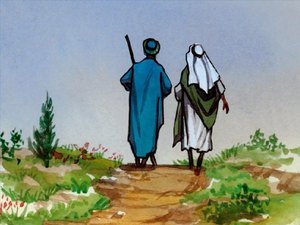 Dalam Injil hari ini, Yesus mengirim tujuh puluh murid-Nya untuk bermisi. Bukan hanya dua belas murid, tetapi tujuh puluh. Sementara kita terbiasa dengan misi Dua Belas Rasul yang lebih terkenal, Lukas memberi tahu kita tentang misi tujuh puluh murid yang kurang terkenal. Kita tidak yakin siapa orang-orang ini, tetapi yang pasti, mereka adalah orang-orang yang memiliki komitmen, dedikasi, dan semangat yang sama seperti Petrus, Yohanes, Andreas dan Matius. Mereka mengikuti Yesus, meninggalkan segalanya dan bersedia dikirim ke misi yang sulit untuk memberitakan Kerajaan Allah, menyembuhkan orang sakit, dan mengusir setan. Kisah tujuh puluh murid memberi kita petunjuk tentang murid Yesus yang berdedikasi dan lebih banyak secara jumlah, namun terlupakan. Sementara Dua Belas Rasul mewakili tokoh-tokoh terkenal dari Gereja seperti paus dan para uskup, tujuh puluh murid mengingatkan kita akan para imam, biarawan-biarawati, kaum awam yang tak terkenal namun tak terhitung jumlahnya, dan yang tanpa lelah membangun Tubuh Kristus.
 Few of us have a direct encounter with a sheep, let alone shepherding sheep. When Jesus says, “My sheep hear my voice.” I thought it was a kind exaggeration. After all the sheep is not that intelligent compared to the Golden Retriever or Labrador who would listen to their owners. However, one time, I watched a video on YouTube about a group of tourists who visited the vast hill in the countryside of Judea where the flock was grazing. They were asked to call the attention of the sheep. One by one, the tourists shouted to the top of their lungs, but they got not even the slightest response. Yet, when the true shepherd came forward and called them out, all the scattered sheep immediately rushed toward the shepherd! It was an eye-opener. Jesus was right. The sheep literally hear the voice of His shepherd.
 Ketika Yesus berkata, “Domba-domba-Ku mendengarkan suara-Ku.” Saya pikir itu agak berlebihan. Kita tahu domba-domba adalah hewan yang tidak secerdas anjing Golden Retriever atau Labrador yang bisa mendengarkan instruksi dari pemiliknya. Namun, suatu kali, saya menonton video di YouTube tentang sekelompok wisatawan yang mengunjungi bukit luas di pedesaan Yudea di mana kawanan domba sedang merumput. Mereka diminta untuk menarik perhatian domba. Satu demi satu, para wisatawan berteriak dengan lantang, tetapi mereka tidak mendapat tanggapan sedikit pun. Namun, ketika sang gembala maju dan memanggil mereka, semua domba yang tercerai-berai segera bergegas menuju gembala itu dan mengerumuni dia! Sungguh menakjubkan! Yesus sungguh benar. Domba-domba sungguh mendengar suara gembala-Nya.
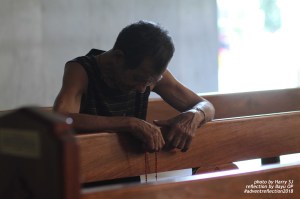 The second question that Archbishop Socrates Villegas of Lingayen-Dagupan asked us during our ordination was, “Are you broken enough?” Once again his question raised eyebrows and was, indeed, counter-intuitive. We want to be flawless, whole and perfect. We desire to achieve more in life, to be wealthy, healthy and pretty. We wish to be socially accepted, respected and gain certain prominence. We want to become somebody, and not nobody. We like others to call us as the famous doctors, the creative entrepreneurs, or successful lawyers. Or for us, people in the Church, we like people to consider us well-sought preachers, generous and builder-priests, or skillful and well-educated sisters.
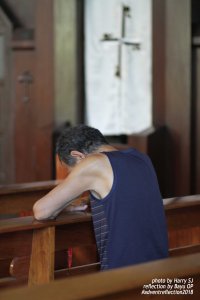 Pertanyaan kedua yang diajukan uskup agung Socrates Villegas dari Lingayen-Dagupan saat saya ditahbiskan adalah, “Apakah kamu sudah cukup terpecah dan remuk?” Sekali lagi pertanyaannya ini mengherankan. Kita ingin menjadi utuh dan sempurna. Kita ingin mendapatkan lebih banyak dalam hidup, menjadi kaya, sehat dan cantik. Kita ingin diterima secara sosial, dan dihormati dan memiliki pencapaian yang dapat dibanggakan. Kita ingin menjadi seseorang. Kita ingin orang lain menyebut kita sebagai dokter terkenal, pengusaha kreatif, atau pengacara yang sukses. Atau bagi kita, orang-orang yang melayani di Gereja, kita suka orang-orang menganggap kita sebagai pengkhotbah yang disukai, imam pembangun, atau suster yang terampil dan berpendidikan.
 During my ordination, Archbishop Socrates Villegas of Lingayen-Dagupan asked this question to us who would receive the sacred order, “Are you weak enough?” The question was mind-blogging and unexpected because often we have strength, power, and talents as our favorite subjects, and even obsession. We like to show to the world that we are achievers and conquerors. We parade our good education, high-earning job, or a beautiful face. The ‘superior’ mentality does not only affect the lay people traversing in the ordinary world, but also people dressed in white walking through the corridors of the Church. The clergy, as well as religious men and women, are not immune to this hunger for approval and sense of worthiness.
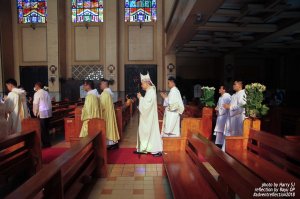 Saat pentahbisan saya, Uskup Agung Socrates Villegas dari Lingayen-Dagupan bertanya kepada saya, “Apakah kamu cukup lemah?” Pertanyaannya tidak terduga dan bahkan membalikan nalar karena sering kita merasa bahwa kekuatan dan talenta yang kita miliki adalah hal yang penting dalam hidup kita, dan menunjukan siapa diri kita sesungguhnya sebagai milik kita. Kita ingin menunjukkan kepada dunia bahwa kita adalah orang yang berprestasi. Kita memamerkan bahwa kita memiliki pendidikan yang baik, pekerjaan yang berpenghasilan tinggi, atau rupa yang cantik. Mental ‘superior’ ini tidak hanya mempengaruhi orang awam yang bergulat dalam kehidupan sehari-hari, tetapi juga orang-orang berjubah yang putih berjalan di koridor Gereja. Para klerus, serta biarawan dan biarawati, tidaklah kebal terhadap hasrat untuk mendapatkan persetujuan dan rasa kelayakan.
 In Medio Ecclesiae