
Be Not Afraid

12th Sunday in Ordinary Time [A]

June 21, 2020

Matthew 10:26-33
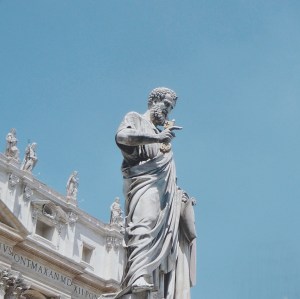
peter image 2Jesus never promises that the disciple will have easy and prosperous lives. Jesus demands the opposite. After being chosen, the twelve disciples are sent to preach that the Kingdom is at hand, and yet they will not go like any royal emissaries with their military escort. No! They will travel as simple men going on foot and carrying minimal provision. They will rely on the generosity of their hosts, and the worst part is that they are going to face rejection.

Naturally, humans as they are, they are growing fear. Yet, Jesus tells them that this mission is just “on the job training,” because they are going to undergo something even deadlier in the future. True enough, after the Pentecost, they will preach that Jesus is Lord, and they are facing severe rejection, terrible persecution, and even gruesome death. As Jesus teaches them, “the disciples are no greater than their master.” If Jesus, their master, is rejected, insulted, and condemned to death, the disciples will share the same path. Peter is crucified upside down, James, brother of John, is beheaded, and James son of Alpheus, is stoned to death.

Jesus understands their human and natural fear, but Jesus tells them that they shall not fear. Why? The answer of Jesus is simple. Why should we fear dying if we will perish anyway? The choices are whether we die as a witness to Christ or die running from Christ?

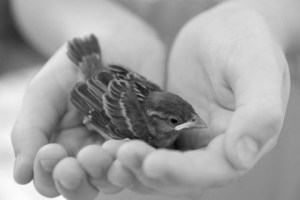
Furthermore, Jesus reveals the real reason why we should not be afraid: we have God, who is a loving and caring Father. Jesus gives a lucid yet simple explanation: how God treats a little sparrow. Sparrow is a kind of vertebrates that is practically worthless in the eyes of merchants, but for God, this little bird is His creatures, and when He created something, He has a good plan for it, and He sees to it that this plan will unfold providentially. In the word of Christian Philosopher Peter Kreeft, even God loves mosquitos. If God cares and loves the sparrow, would He not care and love for us? Again, Jesus points out a lovely truth: God knows better than we know ourselves, even He counts our hairs!

When a sparrow falls and dies, it is part of God’s perfect plan, and so when the disciples are experiencing rejections, trials, and even death, it is also part of God’s providence. Yes, often, our sufferings can be absurd. Why do we have to lose someone we love? Why do we suffer from incurable sickness? We do not understand, but even these terrible things in life are also parts of God’s providence.

We may not see it now, but perhaps we may see it at a later time, or perhaps, we never discover the reasons because of our too narrow minds. Yet, in God’s eyes, it is totally making sense. The gruesome death of martyrs, for example, is unthinkable. Still, Tertullian, a Christian apologist in 3rd century, saw it in a deeper perspective and wrote, “We spring up in greater numbers the more we are mown down by you: the blood of the Christians is the seed of Christianity.”

Jesus does not call us to enjoy a prosperous life but to be His witnesses. Though things may turn against us, Jesus tells us not to fear and worry because, in the end, all will work according to His beautiful plan because He loves us.

Valentinus Bayuhadi Ruseno, OP
Jangan Takut

Minggu ke-12 dalam Masa Biasa [A]

21 Juni 2020

Matius 10: 26-33

little sparrowYesus tidak pernah berjanji bahwa murid-murid-Nya akan memiliki kehidupan yang mudah dan makmur. Yesus menuntut yang sebaliknya. Setelah dipilih, kedua belas murid diutus untuk mewartakan bahwa Kerajaan Allah sudah dekat, namun mereka tidak akan pergi seperti utusan kerajaan duniawi dengan pengawalan voorijder. Tidak! Mereka akan pergi sebagai orang sederhana yang berjalan kaki dan membawa persediaan ala kadarnya. Mereka akan mengandalkan kemurahan hati tuan rumah mereka, dan bagian terburuknya adalah mereka akan menghadapi penolakan.

Secara alami, mereka akan merasa takut. Namun, Yesus mengatakan kepada mereka bahwa misi ini hanya semacam “magang” karena mereka akan menjalani sesuatu yang bahkan lebih sulit di masa depan. Sungguh terjadi, setelah Pentekosta, mereka akan mewartakan bahwa Yesus adalah Tuhan, dan mereka menghadapi penolakan yang keras, penganiayaan yang mengerikan, dan bahkan kematian yang keji. Seperti yang Yesus ajarkan kepada mereka, “para murid tidak lebih besar dari gurunya.” Jika Yesus, guru mereka, ditolak, dihina, dan dihukum mati, para murid akan mengikuti jalan yang sama. Petrus disalibkan terbalik, Yakobus, saudara Yohanes, dipenggal kepalanya, dan Yakobus anak Alfeus, dilempari batu sampai mati.

Yesus memahami ketakutan manusiawi mereka, tetapi Yesus mengatakan kepada mereka bahwa mereka jangan takut. Mengapa? Jawaban Yesus sederhana. Mengapa kita harus takut mati jika kita toh akan mati juga akhirnya? Pilihannya adalah apakah kita mati sebagai saksi Kristus atau mati lari dari Kristus?

Lebih jauh, Yesus mengungkapkan alasan sebenarnya mengapa kita tidak perlu takut: kita memiliki Allah, yang adalah Bapa yang pengasih dan peduli. Yesus memberikan penjelasan yang cerdas namun sederhana: bagaimana Tuhan memperlakukan seekor burung pipit yang kecil. Pipit adalah jenis burung  yang tidak berharga di mata kita, tetapi bagi Tuhan, burung kecil ini adalah ciptaan-Nya, dan ketika Dia menciptakan sesuatu, Dia memiliki rencana yang baik untuknya, dan Dia memastikan bahwa rencana ini akan mencapai kepenuhannya. Dalam kata Filsuf Katolik Peter Kreeft, Tuhan pun mengasihi nyamuk. Jika Tuhan peduli dan mencintai burung pipit, akankah Dia tidak peduli dan mengasihi kita? Sekali lagi, Yesus menunjukkan kebenaran yang indah: Tuhan lebih mengenal daripada kita mengenal diri kita sendiri, bahkan Ia menghitung rambut kita!

Ketika seekor burung gereja jatuh dan mati, itu tidak lepas dari rencana Allah yang sempurna, dan ketika para murid mengalami penolakan, pencobaan, dan bahkan kematian, itu juga merupakan bagian dari penyelenggaraan Allah. Ya, seringkali, penderitaan kita tidak bisa mengerti. Mengapa kita harus kehilangan seseorang yang kita cintai? Mengapa kita menderita penyakit yang tidak dapat disembuhkan? Kita tidak mengerti, tetapi bahkan hal-hal mengerikan dalam kehidupan ini juga merupakan bagian dari penyelenggaraan Allah.

Kita mungkin tidak melihatnya sekarang, tetapi mungkin kita melihatnya di lain waktu, atau mungkin, kita tidak pernah menemukan alasannya karena pikiran kita terlalu sempit. Namun, di mata Tuhan, hal-hal terlihat sebagai sebuah lukisan yang sempurna, walaupun ada warna-warna gelap di dalamnya. Kematian para martir yang mengerikan, misalnya, tidak masuk akal. Tetapi, Tertullianus, seorang apologis Katolik pada abad ke-3, melihatnya dalam perspektif yang lebih dalam dan menulis, “Semakin kamu menghancurkan kami, kami pertumbuh semakin banyak: darah para martir adalah benih Gereja.”

Yesus tidak memanggil kita untuk menikmati kehidupan yang sukses tetapi untuk menjadi saksi-Nya. Meskipun segala sesuatu dapat berbalik melawan kita, Yesus menyatakan bahwa kita tidak perlu takut dan khawatir karena, pada akhirnya, semua akan bekerja sesuai dengan rencana-Nya yang indah karena Dia mengasihi kita.

Valentinus Bayuhadi Ruseno, OP

True Glory

Second Sunday of Lent [A]

March 8, 2020

Matthew 17:1-9

transfiguration 2The Church has selected the story of Transfiguration as the reading of the second Sunday of Lent.  We may ask how this kind of powerful story may fit into the entire season of Lent. The key is that the Transfiguration is fundamentally linked to the Cross of Jesus. In Luke’s version of the transfiguration, Jesus was talking to Moses and Elijah about His “exodus.” This reminds the ancient Israelites who exited Egypt, walked through the desert, and entered the Promised Land. Yet, the real end of the exodus is the city of Jerusalem, and eventually the holy Temple where God dwelled among His people. Just like the ancient Israelites, Jesus’ exodus has to end in Jerusalem.

The glorious moment of transfiguration is not intended to last long. Jesus has to go down and walk again toward Jerusalem. However, the disciples got it wrong when Peter offered to put a tent and to stay in the wonderful moment for good. Jesus reminded them that they need to go down. The disciples cannot stay there, and they must continue their journey.

There are moments in our lives that we believe that we have seen and reached the glory of God. We feel so blessed when we pray before the Blessed Sacrament. We experience peace during our retreat and meditation. We are inspired after we listen to the insightful preaching. We are re-energized by songs and praises. These things are good, but they are never intended to be the end of the journey. We must go down together with Jesus, and to carry our daily crosses. Jesus understands that there is no real love without suffering, no true glory without pain, and no salvation without the cross.

I am currently in the Holy Land, and I was walking in the same way Lord Jesus has set His feet. I was truly blessed that God allowed me to be on this Promised Land just months after my ordination. The joy is overwhelming. Israel is truly a land flowing with milk and honey, a truly beautiful land. I am studying the Bible for years, but only now that I truly see and touch these biblical places. My faith becomes truly alive. The more I walk through the land and places, the more I want to stay and learn. I have seen the glory of the Lord, and I want to pitch my tent. However, I cannot wait too long, and I need to go back because my mission is not [yet] at this Promised Land.

Last March 4, 2020, the house for the elderly and disabled run by the Missionaries of Charity in Aden, Yemen, was attacked by the terrorists. Four sisters were killed during the ambush. Their works for the elderly in one of the poorest countries is in itself a heroic act, but their true glory lies when they gave their lives totally for God and the people they loved. Every morning, the sisters always prayed together in the community, and this prayer [attributed to St. Ignatius of Loyola] have inspired them through the last moment of their lives:

“Lord, teach me to be generous. Teach me to serve you as you deserve; to give and not to count the cost, to fight and not to heed the wounds, to toil and not to seek for rest, to labor and to ask for reward, save that of knowing that I do Your holy will.”

Valentinus Bayuhadi Ruseno, OP

Kemuliaan Sejati

Minggu Kedua Prapaskah [A]

8 Maret 2020

Matius 17: 1-9

transfiguration 3Gereja telah memilih kisah Transfigurasi sebagai Injil Minggu Prapaskah kedua. Kita mungkin bertanya bagaimana kisah kemuliaan semacam ini dapat masuk ke dalam seluruh konteks Prapaskah. Kuncinya adalah bahwa Transfigurasi secara mendasar terkait dengan Salib Yesus. Dalam versi transfigurasi dari Lukas, Yesus berbicara kepada Musa dan Elia tentang “eksodus” -nya. Ini mengingatkan kita akan bangsa Israel kuno yang keluar dari Mesir, berjalan melewati padang pasir, dan memasuki Tanah Perjanjian. Namun, akhir eksodus yang sebenarnya adalah kota Yerusalem, dan akhirnya Bait suci tempat Allah tinggal di antara umat-Nya. Sama seperti bangsa Israel kuno, eksodus Yesus harus berakhir di Yerusalem.

Momen mulia transfigurasi tidak dimaksudkan untuk bertahan lama. Yesus harus turun dan berjalan lagi menuju Yerusalem. Namun, para murid salah kaprah ketika Petrus menawarkan untuk memasang tenda dan tetap tinggal di gunung itu. Yesus mengingatkan mereka bahwa mereka harus turun. Para murid tidak dapat tinggal di sana, dan mereka harus melanjutkan perjalanan mereka bersama Yesus di Yerusalem.

Ada saat-saat dalam hidup kita bahwa kita percaya bahwa kita telah melihat dan mencapai kemuliaan Allah. Kita merasa sangat diberkati ketika kita berdoa di hadapan Sakramen Mahakudus. Kita mengalami kedamaian selama retret dan meditasi kita. Kita terinspirasi setelah kita mendengarkan khotbah yang penuh semangat. Kita diberi energi kembali oleh lagu dan pujian. Hal-hal ini baik, tetapi mereka tidak pernah dimaksudkan untuk menjadi akhir dari perjalanan. Kita harus turun bersama dengan Yesus, dan memikul salib kita sehari-hari. Yesus mengerti bahwa tidak ada kasih sejati tanpa penderitaan, tidak ada kemuliaan sejati tanpa rasa sakit, dan tidak ada keselamatan tanpa salib.

Saat ini saya berada di Tanah Suci, dan saya berjalan di tempat yang sama seperti Tuhan Yesus telah menginjakkan kaki-Nya. Saya benar-benar diberkati bahwa Allah memberi kesempatan untuk berada di Tanah Perjanjian ini hanya beberapa bulan setelah tahbisan saya. Sebuah sukacita luar biasa. Israel benar-benar tanah yang penuh dengan susu dan madu, tanah yang benar-benar indah. Saya belajar Alkitab selama bertahun-tahun, tetapi baru sekarang, saya benar-benar melihat dan menyentuh tempat-tempat alkitabiah ini. Iman saya menjadi benar-benar hidup. Semakin saya berjalan, semakin saya ingin tinggal dan belajar. Saya telah melihat kemuliaan Tuhan, dan saya ingin mendirikan kemah saya. Namun, saya tidak bisa tinggal terlalu lama, dan saya harus kembali karena misi saya bukan [belum] di Tanah Perjanjian ini.

4 Maret 2020 lalu, rumah bagi orang tua dan orang cacat dijalankan oleh Misionaris Cinta Kasih di Aden, Yaman, diserang oleh para teroris. Empat suster terbunuh dalam serangan itu. Pekerjaan mereka untuk merawat orang tua di salah satu negara termiskin itu sendiri adalah tindakan heroik, tetapi kemuliaan sejati mereka terletak ketika mereka memberikan hidup mereka sepenuhnya bagi Tuhan dan orang-orang yang mereka cintai. Setiap pagi, para suster selalu berdoa bersama di komunitas, dan doa ini [dipercaya berasal dari St Ignatius dari Loyola] telah menginspirasi mereka melalui saat-saat terakhir kehidupan mereka:

“Tuhan, ajari aku untuk bermurah hati. Ajari aku untuk melayani-Mu sepantasnya; untuk memberi dan tidak menghitung imbalan, untuk berjuang dan tidak mengindahkan luka, bekerja keras dan tidak mencari istirahat, untuk bekerja dan tidak meminta imbalan, kecuali mengetahui bahwa aku melakukan kehendak suci-Mu. ”

Valentinus Bayuhadi Ruseno, OP

The Requirement of Love

Sixth Sunday of Easter [May 26, 2019] John 14:23-29

“Whoever loves me will keep my word… (Jn. 14:23)”

adult and child hands holiding red heart, health care love and family concept

The basic form of love is obedience, and the minimum of love is to obey the Law. We can say “I love you”, but do not do what we ought to do as a lover. That’s a plain lie. A man asked a priest whether it is ok to say “I love you” during the Lenten season, especially during the days of fasting and abstinence. The priest immediately replied that it was a violation of God’s Law. The answer shocked the young man, and he asked why. The priest answered, “It is a violation because surely you tell a lie to your girlfriend!”

When we say that we love someone, but we fail to do what is required, we just hurt ourselves and the persons we love. When a child loves his mother, he will follow the instructions coming from his mother even though he does not understand why. Yet, sometimes, a child gets stubborn and refuses his mother’s plea to stop playing outside because it is time for study. This hurts the mother and father who have worked hard to pay the education and long for a better future for their son. In the long run, it also hurts the child and his future.

The same with our love for God, we need to do at least the basic, to observe His Law. From the Old Testament, we have ten commandments. We cannot say that we love the Lord, but we put our faith also in other “gods and idols”. We profess only one and true God, but we also believe in Horoscope, Feng Shui, and superstitions. We go to the Church every Sunday, but in our houses, we collect all kind of statues of animals for charm and luck. We believe in God who is just, but we steal the money or things from the government or the companies.

In the New Testament, we have the New Commandment: love one another as Jesus has loved us. Unfortunately, what we say is different from what we do. We attend the prayer meeting and shout to the top of our voices that we love Jesus, but we still are not able to forgive our enemies and still wish that they be dead. We pray the rosary regularly, but we do not even care for our ageing mothers at home. We say that we condemn the killing of the babies in other countries, but we get easily angry and make our wives as punching bags.

When we say that we love the Lord, but we do not keep His commandment, it hurts God’s heart. Perhaps, it is more hurtful than people who never say love at all to God. We can learn from our brothers and sisters who lived when the Church was still very young. Living in a hostile Roman Empire, they acknowledged that they were Christians means capital punishment. They were a good and a law-abiding citizen of Rome, except for one thing: they refused to worship Caesar. The Roman government believed that the unifying factor of the vast and diverse empire was the cult of the emperor as the embodiment of the Roman spirit. Any Roman citizen was required to offer incense and proclaimed, “Hail, Caesar is Lord.” Then, they may worship their other gods. Christians refused to do this because they loved Jesus dearly as their God, and as proof of their love, they were ready to offer their own lives.

It is the same with us. God loves us immensely that every time we do not observe His Law, we hurt God and make Him jealous. If we cannot do the essential requirement of love, our words are empty and our love cheap.

Deacon Valentinus Bayuhadi Ruseno, OP

Persyaratan Kasih

Minggu Paskah keenam [26 Mei 2019] Yohanes 14: 23-29

“Jika seorang mengasihi Aku, ia akan menuruti firman-Ku… (Yoh. 14:23)”

old-people-handsBentuk dasar dari kasih adalah ketaatan, dan tindakan sederhana dari kasih adalah mematuhi Hukum. Kita tidak bisa mengatakan, “Aku mencintaimu,” tetapi kita tidak melakukan apa yang seharusnya kita lakukan sebagai seorang kekasih. Hal ini sama saja dengan sebuah kebohongan yang buruk. Seorang pria bertanya kepada seorang imam apakah boleh mengatakan “I love you” kepada pacarnya, selama masa Prapaskah, terutama selama hari-hari puasa dan pantang. Imam itu segera menjawab bahwa itu adalah pelanggaran terhadap Hukum Tuhan. Jawabannya mengejutkan pemuda itu, dan dia bertanya mengapa. Pastor itu menjawab, “Itu pelanggaran karena pasti kamu bohong kepada pacarmu!”
Ketika kita mengatakan bahwa kita mencintai seseorang, tetapi kita gagal melakukan apa yang seharusnya dilakukan, kita hanya menyakiti diri sendiri dan orang yang kita cintai. Ketika seorang anak mencintai ibunya, dia akan mengikuti perintah yang datang dari ibunya meskipun dia tidak mengerti mengapa. Tetapi, kadang-kadang, seorang anak menjadi keras kepala dan menolak permintaan ibunya untuk berhenti bermain di luar karena sudah waktunya untuk belajar. Ini menyakitkan sang orang tua yang telah bekerja keras untuk membiayai pendidikan dan merindukan masa depan putra mereka yang lebih baik. Dalam jangka panjang, itu juga menyakiti anak dan masa depannya.

Sama dengan kasih kita kepada Tuhan, kita perlu melakukan setidaknya hal yang dasar yakni mematuhi Hukum-Nya. Dari Perjanjian Lama, kita memiliki sepuluh perintah Allah. Kita tidak bisa mengatakan bahwa kita mengasihi Tuhan, tetapi kita juga menaruh iman kita pada “dewa dan berhala” lainnya. Kita hanya mengakui Allah yang benar, tetapi kita juga percaya pada Horoskop, Feng Shui, dan takhayul. Kita pergi ke Gereja setiap hari Minggu, tetapi di rumah-rumah kita, kita mengumpulkan semua jenis patung binatang untuk keberuntungan. Kita percaya pada Tuhan yang adil, tetapi kita mencuri uang atau barang-barang dari pemerintah atau perusahaan.

Dalam Perjanjian Baru, kita memiliki Perintah Baru: saling mengasihi seperti Yesus telah mengasihi kita. Sayangnya, apa yang kita katakan berbeda dari apa yang kita lakukan. Kita menghadiri pertemuan doa dan berteriak dengan suara lantang bahwa kita mencintai Yesus, tetapi kita masih tidak dapat mengampuni musuh-musuh kita dan masih berharap bahwa mereka celaka. Kita berdoa rosario secara teratur, tetapi kita bahkan tidak peduli dengan ibu kita yang sudah lanjut usia di rumah. Kita mengutuk pembunuhan bayi-bayi di negara lain, tetapi kita dengan mudah marah dan menjadikan istri kita sebagai objek pelampiasan amarah kita.

Ketika kita mengatakan bahwa kita mengasihi Tuhan, tetapi kita tidak mematuhi perintah-Nya, itu menyakiti hati Tuhan. Mungkin, ini lebih menyakitkan daripada orang yang tidak pernah mengatakan cinta sama sekali kepada Tuhan. Kita dapat belajar dari saudara dan saudari kita yang hidup ketika Gereja masih sangat muda. Mereka hidup di Kekaisaran Romawi, dan dengan hanya mengakui bahwa mereka adalah umat Kristiani, ini berarti hukuman mati. Sebenarnya, mereka adalah warga negara Roma yang baik dan taat hukum, kecuali satu hal: mereka menolak untuk menyembah sang Kaisar. Pemerintah Romawi percaya bahwa faktor pemersatu kekaisaran yang luas dan beragam adalah pemujaan kaisar sebagai perwujudan dari semangat Romawi. Setiap warga negara Romawi diwajibkan untuk mempersembahkan dupa dan menyatakan, “Salam, Kaisar adalah Tuhan.” Kemudian, mereka dapat menyembah dewa-dewa mereka yang lain. Umat Kristiani menolak untuk melakukan ini karena mereka sangat mengasihi Yesus sebagai Tuhan mereka, dan sebagai bukti kasih mereka, mereka siap untuk mengorbankan hidup mereka sendiri.

Sama halnya dengan kita. Tuhan sangat mengasihi kita bahwa setiap kali kita tidak mematuhi Hukum-Nya, kita menyakiti Tuhan. Jika kita tidak dapat melakukan persyaratan dasar cinta kasih, kata-kata kita kosong dan cinta kita tidak ada artinya.

Diakon Valentinus Bayuhadi Ruseno, OP

The Death of Priesthood

(a reflection of a religious brother for three Filipino priests who recently martyred)

June 17, 2018

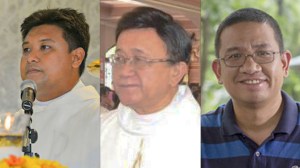
paez ventura niloThe Catholic Church in the Philippines is once again in profound grief after one of her priests was mercilessly murdered. Fr. Richmond Nilo, from the diocese of Cabanatuan was shot several times just before he celebrated the mass at a chapel in Zaragoza, Nueva Ecija. His body was laying on the floor at the foot of the image of Blessed Virgin, soaked with blood. Another disturbing and painful image. He becomes the third priest losing his life in a bloody attack in the past six months. On December 4, 2017, Fr. Marcelito Paez was ambushed in Jean, Nueva Ecija. Just a few weeks ago on April 29, Fr. Mark Ventura was also gunned down moment after celebrating the mass. We may also include Fr. Rey Urmeneta who was attacked by a hit man in Calamba, Laguna. He sustained a bullet in his body, yet he survived death.

Several weeks ago I wrote an emotional reflection on the death of Fr. Ventura (see “A Death of Priest) and I would never hope that I would write another one. Yet, just sometime after the priest was buried without justice being served, Fr. Nilo lost his life in the line of duty. Surely, this is not the first time a priest is killed in the Philippines. The history has witnessed the killing of both Filipino and foreign priests in this land, but to lose three lives in just six months is truly alarming. I was asking myself, “Are we now living in the perilous time for priests? Is to become a priest a dangerous vocation? What’s the point of becoming a priest if it brings nothing but persecution and death?” We have left everything for Christ, our family, our future. Should we give up our lives in this heinous manner as well?

These questions are valid, yet these questions also, I realize, spring from fear. Many priests and even seminarians, myself included, have lived in the comfort of our seminaries, parishes or convents. Provided with readily available basic necessities, with individual rooms, with good-quality education, with other facilities and even amenities, we are actually living as middle-class bachelors. These privileges are meant to make us better and well-formed priests for the service of the people, but getting used to these facilities, we often lose sight of their primary purpose. Our priesthood is called as the ministerial priesthood because the ordained priests are to serve the people of God, but sometimes, the priests end up being served by the people of God. At times, the virus of clericalism and careerism infect our minds. Ordinations and positions in the Church are seen as promotions, career, or prestige. A better position means better perks! If the priesthood is just another way to make us rich, we have lost the priesthood even before we die! The death of a priest is terrible sorrow, but the death of priesthood in our hearts is tragedy!

Bishop Pablo David, DD of Caloocan, Metro Manila, reminds seminarians who are aspiring to become priests, that if the deaths of the priests gave them discouragement, rather than inspiration, it is better for them to forget the priesthood and leave the seminary as soon as they can. Bishop David notes that they are not helpless victims, but rather martyrs that bravely choose to face the dangerous consequence of preaching the Gospel and working for justice.

Since the beginning of Christianity, to become Christians and especially priests are dangerous vocations because we follow Christ in His way of the Cross. Yet, the martyrdom of the three priests turns out to be a shock therapy that wakes us up from our comfortable slumber. It is a call for many of us, seminarians, religious, and priests to ask what the purpose of our priesthood is. Have we died every day to ourselves? Are we ready to give up our lives to God and His people? Are we ready to follow Christ till the end?

Br. Valentinus Bayuhadi Ruseno, OP

Kematian Tiga Imam

(refleksi seorang frater atas kematian tiga romo di Filipina)

17 Juni 2018


paez ventura niloGereja Katolik di Filipina sekali lagi berduka setelah salah satu imamnya dibunuh. Rm. Richmond Nilo, dari keuskupan Cabanatuan ditembak beberapa kali sebelum dia merayakan misa di sebuah kapel di Zaragoza, Nueva Ecija. Tubuhnya terbaring di lantai di kaki patung Santa Perawan, bersimbah darah. Sebuah peristiwa yang sungguh menyakitkan. Dia menjadi imam ketiga yang kehilangan nyawanya dalam serangan berdarah dalam enam bulan terakhir di Filipina. Pada 4 Desember 2017, Rm. Marcelito Paez ditembak saat dia sedang mengadakan perjalanan di Jean, Nueva Ecija. Baru beberapa Minggu yang lalu pada 29 April, Rm. Mark Ventura juga ditembak mati setelah merayakan misa. Juga bisa kita mungkin doakan juga Rm. Rey Urmeneta yang diserang oleh pembunuh bayaran di Calamba, Laguna. Dia terkena peluru, dan harus dirawat intensif, namun dia selamat dari kematian.

Beberapa Minggu yang lalu saya menulis sebuah refleksi emosional tentang kematian Rm. Ventura (lihat “Kematian Seorang Imam) dan saya tidak akan pernah berharap bahwa saya akan menulis lagi tentang ini. Namun, hanya beberapa saat setelah sang imam dimakamkan tanpa keadilan, Rm. Nilo kehilangan nyawanya saat menjalankan tugas sucinya. Tentunya, ini bukan pertama kalinya seorang imam dibunuh di Filipina. Sejarah telah menyaksikan pembunuhan imam di negeri ini, tetapi kehilangan tiga nyawa hanya dalam kurun waktu enam bulan benar-benar mengkhawatirkan. Beberapa pertanyaan tersirat dalam benak saya, “Apakah kita (secara khusus umat di Filipina) sekarang hidup dalam waktu yang berbahaya bagi para imam? Apakah menjadi imam adalah panggilan yang berbahaya? Apa gunanya menjadi seorang imam jika hal ini tidak membawa apa pun kecuali penganiayaan dan kematian?” Kita telah meninggalkan segalanya bagi Kristus, keluarga kita, masa depan kita. Haruskah kita menyerahkan hidup kita dengan cara yang keji ini?

Pertanyaan-pertanyaan ini benar adanya, tetapi saya sadari bahwa pertanyaan-pertanyaan ini juga muncul dari rasa takut. Banyak imam dan bahkan seminaris, termasuk saya, telah hidup dalam kenyamanan seminari, paroki, atau biara kita. Dilengkapi dengan berbagai kebutuhan dasar, dengan kamar individu yang nyaman, dengan pendidikan berkualitas, dengan fasilitas lainnya, kita sebenarnya hidup sebagai bujangan kelas menengah atas. Hak-hak istimewa ini tentunya dimaksudkan untuk membuat kita menjadi imam yang lebih baik dalam pelayanan, tetapi terbiasa dan dimanjakan dengan fasilitas-fasilitas ini, kita sering kehilangan tujuan utama dari imamat suci. Imamat adalah sakramen yang ditujukan untuk pelayanan karena itu, imam ditahbiskan untuk melayani umat Allah secara khusus kebutuhan rohani mereka. Namun, alih-alih melayani, para imam akhirnya yang dilayani oleh umat Allah. Kadang-kadang, virus klerikalisme dan karierisme menginfeksi pikiran kita. Pentahbisan dan posisi di Gereja dilihat sebagai promosi, karier, atau prestise. Posisi yang lebih baik berarti tunjangan yang lebih baik! Jika imamat hanyalah sebuah cara untuk membuat kita kaya, kita telah kehilangan imamat bahkan sebelum kita mati! Kematian seorang imam adalah sebuah duka, tetapi kehilangan imamat adalah sebuah tragedi.

Uskup Pablo David, DD dari Caloocan, Metro Manila, mengingatkan para seminaris yang bercita-cita menjadi imam, bahwa jika kematian para imam ini memberi mereka keputusasaan, bukan inspirasi, lebih baik bagi mereka untuk melupakan imamat dan meninggalkan seminari sesegera mungkin. Uskup David menyatakan bahwa tiga imam ini bukanlah korban yang tidak berdaya, tetapi para martir yang dengan berani memilih untuk menghadapi konsekuensi berbahaya dari memberitakan Injil dan bekerja untuk keadilan.

Sejak permulaan agama Kristiani, menjadi seorang Kristiani dan terutama imam adalah panggilan yang berbahaya karena kita mengikuti Kristus di jalan salib-Nya. Namun, kematian ketiga imam ini ternyata merupakan terapi kejut yang membangunkan kita dari tidur yang nyaman. Ini adalah seruan bagi banyak dari kita, para seminaris, religius, dan imam untuk melihat kembali apa tujuan dari imamat kita. Apakah kita mati setiap hari pada diri kita sendiri? Apakah kita siap menyerahkan hidup kita kepada Tuhan dan umat-Nya? Apakah kita siap mengikuti Kristus sampai akhir?


Frater Valentinus Bayuhadi Ruseno, OP