

The Solemnity of Our Lord Jesus Christ, King of the Universe [A]
November 22, 2020
Matthew 25:31-46
 To be the subject of a king is a foreign experience for many of us. I was born in Indonesia, and our country is a republic, and we espouse democracy to elect our leader. Some of us are citizens of kingdoms like Great Britain, Belgium, Thailand, and Japan, but the kings or queens here are serving under the constitution. When we speak of absolute monarchs, we are reminded of the powerful ancient kingdoms like Assyrian, Babylonian, and Persian empires. Here, the king’s words are the highest law, and disobedient to the king’s wish is acts of treason. Surprisingly, we still have some existing absolute monarchs in our time, like Brunei, Saudi Arabia, and the Vatican!
Today we are celebrating the solemnity of Jesus Christ, the King of the Universe. Yet, it is a bit difficult to imagine Christ as a king. He never wears a crown except for thorns. He never sat on the throne except for the cross. And, He never possessed an army except for a bunch of coward disciples. Is Jesus truly a king? The answer is an absolute yes. Jesus, as the king, is one of the dominant topics in the Gospels. Angel Gabriel announces to Mary, “the Lord God will give to him [Jesus] the throne of his ancestor David. He will reign over the house of Jacob forever, and of his kingdom there will be no end. [Luk 1:32-33]” One of the criminals crucified with Jesus cries, “Jesus, remember me when you come into your kingdom. [Luk 23:42]” And throughout His public ministry, Jesus is tirelessly proclaiming and building the kingdom of God.
In today’s Gospel, Jesus reveals that he is not just an ordinary king, not just a king among many kings. He is the king of kings, and only He can bring people to eternal life and everlasting damnation. We are reminded that since Jesus is the king of the universe, we are all His subjects. However, whether we are good subjects or bad ones, we still have to choose. Like with other kingdoms, we still need to at least two basic things: acknowledging Jesus as our king and being His loyal servant.
The good news is that He does not require us, His subjects, to wage war against other countries or pay taxes! He is the king of mercy, and thus, His order is: do the Works of Mercy. In the Catholic tradition, there are seven corporal works of mercy. These are: to feed the hungry, give water to the thirsty, clothe the naked, shelter the homeless, visit the sick, visit the imprisoned, and bury the dead. The seven corporal works of mercy are not complete with the seven spiritual works of mercy. These are: to instruct the ignorant, counsel the doubtful, admonish the sinners, bear patiently those who wrong us, forgive offenses, comfort the afflicted, and pray for the living and the dead.
Doing these are not always easy, but it is necessary because it proves our loyalty to the great king. Negligence to do works of mercy brings a serious consequence: to be expelled from the kingdom. The choice is ours, and the time is now.
Valentinus Bayuhadi Ruseno, OP
photocredit: robert nyman
 Menjadi abdi seorang raja adalah pengalaman asing bagi banyak dari kita. Saya lahir di Indonesia, dan negara kita adalah republik dan kita menjunjung demokrasi sebagai cara untuk memilih pemimpin kita. Mungkin kita pernah ke negara kerajaan seperti Inggris, Belgia, Thailand, dan Jepang, tetapi raja atau ratu di sini juga berdasarkan konstitusi atau undang-undang dasar. Ketika kita berbicara tentang monarki absolut, kita diingatkan tentang kerajaan kuno yang kuat seperti kerajaan Asyur, Babel, dan Persia. Di sini perkataan raja adalah hukum tertinggi, dan tidak mematuhi keinginan raja adalah tindakan pengkhianatan. Sebenarnya, kita masih memiliki beberapa monarki absolut yang ada di zaman kita, seperti Kerajaan Brunei, Arab Saudi dan Vatikan!
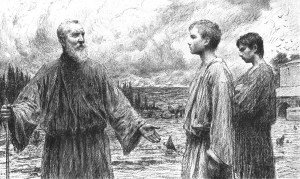 Untuk memahami perumpamaan tentang dua anak laki-laki pemilik kebun anggur ini, kita perlu membaca seluruh Matius pasal 21. Yesus baru saja memasuki kota Yerusalem dan disambut oleh orang-orang dengan teriakan “Hosana” dan ranting palem. Kemudian, Dia pergi ke area Bait Allah untuk menyucikannya dari malpraktek yang terjadi. Jadi, para penatua dan imam kepala, yang bertanggung jawab atas Bait Allah, mempertanyakan Yesus, “siapa kamu? Dengan wewenang apa Anda bertindak demikian? ”
 Reading the entire Matthew chapter 21, we will get the sense of the parable of the two sons of the vineyard owner. Jesus just entered the city of Jerusalem and was welcomed by the people with a shout of “Hosanna” and palm branches. Then, he proceeded to the Temple area to cleanse it from the malpractices plaguing the holy ground. Thus, the elders and chief priests, the one who was in charge of the Temple, questioned Jesus, “who are you? By what authority do you act and teach?”

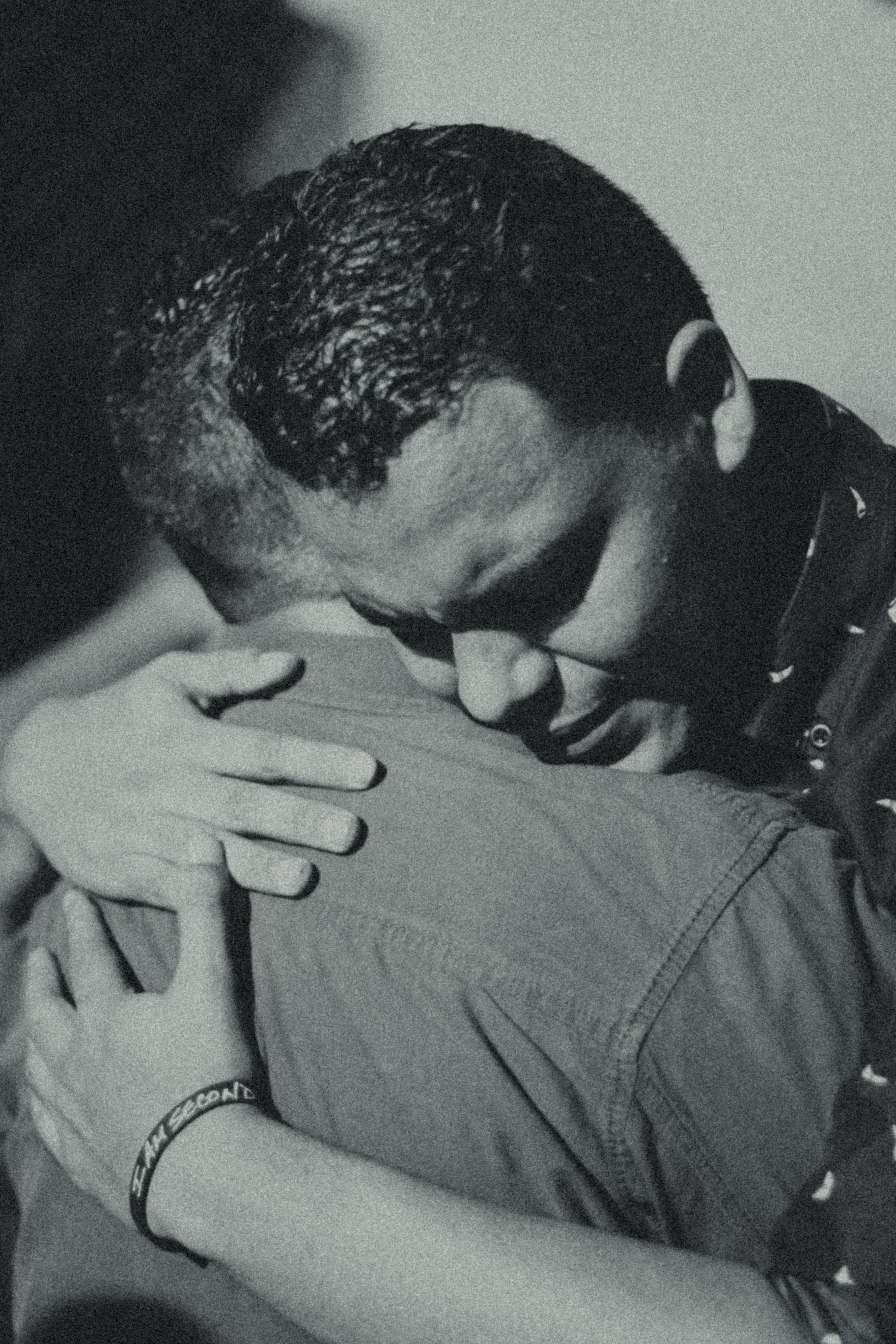
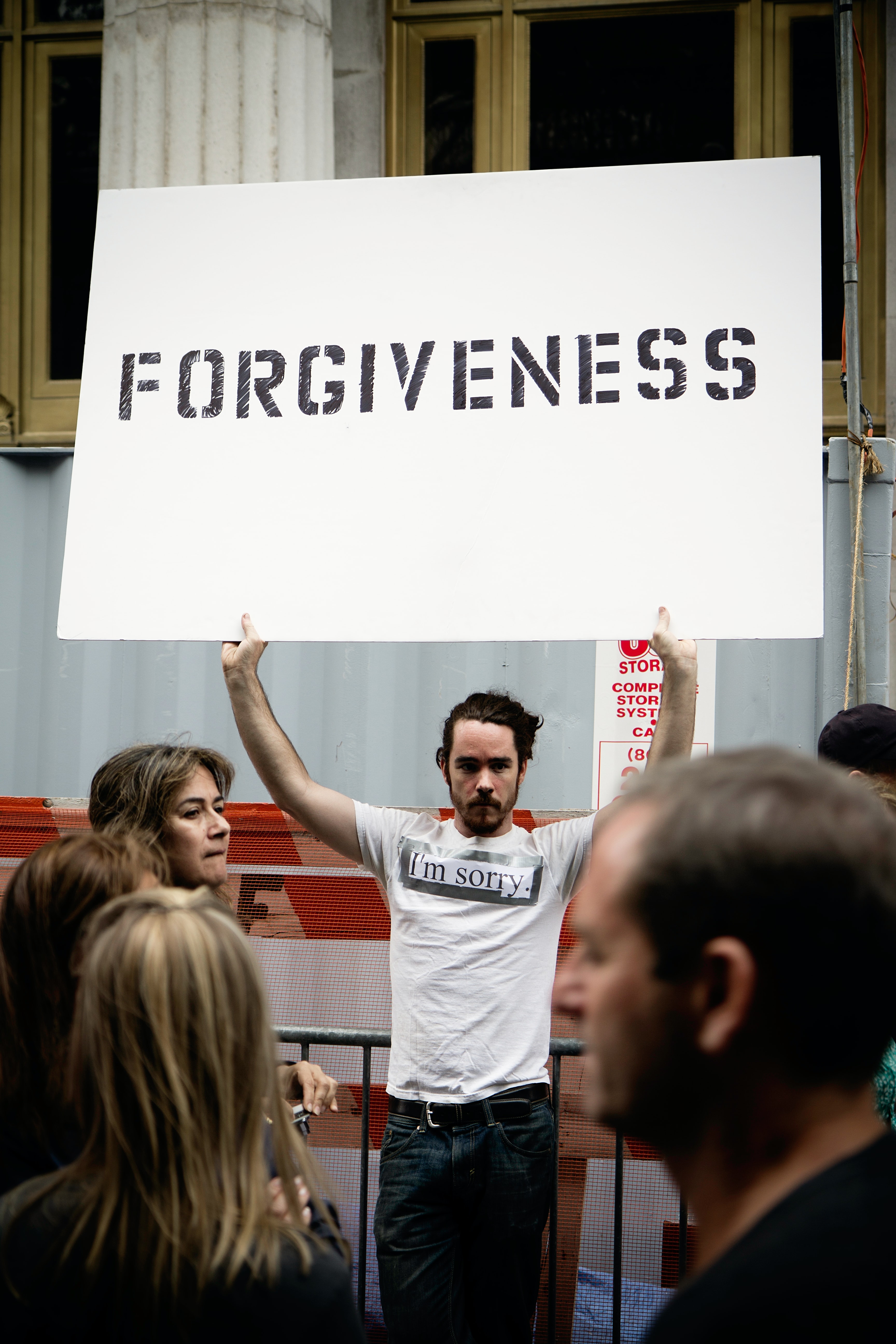
 The second Sunday of Easter is also known as the Divine Mercy Sunday. The liturgical celebration of the Divine Mercy Sunday is declared in the year 2000 by Pope St. John Paul II who had a strong devotion to the Divine Mercy revealed to St. Faustina. Though the feast itself is something recent, the truth of divine mercy is fundamental in the Bible and Sacred Tradition. If there is one prevailing character of God, it is not other than mercy. In the Old Testament, there are at least two Hebrew words that can be translated as mercy. One is rāḥam and the other is ḥeṣedh.
 Hari Minggu Paskah kedua juga dikenal sebagai Minggu Kerahiman Ilahi. Perayaan Minggu Kerahiman Ilahi ditetapkan pada tahun 2000 oleh St. Yohanes Paulus II yang memiliki devosi khusus kepada kerahiman Ilahi yang diwahyukan kepada St. Faustina. Meskipun perayaan liturgi ini sendiri adalah sesuatu yang baru, kebenaran akan kerahiman Ilahi adalah sesuatu yang mendasar dalam Alkitab dan Tradisi Suci. Jika ada satu karakter Allah yang paling penting, ini tidak lain adalah kerahiman-Nya. Dalam Perjanjian Lama, setidaknya ada dua kata Ibrani yang dapat diterjemahkan sebagai kerahiman. Yang satu adalah rāḥam dan yang lainnya adalah ḥeṣedh.
 In Medio Ecclesiae