

The Solemnity of the Epiphany of the Lord – January 5, 2020 – Matthew 2:1-12
They were overjoyed at seeing the star (Mat 2:10
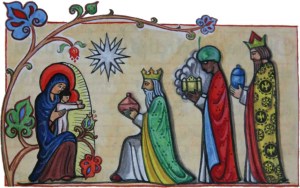 The journey of the three wise men from the East embodies the deepest human longing for a meaningful life and true happiness. Balthazar, Melchior and Gaspar, as the tradition called them, were neither Jews nor baptized Christians. In Greek ancient manuscripts of the Gospel, the word used to describe them is ‘magos’, meaning ‘someone with magical power’ or ‘magicians’, and practicing magic is detestable in the eyes of the Jews (2 Cro 33:6). Though we cannot be sure what kind of magic they crafted, but one thing is sure that they read the sign of times and followed the star. Because of this, they were instantaneously accused as one of those astrologers, star-readers who predict the human behaviors and the future, but I would argue that they were actually early astronomers instead astrologers. Like ordinary seamen who gazed the stars and hoped that they would guide them home, the magi did look at the star and believed that they would navigate their way to the true end.
They were people heatedly called the “Gentiles”; people who knew nothing about God and His mighty acts; and people who would fatefully perish because they were far from God’s Law. Yet, God always turns His eyes toward those who are sincerely looking for Him. They became one among the first persons to whom God chose to reveal Himself, and together with them were the simple shepherds. Surprisingly, these people were not learned Jews, wealthy aristocrats and definitely not King Herod the great.
The journey of the wise men is rightly considered as a pilgrimage for a very simple yet essential reason: they have God as their end. It was not a recreational picnic to reenergize oneself. It was never an educational tour to add up knowledge. Surely, it was not a business trip to make one richer. The Gospel tells us they was searching for the “newborn King of the Jews” and intending to pay homage. But, why did they have to give utmost respect to this weak baby whereas there were a lot of powerful kings around them? It was because they were aware that this King was not a typical warlord nor a power-addict politician, but a King that would answer their heart’s desire: the fullness of life and true wisdom. They indeed looked for God Himself and this made them truly wise.
Deep inside us, there is always yearning for real happiness and genuine completeness. Yet, we are often like Herod the Great who boxed himself in his own man-made palace and we seek the answer within ourselves, in richness, power and bodily pleasure. This brings us nothing but frustration and emptiness. The pilgrimage of the three wise men from the east should be ours as well. The three magi give us an authentic example by looking the answer not in ourselves but in God, and only in Him we may find our joy.
Valentinus Bayuhadi Ruseno, OP
 Perjalanan tiga orang bijak dari Timur menjadi symbol dari kerinduan terdalam manusia untuk kehidupan yang bermakna dan kebahagiaan sejati. Balthazar, Melchior dan Gaspar, sebagaimana tradisi menyebut mereka, bukanlah orang Yahudi ataupun Kristiani. Dalam naskah kuno Yunani dari Injil, kata yang digunakan untuk mendeskripsikan mereka adalah ‘magos’, yang berarti ‘seseorang dengan kekuatan magis’ atau ‘penyihir’, dan melakukan magis/sihir adalah kejahatan di mata orang-orang Yahudi (2 Taw 33:6). Meskipun kita tidak bisa memastikan apakah mereka sungguh penyihir apa bukan, satu hal yang pasti bahwa mereka membaca tanda-tanda zaman dan mengikuti sang bintang. Karena itu, mereka sering dituduh sebagai astrolog, pembaca bintang untuk memprediksi perilaku manusia dan masa depan, hal yang dilarang banyak agama, tapi saya berpendapat bahwa mereka sebenarnya adalah astronom. Seperti pelaut yang menatap bintang-bintang dan berharap bahwa bintang-bintang ini akan membimbing mereka pulang, orang majus ini juga melihat bintang dan percaya bahwa mereka akan berjalan di jalan yang benar.
 Balthazar, Melchior, and Gaspar, as the tradition called them, were neither Jews nor baptized Christians. In Greek ancient manuscripts of the Gospel, the word used to describe them is ‘magos’, meaning ‘someone with magical power’ or ‘magicians’, and practicing magic is detestable in the eyes of the Jews (2 Chro 33:6). Even the Catholic Church herself prohibits our engagement with any kind of magic (CCC 2116). Yet, we cannot be sure what kind of magic they craft, but one thing is certain that these Magi read the sign of times and follow the star. Because of this, they are called as one of those ancient astrologers, star-readers who predict the human behaviors and the future.
 Menurut tradisi, nama tiga orang Majus adalah Balthazar, Melchior, dan Gaspar. Dalam bahasa Yunani, kata yang digunakan untuk Majus adalah ‘magos’, yang berarti ‘seseorang dengan kekuatan magis atau sihir’, dan mempraktekkan ilmu magis adalah sebuah kesalahan besar di mata orang-orang Yahudi (2 Taw 33: 6). Bahkan Gereja Katolik sendiri melarang kita memiliki kontak dengan praktek magis atau sihir apa pun (Katekismus 2116). Namun, kita tidak bisa memastikan bentuk magis apa yang digunakan oleh orang Majus ini, tapi satu hal yang pasti bahwa mereka membaca tanda zaman dan mengikuti bintang. Karena itu, mereka bias disebut sebagai astrolog kuno, pembaca bintang yang memprediksi perilaku manusia dan masa depan.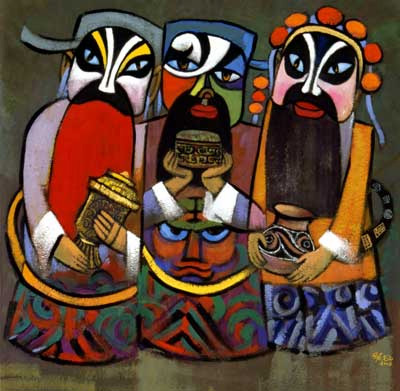
 In Medio Ecclesiae