
Gifts of Mercy

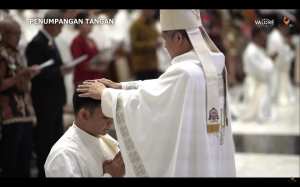
laying of handsOne of the greatest as well as most humbling realization is that my life and existence is a gift from God. All that exist, from the sub-atomic particle to the purest seraphim owe their being from the Lord. If St. Thomas Aquinas defines justice as to give what is due, then existence is neither due to me nor to all of us. I cannot demand the Lord that He should create me to be the handsomest of all, the richest of all, and the brightest of all. Not even I can ask from Him to possess a face like a Korean actor! Then why did God create me?

The answer lies beyond the justice of God, and what is beyond his justice? It is His Mercy. If His justice asks for “tooth for a tooth” and “eye for an eye”, His Mercy enables one to “give to the one who asks of you, and do not turn your back on one who wants to borrow. (Matt. 5:42)”. If justice is to “love your neighbor and hate your enemy,” (Matt. 5:43), mercy is to “love your enemies, and pray for those who persecute you (Matt. 5:44 NAB).” If God simply exercises His justice, I would not have had my being, but a God is “gracious and merciful, slow to anger and abounding in love and fidelity (Exo 34:6).” And I am here now, alive and kicking, because of God’s mercy. It is a gift precisely because it does not come from my merit and achievement, but freely given.

However, the first gift of life is not the only gift He grants me. The precious gifts keep coming: the gift of family, the gift of faith, the gift of (Dominican) vocation.

This series of precious gifts are leading me to another even more precious gift: the gift of priesthood. Looking into myself, I am aware that I am far from worthy. I have been sinful man, a broken in many possible ways, and I have hurt a numberless people. Often, I am ungrateful for tremendous gifts and blessing God has showered me. And yet, here I am, quoting the motto of Pope Francis, “miserando atque eligendo” – by God’s merciful choice, in front of the great mystery of faith. As I am ordained by the laying hands of Most. Rev. Antonius Subianto, OSC, DD, I will be, as Bishop Robert Barron would point out, “the bearer of the divine mystery”. This gift does not simply add some sacramental works in my sleeves, but it transforms my very being and identity into the image and likeness of Christ the Head [in persona Christi Capitis]. I participate in the identity and mission of the bishops and fellow priests as bridge-maker [pontifex] between God and humanity, to allow the people of God to embrace the divine mystery.

Every time I celebrate Eucharist [thanksgiving], I shall give thanks to the Lord for the gifts of Mercy. As I have received the gifs, it is now my turn to share these gifts to others so that people of God may feel His Mercy. At the heart of the Eucharist is the thanksgiving over the most precious gift of all, the body and blood of Jesus Christ, being blessed, broken and shared. As I receive this precious gift, my lips proclaim the Word of God, and my hands lift the bread of life and the chalice of salvation, I shall offer my life, like the life of Jesus, to be broken and shared to nourish the people of God.

However, despite tremendous power and privilege the ordination brings, I keep confessing that I am weak, sinful, and not worthy. Thus, as I begin this new chapter of my life, I implore for God’s Mercy and yours.


True Greatness

Reflection on the 25th Sunday in Ordinary Time [September 23, 2018] Mark 9:30-37

“Whoever wants to be first must be last of all and servant of all.” (Mk. 9:35)

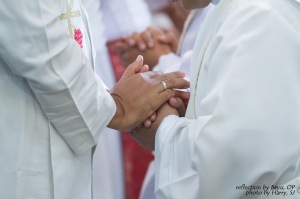
ordination 1While I was reflecting on this Sunday’s Gospel, I was able to discover some news about our Church. Good News! The Catholic Church in the Philippines is preparing herself for the 500 years of the arrival of Christianity in this archipelago. The first baptism and Eucharist were taking place in 1521 as the Spanish missionaries began their evangelization mission. As part of this grand preparation, the Bishops of the Philippines have decided to celebrate this year as the year of the clergy and the consecrated persons. The major theme of this year is the renewed servant-leaders for the new evangelization. In view of this, many programs and activities are organized to help both the ordained ministers and the religious brothers and sisters to deepen their commitment to God and their service to the people.
Not so good news. It is also true, however, that today the Church is also facing a deep crisis. In many countries and places, the clergy, as well as the religious persons, are caught in scandals and shameful things. One among the worst is the sexual abuses involving the minors done by priests and even bishops, and the massive cover-up staged to tolerate this structural evil. Yet, this is not the only thing that plagues the Church. Some ordained ministers are dishonest and having double-standard lives. Some are secretly enriching themselves. Others may not commit any scandal, but are lacking in compassion and enthusiasm in serving the people of God. Many stories are circulating of priests refusing to hear confession or anointing the dying because they like to prioritize their scheduled hobbies or religious persons who are grumpy and easily irritated with others. These attitudes simply drive people away from the Church. The rest of us perhaps are just nothing but mediocre clergy or religious. This reminds me of Pope Francis who points that holiness as opposed to ‘bland and mediocre existence.’

Our Gospel narrates Jesus who in private teaches the disciples, who will be the first and models of Church’s leaders. The Gospel itself can be divided into two parts. The first part speaks of Jesus foretelling his impending suffering and death in Jerusalem. Here, reacting to Jesus’ words, the disciples drop silence. Perhaps, the memory of Jesus scolding Peter and calling him “Satan” is still fresh in the mind of the disciples and nobody wants to repeat the same embarrassment. The second part of the Gospel tells us of the topic of greatness. This time, the disciples have a different reaction. Not only do they initiate the discussion, but they are also passionately arguing among themselves. We can imagine Peter boasting himself as the leader among the apostles, or John telling everyone that he is the closest to Jesus, or Matthew being proud of his richness. After all, these are our first Pope and first bishops. Yet, when Jesus asks them, they once again fall silent.

The apostles seem to forget that Jesus’ disciples have to carry their cross and follow Jesus to Jerusalem. Jesus, however, understands that human desire for excellence is a gift from God. Jesus does not forbid His apostles to have dreams and strive for greatness, but He makes a radical twist. He directs this powerful energy from achieving one selfish interests into serving others. Thus, Jesus’ unforgettable line: “Whoever wants to be first must be last of all and servant of all.” (Mk. 9:35) Indeed, they need to excel, but not any worldly measures, but in serving and empowering others. In his exhortation, Gaudete et Exsultate, Pope Francis calls this “the Logic of the Cross.” True happiness is a paradox. If the clergy, the religious and all of us want to be genuinely happy, then it is not so much on the wealth and success we have gained, but from our service and sacrifice for others.

We continue to pray for our priests and bishops, as well as our religious brother and sisters. We pray not only that they may avoid scandals, but they may be holy. As Pope Benedict XVI puts it, “holiness is nothing other than charity lived to the full.”

Br. Valentinus Bayuhadi Ruseno, OP

Kekudusan dalam Keagungan

Renungan untuk Minggu ke-25 dalam Masa Biasa [22 September 2018] Markus 9: 30-37

“Jika seseorang ingin menjadi yang terdahulu, hendaklah ia menjadi yang terakhir dari semuanya dan pelayan dari semuanya.” (Mrk. 9:35)

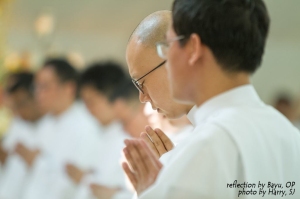
ordination 2Ketika saya merenungkan Injil hari Minggu ini, saya membaca beberapa berita tentang Gereja. Ada Kabar baik. Gereja Katolik di Filipina mempersiapkan diri untuk perayaan 500 tahun kedatangan iman Kristiani di negara ini. Baptisan dan Ekaristi pertama terjadi pada tahun 1521 sewaktu para misionaris Spanyol memulai misi evangelisasi mereka. Sebagai bagian dari persiapan besar ini, para Uskup Filipina memutuskan untuk merayakan tahun ini sebagai tahun para klerus [daikon, imam, dan uskup] dan rohaniwan. Dengan demikian, banyak program dan kegiatan diselenggarakan di berbagai keuskupan di Filipina untuk membantu para klerus dan biarawan untuk memperdalam komitmen mereka pada Allah dan pelayanan mereka kepada umat dan bangsa.
Tetapi, ada juga berita yang tidak begitu baik. Saat ini, Gereja juga menghadapi krisis yang mendalam. Di banyak negara dan tempat, para klerus dan biarawan, terlibat dalam skandal dan hal-hal yang memalukan. Salah satu yang terburuk adalah pelecehan seksual yang melibatkan anak di bawah umur yang dilakukan oleh beberapa imam dan bahkan uskup, dan ada usaha untuk menutup-nutupi hal ini sehingga kejahatan struktural ini berkembang subur. Namun, ini bukan satu-satunya hal yang mengganggu Gereja. Beberapa klerus tidak jujur ​​dan memiliki kehidupan ganda. Beberapa diam-diam memperkaya diri mereka sendiri. Beberapa mungkin tidak melakukan skandal apa pun, tetapi kurang berbelas kasih dan tidak miliki semangat dalam melayani umat Allah. Banyak cerita yang beredar tentang pastor yang menolak untuk mendengar pengakuan dosa atau mengurapi orang yang sakit karena mereka memprioritaskan hobi mereka atau para biarawan yang gampang marah terhadap orang lain. Sikap-sikap ini hanya membuat umat menjauh dari Gereja.

Injil kita Minggu ini berkisah tentang Yesus yang mengajar para murid, yang kemudian akan menjadi pemimpin Gereja perdana. Injil ini sendiri dapat dibagi menjadi dua bagian. Bagian pertama berbicara tentang Yesus menubuatkan penderitaan dan kematian yang akan datang di Yerusalem. Di sini, para murid hanya terdiam. Mungkin, memori akan Yesus yang menegur Petrus dan memanggilnya “Setan” masih segar di pikiran para murid dan tidak ada yang ingin mengulangi peristiwa pemalukan yang sama. Bagian kedua dari Injil berbicara tentang tema kebesaran dan kepemimpinan. Kali ini, para murid memiliki reaksi yang berbeda. Tidak hanya mereka yang memulai diskusi, tetapi mereka juga dengan penuh semangat berdebat di antara mereka sendiri. Kita dapat membayangkan Petrus membanggakan dirinya sebagai pemimpin di antara para rasul, atau Yohanes mengatakan kepada semua orang bahwa ia adalah yang paling dekat dengan Yesus, atau Matius bangga akan kekayaannya. Bagaimanapun, mereka adalah Paus pertama dan para uskup pertama kita. Namun, ketika Yesus bertanya kepada mereka, mereka sekali lagi terdiam.

Para rasul sepertinya lupa bahwa murid-murid Yesus yang sejati harus memikul salib mereka dan mengikuti Yesus ke Yerusalem. Namun, Yesus memahami bahwa keinginan manusia untuk menjadi yang terbaik adalah karunia dari Allah juga. Yesus tidak melarang rasul-rasul-Nya untuk bermimpi dan berusaha untuk mencapai kebesaran, tetapi Dia membuat perubahan radikal. Dia mengarahkan energi yang kuat ini dari sekedar untuk mencapai kepentingan pribadi, berubah menjadi untuk melayani orang lain. Lalu, Yesus pun berkata, “Jika seseorang ingin menjadi yang terdahulu, hendaklah ia menjadi yang terakhir dari semuanya dan pelayan dari semuanya.” (Mrk. 9:35) Memang, mereka perlu menjadi unggul, tetapi tidak dala ukuran duniawi, tetapi dalam melayani dan memberdayakan sesama.

 Dalam dokumen terbarunya, Gaudete et Exsultate, Paus Fransiskus berbiacara tentang “Logika Salib.” Kebahagiaan sejati adalah sebuah paradoks. Jika para klerus, biarawan dan kita semua ingin bahagia, bukanlah kejayaan dan kesuksesan duniawi yang kita kejar, tetapi pelayanan dan pengorbanan kita untuk orang lain.

Kita terus berdoa bagi para imam dan uskup kita, serta para biarawan. Kita berdoa tidak hanya agar mereka dapat menghindari dosa, tetapi mereka mungkin menjadi kudus. Sebagaimana dikatakan Paus Benediktus XVI, “kekudusan tidak lain adalah kasih yang dihidupi sampai penuh.”

Frater Valentinus Bayuhadi Ruseno, OP

The Death of Priesthood

(a reflection of a religious brother for three Filipino priests who recently martyred)

June 17, 2018

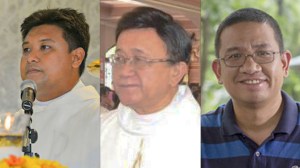
paez ventura niloThe Catholic Church in the Philippines is once again in profound grief after one of her priests was mercilessly murdered. Fr. Richmond Nilo, from the diocese of Cabanatuan was shot several times just before he celebrated the mass at a chapel in Zaragoza, Nueva Ecija. His body was laying on the floor at the foot of the image of Blessed Virgin, soaked with blood. Another disturbing and painful image. He becomes the third priest losing his life in a bloody attack in the past six months. On December 4, 2017, Fr. Marcelito Paez was ambushed in Jean, Nueva Ecija. Just a few weeks ago on April 29, Fr. Mark Ventura was also gunned down moment after celebrating the mass. We may also include Fr. Rey Urmeneta who was attacked by a hit man in Calamba, Laguna. He sustained a bullet in his body, yet he survived death.

Several weeks ago I wrote an emotional reflection on the death of Fr. Ventura (see “A Death of Priest) and I would never hope that I would write another one. Yet, just sometime after the priest was buried without justice being served, Fr. Nilo lost his life in the line of duty. Surely, this is not the first time a priest is killed in the Philippines. The history has witnessed the killing of both Filipino and foreign priests in this land, but to lose three lives in just six months is truly alarming. I was asking myself, “Are we now living in the perilous time for priests? Is to become a priest a dangerous vocation? What’s the point of becoming a priest if it brings nothing but persecution and death?” We have left everything for Christ, our family, our future. Should we give up our lives in this heinous manner as well?

These questions are valid, yet these questions also, I realize, spring from fear. Many priests and even seminarians, myself included, have lived in the comfort of our seminaries, parishes or convents. Provided with readily available basic necessities, with individual rooms, with good-quality education, with other facilities and even amenities, we are actually living as middle-class bachelors. These privileges are meant to make us better and well-formed priests for the service of the people, but getting used to these facilities, we often lose sight of their primary purpose. Our priesthood is called as the ministerial priesthood because the ordained priests are to serve the people of God, but sometimes, the priests end up being served by the people of God. At times, the virus of clericalism and careerism infect our minds. Ordinations and positions in the Church are seen as promotions, career, or prestige. A better position means better perks! If the priesthood is just another way to make us rich, we have lost the priesthood even before we die! The death of a priest is terrible sorrow, but the death of priesthood in our hearts is tragedy!

Bishop Pablo David, DD of Caloocan, Metro Manila, reminds seminarians who are aspiring to become priests, that if the deaths of the priests gave them discouragement, rather than inspiration, it is better for them to forget the priesthood and leave the seminary as soon as they can. Bishop David notes that they are not helpless victims, but rather martyrs that bravely choose to face the dangerous consequence of preaching the Gospel and working for justice.

Since the beginning of Christianity, to become Christians and especially priests are dangerous vocations because we follow Christ in His way of the Cross. Yet, the martyrdom of the three priests turns out to be a shock therapy that wakes us up from our comfortable slumber. It is a call for many of us, seminarians, religious, and priests to ask what the purpose of our priesthood is. Have we died every day to ourselves? Are we ready to give up our lives to God and His people? Are we ready to follow Christ till the end?

Br. Valentinus Bayuhadi Ruseno, OP

Kematian Tiga Imam

(refleksi seorang frater atas kematian tiga romo di Filipina)

17 Juni 2018


paez ventura niloGereja Katolik di Filipina sekali lagi berduka setelah salah satu imamnya dibunuh. Rm. Richmond Nilo, dari keuskupan Cabanatuan ditembak beberapa kali sebelum dia merayakan misa di sebuah kapel di Zaragoza, Nueva Ecija. Tubuhnya terbaring di lantai di kaki patung Santa Perawan, bersimbah darah. Sebuah peristiwa yang sungguh menyakitkan. Dia menjadi imam ketiga yang kehilangan nyawanya dalam serangan berdarah dalam enam bulan terakhir di Filipina. Pada 4 Desember 2017, Rm. Marcelito Paez ditembak saat dia sedang mengadakan perjalanan di Jean, Nueva Ecija. Baru beberapa Minggu yang lalu pada 29 April, Rm. Mark Ventura juga ditembak mati setelah merayakan misa. Juga bisa kita mungkin doakan juga Rm. Rey Urmeneta yang diserang oleh pembunuh bayaran di Calamba, Laguna. Dia terkena peluru, dan harus dirawat intensif, namun dia selamat dari kematian.

Beberapa Minggu yang lalu saya menulis sebuah refleksi emosional tentang kematian Rm. Ventura (lihat “Kematian Seorang Imam) dan saya tidak akan pernah berharap bahwa saya akan menulis lagi tentang ini. Namun, hanya beberapa saat setelah sang imam dimakamkan tanpa keadilan, Rm. Nilo kehilangan nyawanya saat menjalankan tugas sucinya. Tentunya, ini bukan pertama kalinya seorang imam dibunuh di Filipina. Sejarah telah menyaksikan pembunuhan imam di negeri ini, tetapi kehilangan tiga nyawa hanya dalam kurun waktu enam bulan benar-benar mengkhawatirkan. Beberapa pertanyaan tersirat dalam benak saya, “Apakah kita (secara khusus umat di Filipina) sekarang hidup dalam waktu yang berbahaya bagi para imam? Apakah menjadi imam adalah panggilan yang berbahaya? Apa gunanya menjadi seorang imam jika hal ini tidak membawa apa pun kecuali penganiayaan dan kematian?” Kita telah meninggalkan segalanya bagi Kristus, keluarga kita, masa depan kita. Haruskah kita menyerahkan hidup kita dengan cara yang keji ini?

Pertanyaan-pertanyaan ini benar adanya, tetapi saya sadari bahwa pertanyaan-pertanyaan ini juga muncul dari rasa takut. Banyak imam dan bahkan seminaris, termasuk saya, telah hidup dalam kenyamanan seminari, paroki, atau biara kita. Dilengkapi dengan berbagai kebutuhan dasar, dengan kamar individu yang nyaman, dengan pendidikan berkualitas, dengan fasilitas lainnya, kita sebenarnya hidup sebagai bujangan kelas menengah atas. Hak-hak istimewa ini tentunya dimaksudkan untuk membuat kita menjadi imam yang lebih baik dalam pelayanan, tetapi terbiasa dan dimanjakan dengan fasilitas-fasilitas ini, kita sering kehilangan tujuan utama dari imamat suci. Imamat adalah sakramen yang ditujukan untuk pelayanan karena itu, imam ditahbiskan untuk melayani umat Allah secara khusus kebutuhan rohani mereka. Namun, alih-alih melayani, para imam akhirnya yang dilayani oleh umat Allah. Kadang-kadang, virus klerikalisme dan karierisme menginfeksi pikiran kita. Pentahbisan dan posisi di Gereja dilihat sebagai promosi, karier, atau prestise. Posisi yang lebih baik berarti tunjangan yang lebih baik! Jika imamat hanyalah sebuah cara untuk membuat kita kaya, kita telah kehilangan imamat bahkan sebelum kita mati! Kematian seorang imam adalah sebuah duka, tetapi kehilangan imamat adalah sebuah tragedi.

Uskup Pablo David, DD dari Caloocan, Metro Manila, mengingatkan para seminaris yang bercita-cita menjadi imam, bahwa jika kematian para imam ini memberi mereka keputusasaan, bukan inspirasi, lebih baik bagi mereka untuk melupakan imamat dan meninggalkan seminari sesegera mungkin. Uskup David menyatakan bahwa tiga imam ini bukanlah korban yang tidak berdaya, tetapi para martir yang dengan berani memilih untuk menghadapi konsekuensi berbahaya dari memberitakan Injil dan bekerja untuk keadilan.

Sejak permulaan agama Kristiani, menjadi seorang Kristiani dan terutama imam adalah panggilan yang berbahaya karena kita mengikuti Kristus di jalan salib-Nya. Namun, kematian ketiga imam ini ternyata merupakan terapi kejut yang membangunkan kita dari tidur yang nyaman. Ini adalah seruan bagi banyak dari kita, para seminaris, religius, dan imam untuk melihat kembali apa tujuan dari imamat kita. Apakah kita mati setiap hari pada diri kita sendiri? Apakah kita siap menyerahkan hidup kita kepada Tuhan dan umat-Nya? Apakah kita siap mengikuti Kristus sampai akhir?


Frater Valentinus Bayuhadi Ruseno, OP