

33rd Sunday in Ordinary Time [B]
November 17, 2024
Mark 13:24-32
When someone asks if we want to go to heaven, we quickly say, “Yes!” But if asked if we want to become saints, our enthusiasm often fades. This is surprising because everyone in heaven is a saint. To be a saint means to be in heaven. So why do we separate the idea of heaven from being a saint?

At least, there are three reasons:
- Misunderstanding the Catholic Faith: Some of us may not fully understand our faith. We might think there are two groups in heaven: well-known saints like the Blessed Mother, St. Joseph, St. Dominic, and St. Francis, and a second group of non-saints. We assume saints are only those who have been officially recognized and celebrated with feast days. But this is not true. All people in heaven are saints, even if we don’t know their names. That’s why we celebrate All Saints’ Day, honoring every person who by God’s grace has reached heaven. One of those saints could be a relative or ancestor!
- Thinking It’s Too Hard to Be a Saint: We read stories about saints and feel like we could never be as good as them. Saints seem perfect—extremely lovely, always praying, and some even performed miracles. And martyrs faced painful deaths for their faith. This level of holiness feels impossible for us because we are aware of our weaknesses and sins. But here’s the truth: saints didn’t become holy by their efforts alone; they depended on God’s grace. They were imperfect humans, like all of us, who allowed God’s love to transform them.
- Fear of Death: We might think that becoming a saint means we must die first, and we do not want to die! However, not all death is physical and biological. We need to die also to ourselves. This means letting go of worldly attachments and sinful desires.
In today’s Gospel, Jesus speaks about His return in glory and the signs that will come before it—darkened skies, a dim moon, and falling stars. This can mean the end of an era or even the end of the world. Yet, this can also tell us a deeper lesson: the world we know is temporary, destructible, and if we cling too tightly to it, we will lose everything. We need to choose: will we die to this world and live for God, or die with this world, and losing God.
We ask God to help us dying to ourselves, letting go of the world, and live more for Christ. Then, whenever Jesus comes, we will be ready to stand before Him, truly alive, just like the saints in heaven.
Rome
Valentinus B. Ruseno, OP
Questions for Reflection:
What do we think heaven is like? How do we view the saints and their roles in our lives? Do we want to become saints, or are we too attached to the world? What are the things we cling to in this life? How are we preparing for Jesus’ coming?
 Traditionally, the Gospel of John is divided into two major divisions: the Book of Sign [chapter 1-12] and the Book of Glory [Chapter 13-21]. The book of Sign focuses on the public ministry of Jesus and presents the seven signs of Jesus. In John’s Gospel, Sign is a technical term for a miracle. Jesus’ signs begin with changing water into wine in Cana and reaching its culmination in raising Lazarus from the dead. Meanwhile, the book of Glory tells us how Jesus is glorified. The second part starts with Jesus and his disciples in the Upperroom and culminates in His Passion, death, and resurrection.
 njil Yohanes biasanya dibagi menjadi dua divisi utama: Buku Tanda-Tanda [bab 1-12] dan Buku Kemuliaan [Bab 13-21]. Buku Tanda-Tanda berfokus pada pelayanan publik Yesus dan juga tujuh ‘tanda’ Yesus. Dalam Injil Yohanes, ‘Tanda’ adalah istilah teknis untuk mukjizat. Tanda-tanda Yesus ini dimulai dengan mengubah air menjadi anggur di Kana dan mencapai puncaknya dengan membangkitkan Lazarus dari kematian. Sedangkan Buku Kemuliaan menjelaskan kepada kita bagaimana Yesus ‘dimuliakan’. Buku kedua dimulai dengan Yesus dan murid-murid-Nya di Ruang Atas dan berpuncak pada sengsara, wafat, dan kebangkitan-Nya.
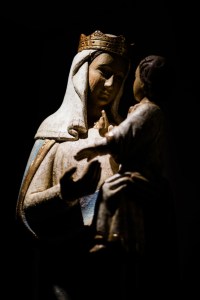 Today the Church is celebrating the Solemnity of all saints. This is one of the ancient feasts in the Church that commemorates and honors all holy people who had gone before us and received their eternal reward, God Himself. We may recognize some of them, like St. Ignatius, St. Dominic de Guzman, St. Francis of Assisi, and St. Catharine of Siena, but this is only a tiny fraction of the entire heavenly host. There are countless we are not aware of. The good news is that all of them are praying for us, and who knows, some of our departed beloved have been parts of this holy communion.
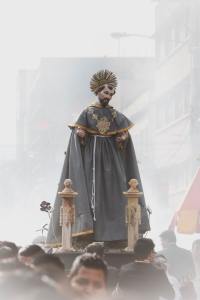 Hari ini Gereja merayakan hari raya semua orang kudus. Ini adalah salah satu pesta kuno di Gereja yang memperingati dan menghormati semua orang yang telah berpulang dan menerima pahala kekal mereka, Tuhan Sendiri. Kita mungkin mengenali beberapa dari mereka, seperti St. Dominikus de Guzman, St. Fransiskus dari Assisi, dan St. Catharine dari Siena, dan St. Ignatius, tetapi ini hanya sebagian kecil dari seluruh penghuni surgawi. Kabar baiknya adalah bahwa mereka semua berdoa untuk kita, dan siapa tahu, beberapa dari orang-orang yang kita kasihi yang telah meninggal telah menjadi bagian dari persekutuan kudus ini.
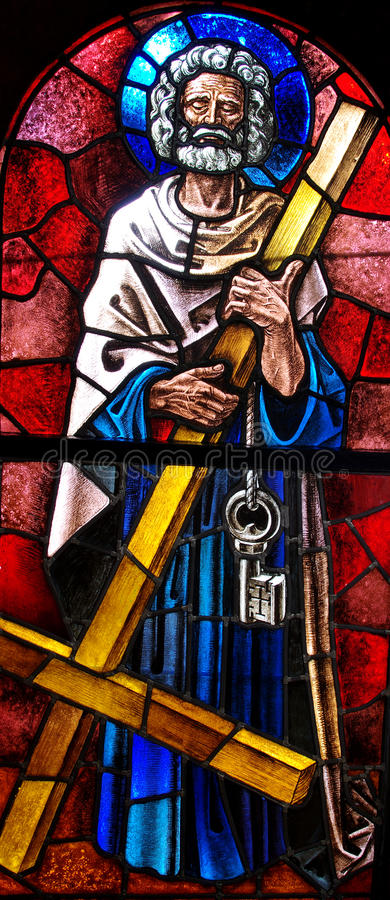 Today’s Gospel speaks volume about the new identity and roles of St. Simon Peter as the leader of the college of the apostles, and thus, the leader of the Church. He is the chosen foundation rock upon which Jesus built His Church. He is the prime minister who holds the keys of the kingdom of God. He is the chief priest who is responsible for the Temple of God. He is the chief Rabbi whose teachings binds the entire faithful. These are the bigger-than-life privileges and one may wonder, “Among the disciples, why was he chosen? Did Jesus know that he would deny Him three times?”
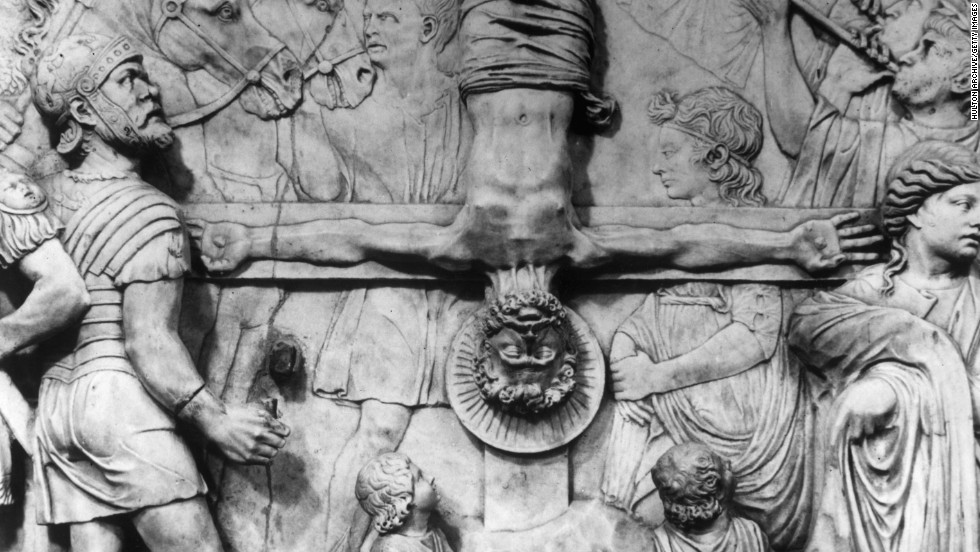 Injil hari ini berbicara banyak tentang identitas baru dan peran St. Simon Petrus sebagai pemimpin para rasul, dan dengan demikian, pemimpin Gereja. Dia adalah batu fondasi pilihan yang di atasnya Yesus membangun Gereja-Nya. Dia adalah perdana menteri yang memegang kunci kerajaan Tuhan. Dia adalah imam kepala yang bertanggung jawab atas Bait Allah yang baru. Dia adalah Rabi kepala yang ajarannya mengikat seluruh umat beriman. Ini adalah hak istimewa yang luar biasa dan orang mungkin bertanya-tanya, “Di antara para murid, mengapa dia yang dipilih? Apakah Yesus tahu bahwa dia akan menyangkal-Nya tiga kali? “
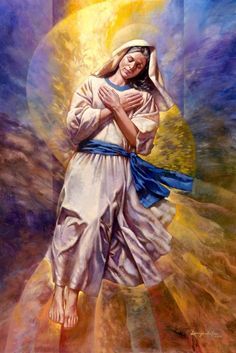 Often, we, Catholics, are accused of overemphasizing Mary in our faith, liturgy, and even our daily lives. The usual objections are: “Why do we should see Mary if we can go directly to Jesus? Why should there be Mary between you and Jesus?”
 Seringkali, kita, umat Katolik, dituduh terlalu menekankan Maria dalam iman, liturgi, dan bahkan kehidupan kita sehari-hari. Keberatan yang biasa kita dengar adalah: “Mengapa saya harus lewat Maria jika saya dapat langsung kepada Yesus? Mengapa harus ada Maria di antara saya dan Yesus?” Jenis-jenis keberatan ini berasal dari asumsi dasar bahwa keselamatan adalah hanya tentang saya dan Yesus. Kita hanya membutuhkan Yesus, dan sisanya adalah penghalang bagi Yesus. Kita tidak membutuhkan Gereja, orang-orang kudus, dan khususnya Maria. Ini adalah “kelebihan bagasi” yang harus disingkirkan agar kita bisa terbang dengan mudah kepada Tuhan.
 A few days ago, a nativity scene went viral. The image is called “Let Mom Rest”. The prominent character of this scene is that Joseph is taking care of the baby Jesus while Mary is resting. This image presents to us untouched yet powerful aspects of Jesus’ birth and thus, Christmas. Often, we focus our attention on Jesus with Mary, His mother. We honor Mary because of her willingness to carry Jesus on her womb despite so many dangers and difficulties and to remain a faithful disciple of Jesus till the end. However, the image brings us to another important character that we often overlook, St. Joseph, as the man of faith.
 In Medio Ecclesiae