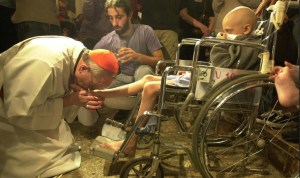
Beholding the Crucified Christ

Fourth Sunday of Lent [March 11, 2018] John 3:14-21

“Just as Moses lifted up the serpent in the desert, so must the Son of Man be lifted up, (Jn. 3:14)”
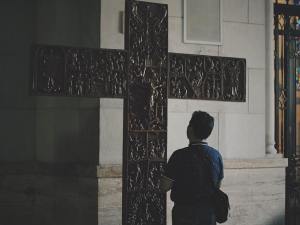
beholding cross
photo by Harry Setianto, SJ

As early as chapter 3 of the Gospel of John, Jesus is aware that he is going to suffer and die on the cross. The crucifixion is the worst kind of punishment in the ancient time. It is reserved for the rebels and foulest criminals. For the Jews, death on the tree is considered accursed by God Himself (Deu 21:22-23). By dying on the cross, Jesus may be seen by Jewish contemporaries as an evil criminal, a great dishonor to the family and the nation, and an accursed by God.


However, Jesus sees His death on the cross, not in these horrible perspectives, but rather He likens himself to the bronze serpent lifted up by Moses in the desert. In the book of Numbers (21:4-9), the Israelites complain against the Lord and Moses in the desert. They particularly do not like the manna despite being freely and miraculously given by God. So, God sends serpents to punish the Israelites. When the Israelites repent, Moses lifts a bronze serpent on the pole, so those who behold it, will be healed from the snake’ bite and live. We notice that the serpent that becomes the instrument of punishment and death turns to be the instrument of healing and life. Like the serpent, the cross is originally a means of torture and death, but God transforms it into the means of forgiveness and salvation. Therefore, like the Israelites who see the bronze serpent, those who behold the crucified Jesus and believe in Him will have the eternal life.

The faith in the Crucified Man is fundamental in the life of every Christian. Yet, we, Catholics, seem to take this faith and Gospel verses pretty passionately. We do not only have faith in the Jesus Crucified; we literally behold Him on the cross.  In every church, we see the cross both inside and outside the building. In Catholic schools, hospitals, and homes, the crucifix (cross with the body) is hanging on practically every wall. The crucifix is also inseparable from our religious and liturgical activities. The General Instruction of the Roman Missal no. 270 even states, “There is to be a crucifix, clearly visible to the congregation, either on the altar or near it.” Our rosaries always begin with holding the crucifix and ends by kissing it. During the Way of the Cross, we literally genuflect before the cross, and proclaim, “We adore You, O Christ, and we praise you. Because, by Your holy cross, You have redeemed the world.” Even, during the exorcism rite, a priest finds the crucifix, especially St. Benedict’s cross, as a powerful means against the evil spirits. Finally, we make the sign of the cross every time we pray because we acknowledge that our salvation comes the Jesus Crucified.

Like the Israelites in the desert behold the bronze serpent, we too behold Jesus on the cross. As the Israelites are healed and live, we are also saved and have eternal life in the Son of Man that is lifted up on the cross. This Lenten season, we are invited once again to reflect the meaning of the cross in our lives. Is the cross a mere cute accessory or ornament? Is making the sign of the cross a meaningless repeated practice? Are we ashamed of the cross of Christ? What does it mean for us to be the men and women who behold the cross?

Br. Valentinus Bayuhadi Ruseno, OP
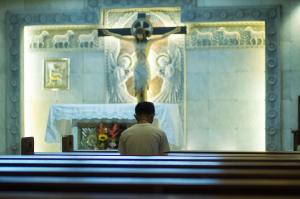
Lihatlah Kristus yang Tersalib

Minggu Keempat Prapaskah [11 Maret 2018] Yohanes 3: 14-21

“sama seperti Musa meninggikan ular di padang gurun, demikian juga Anak Manusia harus ditinggikan (Yoh 3:14)”

before the cross
foto oleh Harry Setianto SJ

Sudah dari bab 3 Injil Yohanes, Yesus menyadari bahwa Ia akan menderita dan wafat di kayu salib. Penyaliban adalah hukuman terburuk pada zaman dahulu. Hukuman ini diperuntukkan bagi para pemberontak dan kriminal yang paling jahat. Bagi orang Yahudi, kematian di atas pohon dianggap terkutuk oleh Allah (Ul 21: 22-23). Dengan mati di kayu salib, Yesus dilihat oleh orang-orang sezaman-Nya sebagai penjahat, aib besar terhadap keluarga dan bangsa, dan telah dikutuk oleh Allah.


Namun, Yesus melihat kematian-Nya di kayu salib, bukan dalam perspektif negatif ini, melainkan Ia menyamai diri-Nya seperti ular tembaga yang diangkat Musa di padang gurun. Dalam kitab Bilangan (21: 4-9), orang Israel mengeluh kepada Tuhan dan Musa di padang gurun. Mereka tidak suka Manna meski telah diberikan Tuhan secara cuma-cuma dan penuh Mujizat. Tuhan pun mengirim ular-ular tedung untuk menghukum orang Israel. Ketika orang Israel bertobat, Musa mengangkat ular tembaga di atas tiang, sehingga orang-orang yang melihatnya, akan disembuhkan dari gigitan ular dan hidup. Kita melihat bahwa ular yang menjadi alat penghukuman dan kematian ternyata menjadi alat penyembuhan dan kehidupan. Seperti ular, salib pada awalnya merupakan alat penyiksaan dan kematian, tetapi Tuhan mengubahnya menjadi sarana pengampunan dan penyelamatan. Oleh karena itu, seperti orang Israel yang melihat ular tembaga, mereka yang melihat Yesus yang tersalib dan percaya kepada Dia akan memiliki hidup yang kekal.

Iman kepada Yesus tersalib sangat penting dalam kehidupan setiap orang Kristiani. Namun, kita, umat Katolik, tampaknya menghidupi iman ini dan ayat-ayat Injil dengan penuh semangat. Kita tidak hanya memiliki iman kepada Yesus yang tersalib; Kita benar-benar memandang Dia di kayu salib. Di setiap gereja, kita melihat salib baik di dalam maupun di luar gedung. Di sekolah-sekolah Katolik, rumah sakit, dan rumah, salib tergantung di hampir setiap dinding. Salib juga tidak dapat dipisahkan dari kegiatan keagamaan dan liturgis kita. Pedoman Umum Misale Romawi no. 117 bahkan menyatakan, “Hendaknya ada sebuah salib dengan sosok Kristus tersalib yang dipajang pada altar atau di dekatnya.” Rosario kita selalu dimulai dengan salib dan diakhiri dengan menciumnya. Selama Jalan Salib, kita berlutut di depan salib, dan menyatakan, “Kita memuji Engkau, ya Kristus. Karena, oleh salib-Mu kudus, Engkau telah menebus dunia.” Bahkan, selama ritual exorsisme, seorang imam menggunakan salib, khususnya salib St. Benediktus, sebagai sarana yang sangat kuat melawan roh-roh jahat. Akhirnya, kita membuat tanda salib setiap kali kita berdoa karena kita mengetahui bahwa keselamatan kita berasal dari  Yesus yang disalibkan.

Seperti orang Israel di padang gurun melihat ular tembaga, kita juga melihat Yesus di kayu salib. Saat orang Israel disembuhkan dan hidup, kita juga diselamatkan dan memiliki hidup yang kekal karena kita beriman kepada Anak Manusia yang diangkat ke atas kayu salib. Masa Prapaskah ini, kita diajak sekali lagi untuk merefleksikan makna salib dalam kehidupan kita. Apakah salib hanyalah sekedar aksesori atau ornamen cantik untuk rumah kita? Apakah membuat tanda salib merupakan sebuah rutinitas yang tidak berarti? Apakah kita malu dengan salib Kristus? Apakah artinya bagi kita hidup sebagai orang yang menatap salib Yesus?

Frater Valentinus Bayuhadi Ruseno, OP

Gospel and Salvation

Second Sunday of Advent [December 10, 2017] Mark 1:1-8

“The beginning of the Gospel of Jesus Christ. (Mar 1:1)”

francis kissToday, we read the beginning of the Gospel according to Mark. Among the evangelists, only Mark explicitly introduces his work as the “Gospel”. The English word “Gospel” simply means the Good News, or in original Greek, “Evangelion.” Commonly, we understand a gospel as a written account of the life and words of Jesus Christ. The Church has recognized four accounts as canonical or true Gospel. We have Gospel according to Matthew, Mark, Luke, and John.
But, what does the Gospel truly mean? Going back to the time of Jesus, Evangelion is actually a technical term for an oral proclamation of the imperial decree that will significantly affect the life of the many people. The messenger will stand in the middle of the public square and announce that the battle has been won decisively, and the city has been saved. It is a good news, indeed a great and joyful news. St. Paul is the first who adopts the term into the Christian world and it signifies the oral proclamation of the saving effects of Jesus’ death and resurrection (see 1 Cor 15:1-4). Thus, when we read that St. Paul proclaims the Gospel, it does not mean he reads the parts of the Gospel according to Mark or John, but rather orally proclaims that we have been saved. The Gospel has to be proclaimed because only by believing and living through the Gospel, we are saved (See Rom 10:13-15).

Since we are all baptized, we all have the duty to proclaim the Gospel and work for salvation. Yet, we may ask, “How we are going to preach and save souls if we cannot administer sacraments?” While it is true that sacramental works and preaching in the pulpit are reserved to the deacons, priests, and bishops, all of us are called to preach the Gospel. But how? We remember that we preach the Gospel for the sake of salvation, and the salvation is not limited in a spiritual sense, but in a more holistic one. It is the salvation not only from sins that separate us from God, but the salvation of all aspects of humanity. Jesus does not only forgive sins, He heals the sick, teaches the people, empowers the poor and fights against oppressive systems.

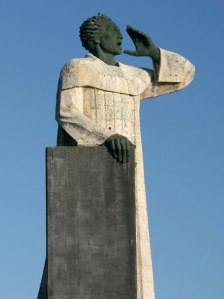
Following His Lord and Master, the Church works for salvation that is holistic. We run a great number of hospitals throughout the world to bring healing to the sick. We manage numerous schools around the globe to educate people and form their characters. Numerous Catholic scientists are involved in many breakthrough types of research. Fr. Georges Lemaitre, a Belgian priest, is the astronomer behind the Big Bang theory. Louis Pasteur, the inventor of pasteurization process, is a lay Catholic who has a strong devotion to the rosary. We build and fight also for the just and peaceful societies. Antonio de Montessinos, a Dominican Spanish friar, was one of the first priests who openly preached against the slavery in America. To show its commitment to justice and peace, Dominican Order has placed its permanent delegate at the United Nations in Geneva and is actively engaged in just and peaceful resolutions on various global issues.

 This Advent season is the high time for us to reflect on the meaning of the Gospel, and on how we preach the Gospel in our own particular ways. What are the means we use to preach the Gospel? Do we make preaching the Gospel as our priority? Are we working diligently on our salvation and that of others?

Br. Valentinus Bayuhadi Ruseno , OP


Injil dan Keselamatan

Minggu Kedua Adven [10 Desember 2017] Markus 1: 1-8

“Inilah permulaan Injil tentang Yesus Kristus (Mar 1:1).”

antonio de montesinosHari ini, kita membaca permulaan dari Injil menurut Markus. Di antara para penginjil, hanya Markus yang secara eksplisit memperkenalkan karyanya sebagai “Injil”. Kata “Injil” berarti “Kabar Baik”, atau dalam bahasa Yunani, “Evangelion”. Biasanya, kita memahami sebuah Injil sebagai karya tertulis tentang hidup dan sabda Yesus Kristus. Gereja telah menetapkan empat karya sebagai Injil kanonik. Kita memiliki Injil menurut Matius, Markus, Lukas dan Yohanes.
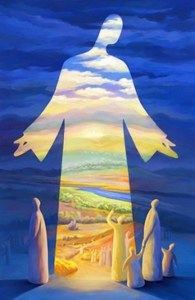
Tapi, apa arti sebenarnya sebuah Injil? Kembali ke zaman Yesus, “Evangelion” sebenarnya adalah istilah teknis bagi proklamasi lisan dari keputusan kerajaan yang secara signifikan akan mempengaruhi kehidupan banyak orang. Seorang utusan akan berdiri di tengah alun-alun dan mengumumkan bahwa perang telah dimenangkan, dan kota tersebut telah diselamatkan. Ini adalah kabar baik, sungguh kabar yang besar dan menggembirakan. St. Paulus adalah orang pertama yang mengadopsi istilah Injil ke dalam Gereja, dan ini menandakan sebuah proklamasi lisan tentang buah-buah karya penyelamatan yang dimenangkan melalui wafat dan kebangkitan Yesus Kristus (lih. 1 Kor 15:1-4). Jadi, ketika kita membaca bahwa St .Paulus mewartakan Injil, ini bukan berarti dia membaca bagian dari Injil menurut Markus atau Yohanes, namun ia mewartakan secara lisan bahwa telah kita selamatkan oleh Yesus. Injil harus diproklamasikan karena hanya dengan percaya dan hidup melalui Injil, kita akan diselamatkan (lih. Rom 10:13-15).

Karena kita semua telah dibaptis, kita semua memiliki kewajiban untuk mewartakan Injil dan bekerja untuk keselamatan. Namun, kita mungkin bertanya, “Bagaimana kita akan memberitakan dan menyelamatkan jiwa-jiwa jika kita tidak dapat memberikan sakramen?” Benar bahwa memberikan sakramen dan homili hanya bagi kaum tertahbis, yakni diakon, imam, dan uskup, tetapi kita semua dipanggil untuk mewartakan Injil. Tapi bagaimana caranya? Kita ingat bahwa kita mewartakan Injil demi keselamatan, dan keselamatan yang Yesus berikan tidak terbatas dalam pengertian spiritual, tapi bersifat holistik. Ini adalah keselamatan bukan hanya dari dosa, tapi yang menyentuh semua aspek kemanusiaan kita. Yesus tidak hanya mengampuni dosa, tapi Ia menyembuhkan orang sakit, mengajar orang-orang, memberdayakan orang miskin, dan menentang struktur yang tidak adil dan membuat orang-orang tertindas.

Mengikuti teladan Tuhan dan Gurunya, Gereja bekerja untuk keselamatan yang holistik. Kita mengelola banyak rumah sakit di seluruh dunia untuk menyembuhkan orang sakit. Kita mengelola banyak sekolah di seluruh dunia untuk mendidik manusia dan membangun karakter. Banyak ilmuwan Katolik terlibat dalam banyak jenis penelitian terobosan. Rm. Georges Lemaitre, seorang imam dari Belgia, adalah astronom di balik teori Big Bang. Louis Pasteur, penemu proses pasteurisasi, adalah seorang awam yang rajin berdoa rosario. Kita membangun dan memperjuangkan juga masyarakat yang adil dan damai. Antonio de Montessinos, seorang Dominikan dari Spanyol, adalah salah satu imam pertama yang secara terbuka berkhotbah menentang perbudakan di Amerika. Untuk menunjukkan komitmennya terhadap keadilan dan perdamaian, Ordo Dominikan telah menempatkan delegasi permanennya di Perserikatan Bangsa-Bangsa di Jenewa dan secara aktif terlibat dalam resolusi adil dan damai mengenai berbagai isu-isu global.

 Musim Adven ini adalah saat yang tepat bagi kita untuk merenungkan makna Injil, dan bagaimana kita mewartakan Injil. Apa sarana yang kita gunakan untuk memberitakan Injil? Apakah kita menjadikan pewartaan Injil sebagai prioritas kita? Apakah kita bekerja dengan tekun untuk keselamatan kita sendiri dan orang lain?

Frater Valentinus Bayuhadi Ruseno, OP

Salvation: Gift and Choice

21st Sunday in Ordinary Time. Luke 13:22-30 [August 21, 2016]

 “Lord, will only a few people be saved? (Luk 13:23)”

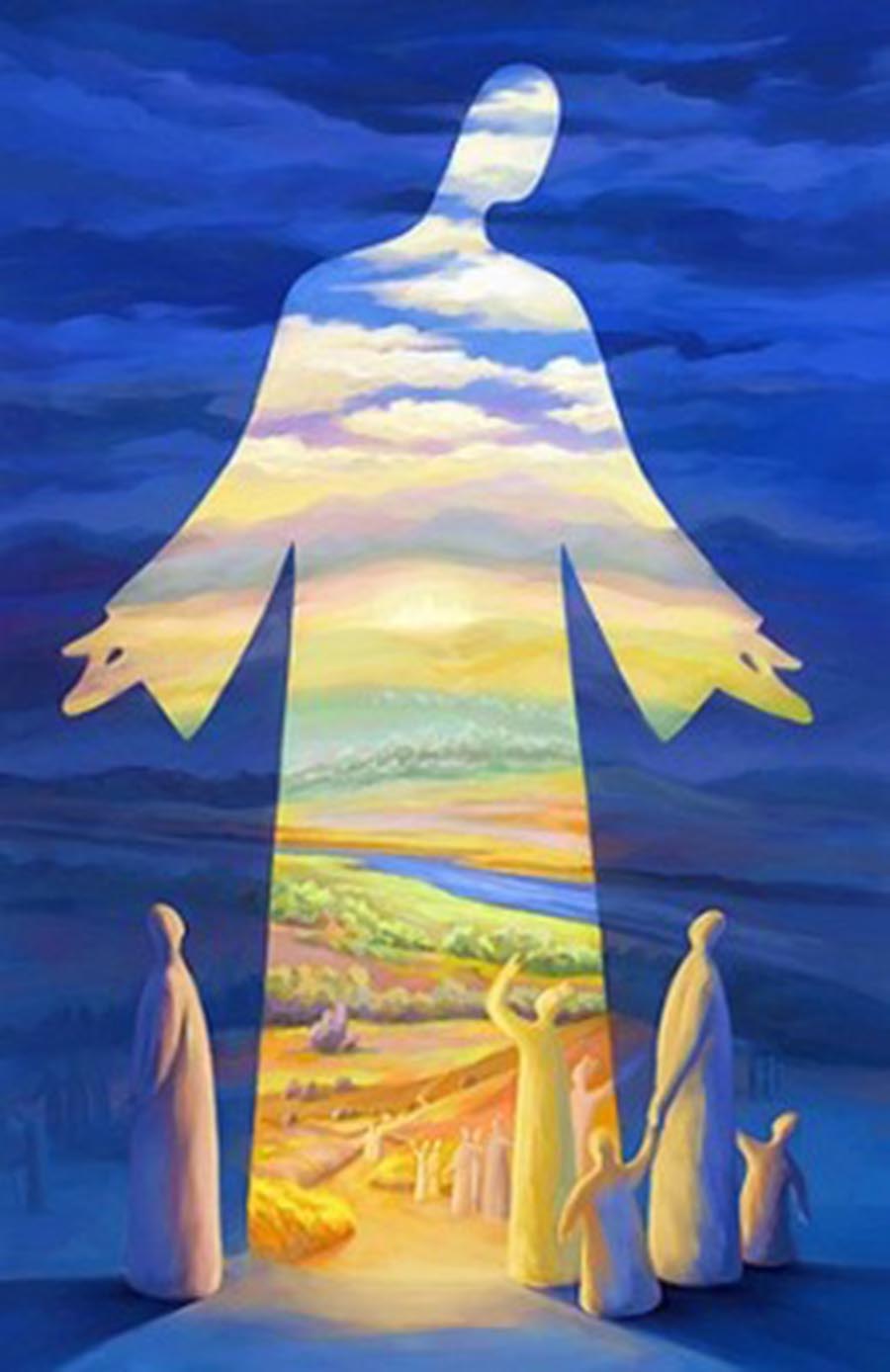
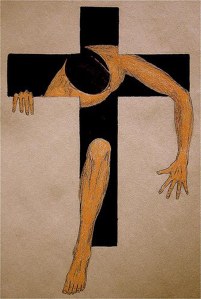
jesus the gateSalvation is both a gift and a choice. It is free yet it is never cheap. It is a gift because it is freely given by God and no one earns it. Yet, it is a choice because we make all the efforts to receive it and make it ours. Through His death and resurrection, Jesus has made available the grace of salvation for everyone. But, we need to participate in His work of salvation by living out the gift of faith in our daily lives.
There is a story of a rabbi who visited a soap maker to buy a supply for his household. Suddenly, the soap maker asked, “What good is religion? Look at all the suffering and evil in the world! Still there, even after years and thousand years of teaching about goodness and peace. Still there, after all the prayers and preaching. If religion is good and true, why should we continue to suffer?” The rabbi said nothing. He then noticed a child playing in the gutter in front of the shop, and the rabbi said, “Look at that child. You say that soap makes people clean, but do you see the dirt on that kid. Of what good is soap? With all the soap in the world, over thousand years, the child is still dirty. I wonder how effective your soap is, after all?” The soup maker protested, “But, Rabbi, soap cannot do any good unless it is properly used.” The rabbi replied, “Exactly!”

To make the gift of salvation ours is not an easy job. Jesus Himself admitted, “Strive to enter through the narrow gate, for many, I tell you, will attempt to enter but will not be strong enough (Luk 22:24).” It is tough because it demands radical transformation of our hearts, or metanoia. All external forces, like rules, regulations and commands, will not last. The gift of salvation cannot be forced from the outside, but has to grow from within us so that it will be stable and permanent in us. Yes, we are saved, but we are also saved each day of our lives.

The call for living out our salvation is the call of the prophets of the Old Testament. The prophets reminded the Israelites that they indeed have been chosen by God as His own precious possessions, saved from Egypt and dwelt in the land of milk and honey. Yet, this wonderful gift will not last unless they also reform their hearts and truly become God’s people. God, through prophet Ezekiel, demanded this, “I will give you a new heart and place a new spirit within you, taking from your bodies your stony hearts and giving you natural hearts (Ezekiel 36:26).”

It is a radical choice to live up our salvation daily. We can be baptized as Catholics or Christians, yet we never go to the Church. We profess our belief in only one God, but we enjoy reading horoscopes, consulting fortunetellers and use religious items as mere protective amulets. We can easily shout, “God is good all the time,” but we have a lot of complaints in our lives. We are often instructed by Jesus Himself to love our enemies, yet we maintain hatred, remain vengeance-oriented and take pleasure when our enemies suffer misfortunes. We enjoy the worship and good preachings, yet we simply look for feeling-good experiences.

God shall remove our stony hearts and replace them with natural hearts if we make the way. We are saved if we shall make every gift of salvation counts. We shall enjoy the Kingdom, if together with Jesus, we enter our daily narrow gate.

Br. Valentinus Bayuhadi Ruseno, OP

Keselamatan: Rahmat dan Pilihan

Minggu dalam Pekan Biasa ke-21. Lukas 13: 22-30 [21 Agustus 2016]

 “Tuhan, sedikit sajakah orang yang diselamatkan? (Luk 13:23)”

narrow gateKeselamatan adalah sebuah rahmat dan juga pilihan. Keselamatan adalah cuma-cuma, tetapi bukan berarti murahan. Keselamatan adalah rahmat karena diberikan oleh Allah secara cuma-cuma. Namun, ini juga adalah pilihan karena kita perlu membuat semua upaya untuk menerimanya dan menghidupinya. Melalui kematian dan kebangkitan-Nya, Yesus telah membuka pintu anugerah keselamatan bagi semua orang. Tapi, kita perlu berpartisipasi dalam karya keselamatan-Nya dengan menghidupi secara penuh karunia iman ini di dalam kehidupan kita sehari-hari.

Ada sebuah kisah tentang seorang pastor mengunjungi pembuat sabun guna beli pasokan untuk parokinya. Tiba-tiba, pembuat sabun bertanya, “Apa baiknya agama? Lihatlah semua penderitaan dan kejahatan di dunia! Penderitaan tetap ada, bahkan setelah agama bertahun-tahun mengajar tentang kebaikan dan perdamaian. Kejahatan tetap ada, setelah semua doa dan khotbah. Jika agama yang baik dan benar, mengapa kita harus terus menderita?” Sang pastor diam saja. Kemudian dia melihat seorang anak bermain di selokan depan toko sabun, dan pastor berkata, “Lihatlah anak itu. Kamu mengatakan bahwa sabun membuat orang bersih, tetapi kamu melihat banyak kotoran pada anak itu. Apa baiknya sabun? Dengan semua sabun di dunia, anak itu masih kotor. Aku bertanya-tanya seberapa efektif sabun buatanmu sebenarnya?” Sang pembuat sabun pun protes, “Tapi, Pastor, sabun tidak berguna kecuali saat digunakan dengan benar.” Sang Pastor pun menjawab, “Tepat sekali!”

Untuk menjadikan rahmat keselamatan bagian hidup kita bukan pekerjaan mudah. Yesus sendiri bersabda, “Berjuanglah untuk masuk melalui pintu yang sesak itu! Sebab Aku berkata kepadamu: Banyak orang akan berusaha untuk masuk, tetapi tidak akan dapat (Luk 13:24).” Hal ini sulit karena menuntut transformasi radikal dari hati kita, atau metanoia. Setiap kekuatan eksternal yang dipaksakan kepada kita, seperti aturan, hukum dan perintah, tidak akan bertahan lama. Karunia keselamatan tidak bisa dipaksakan dari luar, tetapi harus tumbuh dari dalam diri kita sehingga efeknya akan stabil dan permanen dalam diri kita.

Panggilan untuk menghidupi karya keselamatan ini sebenarnya adalah panggilan sejak dari nabi-nabi Perjanjian Lama. Para nabi mengingatkan Israel bahwa mereka memang telah dipilih oleh Allah sebagai bangsa pilihan-Nya, diselamatkan dari Mesir dan tinggal di tanah terjanji. Namun, rahmat yang indah ini tidak akan bertahan kecuali mereka juga mereformasi hati mereka dan benar-benar menjadi umat Allah. Allah, melalui Nabi Yehezkiel, menuntut ini, “Kamu akan Kuberikan hati yang baru, dan roh yang baru di dalam batinmu dan Aku akan menjauhkan dari tubuhmu hati yang keras dan Kuberikan kepadamu hati yang taat (Yehezkiel 36:26).”

Ini adalah pilihan yang radikal untuk menghidupi keselamatan kita sehari-hari. Ya, kita bisa dibaptis sebagai Katolik atau Kristen, namun kita tidak pernah pergi ke Gereja. Kita beriman kepada Allah yang Esa, tapi kita juga membaca horoskop, konsultasi peramal dan menggunakan jimat pelindung. Kita bisa dengan mudah berteriak, “God is good all the time!” tapi kita memiliki banyak keluhan dalam hidup kita. Kita diperintahkan oleh Yesus sendiri untuk mengasihi musuh kita, namun kita tetap benci dan dendam, bahkan senang ketika musuh kita tertimpa kemalangan.

 Allah akan menghapus hati berbatu dan menempatkan hati alami, jika kita membuka hati kita. Kita diselamatkan jika kita menghidupi rahmat keselamatan. Kita akan masuk ke Kerajaan-Nya, jika bersama-sama dengan Yesus, kita memasuki pintu yang sesak setiap harinya.

 Frater Valentinus Bayuhadi Ruseno, OP